
It’s late January. You’re staring at your activities list in AMCAS or AACOMAS, cursor blinking over two big blocks: 80 hours shadowing in a community clinic… and 200 hours volunteering at a hospital info desk, mostly giving directions and wheeling patients. You can hear your premed advisor’s voice: “Med schools love service and clinical exposure.”
What they never told you is how admissions committees actually read those experiences. Or which one quietly carries more weight when faculty are fighting over that last interview slot.
(See also: How Program Directors Read Clinical Volunteering on Your CV for more details.)
Let me pull back the curtain.
What Adcoms Actually Want From “Clinical Experience”
Here’s the dirty little secret: no one on an admissions committee is genuinely impressed by numbers alone.
Not “300 clinical hours.” Not “10 different volunteer roles.” Not “8 physicians shadowed.”
When we’re in the closed conference room reviewing apps, we’re hunting for three things under the clinical umbrella:
- Proof you understand what doctors actually do – including the unglamorous parts.
- Evidence you can function around sick, scared, vulnerable people without freaking out or checking out.
- A narrative arc that shows growth, reflection, and increasing responsibility.
Shadowing and volunteering are just tools. They’re not the point. The question in our heads is always: “If I hand this person a white coat in 8 years, will they still want it once reality hits?”
Now let’s talk shadowing vs volunteering the way adcoms and physicians actually think about it behind closed doors.
How Shadowing Really Plays in the Room
Everyone tells you shadowing “shows interest in medicine.” That’s the kindergarten version.
Here’s how shadowing actually gets read.
When a faculty reviewer scrolls to your shadowing entry, they are scanning for:
- Continuity: Did you keep showing up to the same place/people? Or is this a trophy collection of one-off days?
- Depth: Are your descriptions superficial (“observed patient care”) or do they show you were actually awake?
- Clarity of exposure: Did you see the messy reality or just stand there like an extra?
Shadowing is powerful when it does three things:
Shows you saw the hard parts and still want this.
If your reflections mention watching a resident get chewed out, watching a code that didn’t end well, or seeing how much time doctors spend in Epic instead of talking to patients—and you engaged with that—that’s gold.
At our committee meetings, when we see:“Observed the emotional impact of telling a patient their cancer had progressed; discussed with attending how they manage those conversations and the aftermath.”
that tells us you weren’t just counting hours; you were paying attention.Anchors your reasons for medicine in something specific.
The best shadowing entries connect directly to your personal statement and secondaries.
Example we love: a student who shadowed a family med doc at a FQHC (federally qualified health center) and then described how that experience made them re-think what “primary care” really means—complex chronic disease, addiction, social determinants.
That student’s essays then focused on continuity of care and underserved communities. The picture was coherent.Shows initiative and intentionality.
Shadowing a family friend for three afternoons looks lazy.
Shadowing across different settings—say outpatient internal medicine, inpatient hospital, and maybe EM or surgery—but structured around real questions you had (“What’s continuity vs inpatient like?”) looks thoughtful.
Where shadowing falls flat:
- You stacked specialty “tours”: 4 hours derm, 6 hours ortho, 3 hours anesthesia, 5 hours neurosurg. It screams: “I just wanted to see cool stuff.”
- Your description is a generic blob: “Observed physician-patient interactions and learned about healthcare.” That gets skimmed and essentially ignored.
- You clearly never interacted with patients yourself. Just a shadow, never a participant. That’s better than nothing, but not enough for maturity points.
One more unspoken truth: after 50–60 hours of well-documented shadowing, marginal returns drop. At 150 vs 350 hours, we’re not more impressed. At that point, we’re wondering why you didn’t put some of that time into service, research, or leadership.
So yes, you need shadowing. But no, dumping 300 hours into shadowing alone will not save an otherwise shallow app.
Why Volunteering Quietly Carries More Weight Than You Think
Now we get to volunteering. This is where most premeds underestimate the impact—because they pick roles that look “clinical” on paper but are empty in real life.
From the inside? Admissions committees lean in much more when they see sustained, patient-facing, often unglamorous volunteering.
Here’s what moves the needle:
- Consistency over years at the same place
- Direct contact with patients or families, not paperwork
- Demonstrated growth: you started at the bottom and earned more responsibility
- Serving populations that aren’t easy: homeless shelters, free clinics, hospice, psychiatric units, peds oncology
Why volunteering often matters more to us than shadowing:
It tests whether you can actually be useful around sick people.
Shadowing is passive. No risk.
Volunteering, when done right, puts you in situations that test your emotional bandwidth.
Students who do hospice, ED volunteer, or long-term pediatric units learn quickly how they handle seeing real suffering. We watch for that in your reflections.It reveals your character, not just curiosity.
Anybody can show up to follow a doctor for a few afternoons.
Fewer can commit every Friday afternoon for a year to sitting with lonely inpatients who want someone to talk to, or working in a free clinic waiting room juggling frustrated, anxious patients.
When we read that kind of commitment, the conversation in the committee room changes from “Can this person do med school?” to “Would I want this person on my team?”It shows whether you actually like serving people, not just studying them.
You’d be shocked how many strong MCAT/4.0 applicants clearly do not like actual humans. Volunteering is often where that shows up. Or doesn’t.
Here’s how this plays out in decisions.
Two real profiles from a cycle I sat in on:
- Applicant A: 250 hours shadowing (cards, ortho, EM), 50 hours hospital volunteer checking in visitors. Great MCAT.
- Applicant B: 60 hours shadowing primary care, 400 hours over 2.5 years at a free clinic—started at front desk, moved into rooming patients, eventually ran the volunteer schedule. MCAT slightly lower.
Guess who got a stronger push for interview? Applicant B. Every time that file came up, the free clinic experience drove the conversation:
“They understand continuity of care.”
“They’ve actually worked with uninsured patients.”
“They stuck with the same place for years; we can trust they’ll show up.”
Applicant A looked like someone sampling medicine from the glass; Applicant B looked like someone already halfway inside the building.
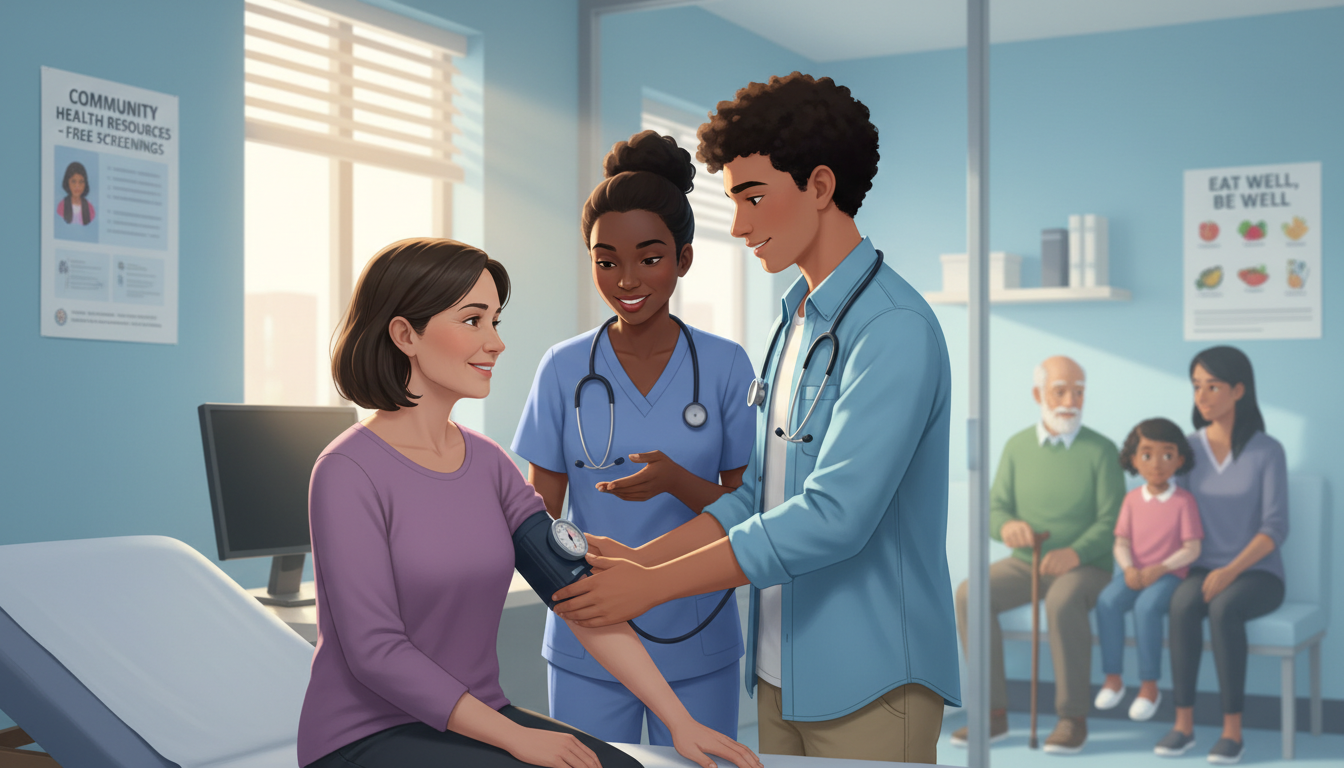
So Between Shadowing and Volunteering… What Actually Impresses?
Let’s cut to the chase.
If you force every adcom to choose only one:
Between 150 hours of high-quality clinical volunteering and 150 hours of shadowing, clinical volunteering wins at almost every MD and DO school.
Why? Because it answers more of their silent questions:
- Can you handle death, fear, pain, confusion—at least at a basic level?
- Can you show up every week for a year when no one is grading you?
- Do you actually care about people who are not like you?
- Are you willing to do what the team needs, not just what looks impressive?
Shadowing still matters. You need enough to show you’ve seen physicians in action and know what you’re signing up for. But when faculty are deciding which experiences to lean on in your file, robust volunteering—especially longitudinal, patient-facing roles—has more influence on perceived readiness for medicine.
Here’s what quietly impresses adcoms the most, ranked:
- Longitudinal, patient-facing clinical volunteering (1+ years at one site)
- Meaningful non-clinical service with vulnerable communities
- Focused, reflective shadowing (50–80 hours, multiple settings OK)
- One-off, short-term, or superficial anything
Notice what’s not highly ranked: numbers for their own sake.
The Combinations That Make Committees Nod
The magic is not “shadowing vs volunteering.” The magic is how you combine and narrate them.
From the insider seat, here are combinations that make people at the table say, “Yes, this person gets it.”
1. The “Clinic + PCP Shadow” Combo
- 1.5–2 years at a free clinic or community health center, doing front desk, rooming, vitals, or patient education.
- 40–60 hours shadowing a primary care physician in a similar setting.
Why this works: You see the front line from multiple vantage points. You understand systems, access issues, and continuity. It’s compelling for almost all schools, especially those with community or primary care missions.
2. The “Hospital Volunteer + Inpatient Shadow” Combo
- 1–2 years in a hospital volunteer role that actually touches patients or families (ED, inpatient units, transport with interaction, child life assistant).
- Shadowing on inpatient services: hospitalist, surgery, maybe a subspecialty consult team.
Why this works: You’re in the building enough to see the 3 a.m. realities, the discharge chaos, the way teams function. Not just clinic snapshots.
3. The “Hospice/Long-Term Care + Any Shadowing” Combo
- Hospice, oncology, or long-term care volunteering for 6–12+ months.
- Shadowing can be lighter here; your comfort with serious illness carries a lot of weight.
Faculty are deeply biased toward applicants who have been close to death and still want to do this work. It’s harsh, but true.

Common Premed Mistakes That Kill the Impact of Both
You can have hundreds of hours and still look flat if you make these errors that jump out at committees:
1. Chasing “clinical” labels over real contact
Hospital “volunteering” where you’re just filing in an office for 200 hours? That’s not clinical to us. You were near medicine, not in it.
Better: 60–100 hours in an ED or free clinic where you actually see and interact with patients beats 300 hours of supply room work.
2. Over-fragmenting your experiences
Eight different volunteering roles for 20–30 hours each reads like resume stuffing. There’s no narrative, no depth, no growth.
We look for: “Did you care enough to stay somewhere long enough to matter?”
One long-term role + a couple of shorter ones beats nine disjointed items.
3. Writing generic, lifeless descriptions
This is where most of you lose points you don’t even know you had.
If your activity description says:
“I volunteered at the hospital, helping patients and staff and learning about healthcare.”
we essentially ignore it.
We want to see:
- Who you interacted with
- What situations challenged you
- A moment that changed your understanding
- What you took from it that connects to your path
You have limited characters, but you’d be amazed how much real information fits when you cut the fluff.
4. Letting parents or connections define everything
Shadowing only your mom’s colleague in dermatology and your dad’s friend the anesthesiologist? It screams insularity. It’s fine to start there, but you should branch out.
Committees quietly reward applicants who went out of their comfort zone to find experiences—community clinics, shelters, FQHCs—rather than just tapping family networks.
How to Allocate Your Time if You’re Early in the Game
If you’re still in college or early in the process, here is the time allocation pattern that makes the most sense from an insider lens:
- Clinical Volunteering: Aim for 2–4 hours per week, long-term. Over 1–2 years this naturally becomes 150–300 hours without you obsessing about numbers.
- Shadowing: Do focused stints over breaks or lighter weeks. Target around 50–80 hours total, max ~120 unless it’s truly unique (rural medicine, global health context, one physician mentor over years).
- Non-clinical Service: Don’t neglect things like tutoring underserved kids, crisis hotlines, food banks. These matter more than you think and differentiate you from the “hospital-volunteer-only” crowd.
If you’re late in the game with thin experiences, your best play is this:
- Solidify one meaningful, high-contact volunteer role for the coming year (even if it’s only 6–9 months before you apply).
- Get 30–40 more hours of targeted shadowing to round out your exposure.
- Document and reflect like your life depends on it—because on the application, it kind of does.
How Committees Actually Talk About You Behind Closed Doors
Here’s a snippet of the kind of comments you never hear but that actually decide your fate:
About someone with mostly shadowing:
“They’ve seen docs work, sure. But have they done anything? Do they know what it feels like to be accountable to patients, even in a small way?”
About someone with deep volunteering:
“They’ve clearly spent time with patients in tough situations. They stuck with hospice for 18 months. That says a lot about their maturity.”
About someone with both, but shallow:
“There’s plenty of hours, but everything is surface. I don’t see any moment where they actually wrestled with what medicine costs.”
Those patterns repeat cycle after cycle. Shadowing gets you into the conversation. Volunteering often closes the deal.
FAQs
1. What’s the minimum shadowing I need so med schools take me seriously?
Most MD and DO programs start feeling comfortable around 40–50 hours of genuine, engaged shadowing, especially if it includes primary care or general internal medicine. Some applicants go up to 80–100 hours, which is fine. Beyond that, unless it’s clearly part of a long-term mentorship with one physician, the extra hours rarely move the needle.
2. Does non-clinical volunteering (like tutoring or food banks) matter as much as clinical?
It matters differently, but yes, it matters a lot. Non-clinical service shows your orientation toward helping people when there’s no “medicine” shine attached. Many schools are now explicitly looking for significant non-clinical service, especially with underserved populations. It will not replace clinical exposure, but it strongly strengthens your file and helps portray you as a whole person, not just a hospital tourist.
3. Is it a problem if my hospital volunteering wasn’t very hands-on?
It’s not fatal, but you’ll need something that involves real interaction with patients or families. If your hospital role was mostly clerical, try to add a second experience—a free clinic, hospice, ED, crisis line—where you’re face-to-face with people. Then, in your application, be explicit about what you actually did in each role so we understand the difference.
4. If I’m working a lot and have limited time, should I prioritize shadowing or volunteering?
If you are forced to choose, prioritize consistent clinical volunteering with direct patient contact, even if it’s only a few hours a week. Then layer in short, focused shadowing blocks when you can—maybe a week over winter break or a few half-days spread out. The combination of “I have to work” + “I still found a way to show up for patients” actually impresses committees much more than 150 hours of shadowing arranged through your parents’ friends.
Key takeaways: Med schools are not counting your shadowing and volunteering hours like a checklist; they’re reading them as evidence of who you are around sick, vulnerable people. Solid, long-term clinical volunteering almost always carries more weight than massive shadowing totals, but the most convincing applications pair both and tell a coherent, honest story of curiosity, service, and growth.