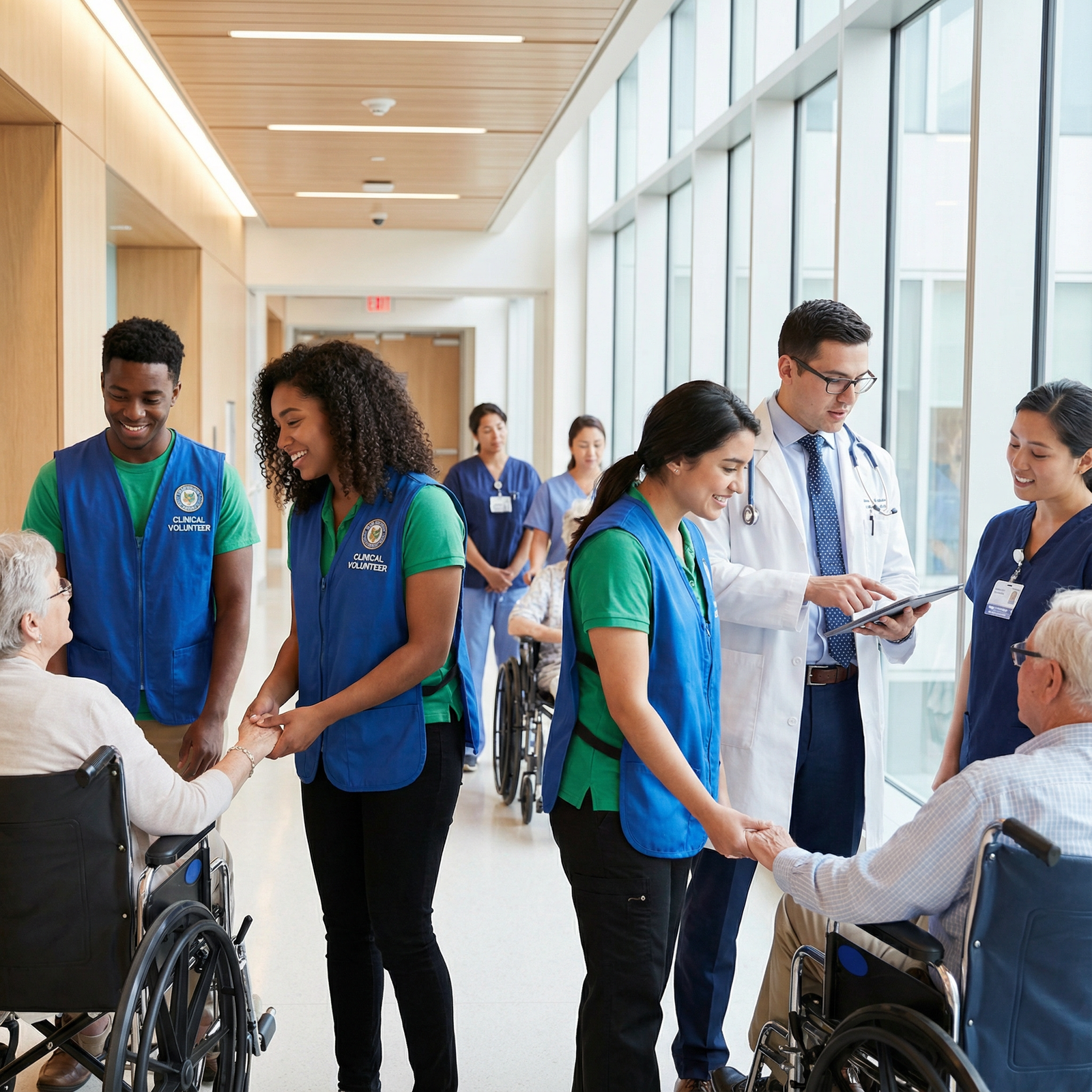
Volunteering in clinical settings is one of the most powerful ways to shape and clarify your medical journey. Beyond checking a box for applications, meaningful healthcare experience helps you decide whether medicine is truly right for you, builds critical clinical and interpersonal skills, and connects you with mentors who can guide you through the long training path ahead.
This guide walks through seven of the top categories of Clinical Volunteering programs, why they matter, what they actually look like day-to-day, and how to get started strategically. Whether you’re a premed student just starting to explore medicine or an early medical student looking to deepen your exposure, these programs can significantly accelerate your skill development and professional growth.
Why Clinical Volunteering Is Essential for Your Medical Journey
Clinical volunteering is more than shadowing. It places you inside the healthcare system as a contributing team member, even if your role is non-clinical at first. That vantage point provides lessons you simply can’t get from textbooks or lectures.
Core Benefits of Clinical Volunteering
Real Patient Exposure and Clinical Context
You see how diagnoses are made, how teams communicate, and how treatment decisions are implemented in real time. You begin to connect pathophysiology from class with real human stories—chronic illness, acute emergencies, recovery, and end-of-life care.High-Yield Skill Development
Clinical settings push you to grow in:- Communication (with patients, families, nurses, and physicians)
- Cultural humility and empathy
- Teamwork and interprofessional collaboration
- Time management in busy clinical environments
- Problem-solving under constraints (e.g., limited resources or time)
Clarifying Career Motivation and Fit
Consistent volunteering helps you answer:- Do I enjoy working with patients?
- Can I handle emotionally heavy situations?
- Which types of settings (hospital, outpatient clinic, community health) resonate with me?
This clarity is critical for personal well-being and for articulating your story in personal statements and interviews.
Networking and Mentorship Opportunities
Volunteering places you around physicians, nurses, social workers, PAs, and other professionals who:- Offer career guidance
- Provide insight into specialties and training pathways
- May eventually write strong, personalized letters of recommendation
Stronger, More Authentic Applications
Both medical schools and residency programs look for applicants who have tested their interest in medicine through sustained involvement. Thoughtful reflection on your clinical volunteering can strengthen:- Personal statements
- Secondary essays
- Interview answers (“Tell me about a meaningful clinical experience”)
Top 7 Clinical Volunteer Programs to Enhance Your Medical Journey
Below are seven major types of Volunteer Programs that can enrich your healthcare experience. Each section includes examples, what to expect, and why the experience is particularly valuable for aspiring physicians.
1. Hospital and Community Health Center Volunteer Programs
Hospitals and community health centers are classic starting points for Clinical Volunteering—and for good reason. They expose you to a broad range of departments, patient populations, and healthcare professionals.
What These Programs Look Like
Most medium- to large-sized hospitals and many community health centers have formal volunteer services departments. Common roles include:
- Greeting and directing patients and visitors
- Assisting with patient transport or wheelchair escort
- Stocking supplies on nursing units
- Helping with non-clinical tasks in the emergency department
- Supporting staff at the front desk or in outpatient clinics
- Translating (if you are certified and fluent in another language)
Examples:
- Major academic medical centers like Cleveland Clinic, Johns Hopkins, or Mayo Clinic offer structured volunteer roles with orientation, background checks, and scheduled shifts.
- Federally Qualified Health Centers (FQHCs) often welcome volunteers to help with patient flow, health education, and administrative tasks.
Typical commitment: 2–4 hours per week for at least one semester or several months, often with fixed shifts.
Why Hospital and Clinic Volunteering Matters
Wide Exposure to Healthcare Systems
You see the entire ecosystem: admissions, inpatient floors, labs, imaging, and outpatient care. You learn how departments interact and how care transitions happen.Understanding Team-Based Care
You’ll quickly see that patient care is a team sport. Watching nurses, physicians, respiratory therapists, pharmacists, and social workers collaborate gives you a more realistic picture of clinical practice.Early Professionalism and Reliability
Showing up on time, respecting patient privacy (HIPAA), and taking initiative in small ways are early steps in developing a professional identity in healthcare.
Tips to Maximize This Experience
- Ask staff (when appropriate) if you can observe non-sensitive parts of their work.
- Keep a reflective journal about patient encounters, communication challenges, and systems issues you notice.
- If you can, stay in one program long enough to earn more responsibility over time.

2. Global Health and International Medical Volunteer Initiatives
Global health–oriented Volunteer Programs allow you to see healthcare delivery in resource-limited contexts and diverse cultural settings. These can be transformative, but they also require careful ethical consideration.
What Global Health Programs Typically Involve
Legitimate global health initiatives for premeds and early medical students generally focus on:
- Community health education (e.g., hygiene, nutrition, preventive care)
- Public health projects (water sanitation, vaccination campaigns, maternal-child health)
- Data entry or logistical support for mobile clinics
- Shadowing local clinicians rather than directly providing medical care
Examples:
- Global Brigades: Student-led trips focusing on medical, dental, and public health brigades in underserved communities.
- Unite For Sight: Global eye health initiatives that emphasize sustainable partnerships.
- Long-term NGO programs partnering with local ministries of health.
Important note: Organizations like Doctors Without Borders (Médecins Sans Frontières) typically require advanced training and are not typical premed volunteer options, but learning about their work can broaden your understanding of global health.
Why Global Health Volunteering Matters
Perspective on Health Inequities
You see how geography, conflict, poverty, and infrastructure shape health outcomes. This can deepen your commitment to health equity and inform future career choices.Cultural Sensitivity and Humility
Working with communities abroad reinforces that Western models of care aren’t the only or always the best solutions. You learn to listen first and respect local expertise.Understanding Public Health and Prevention
Global health work often emphasizes prevention over high-tech interventions, reinforcing fundamental concepts that are increasingly important in all healthcare systems.
Ethical Considerations and Best Practices
- Avoid programs that allow untrained students to perform clinical procedures.
- Look for organizations that emphasize:
- Sustainable, long-term partnerships
- Local leadership
- Clear roles for students focused on learning and support, not independent medical care
- Prepare by learning about the country’s history, health system, and language basics.
3. Nursing Homes and Assisted Living Facilities
Geriatric care settings offer some of the most impactful relationship-based healthcare experiences. You see how chronic disease, cognitive decline, and social isolation affect older adults—an increasingly large patient population.
Typical Volunteer Roles in Long-Term Care
Volunteers may:
- Provide companionship: reading, conversation, letter writing
- Assist with activities: bingo, music therapy, exercise groups, arts and crafts
- Help with mealtime setup or feeding (after training)
- Support recreational therapy or chaplaincy services
- Join life-review or reminiscence activities with residents
Examples:
- “Compassionate Companion” programs at nursing homes or hospices
- Assisted living facilities with volunteer-run social or wellness programs
Why Volunteering with Older Adults Matters
Developing Deep Empathy and Patience
Working with residents who have dementia, mobility limitations, or hearing loss teaches you to communicate clearly, slowly, and compassionately.Exposure to End-of-Life and Chronic Care
You may witness palliative care, family meetings, or the slow progression of chronic illnesses. These experiences help you understand quality-of-life considerations and the emotional complexity of long-term care.Practicing the Art of Listening
Many residents simply need someone to listen. Learning to sit with silence, grief, or confusion builds emotional resilience and bedside manner.
How to Stand Out in This Setting
- Learn residents’ names, histories, and preferences.
- Ask staff how you can be most helpful on each shift.
- Reflect on what you notice about autonomy, dignity, and family dynamics—great material for future essays and interviews.
4. Free Clinics and Volunteer Medical Organizations
Free and low-cost clinics serve uninsured or underinsured patients and are a goldmine of meaningful clinical volunteering opportunities.
What You Might Do in Free Clinics
Depending on your training level and clinic policies, you may:
- Help with patient intake and registration
- Take vitals or obtain basic history (for trained students)
- Assist with chart preparation or electronic health record (EHR) navigation
- Provide language interpretation if fluent and approved
- Help with health education materials and community outreach events
Examples:
- Student-run free clinics associated with medical schools
- Community-based organizations like The Health Wagon in Virginia
- Faith-based or non-profit clinics offering primary care, women’s health, or chronic disease management
Why Free Clinic Volunteering Is High-Impact
Front-Row Seat to Health Disparities
You’ll see how insurance status, transportation, work schedules, and immigration status affect access to care.Early Clinical Responsibility (Within Limits)
Student-run clinics may allow trained premeds or early medical students to take on structured roles in patient interviews or follow-up calls under close supervision.Interprofessional Collaboration
Many free clinics rely on volunteer physicians, nurses, pharmacists, social workers, and students—allowing you to observe team-based patient-centered care.
Tips for Getting the Most Out of Free Clinic Volunteering
- Be reliable—free clinics often run on a very lean team.
- Ask for feedback on your communication and professionalism.
- Learn about social determinants of health and community resources used to help patients.
5. Mental Health and Crisis Support Volunteer Roles
Mental health is integral to overall health, and experience in this area is increasingly valued in medical education and practice.
Types of Mental Health Volunteer Programs
Advocacy and Education Organizations
- NAMI (National Alliance on Mental Illness) affiliates
- Local mental health nonprofits Tasks may include planning awareness events, classroom presentations, or support group logistics.
Crisis Hotlines and Text Lines
- Local or national crisis lines that support people experiencing emotional distress After extensive training, volunteers may answer calls or texts under supervision.
Inpatient or Outpatient Behavioral Health Units
Some hospitals allow volunteers to help with group activities, recreational therapy, or unit support (non-clinical tasks).
Why Mental Health Volunteering Matters for Future Clinicians
Understanding the Scope of Mental Illness
You’ll encounter anxiety, depression, psychosis, substance use disorders, and suicidality—conditions you will see regardless of your specialty.Learning Communication in High-Stakes Situations
Crisis line training often includes:- Active listening
- Risk assessment
- De-escalation skills These are transferable skills for any clinical environment.
Reducing Stigma—Starting with Yourself
Working with individuals facing mental health challenges humanizes diagnoses and helps you address your own implicit biases.
How to Prepare and Protect Your Own Well-Being
- Expect thorough initial training and ongoing supervision.
- Use debriefing opportunities when difficult calls or encounters occur.
- Develop personal coping strategies (exercise, journaling, peer support) to avoid burnout.
6. Specialized Programs for Underserved and Vulnerable Populations
Many organizations focus on specific groups facing substantial barriers to care—such as refugees, migrants, people experiencing homelessness, or low-income families. These are some of the most powerful contexts for understanding systemic health inequities.
Examples of Specialized Volunteer Settings
Refugee and Asylum-Seeker Health Programs
- Assisting with medical intake at community clinics
- Helping with translation, navigation, or health education in resettlement agencies
Homeless Outreach Programs
- Street medicine teams (for more advanced trainees)
- Shelter-based health education or screening events
- Support at day centers providing hygiene, meals, and referrals
Programs Serving Low-Income Families
- Food banks integrated with healthcare providers
- School-based health centers
- United Way and Volunteers of America initiatives focused on health-related services
Why These Experiences Are So Transformative
Immersive Social Determinants of Health Education
Housing, food security, employment, documentation status, and transportation come to the forefront. You’ll see that prescribing medication is only part of the solution.Cultural Competence and Humility
Working with diverse communities builds comfort with language barriers, different health beliefs, and varying levels of trust in the medical system.Developing Advocacy Skills
You may engage in policy-related work, community organizing, or public health campaigns that aim to address root causes of poor health.
Making an Ethical and Sustainable Impact
- Listen to community leaders and staff who have been doing this work long-term.
- Be cautious of “savior” mindsets; aim to learn, support, and amplify existing efforts.
- Reflect on how what you learn might shape your future practice or advocacy efforts.
7. Telehealth and Digital Health Volunteer Programs
As telemedicine and digital health continue to expand, Telehealth Volunteer Programs are becoming an important part of the modern medical journey.
What Telehealth Volunteering Involves
Patient Technology Support
- Helping older adults or tech-inexperienced patients set up patient portals or video visit platforms
- Troubleshooting devices before telehealth appointments
Remote Education and Navigation
- Guiding patients through online resources
- Explaining how to use remote monitoring tools (e.g., blood pressure cuffs, glucometers linked to apps)
Administrative and Outreach Roles
- Scheduling, follow-up calls, or text reminders
- Data entry or quality improvement projects supporting telehealth programs
Examples:
- Telehealth Access for Seniors (TAS) and similar initiatives helping seniors connect with virtual care
- Hospital-based telemedicine programs that integrate volunteers into outreach and support workflows
Why Telehealth Experience Is Increasingly Valuable
Alignment with the Future of Medicine
Many specialties now integrate telemedicine extensively. Understanding the technology, limitations, and strengths positions you well for future practice.Improving Access and Equity
Telehealth can reduce barriers like transportation, childcare, and time off work—if patients can effectively use the technology. Volunteers play a key role in closing that digital divide.Exposure to Remote Patient-Provider Communication
Observing (when permitted) or supporting telehealth visits gives insight into how physicians build rapport and gather clinical information virtually.
How to Find and Secure High-Quality Clinical Volunteering Opportunities
Once you understand the types of Volunteer Programs available, the next step is to strategically choose and obtain positions that fit your goals and schedule.
Step 1: Clarify Your Goals and Constraints
Ask yourself:
- What do I most want to learn? (patient interaction, health systems, public health, mental health)
- How much time can I realistically commit each week or semester?
- Am I seeking breadth (many short experiences) or depth (one or two long-term commitments)?
- Do I need experiences near my campus, near home, or remote?
Step 2: Research Opportunities
Effective ways to search:
- Hospital and Clinic Websites
Most have a “Volunteer Services” or “Get Involved” tab. - Online Platforms
- VolunteerMatch
- Idealist
- State or local medical society listings
- Campus Resources
- Premed advising office
- Pre-health clubs or global health organizations
- Service-learning or community engagement centers
- Community Organizations
- United Way, Volunteers of America, Red Cross
- Local government public health departments
Step 3: Prepare a Strong Application
Most clinical volunteering roles require:
- Online application and availability form
- Background check, immunization records, or TB testing
- Basic orientation and training
To stand out:
- Create a concise 1-page resume highlighting:
- Prior service work or jobs (even non-medical)
- Language skills
- Leadership or teamwork experiences
- Write brief but thoughtful interest statements:
- Why you want this specific role
- How it aligns with your long-term goals in healthcare
- Your commitment to reliability and professionalism
Step 4: Commit and Show Up Consistently
Reliability is critical in clinical environments:
- Treat your volunteer role like a job—arrive on time, follow through, and communicate if you must miss a shift.
- Seek feedback from supervisors about how you can be more helpful.
- When possible, stay with a program for at least 3–6 months to build trust and depth of experience.
Step 5: Reflect, Record, and Evolve
To maximize impact on your medical journey:
- Keep a log of dates, hours, roles, and key experiences for future applications.
- Reflect regularly:
- What moved you?
- What challenged you?
- What did you learn about patients, systems, and yourself?
- Reassess each semester:
- Continue where you are?
- Take on added responsibility?
- Add a complementary type of volunteering (e.g., move from hospital to free clinic or mental health role)?
FAQ: Clinical Volunteering and Your Path to Medicine
1. How many hours of clinical volunteering do I need for medical school?
There is no universal minimum, but many successful applicants accumulate 100–200+ hours of meaningful healthcare experience over several years. More important than the number is:
- Consistency over time (e.g., 2–4 hours/week for many months)
- Depth of involvement (increasing responsibility, leadership)
- Reflection and insight (can you clearly articulate what you learned?)
Admissions committees care less about a specific threshold and more about whether your experiences demonstrate a sustained and thoughtful commitment to patient care.
2. Do I need prior experience or certifications to start clinical volunteering?
Not for most entry-level roles. Many programs are designed for beginners and provide:
- Orientation on confidentiality and professionalism
- Role-specific training (e.g., transporting patients, answering phones, assisting with activities) Some specialized roles—such as taking vitals, crisis line counseling, or interpreting—require additional training, certification, or fluency. You can work up to these over time as you gain experience.
3. What’s the difference between shadowing and clinical volunteering, and do I need both?
Shadowing:
You observe a physician or other clinician as they work, but you typically do not interact directly with patients. This shows you what daily life is like in specific specialties.Clinical Volunteering:
You are part of the healthcare environment as an active (though non-clinical) contributor—helping patients, supporting staff, or working in systems-level roles.
Ideally, aim for both:
- Shadowing: breadth across different specialties
- Volunteering: depth of ongoing patient- and system-facing involvement
4. Can I balance clinical volunteering with a full academic course load?
Yes, if you plan thoughtfully. Many students successfully volunteer 2–4 hours per week during the semester. Strategies:
- Choose shifts that fit around your fixed class schedule.
- Avoid overcommitting; start small and build up if you can handle more.
- Consider more intensive volunteering during summer or academic breaks.
Programs appreciate reliability more than high volume. It’s better to consistently show up for a small commitment than to overextend and cancel frequently.
5. How do I talk about my clinical volunteering in medical school applications and interviews?
Focus on stories and growth, not just a list of tasks. When writing essays or answering interview questions:
- Use specific examples:
“I remember one patient who…” or “During my time at the free clinic, I saw how…” - Highlight insights:
- What you learned about patients’ experiences
- What you learned about the healthcare system
- How it shaped your view of the physician’s role
- Reflect on skills developed:
- Communication
- Cultural humility
- Handling emotionally challenging situations
Link these experiences to your future goals and the kind of physician you hope to become.
By intentionally pursuing a mix of these seven types of Clinical Volunteering programs and reflecting deeply on your experiences, you’ll do far more than strengthen your application. You’ll cultivate the empathy, resilience, systems-awareness, and practical skills that form the foundation of an effective, compassionate physician—long before you put on a white coat with your name on it.