5 Unexpected Benefits of Clinical Volunteering for Future Physicians
Clinical volunteering is often framed as a checkbox for medical school applications: log some hours, get exposure to patients, and move on. But for future physicians, the real value of clinical volunteering goes much deeper.
Beyond shadowing and basic tasks, structured clinical volunteering can transform how you communicate, think, cope with stress, and see the healthcare system. It can shape your identity as a physician long before you write your first prescription.
This article explores five unexpected, high-impact benefits of clinical volunteering for premeds and early medical students—and how to intentionally maximize those benefits. Whether you are just beginning to explore opportunities or are already volunteering in a hospital or clinic, these insights can help you grow into a more prepared, compassionate, and effective future physician.
1. Developing Strong Interpersonal Skills That Set You Apart
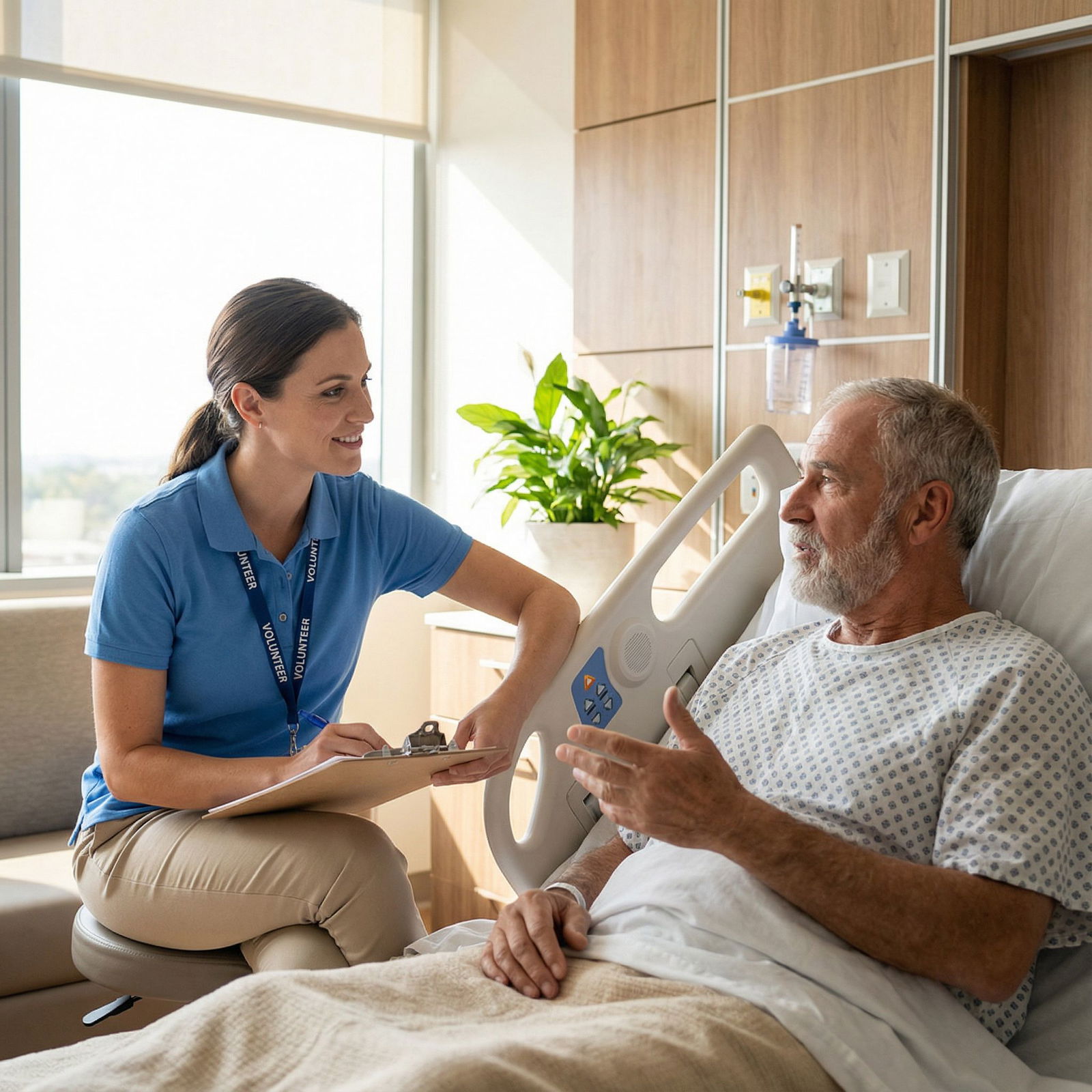
Interpersonal skills are not “soft skills” in medicine—they are core clinical competencies. Clinical volunteering places you in real healthcare environments where you practice communicating with patients, families, and staff in emotionally charged, time-sensitive situations.
Why Communication Is Central to Modern Medical Education
Modern medical education emphasizes that patient outcomes depend not only on accurate diagnoses but also on how well physicians:
- Elicit patient histories and concerns
- Explain conditions and treatments in plain language
- Build trust with patients and families
- Navigate difficult conversations, such as delivering bad news or discussing end-of-life preferences
Clinical volunteering gives you an early and low-risk environment to begin developing these interpersonal skills before the stakes increase in clerkships and residency.
Learning to Communicate with Vulnerable and Diverse Populations
Volunteering exposes you to patients across age groups, cultures, socioeconomic backgrounds, and health literacy levels. This diversity challenges you to adapt your style and language to each person.
You may find yourself:
Practicing active listening:
- Sitting eye-level with a patient rather than standing over them
- Reflecting back what you heard: “It sounds like you’re most worried about…”
- Allowing pauses instead of rushing to fill silence
Improving cultural competence by:
- Learning the importance of interpreters and how to work with them effectively
- Recognizing how culture, religion, and family structure influence health decisions
- Adjusting your communication when a patient’s first language or health beliefs differ from your own
Responding empathetically in vulnerable moments, such as:
- A family member anxious in the emergency department
- A patient frustrated about a long wait time
- Someone grappling with a new diagnosis or chronic illness
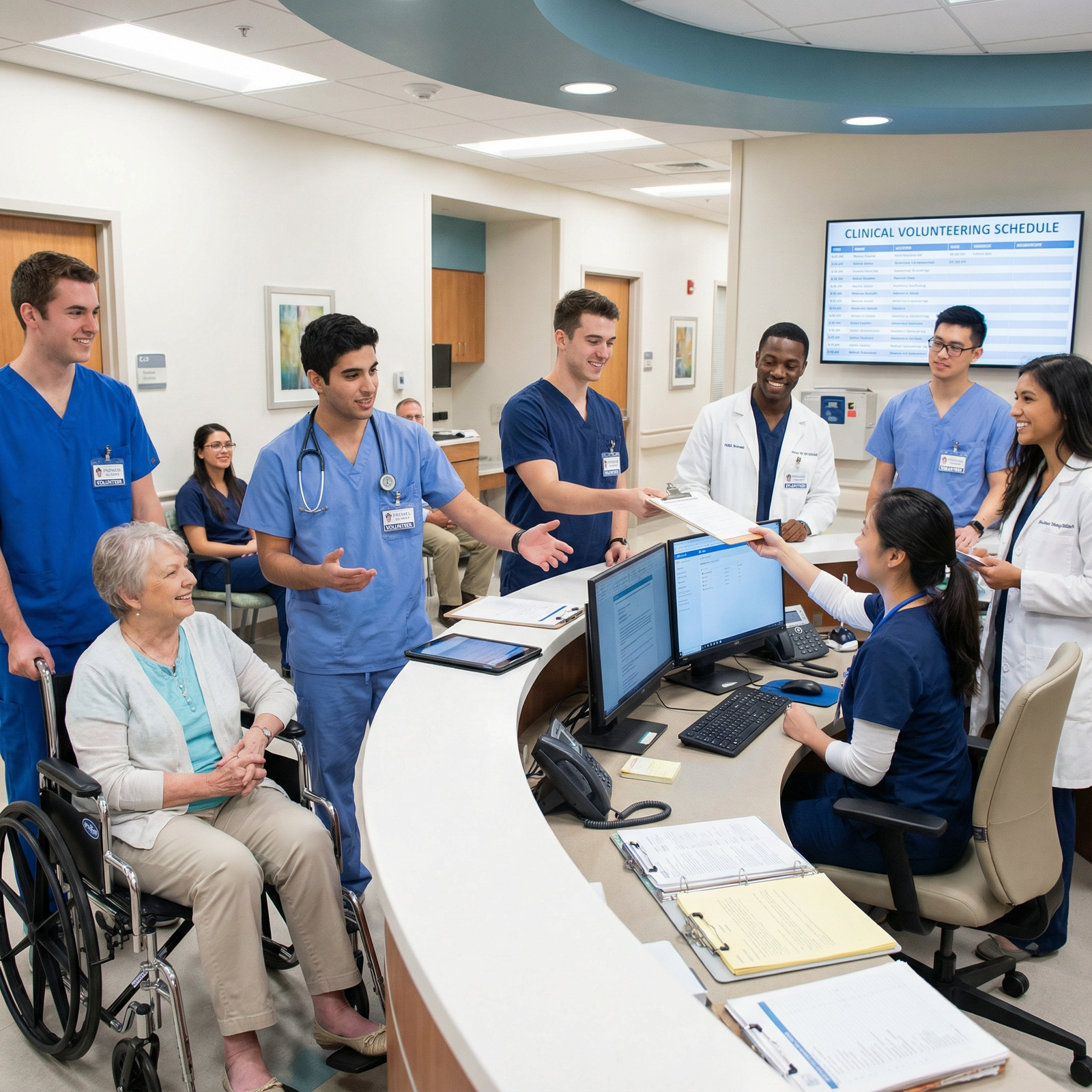
Even in a seemingly “simple” role—escorting patients, offering blankets, or answering basic questions—you are constantly practicing interpersonal skills that medical schools and residency programs value. Over time, you’ll notice that conversations feel more natural, you read non-verbal cues faster, and you’re more comfortable engaging with people in distress.
Turning Everyday Interactions into Learning Opportunities
To maximize interpersonal growth during clinical volunteering:
- Set weekly communication goals
- Example: “This week I will practice summarizing patient concerns in my own words to confirm understanding.”
- Ask for feedback from nurses, techs, or volunteer coordinators:
- “Was there anything I could have done differently in that interaction?”
- Reflect after shifts
- Briefly journal: What interaction went well? What felt awkward? What would you try next time?
Over time, these intentional habits convert routine hours into powerful practice in real-world communication—one of the most critical skills for future physicians.
2. Gaining Real-World Healthcare Insights Beyond the Textbook
Clinical volunteering offers a front-row seat to how the healthcare system truly functions—information you won’t fully absorb from lectures, MCAT prep, or even early medical school coursework.
You begin to see medicine not just as a science, but as a complex system shaped by people, policies, logistics, and resources.
Understanding the Interdisciplinary Nature of Patient Care
In clinical environments, you quickly learn that medicine is a team sport. As a volunteer, you’ll observe how:
- Physicians, nurses, physician assistants, nurse practitioners, pharmacists, social workers, physical/occupational therapists, and case managers work together
- Each professional brings a unique perspective and skill set
- Effective care depends on communication across roles and disciplines
For example, you might see:
- A nurse noticing a subtle change in a patient’s status and advocating for a reassessment
- A social worker coordinating safe discharge planning for a patient lacking housing or transportation
- A pharmacist clarifying medication interactions before a prescription is finalized
These experiences provide practical healthcare insights that inform how you will later function on the team as a medical student and resident.
Seeing the Realities of Patient Care and System Constraints
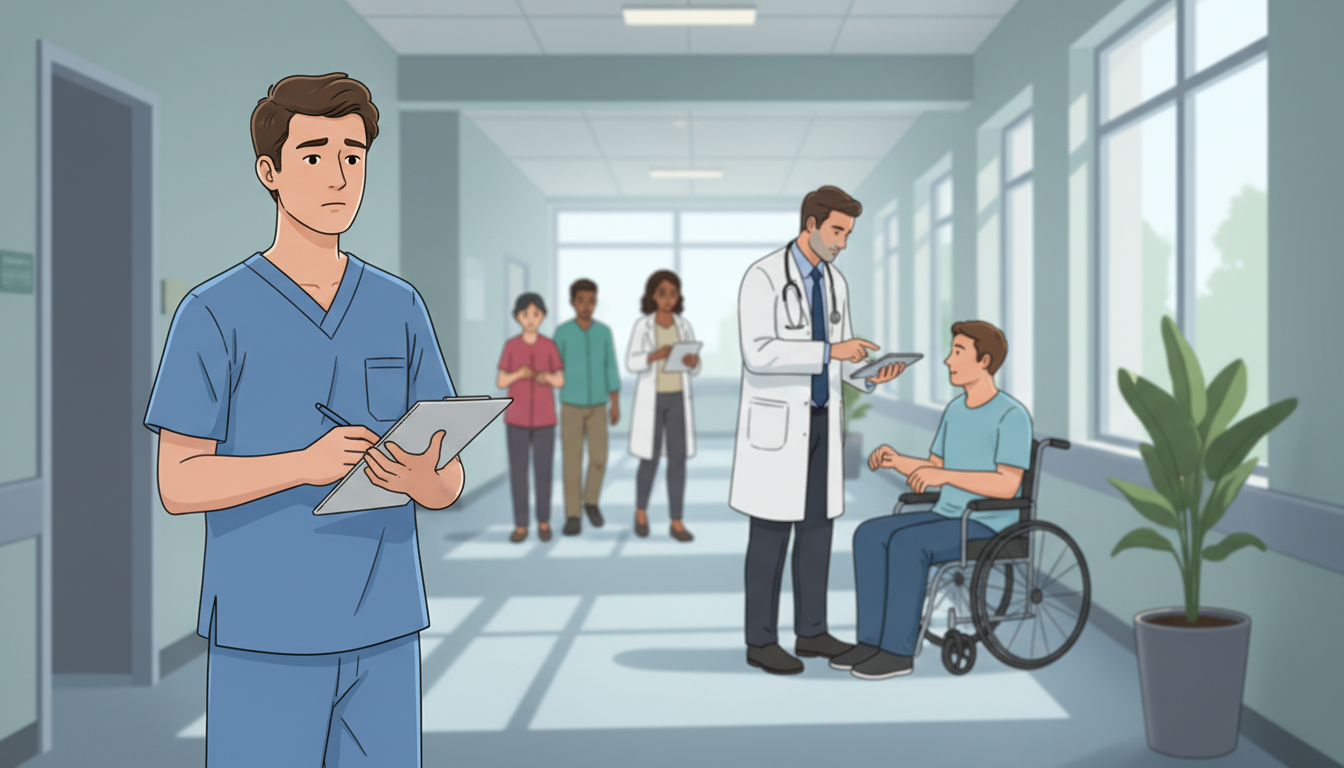
Clinical volunteering shows you both the inspiring and challenging sides of healthcare:
The rewarding moments
- A recovered patient leaving the ICU
- A child’s relief after pain is managed
- Grateful families thanking the care team
The difficult realities
- Overcrowded emergency departments and long wait times
- Patients struggling with insurance, cost, or transportation
- Staff managing burnout, heavy workloads, and emotional fatigue
You begin to understand that excellent patient care occurs within real-world constraints—limited time, staffing, and resources. This context helps you later approach quality improvement, systems-based practice, and health policy with deeper appreciation and nuance.
Shadowing: Connecting Roles to Career Paths
Many clinical volunteering roles either incorporate or connect you to shadowing opportunities:
- Observing inpatient rounds
- Watching outpatient visits with appropriate patient consent
- Seeing procedures in specialties like emergency medicine, surgery, or pediatrics
These shadowing opportunities help you:
- Explore different specialties and practice settings
- Compare clinic vs. hospital medicine, primary care vs. subspecialty care
- Notice which environments and patient populations resonate with you
When you eventually articulate “Why medicine?” or “Why this specialty?” in applications and interviews, these firsthand observations provide concrete stories and genuine conviction.

How to Deepen Your Healthcare System Understanding
You can actively turn your clinical volunteering into a mini-course in healthcare systems:
Ask thoughtful questions (at appropriate times)
- “How do you decide which patients need to be admitted vs. discharged?”
- “What barriers to care do you see most often for patients here?”
Pay attention to workflows
- How does information flow from triage to discharge?
- Where do delays or inefficiencies occur?
Connect observations to larger issues
- Social determinants of health (housing, job security, food access)
- Health equity and disparities
- Insurance coverage and prior authorization challenges
This level of curiosity prepares you for future coursework in health systems science and makes you a more informed and engaged trainee.
3. Building Resilience and Healthy Coping Strategies Early
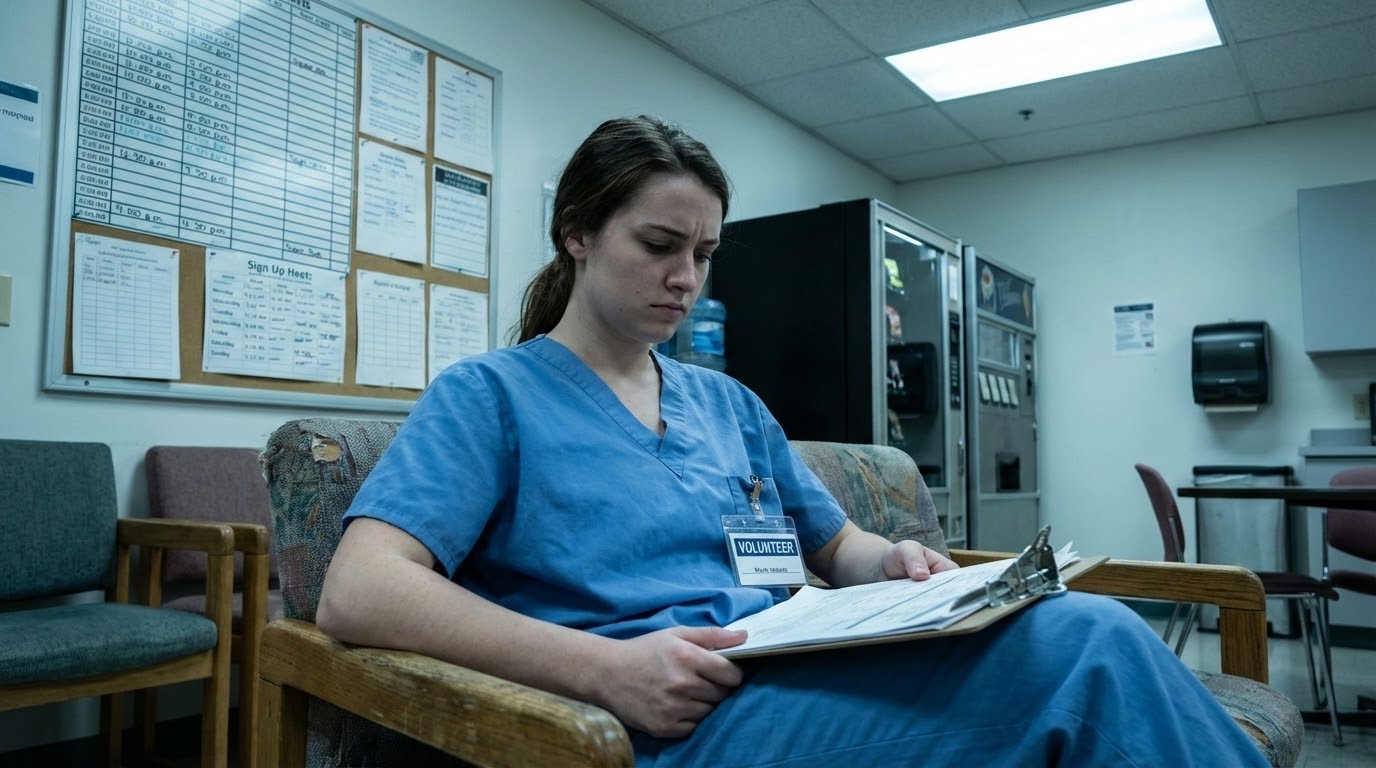
Medicine is deeply rewarding, but it can also be emotionally and physically demanding. Becoming a physician requires resilience, self-awareness, and sustainable coping mechanisms. Clinical volunteering introduces you to these realities in a gradual, supported way.
Encountering Emotional and Ethical Challenges in Healthcare
Even as a volunteer, you may witness:
- Patients receiving life-altering diagnoses
- Families coping with grief, uncertainty, or frustration
- Staff members under intense workload or time pressure
These experiences can be emotionally taxing, especially when you care deeply but have limited ability to intervene.
Rather than avoiding these emotions, clinical volunteering can help you:
- Recognize your reactions (sadness, guilt, anxiety, helplessness)
- Normalize them by talking with trusted mentors or peers
- Learn where your boundaries are and how you best recover
Developing self-awareness and coping strategies before medical school can be a major protective factor against burnout later.
Practical Techniques to Foster Resilience
During clinical volunteering, you can start building habits that support long-term well-being in medicine:
Mindfulness in the moment
- Taking 3–5 slow breaths after a difficult interaction
- Grounding yourself by noticing physical sensations (feet on the floor, hands on a desk)
Emotional intelligence and reflection
- Asking: “What am I feeling right now, and why?”
- Distinguishing empathy from emotional overidentification
Seeking support
- Debriefing with supervisors or mentors (while maintaining confidentiality)
- Talking with peers who also volunteer or are on a premed track
Setting healthy limits
- Recognizing when you need a short break
- Being honest with yourself about stress rather than powering through indefinitely
When these practices become part of your routine now, you enter medical school with a toolkit—not just ambition—and you’re better positioned to handle demanding rotations, residency call schedules, and emotionally intense cases.
Transforming Difficult Experiences into Growth
Not every volunteer shift will be easy or inspiring, and that’s okay. What matters is how you process and learn from it:
- After a challenging encounter, spend a few minutes reflecting:
- What was hardest about that situation?
- What did I learn about myself, my values, or the healthcare system?
- How might I handle a similar situation differently next time?
These reflections also become powerful material for personal statements, secondaries, and interviews, where schools look for evidence of resilience, maturity, and growth.
4. Enhancing Clinical Thinking and Real-World Problem-Solving
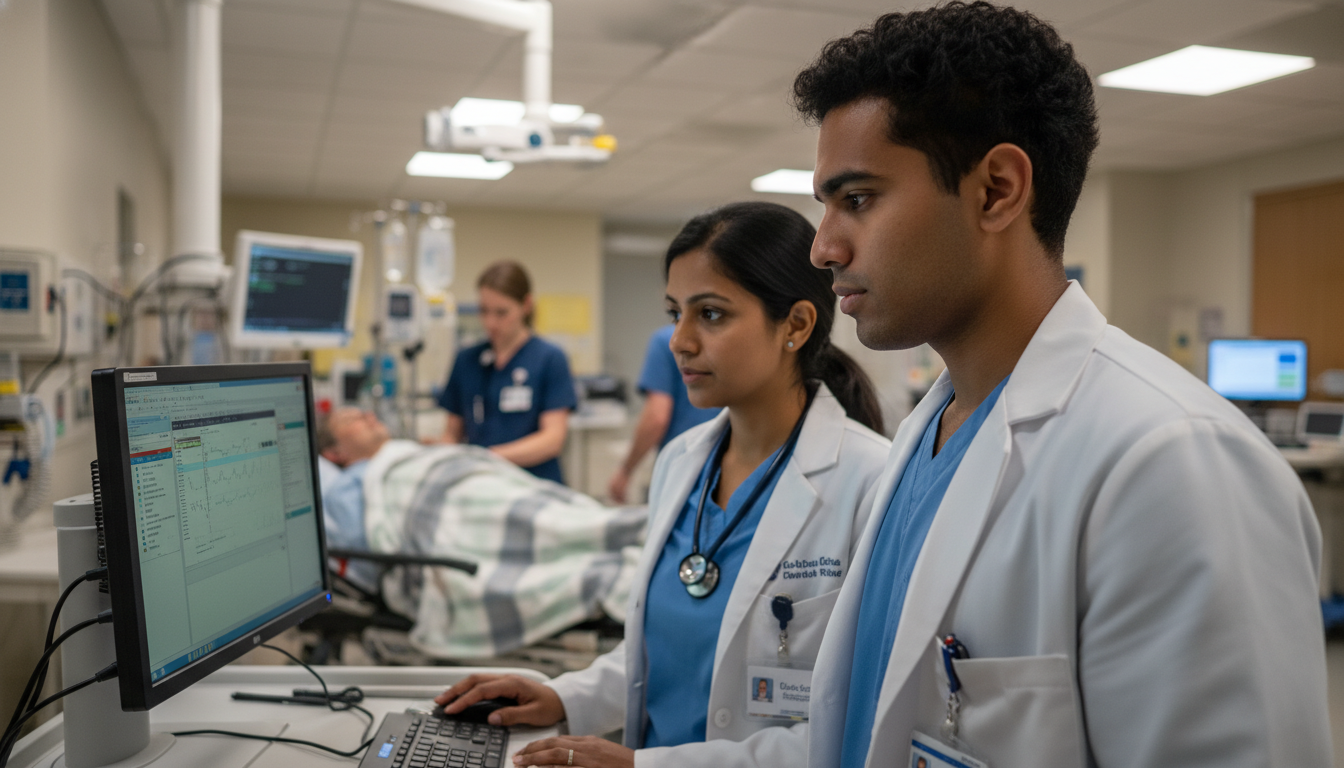
While you won’t be diagnosing or prescribing as a volunteer, you will encounter countless situations that require observation, judgment, prioritization, and creative solutions—key building blocks for clinical reasoning.
Practicing Situational Awareness and Quick Decision-Making
In a busy clinical setting, you might need to:
- Decide which patient to assist first when several need help at once
- Notice when a patient appears more uncomfortable, confused, or short of breath and alert staff promptly
- Anticipate needs—for example, preparing necessary materials for a nurse during a high-traffic time
These moments develop your situational awareness, a critical skill in emergency medicine, surgery, inpatient care, and beyond.
Real Examples of Volunteer-Level Problem-Solving
During your clinical volunteering, you might:
Improve patient flow in a clinic by:
- Noticing bottlenecks in registration or waiting areas
- Suggesting better signage or patient check-in procedures
- Helping staff implement small workflow adjustments
Organize supplies or workspaces to:
- Make it easier for staff to find frequently used items
- Reduce small but significant inefficiencies in the daily routine
Support patient comfort and communication by:
- Identifying patients who appear confused about where to go
- Helping non-English-speaking patients connect with interpretation services
- Coordinating with staff when a patient’s needs exceed your scope
Each of these scenarios forces you to observe the environment, identify a problem, consider options, and take action—on a scale that’s appropriate for your role.
Linking Volunteer Tasks to Clinical Reasoning Skills
You can deliberately frame your experiences through a clinical lens:
When you see a nurse triaging patients, ask yourself:
- “What factors are they likely considering—vital signs, chief complaint, visible distress?”
When a provider explains a chronic disease to a patient, think:
- “How did they translate complex pathophysiology into plain language?”
When you observe a workflow issue, consider:
- “What’s the root cause? How could this be improved at a systems level?”
These patterns of thinking mirror clinical reasoning: gathering data, forming hypotheses, prioritizing, and revising based on new information.
Over time, these habits will make early clinical experiences in medical school feel more intuitive and less overwhelming.
5. Cultivating a Lifelong Commitment to Service and Advocacy
Medicine is fundamentally a service profession. Clinical volunteering doesn’t just give you hours—it can deeply shape your values, purpose, and long-term approach to patient care and community health.
Connecting with the Human Side of Medicine
When you volunteer consistently, you develop relationships with:
- Regular patients or long-term inpatients
- Families who return for follow-up care
- Staff who share stories about their journeys in healthcare
You begin to see patterns in who gets sick, who struggles to access care, and who falls through the cracks. This experience often:
- Strengthens your motivation to pursue medicine
- Deepens your empathy for people living with chronic illness or social challenges
- Grounds your academic drive in real human stories
Instead of seeing medicine only as intellectually stimulating or prestigious, you experience its true purpose: to alleviate suffering and improve lives.
From Service to Leadership and Advocacy
Over time, many volunteers naturally transition from “helping out” to leading and advocating:
- Taking on roles training new volunteers
- Helping design patient education materials or comfort programs
- Participating in hospital committees or quality-improvement projects
- Joining community health fairs, screening events, or outreach initiatives
You might become particularly passionate about:
- Health literacy and patient education
- Mental health access
- Health equity and care for underserved populations
- Global health or migrant/refugee health
These interests can guide your future choices—research projects, electives, residency programs, and even career paths.
Continuing Service Beyond the Application
Admissions committees can usually tell when clinical volunteering was just an application requirement versus a genuine, ongoing commitment. Sustained involvement demonstrates:
- Reliability and professionalism
- Genuine alignment with the service mission of medicine
- Growth over time in responsibility, leadership, and impact
More importantly, continuing to serve—even when you no longer “need” more hours—reinforces an internal, values-based motivation for your work in healthcare. That foundation can sustain you through the inevitable challenges of training and practice.
Making the Most of Your Clinical Volunteering Experience
To transform clinical volunteering from a checkbox into a powerful developmental experience, approach it intentionally.
Choosing the Right Clinical Volunteering Role
When evaluating opportunities, consider:
- Setting: Hospital, outpatient clinic, emergency department, community health center, free clinic, hospice, long-term care facility
- Patient population: Pediatrics, adults, geriatrics, underserved or uninsured populations, specific communities (e.g., immigrant/refugee, rural residents)
- Type of involvement:
- Direct patient interaction (escorting, visitor support, patient liaison)
- Support roles (unit clerk assistant, supply management, patient transport)
- Community-based (mobile clinics, health education, screening events)
Ask yourself:
- What kind of patients do I want to learn from?
- Where do I feel both challenged and safe to grow?
- What schedule and location are sustainable for me long term?
Setting Personal Learning Goals
Before you start (and periodically during your experience), set clear goals in areas such as:
- Interpersonal skills (e.g., “Comfortably initiate conversation with patients in waiting rooms.”)
- Healthcare insights (e.g., “Understand the discharge process for at least three common conditions.”)
- Resilience (e.g., “Practice a 2-minute grounding exercise after emotionally intense encounters.”)
- Problem-solving (e.g., “Identify and suggest one small workflow improvement to my supervisor.”)
Revisit these goals every 1–2 months and update them as you grow.
Reflecting and Documenting Your Growth
Keep a simple reflection practice:
- After each shift, jot down:
- One meaningful interaction
- One challenge or uncomfortable moment
- One insight about the healthcare system or your future role
Over time, this record will:
- Help you identify themes in your interests and strengths
- Provide authentic content for personal statements, secondaries, and interviews
- Remind you of why you chose this path on difficult days
FAQ: Clinical Volunteering for Future Physicians
1. How should I choose the best clinical volunteering opportunity for my goals?
Look for roles that offer consistent patient exposure and a supportive environment. Consider:
- Whether you’ll interact directly with patients or mostly do back-office tasks
- The population served (e.g., underserved communities, specific age groups)
- Opportunities for mentorship or shadowing
- The stability of the schedule (medical schools appreciate sustained involvement)
If you’re unsure, start broadly (e.g., hospital volunteer) and refine later based on what you enjoy and where you feel you are learning the most.
2. Do I need specific training or qualifications to start clinical volunteering?
Most clinical volunteering positions for premeds and early medical students:
- Do not require prior medical training
- Provide orientation on:
- Patient confidentiality and HIPAA
- Infection control and safety protocols
- Role boundaries and what you are/are not allowed to do
Some roles (e.g., free clinics, scribes, EMS, or specialized programs) may require:
- Additional training sessions
- A minimum time commitment
- Background checks, immunization records, or TB testing
Always clarify expectations upfront and never perform tasks outside your training or institutional policies.
3. How much time should I commit to clinical volunteering, and how long should I stay?
There’s no single “right” number of hours, but medical schools generally value:
- Longitudinal involvement (e.g., 6–12+ months) over short, fragmented experiences
- Consistency (e.g., 3–4 hours per week, or a regular shift)
- Increasing responsibility or leadership over time
Choose a schedule you can realistically maintain alongside coursework and other commitments. It’s better to commit steadily to one meaningful role than to rush through multiple short-term experiences.
4. Can clinical volunteering really improve my chances of getting into medical school?
Yes—when approached thoughtfully. Clinical volunteering strengthens your application by:
- Demonstrating sustained commitment to patient care and service
- Showing that you understand, at least in part, what working in healthcare is like
- Providing rich examples of communication, teamwork, resilience, and growth for essays and interviews
- Helping you clarify and articulate why you want to be a physician, not just “work in healthcare”
Admissions committees look for applicants who have tested their interest in medicine in real clinical settings and reflected meaningfully on those experiences.
5. What should I do if I feel overwhelmed, anxious, or emotionally affected by what I see while volunteering?
Feeling overwhelmed in clinical environments is common and completely normal. To cope:
- Acknowledge your feelings rather than suppressing them
- Debrief with a trusted person: a volunteer coordinator, mentor, or peer (without sharing identifiable patient details)
- Use grounding strategies (deep breathing, brief walks, hydration) during or after shifts
- Adjust your role or schedule if needed—sometimes a slower-paced setting or fewer hours are healthier
- If distress persists or affects daily functioning, seek professional mental health support
Recognizing your limits and asking for help are signs of maturity, not weakness—and are essential skills for future physicians.
By engaging deeply with clinical volunteering, you’re doing far more than building a résumé line. You’re developing interpersonal skills, gaining healthcare insights, practicing resilience, sharpening problem-solving, and cultivating a lifelong commitment to service—all foundations of a meaningful, sustainable career in medicine.