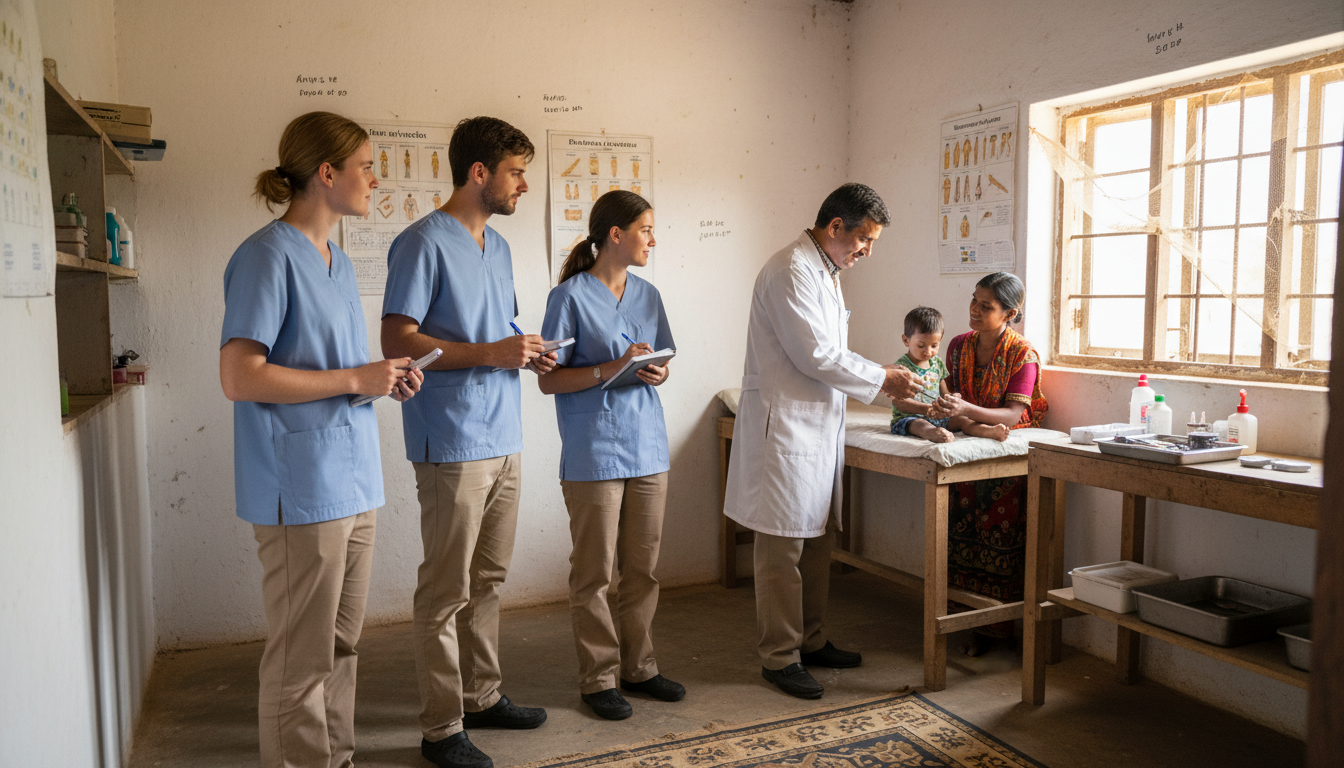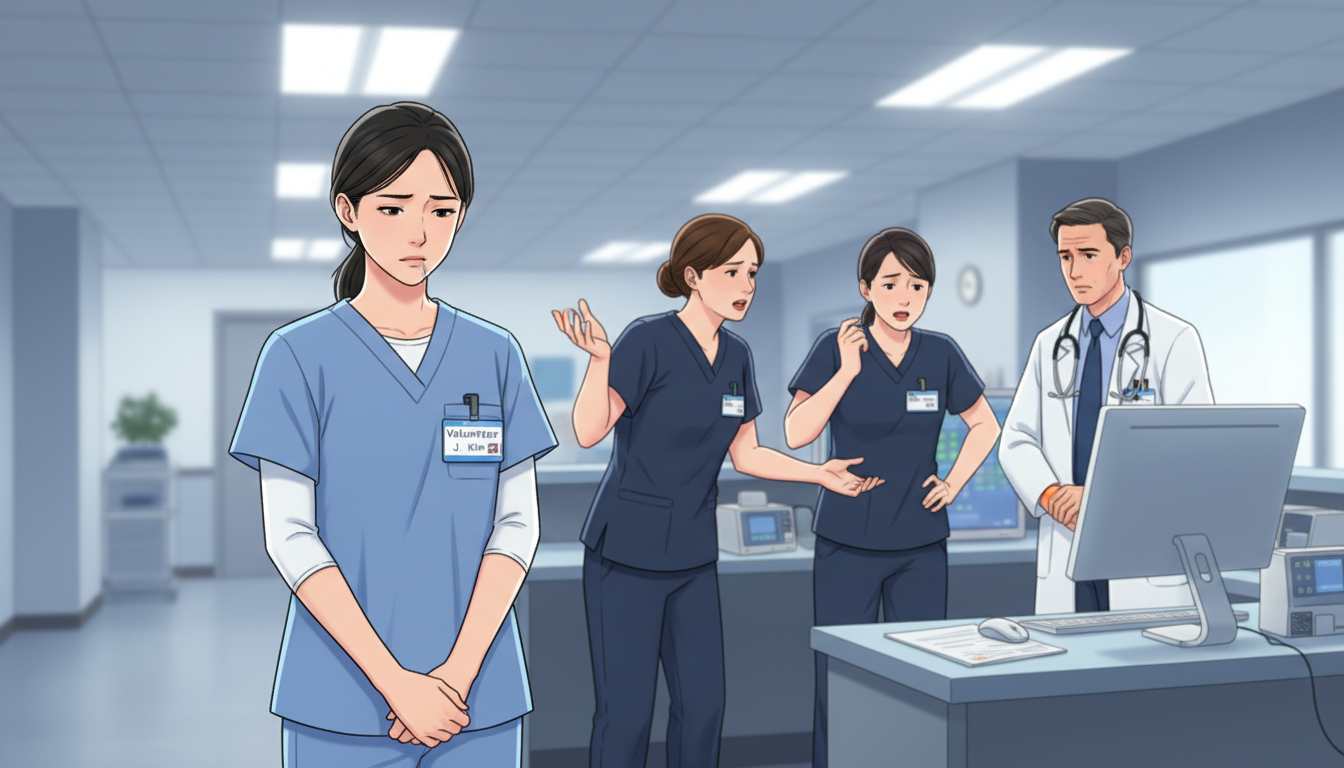
Clinical volunteering is one of the most powerful, reality‑shaping experiences in medical education. It’s not just another box to check for your application; it is where the idea of becoming a physician is tested, refined, and often transformed into a clear, purpose-driven path.
For students preparing for healthcare careers—whether as physicians, PAs, nurses, or other clinicians—clinical volunteering is where textbook knowledge meets the complexity of real human lives. Done with intention, these experiences can sharpen your professional development, deepen your empathy, and help you understand what it truly means to provide patient care.
Understanding Clinical Volunteering in Healthcare Settings
What Is Clinical Volunteering?
Clinical volunteering is unpaid service in a healthcare environment where you interact with patients, families, or the clinical care team. It typically does not provide monetary compensation or school credit, but it offers something more important: exposure to real-world medicine.
Common clinical volunteering settings include:
- Hospitals (inpatient units, emergency departments, outpatient clinics)
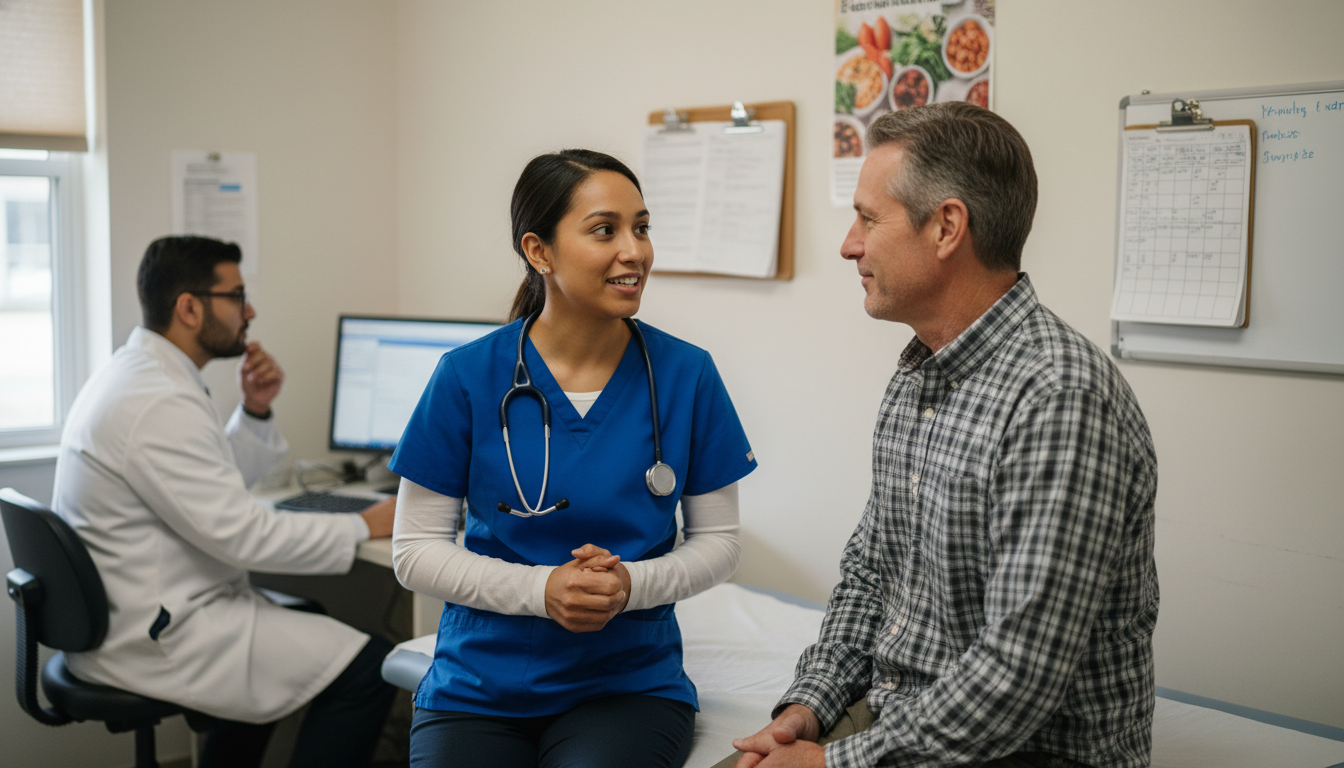
- Community health centers and free clinics
- Long-term care facilities and rehabilitation centers
- Nonprofit clinics, mobile health units, and outreach programs
- Public health initiatives and health fairs
Within these environments, volunteers may:
- Interact directly with patients (escorting them, offering comfort, gathering basic information)
- Support clinicians (rooming patients, stocking supplies, translating, organizing charts)
- Contribute to patient flow and clinic operations (check-in, scheduling, transport)
Clinical Volunteering vs. Non-Clinical Volunteering
Both forms of volunteering are valuable for medical education and personal growth, but they serve different purposes:
- Clinical volunteering centers on healthcare delivery and patient care. You are in direct contact with patients or the healthcare team in a medical setting.
- Non-clinical volunteering may involve tutoring, food banks, community organizing, or advocacy work. It develops empathy, leadership, and service-mindedness in non-medical contexts.
For medical school and other healthcare training programs, admissions committees want to see both, but clinical volunteering is especially important because it demonstrates that you understand what day-to-day healthcare work actually looks like.
The Multifaceted Impact of Clinical Volunteering on Future Medical Professionals
Clinical volunteering does far more than fill a line on your CV. It shapes your identity as a healthcare professional and prepares you for the realities of medicine.
1. Enhancing Professional Competence Beyond the Textbook
Classroom learning gives you the science; clinical volunteering teaches you how to apply it to real people, in real time.
Developing Patient Communication and Relationship Skills
Volunteers frequently:
- Greet and orient patients to the clinic or unit
- Help patients navigate complex hallways or departments
- Sit with anxious families in waiting rooms
- Explain simple processes (how to sign in, where to go next, what to expect)
Through these simple interactions, you learn to:
- Adjust your language for different ages, education levels, and cultures
- Ask open-ended questions to understand concerns (“What’s worrying you the most today?”)
- Practice active listening and nonverbal communication (eye contact, posture, tone)
- Deliver reassurance without giving false promises or medical advice beyond your scope
These interpersonal skills are foundational to all healthcare careers and are often highlighted in interviews and personal statements.
Learning to Function on a Healthcare Team
In clinical volunteering, you’ll regularly interact with:
- Nurses and nurse assistants
- Physicians and residents
- Medical assistants and technicians
- Social workers, case managers, and interpreters
- Administrative staff and unit coordinators
You’ll observe how:
- Roles are clearly defined but interdependent
- Communication errors can affect patient safety
- Nurses and physicians negotiate plans of care
- Social and logistical barriers (transport, insurance, literacy) influence outcomes
For example, helping a nurse quickly find equipment or ensuring a patient is ready for transport shows you how small actions can prevent delays in care. These experiences build your teamwork, situational awareness, and respect for every member of the healthcare team.
Building a Foundation of Practical Clinical Skills
Depending on your setting, your tasks might include:
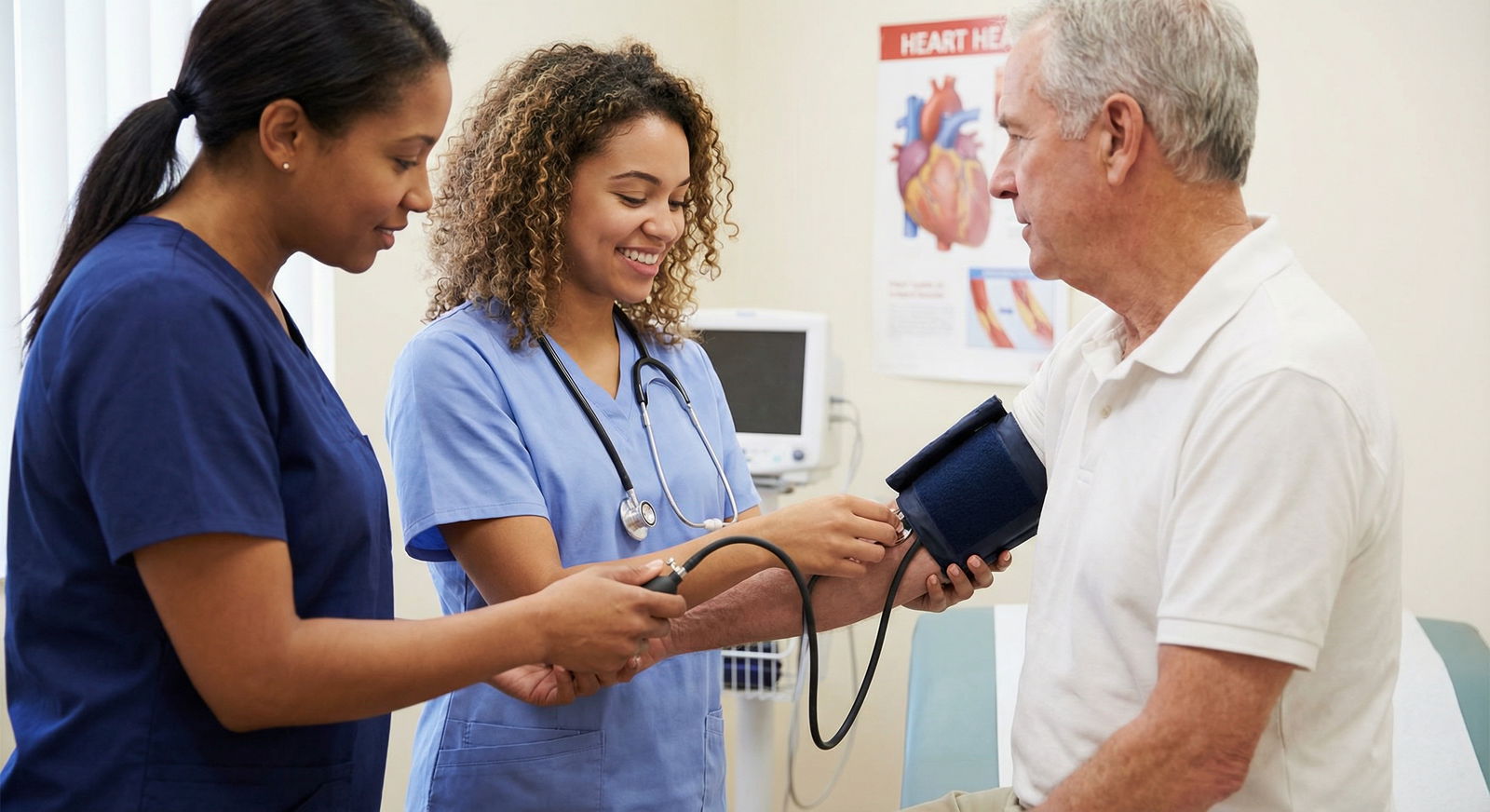
- Taking vital signs under supervision (e.g., temperature, pulse, blood pressure)
- Transporting patients safely with wheelchairs or stretchers
- Restocking supplies and maintaining a clean, safe environment
- Assisting with patient check-in or chart organization
- Helping collect basic histories (e.g., confirming medications, allergies) if allowed
These may seem basic, but they:
- Familiarize you with medical equipment and terminology
- Teach you infection control habits (hand hygiene, PPE usage)
- Help you understand clinic workflow and time pressures
- Make the early stages of clinical training feel more familiar and less intimidating
Over time, you’ll feel more confident walking into exam rooms and interacting with patients—long before your formal clinical rotations.
2. Seeing the Healthcare System from the Inside
Gaining Real Insight Into How Healthcare Systems Work
Most premedical and early medical students know healthcare systems mainly from lectures or the news. Clinical volunteering gives you a nuanced, ground-level view of:
- How patients move through triage, registration, evaluation, testing, and discharge
- Where bottlenecks happen (e.g., waiting for imaging, specialist input, or beds)
- How insurance, language barriers, transportation, and social determinants complicate care
- How policies, protocols, and electronic health records shape day-to-day operations
For instance, working at a free clinic might reveal:
- The challenges uninsured patients face obtaining medications
- The importance of community resources (food banks, shelters, social work)
- How limited staffing affects appointment availability and follow-up
This contextual understanding helps you later when you learn about healthcare systems, policy, and quality improvement—and can inspire career interests in public health, health policy, or administration.
Informing Career Direction and Specialty Choice
By experiencing different environments, you begin to see which aspects of medicine resonate with you:
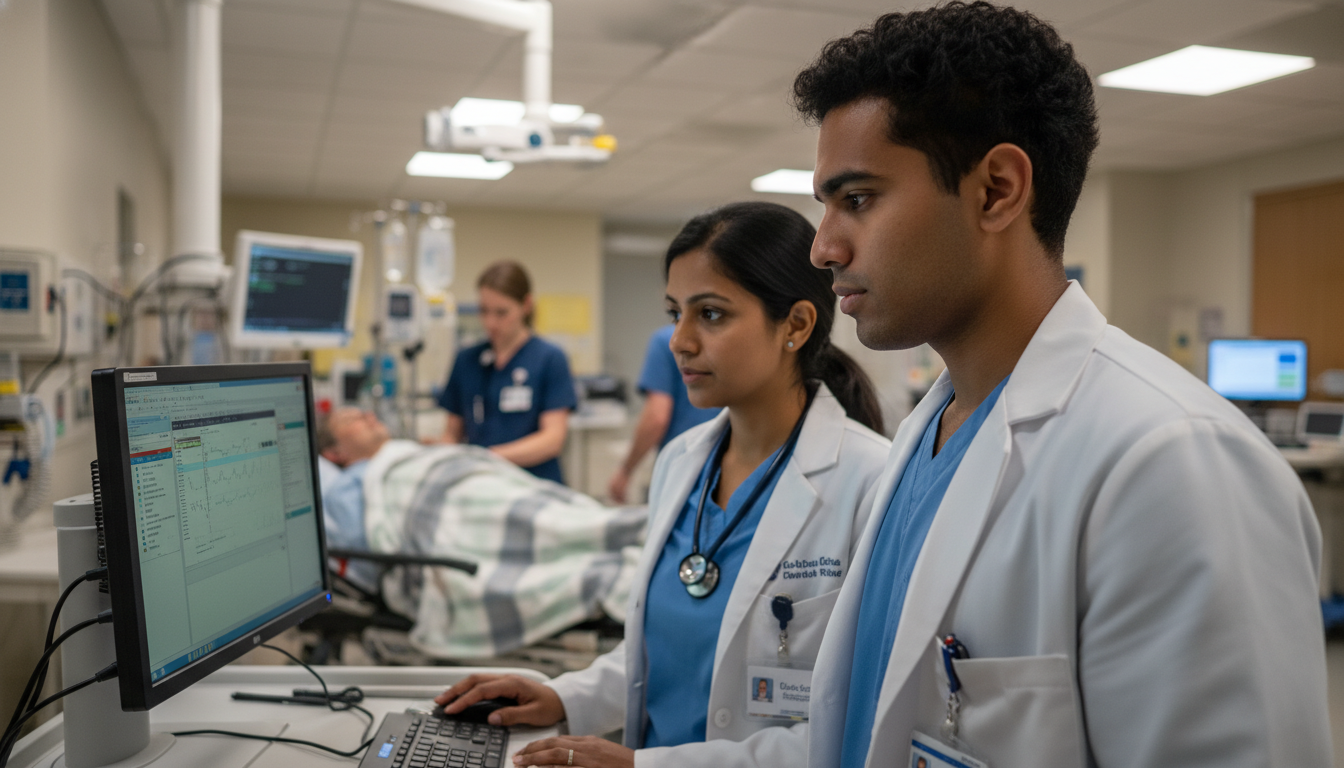
- Emergency department volunteering: Fast-paced, unpredictable, intense teamwork
- Pediatric wards: Family-centered care, long-term relationships, developmental focus
- Geriatric or rehab settings: Chronic disease management, functional goals, patience
- Community clinics: Preventive care, continuity, population health
Many students discover:
- They love longitudinal relationships and gravitate toward primary care or pediatrics
- They thrive in acute settings and lean toward emergency medicine or critical care
- They are drawn to specific populations (e.g., underserved communities, migrants, children, elderly, LGBTQ+ patients)
These insights make your later choices about specialties and subspecialties much better informed and more authentic.
3. Fostering Compassion, Empathy, and Cultural Competence
Experiencing Vulnerability Up Close
Clinical volunteers witness people at some of the most vulnerable moments in their lives—awaiting test results, receiving difficult diagnoses, coping with pain or disability.
Through these experiences, you learn:
- How to sit with someone’s fear or grief without trying to “fix” it immediately
- How small gestures—offering a blanket, listening to a story, explaining a form—can restore dignity
- How illness affects not just the patient, but their family, finances, work, and identity
You may remember:
- The first time you comforted a scared child in the ED
- A conversation with a patient who had no family visiting
- A moment when a family member thanked you for simply staying present
These experiences build emotional intelligence—an essential component of high-quality patient care.
Developing Cultural Competence Through Real Encounters
Volunteering in diverse clinical environments exposes you to patients from different:
- Cultural and religious backgrounds
- Socioeconomic statuses
- Languages and literacy levels
- Sexual orientations and gender identities
You begin to notice, for example:
- How fasting during religious holidays affects medication schedules
- Why some communities may mistrust healthcare institutions
- How stigma, discrimination, or immigration status influence help-seeking behavior
- Why culturally sensitive language and interpreters are critical for safe care
These experiences enhance your cultural competence, which is increasingly emphasized in modern medical education and essential for equitable patient care.
4. Building Networks, Mentorship, and Professional Identity
Forming Relationships With Mentors
Clinical volunteering places you in close proximity to:
- Attending physicians and residents
- Nurses and advanced practice providers
- Administrators and program directors
When you consistently show up, work hard, and display curiosity, you increase the likelihood that:
- A physician might invite you to shadow them more closely
- A nurse or social worker may share career advice or connect you with opportunities
- A clinic director could offer a leadership role, such as coordinating volunteers or helping with quality improvement projects
These relationships can evolve into:
- Formal mentorship (career guidance, letters of recommendation, long-term support)
- Informal mentorship (occasional advice, mock interviews, application feedback)
Intentional networking during clinical volunteering is one of the most authentic ways to build your professional community.
Shaping Your Professional Identity and Values
Over time, clinical volunteering helps you answer critical questions:
- What kind of clinician do I want to be?
- How do I handle stress, conflict, or emotionally heavy situations?
- What values matter most to me in patient care—autonomy, advocacy, efficiency, thoroughness, compassion?
You may notice:
- You feel strongly about health equity and become involved in advocacy
- You’re driven by diagnostic puzzles and want research or subspecialty training
- You feel most fulfilled when you can sit and listen to patients’ stories
Reflecting on these observations—through journaling, discussion, or application essays—helps crystallize your professional identity and can strengthen your narrative for medical school, residency, and beyond.
5. Strengthening Your Medical School or Health Program Application
Demonstrating Commitment to Patient Care and Healthcare Careers
Admissions committees look for evidence that you:
- Understand what real patient care looks like
- Have seen both the rewarding and challenging sides of medicine
- Are motivated by service, not just prestige or income
- Can work within teams and handle emotionally demanding environments
Consistent, meaningful clinical volunteering signals:
- Commitment: You were willing to show up, week after week
- Insight: You know what you’re getting into and still choose this path
- Maturity: You’ve had time to process and reflect on complex clinical experiences
Telling Powerful Stories in Personal Statements and Interviews
The most compelling application essays and interview answers often come from:
- Moments when you made a patient feel seen or heard
- Times you recognized a gap in care and helped address it (within your role)
- Experiences that shifted your understanding of illness, inequality, or empathy
For example:
- Jessica’s pediatric volunteering experience helped her realize she thrives in child- and family-focused environments; she later articulated this clearly in her personal statement for pediatrics.
- Michael’s time in a rural clinic abroad illustrated for him how structural inequities drive disease; he built this into a compelling narrative for global health and primary care.
Use your clinical volunteering to answer questions like:
- “Why medicine?”
- “Tell me about a meaningful patient interaction.”
- “How have your experiences prepared you for a career in healthcare?”
Specific, reflective stories rooted in your clinical volunteering will stand out far more than generic statements about wanting to “help people.”
6. Developing Resilience, Self-Awareness, and Purpose
Building Emotional and Practical Resilience
Clinical environments can be:
- Busy, noisy, and unpredictable
- Emotionally intense (codes, bad news, visible suffering)
- Logistically challenging (shifts, commuting, balancing academics with volunteering)
Over time, you’ll learn to:
- Manage your time and energy between coursework and volunteering
- Set boundaries and practice self-care when emotionally drained
- Ask for help or debrief with staff when difficult cases affect you
- Recognize your limits while still being reliable and professional
These resilience skills will serve you through:
- Premed years and the MCAT
- Clinical rotations in medical or PA school
- Residency or advanced training, when demands are even greater
Reconnecting With Your “Why”
On difficult days in your training, you will need to remember why you chose this path. Clinical volunteering often provides those anchor moments:
- A grateful patient who remembers your name
- A family who thanks you for simply sitting with their loved one
- A physician who acknowledges the difference you made in a busy clinic day
Reflecting on these experiences—through journaling, discussion groups, or mentorship—helps keep your sense of purpose alive, even when academics or bureaucracy feel overwhelming.
7. Getting Started With Clinical Volunteering: Practical Steps
Step 1: Identify Your Goals and Constraints
Before you start searching, clarify:
- How many hours per week can you realistically commit?
- Are you interested in a particular population (children, elderly, underserved)?
- Do you prefer fast-paced or quieter environments?
- Are you exploring medicine broadly, or do you already have a specialty interest?
Knowing your priorities will help you choose volunteer roles that truly support your professional development.
Step 2: Research Clinical Volunteering Opportunities
Consider:
- Hospitals: Most have volunteer departments with structured programs
- Community and free clinics: Great for exposure to underserved populations and primary care
- Long-term care facilities: Opportunities for longitudinal relationships with patients
- Mobile clinics and outreach programs: Good for those interested in public health and community medicine
- Nonprofit organizations: Cancer support centers, hospice programs, mental health organizations
Use:
- Your university’s pre-health advising office or career center
- Hospital websites (look for “Volunteer Services”)
- Student organizations and premed clubs
- Online boards (e.g., local healthcare systems, community organizations)
Step 3: Apply Professionally and Thoughtfully
When you contact programs:
- Use a professional email address and tone
- Briefly introduce who you are and why you’re interested
- Highlight relevant experiences (customer service, language skills, leadership)
- Be honest about your availability and long-term commitment potential
Many programs will require:
- Background checks or drug screening
- TB testing and proof of immunizations
- HIPAA or privacy/confidentiality training
- Orientation sessions
Plan ahead—onboarding can take several weeks.
Step 4: Maximize Learning Once You Start
To get the most out of your clinical volunteering:
- Show up reliably and on time—professionalism matters.
- Learn names of staff and understand their roles.
- Ask thoughtful questions when appropriate and when staff are not busy.
- Respect boundaries and scope of practice—never give medical advice.
- Reflect regularly on what you see and feel:
- What surprised you?
- What challenged you emotionally?
- What did you learn about patient care or the healthcare system?
Over time, look for ways to take on more responsibility (within your role), such as:
- Training new volunteers
- Helping improve a workflow (e.g., better signage, patient materials)
- Assisting with outreach or health education events

FAQs About Clinical Volunteering for Aspiring Healthcare Professionals
1. What types of roles can I volunteer for in a clinical setting?
Common clinical volunteering roles include:
Patient-facing roles:
- Patient transport and escort
- Waiting room ambassador or patient liaison
- Comfort rounding (offering blankets, water, conversation)
Clinic support roles:
- Assisting with check-in and registration
- Rooming patients (if trained and allowed)
- Stocking supplies and preparing exam rooms
Community and outreach roles:
- Health fair support (check-in, education materials)
- Mobile clinic assistance
- Translation or interpretation (if fluent and approved)
Specific duties vary by institution and by your level of training, but all of these contribute to patient care and give you meaningful exposure to the healthcare environment.
2. How many hours of clinical volunteering do I need?
There is no universal “magic number,” but guidelines for premed and pre-health students often include:
- Aim for consistent involvement over time (e.g., 2–4 hours per week for 6–12+ months) rather than short, sporadic bursts.
- Many successful medical school applicants have 50–150+ hours of clinical volunteering, but quality, reflection, and continuity matter more than sheer volume.
- Some students supplement clinical volunteering with shadowing, research, or leadership—admissions committees look at the full picture.
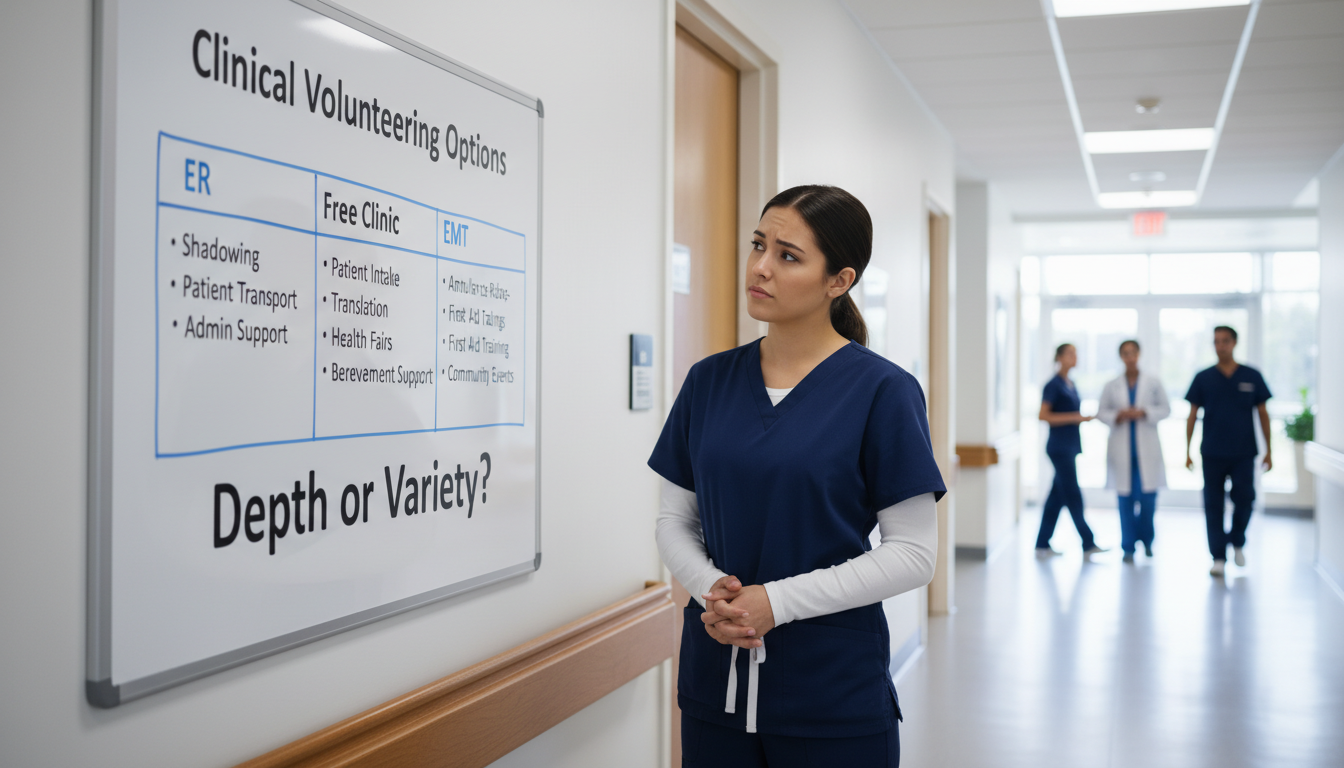
Focus on gaining depth of experience, not just accumulating hours.
3. Is clinical volunteering required for medical school or other healthcare programs?
Most programs do not list it as a strict formal requirement, but in practice:
- Competitive medical, PA, and nursing programs strongly expect meaningful clinical experience.
- Without clinical volunteering (or similar clinical exposure), it’s difficult to convincingly explain why you want a career in medicine or demonstrate that you know what the work entails.
If your circumstances limit traditional hospital volunteering, consider:
- Free clinics or community health centers
- Scribing positions (paid, but highly clinical)
- Hospice volunteering
- Medical mission or global health projects (well-structured and ethical)
Explain any constraints in your application and highlight what you did instead to gain clinical exposure.
4. Can I do clinical volunteering if I’m not sure I want to be a physician?
Yes—and you should. Clinical volunteering is valuable for anyone exploring healthcare careers, including:
- Nursing, PA, and NP programs
- Physical therapy, occupational therapy, and speech-language pathology
- Public health, healthcare administration, and social work
Volunteering can confirm or redirect your interests. Some students discover they prefer roles with more direct time at the bedside, while others gravitate toward systems-level work (policy, administration, public health). Either outcome is beneficial; it’s better to learn this early than during or after a costly degree.
5. What skills will I gain from clinical volunteering that help with my future career?
Clinical volunteering builds a range of transferable skills critical for healthcare professionals, including:
- Communication skills: Clear, compassionate conversations with patients and team members
- Teamwork and collaboration: Working alongside nurses, physicians, and support staff
- Professionalism: Reliability, confidentiality, integrity, and appropriate boundaries
- Cultural competence and empathy: Understanding and respecting diverse backgrounds and needs
- Systems thinking: Recognizing how policies, logistics, and resources affect patient care
- Resilience and emotional intelligence: Coping with stress, suffering, and complex family dynamics
These skills will serve you not only in medical education but throughout your career in any healthcare setting.
By approaching clinical volunteering with intention and reflection, you can transform it from a checklist requirement into a cornerstone of your professional development. It will sharpen your understanding of patient care, deepen your empathy, clarify your career goals, and prepare you for the demanding yet deeply meaningful journey ahead in healthcare.