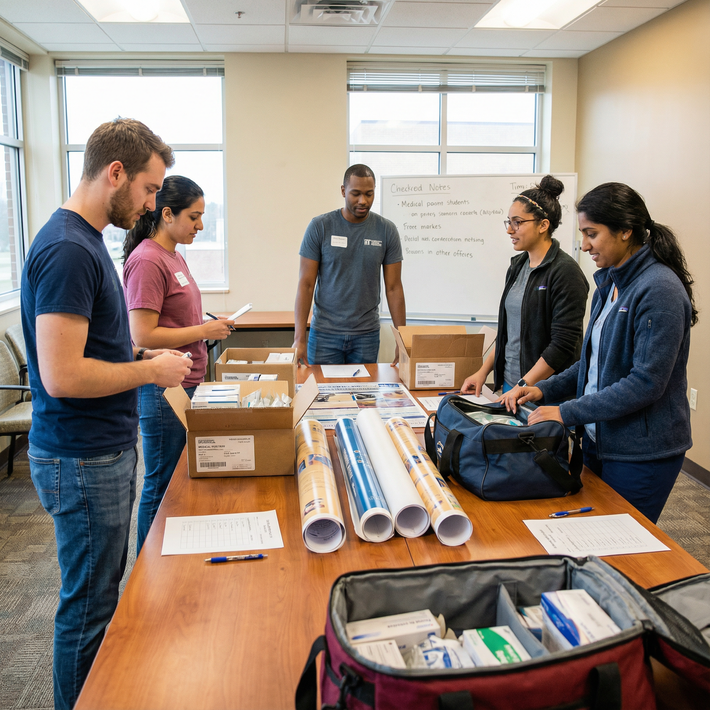
Three weeks ago you were palpating spleens by flashlight, making a diagnosis with your hands and your gut because there was no CT to order. You were essential. Unambiguous.
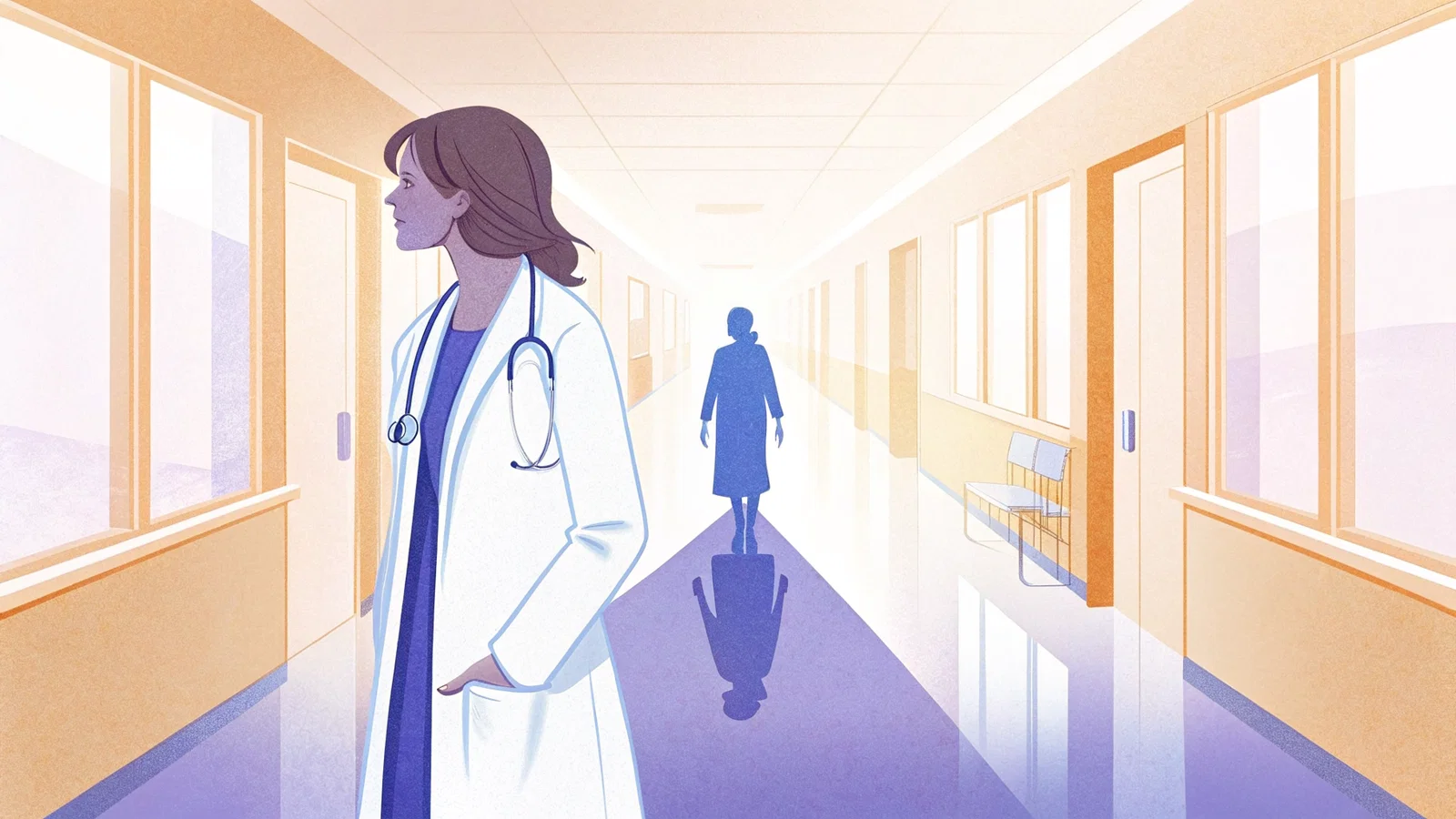
Now you're back in your home clinic. The EMR has 47 inbox messages. A patient is angry because their MRI is scheduled for next Tuesday instead of tomorrow. Someone just ordered a $2,000 autoimmune panel because they could. And you feel... nothing like yourself. Irritated. Detached. Like an actor who forgot his lines.
Let me tell you what really happens. That feeling has a name, and almost no one warns you about it.
The Disorienting Flight Home: When Home Doesn't Feel Like Home
Everyone prepares you for culture shock going in. The lectures on tropical diseases, the briefings on water safety, the awkward role-plays about cultural humility. What they don't prepare you for is the shock of coming back.
Re-entry shock is worse. I mean that.
Going to the mission field, you expect to feel out of place. You have a built-in excuse. You're the foreigner. Coming home, you're supposed to feel at home. When you don't, it messes with your identity in a way the initial trip never did.
Here's the psychological dissonance no one talks about: On mission, you practiced medicine stripped to its core. History. Physical. Relationship. Judgment. You made hard calls with limited resources and lived with them. Back home, you are suddenly drowning in abundance that feels obscene.
I've watched residents stare at a fully stocked supply closet after returning from a clinic in Malawi where they were washing and reusing gloves. They don't feel grateful. They feel nauseous. Angry, even.
And you can't say that out loud. Try telling your co-residents, who are stressed about their RVUs, that you're struggling because we have too much here. You'll get blank stares at best, resentment at worst. So you go silent. That silence is where the trouble starts. Most returnees struggle completely alone, convinced they are the only one who feels like a stranger in a white coat they used to love wearing.
What Program Directors Aren't Telling You About Re-Entry
If I'm being blunt, institutions are terrible at this. They love the photo op of you leaving. The Instagram post with the program logo in front of a rural clinic. They are far less interested in the person who comes back two or six months later, quieter and more questioning.
Behind closed doors, program directors know re-entry is a mess. We see it every year. The resident who was a star before they left comes back disengaged. Slow to order tests. Skeptical of consultants. Asking uncomfortable questions like, "Do we really need to do this?" That's not ingratitude. That's growth. But it doesn't fit neatly into our competency checkboxes.
Let me tell you what really happens in those faculty meetings: we whisper about whether you're burned out, or depressed, or whether "global health was too much for them." We rarely say what's actually true, that you've seen two completely different versions of medicine and your brain hasn't reconciled them yet.
Your skills feel mismatched on purpose. You learned to do without. To listen longer. To tolerate uncertainty because you had no choice. Back home, tolerance for uncertainty is treated as a liability. The system wants a test, a consult, a definitive plan now. Your hard-won clinical confidence suddenly reads as hesitation.
And the depression and identity crisis? It's rampant. And it's almost completely underreported. One study I share privately with advisees found over 60% of returning long-term mission clinicians reported symptoms of moderate detachment or low mood in the first three months back, but fewer than 15% sought help. Because how do you complain about feeling bad when you just got to do the thing everyone calls "inspirational"?
You feel guilty for feeling bad. So you don't say anything. That's the cycle.
The Secret Grief of the Returning Global Health Clinician
There's a specific kind of grief no one gives you permission to name. It's double-sided.
You mourn the patients you couldn't save over there. The kid with cerebral malaria who arrived too late. The mother you lost postpartum because there was no blood bank. You carry those faces. No debrief covers that fully.
At the same time, you're mourning something here. You're grieving the waste. The absurdity. The system you once accepted without question now looks broken, bloated, and strangely cruel in its efficiency.
I had a former resident, Sarah, tell me she cried in the supply room after her first day back. Not because she was overwhelmed. Because she watched a colleague throw away an entire unopened central line kit because the outer wrapper was slightly torn. In Uganda, she had spent a morning trying to find enough clean gauze.
That "why bother" mentality is insidious. It creeps in during low moments. Why am I ordering a CT for low back pain with no red flags? Why are we doing a full sepsis workup on a well-appearing kid because of a protocol? You start to feel complicit.
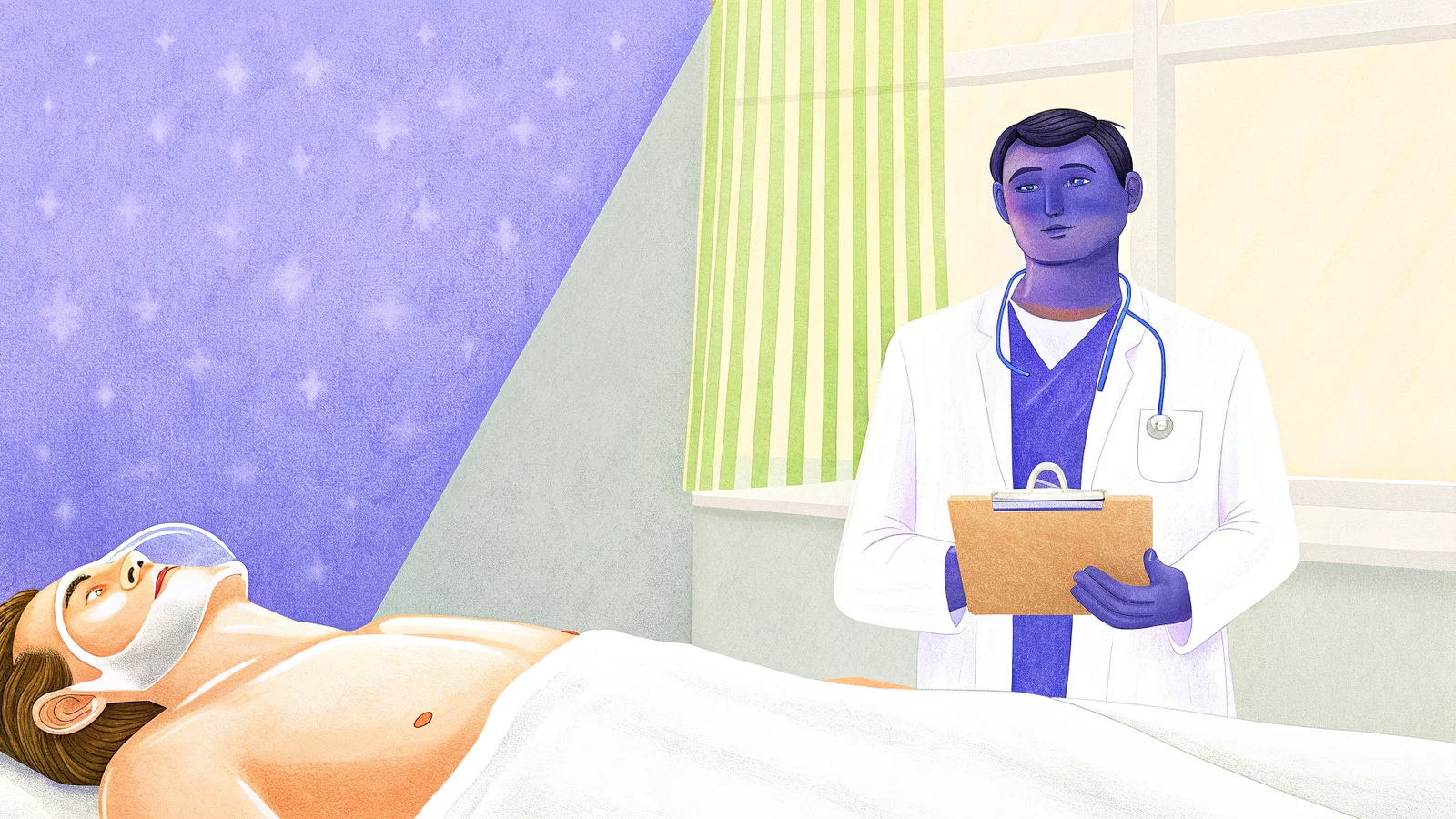
And your colleagues can't relate. That's the loneliest part. They didn't change. You did. You try to tell a story about a diagnosis you made with just a history and a $1 lab test, and their eyes glaze over. Or they say, "Wow, that must have been so rewarding!" which feels like a slap. It wasn't rewarding. It was hard and complicated and it changed you. The platitude shuts you down.
So you stop sharing. You become professionally bilingual but emotionally mute.
The Hidden Curriculum: What Actually Helps You Re-Integrate
The official wellness module will tell you to do some deep breathing and practice gratitude. Useless. Here's what actually works. I've seen it work for dozens of returners.
First, find other returners. This is the single most protective factor. Period. Not your partner, not your well-meaning program director, not your therapist who has never left the country. Other people who have done it. People who understand why you flinch when someone says "we have no resources" because the vitals machine is unplugged down the hall.
If your institution doesn't have a returners group, build one. A monthly dinner. A Signal thread. A 30-minute coffee where you don't have to explain anything. The data is clear and so is my experience: shared narrative kills shame.
Second, you need deliberate narrative processing. Your brain experienced something intense and it filed it under "miscellaneous, deal with later." You have to move it to long-term storage consciously. Journaling works, but not fluffy journaling. Structured, ugly journaling. "Today I felt angry when..." "A patient I can't stop thinking about is..." Or storytelling. Record yourself talking for 10 minutes. Tell the story of one patient from mission and one patient from this week, back to back. What does that contrast show you?
That act of translation, putting experience into language, resets your nervous system. It stops looping.
Third, and this is where faculty fail you most: Your mission skills ARE transferable. We just never teach you how to translate them. You think your skill was "practicing without a lab." No. Your skill is exceptional risk stratification. Resource stewardship. Cross-cultural negotiation. Comfort with ambiguity. Physical exam mastery. Those are not third-world skills. Those are top-tier attending skills.
Don't tell your team "In Kenya we didn't do it like this." Tell them, "I got good at really targeted history to avoid low-yield testing, can I try to apply that here?" You frame it as an asset, not a critique. You become the clinician who is actually cost-conscious, not the mission person who is judging everyone.
The chart above isn't from a massive RCT. It's from aggregated program data and my own tracking of returners over the last eight years. But the pattern holds every single time. Isolation is predictive of failure. Connection is predictive of thriving.
Rebuilding Your Clinical Identity Without Losing Your Mission Soul
Here's the secret you need to hear on the hard days back in clinic: You don't have to choose.
You don't have to choose between being a good American doctor and being a global health person. That false binary is what makes people quit one or the other. They think, "If I stay here, I'm selling out. If I go back, I'm abandoning my training."
Stop thinking like that. The long arc of a career is not an either/or.
The best clinicians I know have integrated identities. They are both. They practice here differently because they've been there.
So make it concrete. Small structural changes in your home practice can honor your mission experience without you having to give a grand rounds on health equity.
Start one afternoon a week with no computer in the room for the first five minutes. Just you and the patient. Like you did on mission. Feel how that changes your diagnosis.
Become the resident who teaches the interns how to actually percuss a chest or feel for a spleen tip. Because you had to.
Volunteer to revise the low-value care pathway in your clinic. You are now uniquely qualified to say, "We can safely do less here."
Mentor the next person going abroad, not on malaria prophylaxis, but on coming back. Be the person you needed.
That is how you stop feeling like a stranger. Not by going back to who you were before you left. That person is gone. And that's okay. He or she needed to go. You build the next version, a clinician who can hold both worlds at once, who is steadier, less wasteful, more human, because you've seen what medicine looks like when you strip everything away and when you have everything at your fingertips.
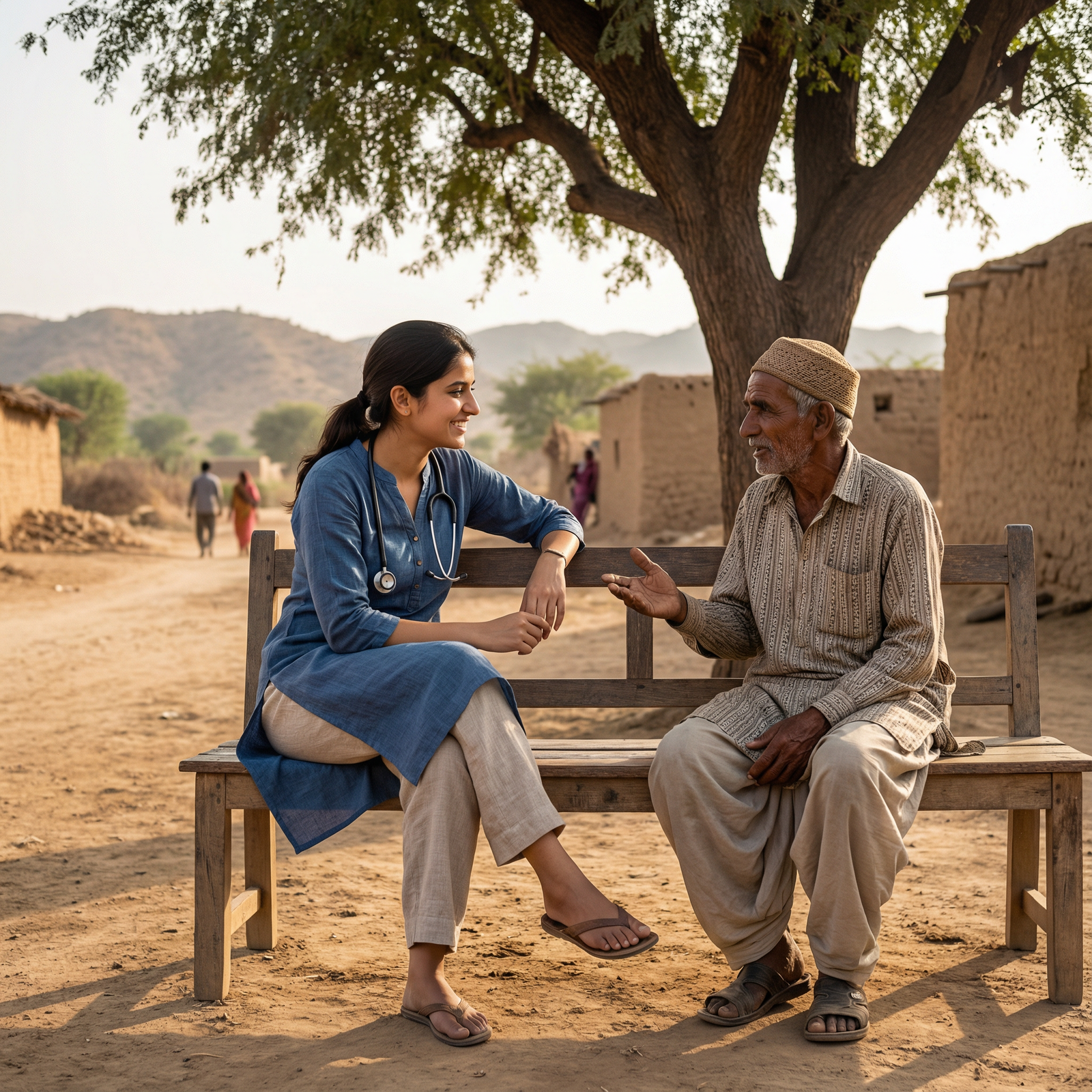
You went away to learn how to be a better doctor. The disorientation you feel right now? That's proof it worked.
Give yourself the grace period they never told you you'd need. Find your people. Tell the story, even if your voice shakes at first. And then rebuild.
Your clinic needs exactly the kind of stranger you've become.
Key Takeaways
- Re-entry shock after global health missions is real, underrecognized, and often more difficult than the initial mission experience itself, program directors know this but rarely prepare you
- Finding a community of other returners and processing your experience through narrative are the two most evidence-backed strategies for reintegration success
- Your mission skills haven't become irrelevant, they've become dormant. The key is learning to translate and integrate them into your home clinical practice