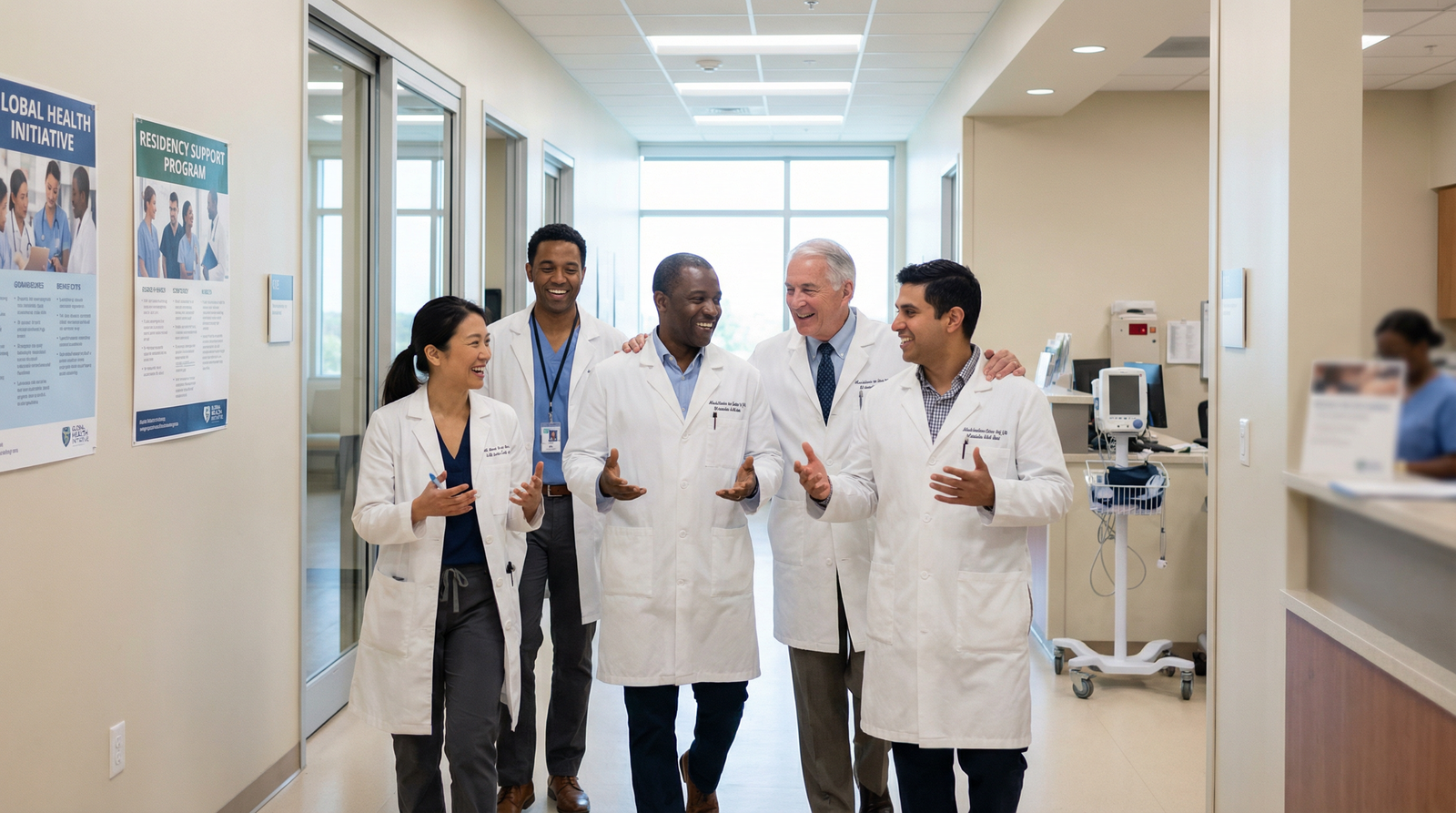
Why IMG-Friendly Residency Programs Are Essential for International Medical Graduates
Transitioning from medical school to residency is demanding for any new physician, but for International Medical Graduates (IMGs), the stakes and complexity are even higher. In addition to the usual stress of the Match, IMGs must navigate a new healthcare system, visa regulations, cultural adaptation, and often a new language environment.
This is where truly IMG-friendly residency programs make a critical difference. These programs don’t just “accept IMGs”—they are intentionally structured to support international physicians, offering mentorship, clear visa pathways, cultural and academic support, and a track record of success for previous IMGs.
In this expanded guide, you’ll find:
- What actually defines an IMG-friendly residency program
- Detailed profiles of several well-known IMG-friendly institutions
- Key criteria to use when evaluating any medical residency for IMG support
- Practical application strategies for IMGs targeting U.S. residency
- A comprehensive FAQ section tailored to IMG concerns
Whether you’re still preparing for USMLE or about to submit ERAS, understanding IMG-friendly residency options will help you target programs where you can not only match—but truly thrive.
What Makes a Residency Program “IMG-Friendly”?
“IMG-friendly residency” is more than just a phrase from forums or social media. While there is no official designation, certain consistent features tend to characterize programs where International Medical Graduates are welcomed and supported.
Core Features of an IMG-Friendly Residency Program
When evaluating medical residency programs, pay special attention to the following elements:
History of accepting IMGs
Programs that regularly rank IMGs highly and match them into categorical positions have systems and culture already adapted to international graduates.Visa sponsorship and clear policies
- Willingness to sponsor J-1 and/or H-1B visas
- Transparent information on their website or in program materials
- Dedicated GME or institutional support for immigration paperwork
Structured support for transition to U.S. medical practice
- Orientation to U.S. healthcare systems (billing, documentation, EMR use)
- Communication skills support (e.g., clinical English, accent reduction resources)
- Coaching on documentation, handoffs, and patient-centered communication
Mentorship and professional development for IMGs
- Faculty or chief residents with IMG backgrounds
- Formal mentorship pairings or interest groups for international graduates
- Support for research, QI projects, and fellowship preparation
Inclusive program culture
- Active DEI (Diversity, Equity, and Inclusion) initiatives that include international backgrounds
- Celebrations of different cultures, holidays, and languages
- Zero-tolerance policies for discrimination and microaggressions, enforced in practice
Strong IMG outcome metrics
- Historically high Board pass rates including for IMGs
- IMGs successfully matching into fellowships or securing attending positions in the U.S.
- Alumni network that includes many international physicians now practicing or in academia
While name recognition of a hospital can matter, IMGs should look just as closely at culture, structure, and track record. A “smaller name” institution with robust IMG support may be more beneficial than a big-name program with minimal history of taking international graduates.
Leading IMG-Friendly Residency Programs in the U.S.
The following programs are often cited by International Medical Graduates and advisors as examples of supportive, IMG-friendly environments. They are not the only good options, but each illustrates key elements of IMG-focused medical training and healthcare opportunities.
1. NYU Langone Health
Location: New York, NY
Program Types: Categorical and Preliminary
Representative Specialties: Internal Medicine, Surgery, Pediatrics, Psychiatry, Emergency Medicine, and others
NYU Langone Health has a long-standing reputation for diversity, including a substantial number of IMGs across several departments. Its location in New York City—one of the most multicultural cities in the world—naturally attracts international physicians and patients, which reinforces an inclusive clinical environment.
Why It’s Considered IMG-Friendly
- Diverse resident body: Many residency services include residents from multiple continents, which helps new IMGs quickly find peers with similar journeys.
- Structured mentorship: IMGs often report having access to mentors who understand visa challenges, cultural adaptation, and long-term career planning in U.S. medicine.
- Cultural and language support:
- Opportunities to work with interpreter services and multilingual staff
- Institutional emphasis on cultural competence in patient care
- Research and academic growth:
- Multiple opportunities to participate in clinical and translational research
- Good platform for IMGs targeting academic careers, subspecialty fellowships, or leadership roles
Example Experience:
An IMG in Internal Medicine at NYU described their experience:
“From day one, attendings and senior residents were approachable. They understood the learning curve for international graduates—especially around documentation and communication norms—and they offered targeted feedback instead of assumptions.”
2. Johns Hopkins Hospital
Location: Baltimore, MD
Program Types: Categorical and Preliminary
Representative Specialties: Anesthesiology, Internal Medicine, Neurology, Pathology, Family Medicine (with affiliated institutions), and others
Johns Hopkins is synonymous with world-class research and innovation. While it is highly competitive, it is also known for integrating IMGs into multiple departments, particularly in research-oriented and academic tracks.
IMG-Friendly Highlights
- Dedicated support structures:
- Institutional committees and GME offices that oversee IMG policies and needs
- Orientation focusing on expectations in academic medicine and clinical care
- Robust academic and research ecosystem:
- Access to leading labs, clinical trials, and mentoring from national leaders
- Particularly attractive for IMGs who already have research experience or advanced degrees
- Education-focused culture:
- Strong teaching framework and feedback mechanisms
- Multiple conferences, grand rounds, and teaching sessions geared toward building clinical reasoning and presentation skills
For IMGs aiming for careers in subspecialty fellowships, academia, or global health, Johns Hopkins offers significant opportunities—though applicants must be highly competitive and prepared, both academically and in terms of Step scores and research.
3. Cleveland Clinic
Location: Cleveland, OH
Program Types: Categorical and Preliminary
Representative Specialties: Family Medicine, Internal Medicine, Surgery, Orthopedic Surgery, Cardiology (through fellowship), and more
Cleveland Clinic is known for its high standards in patient care and a strong track record of welcoming international physicians at multiple levels—residency, fellowship, and faculty.
Key Advantages for International Medical Graduates
Institutional culture of diversity:
Cleveland Clinic serves an international patient population and employs physicians trained in many different countries, creating a naturally supportive setting for IMGs.Explicit pathways for IMGs:
- Many departments clearly state whether they sponsor J-1 and/or H-1B visas
- Regular presence of IMGs in residency classes and leadership positions (chief residents, QI leads, etc.)
Emphasis on mentorship and career progression:
- Opportunity to work with attendings who are themselves IMGs
- Strong support for participation in research, quality improvement, and leadership roles
- Clear expectations and structured teaching that help IMGs adapt to U.S. charting, billing, and clinical workflows
This environment can be especially valuable for IMGs looking to combine strong clinical training with research and future subspecialty applications.
4. University of Southern California (Keck School of Medicine)
Location: Los Angeles, CA
Program Types: Categorical and Preliminary
Representative Specialties: Emergency Medicine, Internal Medicine, Radiology, Surgery, Psychiatry, among others
The Keck School of Medicine at USC benefits from being embedded in one of the most diverse metropolitan regions in the U.S. Los Angeles’ multicultural communities and high-volume public hospitals expose residents to a wide variety of pathology and patient backgrounds.
Why USC Is Attractive to IMGs
Targeted support for international trainees:
- Workshops on navigating the U.S. healthcare system, EMR documentation, and interprofessional communication
- Sessions specifically addressing the transition from international medical education to U.S. residency expectations
IMG-focused peer support:
- Resident-run support groups and peer mentorship for IMGs
- Opportunities to connect with senior residents and alumni who previously came as IMGs
Robust clinical exposure:
- High patient volumes and diverse pathology ideal for building strong clinical skills
- Particularly attractive for IMGs who want hands-on experience in busy emergency departments, inpatient wards, and safety-net settings
USC’s combination of academic training, community service, and diverse patient population makes it a strong choice for international doctors who want to work with underserved and multicultural communities.
5. University of Illinois at Chicago (UIC)
Location: Chicago, IL
Program Types: Categorical and Preliminary
Representative Specialties: Family Medicine, Internal Medicine, Psychiatry, Pediatrics, and more
UIC has a long-standing tradition of welcoming International Medical Graduates into multiple specialties, particularly primary care fields like Internal Medicine and Family Medicine.
Notable IMG-Friendly Features
Comprehensive pre-residency orientation:
UIC provides an extensive orientation program that goes beyond standard introductions and includes:- EMR training
- Case-based discussion of American medical-legal issues
- Practical tips on working with multidisciplinary teams
Strong diversity and inclusion commitment:
- Recruitment strategies designed to attract diverse applicants, including IMGs
- Visible presence of IMGs among residents, fellows, and faculty
Pipeline and retention focus:
- Many IMGs remain at UIC for fellowships or faculty positions
- Support in preparing for Board exams and career advancement within the U.S. system
For IMGs targeting fields like Internal Medicine, Psychiatry, or Family Medicine in a large urban center with a substantial immigrant patient population, UIC is a compelling option.

Essential Factors IMGs Should Evaluate in Any Residency Program
While the programs above are well-known examples, there are many other IMG-friendly residency options across the U.S. To systematically compare and shortlist programs, consider these core domains.
Visa Support and Sponsorship Policies
For many IMGs, visa sponsorship is non-negotiable. Before applying:
- Identify visa types accepted:
- Most commonly J-1 (via ECFMG sponsorship)
- Some programs sponsor H-1B, which can be advantageous if you plan long-term U.S. practice without a J-1 waiver
- Check the program’s website and FREIDA listing:
- Look for clear statements like “Sponsorship of J-1 and H-1B visas available”
- If unclear, email the program coordinator with a concise question about visa policies
- Understand long-term implications:
- J-1 visas may require a two-year home-country return or a J-1 waiver position afterward
- H-1B visas have caps and specific requirements, including USMLE Step 3 completion in many states
Strongly IMG-friendly residency programs will have established processes and institutional support for immigration, not just a one-off exception.
Language, Communication, and Cultural Support
Even highly fluent English speakers may experience challenges with:
- Accents and patient comprehension
- Nuances of empathy and shared decision-making in American cultural context
- Specific documentation language and medico-legal phrasing
Look for programs that offer:
Communication workshops focusing on:
- Difficult conversations (breaking bad news, code status, end-of-life discussions)
- Patient education at varying health literacy levels
- Interprofessional communication with nurses, pharmacists, and consultants
Access to feedback:
- Attendings and senior residents who give specific guidance on case presentations, sign-out, and note writing
- Simulation labs or standardized patient encounters
Programs that value IMGs will recognize these as learning goals, not deficiencies, and provide tools to help.
Mentorship, Networking, and Career Development
Successful IMGs often attribute their progress to mentors who:
- Explained unwritten rules of U.S. medical training
- Helped them choose electives, projects, and fellowships strategically
- Wrote strong letters of recommendation tailored to U.S. expectations
When assessing programs, consider:
- Is there a formal mentorship system pairing juniors with seniors or faculty?
- Are there IMG faculty or chiefs who could serve as role models?
- Does the program support efforts to:
- Present at conferences
- Publish papers or case reports
- Pursue fellowships or leadership roles
Alumni Track Record and Outcomes
A powerful predictor of your own trajectory is what prior IMGs from that program have accomplished.
Ways to evaluate this:
- Ask on interview day:
- “What have recent IMG graduates gone on to do?”
- “How many IMGs have matched into fellowships in the last few years?”
- Look up alumni on LinkedIn or institutional websites to see:
- Fellowship placements
- Academic vs. community practice roles
- Geographic distribution of jobs
IMG-friendly residency programs won’t just accept international graduates—they will help them progress to the next level.
Practical Tips for IMGs Targeting U.S. Residency
Beyond choosing programs, IMGs can strengthen their overall candidacy for IMG-friendly residency spots by taking deliberate steps before and during the application cycle.
Strengthening Your Application Profile
Maximize USMLE performance:
Competitive Step 2 CK scores remain important, especially as Step 1 is now pass/fail. Aim to be above the typical cutoff for your specialty.Gain U.S. clinical experience (USCE):
- Observerships, externships, or hands-on rotations where allowed
- Prioritize experiences that give you letters from U.S.-based faculty familiar with residency expectations
Target strong letters of recommendation:
- Preferably from U.S. attendings who can comment on your clinical reasoning, communication, professionalism, and work ethic
- At least one letter from your desired specialty in the U.S. is ideal
Demonstrate commitment to your chosen specialty:
- Specialty-related research, QI projects, or community work
- Consistent narrative in your personal statement and interview responses
Strategic Selection of Programs
Use data resources wisely:
- FREIDA, NRMP Charting Outcomes for IMGs, and program websites help you identify where IMGs have historically matched
- Avoid over-focusing on prestige; prioritize fit and IMG track record
Balance your list:
- Include a range of program competitiveness levels
- Apply broadly, especially in specialties where IMGs face higher barriers
Research individual program culture:
- Attend virtual open houses
- Join social media Q&A sessions
- Reach out to current residents (particularly IMGs) via email or LinkedIn with respectful, specific questions
Excelling After You Match
Matching into an IMG-friendly residency program is the beginning, not the end, of your U.S. medical journey. To thrive:
Clarify expectations early:
- Learn local documentation norms, call responsibilities, and procedures
- Ask for feedback in the first months and act on it promptly
Invest in communication and cultural competence:
- Observe how exemplary residents talk with patients and families
- Ask mentors to review your notes and presentations for style and clarity
Maintain visa and licensure awareness:
- Keep track of deadlines and requirements for visa renewal
- Complete Step 3 if required for licensure or H-1B sponsorship
IMG-friendly residency programs will support you in these areas, but taking ownership of your trajectory will distinguish you as a strong resident and future attending.
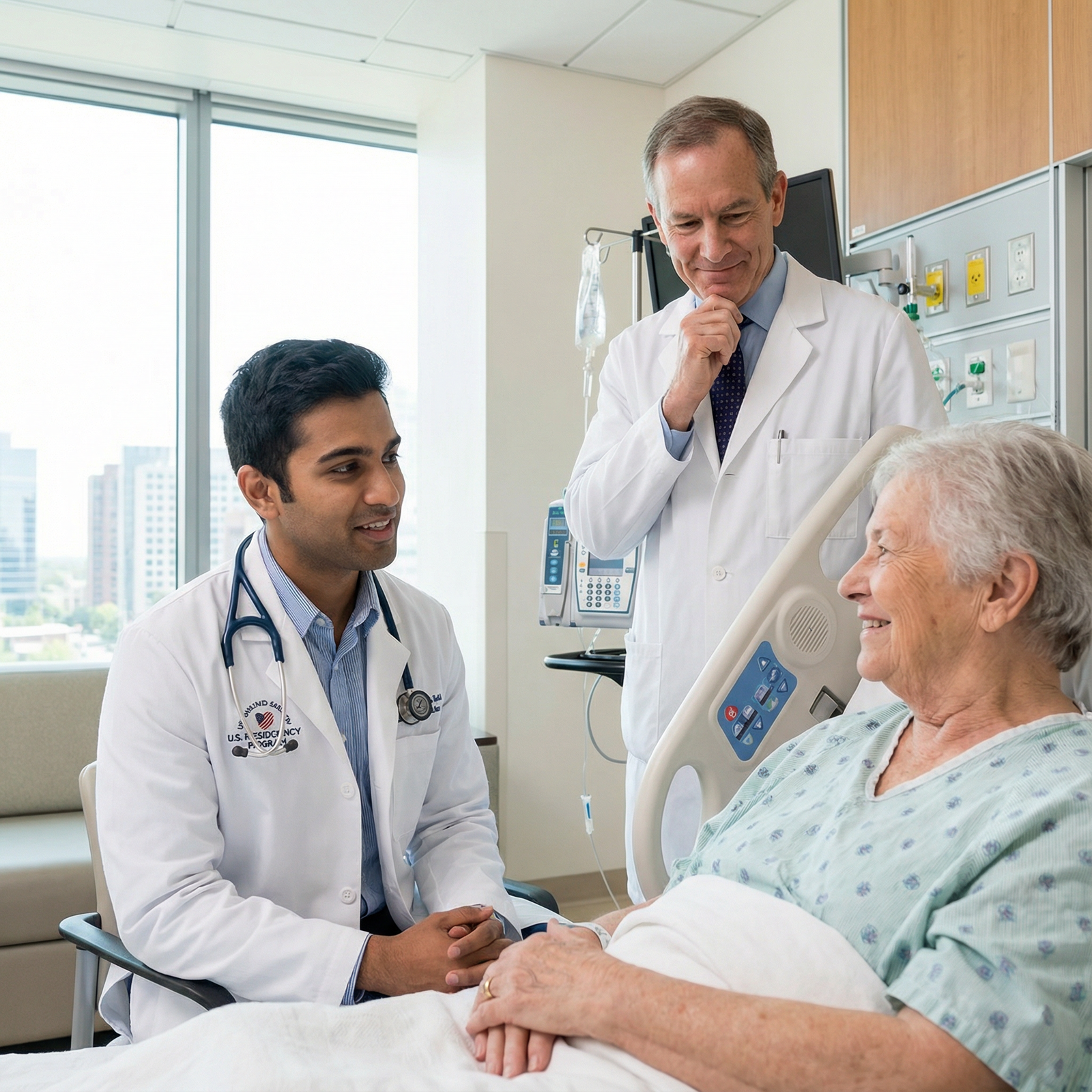
Frequently Asked Questions About IMG-Friendly Residency Programs
1. What exactly defines an IMG-friendly residency program?
An IMG-friendly residency program is one that consistently:
- Accepts and graduates International Medical Graduates in meaningful numbers
- Supports visa sponsorship (usually J-1 and sometimes H-1B) with clear, established processes
- Provides structured orientation and support for adapting to U.S. healthcare systems and documentation
- Offers mentorship, research opportunities, and networking tailored to the needs of international physicians
- Has a positive track record of IMG outcomes—Board passes, fellowships, and successful careers in the U.S.
In short, it’s not just a program that “allows” IMGs to apply, but one that actively invests in their success.
2. How can I tell from the outside if a residency is IMG-friendly?
Use a combination of:
Program and institutional websites:
- Check for statements about diversity and international graduates
- Look at current residents’ profiles—do you see IMGs listed?
FREIDA and NRMP data:
- Some data sets show historical percentage of IMGs in programs
Direct communication:
- Attend virtual open houses and ask specifically about IMGs in the program
- Email residents (especially those from international schools) with concise questions
Online communities and forums:
- While anecdotal, these can point you towards programs with a long-standing reputation for welcoming IMGs
Look for consistent patterns rather than relying on a single data point.
3. Are certain specialties more IMG-friendly than others?
Yes. Historically, specialties with higher proportions of IMGs include:
- Internal Medicine
- Family Medicine
- Pediatrics
- Psychiatry
- Pathology
More competitive specialties (e.g., Dermatology, Plastic Surgery, Orthopedic Surgery, ENT, Radiation Oncology) accept fewer IMGs overall, though there are exceptions. However, the degree of IMG-friendliness varies more by individual program than by specialty alone. Always research each program’s actual track record.
4. What visa options are most common for IMGs entering U.S. residency?
The two main visa options are:
J-1 Visa (Exchange Visitor)
- Sponsored by ECFMG
- Most common for residency training
- Requires a two-year home-country physical presence after training unless you obtain a waiver (often through underserved area service or academic roles)
H-1B Visa (Temporary Worker)
- Sponsored directly by the residency program or institution
- Often requires USMLE Step 3 before the start of residency and may be limited by institutional policies
- Can offer a more straightforward path for those planning long-term practice in the U.S. without a J-1 waiver obligation
IMG-friendly programs are typically transparent about which visas they sponsor and have established administrative support for the process.
5. Is there financial or academic support available specifically for IMGs?
This varies widely by institution, but IMG-friendly residency programs may offer:
- Educational stipends for conferences, exam fees, or study materials
- Paid protected time for Board prep, research, or QI projects
- Workshops and resources on financial literacy, loan management, and navigating salary and contracts in the U.S.
- International medical graduate support groups or networks that share resources, including tips on managing finances in a new country
Ask about these resources during interview days or virtual information sessions. Programs that are deliberate about supporting IMGs often highlight these benefits explicitly.
Selecting the right IMG-friendly residency program can transform your transition into U.S. medical training—from daunting and isolating to structured, supported, and professionally rewarding. By combining a clear understanding of program characteristics, thorough research, and a strategic application approach, International Medical Graduates can find residency environments where their unique perspectives are not only accepted, but truly valued as vital contributions to patient care and the evolving global healthcare workforce.