Transitioning to Residency: The Most Welcoming U.S. Programs for IMGs
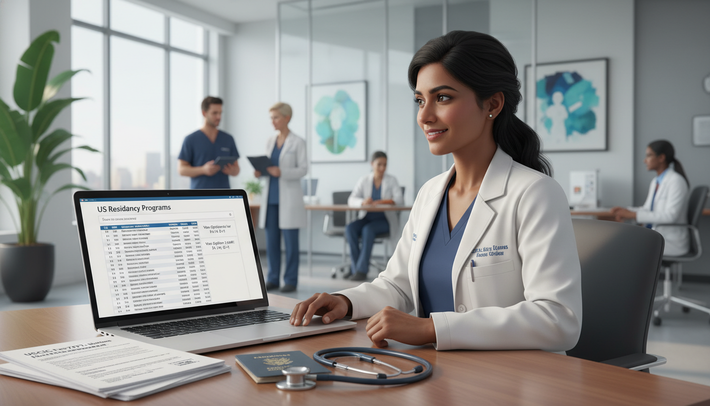
Navigating the leap from medical school to residency is challenging for any graduate—but for International Medical Graduates (IMGs), the process can feel especially complex. Beyond the standard competitiveness of U.S. residency programs, IMGs encounter additional hurdles: visa issues, credentialing, cultural adaptation, and limited local networks, to name just a few.
The good news is that many residency programs across the United States actively welcome IMGs and have designed structures to support them. Choosing such a program can dramatically affect not only your chances of matching, but also your well-being, professional development, and long-term success in U.S. medical careers.
This guide explores:
- The unique journey and challenges of IMGs
- Core characteristics of IMG-friendly residency programs
- Specific U.S. residency programs known for welcoming IMGs
- Practical tips for IMGs preparing to transition into residency
- Common questions about IMG-friendly programs and the residency match
Understanding the IMG Journey into U.S. Residency
The Unique Challenges for International Medical Graduates
International Medical Graduates bring diverse training, perspectives, and life experience to the U.S. healthcare system. Yet, the path into residency is rarely straightforward. Common challenges include:
1. Complex Credential Verification and Licensing
Before even applying for residency, IMGs must:
- Obtain Educational Commission for Foreign Medical Graduates (ECFMG) certification
- Complete primary source verification of medical school credentials
- Pass USMLE Step exams (or equivalent, depending on current requirements)
- Navigate varying state medical board rules and timelines
These steps can be time-consuming and procedurally complex. Programs that are familiar with IMG requirements often provide clearer guidance and administrative support.
2. Cultural and System-Level Adjustments
Even IMGs fluent in English must adjust to:
- U.S. medical documentation standards and electronic health records
- Core concepts such as informed consent, shared decision-making, and patient autonomy
- Different hierarchies in the healthcare team (attendings, fellows, residents, APPs, nurses)
- Communication norms—both with patients and colleagues
- Expectations around professionalism, punctuality, and documentation
Welcoming residency programs recognize this learning curve and build in cultural orientation and sustained mentorship rather than assuming everyone knows “how things work” from day one.
3. Limited U.S. Networking and Mentorship
Many U.S. graduates have:
- Built connections through clinical rotations
- Access to home institution faculty who advocate for them
- Peer networks that share insider information about specific residency programs
In contrast, IMGs often apply from outside the United States or from research/non-clinical roles and may lack direct access to:
- U.S.-based mentors who can write strong, personalized recommendation letters
- Information about which programs are truly IMG-friendly
- Local support while preparing for interviews and adjusting post-match
Residency programs with strong mentorship structures can help close this gap.
4. Variable U.S. Clinical Experience
Many IMGs have limited or no hands-on U.S. clinical experience (USCE) due to:
- Visa issues
- Limited availability of externships/observerships
- Financial or geographic constraints
Yet residency programs frequently value USCE highly. IMG-friendly programs may:
- Offer observerships or preliminary rotations
- Evaluate international clinical experience more holistically
- Provide transition curricula that explicitly address practice differences
These features can make an enormous difference for applicants and new interns.
What Makes a Residency Program “Welcoming” to IMGs?
Not all supportive programs advertise themselves as “IMG-friendly.” Instead, IMGs should look for specific characteristics that signal a genuinely inclusive environment.
1. Commitment to Diversity and Inclusion
Residency programs that value diversity and inclusion are often more intentional about recruiting and supporting IMGs. Signals include:
- Visible diversity among residents, fellows, and faculty (including IMGs in senior roles)
- Formal Diversity, Equity, and Inclusion (DEI) committees or leadership positions
- Regular training or workshops on cultural humility and inclusive patient care
- Resident-led groups or affinity networks for international doctors, minority groups, or first-generation professionals
These programs recognize that diversity—including the global training and perspectives IMGs bring—is a strength, not a barrier.
2. Structured Mentorship for International Medical Graduates
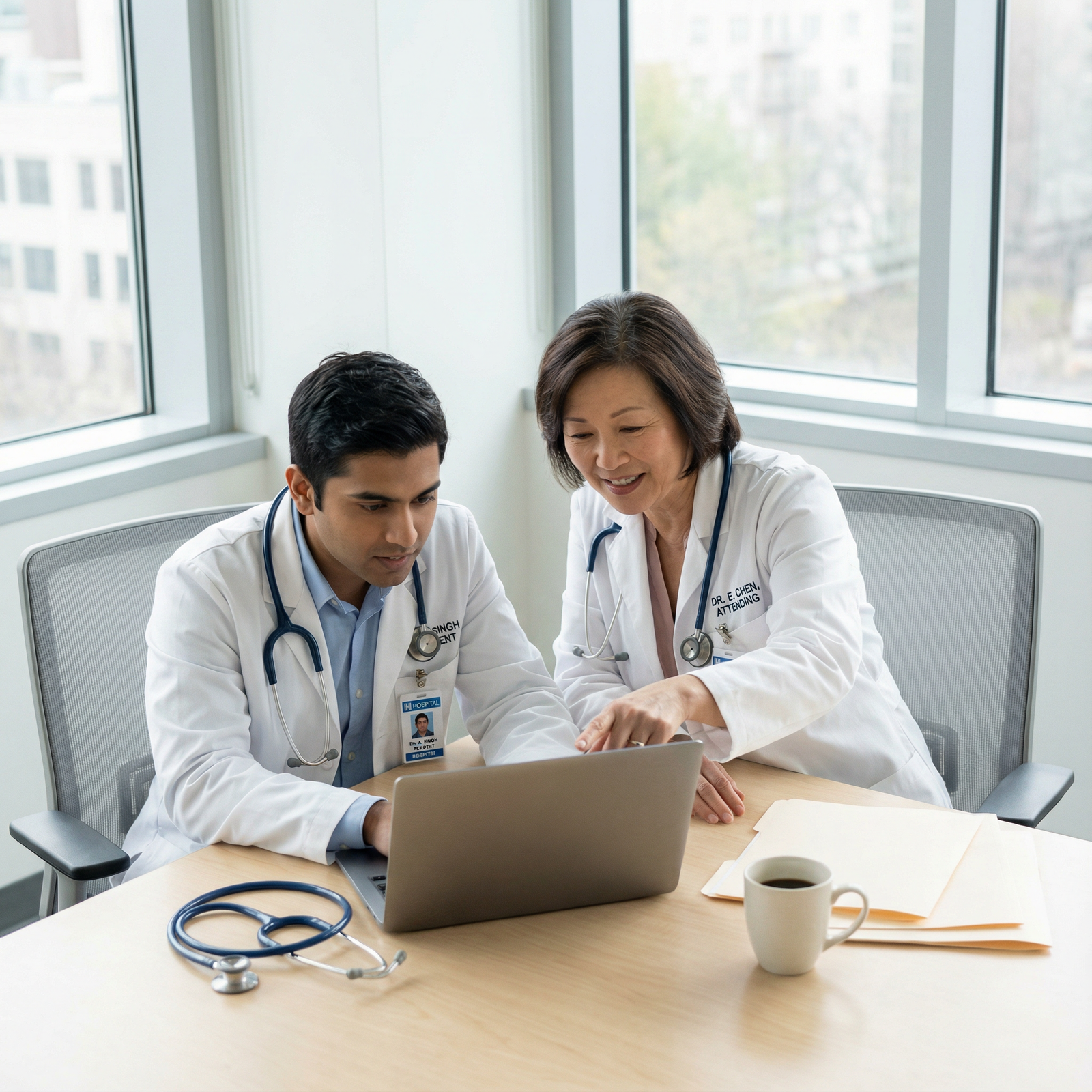
Mentorship is critical for IMGs navigating unfamiliar systems. Strong programs often provide:
- Assigned faculty mentors from the start of residency
- Peer mentors (e.g., senior IMGs who have successfully transitioned)
- Career development meetings to discuss fellowship planning, research, or academic medicine
- Support for navigating visas, relocation stress, and family challenges
Mentorship in these settings is not just informal or optional; it is built into the program’s design and expectations.
3. Robust Infrastructure for Integration and Success
Welcoming programs often have clear structures to support IMGs during orientation and throughout training, such as:
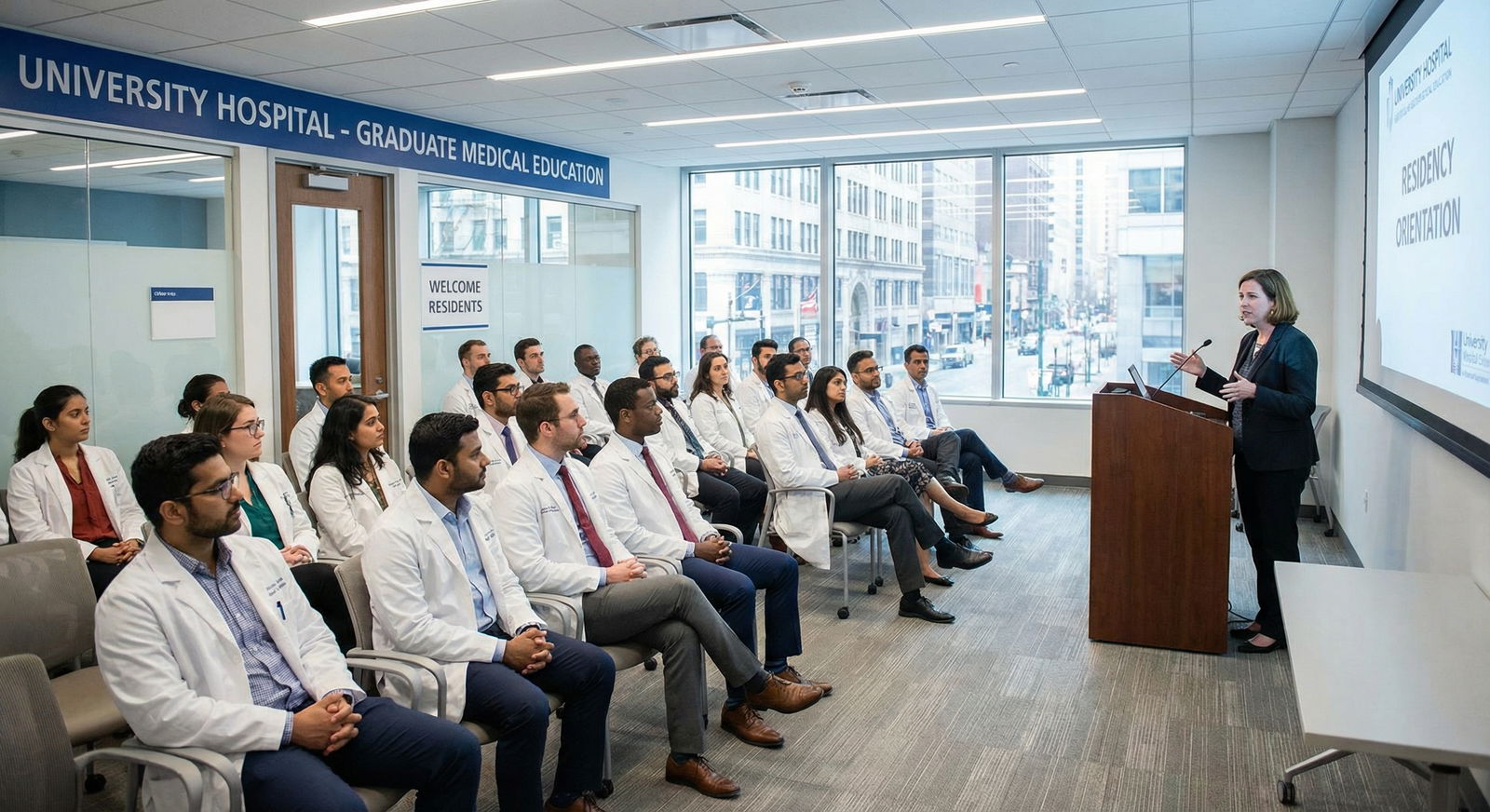
- Extended orientation periods that cover not only hospital logistics but also U.S. healthcare norms
- Workshops on:
- Electronic health record (EHR) usage
- Billing and coding basics
- Cultural and communication skills with U.S. patients
- Navigating call schedules and duty hour rules
- Regular check-ins with program leadership to monitor adjustment and wellness
- Readily available resources: language support, counseling, wellness programs, and academic coaching
These measures promote both performance and well-being.
4. Strong Track Record of Welcoming and Graduating IMGs
A residency program’s history often reveals more than its marketing materials. Data points to examine:
- Current percentage of IMGs among residents
- Number of IMGs in leadership roles, such as chief residents
- Patterns in fellowship placement or job placement for IMGs after graduation
- Alumni stories or testimonials from IMGs shared on the program website or social media
Programs with a longstanding history of training IMGs are more likely to have refined systems to support you.
5. Flexibility and Holistic Evaluation of Applications
IMG-friendly programs look beyond check-box criteria. Features may include:
- Accepting applications from a broad range of medical schools (not only U.S.-affiliated or partner schools)
- Clearly defined, realistic cutoffs (if any) for graduation year, USMLE scores, and gaps in training
- Willingness to consider:
- International clinical experience
- Research or public health work abroad
- Non-traditional pathways into medicine
- Opportunities for observerships, externships, or preliminary years that serve as bridges into full training
This holistic approach reflects a deeper appreciation for the value IMGs bring.
U.S. Residency Programs Known for Welcoming IMGs
While the landscape changes over time and across specialties, several institutions have built strong reputations for supporting International Medical Graduates. Always verify current policies via program websites and recent match data, but the following examples illustrate the types of programs that often foster IMG success.
1. University of Southern California (USC) – Los Angeles, CA
USC’s residency programs, particularly in Internal Medicine and Family Medicine, are widely recognized for:
- Strong diversity and inclusion focus in a major urban, multicultural center
- A resident body that includes many IMGs, reflecting global representation
- Structured mentorship with faculty accustomed to guiding IMGs through licensing, research, and fellowship pathways
- Opportunities to work in safety-net and community settings, serving diverse and underserved populations
For IMGs, USC can offer not only a rigorous training experience but also an environment that normalizes international backgrounds as a routine and valued part of the cohort.
2. Maimonides Medical Center – Brooklyn, NY
Maimonides has long been known as an IMG-friendly institution across multiple specialties, including Internal Medicine, Pediatrics, and Surgery. Distinguishing features include:
- A high proportion of IMGs among residents and graduates
- Orientation and support structures tailored to those new to the U.S. healthcare system
- Clinical exposure to one of the most culturally diverse patient populations in the country
- Faculty and leadership that frequently include former IMGs who understand the journey firsthand
For many IMGs, Maimonides offers a combination of rigorous training, broad pathology, and a strong sense of community.
3. Advocate Health System – Chicago, IL
Advocate Health (now part of Advocate Health/Midwest region through various mergers) operates multiple teaching hospitals in and around Chicago. IMG-friendly attributes include:
- Well-developed mentorship programs, often pairing juniors with seniors and faculty mentors
- Formal teaching on communication skills and professionalism, which supports cultural integration
- A track record of matching and graduating IMGs in Internal Medicine, Family Medicine, and other specialties
- Emphasis on team-based, patient-centered care where diverse perspectives are valued
Chicago’s large immigrant communities also provide IMGs opportunities to serve patients who share their languages and cultural backgrounds.
4. The Brooklyn Hospital Center – Brooklyn, NY
The Brooklyn Hospital Center is particularly known for its welcoming stance toward IMGs in programs such as Internal Medicine and Family Medicine. Notable features:
- High representation of IMGs within residency classes
- Dedicated orientation for international doctors, with attention to EHR use, documentation, and U.S. practice norms
- Faculty who prioritize accessibility and open-door communication, which is especially helpful for residents adjusting to a new system
- A culture that emphasizes Diversity and Inclusion, reflecting both the staff and the community served
This environment offers IMGs a sense of belonging and peer support from day one.
5. University of Florida – Gainesville, FL
The University of Florida (UF) incorporates IMGs into several of its residency programs, notably Internal Medicine and Family Medicine. IMG-friendly aspects include:
- An institutional mission that explicitly values diversity in medicine
- Active recruitment of talented IMGs and honest communication about expectations
- Dedicated resources, such as:
- Academic support for exam preparation
- Research mentorship
- Career counseling for fellowship or hospitalist positions
- A collegial environment that values teaching and learning, which can help IMGs build confidence in a new system
UF often attracts applicants interested in a balance of academic rigor, research opportunities, and a supportive community.
6. Riverside University Health System – Moreno Valley, CA
Riverside University Health System (RUHS) is another institution recognized for welcoming IMGs, particularly in primary care specialties. Key strengths:
- Flexible interview scheduling and consideration of time-zone differences for international applicants
- Cultural competency training embedded into curriculum, which helps both IMGs and U.S. graduates improve patient communication
- Comprehensive orientation that addresses both clinical and practical life aspects (housing, transportation, community resources)
- A strong ethos of serving diverse, underserved communities, aligning well with many IMGs’ values and backgrounds
RUHS residents frequently describe the atmosphere as warm, inclusive, and team-oriented.
Why Choosing IMG-Welcoming Programs Matters
Your residency environment shapes not only your training experience, but also your long-term trajectory in U.S. medical careers. Opting for programs that are explicitly or demonstrably IMG-friendly can yield several advantages.
1. Smoother Adaptation to the U.S. Healthcare System
Programs experienced with IMGs:
- Anticipate the learning curve around documentation, communication, and U.S.-specific guidelines
- Provide training and feedback in a constructive, non-punitive way
- Offer extra support early on, when the adjustment can feel overwhelming
This reduces stress, supports patient safety, and accelerates your growth into a confident resident.
2. Stronger Professional Networks and Long-Term Career Support
Residency is where you build foundational connections for your future career. In welcoming programs, IMGs can expect:
- Mentors who understand fellowship or academic medicine pathways and are willing to sponsor your growth
- Access to IMGs who have successfully matched into competitive subspecialties or hospitalist roles
- A network of alumni across the country who can support job searches after graduation
These networks can be particularly critical for IMGs, who may not have family or pre-existing professional ties in the United States.
3. Improved Well-Being and Lower Risk of Burnout
Training is demanding under any circumstances. IMGs often face additional pressures—visa uncertainty, distance from family, and cultural adaptation. Inclusive programs:
- Promote mental health and wellness resources
- Encourage a culture where seeking help is normalized
- Make efforts to address isolation by building community among residents
Over time, this leads to higher job satisfaction, better retention, and a more sustainable career trajectory.
4. Enhanced Career Opportunities and Visibility
Programs that invest in mentorship and professional development help IMGs:
- Access research projects and quality improvement initiatives
- Present at conferences and publish papers
- Prepare strong fellowship applications
- Develop leadership skills through chief residency, committees, or teaching roles
This foundation can open doors across the spectrum of medical careers, from community practice to academic medicine and healthcare leadership.
Practical Tips for IMGs Preparing to Transition into Residency
Beyond choosing the right program, there are concrete steps you can take to strengthen your application and your transition.
1. Research Programs Thoroughly and Strategically
When exploring residency programs:
- Review NRMP and FREIDA data for percentages of IMGs, visa policies, and match statistics
- Visit program websites for:
- Resident bios (note where they completed medical school)
- Statements on Diversity and Inclusion
- Mentorship, wellness, and academic support descriptions
- Search for recent residents on LinkedIn and see whether they are IMGs and where they have gone after residency
- Attend virtual open houses or Q&A sessions to ask directly about support for IMGs
Create a targeted list of programs where your profile aligns with their historic match patterns and stated values.
2. Network Intentionally and Authentically
You do not need a massive network to succeed, but a few key connections can be invaluable:
- Reach out (politely and concisely) to current IMG residents at programs you’re interested in
- Join online communities and forums for IMGs applying to residency, where people share up-to-date information
- Participate in specialty interest groups, conferences, or webinars where you can interact with U.S. faculty
Whenever possible, follow up with gratitude and professionalism; relationships built now may pay dividends later in mentorship, advice, or letters of recommendation.
3. Seek U.S. Clinical Experience or Exposure
Where feasible, seek opportunities that enhance your understanding of U.S. practice:
- Observerships or externships at teaching hospitals
- Research assistant roles within U.S. medical centers
- Telemedicine shadowing or structured virtual clinical experiences (if offered)
Use these experiences to:
- Learn EHR workflows
- Observe communication styles with patients and staff
- Ask supervisors about expectations of interns and residents
Include these experiences on your CV and use them as concrete examples in interviews and personal statements.
4. Prepare Proactively for Cultural and Communication Differences
Even with strong language skills, communication nuances can be challenging. To prepare:
- Watch clinical communication videos or observe simulations focused on U.S. patient encounters
- Practice explaining diagnoses, treatment plans, and risk/benefit discussions in simple, patient-friendly language
- Learn common patient education tools used in the U.S. (e.g., teach-back method)
- Familiarize yourself with common U.S. legal and ethical frameworks (HIPAA, informed consent, documentation standards)
This preparation helps you appear more confident and competent during both interviews and the early months of residency.
5. Embrace Feedback and Continuous Growth
Residency is a learning process for everyone. As an IMG:
- Expect and welcome feedback—it is a normal and essential part of training
- Clarify expectations with your supervisors early and ask for specific, actionable suggestions
- Keep a simple learning portfolio: key feedback points, cases, and reflections that track your growth
- Recognize that early struggles do not predict your ultimate success; persistence and openness to improvement do

FAQs: IMG-Friendly Residency Programs and the Transition to U.S. Training
1. Which specialties tend to be most IMG-friendly?
While trends vary by year, some specialties historically more accessible to International Medical Graduates include:
- Internal Medicine (particularly categorical and community-based programs)
- Family Medicine
- Pediatrics
- Psychiatry
- Pathology
Highly competitive specialties (e.g., Dermatology, Plastic Surgery, Neurosurgery, Radiation Oncology) are more difficult to access as an IMG, but not impossible with exceptional preparation, strong scores, research, and mentorship. Always review recent match data for up-to-date trends.
2. How can I identify if a specific residency program is truly welcoming to IMGs?
Look for:
- A significant proportion of current residents who are IMGs, visible on the program website
- Clear statements on accepting IMGs and, if applicable, supporting visas (J-1 and/or H-1B)
- Testimonials or profiles of IMG residents and alumni
- Evidence of formal mentorship, orientation, and wellness programs
- Direct, transparent responses from program coordinators or residents when you ask about IMG support
If a program consistently matches IMGs, showcases them publicly, and explains how it supports them, that’s a strong positive sign.
3. What can I do to improve my chances of matching into a U.S. residency as an IMG?
Key strategies include:
- Achieving strong USMLE scores (where still applicable) and a competitive academic record
- Obtaining U.S. clinical experience through observerships, externships, or research roles
- Securing high-quality letters of recommendation from U.S.-based physicians who know your work well
- Writing a focused personal statement explaining your path, your interest in the specialty, and your fit for U.S. training
- Applying broadly and strategically to programs with a track record of taking IMGs
- Preparing thoroughly for interviews, including practice with common behavioral and clinical questions
Work with mentors or advisors experienced with IMGs to refine your application strategy.
4. Are there financial or scholarship resources specifically for IMGs in residency?
Formal scholarships unique to IMGs in U.S. residency are relatively rare because most residents receive a salary from their training program. However, IMGs can explore:
- Institutional support funds for conference travel, board exams, or educational materials
- Professional societies (e.g., specialty colleges) that may offer travel grants or small scholarships for research presentations
- International or country-specific scholarships and loan programs that support postgraduate training abroad
Ask potential programs about available financial supports and benefits, including relocation stipends, meal allowances, and coverage for licensing and exam fees.
5. What should I prioritize when choosing between multiple IMG-friendly residency offers?
Beyond prestige alone, consider:
- Program culture: Do residents seem supported, respected, and engaged in teaching?
- Mentorship and career development: Are there IMGs in leadership positions? Are faculty invested in your growth?
- Location and support systems: Will you have access to community, family, or cultural groups that ease your transition?
- Clinical exposure and training quality: Will you see a broad range of pathology? Is there strong didactic teaching?
- Long-term goals: Does the program’s track record align with your aspirations (fellowship, academic medicine, community practice)?
Choosing a residency is about finding an environment where you can grow, feel included, and build a sustainable, fulfilling medical career—not just completing a training requirement.
By intentionally seeking residency programs that value diversity and inclusion, provide robust mentorship, and maintain friendly policies for International Medical Graduates, you can make your transition to U.S. residency not only possible, but truly rewarding. With strategic preparation and the right support, IMGs can thrive and lead in every corner of the American healthcare system.