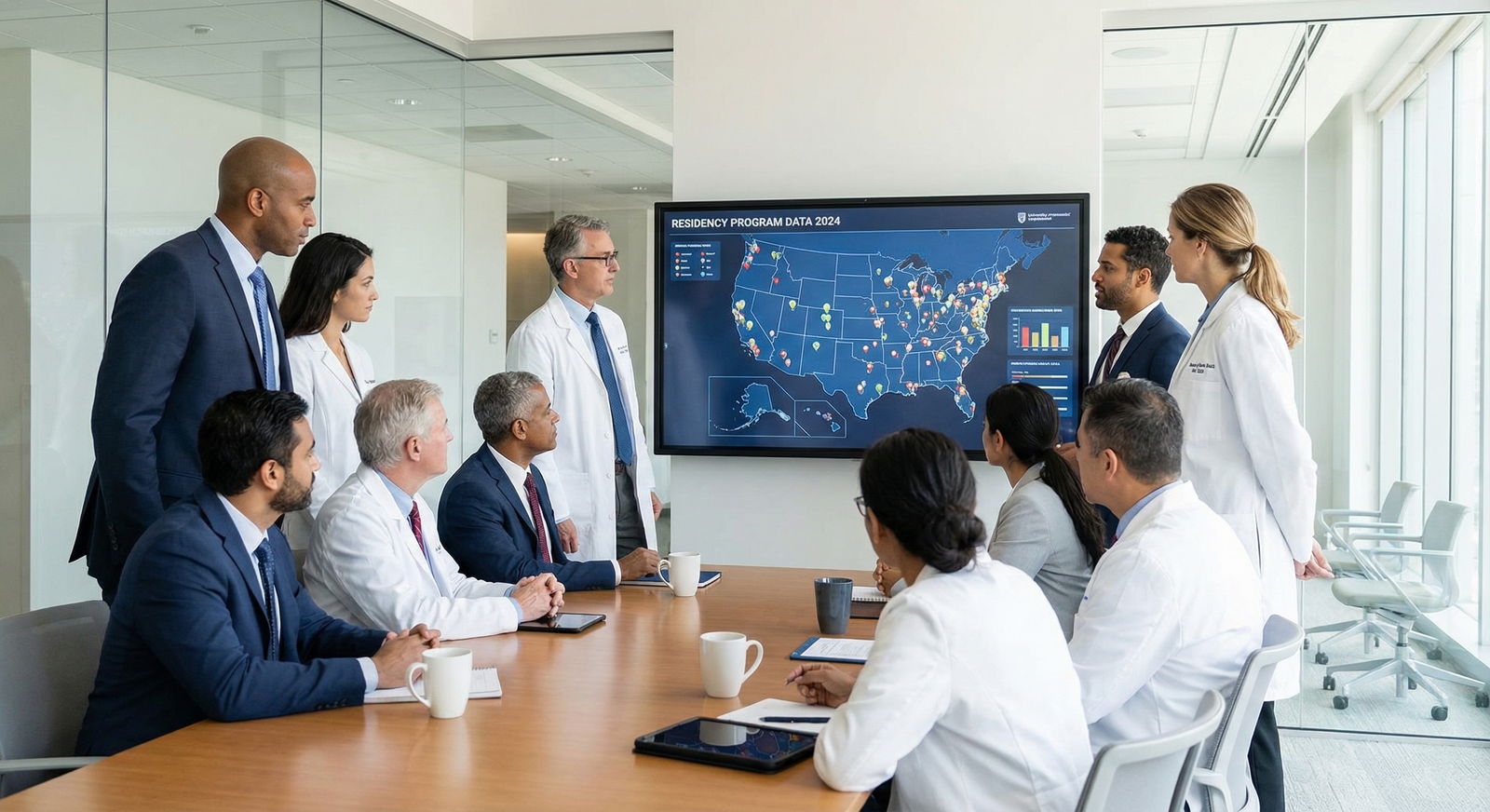
Introduction: Why IMG-Friendly Residency Programs Matter in 2024
International Medical Graduates (IMGs) continue to play a crucial role in the U.S. healthcare system, particularly in primary care and underserved areas. Yet, for many IMGs, the path to U.S. residency remains complex, competitive, and often confusing.
Identifying truly IMG-friendly Residency Programs—those that consistently welcome IMGs, support visa needs, and provide a structured learning and mentorship environment—is one of the most important steps in your Residency Match strategy. In 2024, with evolving USMLE policies, changing program requirements, and an increasingly data-driven application process, a targeted and informed approach is essential.
This guide expands on core strategies to help you:
- Understand the current IMG landscape
- Use data and tools to identify IMG-friendly programs
- Build a focused application list aligned with your profile
- Leverage Networking for IMGs and mentorship effectively
- Evaluate true program fit beyond simple IMG percentages
The goal is to move from a “spray and pray” approach to a strategic plan that maximizes your Medical Career Advancement in the U.S.
Understanding the 2024 IMG Landscape and Residency Requirements
Before searching for IMG-friendly residency programs, you need a realistic understanding of the system you are entering and how IMGs are evaluated.
Accreditation and Educational Credentials
Residency Programs must ensure that applicants come from recognized institutions:
World Directory of Medical Schools (WDMS):
Confirm that your medical school appears in the WDMS and is listed as ECFMG-eligible. Without this, you cannot obtain ECFMG certification, which is mandatory to start residency.ECFMG Certification Timeline:
Plan backward from your desired Match cycle:- Pass USMLE Step 1 and Step 2 CK
- Have primary source verification of your diploma and transcripts
- Complete required forms (e.g., Form 183/186 depending on your status)
Delays in credential verification can jeopardize your ability to rank and start residency even if you match.
USMLE Preparation and Scoring Strategy for IMGs
USMLE Preparation is a central pillar of competitiveness for IMGs:
Step 1 (Pass/Fail):
While now pass/fail, a strong performance still matters indirectly:- Many programs may screen out applicants with multiple failures
- A pass on first attempt is ideal; if you have a failure, compensate with stronger Step 2 CK and robust clinical experience
Step 2 CK (Scored):
This is now the key exam differentiator. Competitive IMGs:- Aim for a Step 2 CK score at or above the average for their target specialty
- Use NBME practice exams to track progress and set a realistic test date
- Combine question banks (UWorld, AMBOSS) with high-yield review resources
Timing:
For the September ERAS opening:- Try to have Step 2 CK taken by June–August
- Many IMG-friendly programs prefer or require available Step 2 CK scores before interview invitations
Visa Sponsorship: J-1 vs H-1B Considerations
For many IMGs, visa support is non-negotiable:
J-1 Visa (ECFMG-sponsored):
- Most common visa type for IMGs
- Requires return to home country for 2 years after training unless you obtain a waiver (e.g., Conrad 30)
- Accepted by a majority of IMG-friendly programs
H-1B Visa (Employer-sponsored):
- Less common, more paperwork for programs
- Generally requires Step 3 passed before start of residency
- Some specialties and academic centers offer H-1B but with limited availability
When researching programs, carefully note:
- Whether they sponsor J-1 only, J-1 and H-1B, or U.S. citizens/green card holders only
- Any special notes on their website about visa limitations or preferences
Common Challenges for IMGs in the U.S. Residency Match
Understanding common hurdles helps you design targeted solutions:
- Limited Access to U.S. Clinical Experience (USCE)
- Differences in communication style, documentation, and hierarchy
- Lack of built-in networks that U.S. medical students often have
- Limited familiarity of programs with your home institution, leading to more reliance on exam scores and U.S.-based recommendations
Your search for IMG-friendly residency programs should focus on environments that both expect these challenges and have systems in place to help you navigate them.
Step 1: Use Data and Tools to Identify IMG-Friendly Residency Programs
Finding IMG-friendly programs in 2024 is not guesswork—it’s data-driven.
Leverage FREIDA and Other Official Databases
The American Medical Association’s FREIDA Online is one of the most powerful tools:
Search by:
- Specialty
- State or region
- Program size
- Whether they accept IMGs and which visa types are supported
Evaluate:
- Percentage of current residents who are IMGs
- Total number of positions per year
- Additional benefits (research tracks, fellowships, etc.)
A program where 30–60% of current residents are IMGs is usually considered IMG-friendly or at least IMG-open, especially if this trend is stable over the past few years.
Analyze NRMP and Specialty-Specific Match Data
The National Resident Matching Program (NRMP) publishes annual reports:
Charting Outcomes in the Match (when available) and Program Director Surveys:
- See what PDs value most for IMGs (exam scores, U.S. clinical experience, MSPE, etc.)
- Identify specialties and programs where IMGs have historically matched
Specialty-Specific Societies:
Many specialties provide:- Lists of accredited programs
- Guidance for IMGs
- Information on competitiveness
Traditionally more IMG-friendly specialties (though trends change) include:
- Internal Medicine
- Family Medicine
- Pediatrics
- Neurology
- Psychiatry
- Pathology
Extremely competitive specialties (e.g., Dermatology, Plastic Surgery, Neurosurgery) are rarely IMG-friendly unless you have exceptional research and U.S.-based mentorship.
Explore Program Websites in Depth
Residency Program websites often reveal far more than their FREIDA listing:
Look for:
Current Resident Profiles
- How many residents have international backgrounds?
- Are IMGs highlighted or present in senior positions (chief residents)?
Diversity, Equity, and Inclusion (DEI) Pages
- Explicit mention of support for international or underrepresented trainees
- Initiatives around mentoring, language support, or cultural integration
Curriculum and Orientation
- Do they have structured orientation, simulation sessions, or workshops that are particularly helpful for IMGs transitioning into U.S. training?
Create a shortlist of programs where:
- IMGs are consistently present
- Visa sponsorship is clear
- The mission and culture seem truly supportive of diversity

Step 2: Use Social Media, Online Communities, and Networking for IMGs
In 2024, Networking for IMGs happens as much online as in person. Used correctly, it can dramatically improve your insight into programs and your overall strategy.
Social Media Platforms: LinkedIn, X (Twitter), and Beyond
LinkedIn:
- Search for alumni from your medical school who matched into U.S. residency
- Filter by specialty and location
- Send concise, professional messages:
- Introduce yourself briefly
- Mention your shared background (same school/country)
- Ask 1–2 specific questions (e.g., “How supportive is your program of IMGs?” “Do they sponsor J-1/H-1B?”)
X (Twitter):
- Follow residency programs, PDs, and academic physicians
- Watch for announcements about virtual open houses, Q&A sessions, and application guidance
- Engage professionally: ask thoughtful questions, comment on educational posts
Instagram and YouTube:
- Some programs maintain active accounts showcasing resident life, diversity, and wellness initiatives
- IMGs and current residents may share their personal Match journeys, including IMG-friendly program lists and tips
Online Forums and IMG-Specific Communities
Useful platforms include:
Student Doctor Network (SDN) and Reddit (r/IMGreddit, r/medicalschool, r/residency):
- Match experiences by year and specialty
- Informal lists of IMG-friendly programs
- Honest feedback about program culture and interview experiences
IMG-Focused Facebook Groups and WhatsApp/Telegram Communities:
- “IMGs in the USA,” “USMLE/Residency for IMGs,” etc.
- Real-time Q&A, shared spreadsheets, and live discussions
- Be cautious: verify information against official sources, as groups can contain outdated or anecdotal data
Building a Strategic Network
Think of networking as building mutually respectful professional relationships, not just asking for favors:
Identify potential mentors (attendings, fellows, senior residents) who:
- Share your specialty interest
- Have previously mentored IMGs
- Are active in academic medicine or teaching
Maintain regular, professional contact:
- Share updates (exam scores, new publications, elective experiences)
- Ask for advice on narrowing your program list or improving your profile
- Request feedback on your CV or Personal Statement when appropriate
Over time, this network can lead to:
- Strong letters of recommendation
- Insider information about IMG-friendly residency programs
- Research or observership opportunities that enhance your competitiveness
Step 3: Attend Career Fairs, Open Houses, and Virtual Networking Events
Residency Fairs and Conferences
In 2024, many events are hybrid (online and in-person), which increases access for IMGs:
AAMC and Specialty Society Meetings:
- AAMC, ACP (Internal Medicine), AAFP (Family Medicine), APA (Psychiatry), and others host:
- Residency fairs
- Program showcases
- Educational sessions for residency applicants
- AAMC, ACP (Internal Medicine), AAFP (Family Medicine), APA (Psychiatry), and others host:
IMG-Focused Conferences and Webinars:
- Some organizations run dedicated IMG readiness workshops
- Topics include USMLE Preparation, cultural adaptation, and application strategy
How to make the most of these events:
- Prepare a short elevator pitch:
- Who you are, where you trained, your specialty interest, and what makes you unique as an IMG
- Have targeted questions ready:
- “How many IMGs are currently in your program?”
- “Do you sponsor J-1/H-1B visas?”
- “What supports do you offer for new IMGs (mentorship, orientation)?”
Document all answers in your tracking spreadsheet.
Program Open Houses and Virtual Tours
Many Residency Programs now host virtual open houses:
- Check program websites and social media starting around July–October
- Register early, attend live events if possible, and ask questions in the chat
- Take note of:
- How residents speak about their experience
- Whether IMGs are present among the speakers
- The tone of responses about diversity and international applicants
After the event, a short thank-you email to the coordinator or faculty member you interacted with can leave a positive impression.
Step 4: Communicate Directly with Programs and Faculty
Direct, respectful outreach can clarify program policies and put you on their radar.
Contacting Program Coordinators
Program coordinators are often the first point of contact:
Email briefly and clearly:
- Introduce yourself and your status (IMG, ECFMG certified or not yet, current location)
- Ask 2–3 focused questions, for example:
- “Does your program consider IMGs who graduated more than 5 years ago?”
- “Do you require U.S. clinical experience, and if so, what type?”
- “What visa types have you sponsored for residents in the last few years?”
Avoid vague questions like “Is your program IMG-friendly?” Instead, ask about specific policies and history.
Reaching Out to Faculty and Current Residents
If you have a particular interest in a program:
Identify faculty members who:
- Share your subspecialty interests
- Are involved in medical education or diversity committees
Reach out professionally:
- Mention what about their work/program resonates with you (research, patient population, teaching focus)
- Ask if they would be willing to share insights about how IMGs succeed in their program
Connect with current residents (especially IMGs) via LinkedIn or email:
- Ask about:
- The learning environment and supervision
- Workload and wellness
- Support for exams, research, or fellowship preparation
- Ask about:
These conversations can help you determine whether a program is merely accepting IMGs—or genuinely supporting them.
Step 5: Partner with Organizations and Mentors Focused on IMGs
Several organizations and initiatives are dedicated to IMG success and Medical Career Advancement:
Professional and Advocacy Organizations
- American Medical Association (AMA)
- Offers IMG sections or resources, webinars, and guidance on licensure and residency
- ECFMG/FAIMER
- Provides official guidance, policy updates, and educational resources for IMGs
- International Medical Graduate-focused Associations
- Regional or specialty-based groups providing mentorship, research opportunities, and Match prep support
Mentorship and Structured Guidance
Look for:
- Formal mentorship programs sponsored by:
- Hospitals and academic centers
- Specialty societies (e.g., ACP, APA, AAN)
- Informal mentors:
- Senior IMGs who have recently matched
- Faculty who supervise you during observerships or research
Mentors can help you:
- Set realistic specialty and program targets
- Decide when your application is strong enough to submit
- Understand which Residency Programs have truly supportive cultures for IMGs
Step 6: Evaluate True Program Fit Beyond “IMG-Friendly” Labels
An IMG-friendly residency is not just one that accepts IMGs—it’s one where you can thrive.
Key Indicators of a Supportive Environment
When researching and during interviews, pay special attention to:
Mentorship and Academic Support:
- Are there structured mentorship programs?
- Do IMGs receive support for board exams, research, or fellowship applications?
Orientation and Onboarding:
- Is there a dedicated orientation for new residents?
- Are there sessions on documentation, communication skills, and EMR use—areas where IMGs may need more support?
Diversity, Equity, and Inclusion:
- Does the program have an active DEI committee?
- Do residents report feeling respected regardless of background or accent?
Resident Feedback and Retention:
- Are IMGs retained through training, or is there a pattern of residents leaving?
- Do IMGs advance to chief resident positions or fellowships?
Balancing Competitiveness and Realism
You must match your application strength with program competitiveness:
Consider:
- USMLE Step 2 CK score
- Recency of graduation
- Volume and type of U.S. clinical experience
- Research and publications
- Strength of U.S.-based letters of recommendation
Build a tiered list:
- Reach programs: Strong academic centers or competitive locations where you still meet minimum criteria
- Target programs: Mid-tier institutions with a solid record of taking IMGs similar to your profile
- Safety programs: Community or smaller programs with high IMG percentages and less stringent filters
Being open-minded about location and program size often significantly increases your chance of matching.
Step 7: Stay Organized, Data-Driven, and Flexible Throughout the Process
Organization transforms a stressful process into a manageable one.
Build a Detailed Program Tracker
Use a spreadsheet or database (Excel, Google Sheets, Notion) with columns such as:
- Program name and ACGME code
- Location (city, state, region)
- Specialty and number of positions
- % IMGs in current residents
- Visa types supported (J-1 / H-1B / none)
- Minimum/typical Step 2 CK scores (if known)
- Requirements (USCE, years since graduation, etc.)
- Notes from open houses, emails, or resident conversations
- Your level of interest (high/medium/low)
Update it regularly as you gather new information.
Remain Flexible and Adaptive
As application season progresses:
Be willing to:
- Add newly discovered IMG-friendly programs
- Remove programs that clearly do not align with your profile or visa needs
- Adjust your specialty focus if you have parallel interests (e.g., Internal Medicine and Family Medicine)
Use feedback:
- If interview invitations are fewer than expected, seek advice from mentors
- Reassess whether your list is too top-heavy or too geographically restricted
Flexibility in program selection, coupled with a strong and polished application, often makes the difference between matching and not matching.

FAQs: IMG-Friendly Residency Programs and Application Strategy
1. What exactly makes a residency program “IMG-friendly”?
A residency program is typically considered IMG-friendly if it:
- Has a consistent history of matching multiple IMGs each year
- Clearly supports J-1 and/or H-1B visas
- Provides structured orientation, mentorship, and academic support
- Demonstrates a positive culture around diversity and inclusion
- Has IMG residents who report feeling supported and respected
Programs that accept only one IMG in many years or do not consistently sponsor visas may be considered IMG-possible, but not strongly IMG-friendly.
2. How can I improve my chances as an IMG if my USMLE scores are average?
If your USMLE scores are not exceptional, you can strengthen other parts of your application:
- Obtain strong U.S. clinical experience, with detailed letters of recommendation
- Demonstrate commitment to your chosen specialty via:
- Research
- Quality improvement projects
- Specialty-specific electives and observerships
- Highlight your unique strengths:
- Multilingual abilities
- Experience in underserved settings
- Leadership or teaching roles
- Apply broadly and strategically to IMG-friendly residency programs rather than focusing only on prestigious academic centers or competitive locations
3. Do I need U.S. clinical experience (USCE) to match into an IMG-friendly program?
While not always mandatory, USCE is highly recommended and sometimes required:
- Hands-on experience (sub-internships, clerkships, acting internships) is ideal for current students
- For graduates, observerships, externships, or research with clinical exposure can be valuable
- USCE helps:
- Demonstrate familiarity with the U.S. healthcare system
- Generate strong U.S.-based letters of recommendation
- Show that you can adapt to U.S. documentation and communication expectations
Always check each program’s policy on USCE in their eligibility criteria.
4. Are there residency programs or tracks designed specifically for IMGs?
Some institutions offer:
- Special IMG transitional tracks or preparatory programs
- Bridge or pre-residency fellowships that combine clinical exposure with research or observerships
- Structured orientation programs tailored for international graduates
While not widespread, these can be excellent stepping stones. Search program websites, contact coordinators, and explore IMG-focused organizations that track these opportunities.
5. How important is networking for IMGs in securing interviews or matching?
Networking is often crucial for IMGs:
- It can help you:
- Learn about unadvertised openings or new programs
- Get honest insights about program culture and expectations
- Connect with faculty who may advocate for your application or provide letters of recommendation
Networking alone does not replace strong credentials, but combined with solid scores, good USCE, and a compelling story, it significantly enhances your visibility and chances in a competitive Match.
By combining strong USMLE Preparation, a carefully curated list of IMG-friendly residency programs, intentional Networking for IMGs, and ongoing mentorship, you can create a realistic and powerful strategy for Residency Match and application success. With organization, resilience, and a data-driven approach, you will be far better positioned to secure the training environment that supports your growth and long-term Medical Career Advancement in the United States.