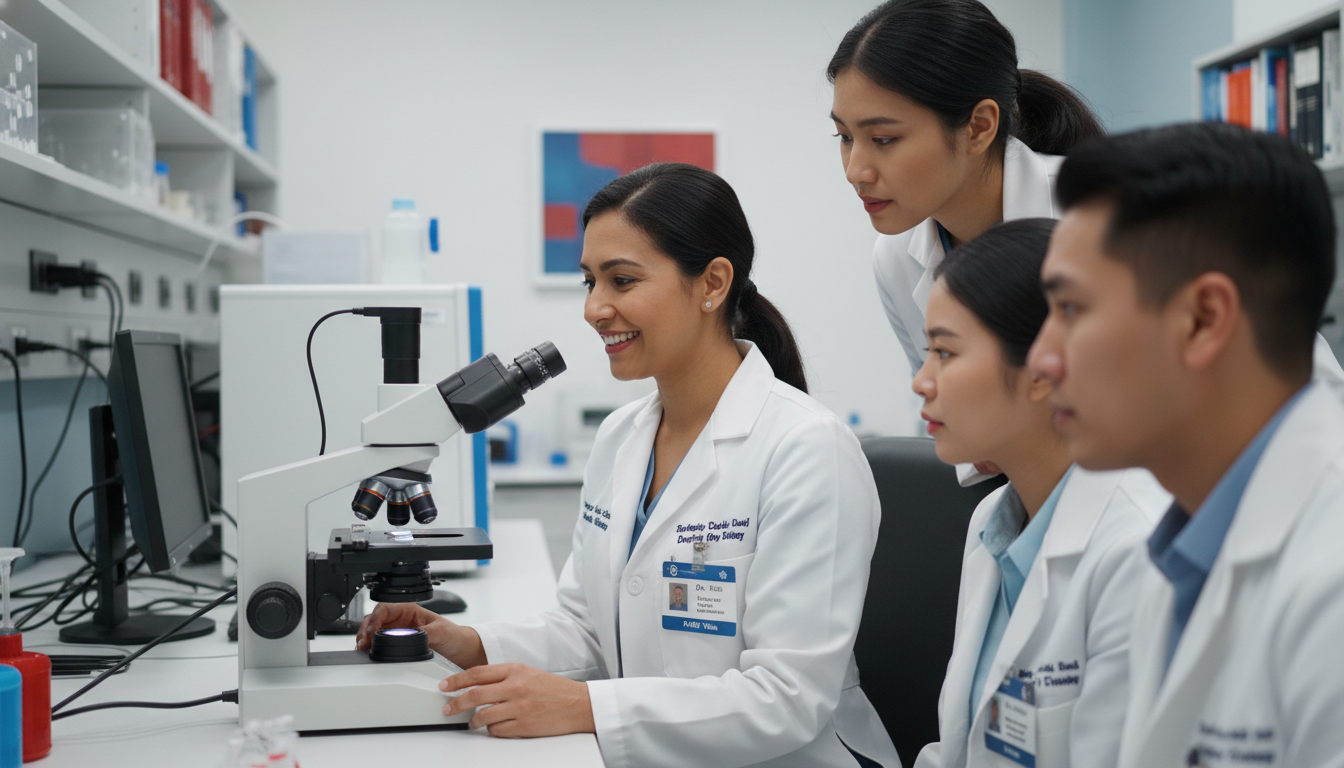
Top 5 Residency Programs That Provide Exceptional Support for International Medical Graduates (IMGs)
Introduction: Why Program Choice Matters So Much for IMGs
International Medical Graduates (IMGs) bring vital skills, cultural insight, and linguistic diversity to the U.S. healthcare system. Yet the path from medical school abroad to residency in the United States is often steep and uncertain. Beyond passing exams and securing interviews, IMGs must:
- Adapt to a new medical culture and healthcare delivery model
- Communicate effectively with patients and teams in a different language
- Navigate complex immigration and visa processes
- Compete for positions in a highly competitive residency match
Because of this, choosing residency programs that intentionally support IMGs can make a profound difference—both in the likelihood of matching and in long-term career success.
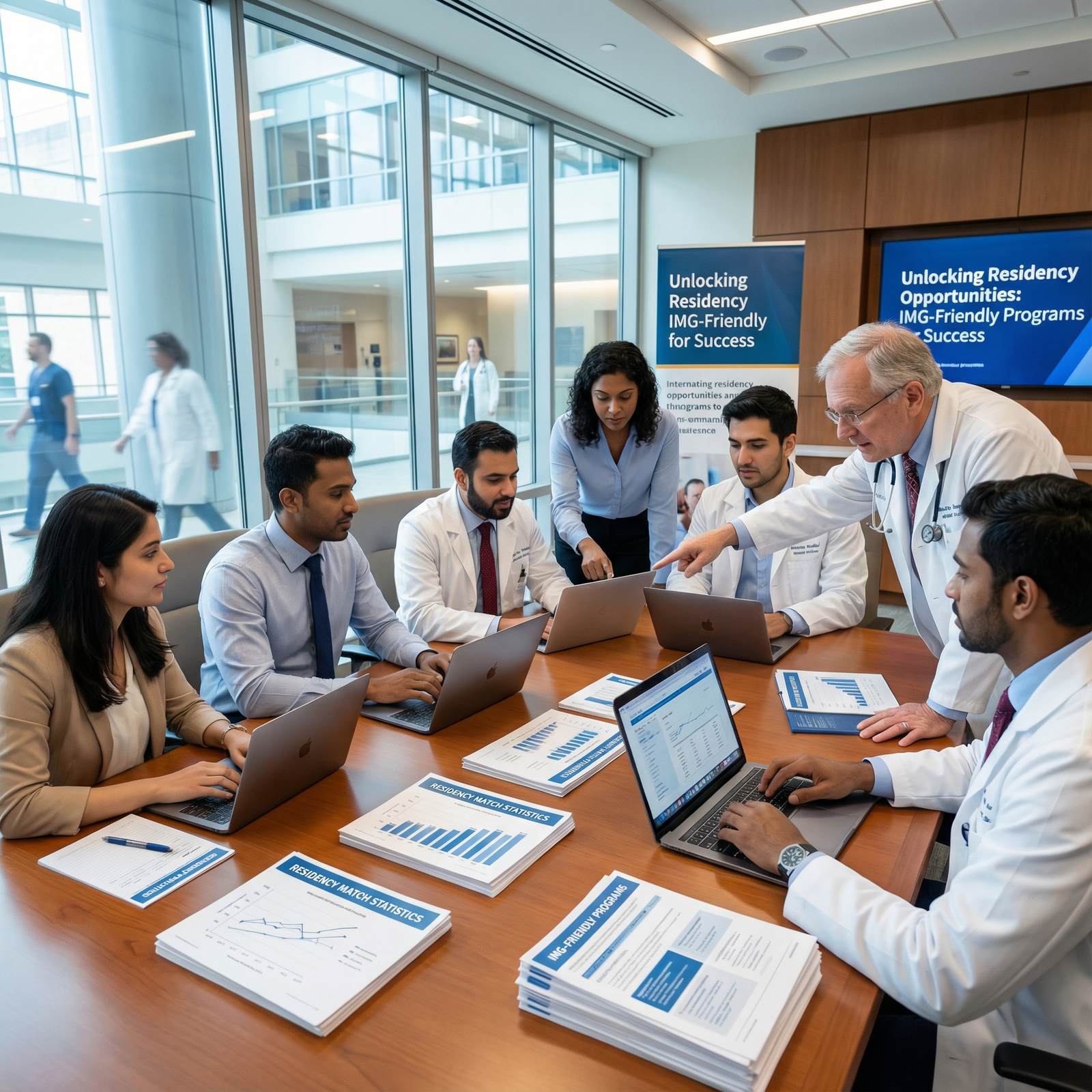
This guide highlights five U.S. residency programs known for exceptional support for IMGs, focusing on:
- Structured mentorship and support
- Inclusive culture and diverse patient populations
- Practical help with visas and onboarding
- Strong track records of IMG success in healthcare careers
You’ll also find actionable strategies to evaluate other programs and an expanded FAQ to help you plan your next steps in the residency match process.
Why International Medical Graduates Need Dedicated Support
Even highly accomplished IMGs often underestimate how different U.S. medical training can be from their home systems. Understanding these challenges helps you identify residency programs that truly “get” what IMGs need.
Key Challenges IMGs Commonly Face
1. Cultural Adjustment to the U.S. Healthcare System
- Learning new norms around patient autonomy and shared decision-making
- Adapting to multidisciplinary team-based care (nurses, PAs, social workers, pharmacists)
- Handling documentation, billing, and electronic health record (EHR) demands
- Adjusting to U.S. standards of professionalism, feedback culture, and duty hours
Programs that support IMGs often provide formal orientation, simulation training, and ongoing coaching to bridge these gaps.
2. Language and Communication Demands
Even fluent English speakers can struggle initially with:
- Rapid-fire handoffs and pages
- Complex patient counseling and shared decision-making conversations
- Nuanced documentation for medico-legal and billing purposes
- Accents and regional colloquialisms among patients and staff
Residency programs committed to IMGs may offer communication skills workshops, feedback on notes and presentations, and access to language or accent coaching where needed.
3. Limited Networking and U.S. Clinical Exposure
IMGs often arrive with:
- Few U.S.-based faculty mentors
- Limited U.S. letters of recommendation
- Little exposure to how residency programs actually function day-to-day
IMG-friendly programs recognize this and build in structured mentorship, research opportunities, and professional development to help level the playing field.
4. Visa Sponsorship and Immigration Complexity
Visa considerations can heavily influence residency options:
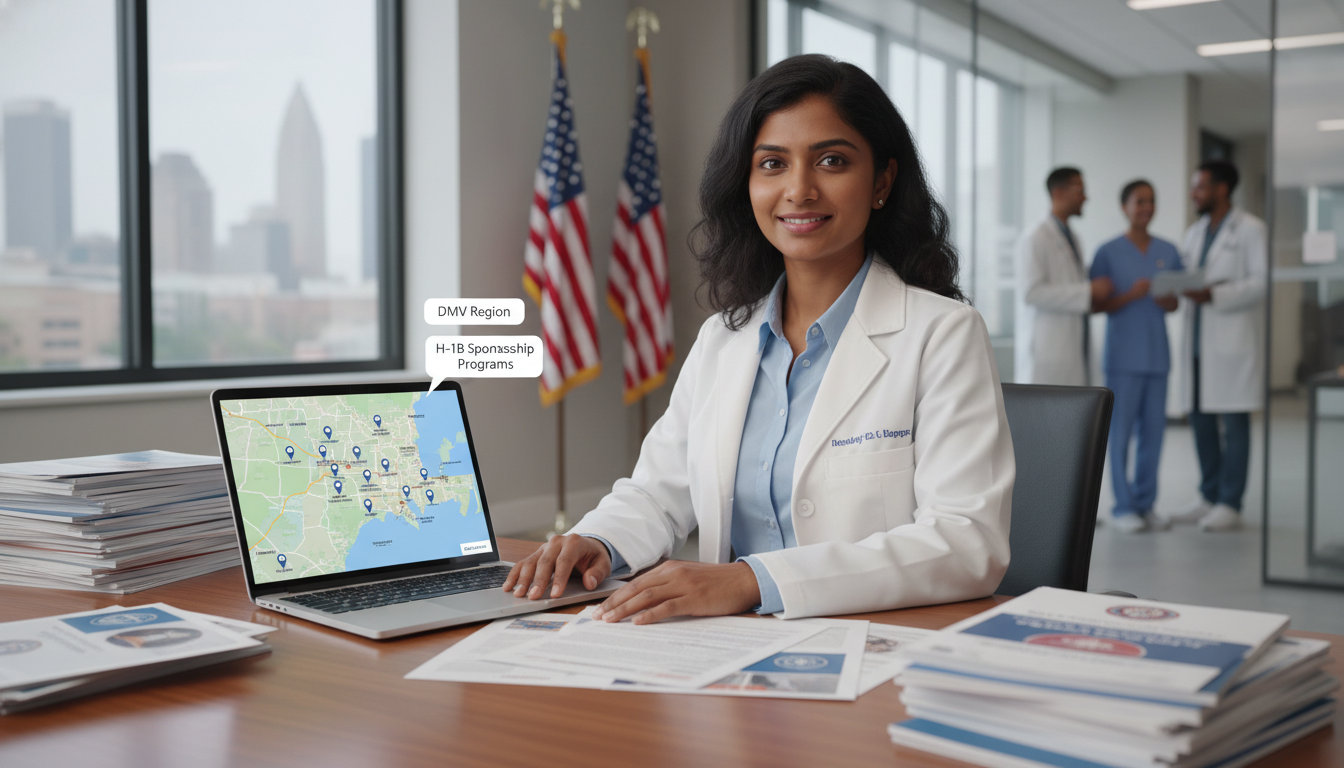
- J-1 vs H-1B visa availability and program policies
- Institutional support for filing and renewal
- Long-term planning for waiver jobs and permanent residency
Programs that regularly work with IMGs usually have experienced GME offices and legal teams that streamline these processes and counsel residents on future options.
5. Different Training Backgrounds and Expectations
IMGs may come from:
- Systems with more hierarchical team structures
- Different clinical documentation standards
- Variable access to technology, imaging, or subspecialty care
Residency programs that prioritize educational equity actively help IMGs understand expectations, close knowledge gaps, and leverage the strengths of their prior training.
How to Recognize Truly IMG-Supportive Residency Programs
Before we explore specific institutions, it’s helpful to know what to look for in any residency program if you’re an IMG.
Markers of strong IMG support often include:
- A visible proportion of current IMG residents in the program
- Published visa sponsorship policies (often including H‑1B, not only J‑1)
- Formal mentorship and support structures (e.g., IMG-specific orientation, peer mentoring)
- Access to wellness resources and culturally sensitive mental health services
- Transparent criteria for selection and promotion
- Track record of successful fellowship placements or job outcomes for prior IMGs
When researching, review program websites, talk to current residents (especially IMGs), attend virtual open houses, and use alumni networks. Don’t hesitate to ask direct, specific questions about IMG support during interviews.

Top 5 Residency Programs with Exceptional Support for IMGs
The following institutions are widely recognized for their inclusive cultures, mentorship structures, and IMG-friendly policies. Always verify current details on program websites, as leadership and policies can evolve.
1. University of Southern California (USC) – Keck School of Medicine
USC’s Keck School of Medicine is located in Los Angeles, one of the most diverse cities in the U.S., making it a natural fit for IMGs interested in serving multicultural patient populations and building broad clinical exposure.
Why USC Keck Stands Out for IMGs
Robust Mentorship and Supportive Culture
- Each IMG resident is typically paired with a dedicated faculty mentor who understands the challenges of transitioning into U.S. residency.
- Mentors guide residents in:
- Clinical performance and feedback
- Adapting to local documentation and workflow
- Preparing for in-training exams and board certification
- Long-term career planning, including fellowships or academic paths
Some departments also promote peer mentorship, pairing incoming IMG interns with more senior IMG residents to facilitate early adjustment.
IMG-Focused Educational Workshops
USC often provides targeted programming such as:
- Workshops on U.S. healthcare system structure, insurance models, and patient safety culture
- Sessions on how to succeed on rounds, give presentations, and communicate effectively with attendings
- Career development seminars covering CV building, networking, and fellowship applications
These activities can be especially helpful for IMGs who may not have had similar formal training opportunities in their home countries.
Community and Networking Opportunities
- Active IMG and international student/resident groups organize social events, cultural celebrations, and peer support circles.
- Los Angeles’ international community allows IMGs to maintain cultural connections while integrating smoothly into U.S. life.
- Exposure to high-volume, high-acuity cases across multiple hospitals and clinics translates into strong clinical training and attractive fellowship applications.
2. The Brooklyn Hospital Center
Located in the heart of Brooklyn, New York, The Brooklyn Hospital Center is known for its diverse workforce and patient population, making it particularly welcoming for IMGs.
Key Features Supporting International Medical Graduates
Comprehensive and Practical Orientation
- Structured orientation helps IMGs quickly understand:
- Hospital workflows, paging etiquette, and EHR use
- Interprofessional team roles and expectations
- Safety protocols and emergency response procedures
- Orientation may include simulation sessions (codes, handoffs, procedures) that build confidence before residents take overnight or independent calls.
Cultural Competency and Inclusion Training
- Workshops are often designed for all staff and trainees, not only IMGs, to promote a culture of mutual respect and understanding.
- Education may cover:
- Bias awareness and communication styles
- Working with interpreter services
- De-escalation skills and handling challenging patient interactions
For IMGs, this environment reduces the sense of being “an outsider” and reinforces that everyone is responsible for inclusive care, not just them.
Visa Sponsorship and Immigration Guidance
- The institution has a history of supporting H‑1B visa sponsorship (verify current policy with the GME office).
- This can be critical for IMGs who prefer H‑1B over J‑1 to broaden post-residency job options.
- Dedicated GME staff often support residents with paperwork, renewals, and timeline planning—relieving a significant source of stress.
Practical Tip for Applicants:
When researching this and similar programs, ask current IMG residents about their day-to-day support, not just policies—such as how approachable program leadership is and how they handle errors or feedback.
3. New York University (NYU) – Langone Health
NYU Langone Health is a highly respected academic medical center in New York City with a strong commitment to diversity, equity, and inclusion across its training programs.
How NYU Langone Supports IMG Success
Strong Alumni and Professional Networks
- NYU’s extensive alumni network includes many former IMGs who have gone on to:
- Competitive subspecialty fellowships
- Academic medicine positions
- Leadership roles in community and global health
- IMGs can benefit from networking events and mentorship from alumni who understand their specific challenges and can share targeted advice on career advancement.
Diverse Professional Development Opportunities
- Residents can participate in:
- Clinical and translational research projects
- Quality improvement and patient safety initiatives
- Leadership tracks and teaching skills programs
- These experiences are invaluable for IMGs aiming for academic careers or fellowship in competitive specialties.
Cultural Inclusion Initiatives
- NYU Langone maintains various diversity and inclusion committees, affinity groups, and wellness programs that explicitly welcome IMGs and other underrepresented groups.
- Initiatives may include:
- Storytelling or narrative medicine sessions
- Discussion forums about the immigrant experience in healthcare
- Workshops focused on equity, bias, and structural determinants of health
Such an environment encourages IMGs to bring their full identities into their training, which can improve both well-being and patient care.
4. Cleveland Clinic Foundation
Cleveland Clinic is an internationally recognized center for innovation in medicine, renowned for its high clinical volume, subspecialty depth, and research output. It also has a long history of training IMGs across many specialties.
IMG-Friendly Features at Cleveland Clinic
Extensive Educational and Career Resources
- Residents have access to:
- Large-scale medical education infrastructure, including simulation centers and structured curricula
- Frequent grand rounds, subspecialty conferences, and board review sessions
- Support for research involvement, presentations, and publications
For IMGs, this creates an environment where they can rapidly expand their clinical and academic portfolios.
Personalized Career Development Planning
- Residents often work with faculty advisors or program leadership to create individualized career plans that may include:
- Fellowship targeting and timeline mapping
- Strategic research or QI project selection
- Guidance on networking, conferences, and professional societies
This level of coaching is especially beneficial for IMGs who may be less familiar with U.S. career pathways or timelines.
Multilingual and Cultural Support Services
- Cleveland Clinic serves a diverse patient population and emphasizes language access and multicultural care.
- For IMGs, this can mean:
- Utilization of multilingual skills as an asset
- Training on effective use of interpreters and culturally competent communication
- Access to institutional resources that acknowledge and celebrate diversity among staff and trainees
5. University of Illinois College of Medicine at Chicago (UIC)
UIC, situated in a major urban health system, is one of the largest medical schools in the country and has a strong tradition of embracing International Medical Graduates.
UIC’s Dedicated Support for IMGs
Dedicated IMG Pathways and Advising
- Some UIC-affiliated programs have designated IMG-focused initiatives, which may include:
- Advising for IMGs before and during residency
- Guidance on navigating U.S. credentialing and licensure requirements
- Help interpreting ABMS board certification pathways in various specialties
For applicants, this signals that IMGs are not an afterthought—they are a recognized and valued component of the resident community.
Broad Clinical and Academic Opportunities
- UIC residents often work in a variety of settings:
- Safety-net hospitals serving underserved populations
- Academic subspecialty clinics
- Community-based rotations
- IMGs can engage in research projects, global health initiatives, and community outreach, providing them with well-rounded experience that improves their competitiveness for future roles.
Wellness and Mental Health Resources
Transitioning to a new country, healthcare system, and demanding clinical role simultaneously is emotionally taxing. UIC’s commitment to resident wellness is a critical protective factor for IMGs.
Support may include:
- Access to confidential counseling and mental health services
- Wellness programming (mindfulness, peer support groups, resilience workshops)
- Policies that emphasize healthy work–life integration and safe, supportive learning environments
For IMGs, knowing that a program acknowledges and supports mental health can significantly impact both performance and overall quality of life.
Leveraging Supportive Programs to Build a Strong U.S. Healthcare Career
Choosing an IMG-supportive residency program is the first step. To maximize the benefits of these environments, you should take an active, strategic role in your own development.
Practical Steps IMGs Can Take in Supportive Programs
1. Engage Deeply with Mentorship and Support
- Meet with your mentor regularly and bring an agenda (questions, goals, feedback).
- Ask for honest assessments of your strengths and areas for growth.
- Seek additional mentors (research mentors, wellness mentors, fellowship advisors).
2. Be Proactive in Professional Development
- Volunteer for QI or research projects, case reports, and teaching roles.
- Attend optional workshops and conferences offered by your institution.
- Join relevant professional societies early (e.g., ACP, AAFP, ACC, specialty-specific organizations).
3. Use Wellness and Cultural Resources
- Access counseling or wellness services early, not just in crisis.
- Connect with international or IMG affinity groups to reduce isolation.
- Allow yourself time and grace for cultural adaptation—this is normal and expected.
4. Plan Ahead for the Next Career Step
- For fellowship-bound IMGs, start planning in PGY-1 or early PGY-2.
- Learn how prior IMGs from your program matched:
- Which fellowships?
- What helped them stand out?
- Work with program leadership on letter strategy, research focus, and timing.
By fully using the mentorship and support structures these residency programs offer, IMGs can build strong, sustainable careers—whether in academic medicine, community practice, or global health.
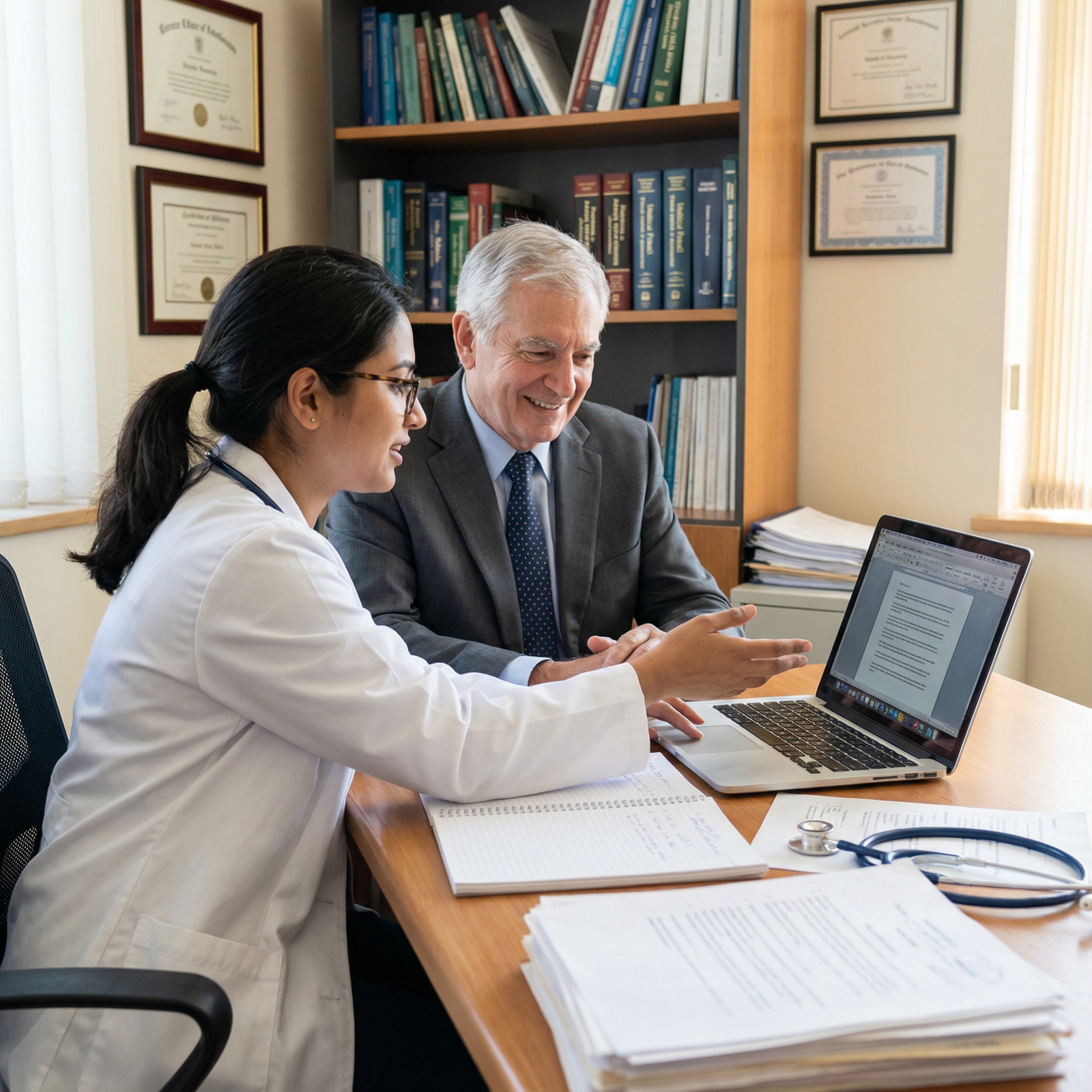
FAQs: Residency Programs and Support for International Medical Graduates
1. What is an International Medical Graduate (IMG)?
An International Medical Graduate (IMG) is a physician who received their medical degree from a school outside the United States and Canada, regardless of citizenship. This includes:
- U.S. citizens who studied medicine abroad
- Non-U.S. citizens completing medical school outside the U.S./Canada
To enter U.S. residency programs, IMGs must typically obtain ECFMG certification, which involves verifying credentials and passing specific exams (such as USMLE Step 1 and Step 2 CK).
2. How can IMGs increase their chances of matching into residency programs in the U.S.?
Key strategies include:
- Excel on Exams: Achieve strong USMLE Step 2 CK scores (and any required in-training or language exams).
- Gain U.S. Clinical Experience (USCE): Secure observerships, electives, or hands-on rotations if possible—especially at teaching hospitals.
- Obtain Strong Letters of Recommendation: Ideally from U.S. faculty who know your work well and can speak to your clinical performance, communication skills, and professionalism.
- Target IMG-Supportive Programs: Focus applications on programs with a visible IMG presence, clear visa policies, and established support systems.
- Craft a Compelling Personal Statement: Highlight your journey, resilience, cultural skills, and specific reasons for interest in each program.
- Network Proactively: Attend virtual open houses, contact alumni from your school who matched in the U.S., and engage with mentors who can advocate for you.
3. Are there specific residency programs that are more IMG-friendly?
Yes. While policies change over time, certain programs have strong reputations for supporting IMGs, such as:
- USC Keck School of Medicine
- The Brooklyn Hospital Center
- NYU Langone Health
- Cleveland Clinic Foundation
- University of Illinois College of Medicine at Chicago
In addition, many community-based and university-affiliated programs across internal medicine, family medicine, pediatrics, psychiatry, and other fields welcome IMGs. When evaluating residency programs, review:
- The percentage of current residents who are IMGs
- Visa sponsorship details (J‑1, H‑1B)
- Evidence of mentorship, wellness programs, and educational support
4. Do IMG-friendly residency programs offer visa sponsorship?
Many IMG-friendly programs do offer visa sponsorship, but policies vary:
- Some sponsor J‑1 visas only.
- Some sponsor both J‑1 and H‑1B visas, which can provide more flexibility for certain career paths.
- A smaller number do not sponsor visas at all and may only accept residents who already have work authorization.
Always:
- Check each program’s GME or residency website for current visa policies.
- Confirm during interviews or by contacting the program coordinator.
- Consider how visa type affects your post-residency options (e.g., J‑1 waiver requirements, H‑1B transfer rules).
5. How can IMGs build a professional network in U.S. medical education?
Networking can significantly impact your residency and career trajectory. Effective strategies include:
- Join Professional Societies: Many offer discounted or free memberships for residents and IMGs (e.g., ACP, AAFP, specialty societies).
- Leverage Alumni Networks: Reach out to graduates from your medical school who have matched in U.S. programs, especially in your intended specialty.
- Attend Conferences and Workshops: Present posters, join committees, and participate in trainee sections.
- Engage Online Professionally: Use platforms like LinkedIn or specialty forums to connect with faculty, residents, and international medical graduate communities.
- Participate in Mentorship Programs: Many institutions and societies run IMG-specific or international trainee mentorship initiatives.
Residency programs that prioritize mentorship and support for International Medical Graduates can transform a challenging transition into a powerful launchpad for a successful medical career in the United States. By targeting IMG-friendly residency programs like USC Keck, The Brooklyn Hospital Center, NYU Langone, Cleveland Clinic, and UIC—and fully utilizing the resources they offer—IMGs can navigate the residency match and beyond with greater confidence, support, and long-term success in their healthcare careers.