Unlocking Your Future: Residency Programs With an IMG-Friendly Reputation
For many International Medical Graduates (IMGs), securing a residency position in the United States is the pivotal step that determines whether years of training and sacrifice translate into a successful medical career in U.S. medical training. The path can be highly rewarding—but it is rarely straightforward.
IMGs often face additional barriers: complex visa issues, unfamiliar application systems, differences in medical education, and the challenge of proving their competence in a new environment. Amid these hurdles, choosing the right residency programs can make an enormous difference.
This guide expands on the concept of IMG-friendly residency programs—what makes a program truly welcoming to IMGs, examples of institutions known for their supportive policies, and practical residency application tips to help you maximize your chances of matching.
Understanding IMG-Friendly Residency Programs
Not all residency programs evaluate or support IMGs in the same way. Some have a long, demonstrated track record of integrating IMGs into their training environment, while others rarely, if ever, rank IMG candidates.
What Does “IMG-Friendly” Really Mean?
An IMG-friendly residency program is one that:
- Routinely interviews and matches IMGs
- Has clear, realistic expectations for IMGs (e.g., USMLE score ranges, visa support)
- Provides structured support for adapting to the U.S. healthcare system
- Values diversity in healthcare and sees IMGs as assets, not exceptions
When evaluating programs, your goal is not just to find those that “accept IMGs,” but those that are intentionally designed to help IMGs thrive.
Core Features of IMG-Friendly Residency Programs
1. Supportive Policies, Processes, and Infrastructure
IMG-friendly residency programs usually have institutional policies and operational practices that recognize the unique needs of international medical graduates.
Reserved or Historically High IMG Positions
Some programs:
- Historically match a significant proportion of their residents from IMG backgrounds
- May not explicitly “reserve” positions, but their match lists show consistent IMG representation across multiple years
When researching programs, look at:
- The percentage of IMGs in each residency year (often listed on program websites)
- Match lists or alumni profiles showing international medical schools
A program where 30–70% of residents are IMGs is usually a strong indicator of IMG-friendliness.
Robust Orientation and Onboarding
Transitioning into U.S. medical training involves learning new systems, terminology, and expectations. The best IMG-friendly programs offer:
- Extended orientation that covers:
- U.S. documentation standards (notes, orders, handoffs)
- Electronic health records (EHR) training
- Patient safety protocols and quality improvement fundamentals
- Cultural competency sessions to help IMGs understand:
- U.S. patient expectations and communication styles
- Interprofessional teamwork norms
- Legal and ethical frameworks specific to the U.S. (HIPAA, malpractice climate)
These structured programs smooth the transition and reduce the stress of the initial months.
Visa and Licensing Guidance
Visa and licensing logistics can be a major source of anxiety. IMG-friendly programs often:
- Sponsor J-1 visas routinely and sometimes H-1B visas when feasible
- Have a graduate medical education (GME) office or dedicated staff familiar with:
- USMLE requirements
- State licensing timelines
- Visa documentation workflows
On interviews or in communication, ask directly:
- “Do you routinely sponsor J-1 and/or H-1B visas for IMGs?”
- “Does your institution assist with state licensure for incoming residents?”
Programs answering clearly and confidently are generally more experienced with IMGs.
2. A Culture of Diversity and Inclusion in Healthcare
A key hallmark of IMG-friendly programs is their genuine commitment to diversity in healthcare—not just as a buzzword, but embedded into how they recruit, teach, and support residents.
Visible Diversity Among Residents and Faculty
Review the program’s:
- Resident roster and photos: Do you see diverse names, backgrounds, and countries represented?
- Faculty profiles: Are there faculty members who trained outside the U.S.? These individuals often become strong advocates and mentors for IMGs.
Such visible representation signals an environment where IMGs are accepted, not isolated.
Track Record of IMG Success
True IMG-friendly programs don’t just admit IMGs—they help them succeed. Look for:
- Alumni who:
- Obtained fellowships in competitive specialties (e.g., cardiology, GI, critical care)
- Became chief residents
- Took on academic or leadership roles in U.S. institutions
- Program websites or social media highlighting IMG residents’ achievements
A strong alumni network of IMGs improves your chances of mentorship and long-term opportunities.

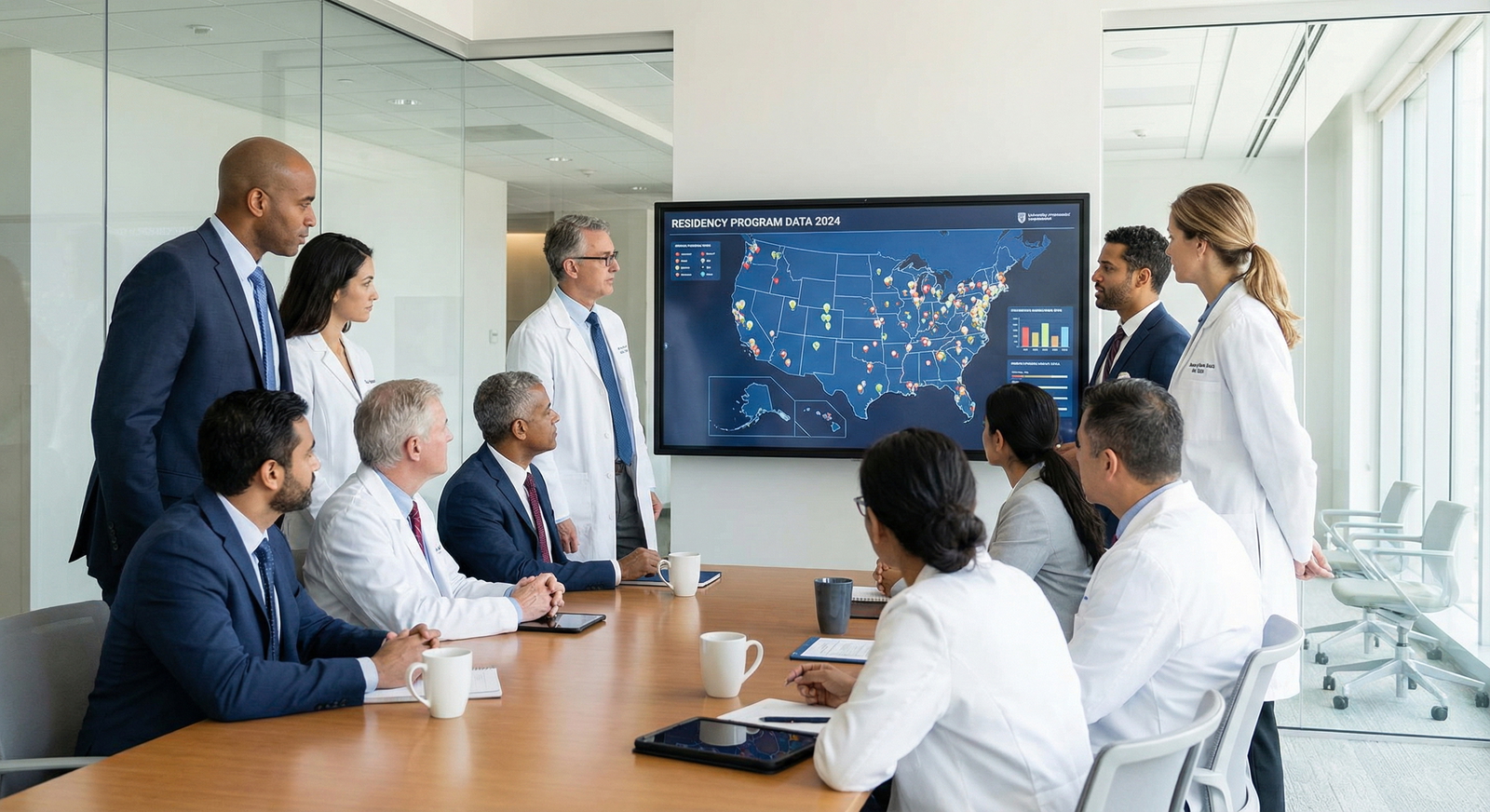
3. Geographical and Regional Patterns
While there are IMG-friendly residency programs throughout the U.S., certain regions and institutions traditionally match more IMGs, particularly in large urban centers and community-based academic hospitals.
Regions known to be more welcoming to IMGs often:
- Serve diverse, underserved, or immigrant communities
- Require a larger workforce and therefore recruit broadly, including internationally
- Have long-standing relationships with international medical schools
Examples include parts of New York, New Jersey, Florida, Illinois, Pennsylvania, and Michigan, among others.
Notable IMG-Friendly Residency Programs in the U.S.
Note: Program characteristics can change over time. Always verify details directly with the program or through current residents. Use this list as a starting point, not an endpoint.
1. Brooklyn Hospital Center (Brooklyn, NY)
Brooklyn Hospital Center is frequently cited among IMG residency programs that are especially welcoming, particularly in Family Medicine, Internal Medicine, and other primary care specialties.
Why it’s IMG-friendly:
- Strong emphasis on community-oriented primary care in a culturally rich, multilingual population
- Long history of recruiting a high proportion of international medical graduates
- Robust mentorship systems, including:
- Faculty who trained abroad
- Peer mentoring by senior IMG residents
Clinical and educational strengths:
- Exposure to high-acuity urban medicine
- Opportunities in ambulatory care, inpatient medicine, and chronic disease management
- Educational sessions tailored for residents from diverse training backgrounds
2. St. Barnabas Hospital (Bronx, NY)
St. Barnabas Hospital, located in the Bronx, is well-known for being accessible to IMGs across multiple specialties.
IMG-friendly characteristics:
- Large number of IMGs in Internal Medicine, Family Medicine, Pediatrics, and other programs
- Strong focus on community health, health equity, and underserved populations
- “Open-door” reputation toward international applicants with:
- Reasonable cutoffs for USMLE scores
- Transparent communication about visa sponsorship
What IMGs can expect:
- High volume of clinical cases, often with complex medical and social needs
- Chances to improve Spanish or other language skills
- Early and frequent patient responsibility with appropriate supervision
3. West Virginia University (Morgantown, WV)
West Virginia University (WVU) offers multiple residency programs with a track record of recruiting IMGs, especially in Internal Medicine and Family Medicine.
Why WVU stands out:
- Strong mission in primary care and rural health
- Supportive, collegial environment with structured teaching
- Access to a university-affiliated academic setting and subspecialty services
Benefits for IMGs:
- Opportunities to serve rural and underserved populations
- Access to research, quality improvement, and teaching experiences
- Institutional support for visa and licensing processes
4. University of Michigan (Ann Arbor, MI)
Although more competitive, the University of Michigan has a stated commitment to diversity in healthcare and inclusion, and has historically included IMGs in several of its programs.
Highlights:
- Top-tier academic environment with extensive subspecialty exposure
- Robust infrastructure for research, scholarly activity, and leadership development
- Strong institutional policies around diversity, equity, and inclusion
For IMGs with strong academic profiles:
- High USMLE scores
- Robust research or publication history
- Excellent English communication skills
…this can be a place where the value of a global perspective is strongly recognized.
5. Tulane University (New Orleans, LA)
Tulane has particularly welcomed IMGs into its Internal Medicine and Pediatrics programs over the years.
Why Tulane is appealing:
- Training in New Orleans, a city with unique public health challenges and a rich cultural mix
- Exposure to:
- Urban and community-based medicine
- Public health initiatives
- Disaster medicine and population health
Supports for IMGs:
- Faculty familiar with mentoring IMGs
- Opportunities for global health or public health research
- Strong sense of community among residents
6. University of Illinois College of Medicine (Chicago, IL)
The University of Illinois College of Medicine, with its multiple campuses and large training programs, is known for its commitment to diversity and inclusion, including IMGs.
IMG-friendly features:
- Multiple residency programs where a substantial percentage of residents are IMGs
- Training in Chicago—home to diverse populations and a high clinical volume
- Formal diversity initiatives and support structures
Opportunities:
- Experience in safety-net and academic hospitals
- Research and subspecialty exposure for residents with academic interests
- Networking with a broad alumni base across the U.S.
7. Drexel University (Philadelphia, PA)
Drexel-associated programs have maintained a reputation for actively recruiting IMGs.
Key advantages:
- Large, diverse cohorts of residents with many IMGs
- Emphasis on equity in healthcare and care of underserved communities
- Clinical training in multiple affiliated hospitals across Philadelphia
For IMGs:
- Supportive peer environment, where many colleagues share similar journeys
- Opportunities to get involved in quality improvement and community health projects
- Networking in a major East Coast city with numerous academic institutions
8. University of South Florida (Tampa, FL)
The University of South Florida (USF) offers multiple programs that have historically included IMGs, particularly in Internal Medicine and some subspecialties.
Why USF is IMG-friendly:
- Mentoring and wellness initiatives that address the challenges of transitioning to U.S. medical training
- Opportunities for community involvement, outreach, and patient education
- Multicultural patient population in the greater Tampa Bay region
Benefits for IMGs:
- Exposure to both community and tertiary care settings
- Access to academic resources and subspecialty mentors
- Potential research opportunities, particularly in internal medicine and cardiovascular fields
Strategies for IMGs to Maximize Their Match Chances
Choosing IMG-friendly residency programs is only one piece of the puzzle. To build a compelling application, you must pair strategic program selection with deliberate preparation.
1. Strategic Research: Building a Targeted Program List
Avoid applying randomly to a long list of programs. Instead, create a tiered, realistic list based on data.
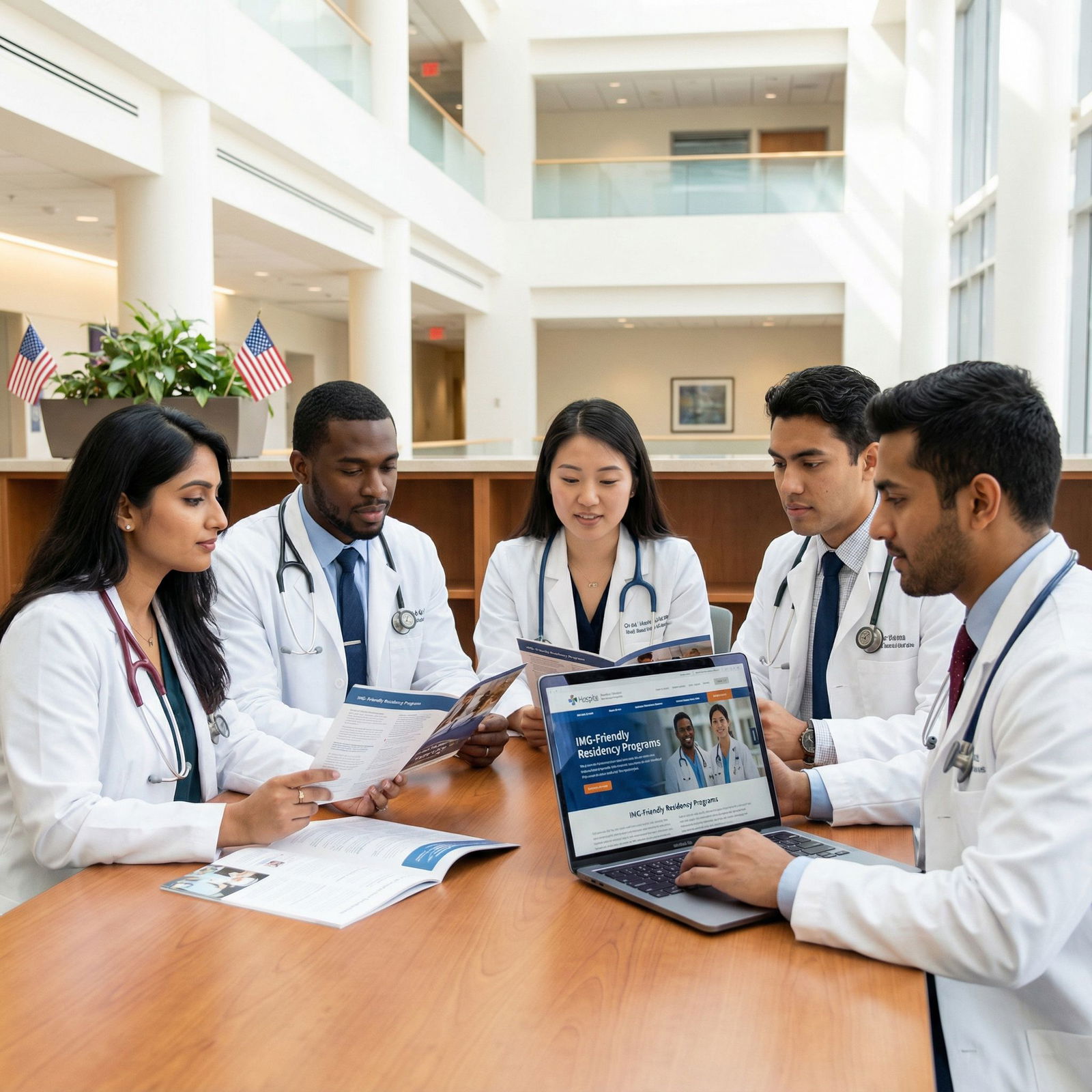
How to Research IMG Residency Programs
Use multiple sources:
- Program websites: Look for:
- Visa policies
- Percent of IMGs in the program
- Minimum USMLE score expectations (if listed)
- NRMP and AAMC data: Review Charting Outcomes in the Match and specialty-specific data on IMGs.
- Forums and databases:
- Residency Explorer
- FREIDA (AMA)
- Specialty forums and IMG communities (with a critical eye for anecdotal bias)
- Current residents and alumni:
- LinkedIn networking
- Emailing current residents (politely and concisely)
- Virtual open houses or Q&A sessions
Organize your findings in a simple spreadsheet with columns for:
- Specialty
- Program name
- City/state
- IMG percentage
- Visa type supported
- Required USMLE scores
- Notes on culture/diversity
This helps you prioritize programs realistically.
2. Networking, Mentorship, and Advocacy
For IMGs, who knows you can be as important as what is on paper.
Finding Mentors
Potential mentors include:
- U.S. physicians you met through observerships, externships, or research
- Faculty from your home institution with U.S. connections
- IMG alumni from your medical school currently in U.S. residency
Ways to build these relationships:
- Ask for guidance on specialty choice and program selection
- Request feedback on your personal statement and CV
- Seek letters of recommendation after sustained clinical or research engagement
Mentors can also:
- Advocate for you with program directors they know
- Provide realistic advice tailored to your profile
3. Tailoring Your Application as an IMG
Your application should intentionally highlight the strengths that come from your international background and training.
Personal Statement
Use your personal statement to:
- Explain your journey to U.S. medical training:
- Why this specialty?
- Why U.S. healthcare?
- Reflect on experiences that:
- Demonstrate resilience, adaptability, and growth
- Involve working in resource-limited settings or diverse populations
- Connect your multicultural perspective to how you will add value to an IMG-friendly residency program
Curriculum Vitae (CV)
Ensure your CV:
- Translates international experiences into U.S.-understandable terms (e.g., “House Officer” ≈ “Intern/Resident”)
- Clearly lists:
- USMLE scores and dates
- U.S. clinical experiences (observerships, externships, electives)
- Research, audits, or quality improvement projects
- Highlights leadership, teaching, or community service roles
4. Securing and Maximizing U.S. Clinical Experience
U.S. clinical experience is often a non-negotiable requirement in many IMG residency programs.
Types of U.S. Clinical Experience
- Hands-on electives or externships (best option when available)
- Observerships (more common for graduates)
- Clinical research positions with patient interaction
- Volunteer roles in clinics, free health centers, or community health initiatives
How It Strengthens Your Application
- Demonstrates:
- Familiarity with U.S. healthcare systems
- Exposure to U.S. patients and team structures
- Ability to function in a U.S. environment
- Leads to:
- Strong, U.S.-based letters of recommendation
- Deeper understanding of the specialty in this system
- Talking points for your interviews (specific cases, reflections, systems differences)
5. Interview Preparation and Performance
Once you secure interviews, your focus shifts from securing attention to earning a high rank.
Preparation Steps
- Research each program in depth:
- Mission statement, patient population, rotation structure
- Any recent changes or initiatives (e.g., new clinics, diversity projects)
- Prepare responses to common questions:
- “Tell me about yourself.”
- “Why this specialty?”
- “Why did you choose to pursue residency in the U.S.?”
- “Tell me about a challenge you faced as an IMG and how you overcame it.”
- Practice behavioral questions:
- “Tell me about a conflict with a colleague and how you resolved it.”
- “Describe a time you made a mistake and what you learned.”
Highlighting Your IMG Strengths
During interviews, frame your background as an asset:
- Emphasize:
- Adaptability to new systems
- Ability to care for diverse or marginalized populations
- Multilingual abilities (if applicable)
- Insights from practicing in resource-limited environments
- Provide specific examples that show:
- Professionalism
- Teamwork
- Initiative and leadership
Your goal is to help interviewers see you not simply as “an IMG applicant,” but as a future colleague who raises the quality and diversity of their program.

Frequently Asked Questions About IMG-Friendly Residency Programs
1. What should I prioritize when evaluating IMG-friendly residency programs?
Focus on a combination of quantitative and qualitative factors:
- Quantitative:
- Percentage of IMGs currently in the program
- Clear visa sponsorship history (J-1, H-1B)
- Program size and fill rate for IMGs
- Qualitative:
- Culture of support and mentorship
- Evidence of diversity in healthcare across faculty and residents
- Alumni outcomes for IMGs (fellowships, academic positions, leadership roles)
A program with a high IMG percentage but poor support or high burnout may be less favorable than a moderately IMG-populated program with excellent teaching and wellness.
2. How many IMG-friendly programs should I apply to?
The number depends on your profile (USMLE scores, years since graduation, U.S. experience, specialty competitiveness), but for most IMGs:
- Primary care (e.g., Internal Medicine, Family Medicine):
- Often 60–120 applications, with a focus on programs known for accepting IMGs
- More competitive fields (e.g., Radiology, Dermatology, Orthopedics):
- Significantly more challenging; many IMGs first complete a primary care residency and then pursue fellowships
Work with a mentor to create a realistic list that balances reach, target, and safety programs.
3. Is U.S. clinical experience mandatory for matching as an IMG?
While a few programs may consider IMG applicants without U.S. clinical experience, most strongly prefer or require it. U.S. clinical experience:
- Validates your ability to function in the U.S. healthcare environment
- Provides U.S.-based letters of recommendation, which are highly valued
- Helps you understand expectations around professionalism, communication, and documentation
Aim for at least 2–3 months of meaningful U.S. clinical exposure if possible.
4. How can I explain gaps or delays in my training as an IMG?
Address gaps honestly and constructively:
- Be transparent about:
- Research years
- Family responsibilities
- Exam preparation
- Work in your home country or other health systems
- Focus on:
- Skills and insights gained during that time
- How you maintained or enhanced your clinical knowledge (courses, CME, clinical work)
- Rehearse a concise and confident explanation for interviews.
Programs are often understanding of non-traditional paths—especially when you demonstrate maturity, self-awareness, and readiness for residency now.
5. Are certain U.S. regions more favorable for IMG residency applicants?
Yes. While IMG-friendly residency programs exist nationwide, some regions have a stronger history of accepting and supporting IMGs, including:
- New York and New Jersey (large safety-net and community hospitals)
- Illinois (especially Chicago-area institutions)
- Florida (multiple academic and community programs with IMGs)
- Parts of Pennsylvania, Michigan, and Texas
However, do not limit yourself exclusively to these areas. Many Midwestern and Southern programs also welcome IMGs, particularly in primary care. Always confirm current practices, as program leadership and policies can change.
By understanding which residency programs are truly IMG-friendly and pairing that knowledge with strategic preparation, you can significantly improve your odds of matching into U.S. medical training. Your international background is not a liability—it is a powerful asset. When matched with the right environment, it allows you to contribute uniquely to patient care, education, and diversity in healthcare.
Approach the process with data, intention, and persistence, and you’ll be moving steadily toward the residency—and future—you’ve worked so hard to achieve.