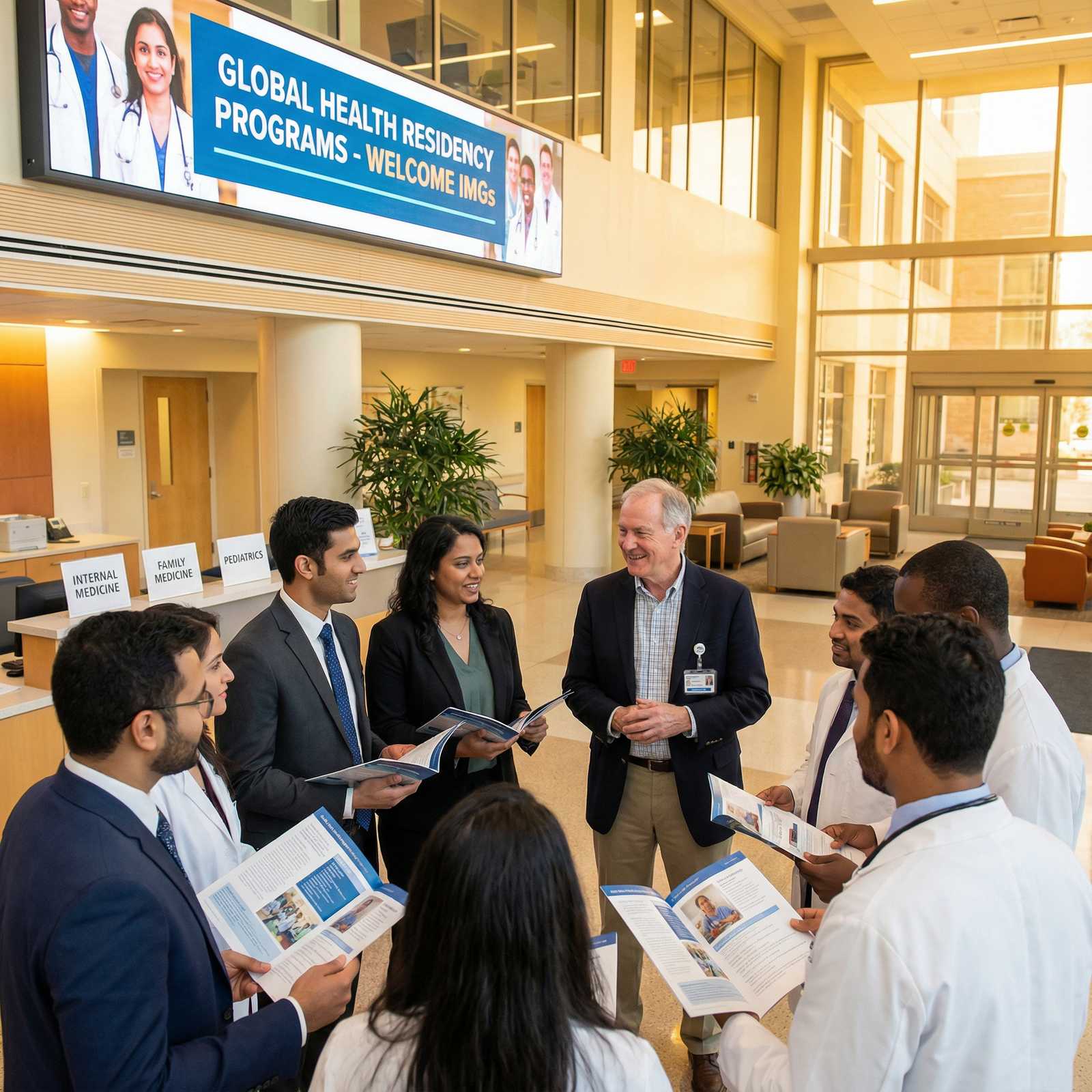
Crafting Your Future: The Most Supportive IMG Residency Programs Unveiled
International Medical Graduates (IMGs) play a critical role in the U.S. and global healthcare workforce, yet their pathway to residency is often more complex and uncertain than that of U.S. graduates. From navigating visa processes and credentialing to adapting to new cultural and clinical expectations, IMGs must be strategic not only about their application but also about where they train.
Choosing an IMG residency program that is truly supportive—and not merely “IMG-tolerant”—can transform your training experience, career trajectory, and personal wellbeing. This guide explores what makes a residency program truly supportive for IMGs, highlights several programs with reputations for IMG-friendly policies, and offers practical strategies for selecting and applying to programs that fit your goals.
Understanding the IMG Landscape and Residency Challenges
Who Are International Medical Graduates?
An International Medical Graduate (IMG) is a physician who completed medical school outside the country where they intend to practice or outside the U.S. and Canada (as defined by ECFMG). This group includes:
- U.S. IMGs: U.S. citizens or permanent residents who earned their medical degree abroad (often in the Caribbean, Europe, Latin America, or Asia).
- Non-U.S. IMGs: Non-U.S. citizens who completed medical school in another country and seek residency training in the U.S.
IMGs bring linguistic diversity, cultural competence, and broad clinical exposure to underserved populations. At the same time, they face unique hurdles:
- Visa and immigration requirements
- ECFMG certification and documentation
- Variations in clinical training models
- Language nuance and communication styles
- Cultural adaptation in patient care and team dynamics
Because of these factors, the difference between a neutral and a truly supportive IMG residency program can determine not just whether you match, but how successfully you adapt and thrive.
Why Supportive Residency Programs Matter for IMGs
A residency that embraces IMGs as valued colleagues—not as “exceptions”—provides structure, mentorship, and cultural competence that benefit everyone. Supportive programs typically prioritize:
Cultural Competence and Inclusion
Training faculty and residents to understand and respect different cultural norms, accents, communication styles, and clinical backgrounds.Structured Mentorship Programs
Pairing IMGs with mentors who understand the IMG journey—often senior IMGs, faculty with global health experience, or advisors trained in IMG-specific issues.Accessible Resources and Education
Including language support, professional communication coaching, orientation to the U.S. healthcare system, and workshops on documentation, billing, and medico-legal expectations.Wellness in Residency
Recognizing that relocation, isolation from family, and immigration stress compound the inherent stress of residency, and building robust wellness structures to address this.
When you evaluate programs through the lens of support—rather than prestige alone—you position yourself for a healthier, more sustainable training experience.
Key Characteristics of Supportive IMG Residency Programs
Supportive programs share common features that go beyond simply accepting IMGs into their training spots. As you research IMG residency options, look for the following characteristics.
1. Strong Diversity, Equity, and Inclusion (DEI) Culture
Programs that value diversity and inclusion tend to be more intentional about supporting International Medical Graduates.
Indicators of a strong DEI culture:
- A visibly diverse house staff and faculty, including IMGs in leadership roles.
- Dedicated DEI or GME diversity offices with programming for underrepresented trainees.
- Regular training on Cultural Competence, bias, and effective communication with diverse patient populations.
- Active efforts to recruit and retain IMGs and other underrepresented groups.
Red flags include vague statements about “diversity” with no concrete initiatives, or residency rosters with minimal representation of IMGs despite serving diverse communities.
2. Comprehensive Orientation and Onboarding for IMGs
Effective onboarding is particularly important for International Medical Graduates, as clinical systems and expectations may differ significantly from their prior training environments.
Look for programs that offer:
- Extended orientation periods (1–2 weeks or more) with dedicated sessions for IMGs.
- Education on:
- U.S. healthcare system structure (insurance, referrals, EMR usage)
- Documentation standards and medico-legal nuances
- Interprofessional team roles (nurses, PAs, NPs, case managers, pharmacists)
- Shadowing opportunities before assuming full patient loads.
- Introductions to hospital policies, wellness resources, and institutional support.
Programs that send IMGs directly into heavy clinical rotations with minimal orientation often create avoidable stress and performance issues.
3. Robust Mentorship Programs Tailored to IMGs
Structured Mentorship Programs can dramatically ease an IMG’s transition.
Supportive programs tend to:
- Assign formal faculty mentors on day one of residency.
- Pair new IMGs with senior IMG residents who can share practical tips (accent, documentation, interpersonal dynamics, exam prep).
- Offer career development mentoring about fellowships, academic medicine, and long-term immigration planning.
- Provide access to national networking through professional organizations (e.g., AMA IMG Section, specialty-specific IMG groups).
When you interview or talk to current residents, ask specifically about how mentorship works, how often meetings occur, and whether IMGs feel they have meaningful access to mentors.
4. Language, Communication, and Professional Development Support
For many IMGs, English is a second or third language. Even fluent speakers may need to adjust to regional accents, idioms, and patient communication preferences.
Supportive programs may offer:
- Language support services:
- ESL classes or referrals
- Conversation partners or speaking clubs
- Accent clarity or presentation coaching
- Workshops on:
- Patient-centered communication
- Difficult conversations (bad news, goals of care)
- Interprofessional teamwork and conflict resolution
- Feedback mechanisms that focus on growth rather than punishment.
Being explicit about your willingness to improve communication skills can be viewed positively on interviews and during training.
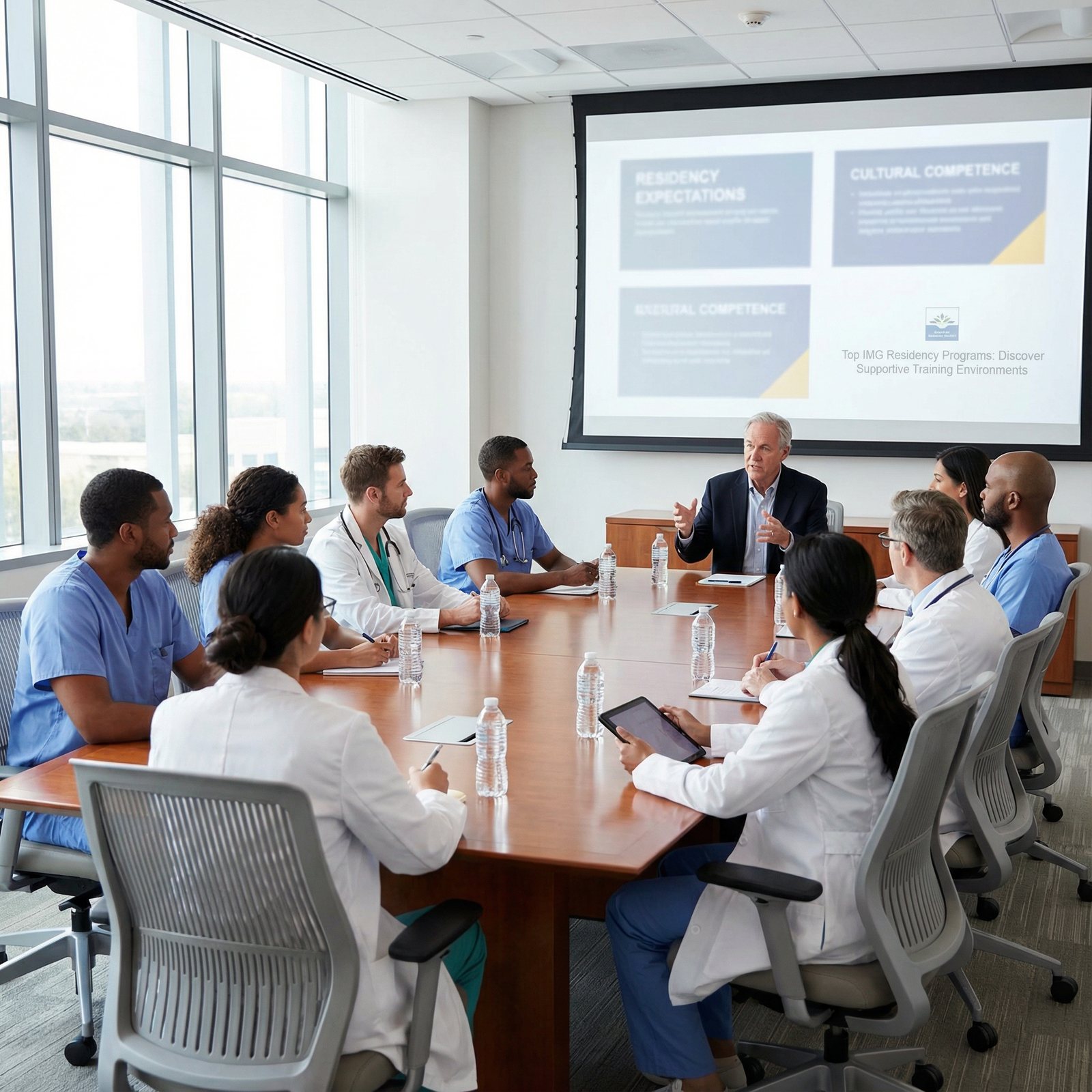
5. Partnerships with IMG-Focused and Community Organizations
Residency programs that are truly invested in IMGs often collaborate with:
- National IMG advocacy groups and professional societies.
- Community organizations serving immigrant and refugee populations.
- University or hospital-based international offices that assist with visas, relocation, and family support.
These partnerships can provide:
- Career guidance and networking.
- Legal and immigration resources.
- Community support for you and your family outside the hospital.
- Opportunities for research or electives in global health and cross-cultural care.
6. Wellness in Residency: Protecting IMG Mental Health
Wellness in residency is a priority across U.S. programs, but IMGs frequently experience additional stressors:
- Distance from family support systems.
- Financial pressures related to relocation and visa fees.
- Fear of failure due to visa or contract implications.
- Cultural stigma around seeking mental health support.
Supportive programs take concrete actions:
- Confidential access to mental health services, often free or low-cost for residents.
- Peer support groups, including IMG-specific or international resident circles.
- Policies that respect religious observances, dietary needs, and cultural practices.
- Reasonable scheduling and backup systems to prevent burnout.
When exploring programs, ask residents:
“How does your program support wellness, and does it feel accessible for IMGs specifically?”
Examples of Supportive IMG Residency Programs
While policies evolve over time and vary by specialty, the following institutions have historically developed reputations as relatively IMG-friendly and supportive. Always verify current details via program websites, FREIDA, and direct contact—eligibility, visa sponsorship, and IMG acceptance change across years and departments.
1. Keck School of Medicine of USC (University of Southern California)
USC’s programs, particularly in internal medicine and other core specialties, are known for:
- Serving highly diverse patient populations in Los Angeles, reinforcing the importance of cultural competence.
- A long history of training IMGs, including many in leadership positions.
- Strong mentoring structures and academic support.
- Collaboration with community clinics and safety-net hospitals, which value multilingual and multicultural residents.
IMG applicants should explore:
- Visa policies (J-1 vs. H-1B), which may differ across specialties.
- The presence of IMGs among chief residents or faculty.
- Opportunities for research and fellowships if you aim for subspecialty training.
2. University of Texas Health Science Center at Houston (UTHealth)
UTHealth and its affiliated hospitals often emphasize:
- A welcoming environment with a significant number of International Medical Graduates across residency classes.
- Comprehensive onboarding that covers EMR training, U.S. clinical practice norms, and team communication.
- Strong Wellness in Residency initiatives, including counseling, fitness resources, and resilience training programs.
- Faculty experienced in working with IMGs and understanding the transition from different health systems.
Houston’s diverse population and cost of living also appeal to many IMG residents with families or long-term U.S. plans.
3. Mount Sinai Health System (New York City)
Within several Mount Sinai–affiliated programs, IMGs can find:
- Deep institutional focus on diversity, equity, and inclusion, including structured DEI curricula.
- A strong tradition of academic medicine, research, and subspecialty pathways.
- Organized mentorship programs that connect residents with faculty mentors and research advisors.
- A patient population from across the globe, which values clinicians with multilingual skills and cross-cultural insight.
The New York City environment offers great opportunities but also higher living costs and fast-paced clinical work, important factors for IMGs to consider.
4. Case Western Reserve University – MetroHealth Medical Center
MetroHealth has historically supported IMGs through:
- A safety-net mission serving diverse and underserved communities in Cleveland.
- Focused education on Cultural Competence and social determinants of health.
- Personalized mentoring and guidance on adapting to U.S. practice and preparing for board exams.
- Opportunities in quality improvement, research, and community health.
For IMGs interested in primary care, public health, and health equity, this environment can be especially aligned with their skills and motivations.
5. Henry Ford Health System
Henry Ford’s programs attract IMGs for several reasons:
- Longstanding tradition of accepting and nurturing International Medical Graduates in multiple specialties.
- Culturally sensitive training and communication workshops.
- Access to robust academic resources, including simulation centers and subspecialty exposure.
- Presence of a diverse physician community and active wellness programming.
Residents often highlight the collegial culture and mentorship as strengths.
6. Loma Linda University
Loma Linda emphasizes:
- A holistic approach to care that integrates spirituality, ethics, and wellness.
- Specific workshops to help IMGs adapt to U.S. communication styles and expectations.
- Supportive faculty and mentorship opportunities, including for those interested in mission work and global health.
- A close-knit community that may appeal to IMGs seeking a supportive, values-driven environment.
As always, verify current IMG acceptance rates, visa sponsorship policies, and specialty-specific practices before applying.
Strategic Tips for IMGs Applying to Supportive Residency Programs
Choosing the right program is only half the battle; presenting yourself as a strong, mission-aligned candidate is equally critical.
1. Research Programs Beyond Rankings
Rankings rarely reflect how IMG-friendly or supportive a program is. Prioritize:
- Number and percentage of current IMGs in each year of training.
- Clear statements about visa sponsorship (J-1, H-1B, or none).
- Program reputation on forums and among alumni (with caution; always cross-check information).
- Availability of Mentorship Programs, wellness resources, and structured educational support.
Useful tools:
- AMA/FREIDA: Filter by IMG percentage and visa sponsorship.
- Program websites: Check “Current residents” pages and GME policies.
- Virtual open houses and social media: Listen for how programs talk about diversity and IMGs.
2. Network Proactively with Current Residents and Faculty
Direct contact is often the best way to gauge whether a program truly supports IMGs.
Tactics:
- Attend virtual open houses, meet-and-greets, and Q&A sessions.
- Connect via LinkedIn or email with current IMG residents:
- Ask about onboarding, wellness, supervision, and mentorship.
- Inquire about the day-to-day culture and whether IMGs feel included.
- Engage with alumni networks, international student offices, or IMG-focused organizations.
When you reach out, be respectful of time, ask focused questions, and always express appreciation.
3. Craft a Compelling, IMG-Specific Application
Your application should highlight both your strengths and your adaptability as an IMG.
Key elements:
Personal Statement
- Describe your path as an International Medical Graduate.
- Emphasize resilience, cultural competence, and commitment to patient-centered care.
- Discuss how your background will enrich the residency’s mission and patient population.
CV and Experiences
- Highlight clinical experiences in the U.S. (observerships, externships, research).
- Showcase leadership roles, teaching, and community service, especially in multicultural settings.
- Clarify any gaps transparently and constructively.
Letters of Recommendation
- Aim for at least one or two U.S.-based letters from faculty who have observed your clinical work.
- Choose writers who can speak to your communication, adaptability, and professionalism.
4. Leverage Your International Experience as an Asset
Your international training is not a liability—it is a unique strength.
Describe how your background:
- Enhances Cultural Competence and empathy for immigrant, refugee, and underserved patients.
- Exposed you to resource-limited settings, making you adaptable and resourceful.
- Developed your language skills, enabling you to communicate with diverse populations.
- Strengthened your interest in global health, health equity, or specific underserved communities.
Provide concrete examples of how your experiences improve team care and patient outcomes.
5. Understand and Prepare for Visa and Regulatory Requirements
Visa and immigration issues can shape your choice of programs and your application timeline.
Steps to take:
- Clarify early whether you will need a J-1 or H-1B visa (or if you are eligible for permanent residency or other status).
- Review each program’s current visa sponsorship policies on their website or by contacting the GME office directly.
- Keep your ECFMG certificate and all documentation up to date.
- Stay informed about policy changes that may impact IMGs.
If possible, mention in your application that you are proactive and organized about meeting regulatory requirements, without overemphasizing immigration in your personal statement.
6. Prepare Thoroughly for Interviews with a Cultural Lens
When you receive interview invitations:
- Research the program’s mission, patient population, and IMG presence.
- Anticipate typical questions:
- “Why did you choose to train in the U.S.?”
- “How has your background as an IMG prepared you for our patient population?”
- “Tell me about a time you adapted to a new culture or system.”
- Prepare to discuss Wellness in Residency—what strategies you use to maintain balance, and how you will seek help when needed.
Remember that interviews are also your chance to evaluate the program:
- Ask current residents, “What has your experience been like as an IMG here?”
- Ask faculty how they support International Medical Graduates, particularly during the first year.
Frequently Asked Questions (FAQ) About Supportive IMG Residency Programs
1. What makes a residency program truly supportive for International Medical Graduates?
A supportive program goes beyond simply accepting IMGs. Key elements include:
- A track record of successfully training IMGs across multiple years.
- Structured orientation to the U.S. healthcare system and hospital workflows.
- Formal Mentorship Programs, ideally pairing new IMGs with senior IMGs and faculty.
- Commitment to Cultural Competence and diversity, reflected in policies and daily practice.
- Accessible Wellness in Residency resources, including mental health support.
- Clear communication about visa sponsorship and ECFMG/credentialing expectations.
When researching, look for evidence of these features and confirm them through conversations with current residents.
2. How can I identify IMG-friendly residency programs during my search?
Use a combination of tools and strategies:
- FREIDA/AMA and program websites: Check for IMG percentages, visa sponsorship, and diversity statements.
- Review current and recent resident lists for IMGs and international diversity.
- Attend virtual open houses and ask explicit questions about IMGs and support systems.
- Reach out to current residents—especially IMGs—to ask about onboarding, culture, and wellness.
- Look for programs that mention “International Medical Graduates,” “IMG Residency,” “mentorship,” and “cultural competence” directly in their materials instead of generic diversity language only.
3. Are there residency programs specifically designed for IMGs?
Most U.S. residency programs are not exclusively for IMGs but some are particularly IMG-friendly. These programs:
- Have a higher proportion of IMGs in the resident cohort.
- Are open and transparent about visa sponsorship and ECFMG requirements.
- Offer IMG-specific workshops, orientation, or mentorship.
- Serve diverse or immigrant-heavy communities where IMGs’ skills and backgrounds are especially valued.
Certain community-based and safety-net hospitals, as well as some university-affiliated programs, have strong reputations for training IMGs across internal medicine, family medicine, pediatrics, psychiatry, and other core specialties.
4. What should IMGs emphasize in their application to supportive residency programs?
IMGs should highlight:
- Clinical competence and strong USMLE/COMLEX scores (where applicable).
- U.S. clinical experience (observerships, externships, or research) and what they learned from it.
- Cultural adaptability, communication skills, and teamwork.
- How their international training and multilingual abilities contribute to Cultural Competence and patient-centered care.
- Clear alignment with the program’s mission—e.g., serving underserved communities, academic research, global health, or primary care.
Your personal statement and interviews should tell a coherent story that connects your past experiences to the program’s values and patient population.
5. How can IMGs maintain wellness and prevent burnout during residency?
Practical strategies include:
- Proactively learning about your program’s Wellness in Residency initiatives: counseling, fitness facilities, days off, support groups.
- Building a local support network—fellow IMGs, co-residents, mentors, and community organizations.
- Maintaining regular communication with family and friends abroad through scheduled calls.
- Setting realistic expectations for yourself; recognizing that cultural and system adaptation takes time.
- Seeking help early if you experience anxiety, depression, or burnout—using mental health resources confidentially.
Choosing a program that acknowledges and actively supports IMG wellness is one of the most powerful steps you can take to protect your mental health.
Supportive IMG residency programs not only increase your chances of matching, they also shape the quality of your training, your wellbeing, and your long-term career. By prioritizing programs that invest in International Medical Graduates, Mentorship Programs, Cultural Competence, and Wellness in Residency, you position yourself for a more successful and fulfilling future in medicine.