IMG-Friendly Residency Programs: Building Bridges for Global Talent
Introduction: Why IMG-Friendly Residency Programs Matter More Than Ever
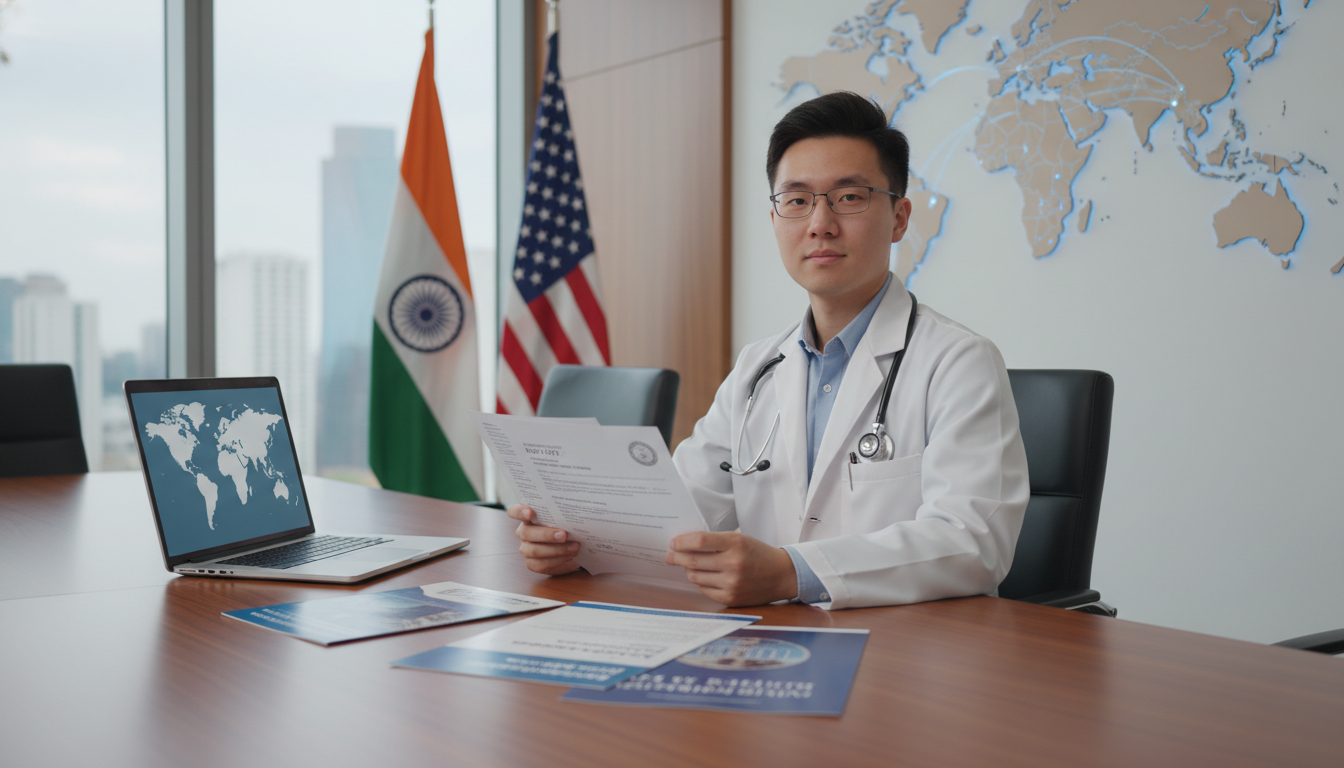
International medical graduates (IMGs) are a critical part of the U.S. physician workforce. They train in medical schools around the world but choose to pursue residency and practice in the United States. As healthcare systems grapple with physician shortages, rising patient complexity, and increasing cultural diversity, the role of IMGs in advancing healthcare diversity and access has never been more important.
Yet for many IMGs, the path to residency is steep. Systemic barriers, unfamiliar application processes, visa challenges, and limited mentorship can make the U.S. residency match seem unattainable. This is where IMG-friendly residency programs become essential. These programs intentionally create pathways for IMGs to succeed, recognizing that recruiting global talent strengthens both patient care and medical education.
This article explores:
- Who IMGs are and the specific challenges they face
- Key characteristics of genuinely IMG-friendly residency programs
- How these programs improve patient care and address physician workforce needs
- Examples and strategies to identify IMG-supportive institutions
- Practical, actionable advice for IMGs applying to residency in the U.S.
Throughout, the focus is on residency programs with friendly policies for IMGs and how they build bridges between global medical education and U.S. clinical training.
Understanding International Medical Graduates and Their Unique Challenges
Who Are International Medical Graduates?
International medical graduates are physicians who obtained their primary medical degree from a medical school outside the United States or Canada, regardless of citizenship. This means:
- A U.S. citizen who studied medicine in the Caribbean is an IMG
- A physician from India, Nigeria, the Philippines, Brazil, or Eastern Europe is an IMG if they trained abroad
- A non-U.S. citizen who graduated from a U.S. or Canadian medical school is not an IMG (they are an “international medical student/graduate” but not in the ECFMG sense)
IMGs bring wide-ranging clinical experiences, language skills, and cultural perspectives to residency programs. Many have prior clinical practice in their home countries, research backgrounds, public health experience, or service in underserved settings.
Core Challenges Faced by IMGs in the Residency Pathway
Despite their strengths, IMGs often face additional hurdles compared to U.S. medical graduates (USMGs):
1. Credentialing and Regulatory Requirements
- ECFMG certification is mandatory before starting most ACGME-accredited residency programs
- This includes primary source verification of diplomas, transcripts, and licenses
- IMGs must pass the required USMLE steps and meet deadlines that may differ from their local systems
- Delays in document verification or exam scheduling can jeopardize a given match cycle
2. Cultural, Language, and Systems Barriers
- Even fluent English speakers may find U.S. clinical communication styles, documentation standards, and patient expectations unfamiliar
- Concepts like shared decision-making, defensive documentation, or EHR workflows can be new
- Cultural differences may impact how IMGs interact with nurses, ancillary staff, and patients, especially around hierarchy, autonomy, and informed consent
3. Limited Networking and Mentorship
- Many IMGs lack direct access to U.S.-based mentors who can provide:
- Personalized feedback on application strategy
- Letters of recommendation from U.S. attendings
- Advocacy during rank list decisions
- They may also lack familiarity with the “hidden curriculum” of the Match: which programs are realistically attainable, how to communicate with program coordinators, or how to interpret program signals and interview invites
4. Visa and Immigration Complexities
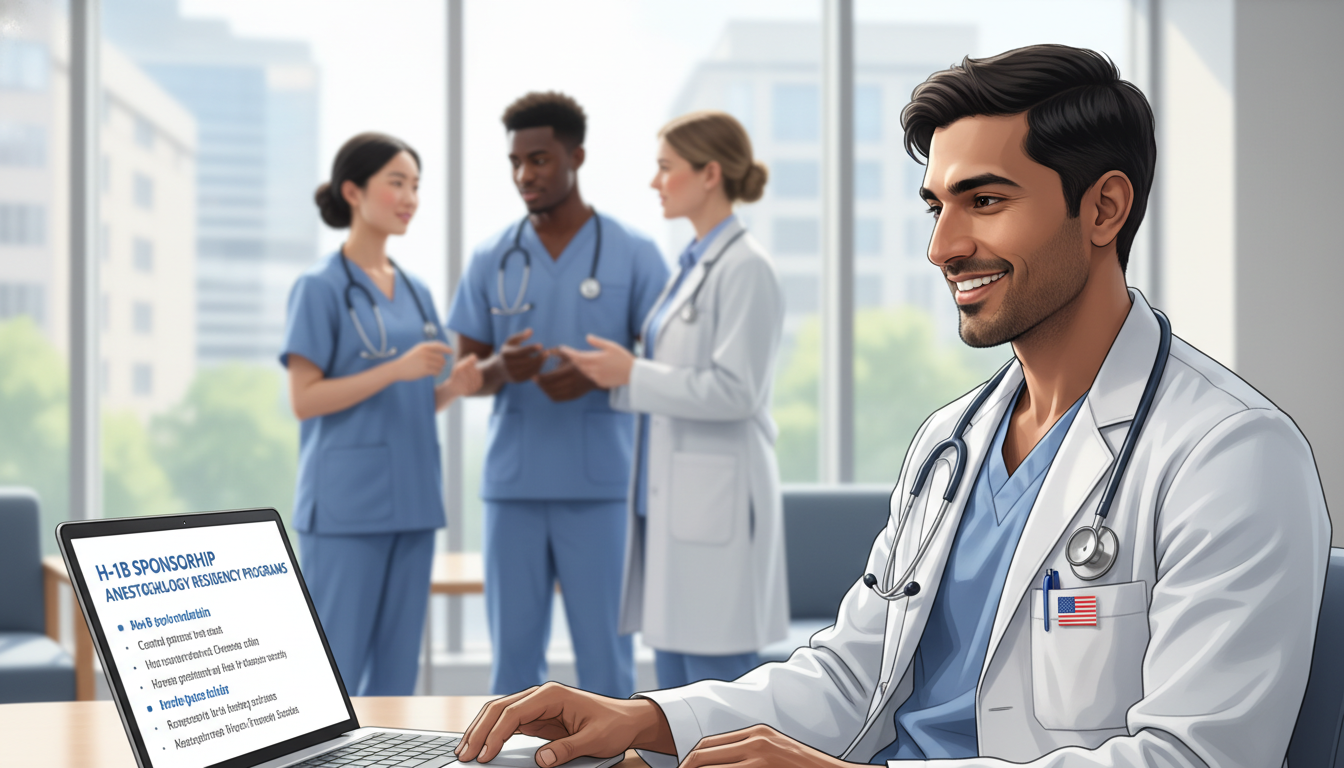
- Non-U.S. citizens typically require J-1 or H-1B visa sponsorship
- Some programs do not sponsor visas at all; others sponsor only J-1
- Visa processing timelines can create uncertainty even after matching
5. Perception and Systemic Bias
- Some programs may perceive IMGs as “riskier” due to differences in training systems, grading scales, or exam formats
- There may be implicit or explicit preferences for USMGs or graduates of certain regions
These barriers are real—but not insurmountable. IMG-friendly residency programs intentionally reduce these obstacles, resulting in better recruitment of global talent and a stronger physician workforce.
Core Characteristics of Truly IMG-Friendly Residency Programs
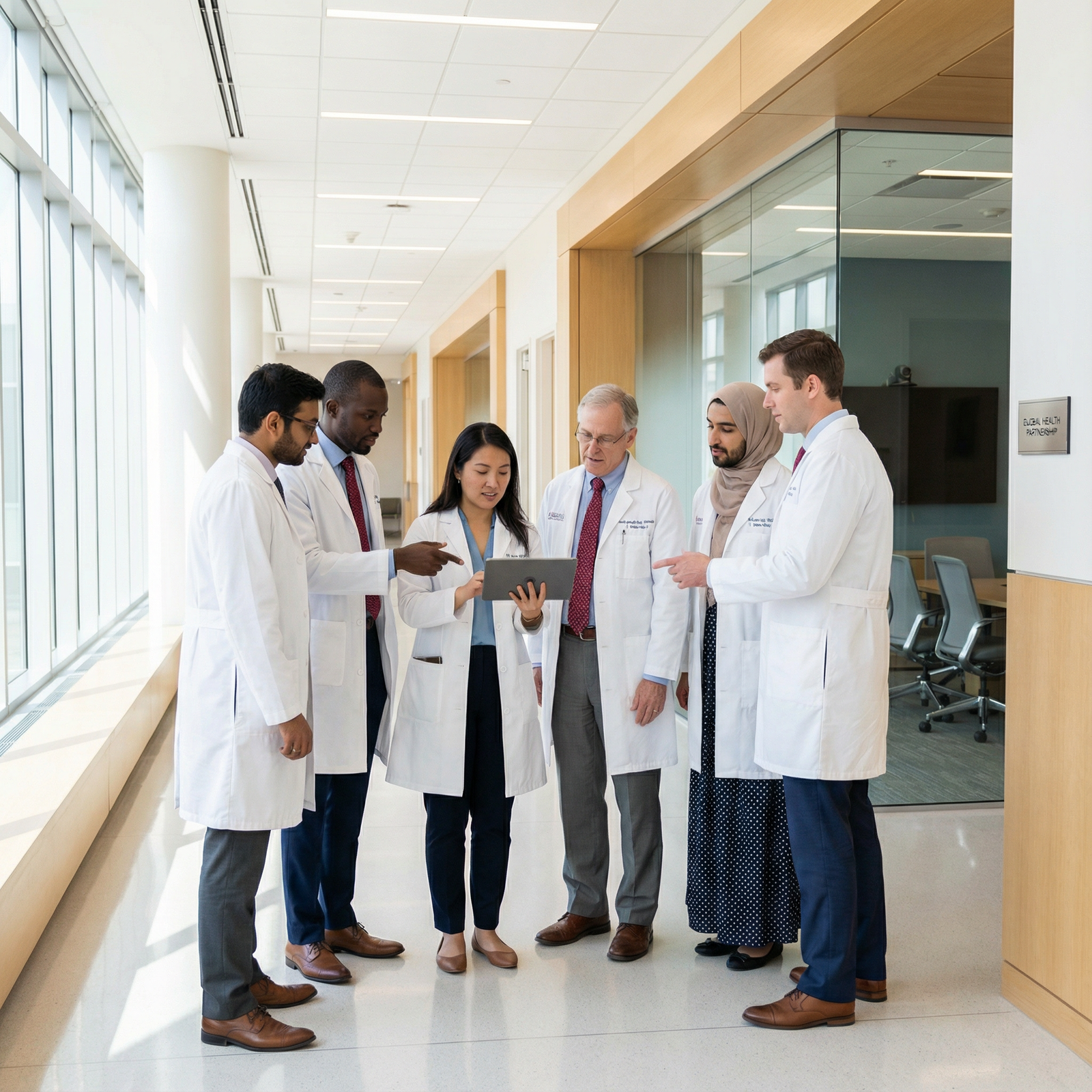
IMG-friendliness goes far beyond simply having a high number of IMGs in the program. Supportive programs build systems to help IMGs thrive academically, clinically, and personally in the U.S.
1. Commitment to Diversity, Equity, and Inclusion
Residency programs that prioritize healthcare diversity recognize the unique contributions of IMGs:
- They include diversity and inclusion as explicit values in their mission statements
- Program websites highlight faculty and residents from varied backgrounds, including IMGs
- Recruitment materials discuss how global perspectives enrich their teaching and patient care
- They track and openly embrace their percentage of IMGs as part of their identity
For IMGs, visible representation—seeing current residents and alumni who share similar backgrounds—is a powerful indicator of an IMG-friendly residency.
2. Structured Mentorship and Academic Support
Strong IMG-friendly programs frequently provide:
- Formal mentorship pairings between IMGs and senior residents or faculty (preferably including former IMGs)
- Guidance on:
- Navigating the U.S. healthcare system
- Professional communication and documentation standards
- Career planning (fellowships, academic vs community practice)
- Targeted academic support:
- Board-review resources and study groups
- Feedback on presentations, charting, and clinical reasoning
- Early identification and support for struggling residents
Example: An internal medicine program may automatically assign all incoming IMGs a faculty mentor and a senior resident “buddy,” with scheduled check-ins in months 1, 3, and 6.
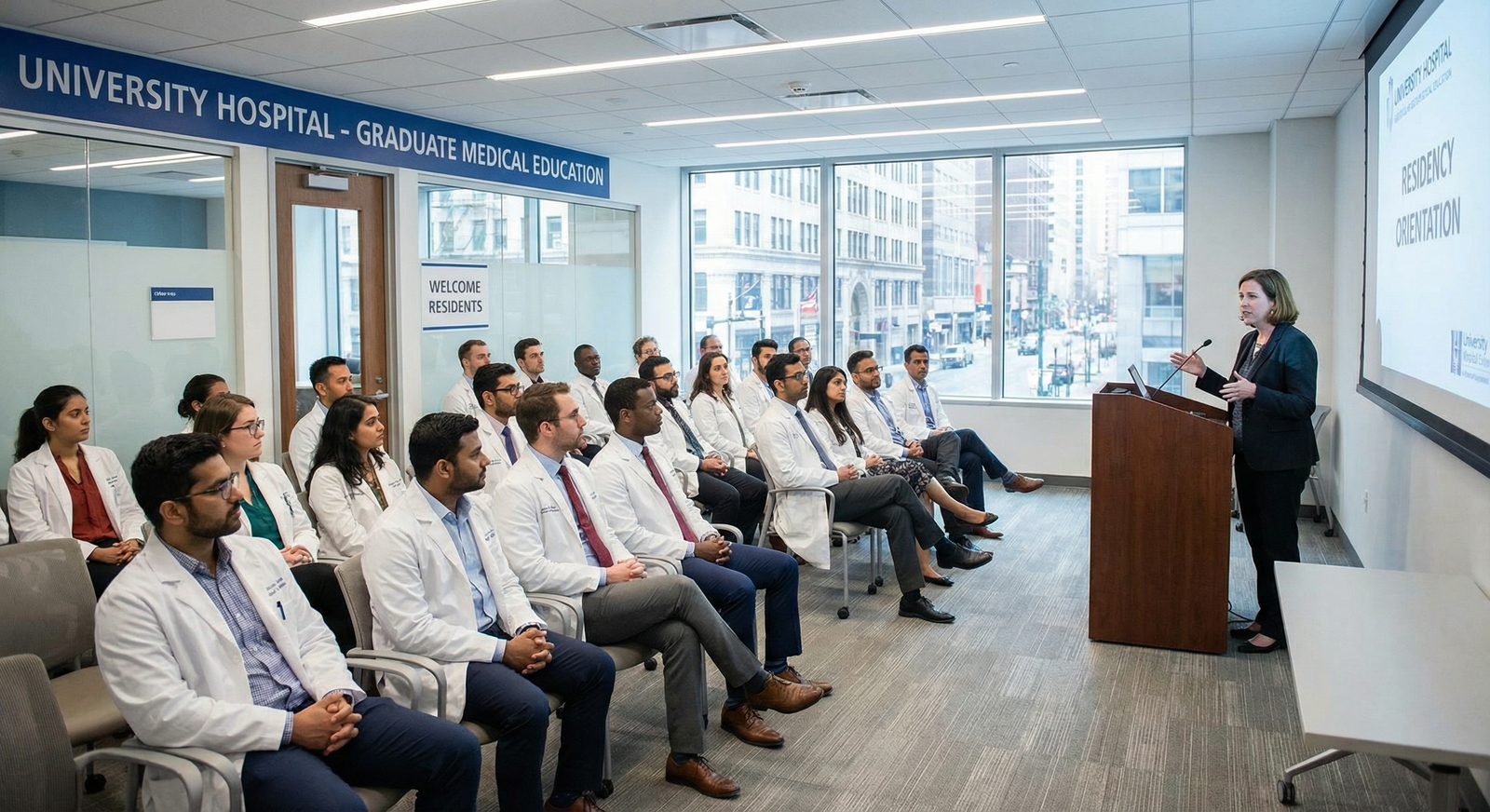
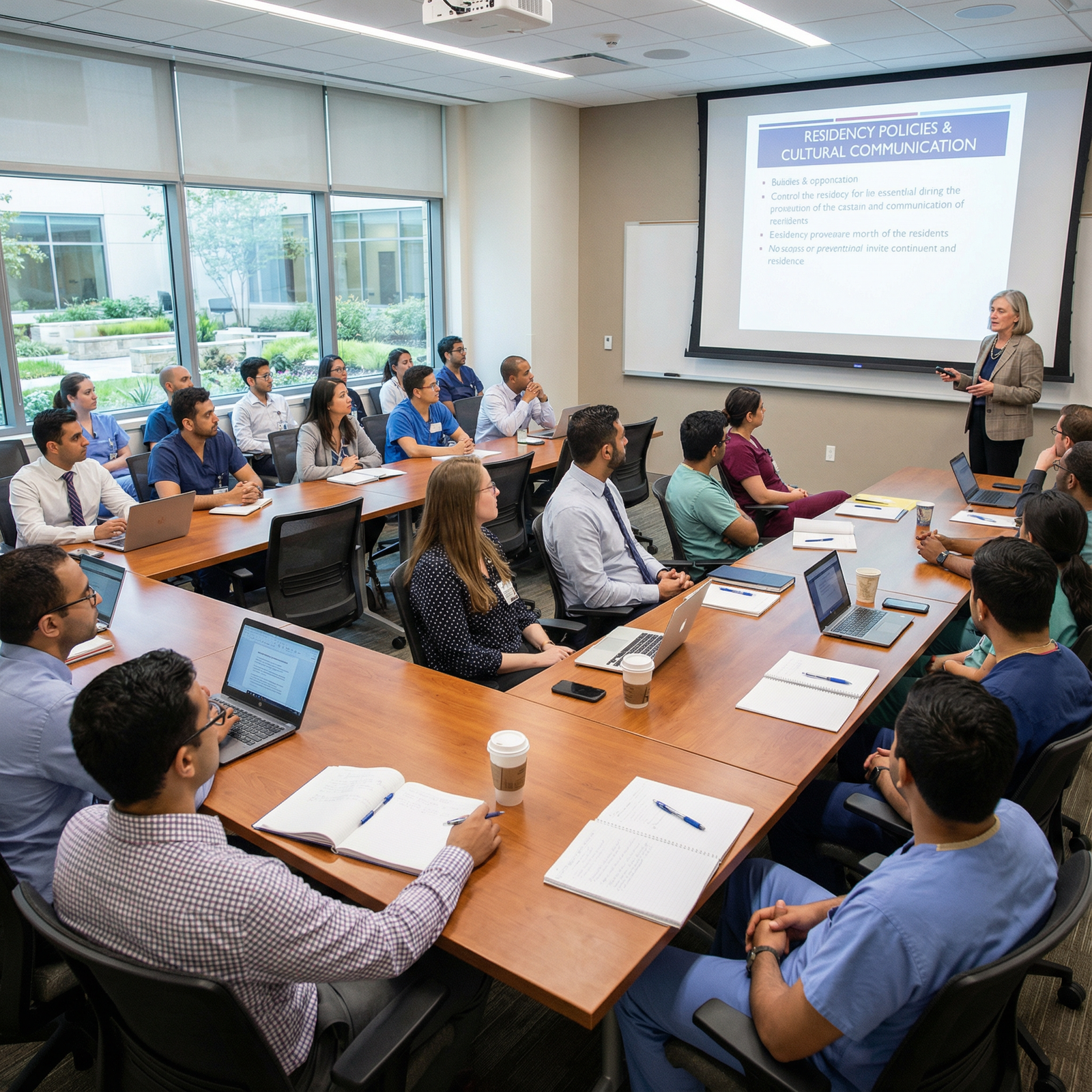
3. Comprehensive Orientation to U.S. Clinical Practice
For IMGs, the first weeks of residency can be overwhelming. IMG-friendly programs design orientation with them in mind:
- Extra onboarding sessions on:
- Electronic health record (EHR) workflows
- Order entry, documentation templates, and billing basics
- Interprofessional communication and escalation of concerns
- Workshops on:
- Cultural norms in U.S. patient care (e.g., autonomy, confidentiality, end-of-life discussions)
- Working with interpreters and diverse patient populations
- Shadowing opportunities or simulation scenarios before independent patient care responsibilities
These investments accelerate adaptation and protect both patient safety and resident well-being.
4. Flexibility in Application Requirements
While many programs have strict filters, IMG-friendly programs often:
- Consider applications holistically rather than on test scores alone
- Evaluate:
- Clinical excellence in home country
- Research experience
- Volunteer work and leadership
- Evidence of resilience and adaptability
- May be more flexible about:
- Graduation year (accepting those who graduated >5 years ago)
- Required length or type of U.S. clinical experience
- Minor exam failures if followed by strong subsequent performance
They may clearly state on their website:
- “We welcome applications from IMGs”
- “We do not have a strict cutoff for year of graduation”
- “We consider applicants with one prior USMLE attempt, if they demonstrate improvement”
5. Support for U.S. Clinical Experience (USCE) and Observerships
Many IMGs struggle to obtain meaningful U.S. clinical experience. IMG-friendly institutions may:
- Offer observerships, externships, or visiting clerkships targeted to IMGs
- Provide structured evaluation letters based on these experiences
- Maintain formal pipelines from these rotations into their residency programs
- Connect IMGs to local community clinics or research rotations that count as U.S. experience
This not only helps IMGs gain familiarity with the system but also allows programs to directly assess potential applicants.
6. Clear Policies on Visa Sponsorship and Immigration Support
A hallmark of IMG-friendly residency programs is transparency regarding visa policies:
- They clearly state whether they sponsor J-1, H-1B, or both
- They indicate any USMLE step requirements for H-1B (e.g., Step 3 requirement)
- They often have institutional legal or HR support familiar with physician visas
- They communicate timelines early so IMGs can plan realistically
Programs that routinely work with IMGs become more efficient and comfortable navigating immigration processes, reducing uncertainty for applicants.
How IMG-Friendly Residency Programs Strengthen U.S. Healthcare
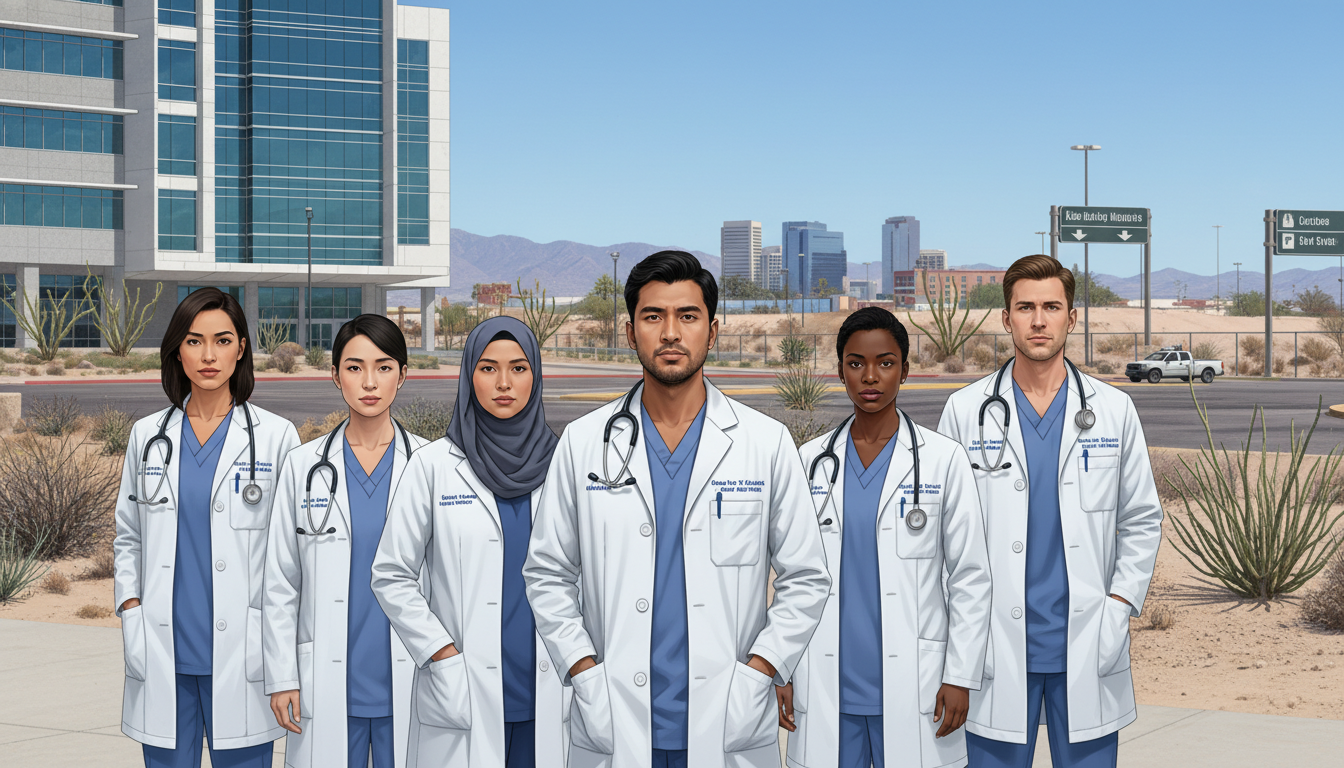
IMG-friendly programs are not just “doing a favor” to international graduates. They are strategically enhancing patient care, education, and the resilience of the physician workforce.
1. Improving Patient Care Through Diversity and Language Skills
Healthcare diversity isn’t just a value statement; it has measurable clinical impact:
- IMGs often speak multiple languages, improving communication with patients with limited English proficiency
- They bring deep familiarity with cultural beliefs, health literacy challenges, and traditional practices common in many communities
- Diverse resident teams are better equipped to:
- Recognize cultural nuances in symptom reporting
- Explore social determinants of health sensitively
- Build trust with patients who may feel alienated by the healthcare system
For example, an IMG from Latin America may more effectively counsel Spanish-speaking patients with diabetes who are hesitant about insulin, drawing on shared cultural context and language fluency.
2. Addressing the Physician Shortage and Access Gaps
The United States faces a projected shortfall of tens of thousands of physicians over the coming decades, especially in:
- Primary care
- Rural and underserved urban areas
- Certain specialties like psychiatry and geriatrics
IMGs already play an outsized role in meeting these needs:
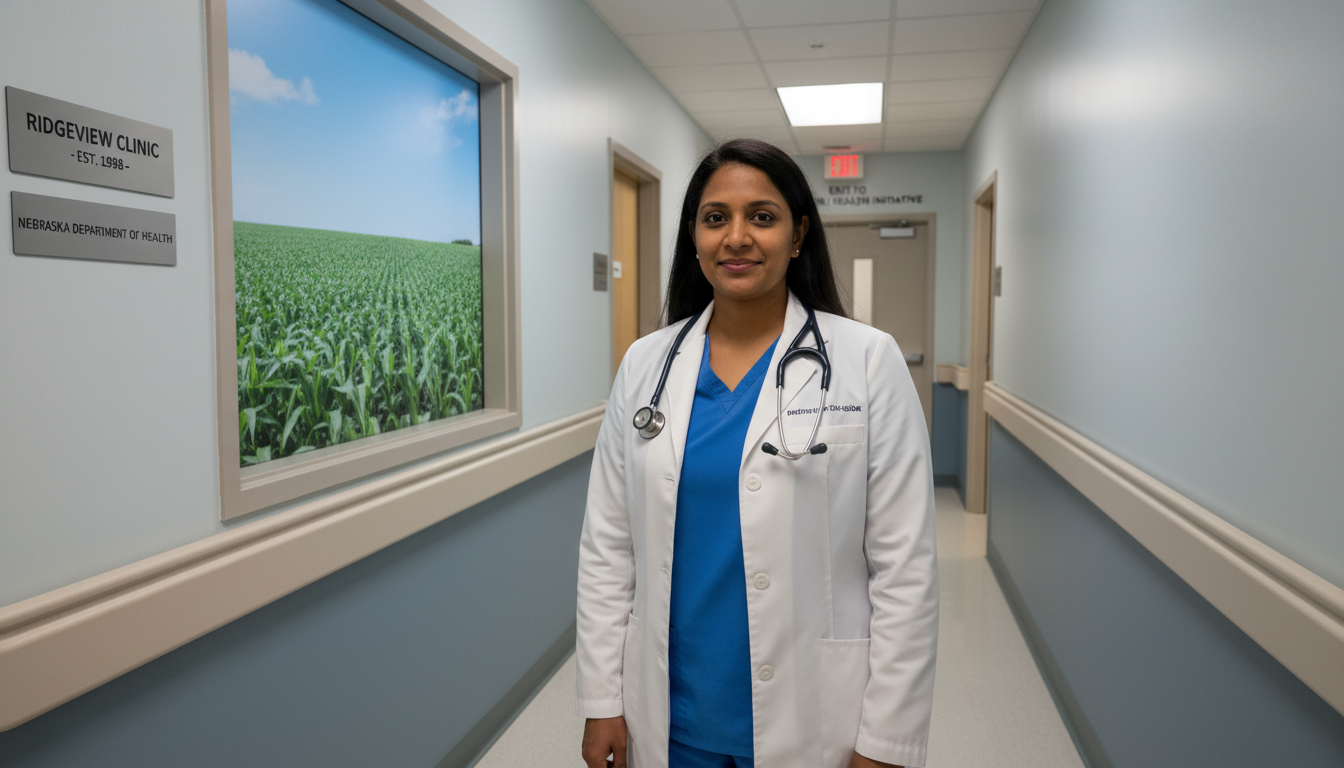
- They are more likely than USMGs to practice in underserved regions
- Many fill residency spots at community hospitals and safety-net institutions
- IMG-friendly residency programs in these settings directly bolster access to care for vulnerable populations
By maintaining pathways for IMGs, programs not only fill residency positions but also help stabilize the long-term physician workforce in high-need areas.
3. Fostering Innovation and Global Thinking in Medical Education
A residency class that includes IMGs is naturally exposed to a broader range of:
- Clinical approaches and resource-limited strategies
- Global health perspectives and infectious disease patterns
- Health policy comparisons across different healthcare systems
These perspectives can drive innovation. For instance:
- IMGs who trained in resource-constrained settings may introduce more cost-conscious diagnostic strategies
- Those with global health research experience may contribute to projects on migrant health, telemedicine, or pandemic preparedness
Residency programs that intentionally recruit international medical graduates often find their educational conferences and quality improvement projects enriched by this global lens.
Examples and Signals of IMG-Friendly Residency Programs
While specific program reputations evolve over time, several characteristics and patterns often indicate IMG-friendliness.
Institutions Often Recognized as IMG-Friendly
Programs historically known for supporting IMGs (always verify current policies and data) include:
University of Illinois Chicago (UIC)
- Strong record of recruiting IMGs across internal medicine and other specialties
- Emphasis on serving diverse, urban patient populations
- Mentorship and academic support structures for international trainees
New York University (NYU) and affiliated hospitals
- Large, diverse residency programs in an international city
- Longstanding track record of training international medical graduates
- Access to global health electives and robust academic resources
Oregon Health & Science University (OHSU)
- Engagement in global and community health
- Cultural competency initiatives that benefit IMGs and local patients
- Opportunities for research and interdisciplinary collaboration
State University of New York (SUNY) system programs (e.g., SUNY Downstate, Upstate, Buffalo)
- Many SUNY programs openly welcome IMGs
- Located in areas with diverse populations and significant healthcare needs
- Emphasis on training physicians to serve under-resourced communities
These are examples, not an exhaustive list. Many community hospitals, especially in the Midwest, South, and Northeast, also maintain IMG-friendly policies and high proportions of IMGs in their residency classes.
How to Recognize an IMG-Friendly Residency Program
When researching programs for your ERAS list, look for these signs:
- Resident list: Does the website list current residents and their medical schools? A high proportion of non-U.S. schools is a strong signal.
- Explicit statements: Does the program mention welcoming IMGs, listing ECFMG requirements, or discussing visa sponsorship on its website?
- Historical match data: Does the program share that IMGs routinely match there?
- Visa policy clarity: Are visa types and requirements clearly explained, not buried or omitted?
- USCE and observership opportunities: Does the institution host formal observerships or externships for IMGs?
Contacting current IMG residents via program emails or LinkedIn can provide real-time insights into how supportive a program is in practice.
Building the Future: Strategies for Programs and IMGs
How Residency Programs Can Strengthen IMG-Friendliness
To build stronger bridges for global talent, residency leadership can:
- Audit selection criteria and filters to ensure IMGs are not inadvertently screened out
- Provide faculty development on mentoring IMGs and recognizing implicit bias
- Create structured onboarding and ongoing educational workshops focused on U.S. clinical norms
- Partner with international medical schools for visiting rotations or pipeline programs
- Collect data on IMG performance (board pass rates, fellowship matches, job placement) to counter myths about IMGs’ capabilities
These steps benefit not just IMGs but all residents by enhancing clarity, support, and inclusivity within the training environment.
Actionable Advice for IMGs Applying to Residency
For international medical graduates preparing for the Match, consider these strategies:
Plan Early for Exams and ECFMG Certification
- Map out USMLE Step timelines with enough buffer for retakes if needed
- Aim for competitive scores relative to your target specialty’s IMG averages
- Ensure your ECFMG paperwork is complete well before ERAS submission
Secure Strong U.S. Clinical Experience (USCE)
- Prioritize hands-on experiences like sub-internships, electives, or supervised externships over pure observerships when possible
- Seek rotations where attendings are familiar with writing U.S.-style letters of recommendation
- Ask specifically for feedback and documentable achievements (case logs, presentations, mini-CEX evaluations)
Be Strategic About Specialty and Program Selection
- Research specialties with historically higher IMG acceptance (e.g., internal medicine, family medicine, pediatrics, psychiatry, some pathology programs)
- Use tools like FREIDA, program websites, and NRMP/ERAS data to identify programs with a history of matching IMGs
- Apply broadly and realistically, mixing community and university-affiliated programs
Strengthen Communication and Cultural Competence
- Practice case presentations in the U.S. style (concise, problem-focused, assessment/plan-driven)
- Watch recorded clinical encounters or join simulation workshops when available
- Seek feedback on your spoken English and professional communication from U.S.-based mentors or colleagues
Network Intentionally and Seek Mentorship
- Connect with alumni from your medical school who matched in the U.S.
- Join IMG-focused organizations, online communities, or specialty interest groups
- Attend virtual open houses and ask informed questions that show your understanding of the program’s mission and patient population
Address Gaps and Red Flags Transparently
- If you had exam failures or long gaps after graduation, prepare a concise, honest explanation emphasizing growth, remediation, and recent success
- Highlight ongoing clinical engagement (locum work, research, teaching) to show you are clinically active
By combining targeted preparation with wise program selection, IMGs can greatly improve their chances of matching into IMG-friendly residency programs where they can thrive.

FAQ: IMG-Friendly Residency Programs and the U.S. Match
1. What exactly is an IMG-friendly residency program?
An IMG-friendly residency program is one that:
- Actively welcomes and routinely matches international medical graduates
- Has a track record of supporting IMGs academically, culturally, and logistically
- Offers transparent information on ECFMG and visa requirements
- Often has a significant cohort of current IMG residents or alumni
These programs don’t just accept IMGs; they design structures that help IMGs succeed in the U.S. healthcare environment.
2. How can I quickly screen for IMG-friendly programs when building my ERAS list?
You can:
- Review the current resident roster on program websites to see where residents graduated from
- Check whether the program states “we consider IMGs” and lists visa types (J-1, H-1B)
- Use FREIDA or other databases to see proportions of U.S. vs international graduates
- Contact current IMG residents (via program email or professional networks) and politely ask about their experience
- Look for programs that explicitly describe diversity, global health, or international partnerships in their mission
3. What are the most common barriers that stop IMGs from matching—and how do IMG-friendly programs help?
Common barriers include:
- Lower or borderline USMLE scores
- Limited or no U.S. clinical experience
- Short, generic, or weak U.S. letters of recommendation
- Uncertainty about visa sponsorship
- Lack of guidance in assembling a competitive application
IMG-friendly programs mitigate these by:
- Taking a holistic view of applicants’ backgrounds
- Providing observerships or externships that can lead to strong letters
- Offering clear, consistent visa policies
- Setting up structured mentorship for incoming IMGs to ensure they succeed after matching
4. Do IMG-friendly programs compromise on training quality or competitiveness?
No. Being IMG-friendly is not equivalent to being less rigorous or less competitive. Many high-quality community and university-affiliated programs are IMG-friendly while maintaining:
- Strong board pass rates
- Solid fellowship match outcomes
- Robust clinical exposure and procedural opportunities
In fact, the presence of high-performing IMGs often enhances the academic and clinical culture of a program.
5. What can I do right now to increase my chances of matching into an IMG-friendly program?
If you are still in the planning or early application phase:
- Focus on exam performance and timely ECFMG certification
- Prioritize high-yield U.S. clinical experience with strong potential for mentorship and letters
- Prepare a compelling personal statement that explains your journey, motivation, and fit for U.S. residency
- Apply broadly to a realistic mix of specialties and programs known to consider IMGs
- Engage in consistent, professional communication with programs—attend virtual sessions, ask about their support for IMGs, and demonstrate genuine interest in their mission and patient population
By understanding what makes a residency truly IMG-friendly and aligning your preparation with these characteristics, you can transform the challenging journey to U.S. residency into a realistic, achievable path. IMGs are not just filling gaps—they are shaping the future of a more diverse, globally informed, and patient-centered physician workforce.