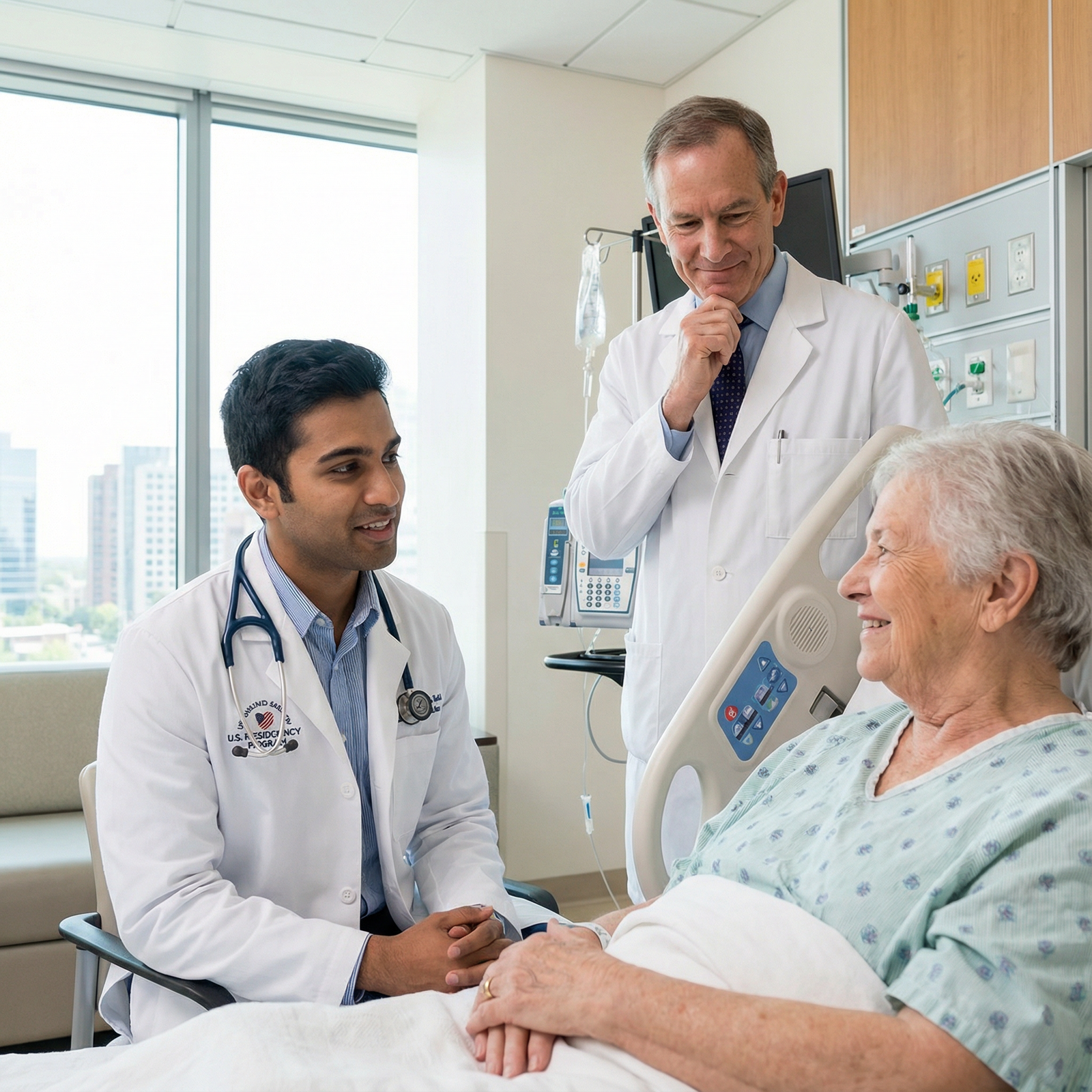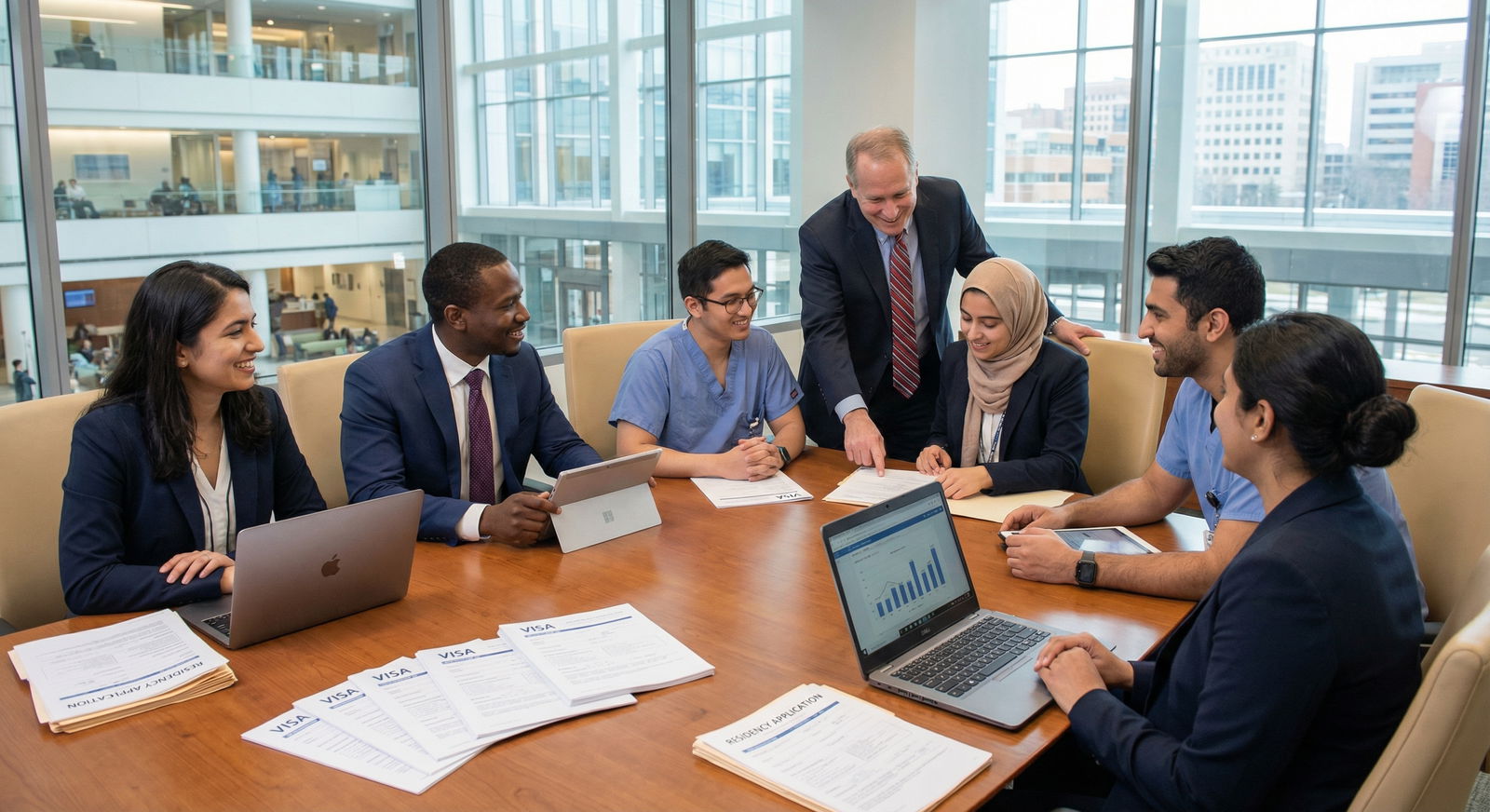
A Closer Look at Residency Programs with Friendly Policies for International Medical Graduates
The pathway to becoming a licensed physician in the United States is demanding for any trainee, but International Medical Graduates (IMGs) face an extra layer of complexity. Beyond mastering clinical skills and passing exams, IMGs must navigate unfamiliar systems, immigration rules, and cultural differences while competing in an increasingly selective residency Match.
Some residency programs, however, stand out for their strong track record of supporting IMGs. These programs intentionally design policies, culture, and infrastructure to help international physicians succeed. Understanding what makes these residency programs “IMG-friendly” can significantly improve your strategy as you prepare for the Match.
This guide explores the hallmarks of IMG-friendly residency programs, highlights examples, and offers actionable advice on how to identify and evaluate them effectively.
Understanding the International Medical Graduate Experience
Before evaluating specific residency programs, it’s crucial to understand the distinct challenges that shape the IMG experience in U.S. medical education.
Key Challenges for International Medical Graduates
1. Differences in Medical Education Systems
Medical curricula, grading systems, and clinical training structures differ widely across countries. This leads to several issues:
- Program directors may be unfamiliar with your school’s reputation or curriculum
- Variability in clerkship exposure and documentation
- Differences in expected levels of autonomy or procedural experience
As a result, IMGs often must “translate” their training into terms that U.S. programs understand—through USMLE scores, clinical observerships, letters of recommendation, and clear explanations of their background.
2. Limited Understanding of the Residency Match Process
Unlike many U.S. medical students, IMGs frequently:
- Do not have a home institution with a dedicated dean’s office or advisors experienced in the NRMP Match
- May not fully understand timelines for ERAS, NRMP, and visa processes
- May be unfamiliar with specialty competitiveness, application strategies, and interview culture
This knowledge gap can disadvantage highly capable applicants who simply lack access to structured guidance.
3. Credential Verification and ECFMG Certification
All IMGs must obtain Educational Commission for Foreign Medical Graduates (ECFMG) certification, which includes:
- Primary source verification of medical school credentials
- Passing the required USMLE examinations (per current ECFMG requirements)
- Meeting time limits and documentation standards
Delays or errors in this process can jeopardize eligibility for residency even for otherwise strong candidates.
4. Cultural, Communication, and Language Barriers
Even fluent English speakers may face:
- Difficulty adapting to U.S. communication styles with patients, nurses, and attending physicians
- Challenges understanding regional accents or idioms
- Differences in hierarchy, feedback styles, and interprofessional dynamics
These factors can affect interviews, evaluations, and daily performance—especially early in training—if not supported appropriately.
5. Immigration and Visa Complexities
Securing the right visa (J-1 or H-1B for most residency positions) involves:
- Program willingness to sponsor
- Tight timelines between Match Day and residency start
- Additional documentation and costs
IMG-friendly residency programs recognize these challenges and build systems to support international physicians through each step.

Core Characteristics of IMG-Friendly Residency Programs
Not all residencies are equally equipped or willing to support international physicians. Programs that are truly IMG-friendly tend to share several key features.
1. Structured Mentorship and Dedicated IMG Support
Strong mentorship is arguably the most powerful form of IMG support in medical education.
What this looks like in practice:
- Formal IMG mentorship programs that pair new IMGs with senior residents or faculty (often former IMGs themselves)
- Orientation sessions tailored to IMGs, addressing:
- U.S. healthcare system structure
- Electronic medical record (EMR) usage
- Documentation expectations and billing
- Communication standards and patient-centered care
- Ongoing academic advising, including:
- Feedback on clinical performance
- Career planning (fellowships, future employment, waivers for J-1 visa holders)
- Strategies for board exams and in-training exams
Actionable tip: When researching programs, look for explicit mention of “IMG mentorship,” “international resident support,” or “Office of International Medical Education” on program websites. Ask current residents during interviews how mentorship works in practice.
2. Holistic Application Review and Fair Evaluation
Programs that routinely match IMGs usually go beyond rigid numerical cutoffs.
Hallmarks of holistic review:
- Consideration of:
- Life experiences (e.g., working in underserved settings, prior practice as an attending abroad)
- Research productivity
- Leadership roles and advocacy
- Overcoming personal or systemic challenges
- Willingness to look past:
- Non-traditional timelines (e.g., graduation gaps, prior careers)
- Slightly lower USMLE scores if offset by other strengths
- Recognition that international training can bring valuable perspectives, especially in:
- Cultural humility
- Complex medical pathology
- Resource-limited care
Your role as an applicant:
Use your personal statement and experiences section to clearly articulate:
- How your journey as an IMG has shaped your clinical skills and resilience
- How you have adapted to U.S. clinical environments (via observerships, electives, or research)
- How your international experience will benefit the residency program and patient population
3. Inclusive, Culturally Competent Work Environment
Even with strong credentials, IMGs may struggle in a residency culture that is not welcoming or inclusive.
Features of a supportive environment:
- Visible diversity among residents and faculty, including previous IMGs in leadership roles
- Cultural competency training and institutional commitment to diversity, equity, and inclusion
- Policies against discrimination and harassment, with clear reporting mechanisms
- Support for work–life balance, recognizing that IMGs may lack local family support networks
Red flags to watch for:
- Program websites or interview days that highlight diversity verbally but show minimal representation in leadership or current residents
- Residents who hesitate or give vague answers when asked, “How does this program support IMGs?”
4. Clear and Flexible Visa Sponsorship Policies
Visa Sponsorship is one of the most decisive factors for many International Medical Graduates.
Key considerations:
Types of visas sponsored:
- J-1 visa (most common; sponsored by ECFMG)
- H-1B visa (less common but preferred by some IMGs due to future immigration pathways)
Transparency:
IMG-friendly programs typically state clearly on their website:- Whether they accept non-U.S. citizens or permanent residents
- Whether they sponsor J-1 and/or H-1B visas
- Any additional requirements (e.g., minimum USMLE scores for H-1B)
Institutional legal or immigration support:
- In-house or affiliated immigration attorneys
- Dedicated GME office staff experienced with visa processing
- Guidance on J-1 waiver options post-residency (e.g., Conrad 30 programs)
Practical step:
Create a spreadsheet tracking each program’s visa policy. Prioritize those that explicitly list “Visa Sponsorship” and have a history of taking multiple IMGs per year.
5. Openness to Non-Traditional Career Paths and Backgrounds
Many IMGs bring unique prior experiences that can enrich a residency program:
- Prior work as fully licensed physicians in their home countries
- Advanced degrees (MPH, PhD, MBA)
- Substantial research careers
- Work in global health, public health, or health policy
IMG-friendly programs tend to:
- Recognize and value these backgrounds rather than viewing them as “gaps”
- Consider applicants who graduated more than 5–10 years ago, especially with continuous clinical or academic engagement
- Offer leadership roles, chief resident opportunities, or academic pathways to IMGs
How to showcase this:
Highlight how your “non-traditional” path gives you:
- Maturity and clinical judgment
- Leadership and teaching skills
- Insight into systems-level issues in healthcare
Examples of IMG-Friendly Residency Programs and What They Offer
While policies can change over time and vary by specialty, certain academic centers are consistently noted for their support of International Medical Graduates. Always verify current details directly with the programs and recent residents.
1. University of Southern California (USC) – Keck School of Medicine
USC’s residency programs, particularly in Internal Medicine and other core specialties, are known for:
- Strong global focus and diversity:
Large, multicultural patient population in Los Angeles, which aligns well with the skills many IMGs bring. - Office of International Medical Education:
Provides resources on:- ECFMG and licensing
- Visa issues in collaboration with institutional offices
- Adaptation to U.S. clinical training
- Robust mentorship:
Many faculty are themselves former IMGs and actively support new international trainees.
2. New York University (NYU) – Grossman School of Medicine
NYU is a major academic center with a track record of integrating IMGs into its training programs.
Key strengths include:
- Holistic review:
Emphasis on personal stories, clinical potential, and contributions to diversity in medicine. - Extensive educational infrastructure:
- Simulation centers and structured curricula that help standardize clinical skills
- Academic support for board preparation and research involvement
- Supportive diversity culture:
Institutional commitment to inclusion, often reflected in resident cohorts from multiple countries.
3. University of Illinois at Chicago (UIC)
UIC has long been recognized as a welcoming environment for International Medical Graduates.
Highlights:
- Significant IMG representation:
Many of their residency programs, especially Internal Medicine and Family Medicine, consistently match IMGs. - Structured mentorship for IMGs:
Faculty and senior residents often guide newcomers through:- U.S. documentation standards
- Communication expectations
- Long-term career planning
- Visa and licensure guidance:
GME and program offices help residents understand visa options, licensing requirements, and post-graduation pathways.
4. Mount Sinai Health System (New York City)
Mount Sinai encompasses multiple hospitals and residency programs across New York City.
Strengths for IMGs include:
- Highly diverse patient population with complex pathology, mirroring settings many IMGs know from their home countries.
- History of recruiting IMGs across multiple specialties, especially in internal medicine, pediatrics, and subspecialties.
- Emphasis on cultural competence and global health, aligning well with IMGs’ experiences.
5. Cleveland Clinic
Cleveland Clinic is a large academic medical center with a strong international reputation.
What makes it particularly IMG-friendly:
- Significant number of IMGs among residents and faculty, many in leadership positions
- Structured academic environment that supports research, QI projects, and advanced fellowships, helping IMGs build competitive academic CVs
- Mentorship and professional development programs focused on communication skills, leadership, and career advancement
Funding, Research, and Community Resources for IMGs
Beyond residency selection, IMGs should also consider the broader ecosystem of support for their professional and personal transition.
Financial and Funding Considerations
Although residency itself is a paid position, relocation and transition costs can be significant.
Potential sources of support:
- Institutional relocation stipends or signing bonuses
Some residency programs or hospitals provide partial relocation support, which can be especially helpful if you are moving internationally. - Scholarships or travel awards for:
- Presenting research at national conferences
- Attending educational courses and board review programs
- Employee benefits that can ease financial burdens:
- Health, dental, and vision insurance
- Retirement contributions (even if you may not stay in the U.S. long-term)
- Subsidized housing or meal plans at some institutions
Research Partnerships and Academic Pathways
For IMGs, research can serve both as an entry point into the U.S. system and as a way to strengthen residency applications.
Types of opportunities:
- Research fellowships or postdoctoral positions at academic medical centers
- Short-term research electives or observerships during which you:
- Learn U.S. research standards
- Generate abstracts, posters, and manuscripts
- Build connections with faculty who can write strong letters of recommendation
Choosing a program with strong research infrastructure:
- Programs affiliated with major universities or research institutes often:
- Have established pathways to integrate residents into ongoing projects
- Encourage IMGs to develop niche expertise that can support fellowship applications
Community Engagement and Local Integration
Community engagement is simultaneously beneficial for your CV and your adaptation to life in the U.S.
Why it matters:
- Demonstrates commitment to underserved populations and public health
- Helps develop local professional and social networks
- Strengthens residency and fellowship applications with tangible examples of service and leadership
Examples of IMG-relevant activities:
- Volunteering at free clinics or health fairs
- Participating in language-access or interpreter services if you are multilingual
- Engaging in public health projects in immigrant or refugee communities that reflect your own background
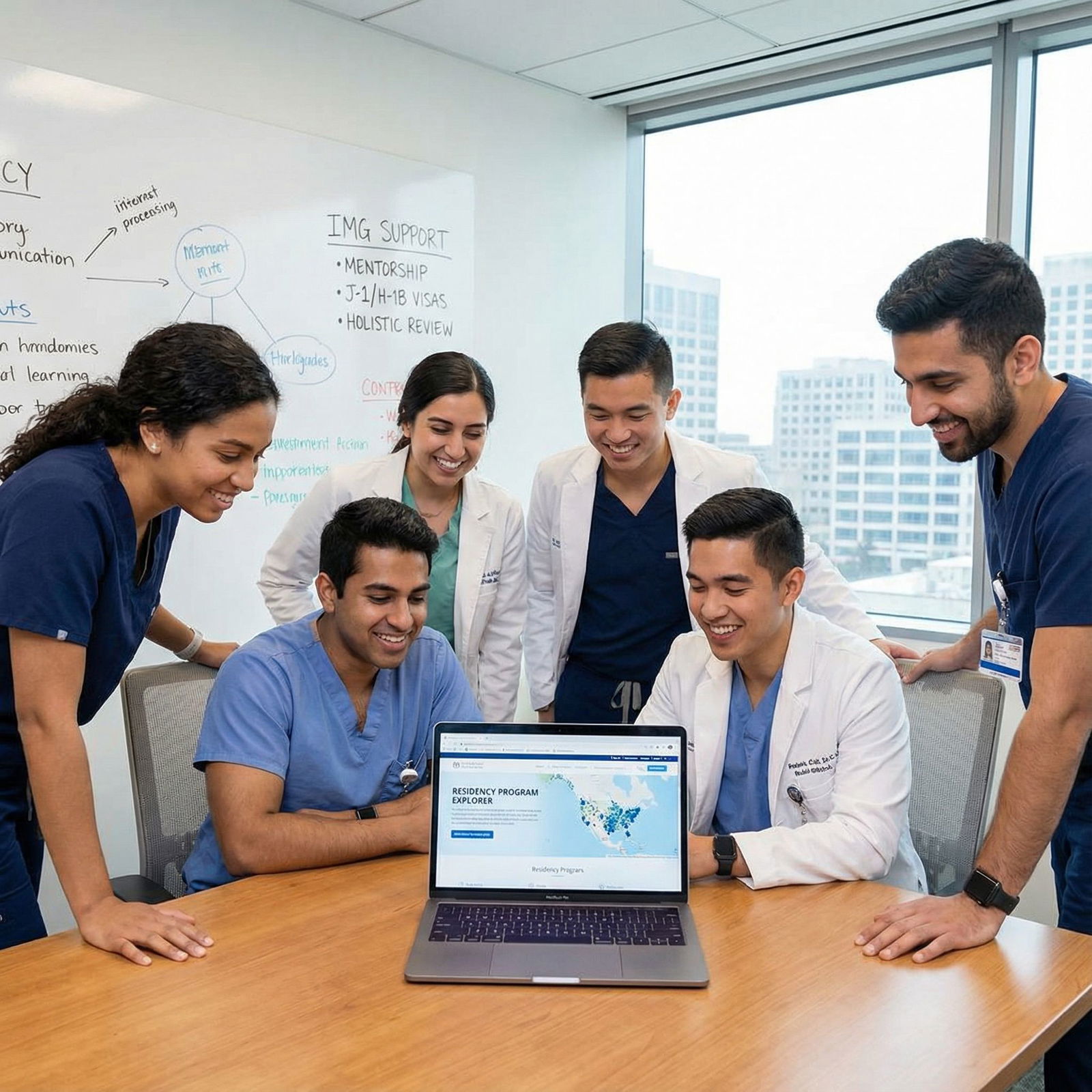
Practical Strategies for Identifying IMG-Friendly Residency Programs
Understanding what makes a program supportive is only part of the task; you also need concrete steps to identify these programs efficiently.
Researching Programs Effectively
1. Use multiple data sources:
- Official program websites and GME office pages
- NRMP and AAMC data (when available) on IMG match statistics
- ECFMG and professional forums (e.g., specialty-specific IMG communities)
- Social media (program Twitter/X, Instagram, LinkedIn) showcasing resident life and diversity
2. Look for specific indicators:
- “We welcome applications from International Medical Graduates” explicitly stated
- Lists or photos of current residents showing international diversity
- Mention of:
- Visa sponsorship (J-1 and/or H-1B)
- IMG orientation or support structures
- International or global health tracks
Asking the Right Questions During Interviews
You can gain crucial information by asking targeted, professional questions:
- “Approximately what percentage of your residents are International Medical Graduates?”
- “What types of visas does your residency program sponsor?”
- “Are there any formal mentorship programs, particularly for IMGs?”
- “How does your program support residents from different educational and cultural backgrounds?”
- “Can you share examples of recent IMGs who have gone on to fellowships or leadership roles?”
Observe both the content and comfort level with which faculty and residents answer these questions.
Balancing Competitiveness and IMG-Friendliness
Some highly competitive academic programs may be less accessible to IMGs, while others are both prestigious and inclusive. To build a balanced application list:
- Include a mix of:
- Academic university programs
- University-affiliated community hospitals
- Large community programs with strong support infrastructures
- Consider geography:
- States and cities with historically higher IMG representation (e.g., New York, New Jersey, Illinois, Florida) may offer more IMG-friendly environments.
- Align your profile with program characteristics:
- Strong research → prioritize research-heavy academic centers
- Extensive prior clinical experience → programs that value global health or underserved care
Frequently Asked Questions (FAQ) About IMG-Friendly Residency Programs
1. How can I quickly identify whether a residency program is truly IMG-friendly?
Start with the program’s website and current resident list. Look for:
- Clear statements that they accept and sponsor visas for International Medical Graduates
- Multiple IMGs among current residents and recent graduates
- Mention of ECFMG certification, visa sponsorship, or dedicated IMG support
Cross-check these findings with alumni or current residents via email or LinkedIn. If possible, speak directly with IMGs currently in the program to confirm that the culture is as supportive as advertised.
2. Are IMGs evaluated equally compared to U.S. medical graduates in the Match?
Evaluation varies widely by program and specialty. Some programs:
- Primarily select U.S. allopathic graduates and rarely rank IMGs
- Use strict USMLE cutoffs that disadvantage IMGs
However, many IMG-friendly programs adopt a holistic review, especially in Internal Medicine, Family Medicine, Pediatrics, Psychiatry, and some community-based specialties. In these environments, IMGs with strong USMLE scores, solid U.S. clinical experience, strong letters, and compelling personal stories can be very competitive.
3. What can I do to make my application more competitive as an IMG?
Key steps include:
- Excel on USMLE exams and meet or exceed typical score ranges for your target specialties
- Obtain strong U.S. clinical experience, preferably hands-on (electives, sub-internships, or observerships at academic centers)
- Secure letters of recommendation from U.S. physicians who know your work well
- Craft a focused personal statement explaining:
- Why this specialty
- Why training in the U.S.
- How your international background is an asset
- Demonstrate continuity of clinical engagement (avoid long unexplained gaps)
- Engage in research or quality improvement projects when possible, particularly in your chosen specialty
4. What is the difference between J-1 and H-1B visas for residency, and how does it affect me?
J-1 Visa:
- Sponsored by ECFMG for residency and fellowship training
- Typically easier and more common for residency
- Requires returning to your home country for two years after training unless you obtain a J-1 waiver (e.g., Conrad 30 or academic waivers)
H-1B Visa:
- Work visa sponsored directly by the institution
- Often requires all Steps (including Step 3) passed before residency start
- More complex and sometimes more expensive for programs to sponsor
- Does not carry the same two-year home residency requirement as the J-1
Your strategy should depend on your long-term immigration goals and the types of visas your target programs routinely sponsor.
5. Is participating in community service or public health projects in the U.S. really helpful for IMGs?
Yes. Community engagement:
- Strengthens your application with concrete evidence of service, leadership, and adaptability
- Demonstrates commitment to the patient populations you hope to serve
- Helps you build local references and networks
- Can be particularly impactful for specialties with a strong community focus (Family Medicine, Pediatrics, Internal Medicine, Psychiatry)
Programs with a mission to serve diverse, underserved communities often find such experiences especially valuable.
By understanding the unique challenges faced by International Medical Graduates and recognizing the features of truly IMG-friendly residency programs—mentorship, holistic review, inclusive culture, robust Visa Sponsorship, and appreciation for non-traditional backgrounds—you can target programs where you are most likely to thrive. With careful research, strategic planning, and a thoughtful application, IMGs can successfully navigate the residency Match and bring their invaluable perspectives to U.S. medical education and patient care.