
No. Just no. Not unless you've explicitly protected sign-out. I'm not being dramatic, I've watched too many interns say yes to a "quick add-on" at 4:50 PM, only to limp out at 8:30 PM with three unfinished orders, a lab result no one knows about, and a handoff that reads like a shrug. And I've also been that intern. The mistake isn't taking the patient. The mistake is taking the patient without first drawing a line around the handoff.
Late-Day Add-On Admit: Why This Feels Small but Can Become a Big Mistake
A late-day add-on admit looks routine. It's one more patient, maybe a straightforward chest pain rule-out or a soft admission from clinic. You think, I can bang out the H&P in 40 minutes, put in basic orders, and still make sign-out. That thinking is the trap.
Protecting sign-out means preserving dedicated time for a clean, structured handoff. It means the incoming team knows exactly which patients are yours, which orders are pending, which labs you're waiting on, and which clinical changes should trigger an immediate call. Without that protection, you're not finishing your work, you're abandoning it.
Interns are uniquely vulnerable here. You want to be helpful. You don't want to look like you're dodging work. You also haven't internalized yet how much a single admission can expand after 5 PM: the pharmacy callbacks, the family update, the consult that doesn't answer, the EKG that needs a repeat, the troponin that comes back borderline. Each one tacks on 15 minutes. Sign-out, the one thing that keeps patients safe through the night, gets crushed into a rushed mumble by the elevator.
Downstream, the mess looks like this:
- Orders placed but never verified because pharmacy called after you left.
- A critical lab result sitting in the chart because you assumed the night team would "check everything."
- No clear plan for reassessment timing, so the night resident discovers the patient's blood pressure is 82/40 at 2 AM with no context.
- The incoming intern spends the first hour of night shift trying to reconstruct your scattered notes instead of seeing sick patients.
You didn't save time. You created a liability.
The Decision Point: Questions to Ask Before You Say Yes
Before you accept anything, run a five-point mental checklist. Not out loud, not in a panicked internal monologue, just cold, fast triage:
- Is sign-out protected? If not, you cannot accept safely. Period.
- How much time is actually left? Be honest. 30 minutes is not enough for a new admit. 90 minutes might be, but barely.
- Is the patient unstable? Unstable patients need immediate evaluation, not a checkbox. That changes everything.
- Can a senior help triage urgency? You're an intern. You don't have to make the call alone. Ask.
- Can this wait until after sign-out? Many "add-ons" from clinic or the ED are stable enough to be handed to the night admitting resident without harm. If it can wait, let it wait.
The single biggest mistake isn't saying yes, it's saying yes before clarifying logistics. Once you've accepted, the burden of incomplete work sticks to you like gum on a shoe. The team stops looking for alternatives. The attending assumes you've got it. And you're now racing a clock you can't beat.
Red flags that should trigger immediate escalation and a call to your senior right now:
- Unstable vital signs: hypotension, tachycardia, hypoxia, fever with rigors.
- Chest pain with dynamic ECG changes or rising troponin.
- Altered mental status without a clear baseline.
- Sepsis concern: lactate pending, antibiotics not yet ordered.
- Active bleeding, a falling hemoglobin, or a surgical abdomen.
Don't try to "just get them tucked in" if any of those exist. That's not being a team player; that's practicing bad medicine.
There's a difference between helping the team and absorbing unsafe work. The goal is safe prioritization, not martyrdom. Nobody gives out awards for staying until 10 PM with an unfinished admission that the night team has to clean up.
How to Protect Sign-Out Without Looking Unhelpful
You can say no, or rather, not yet, without sounding lazy or difficult. The trick is to frame everything around patient safety and clear ownership, not your own exhaustion. Here's phrasing that works:
- "I can take the admit, but I need to protect sign-out. Can we stagger it so I hand off to the night resident right after the H&P?"
- "This one has a pending lactate and a borderline blood pressure. I'm not comfortable leaving that hanging at 5 PM. Can we have the admitting night team take it from the start?"
- "I'm happy to help, but if I start this now I won't finish before sign-out. Can we clarify what the night team is willing to inherit?"
Notice the pattern: you're not refusing work. You're refusing unfinished work. That's a completely different conversation.
Negotiation in real time means identifying the minimum safe tasks you can complete and what must be passed on explicitly. Maybe you do the initial evaluation, place the first set of orders, and call the family, then hand off the plan for labs, imaging, and reassessment timing. That's reasonable. What's not reasonable is doing the whole admission in a panic and leaving a vague note that says "continue to monitor."
Document outstanding items so they're impossible to miss. I'm not talking about a text message to the night intern's personal phone. I'm talking about a visible, actionable handoff entry that includes:
- Pending labs with expected turnaround times and what threshold should trigger a call.
- Unresolved consults and who to page if there's no response by a certain hour.
- Next reassessment times, specific times, like "recheck BP at 20:00," not "reassess as needed."
- Exact red flags: "Call attending if urine output < 30 mL/hr for 2 hours" or "Repeat ECG if pain returns."
And for God's sake, don't write "follow up as needed." That phrase is a black hole. It means nothing. It gives the next team permission to ignore every pending issue because "as needed" never happens. Precise sign-out prevents omissions. Vague sign-out is how patients fall through cracks.
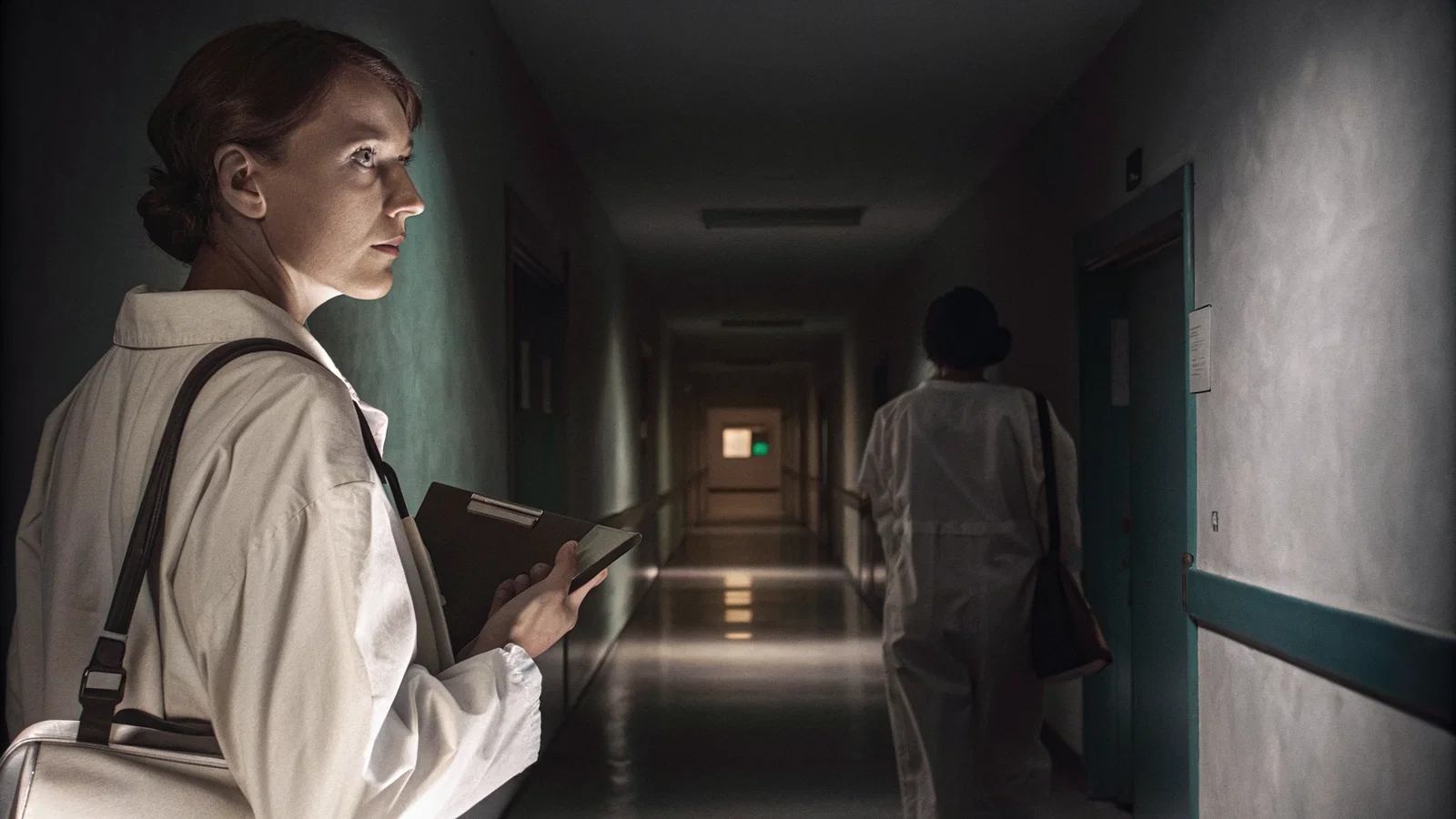
If You Already Said Yes: Damage Control Before You Leave
Okay. You already accepted. It happens. I've done it more times than I want to admit. The goal now is not to finish everything, it's to leave something the night team can actually use.
Start with the highest-yield initial evaluation. Don't waste 20 minutes writing a perfect social history. Do the focused history, the relevant exam, and make the one decision that matters: is this patient stable or not? If stable, move fast. If not, call for help now and stay until someone senior is physically at the bedside.
Place only the essential orders you can verify. IV fluids, pain control, antibiotics if indicated, nursing parameters, diet, activity. Hold off on the niche stuff, the outpatient follow-up appointments, the non-urgent consults, the bowel regimen you'll forget to recheck anyway. You're not shortchanging the patient; you're triaging your own attention.
Close the loop on critical results before you leave. If you ordered a troponin, an ECG, a lactate, or a CT, wait for it or assign a specific person to watch for it. Don't assume the night resident will "see it in the chart." They won't. They have their own fires.
Then use the stop, summarize, transfer approach. It takes five minutes:
- Stop: Finishing the last progress note or clicking through discharge paperwork? Stop. It's not worth missing sign-out.
- Summarize: List what's done, orders, labs drawn, family called, initial assessment. Then list what's pending and what could make this patient unsafe overnight.
- Transfer: Say the pending items out loud and write them down in the handoff tool. Make the night team repeat back the critical ones.
And remember: protecting sign-out is not selfish. It is not "dumping on the night team." It is exactly how safe patient care works when shifts change. Anyone who tells you otherwise has either never been an intern or has forgotten what it feels like to carry six patients with no handoff.
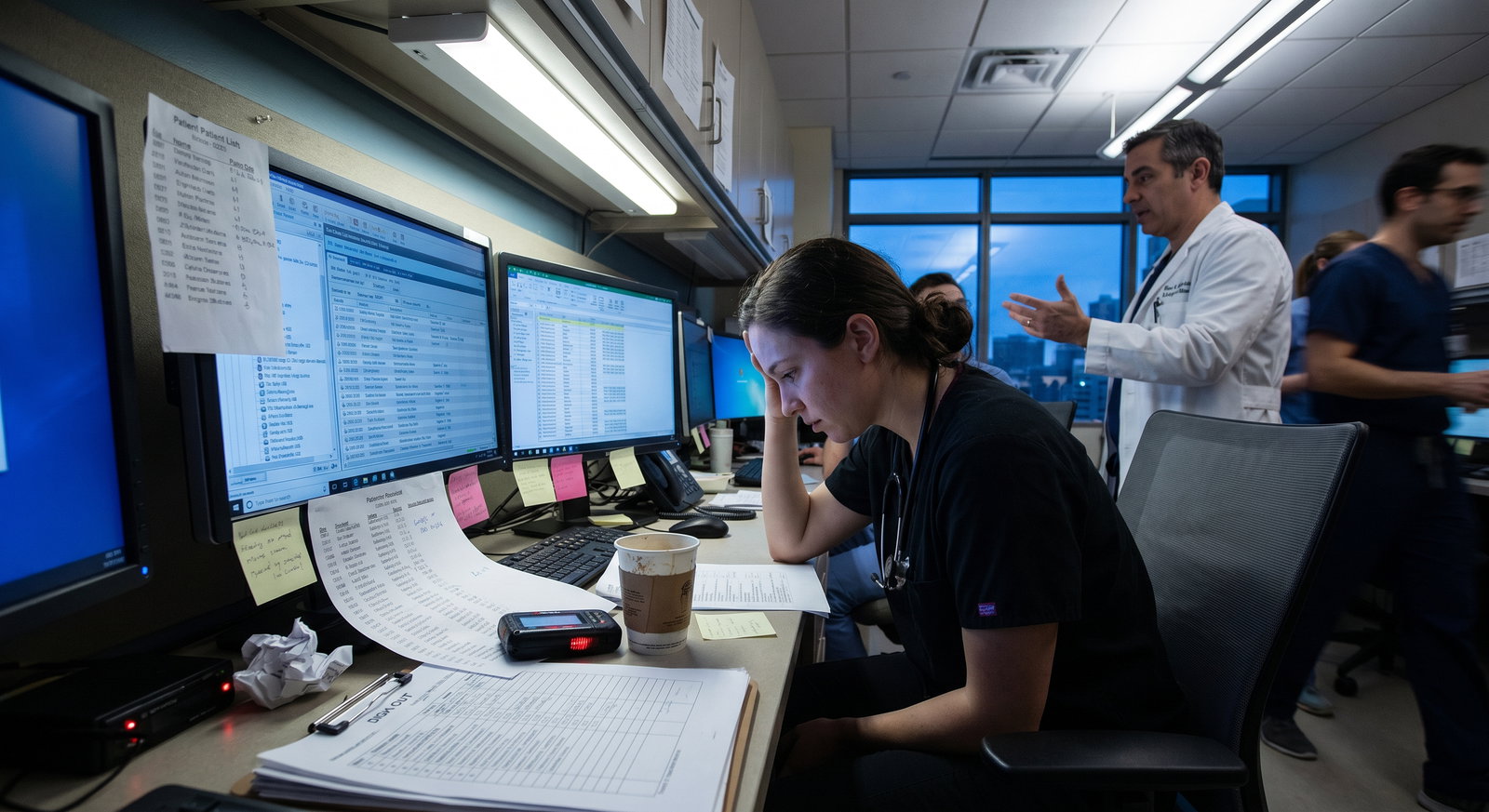
The takeaway isn't subtle. Don't accept a late-day add-on admit blindly. First protect sign-out, or you'll create an unsafe, unfinished admission that follows you home and haunts the night team. And if you must take the patient, make the handoff explicit, concrete, and time-bounded. The night team should know exactly what remains, when to act, and who to call. Anything less is a mistake you don't get to undo at 7 AM.