
Understanding the Timeline: Why Job Search Timing Matters in Dermatology
Dermatology is one of the most competitive and lifestyle-attractive specialties in medicine. That desirability also influences how early positions are posted, how long they stay open, and how program directors and practices plan their hiring. For you, that means job search timing is not just a logistical detail—it’s a core strategic decision that can shape your first attending role, your geographic options, and even your long-term career trajectory.
Unlike some specialties where positions routinely open at the last minute, the physician job market in dermatology tends to move earlier and more deliberately. Practices often forecast needs 1–2 years ahead, especially for:
- Suburban and rural practices trying to recruit scarce dermatologists
- Large multispecialty groups and hospital systems with multi-year expansion plans
- Academic departments recruiting for subspecialty niches (e.g., complex medical derm, dermatopathology, Mohs)
Understanding when to start job search planning—and when to actively sign contracts—can help you:
- Broaden your geographic choices before your preferred markets fill
- Negotiate more effectively, with time to compare offers
- Avoid the panic of scrambling into a less-than-ideal position late in the cycle
- Align fellowship vs. direct-to-practice decisions with real market data
In this guide, we’ll walk through a month-by-month framework for the last 2–3 years of your training, tailored to dermatology residency and fellowships. We’ll connect this to realistic timelines in the physician job market, discuss special scenarios (academics, fellowship, geographic constraints), and give you concrete, stepwise actions to take at each stage.
The Big Picture: Typical Job Search Timeline in Dermatology
Broad Timing Rules of Thumb
While every situation is unique, most dermatology residents and fellows can use these general guidelines:
24–18 months before completion
- Begin exploration and networking
- Clarify your goals (academics vs private practice vs hybrid; geographic priorities; subspecialty focus)
- Understand your local and national physician job market in dermatology
18–12 months before completion
- Start active searching: respond to job postings, talk to recruiters, quietly reach out to practices
- Attend meetings with an eye toward job leads (AAD, state derm societies)
- Update CV, prepare cover letters, build your professional online presence
12–6 months before completion
- This is typically peak hiring for most dermatology residency graduates
- Interview, negotiate contracts, and (for many candidates) sign
- Clarify licensing, credentialing, and non-compete implications early
6–0 months before completion
- Finalize any remaining offers; some positions are still available, especially in underserved areas
- Complete credentialing paperwork; plan transition from trainee to attending
- In some cases, late opportunities appear due to unexpected departures or expansion
For fellows, shift this timeline forward by a year: you’ll essentially repeat a similar cycle while in fellowship.
“How Early Is Too Early?”
In dermatology, it is very possible—and often advantageous—to sign 9–15 months before your start date, especially in:
- Medium-sized to smaller cities
- Regions with high demand and few dermatologists
- Larger systems that need long onboarding and credentialing timelines
However, signing more than 18 months before graduation requires caution. Practices can change owners, strategic directions, or compensation structures. You may also change your own preferences. Early relationship-building is almost always good; binding contracts very early are not always in your favor unless the job is clearly outstanding and stable.
Year-by-Year Roadmap: From Residency PGY-2 to Final Year
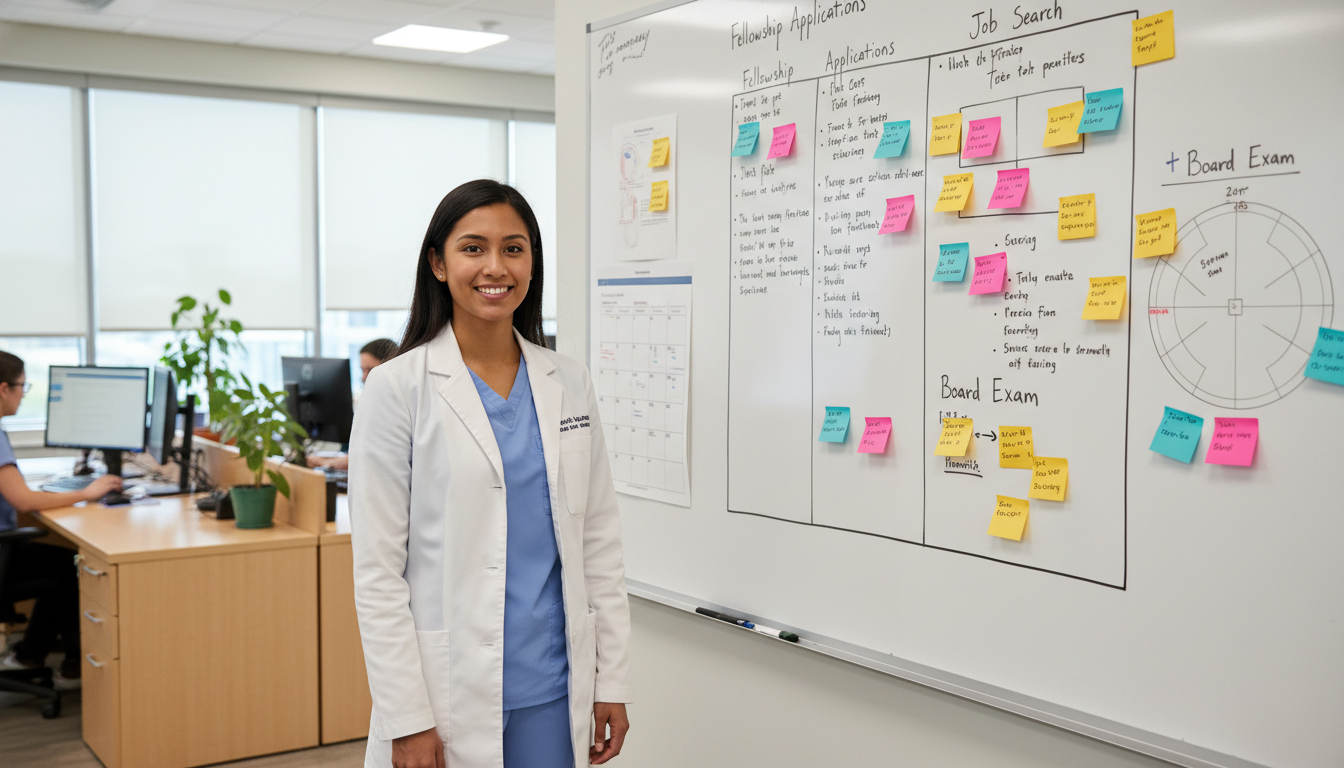
Early Residency (PGY-2 / First Derm Year): Laying the Foundation
Even though the attending job search is still years away, early planning during dermatology residency gives you leverage later.
Key goals:
Clarify broad career directions
- Academic vs private vs hybrid models (e.g., academic-affiliate groups)
- General derm vs heavy procedural focus (Mohs, cosmetics) vs complex medical derm
- Urban, suburban, or semi-rural practice settings
Start light market reconnaissance
- Notice where your attendings came from and why they chose your institution
- Ask senior residents informally when they started their job search and what surprised them
- Look at occasional dermatology job postings (Dermatology World, AAD career center, NEJM CareerCenter, practice websites) just to understand salary ranges, call expectations, and common benefits
Build your future references
- Be intentional with relationships: attendings who know your clinical performance now may be your strongest advocates later
- Participate in projects or clinic initiatives that put you in close collaboration with future letter writers
Action steps in PGY-2:
- Create a simple “career notebook” (digital or physical) where you track:
- Cities/regions you might like
- Practice types that seem appealing
- Names of attendings whose careers look like templates you might emulate
- Attend at least one local/state dermatology society meeting and introduce yourself to community dermatologists. Don’t ask for a job—just listen and learn.
Mid-Residency (PGY-3): Positioning Yourself Strategically
Here, you’re still early for a formal attending job search, but it’s the ideal time to make decisions that affect your later options, especially regarding fellowships and academic careers.
Key inflection points:
Decide whether fellowship is likely
Mohs, dermatopathology, pediatric derm, and complex medical derm all affect job search timing. For example:- Mohs: Practices may recruit you 1–2 years in advance to protect a high-revenue service line.
- Dermpath: Lab-based or blended positions may have long lead times for licensing and lab credentialing.
Clarify geography “tiers”
- Tier 1: Must-have locations (e.g., where partner/family is anchored)
- Tier 2: Strong preferences
- Tier 3: Acceptable but less ideal (where you’d go for unusually strong opportunities)
Light networking with intent
- If you visit your “Tier 1” city, consider setting up an informal coffee with a dermatologist (often arranged via your attendings or residency alumni).
- Attend national meetings with a quiet eye toward future employers: note which groups invest in education, have booths, or sponsor sessions.
Action steps in PGY-3:
- Ask your program director and senior residents:
- “When did you start your job search?”
- “What do you wish you had started 6–12 months earlier?”
- If considering fellowship, line up mentors and letters now; your fellowship decision will directly impact when you enter the attending job market.
Final Residency Year & Fellowship: When to Actively Start the Job Search
This phase is where timing becomes critical. Let’s break it down by scenario.
Scenario 1: Going Directly from Dermatology Residency to Practice
Optimal timeline:
18–15 months before graduation
- Start serious exploration:
- Update CV and draft a template cover letter
- Make a short list of geographic targets
- Let trusted faculty know you’ll be job searching soon and ask permission to use them as references
- Begin watching dermatology job postings consistently (monthly or weekly).
- Start serious exploration:
15–12 months before graduation
- Begin reaching out:
- Respond to posted positions
- Ask your mentors if they know of unadvertised opportunities in your target areas
- Consider cold outreach to practices in high-priority cities—many smaller derm groups do not advertise widely but will consider expansion if a strong candidate reaches out.
- Attend AAD or major national meeting with your job search in mind; some employers set up interviews there.
- Begin reaching out:
12–9 months before graduation
- This is often the derm match equivalent for jobs—the period when many groups push to finalize hires.
- Aim to schedule the bulk of your interviews in this window, especially for desirable metro areas or academic posts.
- Start to compare offers systematically: compensation, productivity models, non-competes, partnership tracks, call burden, cosmetic/procedural opportunities.
9–6 months before graduation
- Many residents sign contracts during this period.
- If you haven’t received compelling offers in your top geographic choices, consider broadening your search temporarily.
- Start licensure applications in the state(s) you’re likely to practice—these can be slow.
6–0 months before graduation
- Relatively late to start from scratch, but still workable, especially if you’re flexible on location.
- Last-minute positions may open due to physician turnover, retirement, or expansion.
- Focus on due diligence: visit in person, talk to current and former physicians, and understand the practice culture before signing under time pressure.
Concrete example:
Dr. A, a PGY-4 resident finishing dermatology residency in June 2027, wants to practice in a competitive coastal city.
- July–September 2025 (24–21 months out): Clarifies that fellowship is not desired; starts tracking positions in that region.
- October–December 2025 (21–18 months): Mentors introduce her (by email) to two private groups and an academic division chief.
- January–June 2026 (18–12 months): Conducts informal calls and one in-person visit; learns that one group expects to hire for July 2027 and will finalize contracts by late 2026.
- September–December 2026 (9–6 months): After interviews with three groups, she signs with her top choice in November 2026, ~8 months before start.
Her advantage: She entered her target market early enough that positions weren’t yet filled by other candidates.
Scenario 2: Dermatology Fellowship → Practice
For Mohs, dermatopathology, peds derm, and other fellowships, shift the above timeline forward so that your active job search happens during fellowship, not in your last residency year.
Key timing points:
During PGY-4 (final residency year)
- Decide definitively on fellowship vs direct-to-practice.
- If fellowship-bound, your derm match to jobs will occur during fellowship, so use PGY-4 to clarify long-term goals and geography.
Fellowship – Early (12–9 months before fellowship end)
- Start active job search just as early as if you were in your senior residency year: 15–18 months before you’ll be fully independent.
- Communicate with both fellowship mentors and former residency attendings—they each have different networks.
Fellowship – Mid (9–6 months before end)
- Aim to complete most interviews and sign with a practice that fully values your subspecialty training (e.g., appropriate Mohs volume, dermpath lab resources).
Pitfall to avoid:
Don’t wait until late fellowship to begin searching, assuming your niche subspecialty guarantees immediate placement. While demand is strong, the right fit—volume, case mix, compensation, and geography—still takes planning and time.
Special Considerations: Academics, Private Practice, and Geography
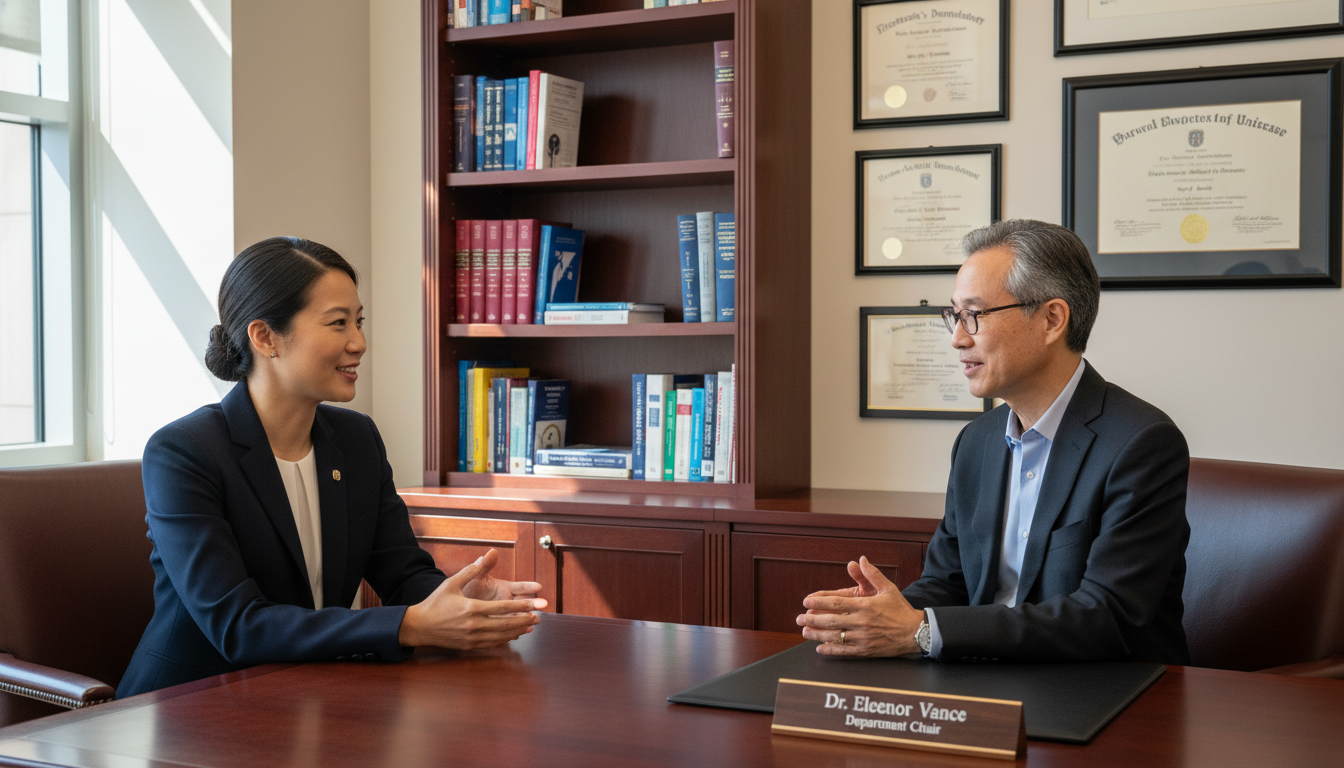
Academic Dermatology: Earlier and More Deliberate
Academic dermatology hires can move on a longer, more formal timeline due to:
- Committee-based decisions
- Budget cycles and FTE approvals
- Subspecialty balancing within departments
Timing pointers:
- Begin academic job conversations 18–24 months before your desired start date, especially if you’re seeking a niche role (e.g., cutaneous lymphoma, autoimmune blistering disease).
- Present your academic “package” clearly: teaching interests, research focus, potential clinic niche.
- Understand that some departments align hires with fiscal years; delays of several months are common and not necessarily a red flag.
If you’re truly set on an academic career, start networking during PGY-3: present at meetings, join AAD sections, and build relationships that can later translate into job discussions.
Private Practice and Large Groups: Variable but Often Earlier
Private practices, dermatology-specific groups, and multispecialty systems often:
- Hire earlier to secure future growth
- Move faster once they identify a strong candidate
- Are particularly motivated in areas with limited dermatology coverage
Timing pointers:
- In highly desirable metros, apply early (12–18 months before completion) to maximize options.
- In secondary markets or smaller cities, early contact is still beneficial; groups may literally create a position for you if they know you’re coming in 12–18 months.
- Be aware of non-compete clauses and practice stability when signing early. If a group is in flux (mergers, ownership changes), you may want more clarity before committing.
Geographic Constraints: Planning When You Have a Narrow Target
If you or your partner are geographically restricted, job search timing becomes even more important.
If you must be in one city or region:
- Start informal networking 2–3 years in advance
- Reach out to your program’s alumni in that city
- Ask your mentors to make warm introductions to group leaders
- At 18–24 months out, it’s reasonable to ask:
- “Do you anticipate hiring in the next 1–2 years?”
- “What skills or subspecialties would be most valuable in your group?”
If there are no open positions when you first ask, staying on their radar professionally (sending an updated CV, sharing your upcoming fellowship, giving a virtual talk) can position you as the first call when a slot opens.
Practical Steps and Tools for a Well-Timed Job Search
Step 1: Decide Your “Go Live” Date for Active Searching
Based on your graduation date and chosen path (fellowship or not), write down a specific month when you will:
- Begin responding to job postings
- Email your mentors asking for leads
- Contact practices in your target cities
For most dermatology residents:
Target: 15–18 months before your first intended attending start date.
Step 2: Prepare Your Materials Early
Do this 3–6 months before your “go live” job search date:
- CV: Clear, updated, and formatted simply (no elaborate graphics needed).
- Cover letter template: A base letter you can adapt quickly for each employer.
- Professional email intro: A concise, polished paragraph you’ll reuse in cold or warm outreach.
- References: Identify 3–5 people; ask them explicitly for permission and make sure they are comfortable supporting you.
Step 3: Use Multiple Channels, Not Just Job Boards
The best-timed job search in dermatology often includes:
- Formal postings (AAD, NEJM, state medical association, large group websites)
- Recruiters/headhunters, especially for large systems or hospital-employed positions
- Direct outreach to groups in your target regions, even if they’ve not posted an opening
- Informal networks: your attendings, residency alumni, fellowship directors, and colleagues from conferences
Many positions—especially in private practice—are filled through networks, not public postings. It’s common for a dermatologist to say, “We weren’t going to hire this year, but when we met this candidate 14 months before graduation, it made sense to expand.”
Step 4: Build in Time for Multiple Rounds of Interviews and Site Visits
Practically, each job opportunity may require:
- 1–2 virtual interviews
- 1–2 in-person visits, sometimes including spouse/partner visits
- Several weeks for contract drafting, review (with an attorney), and negotiation
- Background checks, reference calls, and board/credentialing committee approvals
If you start too late, you compress all of this into a tight window and may feel pressured to accept the first decent offer rather than the best fit.
Step 5: Align Timing with Licensing and Credentialing
State licensure, hospital credentialing, and payer enrollment can together take 3–9 months. A late-signed contract can delay:
- Your practical start date
- Your first billable encounters
- Your income ramp-up as an attending
Starting the attending job search earlier gives you enough time to:
- Sign with 6–9 months to spare
- Apply for state licenses in parallel
- Begin credentialing processes without panic
Common Mistakes in Dermatology Job Search Timing—and How to Avoid Them
Mistake 1: Waiting Until After Boards to Start
Some residents think: “I’ll just focus on boards first, then start looking for jobs.” This can severely narrow your options. The physician job market in dermatology does not pause for boards.
Fix: Prepare your job search groundwork (CV, references, target locations) before boards, and at least start initial conversations in parallel, particularly in your final year of training.
Mistake 2: Assuming Your Fellowship Guarantee a Perfect Job Without Planning
Fellowships like Mohs or dermpath do increase demand for your skills, but they don’t automatically:
- Place you in your dream city
- Ensure a healthy practice environment or reasonable schedule
- Prevent you from signing a long, restrictive non-compete
Fix: Treat fellowship → job as its own derm match process. Start early, explore multiple options, and use your fellowship year to see where your niche truly fits.
Mistake 3: Signing Too Early Without Enough Due Diligence
In a competitive landscape, it’s tempting to sign the first good-sounding offer 18 months before graduation, then hope for the best.
Fix:
- Insist on at least one in-person visit.
- Talk privately with current junior attendings in the group.
- Ask about physician turnover, referral patterns, and ownership changes.
- Consider including protective contract clauses (e.g., signing bonus repayment only if you terminate, not if the practice changes hands dramatically).
Mistake 4: Over-Relying on a Single Employer Type
Some residents decide early: “I only want academic jobs” or “I only want private practice,” then find limited options or mismatched expectations when they finally look.
Fix: In your first 6–9 months of searching, consider exploring multiple practice models in parallel—even if you think you prefer one. This widens your understanding of realistic options and timelines.
Putting It All Together: A Sample Timeline for a Derm Resident
Imagine you’re finishing dermatology residency in June 2028, not pursuing fellowship, and hoping for a mid-sized city with a mix of medical and procedural dermatology.
July–December 2025 (PGY-2)
- Clarify: likely private practice or large group; start tracking cities of interest.
January–December 2026 (PGY-3)
- Attend AAD, start light networking, identify 3 mentors for future references.
- Decide no fellowship; begin mild market reconnaissance in target cities.
January–June 2027 (First half of PGY-4; 18–12 months pre-graduation)
- Finalize CV, references, and geographic priorities.
- Quietly let mentors know you’ll start an attending job search.
- Respond to a few posted positions in your top regions; begin recruiter conversations.
July–December 2027 (Second half of PGY-4; 12–6 months pre-graduation)
- Conduct the majority of interviews and site visits.
- Compare 2–4 offers, negotiate, and sign ideally by late fall.
- Start state license application and hospital credentialing processes.
January–June 2028 (Final 6 months)
- Finish credentialing; arrange housing and relocation.
- Transition your mindset from “derm match” trainee to early-career attending with intentional onboarding plans.
By stepping through this timeline intentionally, you move from passively hoping a good job appears to actively shaping your entrance into the physician job market.
FAQs: Job Search Timing in Dermatology
1. When should I start my dermatology residency job search?
For most residents going straight from dermatology residency into practice, aim to start active searching 15–18 months before your graduation date. That means updating your CV, talking with mentors, and responding to postings in the first half of your final year (or earlier, in very competitive markets).
2. Is it too late to start looking 6 months before I finish?
No—but your options may be more limited, especially in highly sought-after cities or academic centers. At 6 months out, you are likely targeting:
- Practices in less saturated markets
- Positions opened by recent departures or expansions
You can still secure a solid job, but you’ll have less leverage and less time for comparison, negotiation, and credentialing.
3. If I’m doing a fellowship, when should I start my attending job search?
Use your fellowship year as your primary job search window. Begin actively searching 15–18 months before you will finish fellowship, which often means you’re already networking and exploring options during your final residency year, then interviewing and signing during fellowship.
4. Should I wait for the “perfect” job or sign early with a good one?
Waiting indefinitely for perfection can leave you with no secure position as graduation nears. In a strong dermatology job market, it’s wise to:
- Explore multiple options early
- Define your “must-haves” vs “nice-to-haves” in advance
- Sign once you have a well-vetted job that meets most of your core criteria, with a reasonable contract
You can always refine your career later, but a well-timed first job search sets the foundation for stability, growth, and professional satisfaction in your early years as a dermatologist.