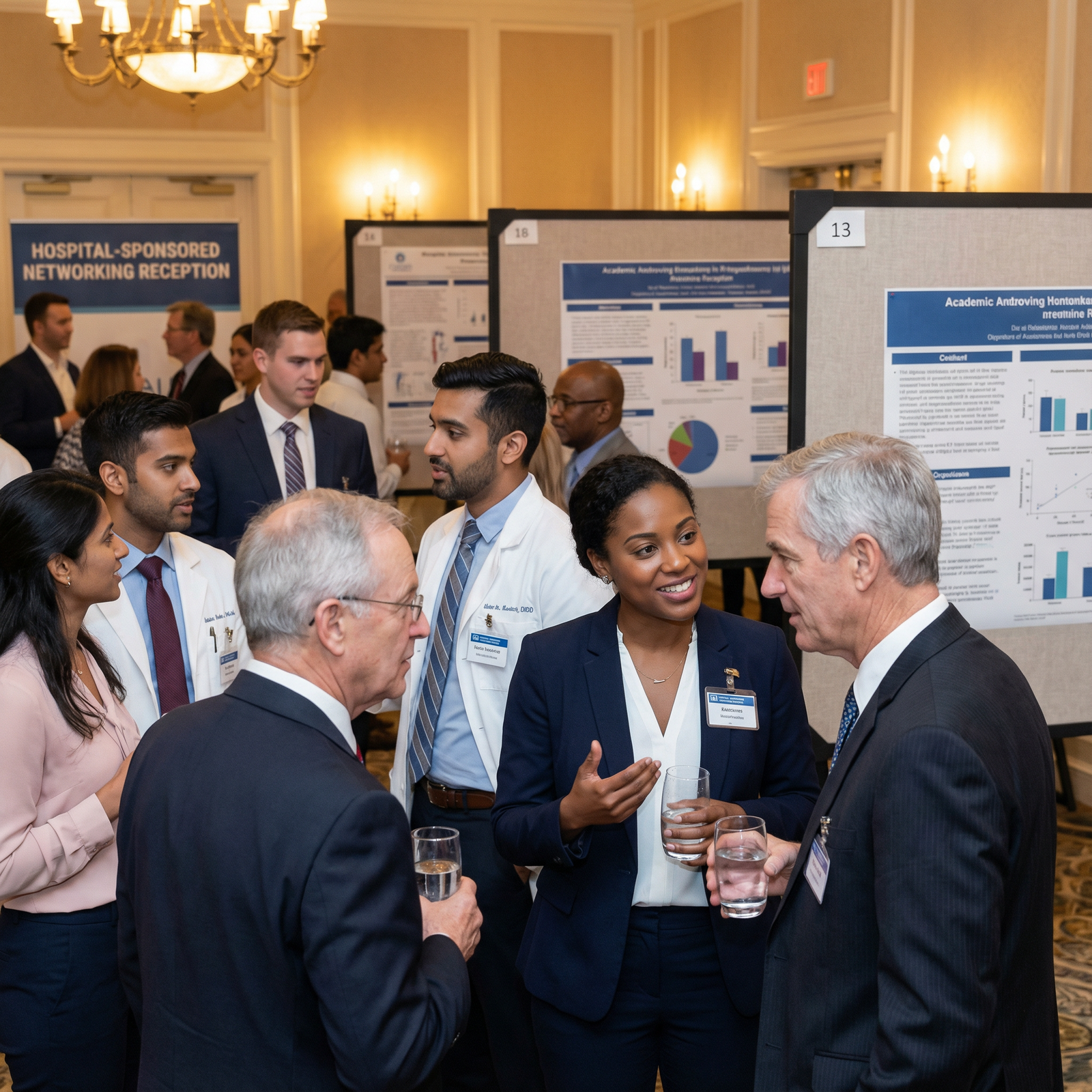
Understanding the Big Picture: Why Timing Matters for DO Pediatric Graduates
For a DO graduate in pediatrics, job search timing is as critical as board prep and fellowship decisions. The final 18–24 months of residency can determine where you practice, your compensation, lifestyle, and long‑term satisfaction. The pediatric job market is generally favorable, but timing mistakes—starting too late, signing too early, or misunderstanding contract timelines—can cost you desirable opportunities.
As a DO graduate, you’ve already navigated the osteopathic residency match (or an ACGME pediatrics residency as a DO). The skills that helped you succeed in the peds match—planning, networking, and self‑assessment—are the same ones that will help you master the attending job search.
This article walks through a month‑by‑month roadmap for your final years of pediatrics residency, with a specific focus on:
- Optimal when to start job search milestones
- How timing differs for general pediatrics vs. subspecialty fellowship
- Special considerations for DO graduates in pediatrics residency
- How the current physician job market for pediatrics affects your decisions
The Modern Physician Job Market for Pediatric DOs
The physician job market for pediatrics has its own patterns distinct from adult specialties. Understanding these trends early will help you decide how aggressively—and how early—to search.
1. General pediatrics vs subspecialties
General pediatrics
- Broad demand across the country, especially in:
- Community hospitals
- Rural and underserved areas
- Growing suburban regions
- Primary care pediatricians often have more job openings than applicants, giving you leverage.
- Many practices and hospital systems hire 6–12 months before start date; some will wait longer for the right candidate.
- Broad demand across the country, especially in:
Pediatric subspecialties (e.g., NICU, PICU, cards, heme/onc)
- Fewer positions, more concentrated in major children’s hospitals or academic centers.
- Subspecialist roles may be posted 12–18 months in advance, especially in competitive cities or academic tracks.
2. Job market factors affecting timing
Key dynamics in the physician job market currently shaping the pediatrics landscape:
- Increased demand for primary care pediatricians in underserved and mid‑sized communities.
- Academic jobs remain more competitive and often hire earlier, using national searches.
- Telehealth and hybrid models are expanding but rarely replace full FTE pediatric positions; they can, however, supplement income or offer flexibility once you are established.
- Value‑based care and productivity metrics (RVUs, quality incentives) are now standard; understanding these takes time, so starting your search earlier gives you room to compare models.
For a DO graduate, the market is generally receptive, especially in community and hospital‑employed roles. Some academic institutions are particularly DO‑friendly and may even value your OMT skills in selected peds populations (e.g., adolescents with musculoskeletal complaints, chronic pain, headaches).

Timeline Roadmap: Month‑by‑Month Guide to the Pediatrics Job Search
Use this as a general framework. Adjust for your own situation (fellowship ambitions, geographic limitations, family needs).
PGY‑1: Laying the Foundation (Too Early to Apply, Not Too Early to Think)
You rarely apply for jobs as an intern, but it’s the right time to start strategic thinking.
Key goals:
- Explore whether you’re leaning toward:
- General pediatrics
- Hospitalist medicine
- NICU/PICU
- Subspecialty fellowship
- Pay attention to what work you enjoy:
- Outpatient continuity vs. inpatient acuity
- Procedures vs. complex care coordination
- Start building your professional brand:
- Update your CV with:
- Medical school honors
- Osteopathic leadership roles
- OMT teaching or presentations, if any
- Update your CV with:
Timing implications:
Your ultimate direction (general peds vs fellowship) will change when your true job search starts:
- General peds: heavy search ~9–12 months before graduation.
- Fellowship: serious attending search ~12–18 months before fellowship ends, not residency.
PGY‑2: Decision Point and Early Positioning
PGY‑2 is the most important year for job search timing decisions in pediatrics residency.
6–18 months into PGY‑2: Clarify your path
By mid‑PGY‑2, you should have a realistic answer to:
- “Do I want to do a pediatrics fellowship?”
- “If not, am I leaning towards outpatient general peds, hospitalist work, or a mix?”
Why this matters for timing:
- If pursuing fellowship:
- Your focus in PGY‑2 is the fellowship application, not attending jobs.
- Job search as an attending will happen during fellowship instead.
- If going straight into practice after residency:
- Start learning about regional job markets now.
- Begin informal networking:
- Attend local/state AAP meetings
- Talk with community pediatricians and hospitalists on your rotations
- Mention casually that you’ll be looking in ~1 year
Early PGY‑3: Quiet Preparation (12–15 Months Before Graduation)
The most common mistake pediatric DO graduates make is waiting until late PGY‑3 to think about their attending job search. You don’t need to start applying everywhere yet, but you should prepare intentionally.
Timing: ~July–October of PGY‑3 (or 12–15 months before graduation)
Action steps:
Clarify your non‑negotiables
- Geography: specific city vs region vs “anywhere”
- Practice environment:
- Academic vs community vs hospital‑employed
- Outpatient clinic vs hospitalist vs mixed
- Patient mix:
- Bread‑and‑butter pediatrics vs complex chronic care
- NICU/PICU exposure or none
- Lifestyle:
- Call frequency, weekend coverage
- Part‑time vs full‑time
- Night shifts or no nights
Update and polish your CV
- Highlight your DO background:
- Any OMT training, pediatric uses of OMT
- Osteopathic leadership roles and community service
- Include:
- Publications, QI projects, EHR optimization work
- Teaching experience (medical students, interns)
- Committee involvement (wellness, DEI, patient safety)
- Highlight your DO background:
Draft a general cover letter template
- One base version that you’ll later personalize for:
- Community groups
- Hospital systems
- Academic departments
- One base version that you’ll later personalize for:
Clean up your professional presence
- LinkedIn: up‑to‑date photo, headline “Pediatrics Resident (DO), PGY‑3 – Seeking General Pediatrics Position for [Year]”
- AAP member profile, if applicable
- Consider a simple professional email separate from your residency account
Why start now?
When the right job posting appears, you’ll be able to respond quickly with a polished CV and letter, instead of losing weeks of time getting organized.
Mid‑PGY‑3: Active Search Phase (9–12 Months Before Graduation)
This is the critical window for most pediatric DO graduates pursuing a general pediatrics residency pathway directly into practice.
Timing: ~October–January of your final year
At this point, you should move from casual to structured job searching.
1. Where to look (and how timing affects each source)
- Hospital systems & children’s hospitals
- Frequently post positions 9–18 months ahead of expected start.
- HR may take several weeks between application and first contact.
- Large pediatric groups / multispecialty groups
- Often know their needs 6–12 months in advance.
- May be flexible on exact start date for the right candidate.
- Smaller private practices
- Sometimes post late or recruit by word of mouth.
- May only realize their need 3–6 months before, so maintain some flexibility for late‑cycle opportunities.
Search systematically using:
- AAP career center
- Hospital system job portals
- Recruiters with pediatrics focus (selectively; don’t rely solely on them)
- Word of mouth: attendings, fellows, alumni from your DO program and residency
2. How many applications?
If you have broad geographic flexibility and general peds interest:
- Apply to 5–10 positions initially, then adjust based on responses.
If you’re geographically restricted (partner’s job, family location):
- Expect to send 10–20 targeted applications, knowing competition may be higher in popular metro areas.
3. Networking as a DO graduate
Your DO background is often an asset—many practices value your holistic philosophy and communication style. Use it in networking:
- Contact DO pediatric attendings in your region.
- Reach out to DO alumni (medical school or residency) practicing pediatrics:
- Ask about their group’s hiring timeline.
- “Would your group consider a new graduate for next summer?”
- Let them know your rough timetable: “I’m aiming to sign a contract by [month] for a [July/August] start.”
Late PGY‑3: Interviews and Negotiations (4–9 Months Before Graduation)
Timing: ~December–May (varies by program length and graduation date)
Once interviews start, timing can accelerate. You may have offers within weeks of first contact.
1. Scheduling interviews without burning out
- Aim to cluster interviews on your lighter rotations.
- Use vacation time strategically if needed.
- Communicate transparently with your program leadership—they usually understand this phase and may help adjust schedules.
2. Typical job offer timelines in pediatrics
- From application to first interview: 2–6 weeks
- From interview to offer: 1–4 weeks
- From offer to contract draft: 1–6 weeks
Because of this, you will likely receive your first real offers 6–9 months before graduation, sometimes earlier for high‑need regions.
3. How fast do you need to respond?
Most employers will give you 1–3 weeks to respond to an initial offer, though some smaller groups may pressure for quicker answers. You can often request:
“I’m very interested in this position. I want to review the contract carefully and compare it with a couple of other opportunities. Could we set a decision date of [two weeks from now]?”
Use this window to:
- Get a physician contract review (ideally by an attorney familiar with medical contracts).
- Compare salary, benefits, call, RVU expectations, and signing bonuses across offers.
- Consider cost of living and loan repayment opportunities (NHSC, state programs).

Balancing “Too Early” vs “Too Late” in the Peds Job Search
The hardest part of timing your attending job search is finding the balance between acting too early and waiting too long.
Risks of starting too late
If you begin earnest applications only 3–4 months before graduation, you may face:
- Limited options in your preferred city or practice type.
- Less room to negotiate compensation or schedule.
- Increased stress during board study and final rotations.
- Risk of a gap between graduation and first paycheck.
This is especially problematic in competitive metro areas and for academic positions, where searches start and close earlier.
Risks of committing too early
On the flip side, signing a contract more than 12 months before starting can be risky:
- Your interests may shift (e.g., discovering a strong preference for hospitalist work after signing for outpatient).
- Family circumstances or partner’s job location could change.
- The practice environment might change (mergers, turnover, new leadership).
Also, in pediatrics, compensation trends are rising slowly in many markets; signing very early could mean locking in a lower salary than if you waited a few months and compared more offers.
A reasonable target window
For a DO graduate in a pediatrics residency going straight into practice:
- Start active searching and applying:
- 9–12 months before graduation.
- Aim to attend most interviews and obtain offers:
- 6–9 months before graduation.
- Target contract signing:
- 4–6 months before graduation.
This window gives you:
- Enough time to compare multiple offers.
- Flexibility to adjust for unexpected opportunities.
- Stability and peace of mind heading into your final months.
Special Situations: Fellowship, Hospitalist Roles, and Regional Constraints
Timing can look different depending on your path.
1. If you are pursuing a pediatrics fellowship
For a DO graduate entering the peds match for fellowship (e.g., NICU, cards, GI):
- Residency → Fellowship → Job means your main attending job search occurs during fellowship, not residency.
- Many subspecialty jobs post 12–18 months before fellowship completion.
Example timeline (3‑year fellowship):
- Fellowship Year 1: Focus on clinical skills, research projects, and mentorship.
- Fellowship Year 2 (early): Clarify academic vs community vs hybrid career goals.
- Fellowship Year 2 (late) to Year 3 (early):
- Begin serious job search and applications (12–18 months before finishing).
- Academic jobs in major centers often close early.
- Fellowship Year 3 (mid): Finalize offers and contracts, similar 4–6 month buffer before finishing.
2. Pediatric hospitalist jobs
Hospitalist positions can have slightly later or more flexible timelines, depending on the system.
- Some children’s hospitals continually recruit and will consider candidates 6–9 months before start.
- Rural or community hospitals may even consider later applicants if their need is acute.
Still, for hospitalist roles, you should begin inquiries 9–12 months before graduation, especially in popular regions.
3. When you’re geographically constrained
If your attending job search is limited to one metro area or a narrow region (partner’s job, family care, immigration constraints):
- Start exploring even earlier:
- Reach out informally 12–18 months before graduation.
- Ask about anticipated retirements, expansions, or turnover.
- Consider a “foot‑in‑the‑door” job:
- Example: Accept a hospitalist or urgent care pediatrics position initially, then transition to your ideal outpatient or academic role within the same system once a slot opens.
- Stay in close contact with local DO and MD pediatricians—they often know about positions before they are publicly posted.
Practical Tips to Maximize Your Timing Advantage
Regardless of the exact calendar date, a few strategies can help you time your job search well and stand out as a DO graduate in pediatrics.
1. Build your “career file” early
Create a digital folder with:
- Updated CV (Word + PDF versions)
- Basic cover letter template
- List of 3–5 references with contact info
- Summary of your key clinical experiences:
- NICU/PICU exposure
- Continuity clinic volume
- QI or leadership roles
- Copies of significant presentations, posters, or publications
This lets you respond quickly when a recruiter or medical director asks for materials.
2. Treat each conversation as both networking and data gathering
When talking to potential employers, mentors, or alumni, ask timing‑related questions:
- “When does your group usually recruit for new pediatricians?”
- “How far in advance do you typically know your hiring needs?”
- “If I’m graduating in [month/year], when would you recommend I reach out more formally?”
Document their responses; patterns will emerge for your target region.
3. Use your DO identity strategically
As an osteopathic graduate in pediatrics:
- Highlight your comfort with:
- Holistic family‑centered care
- Communication and rapport with parents
- Preventive and behavioral health emphasis
- If relevant, describe any OMT‑related experience in peds (e.g., adolescents with back pain, headaches), but align with the practice culture—some will be excited, others neutral.
This can differentiate you from other applicants, especially when timing is tight and employers want a candidate who brings something distinctive.
4. Revisit your plan every 2–3 months
Your preferences can evolve rapidly in PGY‑3. Put a recurring calendar reminder every 2–3 months to evaluate:
- Do my geography preferences still stand?
- Am I more drawn to inpatient, outpatient, or hybrid now?
- Are there changes in my family or financial situation?
If your direction shifts, adjust your job search intensity and timeline rather than staying locked into a plan that no longer fits.
FAQs: Job Search Timing for DO Graduates in Pediatrics
1. When should I start my job search if I’m a DO graduate in a general pediatrics residency and not doing fellowship?
For most DO graduates going straight into general pediatrics practice:
- Start serious research and CV preparation about 12–15 months before residency completion.
- Begin actively applying and reaching out to employers about 9–12 months before graduation.
- Aim to sign a contract around 4–6 months before your start date.
This gives you enough time to compare offers without locking yourself in too early.
2. Does being a DO change when I should start my attending job search?
In most cases, no—the overall timeline is similar for DO and MD graduates in pediatrics. However, your network and target employers may differ slightly:
- Some DO‑friendly hospitals or groups actively seek osteopathic graduates; reach out early to these.
- Academic institutions may have more formal, earlier search cycles, so if you’re pursuing an academic pediatrics role, err toward the earlier side (10–12 months before).
The key difference is how you market yourself, not when you start.
3. What if I don’t have any offers by 3 months before graduation?
You still have options, but you should increase the intensity of your search:
- Expand your geographic range if possible.
- Consider temporary solutions:
- Locums pediatric positions
- Short‑term hospitalist or urgent care contracts
- Re‑engage your network:
- Residency program alumni
- Attendings in nearby community hospitals
- Recruiters with a pediatrics focus
At this stage, staying flexible and proactive is crucial. It is not uncommon for some groups to hire late when needs suddenly arise.
4. How does timing work if I decide late in PGY‑3 that I want a fellowship instead of a job?
If you pivot late to pursuing a pediatrics fellowship:
- You may need to wait for the next fellowship application cycle, depending on the subspecialty.
- In the interim, you can:
- Work as a general pediatrician or hospitalist for 1–2 years.
- Use that time to gain experience, strengthen your CV, and clarify your interests.
- Start that interim job search on a slightly accelerated timeline (even 3–6 months before graduation) and favor employers who understand you are likely fellowship‑bound.
Communicate your goals honestly; some practices are happy to have a high‑quality pediatrician for a few years, even if they know you plan to move on to fellowship.
Timing your job search as a DO graduate in pediatrics is about more than picking a date—it’s about aligning your professional goals, personal life, and the realities of the physician job market. By starting early enough, staying flexible, and using your osteopathic background strategically, you can enter the attending phase of your career with both confidence and clarity.