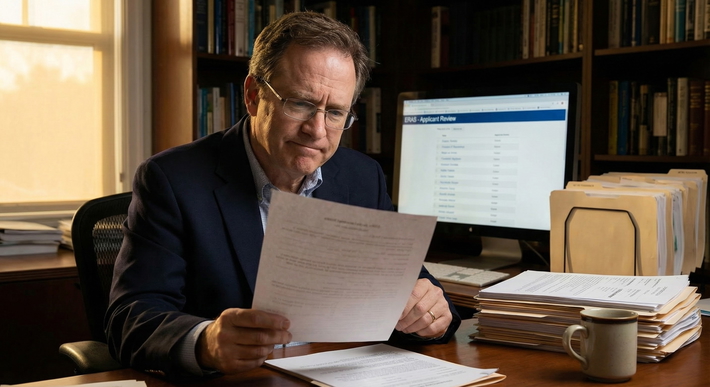
You're sitting there with your rank list notes open, interview impressions scattered across your desk, and one program has separated itself from the pack. Clear favorite. Maybe not by a mile, but enough that you're thinking about a letter of intent.
Then the annoying question shows up: do you send the LOI now, before the second look, or wait until after?
That's not a small timing tweak. It changes how your message lands. Send it before, and you get your name in front of the program while there's still time for movement. Wait until after, and your letter may sound far more real because you can reference the things that actually sealed it for you: the resident vibe, the clinic workflow, the faculty member who spent 15 extra minutes answering your questions, the way the place felt on a normal day instead of interview day theater.
This article answers the practical version of that dilemma. Not the fantasy version where there's a perfect date on the calendar that magically improves your odds. The real version. What data actually exists. What that data probably means. When timing matters. And when people obsess over timing because they don't want to admit the letter itself is weak.
The stakes are straightforward. Visibility. Authenticity. Specificity. And avoiding the two ways applicants blow this: sounding premature or sounding transactional. A good LOI can help. A generic one sent at the "right" time is still generic. That's the part people love to ignore.
What the Data Actually Says About LOI Timing
Here's the blunt truth: there is no giant clean dataset that proves sending an LOI before a second look beats sending one after. No randomized trial. No magical NRMP timing table. Most of what we know comes from program director surveys, applicant surveys, advising patterns, and what people observe year after year during interview season.
That means the evidence is limited. But limited doesn't mean useless.
The pattern is pretty consistent: LOIs matter most when three things are true:
- they're sincere
- they're specific
- they arrive while the program can still do something with them
That last part gets missed all the time. A beautiful LOI sent after a program has effectively finalized its rank discussions is mostly emotional relief for you, not strategy.
The before-vs-after second look question usually comes down to a tradeoff.
Sending before the second look tends to help with:
- earlier visibility
- clear signaling of intent
- getting your message into the file before internal ranking conversations tighten up
Sending after the second look tends to help with:
- richer personalization
- stronger evidence that your interest is real
- a more believable explanation for why they're your top choice
That's why post-second-look LOIs often read stronger. They're usually anchored in actual observations instead of polished vagueness. "I was impressed by your collegial culture" is filler. "Seeing how your senior residents debriefed complicated ICU transfers with interns during the second look made it clear this is the kind of training environment I want" sounds like a human being wrote it. Because one did.
Still, don't get sloppy with interpretation. Correlation isn't causation. The applicants who send strong LOIs after second looks may already be more organized, more certain, and more strategic. The applicants who send earlier may simply have interviewed earlier or know their top choice sooner. Program calendars also vary wildly. One program is still flexible in late January. Another is basically done by then, whether they admit it or not.
So what does the data say? It says there is no universally superior timing. It says timing only helps if the message is credible and lands before the window closes. And it says a strong post-second-look letter often has a quality advantage, but only if waiting doesn't make it irrelevant.
When to Send Before the Second Look
Send before the second look when waiting is likely to cost you influence.
That's the rule.
If the second look is still weeks away, and rank conversations are happening soon, don't sit on your hands just because you want a prettier paragraph later. I've seen applicants wait for the "perfect" follow-up after a second look that happened so late it barely mattered. That's not sophistication. That's procrastination wearing a blazer.
A pre-second-look LOI makes sense when:
- the program is already your clear No. 1
- you have real reasons from interview day to support that
- the second look timing is late enough to create risk
- the program accepts updates and hasn't signaled that communication should be minimal
This approach works especially well if your interview gave you enough concrete material already. Maybe you had a memorable conversation with the program director about mentorship structure. Maybe the residents were unusually candid and welcoming. Maybe the curriculum, patient population, or geographic fit was obviously right for you. If you already know, you already know.
The risk is obvious. Too early, and the letter feels generic or overeager. Worse, if you send a grand declaration before you've actually gathered enough specifics, it can read like you're gaming the process. Programs can smell template energy from a mile away.
Keep the letter tight. Don't write an essay. State clearly that the program is your top choice, mention one or two concrete reasons, and stop. Don't make promises you can't support yet. Don't say the second look "will confirm" anything unless you genuinely mean it. And don't add fake intensity. It never helps.
A clean pre-second-look structure looks like this:
- thank them briefly for the interview
- state that they are your top choice
- give one or two specific reasons already known to you
- if relevant, mention that you're looking forward to learning more at the second look
- close professionally
When to Send After the Second Look
If the second look is going to give you real substance, waiting is often the better play.
Not because it's more polite. Because it produces a better letter.
Second looks can hand you exactly what most LOIs are missing: proof. Proof that your interest held up outside the interview bubble. Proof that you paid attention. Proof that this isn't just the place you liked best on Zoom or over catered lunch.
A post-second-look LOI is strongest when the visit sharpens your reasons in a concrete way. Think:
- culture that actually felt supportive rather than performative
- resident interactions that seemed honest and relaxed
- mentorship opportunities that fit your career goals
- a training style that matches how you learn
- location or family fit that became clearer after visiting again
That's why these letters often hit harder. They sound grounded. They don't sound like a top-choice template with the program name swapped in.
Here's what I've seen work: the applicant goes to the second look unsure whether the place is merely excellent or truly the best fit. Then something clicks. Maybe it's seeing how residents talk when faculty leave the room. Maybe it's noticing the schedule flexibility actually exists. Maybe it's hearing how graduates land fellowships without burning themselves out in the process. Suddenly the LOI writes itself because the reasons are real.
That said, don't wait forever. This is where people get cute and lose the plot. If the program's rank discussions are underway, or if they've explicitly said no more updates after a certain date, your beautifully specific letter may arrive after the useful period has passed. A strong message delivered too late is still late.
So if you're waiting until after the second look, plan the timing before you go. Draft the skeleton in advance. Leave blanks for the details you'll add after the visit. Then send it quickly, usually within a day or two, not a week and a half later after you've rewritten the opening 14 times.

A practical post-second-look structure:
- brief thank-you for the visit
- direct statement that the program is your top choice, if true
- one sentence on what the second look clarified
- two or three specifics from the visit
- short closing that's appreciative, confident, and not needy
That middle sentence matters. Something like: "After returning for second look and spending more time with the residents and faculty, I'm even more certain that your program is my top choice."
Simple. Credible. No melodrama.
How to Choose the Best Timing in Your Situation
If you want the simple framework, here it is:
Send earlier if the program needs to know soon. Send later if the second look will make the letter much better and you still have time.
That's it. Most applicants don't need a more complicated rule.
Now apply it to your actual situation.
Choose before the second look if:
- your top choice is already clear
- your interview gave you enough specifics
- the second look is late
- the program may be entering rank discussions soon
Choose after the second look if:
- you still need confirming details
- the visit will likely improve authenticity
- you can still send before update windows close
- the program hasn't discouraged post-visit communication
Also, respect logistics. If the program, your school, or specialty culture has stated preferences about updates, follow them. Don't assume your personal strategy should override explicit guidance. That's dumb. Programs notice applicants who can't read the room.
And one more thing: don't over-communicate. One strong LOI beats three anxious emails every single time. I've seen applicants send a "top choice" email, then a second look thank-you, then a "just reaffirming my interest" note, then another update. That doesn't look enthusiastic. It looks panicked.

Your timing should come from strategy, not nerves. You are not trying to outsmart the Match with a timestamp. You are trying to deliver a credible message at the moment it can still matter.
Final Take: The Best LOI Timing Is the One That Maximizes Specificity Without Missing the Window
Here's the answer I'd give you if we were talking one-on-one: if you can write a specific, honest, program-tailored LOI right now and waiting creates timing risk, send it before the second look. Don't overthink it.
If the second look is likely to give you the missing details that make the letter clearly stronger, and you still have enough runway before rank decisions harden, wait and send it after. That version is often better.
But don't turn this into a superstition. There is no magic date. The letter matters more than the micro-timing. A sincere, concise, specific LOI beats a perfectly timed bland one every day of the week.
Your next step is simple:
- check the program's communication preferences
- map the second look against likely ranking timing
- draft a pre-visit version now
- draft a post-visit version shell now
- send the one that best matches your actual level of certainty and specificity
That's the whole game. Not perfect timing. Good judgment before the window closes.