Why Letters of Recommendation Matter So Much for Pathology
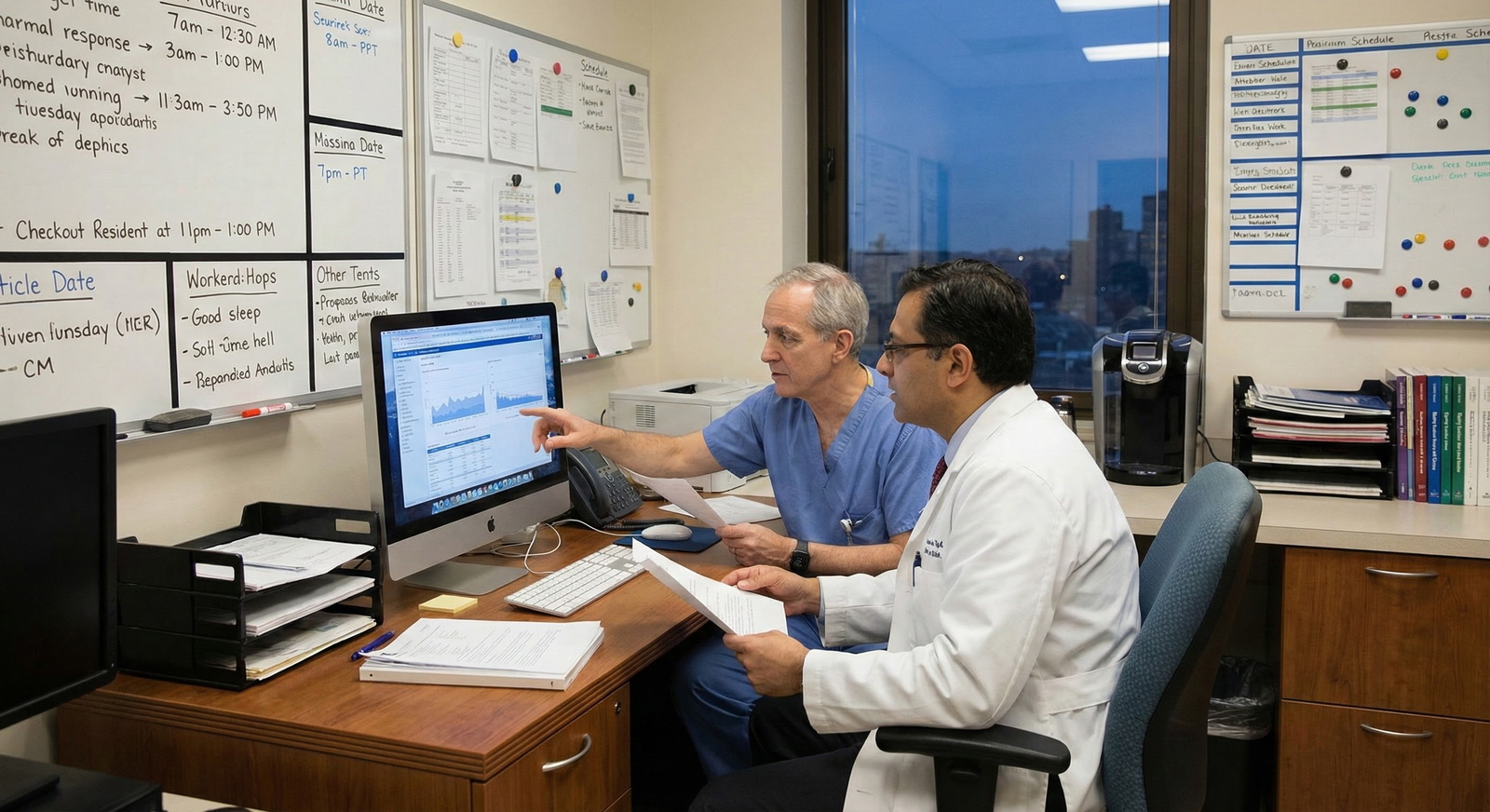
As an MD graduate applying to pathology residency, your letters of recommendation (LORs) are one of the most powerful parts of your application—sometimes more informative than your personal statement. Program directors in pathology rely heavily on residency letters of recommendation to understand:
- How you think about disease and diagnostics
- Your work ethic and reliability in the lab and on rotations
- Your attention to detail and professionalism
- Your potential as a future pathologist, colleague, and academic (if applicable)
Unlike some other specialties, pathology places strong emphasis on cognitive skills, pattern recognition, written and verbal communication, and teamwork with clinicians and laboratory staff. A strong LOR that speaks specifically to these domains can significantly strengthen your allopathic medical school match prospects and improve your odds in the pathology match.
In pathology, vague “he/she was a pleasure to work with” letters rarely move the needle. What matters are concrete, specific examples of how you performed on pathology electives, autopsy or surgical pathology rotations, research projects, or interdisciplinary teams.
This article breaks down exactly how to get strong LORs as an MD graduate targeting pathology residency, who to ask for letters, when and how to ask, what your letters should say, and strategies if your pathology exposure has been limited.
How Many Letters Do You Need and What Type?
Most pathology residency programs in the NRMP allopathic medical school match require 3 letters of recommendation, with some allowing up to 4. Always check individual program requirements, but the following pattern works well for most MD graduate residency applicants in pathology:
- 2 letters from pathology faculty
- 1 letter from a clinical (non-pathology) faculty member or research mentor
- Optional: 1 additional letter if it is truly outstanding and adds something unique (e.g., major research mentor, department chair, or key longitudinal mentor)
Why pathology-specific letters are critical
For pathology residency, at least one—and preferably two—letters from pathologists are extremely valuable because they can:
- Comment on your performance in actual pathology settings (sign-out room, frozen section, gross room, autopsy, lab meetings)
- Speak directly to your diagnostic reasoning and attention to microscopic and macroscopic details
- Evaluate how you handle complex pathology cases and your ability to integrate clinical information
- Provide credible insight into your “fit” for the specialty
Program directors understand that not all MD graduates have an extensive pathology track record. However, if you’re committed to pathology as your specialty, and you have no letters from pathologists, they may wonder how thoroughly you explored the field.
Recommended letter composition for pathology applicants
A strong, typical combination for an MD graduate in the pathology match:
Pathology Letter #1 – Core Clinical Pathology Experience
- From: A pathologist who directly supervised you on a core pathology elective, sub-internship, or required rotation (surgical pathology, autopsy, CP, or combined).
- Focus: Day-to-day clinical performance, diagnostic thinking, professionalism, communication.
Pathology Letter #2 – Advanced/Focused Pathology or Research
- From: A pathologist who knows you through an advanced elective, research project, or longitudinal mentorship.
- Focus: Higher-level skills, academic potential, dedication to the field, and growth over time.
Non-Pathology Clinical Letter
- From: A clinician in another specialty (e.g., Internal Medicine, Surgery, Pediatrics, Hematology-Oncology) who can attest to your clinical reasoning, teamwork, and reliability.
- Focus: How you function with patients and clinical teams, because pathologists are consultants to these clinicians.
Optional 4th Letter (only if it adds real value)
- From: Department chair, research PI, or long-term mentor with deep knowledge of your work.
- Use this when the writer can offer detailed, strongly positive, and unique insights, not just restate what others say.
Who to Ask for Letters: Building the Right LOR Team
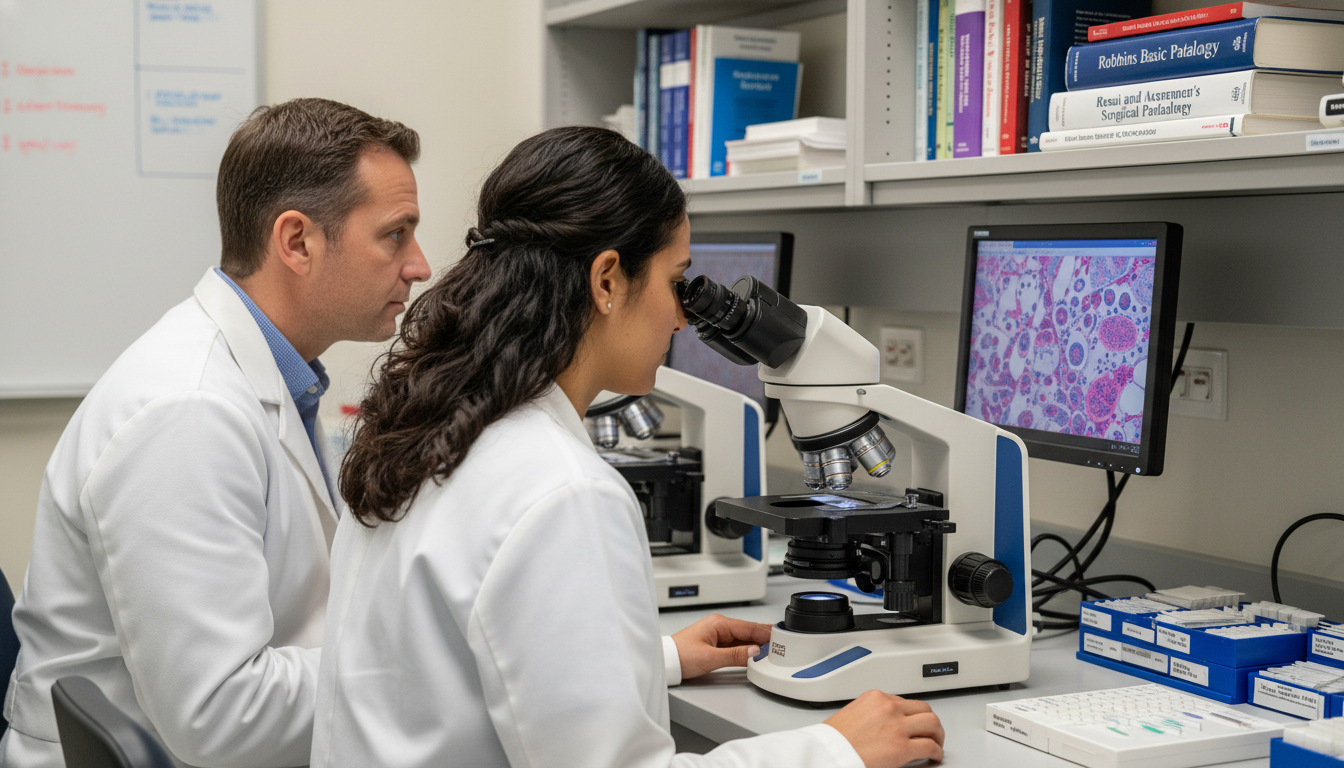
A key part of how to get strong LORs is choosing the right authors. “Who to ask for letters” is as important as “what they say.”
Ideal characteristics of a strong letter writer
Your best LOR writers are those who:
- Know you well and have seen your work closely
- Hold a position of academic credibility (e.g., attending physician, faculty with academic rank, program director, department chair)
- Can provide specific examples, not just general praise
- Genuinely like your work and are likely to be enthusiastic advocates
- Understand what pathology residencies value, especially for MD graduate residency applicants
Priority order for pathology applicants
When choosing writers for pathology residency:
Pathology Attendings Who Supervised You Directly
- Electives in surgical pathology, autopsy, hematopathology, cytopathology, molecular, transfusion medicine, microbiology, etc.
- Best if they saw you:
- Review slides or gross specimens
- Present cases or write reports
- Interact with clinicians about pathology results
Pathology Research Mentors (MD or MD/PhD, ideally)
- Can speak to your:
- Analytical thinking
- Scientific curiosity
- Persistence and work ethic
- Contributions to manuscripts, presentations, or posters
- Particularly valuable if you’re interested in an academic pathology career.
- Can speak to your:
Non-Pathology Clinical Faculty
- Internal Medicine, Family Medicine, Surgery, OB/GYN, Pediatrics, or subspecialties.
- Ideal if they can comment on:
- How you integrate clinical information
- How you think through differential diagnoses
- Communication and teamwork skills in a clinical setting
Program or Clerkship Directors
- Strong if they know you personally, not just from grades.
- Useful when they have seen your growth over time or across multiple rotations.
Department Chair Letters
- Helpful when the chair knows you directly or has carefully reviewed faculty impressions, your work, and CV.
- Can provide “big picture” advocacy and institutional endorsement.
Who is less ideal (but sometimes necessary)
- Residents or fellows alone (unless co-signing with an attending)
- Faculty who barely remember you, even if “big names”
- Non-physician supervisors (unless it’s a research PI with a strong academic record)
If a world-famous pathologist barely interacted with you, their generic letter will likely be weaker than a detailed, passionate letter from a mid-career attending who worked closely with you.
Special situations: international rotations or multiple institutions
If you did pathology rotations or observerships at outside institutions:
- These letters can help demonstrate broader exposure and adaptability.
- Programs may value LORs from US academic pathologists especially if you’re an international MD graduate or you trained in a less well-known allopathic medical school.
- Ensure these external supervisors had enough time to actually see your performance.
How to Get Strong LORs: Step-by-Step Process
Understanding how to get strong LORs is not just about being a good rotator; it’s also about planning ahead and managing the process professionally.
1. Start early: Identify potential writers during your rotations
During each pathology or key clinical rotation, ask yourself:
- Does this attending see me regularly?
- Have I had meaningful interactions (case discussions, sign-out, feedback meetings)?
- Have I actively sought feedback and improved based on it?
If yes, treat that attending as a potential letter writer from day one:
- Show up prepared and on time.
- Ask thoughtful questions.
- Volunteer to write case summaries, mini-presentations, or literature reviews.
- Demonstrate increasing independence and maturity.
2. Ask explicitly and professionally
Ask your potential writer in person when possible (or via a personal email if in-person is not possible). Use clear, direct wording:
“Dr. X, I really enjoyed working with you on the surgical pathology service. I’m applying to pathology residency this cycle and was wondering if you would feel comfortable writing a strong letter of recommendation in support of my application.”
Using the word “strong” gives them a chance to decline gracefully if they have reservations, which protects you from lukewarm letters.
If they hesitate or respond vaguely (“I can write a letter”), you can follow up with:
“I really appreciate it. I want to ensure my letters are as supportive as possible. Do you feel you know me and my work well enough to write a very positive letter?”
If they seem uncertain, consider asking someone else.
3. Provide helpful materials to your letter writers
To help them write a detailed, supportive letter, provide:
- Updated CV
- USMLE/COMLEX scores (if comfortable; helpful, especially if strong)
- Personal statement draft (even preliminary, to highlight your narrative)
- Brief summary of work with them:
- Rotation dates
- Types of cases or projects
- Any presentations or call responsibilities
- Specific skills you’d like highlighted (e.g., diagnostic reasoning, meticulousness, communication)
- List of programs you’re targeting (or at least the types of programs—academic vs. community, research-oriented, etc.)
You can say:
“To make things easier, I’ve attached my CV, a draft of my personal statement, and a one-page summary of the work I did during our rotation, including a few cases I found particularly meaningful. Please feel free to mention or ignore any of these as you see fit.”
This is not “writing your own letter”—it’s giving them context so they can remember your strengths and specific examples.
4. Clarify logistics and deadlines
- Let them know when ERAS opens for letter uploads and your target submission date (usually early–mid September).
- If you are an MD graduate taking a research or gap year, remind them well in advance of the application cycle.
- Provide clear instructions on how to upload letters via ERAS (or your institution’s system). Most attendings know this, but some appreciate a reminder.
5. Follow up (without being a nuisance)
A reasonable follow-up schedule:
- 1 month before your target date:
- Friendly reminder with your materials attached again.
- 2 weeks before the target date:
- Quick, appreciative reminder asking if they need anything else from you.
- After they upload the letter:
- Thank-you email, ideally with a brief update about your application progress later in the season.
Professional follow-up shows maturity and organizational skills—qualities also reflected in your pathology match readiness.

What Makes a Pathology Letter Strong? Content and Examples
Understanding what programs want to see in a pathology residency letter will help you choose the right writers and guide what you provide them.
Core qualities programs look for in pathology applicants
Strong pathology LORs address these domains:
- Diagnostic reasoning and analytic thinking
- Attention to detail and accuracy
- Curiosity about pathology and disease mechanisms
- Communication skills (written reports, oral presentations, interdisciplinary discussions)
- Work ethic, reliability, and professionalism
- Teamwork and collaboration in the lab and with clinicians
- Adaptability and teachability (responsiveness to feedback)
- Potential for growth in pathology (for academic or community settings)
Sample content: What a powerful pathology letter says
Here is the kind of language and detail that makes a difference (paraphrased examples, not to be copied):
Specific behavior and performance
- “During a four-week surgical pathology rotation, Dr. Smith reviewed over 150 cases with me at the multi-headed microscope. They consistently prepared by reading the relevant clinical history and pathology literature before sign-out.”
- “On multiple occasions, Dr. Smith independently formulated accurate differential diagnoses for challenging GI biopsies and could articulate the histologic features supporting their reasoning.”
Evidence of growth and potential
- “On their first week, Dr. Smith required significant guidance in formulating differential diagnoses. By the end of the rotation, they were proposing thoughtful differentials and suggesting additional stains that could narrow the diagnosis.”
Professionalism and communication
- “Dr. Smith was consistently punctual, stayed late voluntarily to complete grossing, and communicated clearly with technologists and residents. They were respectful and receptive to feedback, revising their reports promptly and accurately.”
Fit for pathology
- “In my opinion, Dr. Smith is an excellent fit for pathology residency. They demonstrate the intellectual curiosity, meticulousness, and collaborative spirit that we value in our residents.”
- “I would welcome Dr. Smith as a resident in our own program without hesitation.”
Red flags or weak spots in letters
Common problems that can quietly hurt your application:
- Generic, non-specific praise: “Hardworking and pleasant to work with” without concrete examples.
- Backhanded compliments: “With additional maturity and guidance, I believe they could become a competent pathologist.”
- Comparing you unfavorably: “Not the top of the class, but capable.”
- Comments about serious professionalism issues or unreliability.
You cannot control everything a writer says, but by carefully choosing enthusiastic advocates who know your work well, you minimize risk.
Special Scenarios and Common Challenges
If you discovered pathology late (minimal pathology exposure)
If you decided on pathology late in medical school and have limited pathology rotations:
- Prioritize at least one high-quality pathology elective (even if brief) before submitting your application.
- Ask for a letter from an attending who supervises you closely, even if the time is short—explain your situation and show enthusiastic engagement.
- Use your other letters (e.g., Internal Medicine, Surgery) to show strong clinical reasoning and interest in disease processes.
- Address your late discovery of pathology thoughtfully in your personal statement.
Programs understand late switches, especially if your narrative is coherent and your letters are strong.
If you’re an MD graduate with a gap year or research year
During a research or gap year:
- Cultivate a strong relationship with at least one pathology-based research mentor.
- Ask for a letter that highlights your research methods, writing, data analysis, and reliability.
- Keep at least one clinical/pathology attending letter from your MD training, even if older, to show clinical performance.
If some letters are more than one year old:
- Ask the writer if they can update the letter to reflect your more recent activities.
If your Step scores or grades are not strong
Strong letters cannot erase major score deficiencies, but they can:
- Provide context for performance (e.g., personal challenges, health issues) without making excuses.
- Emphasize improvement over time.
- Highlight qualities like work ethic, resilience, and strong clinical or pathology performance despite earlier academic challenges.
Be sure that at least one writer explicitly addresses your capabilities to succeed in residency despite any concerns.
If you are applying after prior specialty training or a previous match
If you previously matched into another specialty or completed postgraduate training elsewhere:
- Seek letters from current or recent supervisors explaining your performance and professionalism.
- A strong letter supporting your switch to pathology can show that this is a deliberate, thoughtful career move—not a fallback.
Practical Timeline for Pathology Letters of Recommendation
To stay organized in the pathology match process, map out your letter strategy:
6–12 months before applying (MS3 or early MS4):
- Schedule at least one core pathology rotation and one advanced or subspecialty elective if possible.
- Identify potential letter writers and start building relationships.
3–6 months before ERAS opens:
- Confirm your intended letter writers.
- Begin drafting your CV and personal statement.
- Ask for letters explicitly (using “strong” language).
1–3 months before ERAS submission:
- Send writers your finalized CV, statement, and a summary of your work.
- Gently remind them of deadlines and upload instructions.
2–4 weeks before your target submission date:
- Check ERAS for uploaded letters.
- Send professional reminders as needed.
During interview season:
- Update your letter writers with good news (interview offers, successful matches later).
- They may continue to advocate for you informally through professional networks.
FAQs: Pathology Residency Letters of Recommendation
1. Do I absolutely need letters from pathologists for a pathology residency application?
Ideally yes—at least one, preferably two. Pathology letters show programs that you have seen the specialty up close and that experts in the field believe you will succeed in pathology. If your home institution lacks pathology opportunities, try to arrange an away elective, observership, or research project with a pathology department.
2. Is a letter from a department chair better than one from an attending who knows me well?
A brief, generic chair letter is usually less valuable than a detailed letter from an attending who worked closely with you. The best-case scenario is a chair letter that is truly personalized and based on direct knowledge or thorough faculty feedback. Don’t chase titles at the expense of depth.
3. Can I see or edit my letters of recommendation?
In the US allopathic medical school match, you are expected to waive your right to see letters. Programs view waived letters as more credible. You should never write your own letter or edit it; instead, provide your writer with strong supporting materials (CV, personal statement, summary of your work) so they can craft it themselves.
4. How many letters should I assign to each program?
Most pathology programs accept 3–4 letters. A common strategy:
- 2 strong pathology letters
- 1 strong clinical or research letter
- Optional 4th letter only if it adds distinct value
Assign your three strongest letters first, using a fourth only if it clearly strengthens your application rather than adding noise.
By understanding how residency letters of recommendation work in pathology, choosing writers thoughtfully, and managing the process professionally, you can significantly enhance your chances of a successful pathology match as an MD graduate. Your letters are not just formalities—they are narrative evidence that you are ready to become a pathologist.