Introduction: How Mobile Health Apps Reshaped Patient Engagement
Over just two decades, Mobile Health Apps have moved from simple step counters to powerful clinical tools embedded in everyday practice. For today’s residents and early-career physicians, these apps are no longer peripheral gadgets—they are integral components of care delivery, Telehealth workflows, and Chronic Disease Management programs.
For patients, mHealth apps represent access, autonomy, and continuous support. For clinicians, they offer new ways to engage, monitor, and intervene between visits. Understanding this evolution is increasingly important in the post-residency job market, where comfort with Health Technology and digital care models is rapidly becoming a differentiating skill.
This article traces the evolution of mobile health apps, examines how they are transforming patient engagement, and outlines practical implications for clinicians building their careers in a tech-enabled healthcare ecosystem.
What Are Mobile Health Apps? Scope, Types, and Clinical Relevance
Definition and Scope of Mobile Health Apps
Mobile health (mHealth) apps are software applications on smartphones, tablets, or wearable devices that provide health-related services and functionality. They cover a broad spectrum:
- Wellness and lifestyle: fitness trackers, nutrition and weight management, sleep tracking
- Condition-specific tools: diabetes, hypertension, asthma, depression, pregnancy
- Clinical support tools: Telehealth platforms, electronic symptom diaries, remote monitoring dashboards
- Medication and treatment support: pill reminders, injection trackers, dosing calculators (where permitted)
- Administrative and access tools: appointment scheduling, e-check-in, secure messaging, insurance and billing interfaces
The importance of these apps has exploded as smartphone penetration has increased worldwide and health systems have shifted toward value-based care and continuous Patient Engagement.
Market Growth and Technology Adoption
The mobile health market has grown from a niche area dominated by a few fitness apps to a multibillion-dollar global industry:
- Tens of thousands of health-related apps are now available across major app stores.
- The global Mobile Health Apps market is projected to reach hundreds of billions of dollars in value within the next few years.
- Wearables (e.g., Apple Watch, Fitbit, Garmin, continuous glucose monitors) and connected devices (e.g., Bluetooth BP cuffs, pulse oximeters) have become common in both consumer and clinical settings.
For clinicians, especially those entering the job market, this means:
- Many patients arrive already using one or more health apps.
- Employers increasingly seek clinicians comfortable integrating patient-generated data into care.
- Understanding the capabilities and limitations of these apps is becoming part of core clinical competency in modern practice.
The Evolution of Mobile Health Apps: A Timeline
1. Early Era (2000–2010): Basic Tracking and Self-Monitoring
The earliest phase of Mobile Health Apps focused on simple health tracking and wellness:
- Calorie trackers: Apps that allowed users to log food intake and estimate calories.
- Exercise trackers: RunKeeper and similar apps used GPS to track distance, pace, and time.
- Simple period trackers and mood logs: Early attempts at personal health diaries.
Key characteristics of this era:
- User-driven data entry: Almost all information was manually entered.
- Limited integration: No connection to EHRs, clinicians, or other systems.
- Minimal medical oversight: Primarily consumer wellness tools, not clinical devices.
Yet, even these simple apps began to change behavior and expectations:
- Patients became more accustomed to tracking metrics like steps, calories, and weight.
- Individuals started taking a proactive role in health, foreshadowing the patient empowerment trend.
- Clinicians began hearing “My app says…” during office visits, hinting at a coming shift in patient-provider dynamics.
2. 2010–2015: Interactive Features and Growing Patient Engagement
The next phase introduced interactive features that moved beyond raw tracking to basic clinical support.
Medication Adherence and Reminders
Apps such as Medisafe made it easier for patients to:
- Set dose reminders
- Log taken or missed doses
- Share adherence reports with caregivers or clinicians
These tools were particularly impactful for:
- Polypharmacy in older adults
- Transplant recipients
- HIV, TB, and other conditions with strict regimens
Symptom Checkers and Triage Tools
Platforms like WebMD and similar services launched mobile versions of their symptom checkers, allowing users to:
- Enter symptoms
- Receive educational information, possible causes, and recommendations on whether to seek care
- Learn about basic self-care strategies
While not replacements for professional medical evaluations, they:
- Increased health literacy
- Encouraged earlier care-seeking in some cases
- Helped reduce unnecessary urgent care visits in others
Emergence of Basic Telehealth Functionality
During this period, some apps also began adding:
- Secure messaging
- Photo uploads (e.g., dermatologic lesions)
- Limited video visit capabilities
These innovations marked a shift from passive monitoring to active Patient Engagement, where patients could act on the data they collected and connect digitally with their care teams.
3. 2015–2020: Wearable Integration and Continuous Data Streams
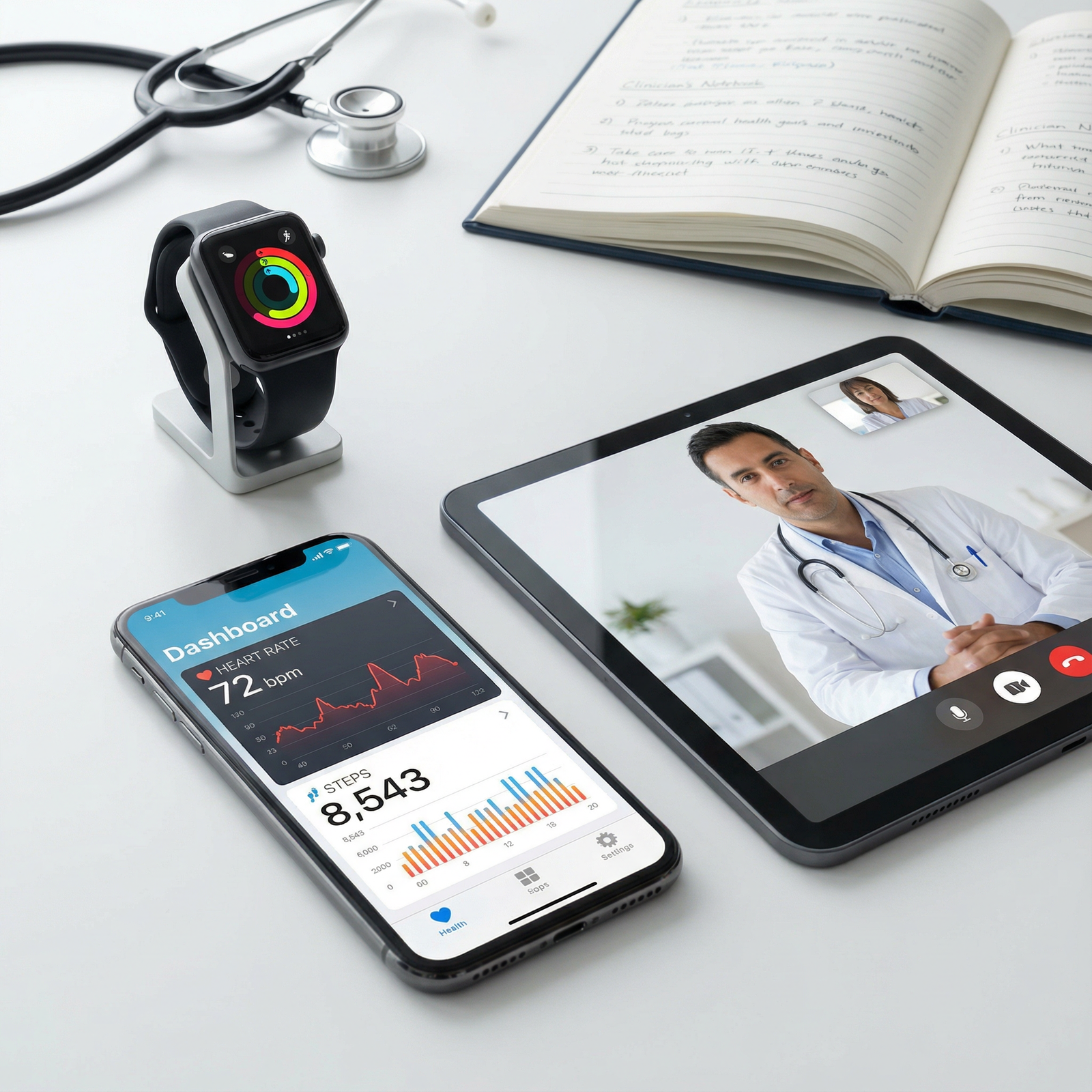
The integration of Mobile Health Apps with wearable technology significantly advanced both the volume and quality of health data available outside the clinic.
Wearables Enter the Mainstream
Devices such as:
- Fitbit, Garmin: Activity, sleep, basic heart rate
- Apple Watch: Advanced features like ECG, arrhythmia detection alerts, fall detection
- Connected blood pressure cuffs, scales, and thermometers: Home-based vitals monitoring
Apps began to integrate real-time data from these devices, enabling:
- Continuous tracking of steps, heart rate, and sleep
- Automated detection of patterns and trends
- Alerts or nudges when activity or metrics were off-target
Clinical Benefits for Patient Engagement
- Real-Time Data Sharing: Select platforms allowed patients to share data with clinicians or care managers, supporting:
- Post-discharge monitoring
- Lifestyle coaching for obesity, diabetes, cardiac rehab
- Early detection of deterioration in chronic conditions
- Personalization at Scale: With richer longitudinal data, apps could:
- Adjust goals based on baseline performance
- Send tailored reminders and motivational messages
- Provide personalized feedback on progress and risks
For residents and early-career clinicians, this era introduced the challenge of interpreting patient-generated data in a meaningful way—deciding what is clinically significant vs. noise.
4. 2020–Present: Telehealth Revolution and Chronic Disease Management
The COVID-19 pandemic dramatically accelerated the adoption of Telehealth and Health Technology. Mobile Health Apps moved from “nice to have” to “mission critical.”
Telehealth Becomes Core Care Delivery
Apps like Teladoc, Doctor on Demand, and health system–specific portals (e.g., MyChart, MyHealth) gained prominence with features such as:
- On-demand or scheduled video visits
- E-prescribing
- Secure messaging and document exchange
- Integrated vitals from connected home devices
This shift enabled:
- Continuity of care during lockdowns
- Expanded access for rural, mobility-impaired, or busy patients
- More flexible, hybrid care models that combine in-person and digital touchpoints
For clinicians, mastering Telehealth etiquette, remote physical exam techniques, and digital documentation rapidly became mandatory skills.
Chronic Disease Management: From Episodic Care to Continuous Support
Mobile Health Apps have become central to Chronic Disease Management strategies:
- Diabetes:
- Apps that sync with continuous glucose monitors (CGMs)
- Automated insulin dosing calculators (within regulatory constraints)
- Diet logs and carbohydrate counting tools
- Hypertension and Heart Failure:
- Home blood pressure and weight logging
- Symptom diaries (dyspnea, edema, chest pain)
- Alerts to care teams for parameter thresholds
- Pulmonary Disease (COPD, asthma):
- Symptom and inhaler use tracking
- Peak flow or spirometry integration (where available)
- Environmental trigger alerts (pollen, pollution)
These tools support:
- Earlier detection of decompensation (e.g., weight gain in HF, hyperglycemia)
- Data-driven titration of medications
- Shared decision-making using visual trends patients can understand
Health systems are increasingly using these platforms in remote patient monitoring (RPM) programs, often with reimbursement under newer billing codes—critical context for job-seeking clinicians evaluating employer capabilities and expectations.
5. Looking Ahead (2030 and Beyond): AI, Predictive Analytics, and Secure Data Sharing
The next phase of Mobile Health Apps will be shaped by Artificial Intelligence (AI), advanced analytics, and more robust data governance.
AI-Driven Health Assistants and Decision Support
Emerging and future capabilities include:
- AI chatbots and virtual care navigators:
- Symptom triage with structured questioning
- Pre-visit data collection to streamline clinician encounters
- Education tailored to health literacy level and language
- Predictive analytics:
- Algorithms that identify rising-risk patients (e.g., impending HF exacerbation)
- Personalized forecasts (e.g., HbA1c trends based on adherence and logs)
- Behavior predictions to optimize timing and content of nudges
As a clinician, you will likely:
- Interact with AI-generated summaries and suggestions integrated into your Telehealth and EHR workflows.
- Need to interpret AI output critically—recognizing biases, limitations, and appropriate use.
Blockchain and Next-Generation Data Security
To address ongoing privacy and security concerns:
Blockchain-based systems may facilitate:
- More secure, auditable data exchange
- Patient-controlled data access permissions
- Trusted sharing across different health systems and app ecosystems
Enhanced encryption and privacy-by-design features will become key differentiators among platforms, especially as regulatory expectations increase.
Understanding these developments will help you advise patients, evaluate vendor claims, and navigate the evolving medico-legal landscape of digital care.
How Mobile Health Apps Transform Patient Engagement
1. Empowerment Through Self-Management and Data Visibility
Mobile Health Apps give patients direct access to their own health data and tools to act on it:
- Dashboards showing blood glucose, blood pressure, weight, mood, or physical activity over time
- Educational content embedded within apps, contextualized to the patient’s condition
- Goal setting and tracking for lifestyle changes and medication adherence
This supports:
- Greater sense of control and ownership over health
- Improved disease understanding and health literacy
- More meaningful, data-informed conversations during visits
As a clinician, you can leverage this by:
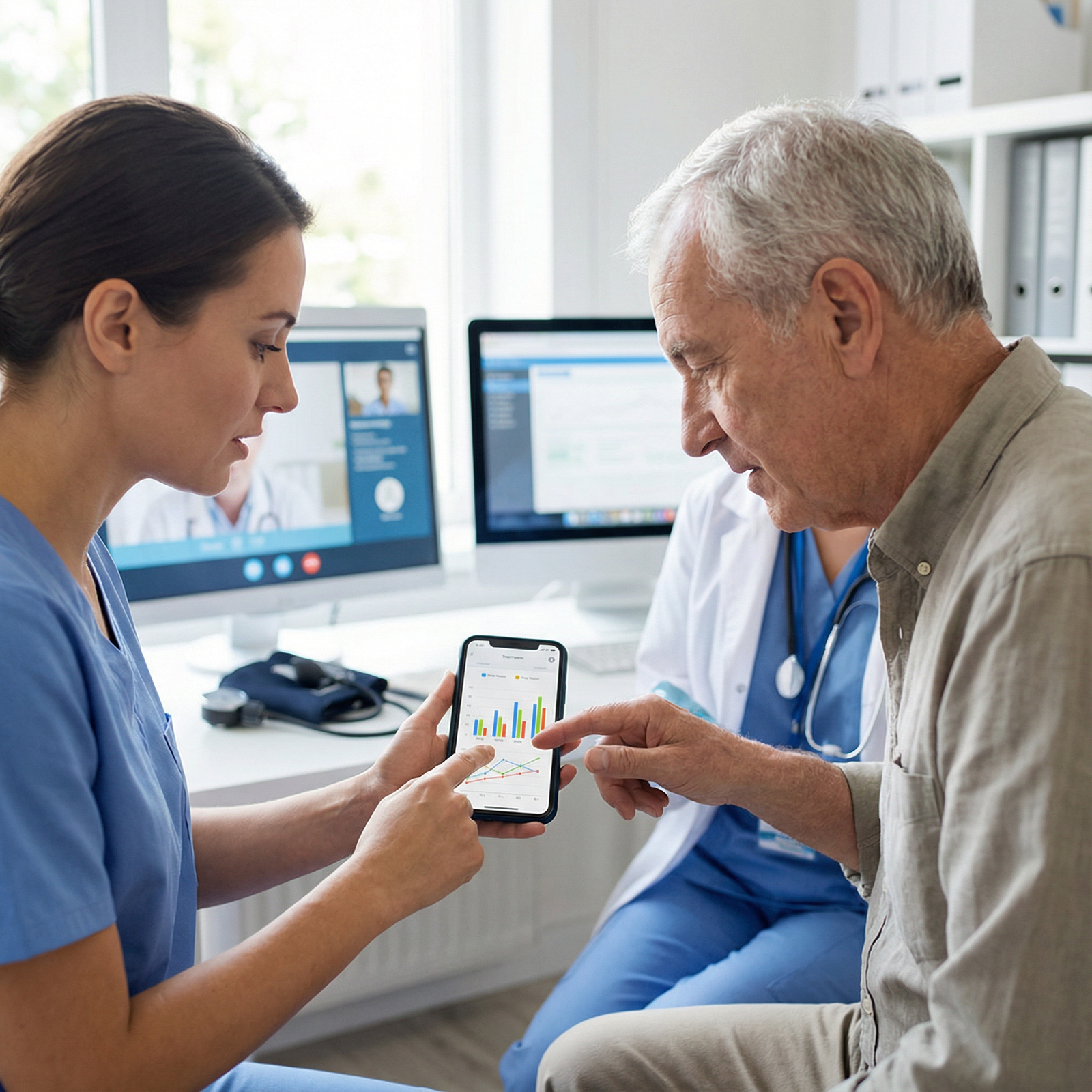
- Reviewing patient app data together during visits
- Co-creating goals using metrics the patient already tracks
- Reinforcing app usage as part of the treatment plan (“Check your BP daily and send me a summary before our follow-up.”)
2. Improved Communication, Access, and Continuity of Care
Integrating Telehealth capabilities into Mobile Health Apps has radically expanded communication channels:
- Patients can:
- Message care teams between visits
- Participate in video visits from home or work
- Upload photos or logs when symptoms change
- Clinicians can:
- Clarify instructions without an in-person visit
- Monitor post-procedure recovery remotely
- Provide timely interventions when concerning trends arise
For underserved or high-need populations, this can reduce:
- Transportation barriers
- Time off work required for appointments
- Delays in evaluation for new or worsening symptoms
For post-residency job seekers, demonstrating comfort with these tools—e.g., how you incorporate messaging and virtual visits into panel management—can enhance your appeal in interviews.
3. Personalized Care and Precision Behavioral Support
Combining Mobile Health Apps with AI and robust data collection enables highly personalized care:
- Tailored messaging based on:
- Individual risk profile (e.g., ASCVD risk, HbA1c, BMI, comorbidities)
- Engagement patterns (e.g., times of day when the person responds best)
- Barriers identified through surveys (e.g., cost, transportation, literacy)
- Adjusted targets and content:
- Different coaching strategies for highly motivated vs. ambivalent patients
- Customized educational materials, including multimedia and language options
Personalization increases relevance, which in turn boosts Patient Engagement and adherence. Clinicians who understand these mechanics can better:
- Select appropriate apps for specific patients
- Reinforce and interpret personalized app outputs
- Advocate for tailored interventions within health systems
4. Community, Peer Support, and Behavior Change
Many Mobile Health Apps now embed social or community features, such as:
- Peer discussion boards (e.g., for diabetes, IBD, oncology, mental health)
- Group challenges (steps, weight loss, medication adherence streaks)
- Shared success stories and coping strategies
These features:
- Reduce isolation, particularly for stigmatized conditions
- Provide role models and practical tips beyond what clinicians can offer in limited visit time
- Harness social accountability to strengthen behavior change
Clinicians can:
- Recommend reputable platforms with moderated communities
- Encourage patients to connect with peers facing similar challenges
- Remain aware that peer forums may also propagate misinformation—requiring periodic clarification and guidance.
Practical Case Examples: Mobile Health Apps in Action
Case Example 1: MySugr and Diabetes Management
MySugr is a widely used diabetes management app that illustrates effective Patient Engagement:
Key features:
- Blood glucose logging (manual or device-integrated)
- Carbohydrate and insulin dose tracking
- Trend visualization and estimated HbA1c
- Gamified challenges and feedback
Impact on engagement:
- Patients receive instant feedback, not just glucose “numbers.”
- Gamification (e.g., scoring, challenges, rewards) transforms self-care into an interactive experience.
- Data exporting lets clinicians review trends, link behaviors to glycemic control, and adjust therapy.
How clinicians can use it:
- Ask patients to bring or send app reports prior to visits.
- Use trend discussions to focus on specific situations (e.g., post-breakfast spikes).
- Incorporate app education into diabetes self-management training.
Case Example 2: Calm and Mental Health Self-Management
Calm exemplifies how Mobile Health Apps can support mental wellness and stress reduction:
Key features:
- Guided meditations for anxiety, focus, and sleep
- Breathing exercises
- Sleep stories and soundscapes
- Progress tracking (streaks, minutes meditated)
Role in Patient Engagement:
- Low-barrier entry for individuals hesitant to seek formal therapy
- Helps patients practice coping strategies between clinical sessions
- Normalizes self-care and routine mental health practices
Clinical relevance:
- Can be recommended as an adjunct to psychotherapy or pharmacotherapy for anxiety, insomnia, or adjustment disorders.
- Supports behavioral activation and mindfulness homework between sessions.
- Offers an accessible tool for residents and busy clinicians themselves, mitigating burnout.
Key Considerations for Clinicians Adopting Mobile Health Apps
1. Privacy, Security, and Regulatory Compliance
When recommending or using Mobile Health Apps:
- Verify that the app:
- Uses strong encryption for data transmission and storage
- Has a clear, transparent privacy policy
- Complies with relevant regulations (e.g., HIPAA in the U.S. when integrated with covered entities)
- Discuss with patients:
- Who can access their data
- How data may be shared with third parties
- How to enable/disable sharing settings
In the job market, being conversant with these issues shows maturity in balancing innovation with patient safety and trust.
2. Digital Literacy and Health Equity
Digital tools can reduce or widen health disparities depending on implementation:
- Barriers include:
- Limited smartphone or data access
- Low digital literacy
- Language barriers
- Disabilities (e.g., visual impairments)
Practical strategies:
- Choose apps with:
- Simple interfaces and clear instructions
- Multilingual support
- Compatibility with older or low-cost devices
- Offer in-clinic setup support, especially for high-need patients.
- Maintain alternative non-digital workflows (phone calls, paper logs) for those unable or unwilling to use apps.
3. Managing Clinician Workload and Information Overload
Mobile Health Apps can generate massive amounts of data, raising concerns about:
- Alert fatigue
- Unmanageable inbox messages
- Blurred boundaries between work and off-hours
Mitigation strategies:
- Use structured protocols for:
- Which data are monitored and by whom (e.g., care managers vs. physicians)
- Thresholds for alerts and responses
- Clarify expectations with patients:
- Response times for messages
- Appropriate uses of Telehealth vs. emergency services
- Advocate for:
- Team-based approaches
- Adequate staffing for monitoring remote data
- Integration with EHRs to avoid duplicate documentation
Being thoughtful about these dynamics is critical to sustainable, safe use of Health Technology in clinical practice.
FAQs: Mobile Health Apps, Patient Engagement, and Clinical Practice
1. How can I safely recommend Mobile Health Apps to my patients as a resident or early-career physician?
Start by identifying a small set of vetted apps aligned with your specialty (e.g., a diabetes log, a mental health app, a reliable Telehealth platform). Review institutional guidelines, privacy policies, and evidence where available. Introduce apps selectively—matching features to individual patient needs—and document your recommendations. Avoid endorsing apps that make unproven clinical claims or lack transparency about data use.
2. What should I look for in a Mobile Health App designed for Chronic Disease Management?
Key features include: reliable data capture (manual or device-based), clear visualizations of trends, medication reminders, educational content aligned with guidelines, ability to export or share data with clinicians, and robust privacy/security. For diabetes, integration with glucose meters or CGMs is valuable; for hypertension or heart failure, integration with validated home BP cuffs or scales is important.
3. Are Telehealth and Mobile Health Apps replacing in-person care?
They are complementing, not replacing, in-person care for most patients. Many conditions require physical examination, procedures, or diagnostics that cannot be done virtually. However, Telehealth and mobile apps can efficiently handle follow-ups, medication adjustments, education, and monitoring, reducing unnecessary in-person visits and extending reach to those who might otherwise not access care.
4. How can I avoid being overwhelmed by patient-generated data from Health Technology tools?
Work within structured programs where possible (e.g., remote patient monitoring with defined alert thresholds and workflows). Clarify which metrics you will review and at what intervals. Collaborate with nursing staff, care coordinators, or pharmacists to triage incoming data. Use EHR-integrated dashboards and filters to focus on outliers and trends rather than every single data point.
5. What role will AI play in my day-to-day practice with respect to Mobile Health Apps?
You are likely to see AI behind the scenes in triage chatbots, risk scores, automated visit summaries, and personalized patient messages. Your role will involve interpreting AI-driven insights, explaining them to patients, and ensuring they are used ethically and appropriately. AI should augment, not replace, your clinical judgment, and you’ll need to remain alert to biases or limitations in the algorithms used.
Mobile Health Apps, Telehealth, and related Health Technology are redefining how patients and clinicians interact—particularly in Chronic Disease Management and continuous Patient Engagement. For physicians entering the post-residency job market, fluency with these tools is increasingly part of core clinical competence and an opportunity to lead in shaping the future of care.