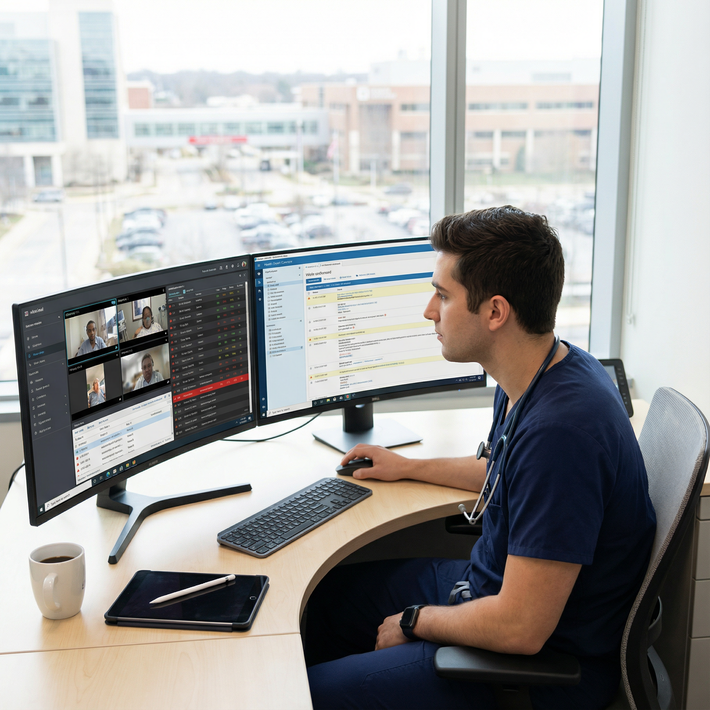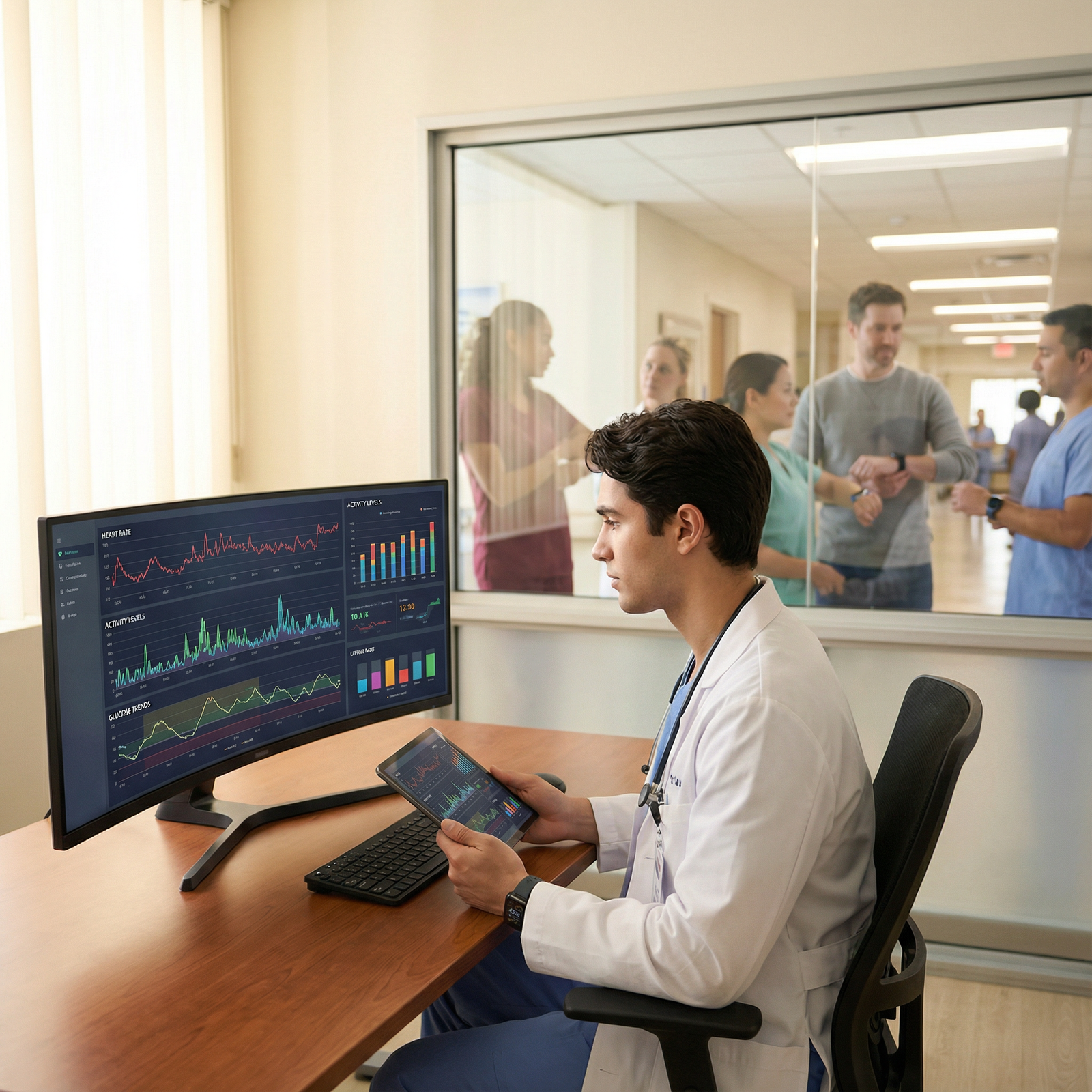
Introduction: Wearable Technology at the Center of Healthcare Innovation
Wearable Technology has moved from being a consumer trend to a core driver of Healthcare Innovation. For physicians, residents, and advanced practitioners, these devices are increasingly part of routine Patient Care and care coordination. Smartwatches, fitness trackers, continuous glucose monitors, smart patches, and even connected clothing now generate continuous streams of physiologic and behavioral data—far beyond what can be captured in a brief clinic visit.
This constant Health Monitoring is reshaping how we think about prevention, Chronic Disease Management, triage, remote care, and even workforce wellness. For clinicians entering the post-residency and job market era, understanding the capabilities, limitations, and workflow impact of wearables is rapidly becoming a must-have skill rather than an optional interest.
This article explores how wearable technology is shaping the future of healthcare, with a focus on practical applications, clinical value, implementation challenges, and what this means for your evolving role as a healthcare professional.
The Rise of Wearable Technology in Modern Healthcare
Wearable Technology in healthcare refers to electronic devices worn on or close to the body that continuously or intermittently collect health-related data. These may be consumer devices (like Apple Watch or Fitbit) or medical-grade wearables (like Dexcom CGMs or cardiac patches).
Market Growth and Clinical Relevance
The global wearable medical device market has expanded dramatically over the last decade, driven by:
- Increasing prevalence of chronic diseases (diabetes, cardiovascular disease, COPD)
- Aging populations and the need for remote monitoring
- Consumer interest in wellness and self-quantification
- Health systems seeking cost-effective ways to manage high-risk patients
Recent market analyses project tens of billions of dollars in growth over the coming years, with wearables increasingly viewed not just as gadgets, but as core infrastructure for remote and value-based care.
Core Technologies Enabling Healthcare Wearables
Several technological advances underpin this expansion:
Advanced Sensors and Miniaturization
- Optical heart rate sensors (PPG)
- Accelerometers and gyroscopes (movement, falls)
- Bioimpedance (fluid status, body composition)
- Electrocardiography (single- or multi-lead ECG)
- Glucose, oxygen saturation, and temperature sensors
Bluetooth and Low-Power Wireless Connectivity
Low-energy Bluetooth and other wireless protocols allow wearables to sync seamlessly with smartphones, tablets, or hubs, transmitting health data to cloud-based platforms with limited battery drain.Artificial Intelligence and Machine Learning
AI converts raw sensor outputs into clinically meaningful metrics—detecting arrhythmias, sleep stages, activity patterns, and early signals of decompensation in chronic disease.Cloud Computing and Interoperability
Cloud platforms make it possible to store, process, and visualize large volumes of continuous data, integrate with EHRs, and support population health management.
For clinicians, the key shift is that patient data is no longer confined to episodic measurements in clinic or hospital—it is becoming continuous, contextual, and remotely accessible.
Current Clinical Applications of Wearable Technology
Wearables now support a wide range of Patient Care scenarios. Below are core domains where they are already reshaping practice.
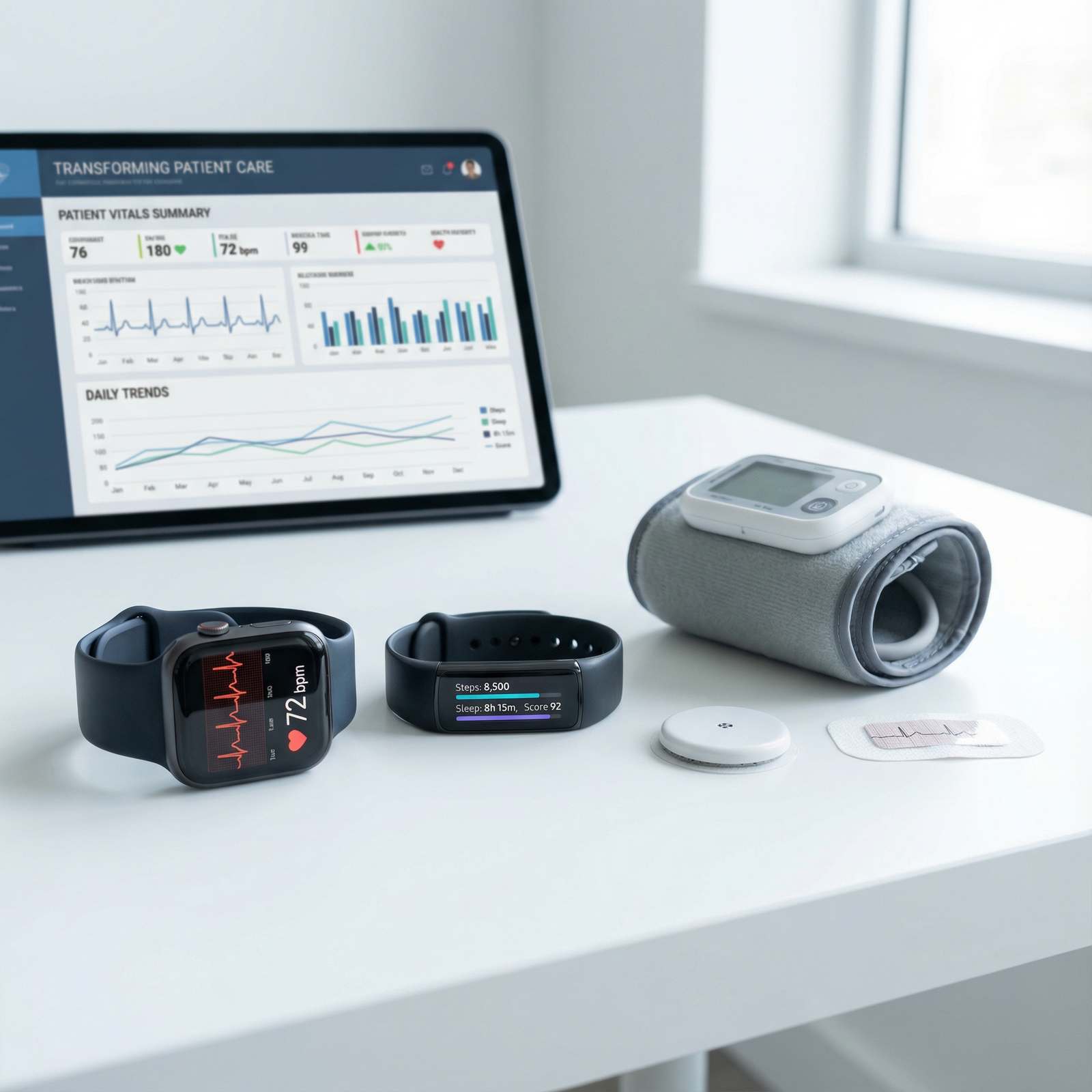
1. Continuous Vital Sign and Cardiac Rhythm Monitoring
Wearables have transformed how vital signs and cardiac rhythms are monitored:
Smartwatches and Fitness Bands
Many now measure:- Heart rate and heart rate variability (HRV)
- Respiratory rate (derived)
- Oxygen saturation (SpO₂)
- Skin temperature trends
Some devices can detect irregular rhythms and prompt ECG recordings to screen for atrial fibrillation (AF). These detections can be transmitted to clinicians for confirmation and follow-up.
Medical-Grade Cardiac Patches and Monitors
Devices like ambulatory ECG patches (e.g., Zio Patch) provide:- Long-term rhythm monitoring (up to 14+ days)
- Higher signal quality than consumer devices
- Algorithm-based arrhythmia detection
For cardiology and primary care, such devices support AF detection, syncope workups, and evaluation of palpitations with greater convenience and compliance than traditional Holter monitors.
Clinical Pearl: As a clinician, you’ll increasingly see patients presenting with smartwatch alerts or rhythm strips. Understanding how to interpret these in context—and when to escalate to formal cardiac testing—is becoming a practical skill set.
2. Fitness, Activity, and Sleep Tracking
The wellness segment has important clinical implications:
Physical Activity Monitoring
- Daily step counts, activity time, intensity zones
- Sedentary time and movement breaks
Data from devices like Fitbit, Garmin, and Apple Watch can be integrated into care plans for obesity, cardiovascular disease, diabetes, and post-operative recovery.
Sleep Tracking
Wearables estimate:- Total sleep time
- Sleep stages (light, deep, REM)
- Sleep interruptions and efficiency
While not equivalent to polysomnography, these trends can flag potential sleep disorders, inform behavioral counseling, and track response to interventions (e.g., CBT-I).
Practical Application: Some health systems and insurers are piloting programs where wearables are prescribed or subsidized for high-risk populations to promote lifestyle changes and to track outcomes for value-based care contracts.
3. Chronic Disease Management and Digital Therapeutics
Chronic Disease Management is one of the highest-yield use cases for wearables.
Diabetes and Continuous Glucose Monitoring (CGM)
Devices like Dexcom or FreeStyle Libre:- Provide near real-time glucose trends
- Offer alerts for hypo- and hyperglycemia
- Integrate with smartphone apps and insulin pumps
Evidence shows that CGM improves time-in-range and reduces severe hypoglycemia, especially in type 1 and insulin-treated type 2 diabetes.
Cardiovascular Disease and Heart Failure
Wearables can:- Track resting heart rate and HRV as markers of autonomic function
- Estimate cardiorespiratory fitness (VO₂ max equivalents)
- Monitor weight, activity, and sometimes bioimpedance for fluid status
In heart failure programs, combining wearable data with remote symptom reporting helps detect early decompensation and prevent hospitalizations.
COPD and Asthma
Smart inhalers, respiratory wearables, and phone-connected spirometers:- Track medication use, technique, adherence
- Measure peak flow or FEV₁ surrogates
- Correlate symptoms with triggers (activity, environment)
These systems enable more precise, proactive interventions and can provide objective data for treatment adjustments.
4. Mental Health, Stress, and Behavioral Monitoring
A growing class of wearables focuses on psychological well-being:
Stress and Mood Indicators
Devices analyze:- Heart rate variability (HRV)
- Electrodermal activity (skin conductance)
- Sleep and activity patterns
to infer stress levels or autonomic imbalance.
Behavioral Health Support
Paired apps may:- Prompt breathing exercises during periods of increased physiologic stress
- Nudges for breaks, mindfulness, or physical activity
- Track mood, energy, and anxiety via symptom logs
While these tools don’t replace formal psychiatric assessment, they can assist early detection and provide objective correlates to patient-reported symptoms.
5. Remote Patient Monitoring (RPM) and Virtual Care
Remote Patient Monitoring has become central since the COVID-19 pandemic:
Acute and Post-Acute Care at Home
Wearable devices enable:- Post-surgical vital sign monitoring
- Post-discharge heart failure weight and symptom tracking
- Home-based COVID-19 or respiratory illness monitoring
Chronic Care Management Programs
RPM platforms integrate:- Blood pressure cuffs, scales, pulse oximeters, wearables
- Nurse or care coordinator dashboards
These allow early outreach when metrics fall outside individualized thresholds.
For clinicians entering practice, RPM offers new models of care delivery and may influence job descriptions, workload, and reimbursement structures.
Key Benefits of Wearable Technology for Patients and Clinicians
The expansion of wearables is not just a technology story; it is fundamentally about Patient Care and health system transformation.
1. Improved Health Outcomes Through Continuous Health Monitoring
- Early detection of arrhythmias, hypoglycemia, decompensated heart failure, or deteriorating respiratory status
- Reduction in hospitalizations and emergency visits for well-managed chronic conditions
- Better glycemic control in diabetes, improved adherence to hypertension treatment plans, and more effective rehabilitation monitoring
Continuous Health Monitoring moves care upstream—from crisis management to proactive prevention.
2. Enhanced Patient Engagement and Self-Management
- Real-time feedback helps patients see the immediate impact of lifestyle choices (diet, activity, sleep).
- Gamified metrics (goals, badges, streaks) increase adherence to behavioral targets.
- Patients often report feeling more informed and “in control” of their health.
For clinicians, engaged patients can be more motivated partners, leading to more productive visits and better adherence to care plans.
3. Data-Driven, Personalized Care
- Longitudinal data allows clinicians to move beyond “snapshot” assessments.
- Individualized baselines (e.g., usual resting heart rate, activity level) make it easier to detect clinically meaningful deviations.
- Treatment decisions can be tailored to real-world behavior and physiology, aligning with personalized medicine strategies.
As AI models grow more sophisticated, they can help parse large data streams to identify high-risk patterns and suggest individualized interventions.
4. Cost-Effectiveness and System-Level Efficiency
- Reduced hospitalization and readmissions for well-monitored patients
- Fewer unnecessary in-person visits when stable metrics are available remotely
- Better allocation of clinical resources by focusing attention on patients with concerning data trends
For systems moving to value-based and outcome-based reimbursement, wearable-driven programs can support both quality and financial goals.
5. Expanded Access to Care
- Rural and underserved patients can receive closer clinical oversight without frequent travel.
- Home-bound or mobility-limited patients benefit from RPM-based follow-up.
- Virtual visits combined with wearable data improve the quality of telehealth assessments.
For early-career clinicians, these models open opportunities in digital health, telemedicine, and hybrid care roles.
Challenges and Limitations of Wearables in Healthcare
Despite the promise, real-world adoption of Wearable Technology in healthcare comes with meaningful challenges.
1. Data Privacy, Security, and Regulatory Compliance
Wearables capture highly sensitive health information:
- Risks include unauthorized access, data breaches, secondary use of data (e.g., marketing, insurance), and unclear data ownership.
- Regulations like HIPAA, GDPR, and local data protection laws may or may not apply depending on how data is collected, stored, and shared.
- Third-party apps and cloud services create complex security landscapes.
Clinicians should be prepared to address patient questions about privacy and to work with organizations that implement robust encryption, access controls, and transparent data governance policies.
2. Accuracy, Validation, and Clinical-Grade Performance
Not all wearables are created equal:
- Consumer devices may have variable accuracy (especially at extremes of heart rate, in darker skin tones, or with motion artifact).
- Medical-grade devices undergo regulatory review and clinical validation but may be more expensive or less user-friendly.
- Over-reliance on imperfect metrics can lead to anxiety, over-testing, or false reassurance.
Clinicians should understand the evidence base and limitations of common devices, and integrate wearable data as one component of a broader clinical assessment—not as a standalone diagnostic tool.
3. Data Overload and Workflow Integration
Continuous monitoring can mean continuous data:
- Clinicians risk being overwhelmed if data feeds are not filtered, summarized, and intelligently prioritized.
- Many EHRs still struggle with seamless integration of wearable data into clinician workflows.
- Alert fatigue can become a serious issue if thresholds are poorly set.
A key future competency will be designing and working within systems that optimize signal-to-noise, using dashboards, AI triage, and team-based review workflows.
4. Equity, Digital Literacy, and Patient Compliance
- Not all patients can afford wearables or have smartphones or reliable internet access.
- Differences in digital literacy may exacerbate existing health disparities.
- Long-term adherence may drop due to discomfort, charging requirements, or waning interest.
Health systems and clinicians should consider:
- Subsidized or loaner programs for high-risk patients
- Simple user interfaces and multilingual support
- Education and coaching to build digital confidence
5. Professional Boundaries and Medicolegal Concerns
Continuous connectedness blurs traditional boundaries:
- Expectations around 24/7 monitoring and response must be clearly communicated.
- Liability concerns arise if concerning data is transmitted but not reviewed in a timely way.
- Policies need to define how often data is checked, by whom, and what constitutes a clinically actionable alert.
For new attendings and APPs, it’s essential to understand institutional policies and to advocate for well-defined RPM protocols and documentation standards.
Future Trends: Where Wearable Technology and Healthcare Are Heading
Wearable Technology will continue to evolve rapidly, bringing new capabilities and new questions for healthcare professionals.
1. AI-Powered Predictive Analytics and Early Warning Systems
- Advanced models may predict:
- Imminent heart failure decompensation
- Risk of AF recurrence
- Deterioration in sepsis or viral illnesses
- Personalized risk scores might be dynamically updated based on continuous data streams.
As a clinician, you may increasingly use dashboards that highlight patients at highest short-term risk, guiding outreach and resource allocation.
2. Deeply Personalized and Precision Medicine
Wearables may integrate with:
- Genomic data and pharmacogenomics
- Microbiome analyses
- Detailed lifestyle, sleep, and nutrition tracking
This could support highly individualized treatment strategies—for example, tailoring antihypertensive timing to circadian patterns or customizing behavioral interventions based on digital phenotypes.
3. Expansion of the Internet of Medical Things (IoMT)
- More devices—scales, inhalers, implantables, home diagnostics—will join a connected ecosystem.
- Interoperability standards will be crucial for aggregating data in clinically useful ways.
- Hospitals, clinics, and home environments will function as nodes in a continuous monitoring network.
For clinicians, this means collaborating with IT, engineers, and data scientists is likely to become more routine.
4. Advanced Sensors and Novel Biomarkers
Future wearables may:
- Analyze sweat for electrolytes, cortisol, or metabolic markers
- Measure respiratory gases (CO₂, VO₂) during activity
- Track inflammatory markers via minimally invasive sensors
- Monitor medication levels or adherence with smart pills or patches
Such innovations could further shift care from reactive testing to ongoing Health Monitoring and early intervention.
5. Preventive Health and Workforce Wellness
Wearables will continue to expand in preventive health and in supporting the well-being of healthcare workers themselves:
- Burnout detection using patterns of sleep, HRV, and activity
- Occupational health programs monitoring ergonomic strain and exposure
- Incentive programs linking healthy behaviors to insurance or employment benefits
As you transition into attending roles or leadership positions, you may be involved in designing or overseeing such programs.
Practical Considerations for Early-Career Clinicians
For residents, fellows, and early-career attendings, here are actionable ways to engage with wearable technology in your practice:
- Ask about wearables as part of the social and medical history (“Do you use any health or fitness devices?”).
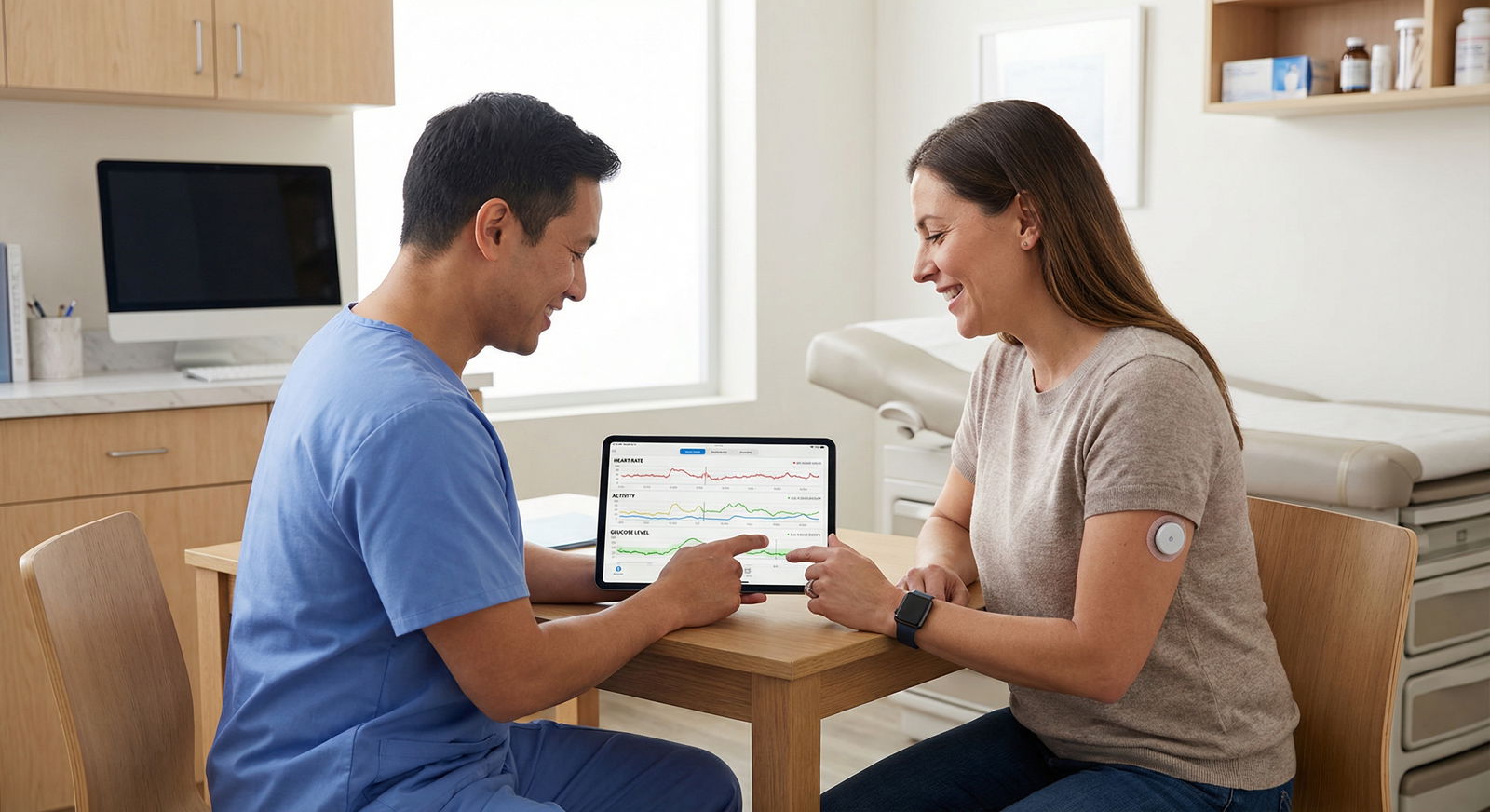
- Encourage patients with existing devices to share relevant trends (e.g., step counts, heart rate trends, CGM reports) during visits.
- Learn to interpret common outputs like resting heart rate, HRV, activity levels, and CGM time-in-range.
- Clarify how and when patients should contact you about device alerts (e.g., AF notifications, low oxygen readings).
- If your institution offers RPM programs, understand enrollment criteria, team roles, and escalation protocols.
- Stay informed about institutional policies on data integration, telehealth billing, and remote monitoring reimbursement.
Engaging with wearables thoughtfully can differentiate you in the post-residency job market and position you as a leader in digital health.
FAQ: Wearable Technology and the Future of Healthcare
Q1: What types of wearable devices are most relevant for clinical practice today?
Clinically relevant wearables include:
- Smartwatches with heart rate, ECG, and SpO₂ capability
- Fitness trackers for activity and sleep monitoring
- Continuous glucose monitors (CGMs) for diabetes
- Cardiac rhythm patches and ambulatory ECG devices
- Connected blood pressure monitors, scales, and pulse oximeters
Specialized devices (e.g., smart inhalers, respiratory monitors, seizure detection wearables) are increasingly used in specific specialties.
Q2: How do wearables concretely improve Chronic Disease Management?
Wearables enhance Chronic Disease Management by:
- Providing real-time metrics (e.g., glucose, heart rate, weight, activity) rather than sporadic clinic readings
- Enabling early detection of decompensation (e.g., rising weight and resting heart rate in heart failure)
- Supporting medication adherence tracking (e.g., inhaler use, BP monitoring frequency)
- Offering biofeedback that helps patients adjust behaviors between visits
This allows clinicians to intervene earlier and tailor therapy based on real-life data.
Q3: Are wearable devices accurate enough to base clinical decisions on?
Accuracy varies by device type and brand:
- Medical-grade wearables designed for clinical use generally have stronger validation and regulatory oversight.
- Consumer devices are useful for trending and screening but may have limitations for diagnostic decision-making, especially under motion, tattooed skin, or poor fit.
- Clinicians should:
- Be familiar with the strengths and limitations of common devices
- Use wearable data as an adjunct to history, exam, and formal diagnostics
- Confirm significant findings (e.g., AF alerts) with medical-grade testing when appropriate
Q4: How should clinicians address data privacy concerns with patients using wearables?
Key steps include:
- Explaining who owns the data, how it is stored, and who can access it
- Recommending devices and platforms with strong encryption and transparent privacy policies
- Clarifying how data shared with your clinic or health system will be used and protected
- Encouraging patients to review app permissions and opt out of unnecessary data sharing
If integrating with institutional systems, ensure that devices and vendors meet your organization’s security and compliance standards.
Q5: What skills should early-career clinicians develop to work effectively with wearable technology?
Helpful competencies include:
- Basic literacy in digital health and remote Patient Care models
- Familiarity with common wearable devices and their core metrics
- Ability to interpret time-series health data and identify clinically relevant trends
- Understanding of telehealth and RPM reimbursement frameworks
- Comfort working with multidisciplinary teams (IT, data science, nursing, care coordinators)
Cultivating these skills can make you more competitive in the evolving post-residency and job market landscape.
Wearable Technology is no longer peripheral—it is becoming integral to Healthcare Innovation, modern Health Monitoring, and Chronic Disease Management. As a clinician, your role will increasingly involve interpreting continuous data, guiding patients through digital tools, and participating in new models of Patient Care that extend well beyond the clinic walls. Embracing these changes thoughtfully can help you deliver more proactive, personalized, and equitable care in the years ahead.