Navigating the Complexities of Healthcare Data Security in Modern Medicine
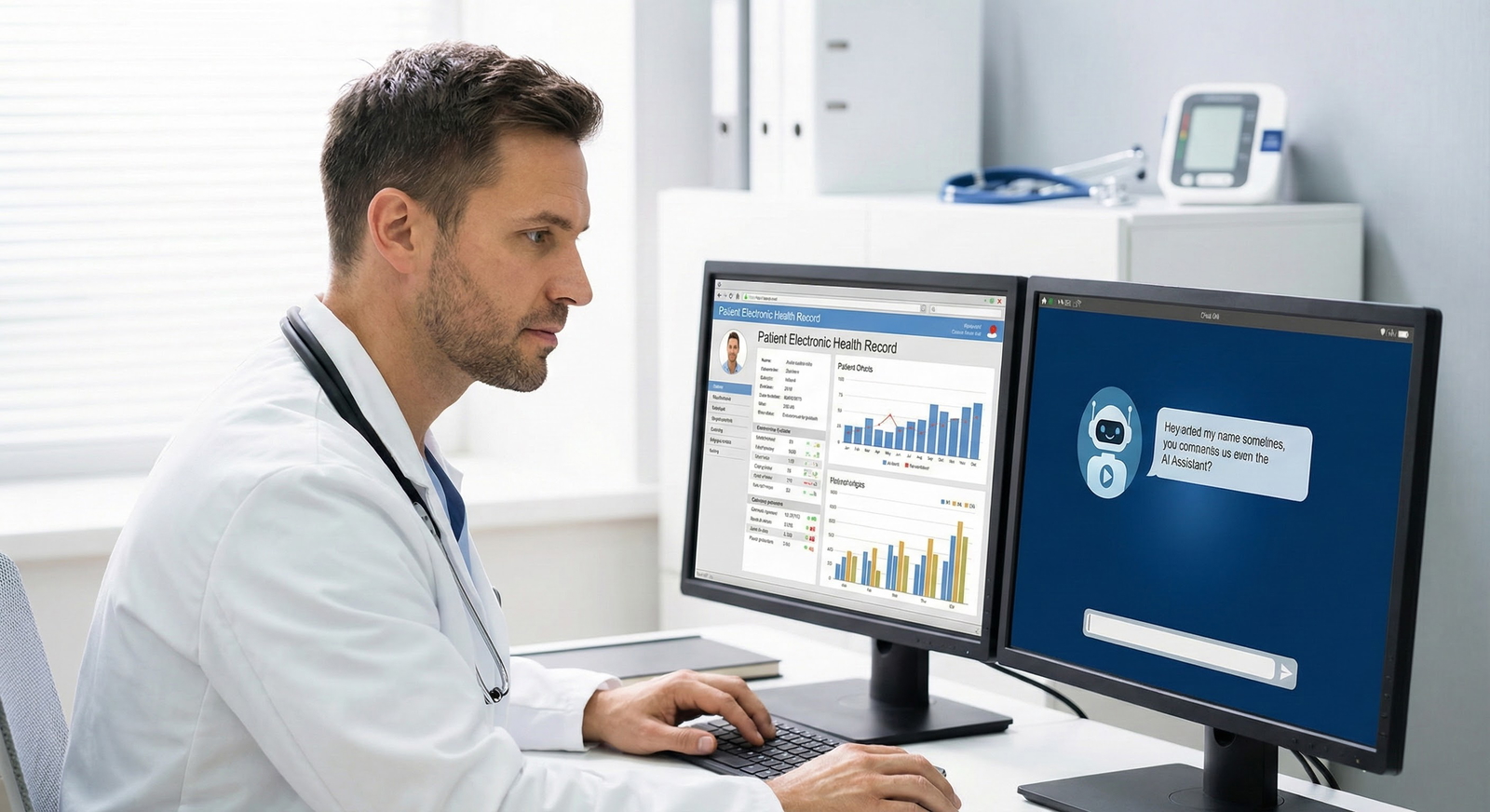
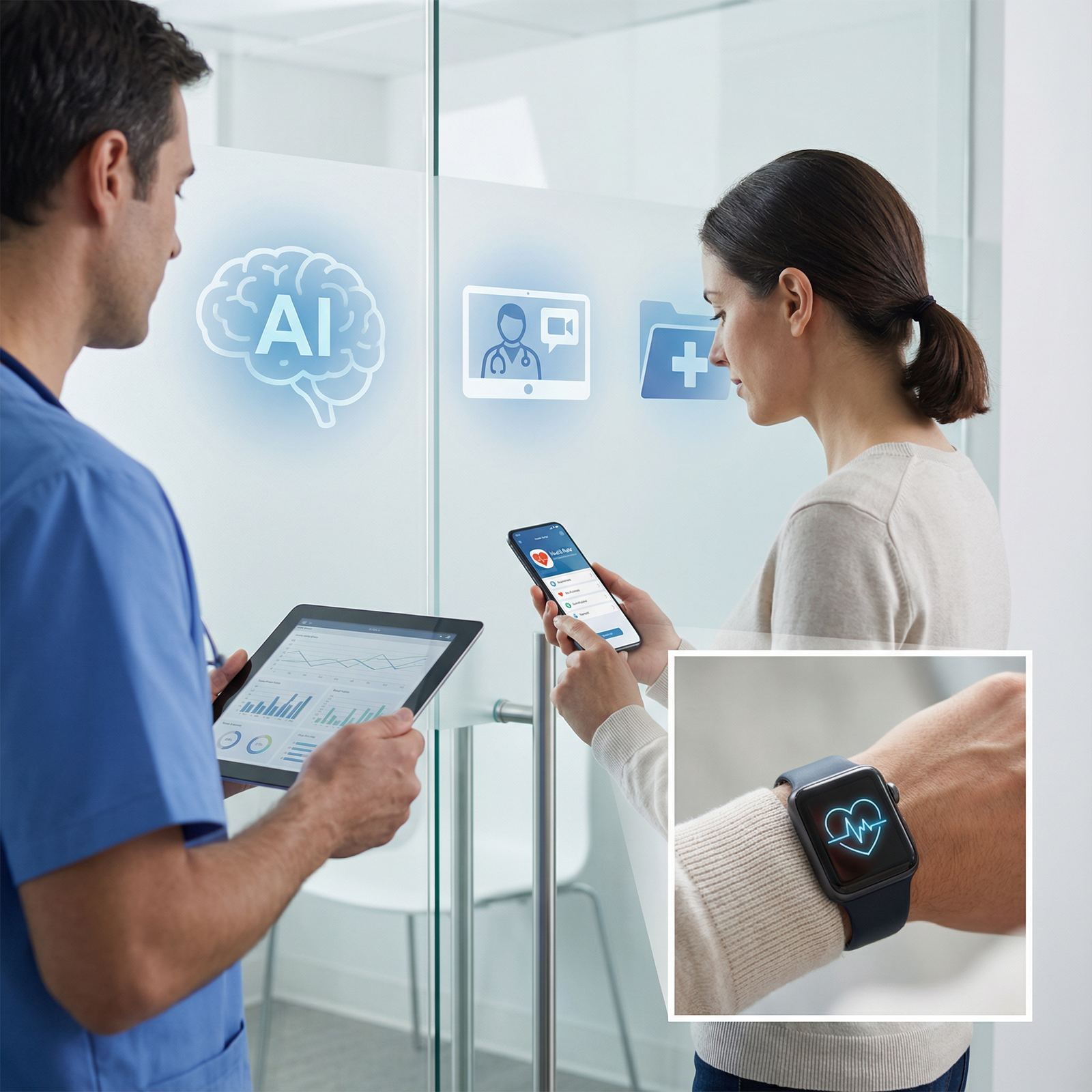
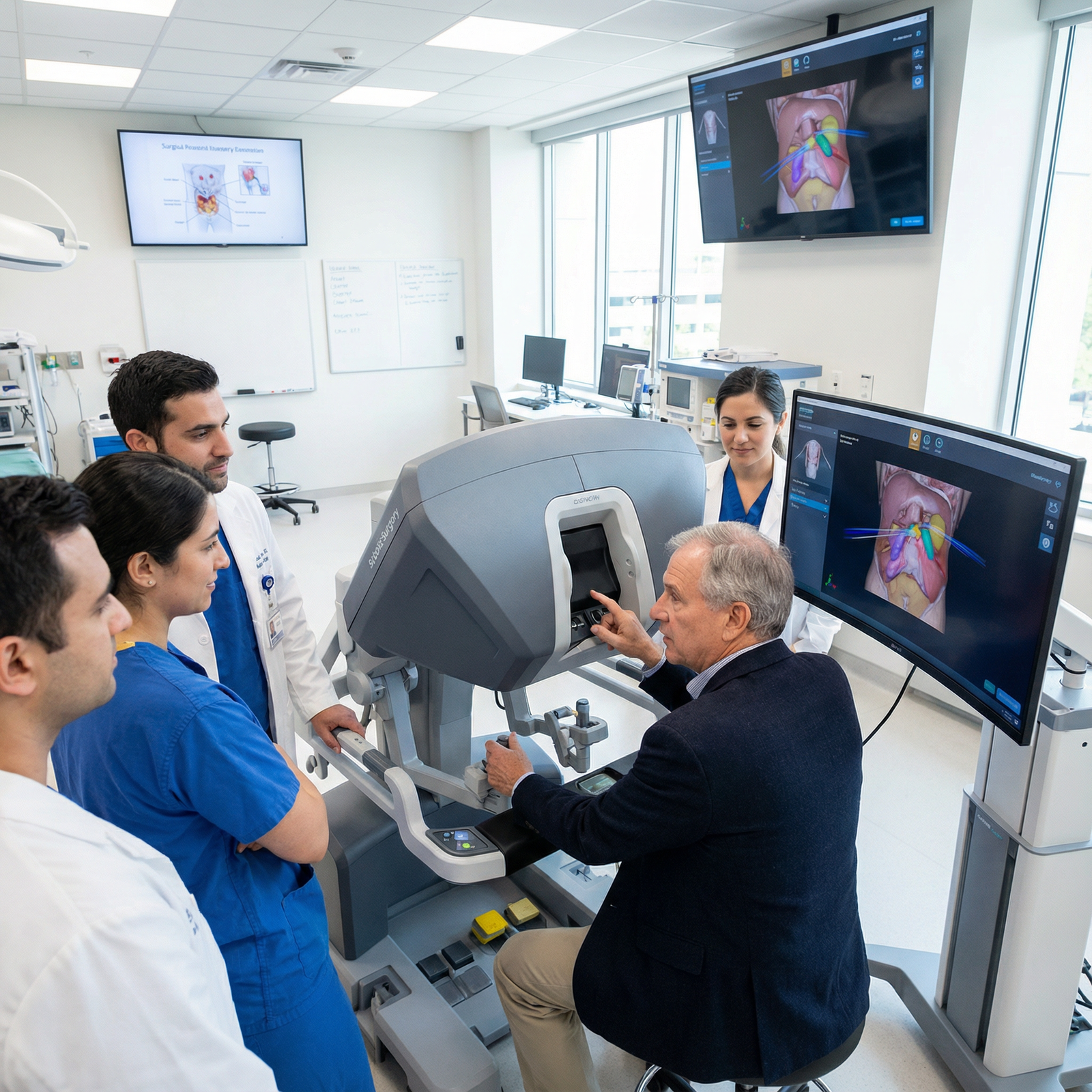
In every clinical environment today—from large academic centers to outpatient clinics—healthcare delivery is inseparable from digital technology. Electronic health records (EHRs), telemedicine platforms, connected medical devices, and AI-enabled decision support systems have transformed how clinicians practice and how patients experience care.
This digital transformation, however, comes with a critical responsibility: protecting patient information against an increasingly sophisticated range of cyber threats. A single data breach can compromise thousands—or millions—of patient records, disrupt clinical operations, trigger regulatory investigations, and permanently damage an institution’s reputation.
For physicians, residents, and healthcare leaders entering the post-residency and job market, understanding Healthcare Security, Data Protection, Cybersecurity, Regulatory Compliance, and Emerging Technologies is becoming a core professional competency, not just an IT concern.
This enhanced guide explores the essentials of healthcare data security: foundational principles, regulatory frameworks, major threats, best practices, and cutting-edge tools shaping the future of secure care delivery.
Foundations of Healthcare Data Security
Healthcare data security encompasses all the policies, technical controls, and operational practices used to protect patient information and clinical systems from unauthorized access, alteration, loss, or disruption.
What Counts as “Healthcare Data”?
Protected healthcare data extends well beyond the typical “medical record.” Common categories include:
- Protected Health Information (PHI): Demographics, diagnoses, medications, lab results, imaging, visit notes, discharge summaries.
- Personally Identifiable Information (PII): Names, addresses, phone numbers, Social Security numbers, insurance IDs.
- Financial and billing data: Credit card data, bank account information, billing history, claims data.
- Operational and research data: Scheduling information, quality metrics, clinical trial data, genomic information, device telemetry.
Because these data types can be used for identity theft, insurance fraud, blackmail, or discrimination, they are highly valuable on the black market—making healthcare an appealing target for attackers.
Core Principles: Confidentiality, Integrity, Availability, Accountability
A practical way to frame data protection in clinical environments is through four pillars:
Confidentiality
- Ensures only authorized individuals and systems can access patient information.
- Examples:
- Restricting chart access to the care team.
- Masking sensitive results (e.g., HIV status) except for designated users.
- Encrypting data transmitted between EHR and imaging systems.
Integrity
- Ensures data are accurate, complete, and protected from unauthorized modification.
- Examples:
- Audit trails for medication orders and order changes.
- Double-verification for critical result entry.
- Hashing and digital signatures to detect altered documents.
Availability
- Ensures information and systems are accessible when needed, especially in emergencies.
- Examples:
- Redundant EHR servers and data backups.
- Downtime procedures (paper order sets, read-only data).
- Disaster recovery plans for floods, fires, or cyberattacks.
Accountability
- Ensures all access and changes are traceable to specific users and systems.
- Examples:
- Unique logins and role-based permissions.
- Detailed logs of chart access, exports, and printing.
- Regular access reviews and investigations of anomalous behavior.
For clinicians, these principles translate into daily practices: logging out, not sharing passwords, understanding access policies, and recognizing your role in safeguarding the trust patients place in the healthcare system.
The Regulatory Landscape: HIPAA, HITECH, GDPR, and Beyond
Healthcare organizations operate within a dense web of regulations that govern how patient data must be handled, stored, transmitted, and disclosed. For anyone entering a new practice or leadership role, familiarity with this landscape is essential.
HIPAA: The Backbone of U.S. Healthcare Privacy and Security
The Health Insurance Portability and Accountability Act (HIPAA), enacted in 1996 and strengthened over time, remains the foundational U.S. law for protecting PHI.
Key components relevant to healthcare security:
Privacy Rule
Defines what PHI is and sets rules for its use and disclosure. It establishes patient rights, including:- Access to their records.
- Requesting corrections.
- Receiving an accounting of disclosures.
Security Rule
Focuses on electronic PHI (ePHI) and mandates three categories of safeguards:- Administrative: Risk analyses, workforce training, contingency planning.
- Physical: Facility access controls, workstation security, device disposal.
- Technical: Access controls, unique user IDs, encryption, audit controls.
Breach Notification Rule
Requires covered entities and business associates to notify affected individuals, the U.S. Department of Health and Human Services (HHS), and sometimes the media after certain types of data breaches.
Penalties range from modest fines for minor, unintentional violations to multimillion-dollar settlements for willful neglect or systemic failures.
The HITECH Act: Driving Digitization and Accountability
The Health Information Technology for Economic and Clinical Health (HITECH) Act (2009) was designed to accelerate the adoption of EHRs while reinforcing HIPAA requirements.
Key impacts:
- Increased penalties for HIPAA non-compliance, especially when breaches are due to negligence.
- Extended certain HIPAA requirements to business associates (e.g., IT vendors, billing companies).
- Highlighted the importance of encryption, secure data exchange, and proper breach notification.
GDPR: Global Reach of European Data Protection
The General Data Protection Regulation (GDPR) governs data protection and privacy for individuals in the European Union (EU) and European Economic Area (EEA).
Why it matters to U.S. and non-EU healthcare organizations:
- If your institution handles data of EU residents (e.g., international patients, research participants), GDPR may apply regardless of where you are located.
- GDPR emphasizes:
- Explicit consent for data processing.
- Data minimization and purpose limitation.
- “Right to be forgotten.”
- Strict breach notification timelines.
Non-compliance can lead to substantial fines, reputational harm, and restrictions on data processing.
State and Country-Specific Laws: The Local Layer of Compliance
Beyond federal and international frameworks, many jurisdictions have additional privacy and security laws:
- U.S. Examples:
- California Consumer Privacy Act (CCPA) and CPRA amendments.
- More stringent rules for mental health, substance use, HIV status, and reproductive health data in several states.
- Non-U.S. Examples:
- Canada’s Personal Information Protection and Electronic Documents Act (PIPEDA).
- Country-specific health data regulations across Europe, Asia, and the Middle East.
Healthcare organizations must tailor their Healthcare Security strategies to this complex regulatory matrix to avoid legal exposure and protect patient rights.

Major Threats to Healthcare Data Security and Clinical Operations
Despite strong regulations and significant investment, the healthcare sector remains one of the most frequently targeted industries for cyberattacks. Understanding key threat types helps clinicians recognize and respond effectively.
1. Ransomware: Clinical Care Held Hostage
Ransomware is malicious software that encrypts data or locks systems, demanding payment (often in cryptocurrency) to restore access.
Why healthcare is especially vulnerable:
- Hospitals and clinics rely on real-time access to EHRs, imaging, and lab systems.
- Attackers know that delays in care can be life-threatening, increasing the pressure to pay quickly.
- Legacy systems and complex medical device networks can be difficult to patch and secure.
Consequences can include:
- EHR downtime and paper-based workflows.
- Cancelled surgeries and diverted ambulances.
- Potential harm to patients due to delayed or incomplete information.
- Regulatory scrutiny if PHI is exfiltrated before encryption.
For clinicians, recognizing early signs—sluggish systems, unusual error messages, or locked files—and promptly alerting IT/security teams is critical.
2. Phishing and Social Engineering: Exploiting Human Factors
Phishing attacks use fraudulent emails, texts, or websites to trick users into revealing credentials or downloading malware. Variants include:
- Spear-phishing: Highly targeted messages impersonating colleagues, administrators, or trusted vendors.
- Business email compromise (BEC): Attackers hijack or spoof executive or departmental accounts to request credential resets, data exports, or unusual payments.
Healthcare staff are attractive targets because:
- They are busy, multitasking, and often under time pressure.
- They regularly handle sensitive information.
- Clinical culture emphasizes responsiveness, which can reduce skepticism about urgent requests.
Practical defenses include:
- Mandatory phishing awareness training.
- “Hover before you click” habits and checking sender addresses.
- Verification of unusual requests via a second channel (e.g., phone) before acting.
3. Data Breaches: Unauthorized Access and Exfiltration
A data breach occurs when protected information is accessed, disclosed, or exfiltrated without authorization. Causes include:
- Misconfigured servers or cloud storage.
- Weak or reused passwords.
- Lost or stolen devices (laptops, tablets, USB drives).
- Exploited software vulnerabilities.
Impacts:
- Identity theft and fraud for affected patients.
- Class-action lawsuits and regulatory investigations.
- Loss of patient trust and reputational damage.
- Costly remediation (notification, credit monitoring, system overhaul).
Resident and attending physicians can contribute to prevention by following device security policies, avoiding unencrypted personal storage, and reporting lost/stolen devices immediately.
4. Insider Threats: Malicious and Unintentional Harm
Insider threats may stem from:
- Malicious actions: Employees accessing VIP charts out of curiosity, selling data, or sabotaging systems.
- Negligent behaviors: Leaving workstations unlocked, using personal email for PHI, mishandling printed records.
Mitigation strategies rely on:
- Role-based access and “minimum necessary” access principles.
- Continuous monitoring and anomaly detection in access logs.
- Culture-building: making it expected and safe to report suspicious behavior.
Clinicians often have broad system privileges; understanding that curiosity-driven chart access or “just this once” shortcuts can constitute serious violations is crucial.
5. Internet of Medical Things (IoMT) Vulnerabilities
The Internet of Medical Things (IoMT) includes:
- Infusion pumps and ventilators connected to hospital networks.
- Implantable devices with remote monitoring capabilities.
- Wearables and home health devices streaming data to providers.
While these technologies improve monitoring and outcomes, they also:
- Increase the attack surface across the hospital network.
- May run outdated operating systems that are hard to patch.
- Can serve as entry points for network-wide attacks.
Practical examples:
- A vulnerable infusion pump being used as a pivot to access the EHR network.
- Poorly secured remote monitoring devices exposing PHI in transit.
Biomedical engineering teams, IT security, and clinical leadership must collaborate on risk assessments, vendor evaluations, and secure deployment of connected devices.
Best Practices for Healthcare Data Protection and Cybersecurity
Effective Healthcare Security demands a layered, organization-wide strategy that balances clinical workflow with robust technical and administrative controls.
1. Security Policies, Education, and Culture
Security is ultimately a people problem as much as a technology problem.
Key actions:
- Develop clear, accessible policies on:
- Acceptable use of devices.
- PHI handling and transport.
- Remote work, telehealth, and mobile access.
- Provide role-specific training for:
- New hires and trainees.
- Clinicians using telemedicine or remote access tools.
- Research teams handling sensitive datasets (e.g., genomics).
- Reinforce a “just culture” that:
- Encourages prompt reporting of mistakes or suspicious incidents.
- Focuses on system improvements rather than blame, except in clear cases of malicious intent.
For residents and early-career physicians, engaging with these trainings—and modeling good behavior—helps set norms for your team.
2. Regular Risk Assessments and Security Audits
Ongoing risk assessment is essential to keep pace with changing threats and technologies.
Typical activities:
- Identifying and ranking assets (EHR, PACS, lab systems, IoMT devices, mobile apps).
- Evaluating vulnerabilities (unpatched systems, open ports, excessive permissions).
- Prioritizing controls based on likelihood and impact (e.g., protecting medication ordering systems vs. a low-risk kiosk).
Regulatory bodies and accreditation organizations increasingly expect documented, periodic risk analyses, especially after major system changes or incidents.
3. Strong Authentication, Encryption, and Access Control
Technical measures to reduce unauthorized access include:
- Multi-factor authentication (MFA) for remote access, email, and high-risk applications.
- Data encryption:
- At rest: On servers, mobile devices, and backups.
- In transit: TLS/SSL for web portals, VPNs for remote connections.
- Role-based access control (RBAC):
- Clinicians, billing staff, researchers, and administrative personnel see only what they need.
- Temporary elevation of privileges is tightly controlled and monitored.
Practical example:
A hospital may require MFA for accessing the EHR from home but use single sign-on with badge-tap and short timeouts on-site to preserve usability without neglecting security.
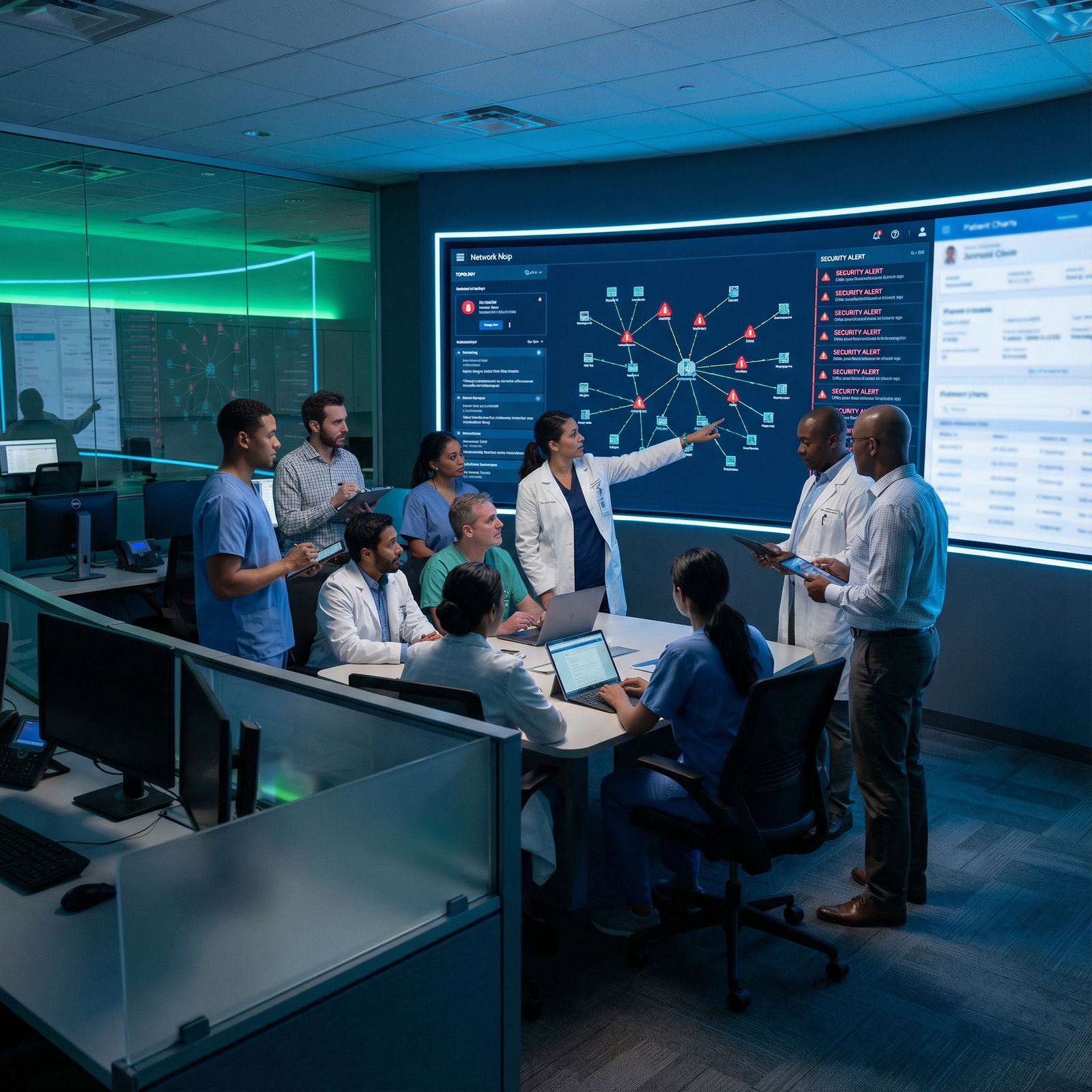
4. Continuous Monitoring and Incident Detection
Modern healthcare cybersecurity increasingly relies on continuous monitoring to detect threats early:
- Security Information and Event Management (SIEM) tools aggregate logs from:
- EHR access events.
- Network traffic.
- Email gateways.
- Endpoint protection platforms.
- Alerts are generated for:
- Unusual login patterns (e.g., midnight access from foreign IPs).
- Bulk exports or printing of records.
- Access to VIP charts outside a treatment relationship.
Clinicians may be contacted by security teams to verify legitimate access—timely responses and cooperation are part of maintaining a secure environment.
5. System Updates, Patch Management, and Vendor Oversight
Keeping systems current is fundamental but challenging in complex healthcare environments.
Priorities include:
- Regular patch cycles for servers, workstations, and network devices.
- Coordinated updates with clinical teams to avoid disrupting essential operations.
- Vendor risk management:
- Evaluating security practices of EHRs, telehealth platforms, AI tools, and third-party apps.
- Ensuring contracts include appropriate data protection and breach notification clauses.
As organizations adopt more digital tools, robust vendor assessment becomes a key part of Cybersecurity and Regulatory Compliance.
6. Incident Response and Business Continuity Planning
Assuming that incidents will occur is realistic and necessary. A well-designed incident response plan typically includes:
- Clear roles and responsibilities (IT, clinical leadership, legal, communications, compliance).
- Defined processes for:
- Identifying and containing an attack.
- Preserving evidence.
- Restoring critical systems from backups.
- Clinical downtime workflows:
- Paper ordering and documentation.
- Manual patient identification and verification.
- Communication plans across departments.
From a clinician’s perspective, knowing where downtime forms are stored, how to view critical patient information offline, and who to contact in an emergency are practical elements of preparedness.
Emerging Technologies Shaping the Future of Healthcare Security
New technologies can both introduce risk and provide powerful tools for defense. Thoughtful adoption is critical.
1. Blockchain for Data Integrity and Secure Sharing
Blockchain offers:
- An immutable ledger of transactions, making unauthorized alteration of records difficult to conceal.
- Potential for patient-centric identity and consent management, where patients control access to their data across systems.
Potential use cases in healthcare:
- Secure exchange of records between institutions.
- Tamper-evident logs of clinical trials or supply-chain data.
- Verifiable audit trails for prescribing opioids or high-risk medications.
While still emerging, blockchain-based solutions may become important components of long-term Data Protection strategies.
2. Artificial Intelligence and Machine Learning for Threat Detection
AI and machine learning are increasingly used to:
- Detect unusual patterns of access or behavior that suggest insider threats or compromised accounts.
- Identify malicious network traffic or novel malware faster than traditional signature-based tools.
- Prioritize alerts so human security teams can focus on the most urgent risks.
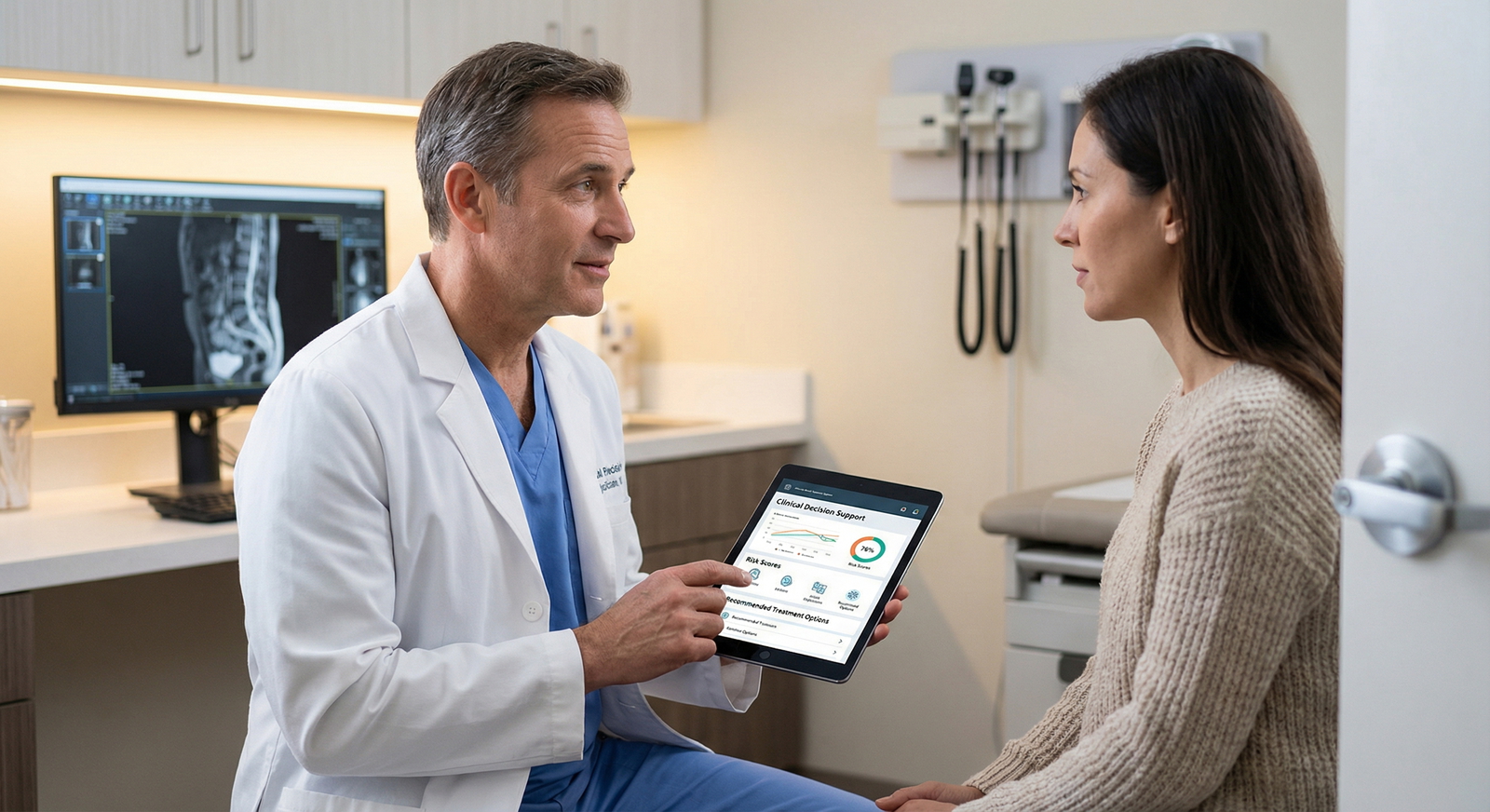
AI is also being integrated into clinical workflows, raising new questions:
- How is training data protected?
- Who can access AI-generated insights?
- How are biases and errors identified and remediated?
Understanding the security implications of AI tools will be an important skill for clinicians evaluating new technologies.
3. Threat Intelligence and Collaborative Defense
Threat intelligence platforms aggregate data from:
- Global cybersecurity communities.
- Industry Information Sharing and Analysis Centers (ISACs).
- Law enforcement and government agencies.
Benefits for healthcare include:
- Early warning of new ransomware strains or phishing campaigns targeting hospitals.
- Indicators of compromise (IOCs) that can be blocked at network boundaries.
- Benchmarking security posture against peers.
Collaborative defense—sharing anonymized data about attacks and best practices—helps strengthen the entire healthcare ecosystem.
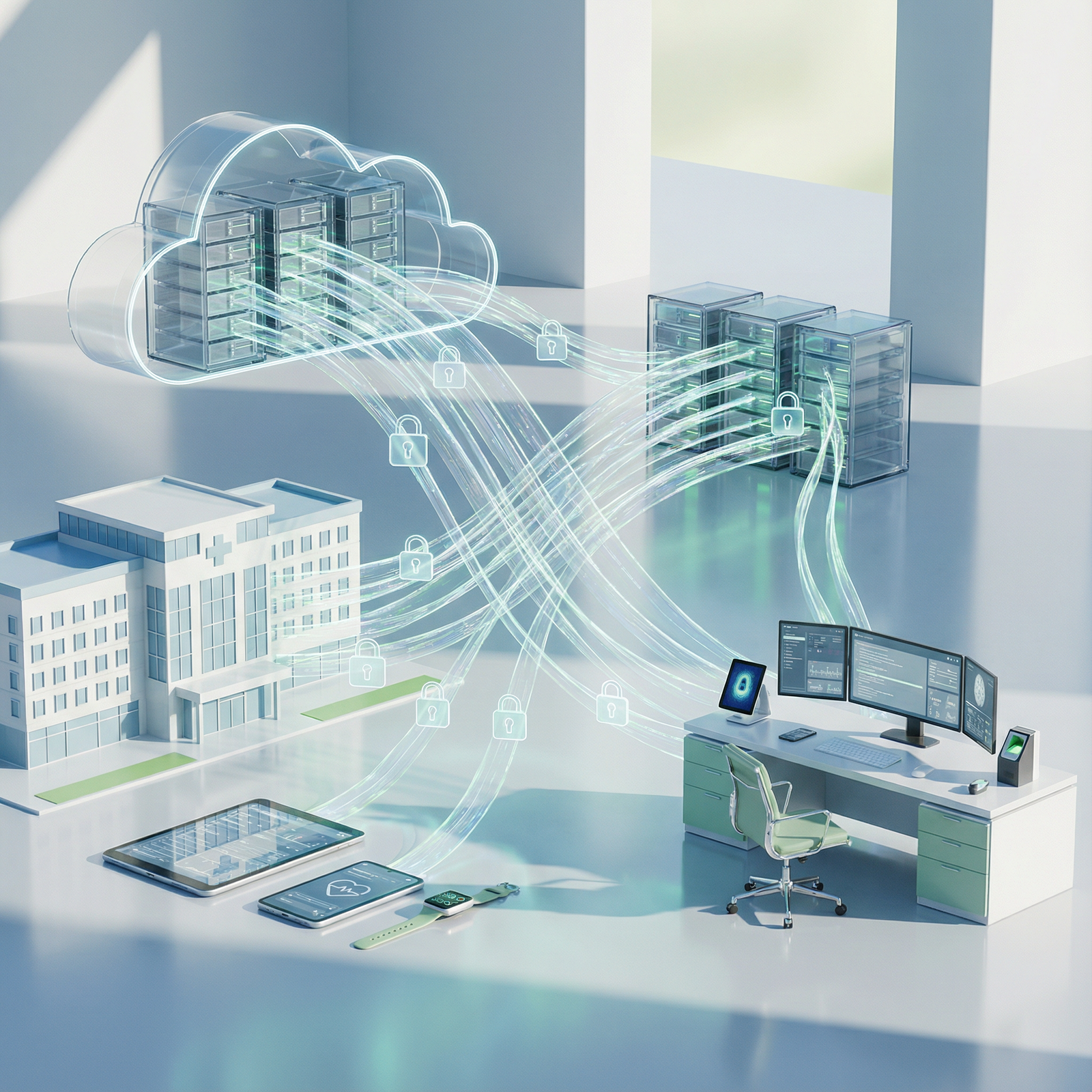
4. Secure Cloud Architectures and Zero Trust Models
Many healthcare organizations are moving core systems to the cloud to improve scalability, resilience, and security.
Key advantages:
- Professionally managed infrastructure with advanced security controls.
- Geographic redundancy for disaster recovery.
- Fine-grained access control at user, device, and application levels.
Increasingly, organizations are adopting Zero Trust architectures:
- “Never trust, always verify” for every access request.
- Continuous validation of user identity, device posture, and location.
- Micro-segmentation of networks to limit lateral movement by attackers.
For clinicians, this may mean more frequent authentication checks or conditional access (e.g., limited access from unmanaged personal devices) as part of a more secure environment.
FAQs: Healthcare Data Security for Clinicians and Healthcare Leaders
1. Why should physicians and residents care about healthcare cybersecurity?
Physicians and residents are frontline users of healthcare information systems. Their actions directly affect:
- Patient safety (e.g., safe medication ordering during system outages).
- Privacy and trust (e.g., appropriate chart access and documentation).
- Regulatory Compliance (e.g., avoiding unauthorized disclosures).
Moreover, many career paths—from clinical leadership to digital health innovation—now require fluency in Healthcare Security principles.
2. What are practical steps I can take daily to protect patient data?
Actionable habits include:
- Logging out or locking your workstation whenever you step away.
- Never sharing passwords or using another clinician’s account.
- Verifying unusual email requests or links before clicking or responding.
- Avoiding storage of PHI on personal devices or unapproved cloud services.
- Reporting lost devices, suspicious emails, or unusual system behavior immediately.
These small actions collectively reduce the risk of breaches and operational disruption.
3. How do telemedicine and remote work change data security requirements?
Telemedicine and remote access increase exposure to threats by extending clinical workflows beyond hospital walls. Security considerations include:
- Using organization-managed devices or secure virtual desktops when possible.
- Connecting through VPNs or secure telehealth platforms approved by your institution.
- Ensuring conversations cannot be overheard and screens are not visible to unauthorized individuals.
- Understanding and following your organization’s policies for remote documentation and data storage.
Regulatory bodies remain focused on privacy even as telehealth expands, so secure configurations are essential.
4. What should I do if I suspect a data breach or cyber incident?
If you notice unusual system behavior, suspect that your account has been compromised, or become aware of inappropriate access or disclosures:
- Stop and contain: Do not continue using the compromised system if advised to stop.
- Report immediately:
- Contact your IT help desk or security team according to local procedures.
- Notify your supervisor or privacy/compliance officer if appropriate.
- Document what you observed:
- Time, system involved, what you were doing, and any error messages.
Timely reporting allows the organization to contain damage, investigate, and meet regulatory notification requirements.
5. How will emerging technologies affect my future practice regarding data protection?
As Emerging Technologies like AI, blockchain, and advanced analytics become embedded in care:
- You’ll increasingly participate in evaluating digital tools for both clinical value and security posture.
- You may be asked to serve on committees overseeing data governance, clinical decision support, or digital innovation.
- Understanding key concepts in Cybersecurity and Data Protection will strengthen your ability to advocate for safe, effective, and patient-centered technology use.
Investing time now to understand these issues will pay dividends as you navigate leadership roles, digital health initiatives, or startup collaborations in your post-residency career.
By integrating strong Healthcare Security practices, staying informed about Regulatory Compliance, and engaging thoughtfully with Emerging Technologies, clinicians and healthcare organizations can protect patient data while enabling innovation. In a landscape where cyber threats continue to evolve, a proactive, team-based approach to data protection is an essential component of high-quality, modern medical care.