
Introduction: Why Advanced Healthcare Technology Now Defines a High-Performing Practice
In today’s rapidly evolving medical landscape, advanced healthcare technology is no longer optional—it is foundational to how successful practices operate and compete. Whether you are finishing residency, joining a group, or planning to build your own practice, your ability to understand and leverage modern Healthcare Technology will directly impact:
- Quality and safety of patient care
- Operational efficiency and staff workload
- Financial performance and reimbursement
- Physician satisfaction and burnout risk
- Patient experience and long-term loyalty
Tools such as modern EHR Systems, Telemedicine platforms, Patient Engagement solutions, Wearables, and Artificial Intelligence–driven decision support can turn a traditional clinic into a digitally enabled, patient-centered practice.
This enhanced guide walks through key technologies and provides practical, step-by-step strategies to help you optimize your practice. You’ll learn not only what tools to adopt, but how to implement them thoughtfully so they improve workflows, outcomes, and job satisfaction rather than adding complexity and frustration.
Understanding Advanced Healthcare Technology in the Modern Practice
Before you choose specific products or platforms, it’s important to understand the major categories of advanced Healthcare Technology and how they fit into a coherent digital strategy.
Core Components of Advanced Healthcare Technology
Electronic Health Records (EHR Systems)
- Replace paper charts with centralized, structured digital records
- Integrate clinical documentation, orders, labs, imaging, billing, and quality metrics
- Support interoperability (data exchange) with hospitals, pharmacies, and other providers
Telemedicine and Virtual Care Platforms
- Enable remote visits via video, phone, or asynchronous messaging
- Extend access for rural, mobility-limited, or time-constrained patients
- Support continuity of care during pandemics, weather disruptions, or staffing shortages
Patient Portals and Patient Engagement Tools
- Give patients secure access to labs, notes, medications, and visit summaries
- Enable online scheduling, refill requests, secure messaging, and bill pay
- Support patient education, reminders, and care plan tracking
Artificial Intelligence (AI) and Clinical Decision Support
- Analyze large volumes of structured and unstructured data
- Provide risk stratification, diagnostic suggestions, and prognostic insights
- Enhance imaging interpretation, triage, and population health management
Wearable Devices and Remote Patient Monitoring (RPM)
- Track vital signs (heart rate, SpO₂, blood pressure), activity, sleep, and rhythm
- Provide continuous data for chronic disease management and early warning
- Support reimbursement under many RPM and chronic care management codes
Robotics and Advanced Procedural Technologies
- Improve surgical precision, dexterity, and visualization
- Enable minimally invasive procedures with shorter recovery and less pain
- Create unique training and differentiation opportunities for specialists
When evaluating these tools, anchor your decisions on three questions:
- How will this improve patient safety and outcomes?
- How will this reduce cognitive/administrative burden for clinicians and staff?
- How will this support financial sustainability and regulatory compliance?
1. Optimizing Clinical and Administrative Workflows with EHR Systems
Robust, well-configured EHR Systems are the backbone of a modern practice. However, a poorly implemented EHR can increase burnout and reduce efficiency. The difference lies in design, configuration, and training.
Streamlined Clinical Documentation and Orders
A modern EHR should help you document smarter, not longer.
Key strategies to optimize documentation:
Use specialty-specific templates and order sets
Build or customize templates for common visit types (e.g., diabetes follow-up, well-child visit, pre-op assessment). This reduces clicks, standardizes care, and ensures required elements for billing and quality reporting are captured.Leverage smart phrases and macros
Create shorthand phrases that expand into full text, such as.DMFUfor a structured Type 2 diabetes follow-up note. This saves time while keeping documentation consistent and complete.Integrate dictation and voice recognition
Tools like Dragon Medical or built-in EHR voice engines allow real-time dictation into notes and orders. This can significantly reduce typing time and documentation backlog.Automate routine tasks
Use the EHR to automate:- Refill protocols for stable chronic medications
- Routine lab orders tied to specific diagnoses
- Health maintenance reminders (vaccines, screenings)
Example:
Large integrated systems such as Kaiser Permanente have shown that carefully configured EHR workflows—automated reminders, standardized order sets, and integrated messaging—shorten visit times, reduce errors, and improve patient throughput without sacrificing quality.
Enhanced Data Accessibility and Interoperability
The clinical value of an EHR is magnified when information is accessible where and when it is needed.
Best practices for data accessibility:
Enable secure remote access
Ensure clinicians can securely access charts from home or other sites for on-call coverage, reviewing results, and completing notes. This supports flexible work and timely follow-up.Prioritize interoperability
Choose an EHR that can exchange data via standards like FHIR and HL7, and connect to regional Health Information Exchanges (HIEs). This allows you to:- See hospital discharge summaries
- Access outside lab and imaging results
- Avoid duplicate testing and gaps in care
Use dashboards and population health tools
Configure dashboards to track key quality measures (e.g., A1c control, blood pressure, cancer screening rates) across your panel. This is critical for value-based contracts and pay-for-performance arrangements.
Action Points:
- Schedule ongoing quarterly training for clinicians and staff focused on:
- New EHR features
- Shortcuts and efficiency tips
- Upgrades that affect workflow
- Designate an EHR “super-user” in your practice to troubleshoot issues, liaise with the vendor, and champion optimization.
2. Integrating Telemedicine to Expand Reach and Improve Access
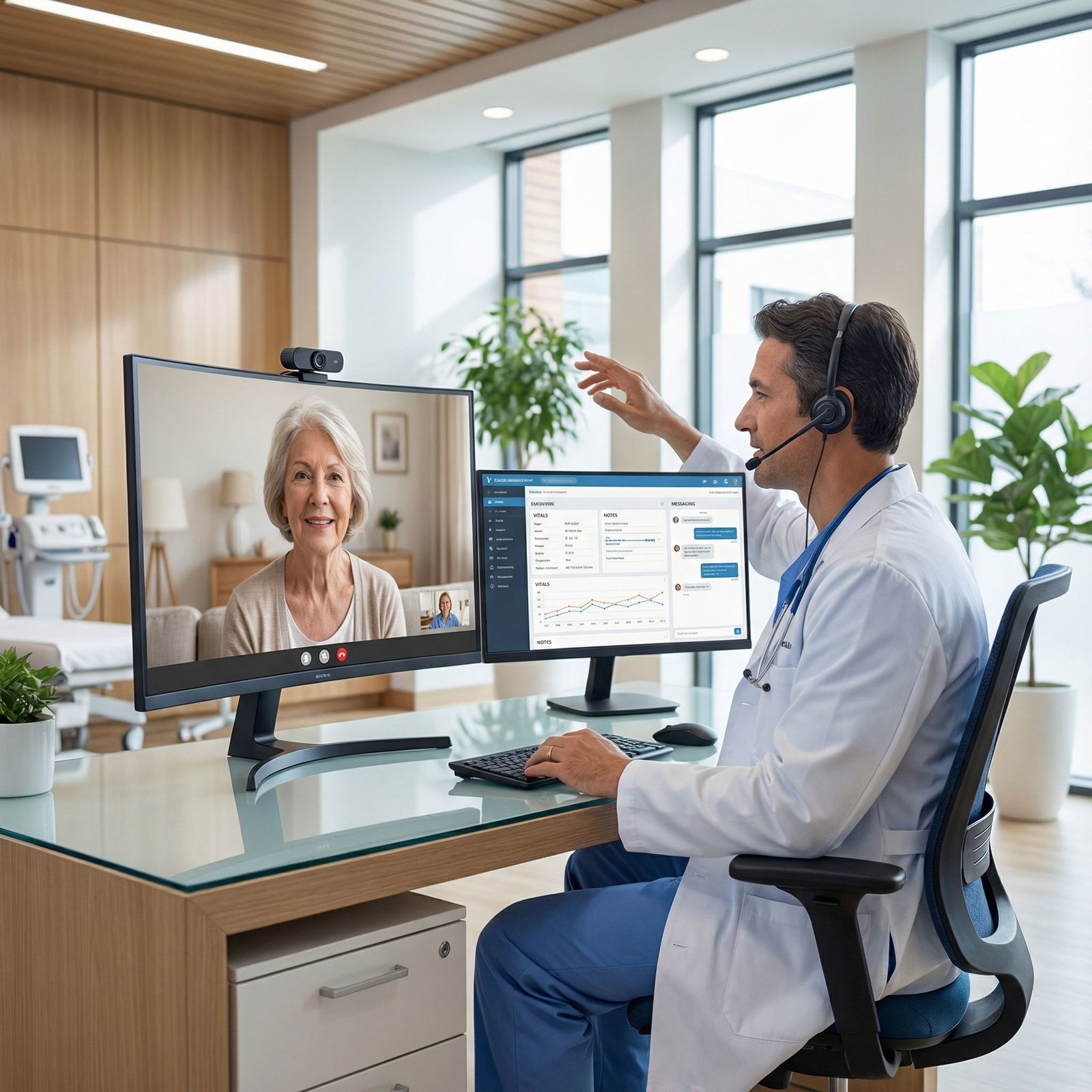
Telemedicine has evolved from an emergency contingency to a core modality of care. For many post-residency physicians, the ability to flex between in-person and virtual visits is now a standard expectation.
Expanding Patient Reach and Practice Flexibility
Telemedicine allows you to serve patients beyond your immediate geographic area, within your licensure and payer constraints.
Clinical and operational advantages:
Improved access for vulnerable populations
- Rural patients
- Those with mobility or transportation barriers
- Working adults or caregivers unable to leave home
More flexible scheduling
- Offer early morning, evening, or weekend virtual slots
- Reduce no-shows by allowing last-minute conversion from in-person to virtual
Business continuity
- Maintain visit volume during pandemics, severe weather, or construction
- Support hybrid models (e.g., in-person intake, virtual follow-up)
Evidence from the COVID-19 era showed practices that quickly integrated Telemedicine had significant increases in completed visits and maintained continuity of chronic disease management.
Enhancing Patient Engagement with Structured Virtual Care
Telemedicine, when combined with thoughtful workflows, can enhance Patient Engagement rather than feeling like a disconnected video call.
Key steps to make telemedicine efficient and patient-centered:
Define clear visit types suitable for telemedicine
Examples:- Medication management visits
- Stable chronic disease follow-ups
- Behavioral health sessions
- Minor acute complaints (rash, URI symptoms, medication side effects)
Standardize pre-visit workflows
- Collect vitals at home (BP, HR, weight) when possible
- Pre-visit questionnaires via patient portal
- Insurance verification and copay collection ahead of time
Establish protocols for follow-up and escalation
- Define when virtual visits must convert to in-person or ED referral
- Standardize documentation templates for virtual encounters
- Set specific timeframes for messaging follow-ups (e.g., 24–48 hours)
Educate patients on technology use
- Send step-by-step instructions or short video tutorials
- Provide a tech support contact for troubleshooting before the visit
Action Point:
Create a telemedicine playbook for your practice that covers:
- Eligible visit types
- Scheduling and triage rules
- Documentation expectations
- Billing and coding requirements
- Emergency and safety protocols (e.g., verifying location at start of visit)
3. Strengthening Patient Engagement Through Portals and Digital Communication
Patient portals are central to modern Patient Engagement strategies. When used effectively, they can improve outcomes, satisfaction, and adherence while reducing phone volume and administrative burden.
Empowering Patients with Accessible Health Information
Giving patients transparent access to their information promotes shared decision-making and self-management.
High-yield features to promote:
Real-time access to test results and visit summaries
Patients can review results, note trends, and bring informed questions to visits.Online scheduling and self-service tools
Reduce front-desk traffic and hold times while giving patients 24/7 control.Medication lists and refill requests
Improve accuracy and adherence, and streamline refills.
Example:
Systems like Virginia Mason Medical Center have reported that patients who actively use portals show better chronic disease control, fewer missed appointments, and higher satisfaction, largely due to improved communication and ownership of their care.
Secure Messaging and Asynchronous Care
Secure messaging through patient portals allows quick, problem-focused interactions without the overhead of a full visit.
Best practices for secure messaging:
Set clear expectations
- Typical response times (e.g., within 2 business days)
- Appropriate topics (refills, minor questions vs. emergencies)
Use templates and saved replies
Standardize responses for common scenarios (lab explanations, prep instructions) and adapt as needed.Establish billing policies for e-visits
Determine which message-based encounters may qualify as billable services (depending on payer rules), and ensure documentation supports coding.
Action Points:
- Train front-desk and nursing staff to actively enroll patients in the portal during check-in.
- Use posters, email campaigns, and visit summaries to highlight portal benefits.
- Monitor portal usage analytics to identify barriers and opportunities (e.g., low uptake in certain age groups or languages).
4. Leveraging Artificial Intelligence for Smarter, Safer Care
Artificial Intelligence in healthcare is transitioning from buzzword to practical tool. For clinicians entering the job market, understanding where AI adds value—and where human judgment remains essential—is critical.
AI-Driven Data Analysis and Risk Stratification
AI tools can rapidly analyze large datasets across your patient panel to identify patterns and risks that may not be obvious at the individual patient level.
Common AI applications in outpatient practice:
Risk prediction models
Identify patients at high risk for hospitalization, readmission, or disease progression (e.g., heart failure, COPD, diabetes).Diagnostic support
Suggest differential diagnoses based on presenting symptoms, history, and structured data. These tools are assistive, not authoritative.Population health and care gaps
Flag patients overdue for screenings, vaccinations, or lab monitoring, supporting value-based care contracts.
Case Example:
Organizations working with platforms similar to IBM Watson Health have used AI to support complex oncology treatment planning, combining genomics, clinical trials, and guideline data to personalize regimens.
Clinical Decision Support Systems (CDSS) Powered by AI
AI-enhanced CDSS can embed into your EHR workflow to provide real-time alerts and suggestions.
Useful types of AI-supported decision support:
- Drug–drug and drug–disease interaction alerts with contextual relevance
- Sepsis or deterioration warnings in higher-acuity settings
- Imaging triage to prioritize critical findings
- Automated documentation suggestions based on conversation or note content
Action Points:
- Vet AI tools for clinical validation, bias assessment, and regulatory clearance where applicable.
- Involve clinicians in designing alert thresholds to avoid alarm fatigue.
- Provide training on limitations of AI: emphasize that AI supports—but does not replace—clinical judgment.
As a new or early-career attending, being AI-literate will position you as a leader in your group and make you more attractive to data-driven, innovation-focused organizations.
5. Harnessing Wearable Technology and Remote Monitoring for Chronic Care
Wearable devices and Remote Patient Monitoring (RPM) programs extend your clinical reach into patients’ daily lives, particularly for chronic disease management.
Continuous Monitoring for Early Intervention
Consumer wearables and medical-grade RPM devices can track:
- Heart rate and rhythm (including AFib detection)
- Blood pressure and blood glucose
- Oxygen saturation and respiratory rate
- Weight and fluid status (heart failure)
- Physical activity and sleep patterns
These data streams support:
- Early detection of deterioration (e.g., rising weight and dyspnea in HF)
- Objective assessment of adherence (e.g., step counts, CPAP usage)
- More tailored medication adjustments (e.g., insulin titration with CGM data)
Integrating Wearable Data into Clinical Workflow
Simply collecting data is not enough; it must be clinician-friendly and actionable.
Implementation strategies:
- Choose RPM platforms that integrate data into your EHR in a summarized, digestible format (e.g., trend graphs, alerts).
- Define thresholds that trigger intervention (nurse call, provider review, urgent visit).
- Clarify roles and responsibilities:
- Who monitors dashboards daily?
- Who contacts patients?
- How are interventions documented and billed?
Action Point:
Start with one or two use cases, such as hypertension or heart failure RPM. Encourage appropriate patients to enroll and clearly explain the benefits, expectations, and potential costs. Use each case to refine your workflows before scaling.
6. Robotics and Advanced Procedural Technology in Surgical and Specialty Practice
For surgeons and procedural specialists, Robotics and advanced visualization systems represent some of the most impactful technologies shaping post-residency practice options.
Improving Precision, Outcomes, and Market Differentiation
Robotic-assisted platforms (e.g., the da Vinci Surgical System and similar technologies) offer:
- Enhanced dexterity and visualization
- Smaller incisions and improved cosmetic outcomes
- Reduced blood loss and hospital length of stay
- Potentially lower complication rates in select procedures
For practices and hospitals, robotics can also be a competitive differentiator that attracts patients and referrals, particularly in urology, gynecology, general surgery, and thoracic procedures.
Training, Credentialing, and Safety
New graduates interested in robotics should strategically seek out:
- Residency or fellowship programs with robust robotic case volumes
- Proctoring and mentorship during early attending years
- Formal credentialing pathways with case minimums and evaluation criteria
Action Points:
- If you’re in training, advocate for exposure to robotic systems and log cases meticulously.
- If you’re in early practice, request structured onboarding, supervised cases, and simulation time.
- Ensure the institution has a comprehensive quality monitoring plan for robotic cases, including outcome tracking and complication reviews.
Practical Implementation Roadmap for Early-Career Physicians
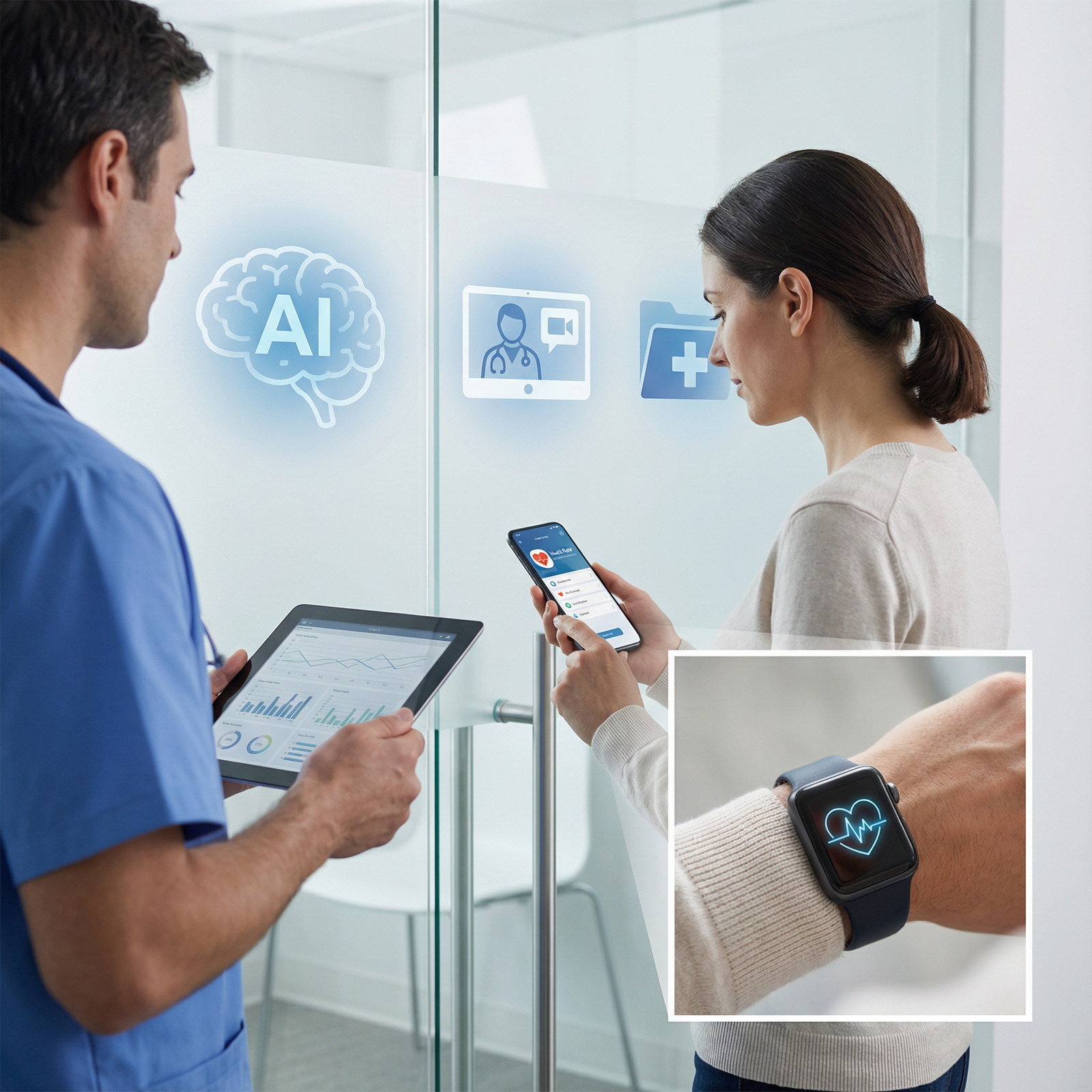
For residents and new attendings, the biggest challenge is often where to start. Here’s a phased approach to adopting and optimizing Healthcare Technology in a new or existing practice.
Phase 1: Assess and Prioritize
- Conduct a digital maturity assessment:
- What EHR is in place?
- Is Telemedicine supported and billable?
- Is there a Patient Portal and how widely is it used?
- Are there existing AI or analytics tools?
- Identify pain points:
- Documentation burden?
- Phone volume and refill chaos?
- Poor chronic disease control metrics?
- High no-show rates?
Prioritize technology changes that directly address the top 2–3 pain points.
Phase 2: Optimize What You Already Have
Before buying new tools, fully leverage existing systems:
- Customize EHR templates and order sets
- Improve portal enrollment and messaging rules
- Tighten Telemedicine workflows and scheduling
- Clean up EHR in-baskets and results routing
Phase 3: Add Strategic Enhancements
Consider adding:
- Telemedicine expansion (if limited)
- RPM programs for high-risk chronic conditions
- Basic AI tools for risk stratification or documentation assistance
- Advanced analytics dashboards for quality metrics and panel management
Phase 4: Measure, Refine, and Scale
Track:
- Visit volume and mix (in-person vs. virtual)
- Documentation time per encounter
- Patient satisfaction scores and portal usage
- Quality measures (A1c, BP control, screening rates)
- Clinician and staff burnout indicators
Use this data to justify additional investments, refine workflows, and strengthen your negotiating position with employers or payers.
FAQs: Advanced Healthcare Technology for Modern Medical Practice
Q1: I’m finishing residency and joining a group—how much influence will I realistically have on Healthcare Technology decisions?
In large systems, you may not choose the EHR or Telemedicine platform, but you can strongly influence how they’re used. Join or form an informatics or physician advisory committee, volunteer as an EHR super-user, and lead small optimization projects (note templates, portal campaigns, Telemedicine protocols). In smaller groups, your input on vendor selection, workflows, and digital strategy can be substantial—especially if you bring concrete suggestions and data from your training environment.
Q2: How can I ensure that Telemedicine and patient messaging don’t overwhelm my schedule and contribute to burnout?
Set clear boundaries and expectations. Work with leadership to:
- Define specific Telemedicine clinic blocks instead of ad hoc add-ons
- Establish policies on appropriate portal use and response times
- Delegate message triage to nurses or MAs when appropriate
- Explore payer rules for billing eligible e-visits
Regularly review in-basket volume and adjust staffing, protocols, or visit scheduling to keep digital work manageable and compensated.
Q3: Are Artificial Intelligence tools safe and reliable enough to use in everyday practice?
Many AI tools are now rigorously tested, but they vary widely in quality. Look for:
- Clear clinical validation studies and outcomes data
- Regulatory status (e.g., FDA clearance where applicable)
- Transparent information about training data and potential biases
Use AI as a decision aid, not a replacement for clinical judgment. Document your reasoning, especially when following or overriding AI suggestions, and participate in your organization’s evaluation and monitoring of AI tool performance.
Q4: What are the main regulatory and privacy considerations when adopting new Healthcare Technology?
Key considerations include:
- HIPAA compliance for all EHRs, Telemedicine platforms, portals, and cloud services
- Data encryption in transit and at rest
- Business Associate Agreements (BAAs) with all technology vendors
- State-specific Telemedicine and licensure laws, especially for cross-border care
- Billing and coding accuracy, particularly for Telemedicine, RPM, and AI-supported documentation
Always involve your compliance and legal teams early in the selection and implementation process.
Q5: How can I quickly get up to speed on EHR Systems and digital tools if my residency training was limited in this area?
Consider:
- Completing vendor-specific online training modules before your first day
- Shadowing an experienced colleague or super-user for several clinics
- Attending CME courses on health informatics, Telemedicine, and digital health
- Practicing documentation and template usage in the EHR’s training environment
Intentionally investing time early on will pay dividends in efficiency, reduced frustration, and improved care quality throughout your career.
By strategically adopting and optimizing advanced Healthcare Technology—from EHR Systems and Telemedicine to AI, wearables, and robotics—you can build or join a practice that delivers safer, more efficient, and more satisfying care. For post-residency physicians navigating the job market, demonstrating digital fluency and thoughtful tech leadership is now a key differentiator and an investment in both your patients’ outcomes and your long-term career success.