Introduction: Telehealth as a Core Competency in Modern Patient Care
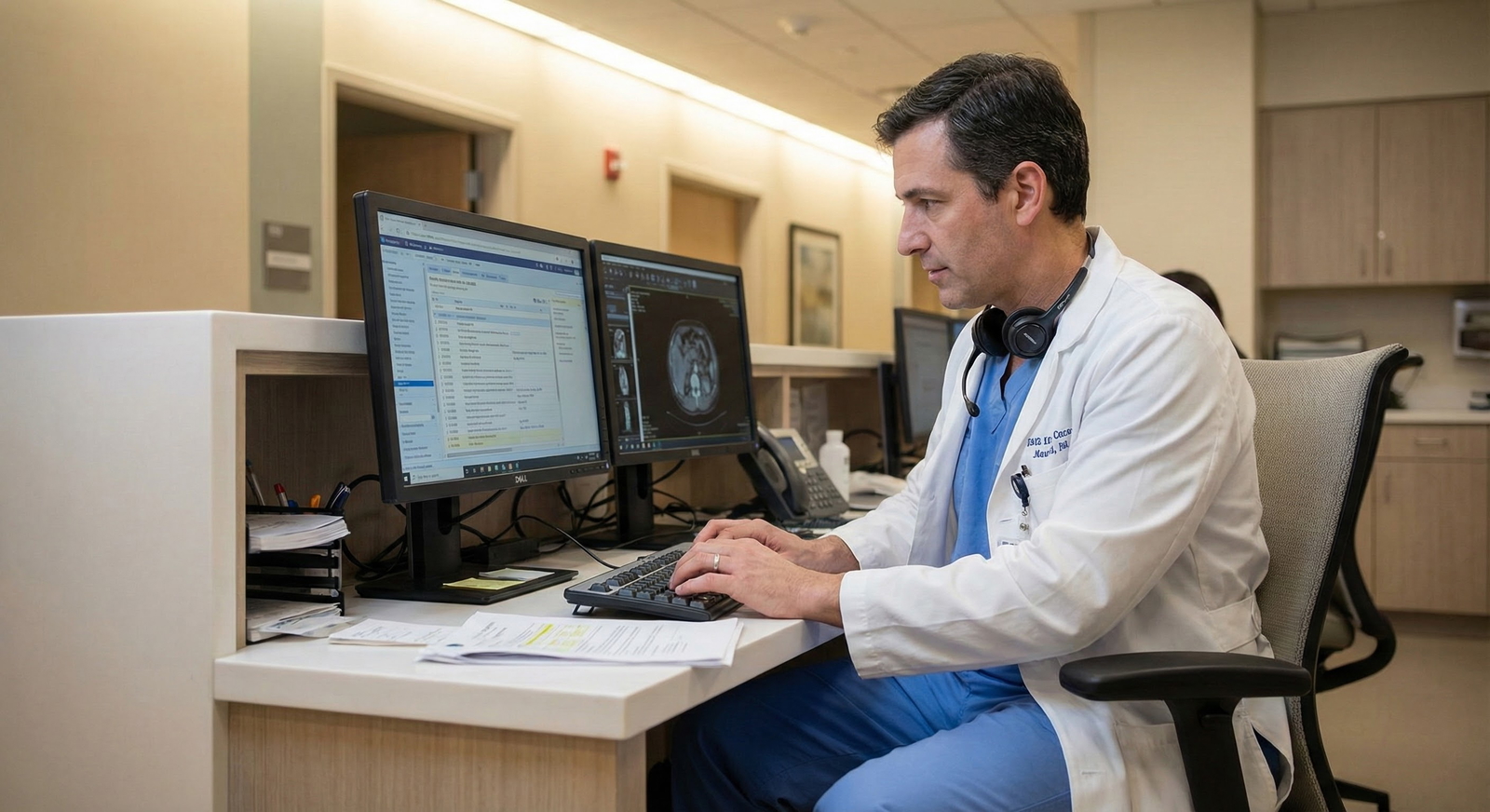
Telehealth has moved from fringe experiment to core clinical skill. For early‑career physicians and residents entering the job market, comfort with Digital Health is no longer optional—it is a key differentiator in hiring, productivity, and patient outcomes.
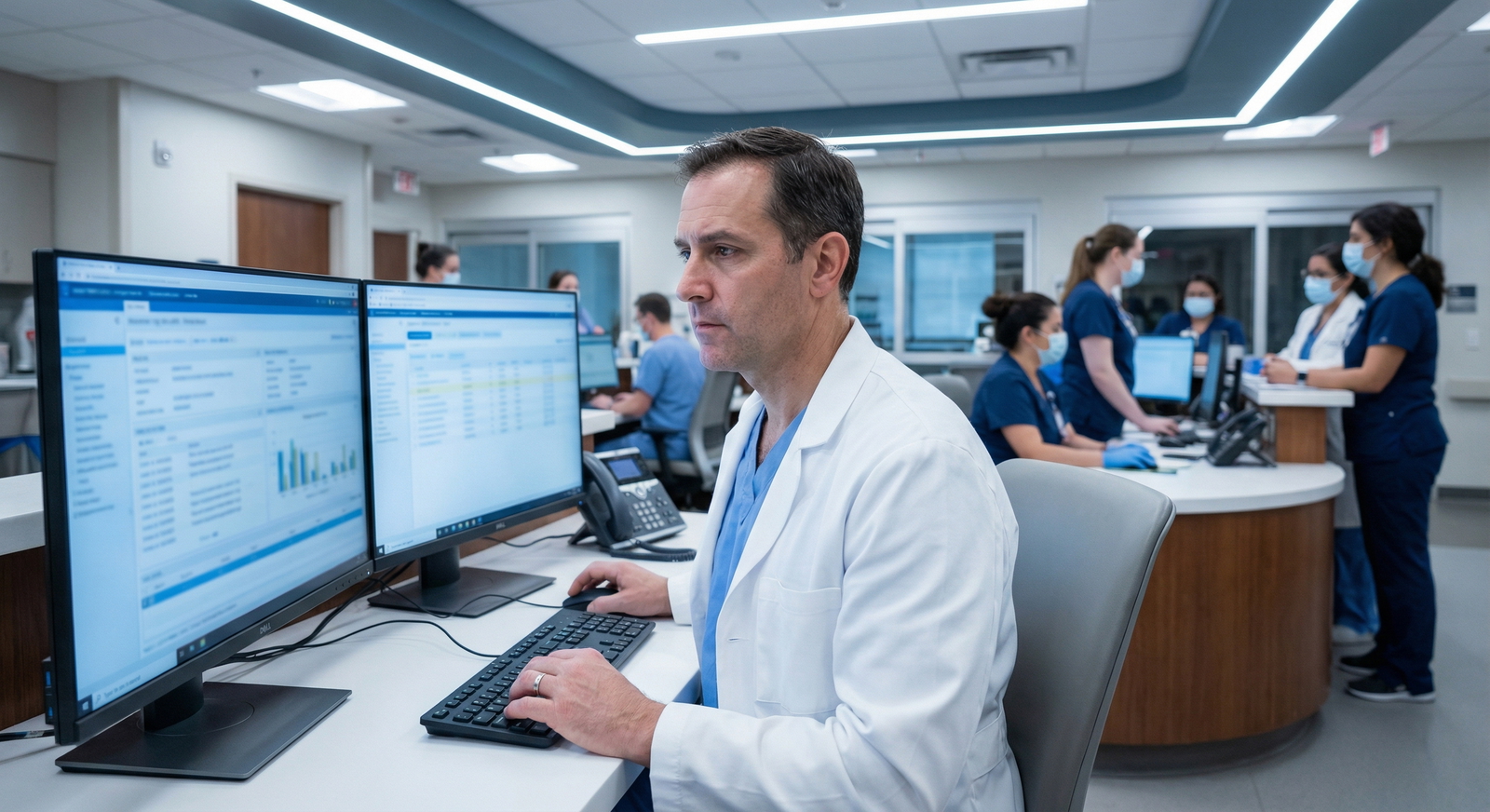
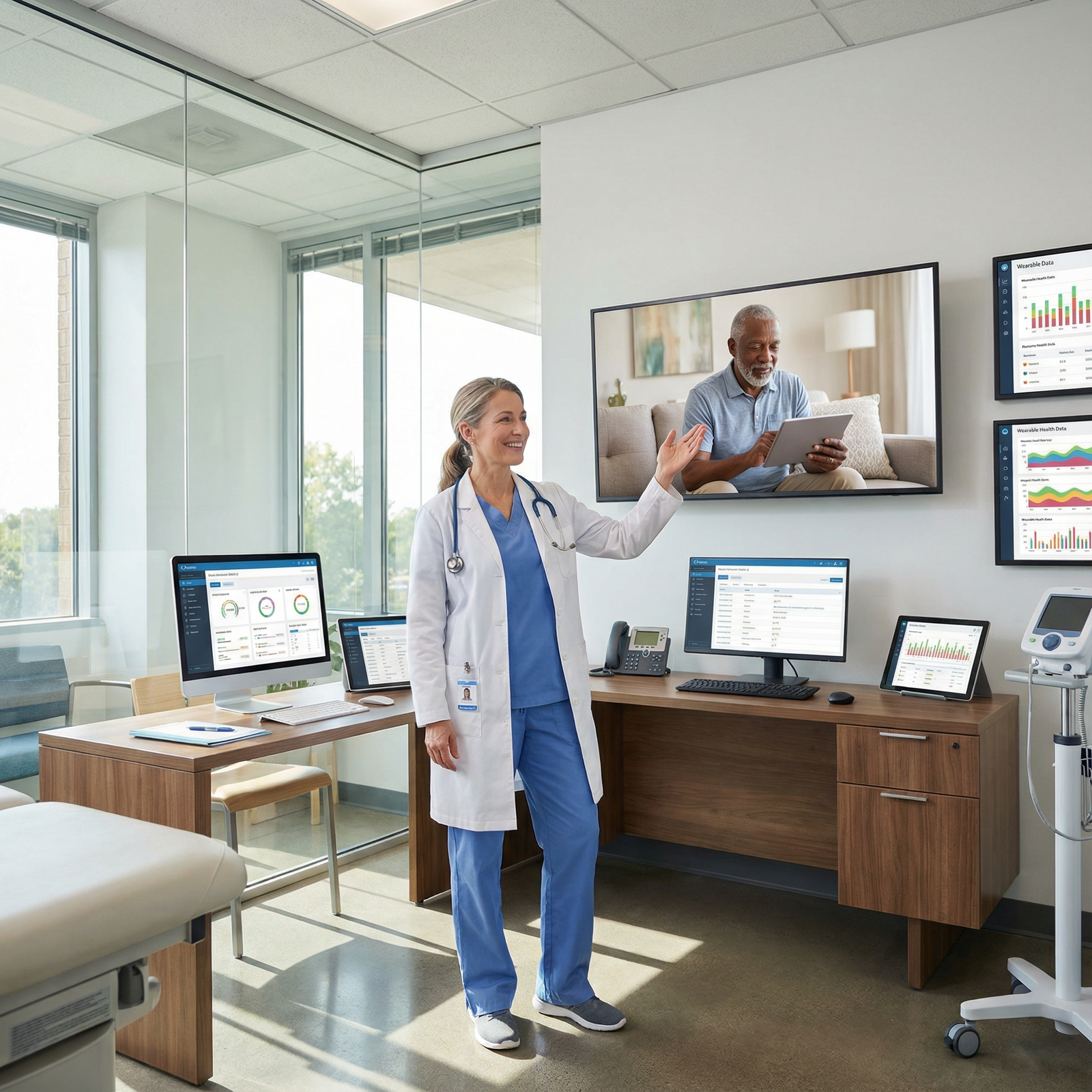
Telehealth broadly refers to the use of electronic and telecommunications technologies to deliver health-related services, information, and education. This includes video visits, secure messaging, mobile health apps, remote monitoring devices, and integration with electronic health records (EHRs).
More importantly, telehealth is changing how we think about Patient Care. Instead of episodic, location-based encounters, care is increasingly continuous, data-driven, and decoupled from the physical clinic. This shift opens new opportunities for access, quality, and work–life balance—but also introduces new demands for clinical judgment, virtual communication skills, and understanding of Healthcare Technology.
This article expands on the foundations of telehealth innovations, with a focus on:
- How telehealth evolved and why it matters post-residency
- Key Digital Health tools every clinician should understand
- Practical challenges and how to address them in real-world practice
- High-yield use cases (mental health, chronic disease, pediatrics)
- What to expect from the future of telehealth and how to prepare your career
The Evolution of Telehealth: From Telephone Calls to Connected Care Ecosystems
Telehealth did not start with the pandemic. It has been quietly evolving for over a century—and that trajectory helps explain where we are headed next.
Early Foundations: Telephone to Teleradiology
- Early 1900s: Physicians used standard telephones to provide basic advice and triage.
- 1960s–1980s: NASA, academic centers, and the military experimented with remote monitoring and teleconsults, particularly for astronauts and remote environments.
- 1990s: Emergence of early telemedicine pilots with video links between rural clinics and tertiary centers—often limited by bandwidth, cost, and clunky hardware.
These early efforts demonstrated clinical feasibility but were hard to scale.
Internet Era and Policy Momentum
In the late 1990s and 2000s, three trends converged:
- Broadband internet and better webcams made video visits technically more feasible.
- Electronic Health Records adoption accelerated, creating digital infrastructure for documentation and data-sharing.
- Federal and state initiatives began funding telehealth in rural and underserved areas, with pilot reimbursement models and grants.
Yet adoption remained patchy. Telehealth was often siloed into specific programs (e.g., stroke teleneurology, teledermatology) rather than integrated into mainstream care.
The COVID-19 Inflection Point
The COVID-19 pandemic rapidly transformed telehealth from optional to essential:
- Major payers temporarily expanded reimbursement for video and phone visits.
- Geographical and licensing restrictions were relaxed in many regions.
- Hospitals and practices shifted large portions of outpatient care to virtual models almost overnight.
For residents and new attendings, this period became a crash course in virtual care, forcing rapid development of new workflows, documentation styles, and communication skills.
Today, as regulations evolve and temporary waivers are reevaluated, telehealth is stabilizing into a more sustainable, hybrid model. The focus is shifting from “emergency replacement for in-person care” to “strategic integration of virtual and in-person services” across the care continuum.
Core Telehealth Innovations Every Clinician Should Know
1. Video Conferencing Platforms: The New Front Door of Care
Video visits are the most visible component of telehealth—and often the first telehealth skill new physicians must master.
Clinical use cases:
- Primary care and urgent issues: Acute complaints, follow-up of stable chronic conditions, medication refills, results review.
- Specialty care: Pre-op and post-op checks, second opinions, fertility counseling, sleep medicine, dermatology (with store-and-forward images plus live consult).
- Cross-institution collaboration: Specialists providing consults to community hospitals or rural clinics.
Advantages for patient care:
- Reduced travel time, cost, and time off work
- Decreased no-show rates when scheduling is flexible
- Improved access to specialists for rural or underserved populations
Practical tips for clinicians:
- Standardize your “virtual physical exam.” For example:
- Ask patients to self-measure vital signs when possible (home BP cuff, pulse oximeter, thermometer).
- Use guided maneuvers (e.g., self-palpation, range-of-motion testing, orthopnea assessment via positioning).
- Optimize your environment:
- Good lighting, neutral background, high-quality microphone.
- Clear introduction about privacy and documentation at start of visit.
- Set expectations:
- Clarify what can and cannot be done via telehealth.
- Establish follow-up or urgent in-person pathways when needed.
For job seekers, demonstrating experience with specific telehealth platforms (e.g., Epic telehealth, Zoom for Healthcare, Doxy.me, AmWell, Teladoc) can be a clear advantage.
2. Mobile Health (mHealth) Applications: Extending Care Between Visits
Mobile health (mHealth) leverages smartphones and tablets to support both public health and clinical practice. With the majority of adults owning smartphones, mHealth is a powerful, scalable extension of Patient Care.
Key categories:
Patient-facing apps:
- Symptom checkers and triage tools
- Medication reminder systems
- Disease-specific apps (diabetes logs, COPD trackers, pregnancy apps)
- Mental health apps (CBT-based tools, mindfulness, mood tracking)
Clinician-facing apps:
- Clinical calculators and guidelines
- Secure messaging with patients and team members
- EHR access and mobile documentation
Clinical implications:
- Improved medication adherence with reminder systems and refill alerts
- Better self-management for chronic diseases via daily tracking and education
- Opportunity for “micro-interventions” (brief nudges, check-ins, automated education) between visits
As a clinician, you don’t need to build apps, but you should be:
- Familiar with a small set of vetted, evidence-based apps to recommend.
- Aware of privacy risks and regulatory requirements (HIPAA, GDPR, etc.).
- Ready to integrate app data into your decision-making without being overwhelmed by noise.
3. Remote Patient Monitoring (RPM): Continuous Data for Chronic Disease Management
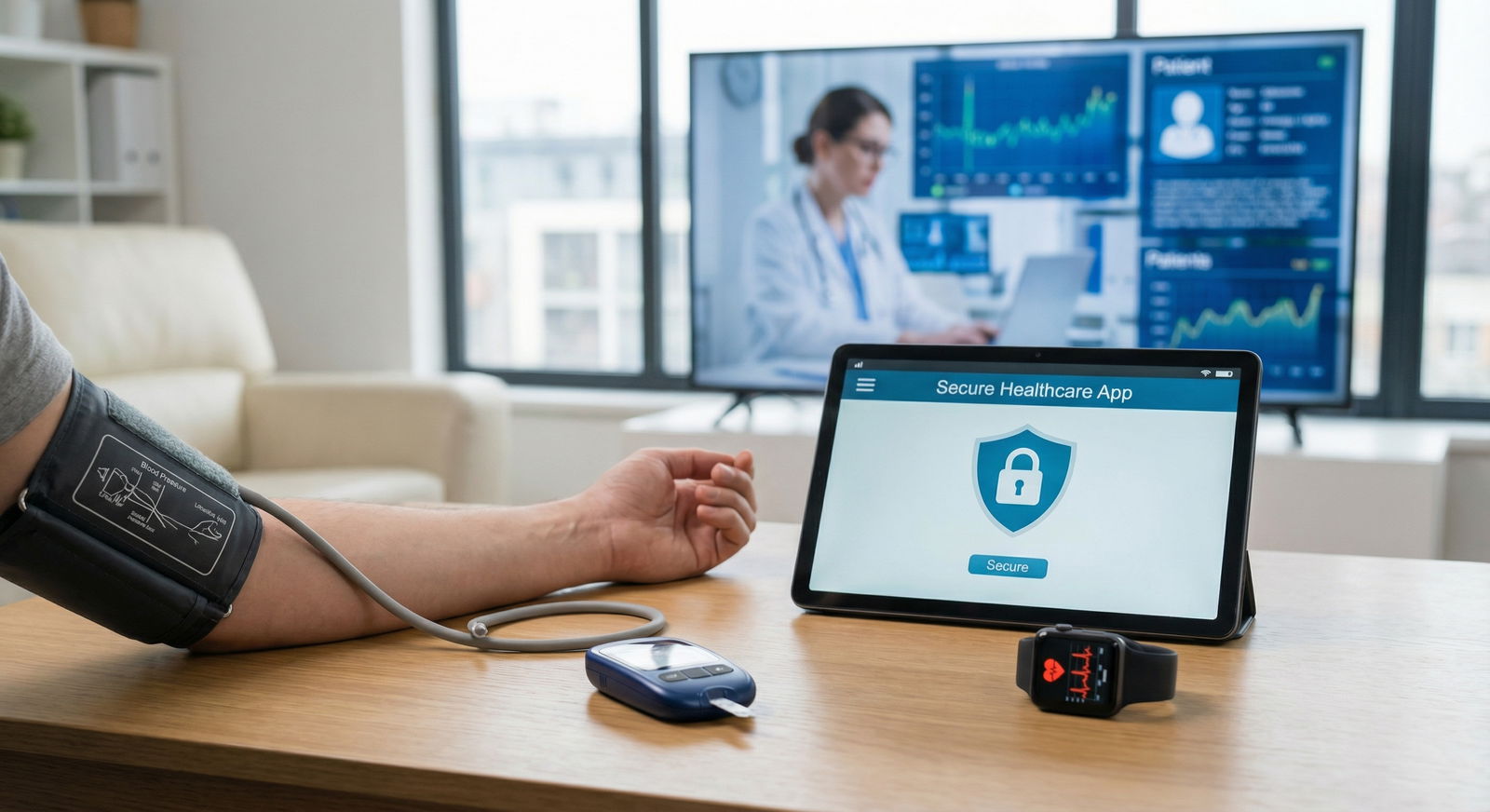
Remote Monitoring is one of the most transformative aspects of Digital Health, especially in chronic disease and post-acute care.
Common RPM tools:
- Bluetooth or WiFi-enabled:
- Blood pressure cuffs
- Glucose meters and continuous glucose monitors (CGMs)
- Weight scales for heart failure
- Pulse oximeters and smart inhalers
- Wearables (e.g., smartwatches tracking heart rate, activity, sleep)
Clinical benefits:
- Early detection of deterioration:
Rising weights in heart failure, decreasing oxygen saturation in COPD, or escalating blood glucose variability in diabetes can trigger proactive outreach. - Reduced hospital admissions and readmissions:
Structured RPM programs have been associated with lower acute care utilization in several chronic conditions. - Improved patient engagement:
Patients see real-time links between behavior, medication, and metrics.
Practical considerations in real-world practice:
- Establish clear thresholds and protocols for alerts (e.g., BP > 180/110, weight gain > 2 kg in 3 days).
- Decide who responds to alerts (RN triage, APPs, attending physician) and within what timeframe.
- Ensure billing and documentation workflows align with RPM codes and payer requirements.
- Be realistic: more data is not always better. Focus on actionable metrics.
For early-career physicians, familiarity with RPM workflows and documentation is a major plus in health systems investing in population health and value-based care.
4. Artificial Intelligence and Chatbots: Augmenting, Not Replacing, Clinicians
Artificial Intelligence (AI) is rapidly integrating into telehealth platforms, supporting both clinical and operational workflows.
Clinical and operational applications:
- Symptom triage and routing:
Chatbots or AI-driven questionnaires guide patients to self-care, asynchronous messaging, video visits, or urgent in-person evaluation. - Virtual assistants:
Automated scheduling, FAQs, pre-visit intake, and post-visit education. - Clinical decision support (CDS):
- Flagging drug interactions and allergies
- Suggesting differential diagnoses based on structured symptoms
- Highlighting abnormal values in RPM data
How to work with AI effectively:
- Treat AI outputs as suggestions, not orders. Apply clinical judgment.
- Understand bias and limitations—training data may underrepresent certain populations.
- Be transparent with patients when they’re interacting with automated systems.
- Use AI to reduce low-value work (triage, reminders, administrative forms) and free time for complex human interactions.
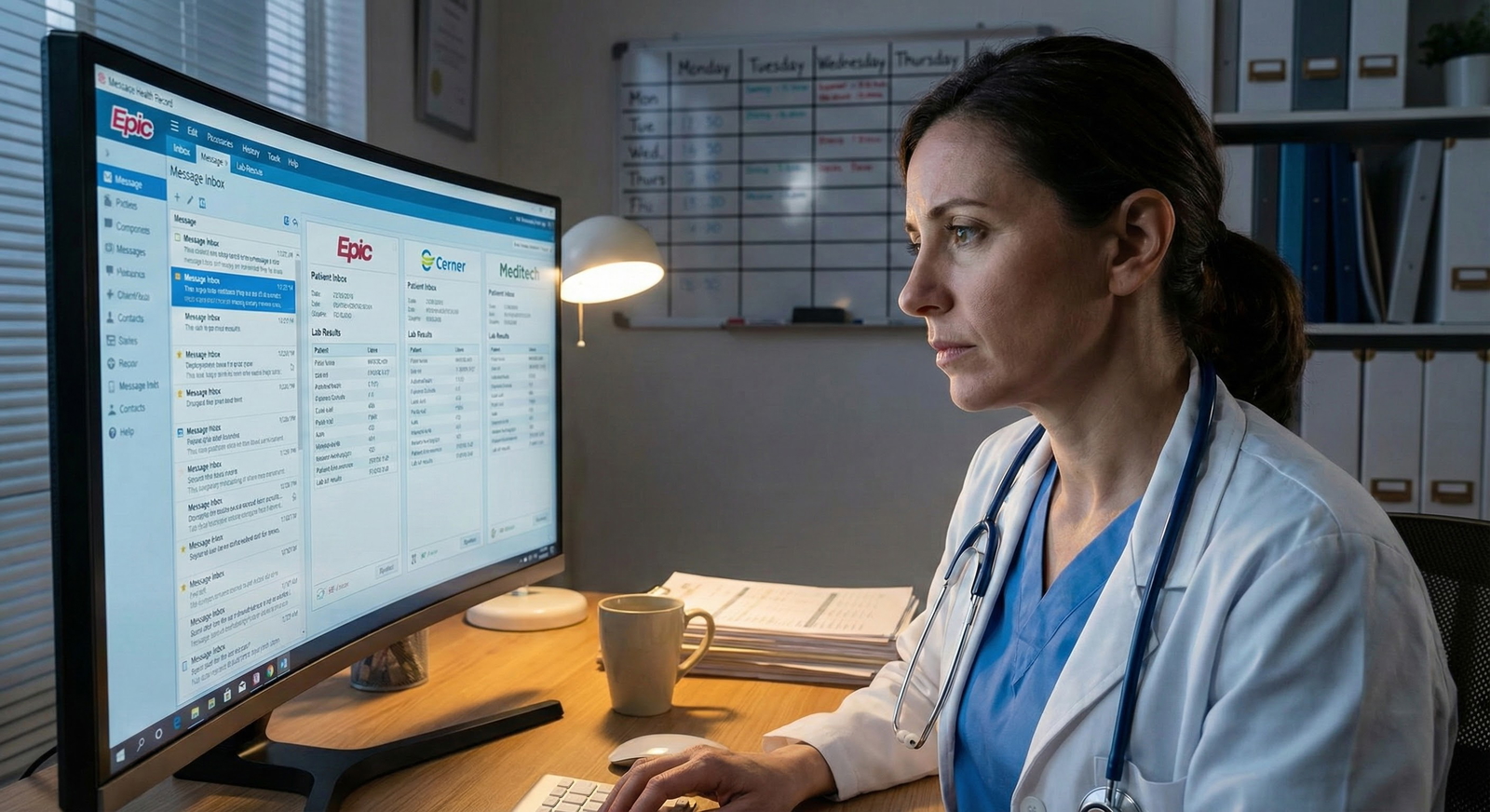
5. EHR Integration and Interoperability: Making Telehealth Clinically Coherent
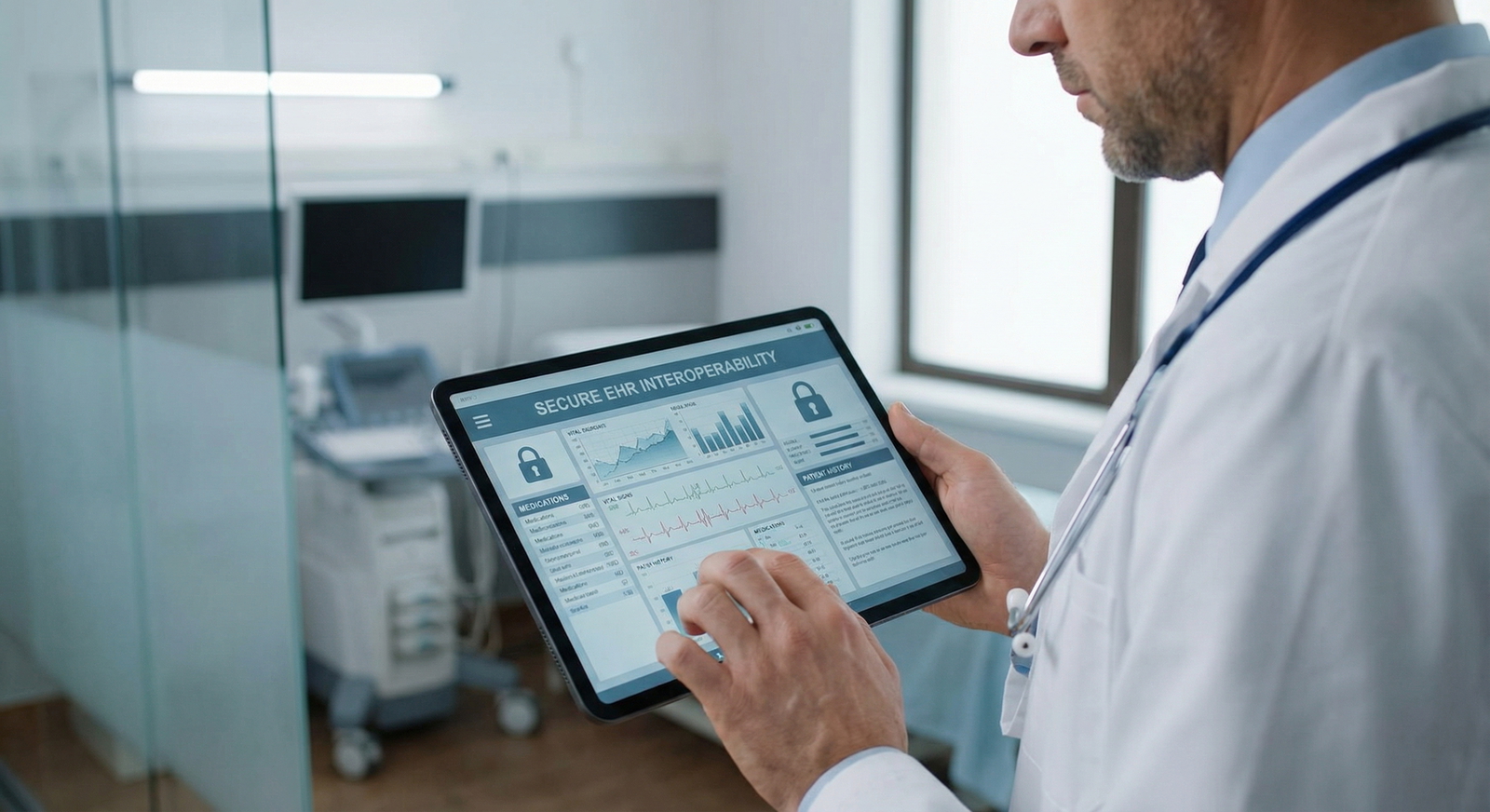
Telehealth is most powerful when embedded into the EHR and broader Healthcare Technology ecosystem.
Key features of strong integration:
- Direct launch of video visits within the EHR
- Automated documentation templates for virtual visits
- Integrated e-prescribing, ordering, and billing workflows
- Ability to view and act on RPM data and mHealth data from within patient charts
- Secure messaging and telehealth notes integrated into longitudinal records
Benefits for Patient Care and clinician efficiency:
- Fewer documentation gaps and lower risk of missed information
- Better continuity when multiple clinicians are involved
- More efficient workflows, reducing burnout and double documentation
For job applications and interviews, demonstrating comfort with EHR-integrated telehealth (and ideas for workflow improvement) signals that you can help organizations optimize their virtual care programs.
Challenges and Limitations of Telehealth in Real Practice
Despite its promise, telehealth is not a panacea. Understanding its limitations is critical for safe and equitable care.
1. The Digital Divide and Health Equity
Access to telehealth depends on:
- Reliable broadband internet or cellular data
- Access to devices (smartphones, tablets, computers)
- Digital literacy and comfort with technology
These factors are often worse among:
- Rural populations
- Older adults
- Patients with lower socioeconomic status
- Non-English speakers or those from marginalized communities
Strategies to mitigate inequity:
- Offer audio-only visits when video is not feasible (where allowed by regulation).
- Partner with community centers or libraries that offer private rooms and internet access.
- Advocate for institutional device-lending programs and simplified patient portals.
- Provide multilingual, low-literacy instructions and support hotlines.
2. Regulatory and Reimbursement Complexity
The regulatory environment remains dynamic and highly jurisdiction-specific:
- Licensure: Cross-state or cross-country telehealth can trigger complex licensing issues.
- Reimbursement: Coverage varies by payer, region, and visit type (video vs phone, synchronous vs asynchronous).
- Privacy & security: HIPAA, data encryption, secure platforms, and patient consent are essential.
For post-residency clinicians:
- Stay updated through your institution’s compliance teams and professional societies.
- Document thoroughly, including modality, location of patient and provider (if required), and clinical justification.
- When interviewing or negotiating contracts, ask about the organization’s telehealth compliance and billing infrastructure—this affects your risk and productivity.
3. Technological Literacy and User Experience
Many patients and some staff may struggle with:
- Downloading or accessing platforms
- Using patient portals
- Connecting audio and video properly
- Managing passwords and two-factor authentication
Practical solutions:
- Pre-visit test sessions or “tech checks,” especially for older or high-risk patients.
- Simple, step-by-step instructions with screenshots.
- Front-desk or tech-support staff dedicated to telehealth onboarding.
- Choosing platforms that are mobile-friendly and intuitive.
The more seamless the experience, the higher the uptake and adherence—and the less frustration for you as a clinician.
High-Impact Clinical Use Cases of Telehealth
1. Mental Health and Behavioral Telehealth
Telehealth has been particularly transformative in psychiatry and behavioral health.
Why tele-mental health works well:
- Physical examination is often limited compared to other specialties, making video visits clinically sufficient in many scenarios.
- Stigma is reduced when patients can attend sessions privately from home.
- Flexibility improves adherence, particularly for patients with work or caregiving responsibilities.
Evidence and real-world experience:
- High patient satisfaction rates (often >85–90%) have been reported in multiple studies.
- Many providers report fewer cancellations and greater scheduling flexibility.
- Group therapy, psychoeducation sessions, and medication follow-ups are increasingly done virtually.
Clinical tips:
- Ensure a private, quiet environment and encourage patients to do the same.
- Explicitly discuss safety planning and emergency protocols (e.g., what to do in acute crisis, how to contact local services).
- Be aware of jurisdictional issues if your patient is physically located in another state or country during the session.
2. Chronic Disease Management and Population Health
Chronic diseases are ideal targets for integrated telehealth ecosystems combining video visits, RPM, and mHealth.
Example: Diabetes management program
- Patients use Bluetooth glucometers or CGMs connected to a centralized dashboard.
- Abnormal readings trigger RN or diabetes educator outreach with protocol-driven adjustments.
- Scheduled telehealth visits are used to review trends, adjust medications, and reinforce education.
Outcomes often observed:
- Improved glycemic control with fewer extreme excursions
- Reduced ED visits for hypoglycemia or hyperglycemic crises
- Increased patient engagement in self-management
Similar models are used in heart failure, COPD, hypertension, and post–acute care (e.g., post-MI, post-surgical recovery).
3. Pediatrics and Virtual Support for Families
Telehealth has created new models of care in pediatrics:
- Virtual sick visits for common conditions (e.g., rashes, URIs, GI symptoms) with clear parameters for in-person evaluation.
- Telehealth follow-up after hospital discharge or NICU stay.
- Parenting support and anticipatory guidance visits via video, especially beneficial for families with transportation or childcare constraints.
For residents and new pediatricians, being adept at coaching parents through home assessments (e.g., counting respiratory rate, checking capillary refill, showing rashes in good lighting) is an increasingly valuable skill.
The Future of Telehealth: Preparing for Your Career in Digital Health
Telehealth is evolving from “video visits” into a broader, connected model of care powered by Healthcare Technology.
1. More Sophisticated AI and Decision Support
Expect:
- Improved automated triage that directs patients to the right level of care.
- AI-assisted radiology, dermatology, and pathology integrated into teleconsults.
- Predictive analytics for hospitalization risk, adherence, and disease progression.
As a clinician, you’ll need to:
- Understand how these models are built and validated.
- Recognize when AI may be wrong or biased.
- Communicate AI-supported decisions clearly to patients.
2. Improved Interoperability and Data Liquidity
Ongoing regulatory and industry efforts aim to:
- Make EHRs more interoperable across systems and regions.
- Allow patients to port their data between providers and apps more easily.
- Create longitudinal, patient-centered records that incorporate telehealth, RPM, and traditional encounters.
This will enable more holistic, coordinated care—but also requires thoughtful data governance and workflow design to avoid information overload.
3. Stable Coverage and Integration into Standard Practice
Over time, expect:
- More permanent and standardized telehealth reimbursement policies.
- Clearer guidance on cross-state practice and licensure.
- Telehealth to be embedded in standard clinic templates and staffing models.
For job seekers, consider:
- Is the organization’s telehealth strategy mature, experimental, or resistant?
- Are there opportunities to lead or shape virtual care initiatives?
- How does telehealth factor into productivity metrics, quality incentives, and work–life flexibility?
Acquiring formal training—such as Digital Health electives, telemedicine rotations, or certificates—can significantly strengthen your CV and open doors in innovation-focused roles.
Frequently Asked Questions (FAQ)
Q1: What is the difference between telehealth and telemedicine?
Telemedicine typically refers to clinical services delivered remotely (e.g., video visits, remote consults).
Telehealth is broader—encompassing clinical care, remote monitoring, mHealth apps, provider-to-provider consults, patient education, and administrative uses of technology in healthcare.
In practice, the terms are often used interchangeably, but for policy and billing purposes the distinction can matter.
Q2: Which patients are not good candidates for telehealth visits?
Telehealth is not appropriate when:
- There is concern for unstable vital signs or acute distress (e.g., chest pain suggestive of ACS, severe dyspnea, acute neurologic deficits).
- A critical element of the physical exam or procedure cannot be deferred (e.g., abdominal peritonitis, certain neurological exams, urgent imaging).
- The patient cannot safely participate due to severe cognitive impairment, intoxication, or lack of a safe/private environment.
In these cases, telehealth may still be useful as a triage step, but definitive care should be in person.
Q3: How can residents and new attendings build telehealth skills and make themselves more marketable?
- Seek elective rotations or QI projects in Digital Health or telemedicine.
- Learn your institution’s telehealth tools deeply—become the “go-to” person on your team.
- Track outcome improvements from telehealth initiatives (e.g., reduced no-shows, improved control of chronic disease metrics).
- Include telehealth competencies on your CV (platforms used, RPM programs, workflow redesign projects, AI decision-support pilots).
Employers increasingly value clinicians who can both deliver high-quality virtual care and help refine systems.
Q4: How can clinicians maintain rapport and trust during virtual visits?
- Start with clear introductions and acknowledge the virtual format: “I know telehealth can feel different, but we’ll take the time you need today.”
- Use eye contact (look at the camera, not just the screen) and avoid multitasking.
- Validate patient concerns explicitly and summarize plans verbally and in the portal.
- Encourage open communication: ask if the patient feels comfortable with virtual visits and when they’d prefer in-person care.
Strong communication skills often matter more than the technology itself.
Q5: What are the main privacy and security considerations in telehealth?
Key considerations include:
- Using HIPAA-compliant platforms with end-to-end encryption.
- Verifying patient identity at the start of each visit.
- Ensuring you are in a private, secure location with no unauthorized individuals within earshot or view.
- Educating patients about potential risks of public Wi‑Fi, shared devices, and unsecured apps.
- Following institutional policies for data storage, recording (if allowed), and documentation.
Staying aligned with your organization’s compliance and IT teams is essential to protect both patients and your professional license.
Telehealth and Digital Health are reshaping the practice of medicine. For residents and early-career physicians, building competency in virtual care, Remote Monitoring, and Healthcare Technology is not merely about keeping up with a trend—it is about being ready for the next decade of Patient Care. By engaging thoughtfully with these innovations, you can help bridge gaps in access, improve outcomes, and design a practice that is both clinically effective and sustainable.