Navigating ACGME Residency: The Essential Toolkit for DO Applicants
Entering residency is one of the most defining transitions in your medical career. For students and graduates with a Doctor of Osteopathic Medicine (DO) degree, navigating the Accreditation Council for Graduate Medical Education (ACGME) system comes with unique considerations, opportunities, and challenges.
This expanded guide is designed as a practical toolkit to help DO applicants confidently approach ACGME Residency programs—from understanding the landscape to optimizing your application, networking in medicine, excelling on rotations, and sustaining resilience through match season.
Understanding the ACGME Residency Landscape as a DO
The Unified Accreditation System: Where DOs Fit In
Since the transition to a single accreditation system, most residency programs in the United States—previously ACGME (MD) and AOA (DO) accredited separately—now fall under ACGME oversight. This has significantly reshaped the residency landscape for DOs:
- Equal Eligibility: DOs and MDs now apply to the same ACGME residency positions.
- Standardized Requirements: All residents must meet ACGME standards for training, evaluation, and progression.
- Broader Opportunities: DOs can apply to a wider range of programs and specialties than ever before.
For DOs, this means more options—but also the need to be strategic, well-prepared, and proactive in explaining the strengths of osteopathic training within a predominantly ACGME framework.
DO vs MD in ACGME Residency: Practical Differences
While ACGME Residency programs train both DO and MD residents under the same competency standards, your osteopathic background still carries unique characteristics:
Training Philosophy
- DO: Emphasizes holistic, patient-centered care, the interrelationship of structure and function, and preventive medicine. DOs are trained in Osteopathic Manipulative Treatment (OMT/OMM).
- MD: Emphasizes biomedical and allopathic approaches, with increasing inclusion of holistic care and wellness but less formal training in manual medicine.
In residency interviews and personal statements, you should be ready to:
- Explain how osteopathic principles shape your clinical reasoning.
- Give concrete examples of holistic care, functional assessment, and prevention in your patient encounters.
Program Structure and Osteopathic Recognition
Some ACGME programs have Osteopathic Recognition, meaning they intentionally integrate osteopathic principles and practices (OPP) into their curriculum. These programs may:
- Offer dedicated OMT clinics or teaching.
- Include osteopathic faculty and DO-specific didactics.
- Provide structured pathways to maintain and develop your OMT skills.
Even without formal Osteopathic Recognition, many programs welcome DOs and appreciate the added perspective they bring.
Networking Opportunities for DOs
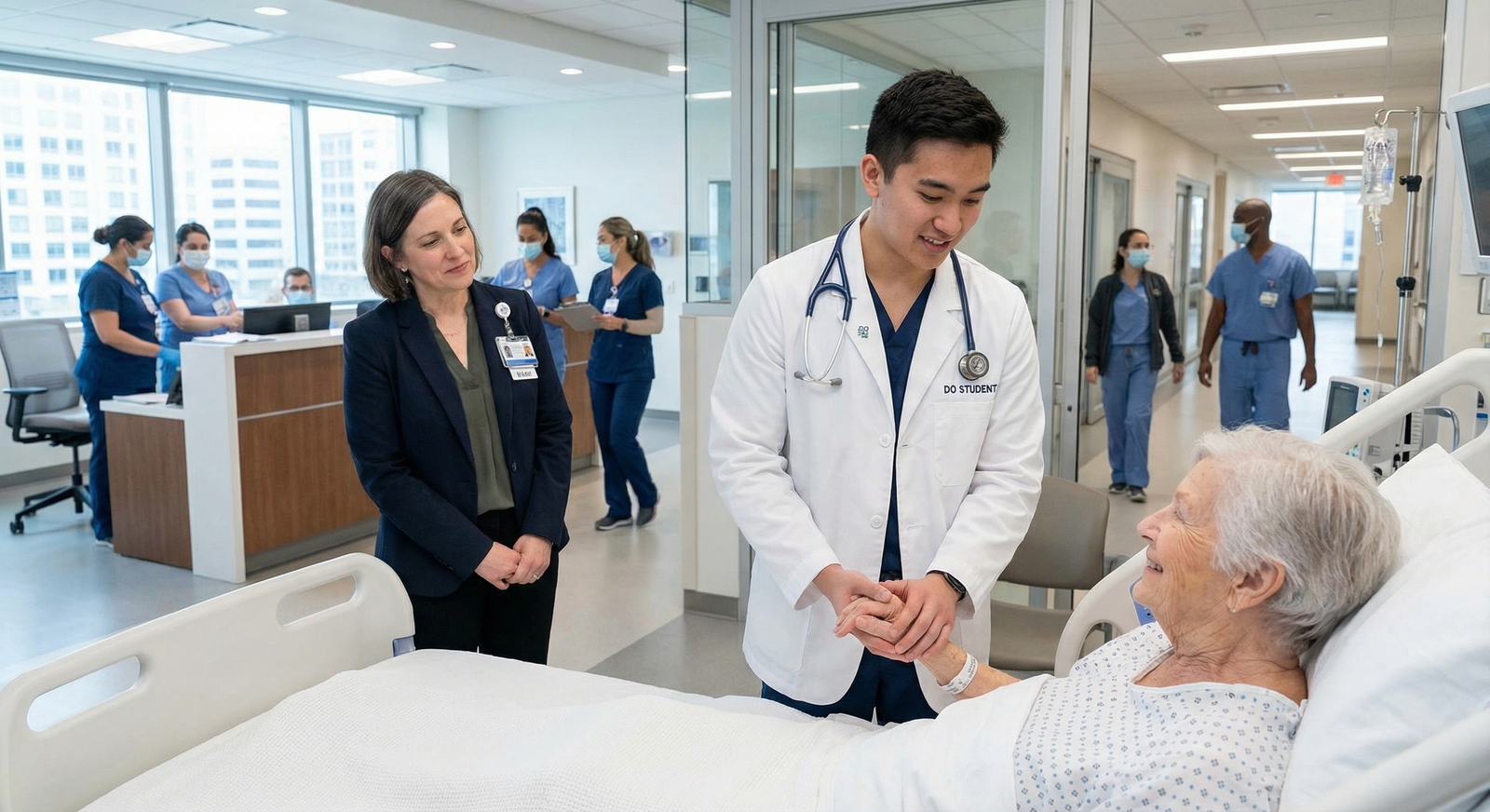
ACGME environments place DOs in daily contact with:
- MD faculty and residents
- Other DO trainees from various schools
- Interprofessional staff (NPs, PAs, pharmacists, therapists)
This expanded network can benefit your career development, fellowships, and future job opportunities. Being intentional about networking in medicine during medical school and residency can open doors that last throughout your career.
Building the Essential DO Toolkit for ACGME Residency Applications

1. Mastering ERAS and Application Strategy
The Electronic Residency Application Service (ERAS) is your central platform for applying to ACGME Residency programs. Strong performance in this phase is critical.
Key ERAS Components for DO Applicants
Curriculum Vitae (CV) / Experiences Section
- Include:
- Clinical rotations (especially audition/sub-I rotations)
- Research (including quality improvement and case reports)
- Leadership roles (class officer, club leadership, committees)
- Teaching and tutoring
- Community service and outreach, especially osteopathic-focused work
- Emphasize:
- Patient-centered initiatives
- Projects demonstrating systems-based practice or quality improvement
- Work that reflects osteopathic principles—holistic care, prevention, musculoskeletal assessment.
- Include:
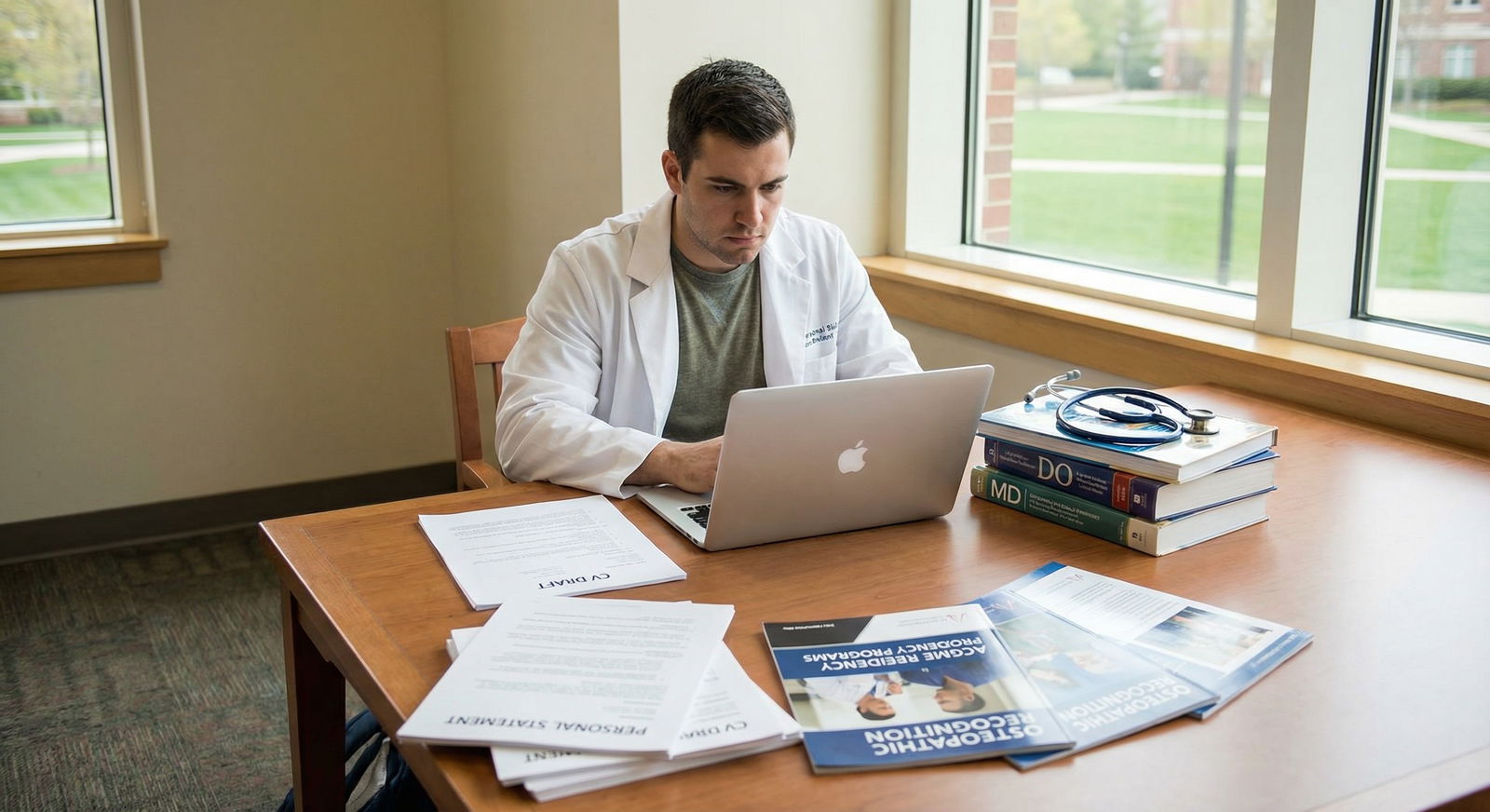
Personal Statement Use this to clearly:
- Articulate why you chose to become a DO and how this shapes your approach to patient care.
- Explain why you are pursuing an ACGME Residency in your chosen specialty.
- Connect your osteopathic training to ACGME Core Competencies (e.g., how your OMM education strengthened your patient care or communication skills).
- Clarify any inconsistencies (gaps, exam retakes) using a mature, reflective tone.
Practical tips:
- Start 3–4 months before ERAS opens.
- Show, don’t just tell: use specific patient or clinical examples.
- Have at least 2–3 mentors review it—ideally including someone with ACGME program experience.
Letters of Recommendation (LoRs) Strong letters carry tremendous weight. For DOs aiming for ACGME Residency:
- Aim for:
- At least one letter from an ACGME program director or core faculty in your target specialty.
- One letter from a DO physician, especially if applying to an Osteopathic Recognition program or if OMM is central to your story.
- Additional letters from research mentors or sub-internship supervisors.
- Strategically seek letters from:
- Rotations where you worked closely with attendings and residents.
- Settings where you can showcase your skill, work ethic, and professionalism.
- Aim for:
Standardized Exams While policies continue to evolve:
- Many ACGME programs still consider USMLE Step 1/2 alongside COMLEX Level 1/2.
- If you took only COMLEX, research program requirements early; if some require USMLE, have a plan.
- Make sure your performance aligns with your specialty’s competitiveness, and be prepared to contextualize your performance in your application and interviews if needed.
Residency Application Tips for DO Students
- Apply strategically: Use program filters carefully (e.g., DO-friendly, COMLEX accepted, osteopathic recognition).
- Know your tier: Align the competitiveness of your specialty and programs with your board scores, grades, and experiences.
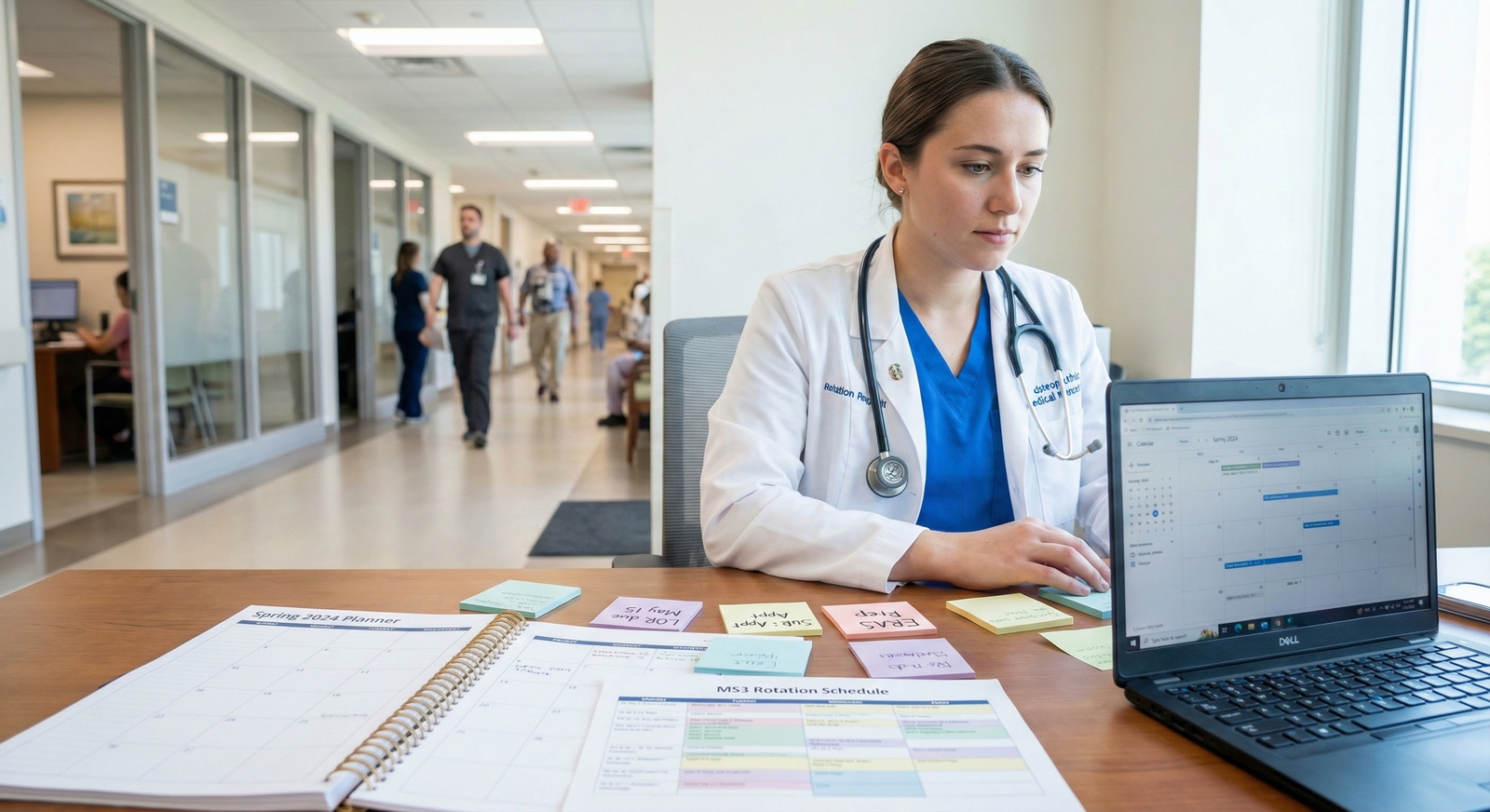
- Create a timeline: Map out personal statement drafts, LoR requests, ERAS completion, and interview prep months in advance.
2. Networking and Mentorship: Leveraging Relationships in Medicine
Networking in medicine is not superficial—it directly influences your letters, research opportunities, interview offers, and future job prospects.
Building a Professional Network as a DO
Conferences and National Meetings
- Attend specialty-specific meetings (e.g., ACOFP, ACOI, AAO, subspecialty societies).
- Prepare a simple “elevator pitch” about who you are, your school, and your interests.
- If you have research or a poster, present it—it’s a powerful way to meet program directors and faculty.
Alumni and Upper-Class Mentors
- Reach out to DO graduates from your school who matched into:
- Your specialty of interest
- ACGME Residency programs you’re considering
- Ask specific questions:
- “What made your application stand out?”
- “How did you talk about your DO background during interviews?”
- “Which programs felt especially supportive of osteopathic trainees?”
- Reach out to DO graduates from your school who matched into:
Online and Virtual Networking
- Consider:
- Specialty-specific listservs or Slack groups for medical students.
- Virtual open houses for residency programs.
- Properly moderated social media groups for DO and ACGME applicants.
- Always maintain professional etiquette online—assume faculty and PDs may see your activity.
- Consider:
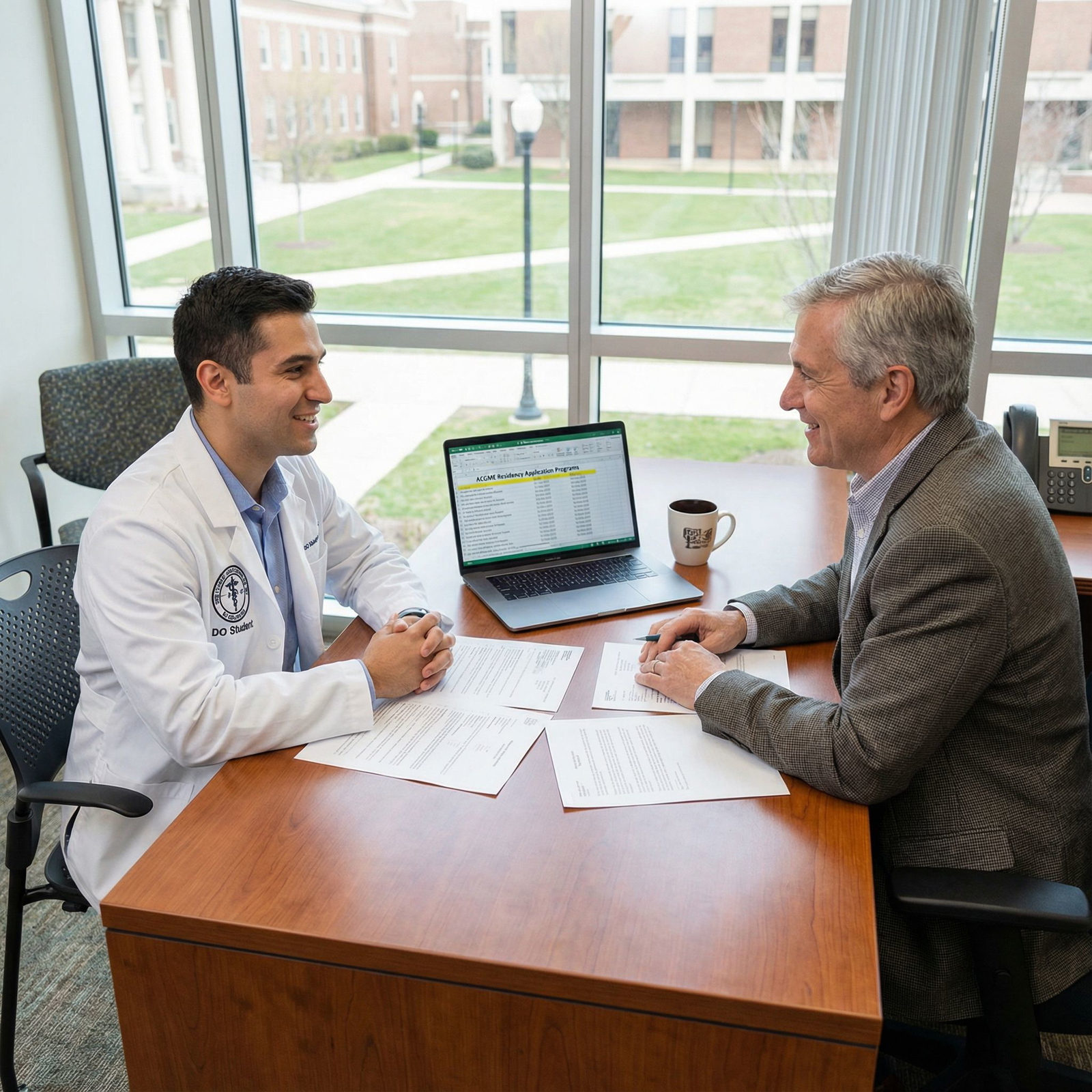
Securing Effective Mentorship
Identify mentors in:
- Your home institution (course directors, clerkship directors, research mentors).
- Your target specialty (especially DO-friendly or osteopathic-recognized programs).
- The ACGME environment (faculty who sit on selection committees or work closely with residents).
A strong mentor can:
- Help you prioritize programs strategically.
- Read and refine your personal statement and CV.
- Conduct mock interviews and give honest feedback.
- Support you emotionally during application season and, if needed, through SOAP or reapplication.
3. Clinical Experience and Rotations: Proving You’re Residency-Ready
Your clinical performance often matters more to ACGME Residency programs than individual exam scores. Rotations are where you demonstrate that you can function as an intern.
Maximizing Core and Elective Rotations
- Be reliable and prepared:
- Arrive early, stay until the work is done.
- Know your patients thoroughly; follow up on labs, imaging, and consult notes.
- Engage actively:
- Volunteer to present cases, give short talks, and follow up on complex patients.
- Ask for feedback early: “Is there anything I can do differently to be more helpful to the team?”
- Document accomplishments:
- Keep a list of interesting cases, procedures, and notable feedback.
- Track attending names and contact information for future LoR requests.
Sub-Internships (Sub-Is) and Audition Rotations
Sub-Is are often your most impactful rotations:
- Act like an intern—within appropriate supervision:
- Pre-round independently.
- Write notes efficiently.
- Call consults after appropriate discussion.
- Help coordinate discharges.
- Treat these rotations as extended interviews:
- Show consistency, humility, and a strong work ethic.
- Demonstrate how your osteopathic training enhances your clinical reasoning and patient rapport.
Uploading strong evaluations and using them in LoR requests can significantly boost your ACGME Residency application.
ACGME Core Competencies: How DOs Can Stand Out
ACGME Residency programs evaluate residents through six core competencies:
- Patient Care
- Medical Knowledge
- Practice-Based Learning and Improvement
- Interpersonal and Communication Skills
- Professionalism
- Systems-Based Practice
As a DO applicant, highlight specific examples that show:
- Holistic patient management (Patient Care).
- Use of OMT or functional assessment in complex pain or musculoskeletal cases (Patient Care, Medical Knowledge).
- Reflective practice after challenging encounters (Practice-Based Learning).
- Strong communication with patients and interdisciplinary teams (Interpersonal Skills).
- Ethical decision-making and reliability (Professionalism).
- Awareness of cost, access, and health system barriers (Systems-Based Practice).
Interviewers often remember applicants who can connect concrete patient stories to these competencies.
4. Interview Preparation for ACGME Residency as a DO
Residency interviews are your opportunity to transform a paper application into a compelling, three-dimensional story.
Common Interview Questions for DO Applicants
You should be ready to discuss, in detail:
- “Why did you become a DO?”
- Provide a sincere narrative: experiences with holistic care, mentorship by DOs, or alignment with osteopathic philosophy.
- “Why an ACGME Residency?”
- Emphasize training quality, case volume, fellowship opportunities, and your desire to work in a diverse, collaborative environment.
- “How do osteopathic principles influence your clinical practice?”
- Offer specific examples, not theory alone—e.g., using OMT as an adjunct in pregnancy-related back pain, or viewing chronic disease through a biopsychosocial lens.
- “Tell me about a challenging patient or team situation.”
- Use the STAR method (Situation, Task, Action, Result).
- Highlight your professionalism, communication, and insight into systems issues.
Practice with:
- Faculty mentors familiar with ACGME Residency expectations.
- Mock interviews with your advising office or residency preparation workshops.
- Peer practice (record yourself if possible to review posture, filler words, and clarity).
Understanding Interview Formats
Traditional or Panel Interviews:
- Often involve 1–3 faculty, sometimes with residents.
- Expect a mix of behavioral, ethical, and “fit” questions.
Multiple Mini Interviews (MMI):
- Short, timed stations with scenarios.
- Test ethical reasoning, communication, and problem-solving more than factual knowledge.
Regardless of format:
- Be consistent in your story.
- Convey authenticity, insight, and professionalism.
- Prepare specific questions to ask programs about curriculum, resident wellness, osteopathic support, and mentorship.
5. Wellness, Resilience, and Professional Sustainability
Applying to ACGME Residency is demanding—emotionally, physically, and financially. Prioritizing self-care is not optional; it’s foundational to becoming a sustainable physician.
Managing Stress During Application and Interview Season
Build a realistic, sustainable routine that includes:
- Protected time for application work (writing, editing, emails).
- Daily movement (even 15–20 minutes of walking or stretching).
- Regular sleep and nutrition (especially during back-to-back interviews).
- Mindfulness or reflection practices:
- Brief breathing exercises
- Journaling about patient encounters or interview experiences
- Talking regularly with a mentor or trusted friend
If you notice signs of burnout, anxiety, or depression, seek support early through:
- Student health services
- Counseling/therapy
- Peer support groups, especially among DO students and residents
Understanding Duty Hours and Professional Boundaries
ACGME has clear duty hour policies to protect both residents and patients:
- Limits on weekly hours and continuous shifts
- Required rest periods between shifts
- Oversight of moonlighting
Familiarity with these standards demonstrates:
- Knowledge of ACGME regulations
- Commitment to safe, sustainable practice
- Insight into the importance of work–life integration
Residency is intense, but you remain a person outside your role as a trainee. Maintaining identity, relationships, and interests beyond medicine will ultimately make you a better physician.
6. Compliance, Lifelong Learning, and Career Development
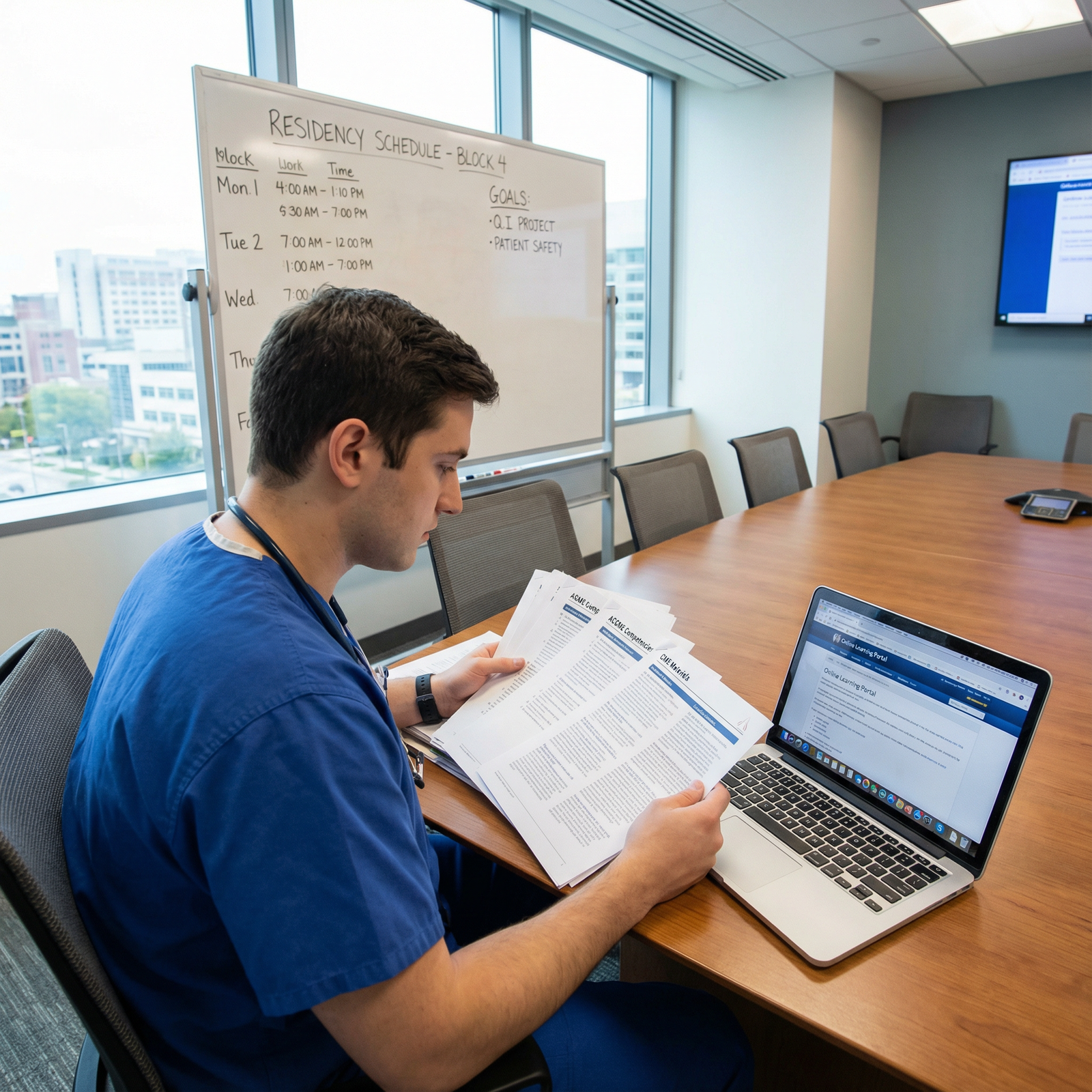
A successful match is not the end point—it’s the beginning of your formal training as an independent physician.
ACGME Requirements and Professional Expectations
During ACGME Residency, you’ll be expected to:
- Participate in regular evaluations and milestones.
- Engage in quality improvement or patient safety projects.
- Attend didactics, journal clubs, and grand rounds.
- Maintain professionalism in all clinical and academic interactions.
Understanding this structure before you start can make your transition smoother and your performance more deliberate.
Continuing Medical Education (CME) and Lifelong Learning
As an osteopathic physician, you’ll ultimately need to:
- Maintain both state licensure and relevant board certification (AOA or ABMS pathways, depending on your specialty and personal choices).
- Accumulate CME credits regularly.
- Stay current in clinical practice, guidelines, and emerging evidence.
Residency is an ideal time to:
- Develop efficient study habits (e.g., weekly reading, case-based learning, board prep).
- Explore subspecialty interests and consider future fellowships.
- Build a professional portfolio of presentations, publications, QI projects, and leadership roles.
Conclusion: Charting Your Path to ACGME Residency Success as a DO
Successfully navigating ACGME Residency as a Doctor of Osteopathic Medicine requires a combination of intentional preparation, strategic networking in medicine, strong clinical performance, and sustained personal resilience.
By:
- Understanding the current ACGME landscape and your place as a DO,
- Crafting a thoughtful, polished ERAS application,
- Leveraging mentorship and alumni networks,
- Excelling during rotations and sub-internships,
- Preparing deeply and authentically for interviews, and
- Prioritizing wellness and lifelong learning,
you position yourself not merely to match, but to thrive in residency and beyond.
Your osteopathic training is an asset—use it confidently. Many programs value DO graduates precisely for their holistic mindset, communication skills, and hands-on clinical approach. Align that strength with the rigor and structure of ACGME Residency, and you will be well-prepared for a fulfilling, impactful medical career.
Frequently Asked Questions About DOs in ACGME Residency
1. What is ACGME, and why does it matter for DOs?
The Accreditation Council for Graduate Medical Education (ACGME) is the body that accredits most residency and fellowship programs in the United States. For DOs, ACGME accreditation matters because:
- It standardizes training across programs and specialties.
- It provides access to a wide range of residencies that were historically MD-dominated.
- It ensures programs meet defined benchmarks for education, supervision, and resident support.
Understanding ACGME standards and expectations helps you tailor your application and prepares you for residency life.
2. Can DOs be as competitive as MDs for ACGME Residency programs?
Yes. DOs can be—and often are—highly competitive for ACGME Residency positions, including in sought-after specialties. Factors that improve competitiveness include:
- Strong COMLEX (and USMLE, if taken) performance.
- Excellent evaluations and letters from ACGME-affiliated rotations.
- Meaningful research, leadership, and service experiences.
- Clear communication of how osteopathic training strengthens your approach to patient care.
Some programs are especially DO-friendly or have Osteopathic Recognition. Researching and targeting these can further improve match outcomes.
3. Do I need to take USMLE in addition to COMLEX for ACGME Residency?
Requirements vary by program and specialty:
- Some programs accept COMLEX alone.
- Others strongly prefer or require USMLE scores to compare applicants on a standardized scale.
- Competitive specialties (e.g., dermatology, orthopedic surgery, some surgical subspecialties) are more likely to favor or require USMLE.
Check each program’s stated criteria early (1–2 years before application), speak with advisors and mentors, and make a plan that aligns with your specialty goals.
4. How can I highlight my osteopathic training in an ACGME interview without sounding repetitive?
Focus on specific, real-world examples:
- Describe a case where osteopathic principles or OMT changed your management plan.
- Explain how your DO training enhanced your communication with patients or improved adherence to treatment.
- Connect osteopathic values—holism, prevention, mind-body connection—to ACGME Core Competencies and your specialty’s needs.
Avoid generic statements; instead, show how your training has already translated into better patient care.
5. What should I do if I don’t match into an ACGME Residency on my first attempt?
Not matching is difficult but not career-ending. Constructive next steps include:
- Participating in SOAP, if eligible.
- Meeting with advisors and mentors to objectively review your application.
- Strengthening weak areas (additional clinical experience, research, exam performance).
- Considering a preliminary year, research fellowship, or additional clinical work that keeps you engaged in patient care and academic medicine.
Many physicians who initially go unmatched successfully secure a residency position on subsequent attempts with a targeted, improved application.
For more guidance on osteopathic medical education, residency application tips, and navigating the ACGME system as a DO, explore related resources and connect early with mentors who understand both osteopathic training and the realities of modern graduate medical education.