Thriving in the ACGME Match as a DO: Proven Strategies and Insider Insights
The transition to a single accreditation system has fundamentally changed residency preparation for osteopathic students. Today, Doctor of Osteopathy (DO) graduates share the same ACGME Match as MDs, compete for the same positions, and are evaluated by the same national standards. While this unified system creates new challenges, it also opens doors to a much wider range of programs—if you know how to strategically position yourself.
This enhanced guide is designed specifically for DO students and recent graduates navigating the ACGME Match. It translates “insider” knowledge into concrete Residency Strategies you can use now—whether you are early in medical school planning your path or actively applying through ERAS.
Understanding the ACGME Match as a DO Applicant
A strong Match outcome starts with understanding the structure, players, and expectations of the process—especially the aspects that uniquely affect DO applicants.
What the ACGME Match Really Involves
The ACGME (Accreditation Council for Graduate Medical Education) oversees accreditation for residency and fellowship programs in the U.S. The actual matching of applicants to positions is handled by the NRMP (National Resident Matching Program), typically just called “the Match.”
Key elements you will interact with:
ERAS (Electronic Residency Application Service):
Your centralized application portal where you submit:- Personal statement(s)
- Letters of recommendation (LoRs)
- CV and experiences
- USMLE/COMLEX scores
- Medical school transcript and MSPE (Dean’s letter)
NRMP Rank Order List (ROL):
After interviews, both you and residency programs submit rank lists. The NRMP algorithm then matches applicants and programs based on those lists.Match Week and Match Day:
- Monday of Match Week: You learn if you matched.
- SOAP (Supplemental Offer and Acceptance Program): If you do not match, you can compete for unfilled positions during SOAP.
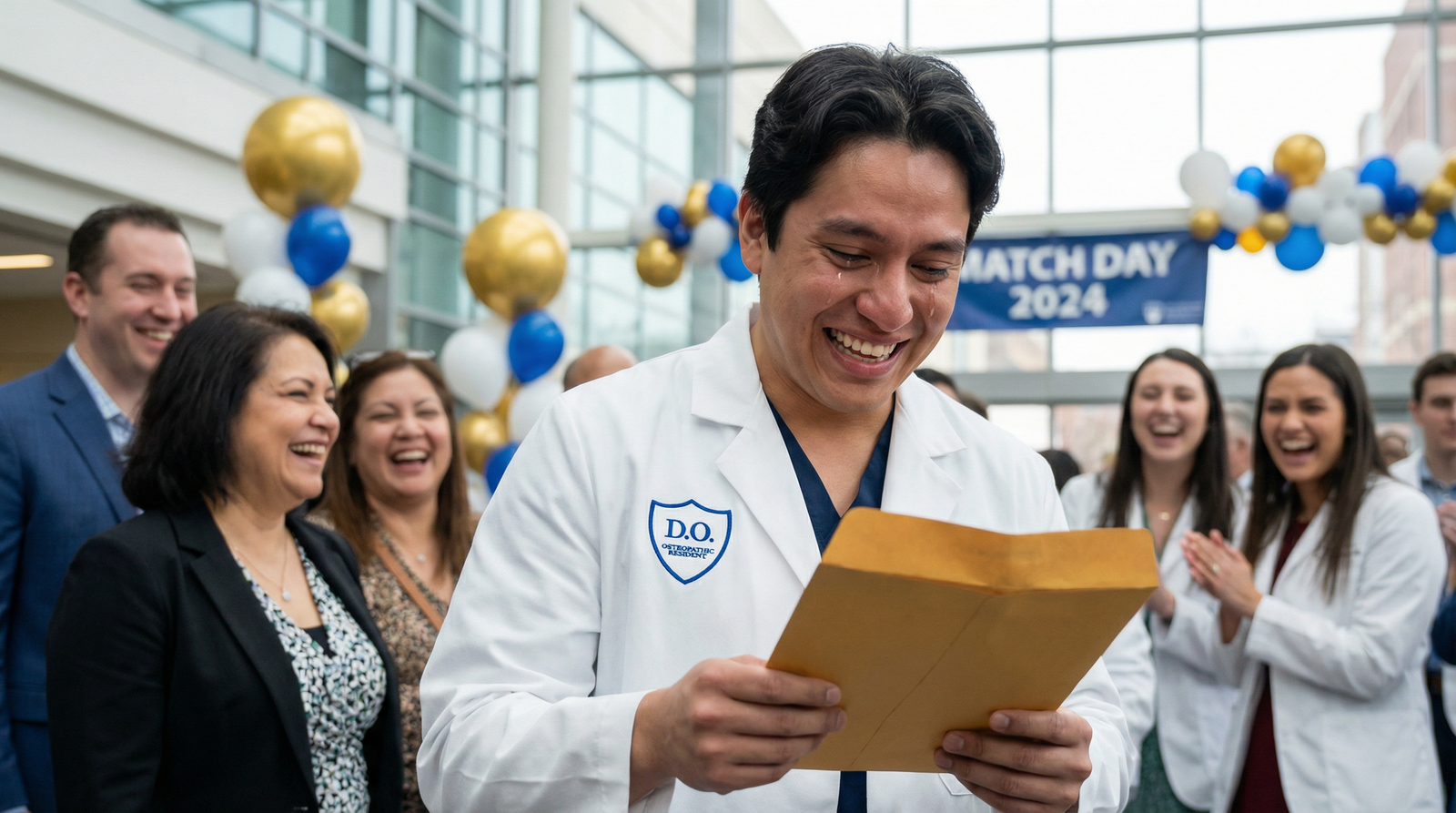
- Friday (Match Day): You find out where you matched.
How DOs Fit into the Single Accreditation System
With the single accreditation system, former AOA-only programs are now ACGME-accredited. This has several implications for DO applicants:
- More options overall but also more direct competition with MDs.
- Many historically osteopathic-friendly programs remain very DO-welcoming, but some academic centers have variable familiarity with osteopathic training.
- Programs may consider USMLE scores, COMLEX scores, or both—you must research this early.
Your goal in Residency Preparation is to demonstrate that your Doctor of Osteopathy training is not only equivalent in rigor but offers added value: holistic care, strong communication skills, and unique training in Osteopathic Principles and Practice (OPP).
Pre-Application Residency Preparation: Building a Competitive DO Profile
Before you ever log into ERAS, your groundwork should already support a strong ACGME Match application.
Strengthen Your Academic and Testing Profile
Program directors consistently cite exam scores and academic performance as key factors in screening applicants.
COMLEX vs. USMLE: Strategic Considerations for DOs
- COMLEX-USA is required for DO licensure and is accepted by many programs.
- USMLE may still be strongly preferred or required by some competitive or academic programs (especially in specialties like dermatology, orthopedic surgery, radiology, anesthesia).
Actionable strategies:
- In MS1–MS2, research target specialties and programs:
- Check program websites to see if they “accept COMLEX only,” “require USMLE,” or “prefer USMLE.”
- Use FREIDA, program websites, and specialty-specific DO forums for up-to-date insights.
- If targeting highly competitive specialties or academic programs, strongly consider taking USMLE Step 1 and Step 2 CK in addition to COMLEX exams.
- If taking both exams:
- Use one integrated study plan (don’t treat them as totally separate).
- Focus on high-yield resources that prepare you for both, then fine-tune with COMLEX- or USMLE-specific practice questions.
Clinical Grades and Core Rotations
Your core clerkships and sub-internships send a powerful signal about your readiness for residency.
- Aim for honors or high passes in rotations relevant to your desired specialty.
- Take feedback seriously—residency is about growth; showing that you respond constructively is a plus.
Curating your Experiences: Clinical, Research, and Leadership
Your experiences should tell a coherent story about who you are as a future resident.
Clinical Rotations and Audition Rotations
- Seek rotations at:
- Programs or institutions where you might want to match.
- Settings that expose you to a range of patient populations (academic, community, urban, rural).
- Consider audition rotations (sub-Is) at:
- Historically DO-friendly programs.
- Programs that publicly state they value osteopathic training.
- During rotations:
- Arrive early, stay engaged, and be helpful without overstepping.
- Learn each program’s culture and expectations.
- Ask for mid-rotation feedback, then visibly improve.
Research and Scholarly Activity
You do not need a PhD, but some academic productivity can significantly strengthen your application—especially for competitive specialties.
- Options include:
- Case reports or case series.
- Quality improvement projects.
- Retrospective chart reviews.
- Prospective clinical projects.
- If your school has limited research infrastructure:
- Reach out to faculty at affiliated hospitals.
- Ask recent graduates in your field of interest how they found projects.
- Consider remote research collaborations.
Highlight any scholarly work on ERAS:
- Posters, oral presentations, abstracts, and publications all count.
Leadership, Service, and Extracurricular Activities
Programs want residents who are reliable, collaborative, and resilient.
- Get involved in:
- Student government or specialty-interest groups.
- Community service, especially serving underserved populations.
- Teaching roles (tutoring, TA, mentoring junior students).
- Emphasize longitudinal commitment over many short, unrelated activities.
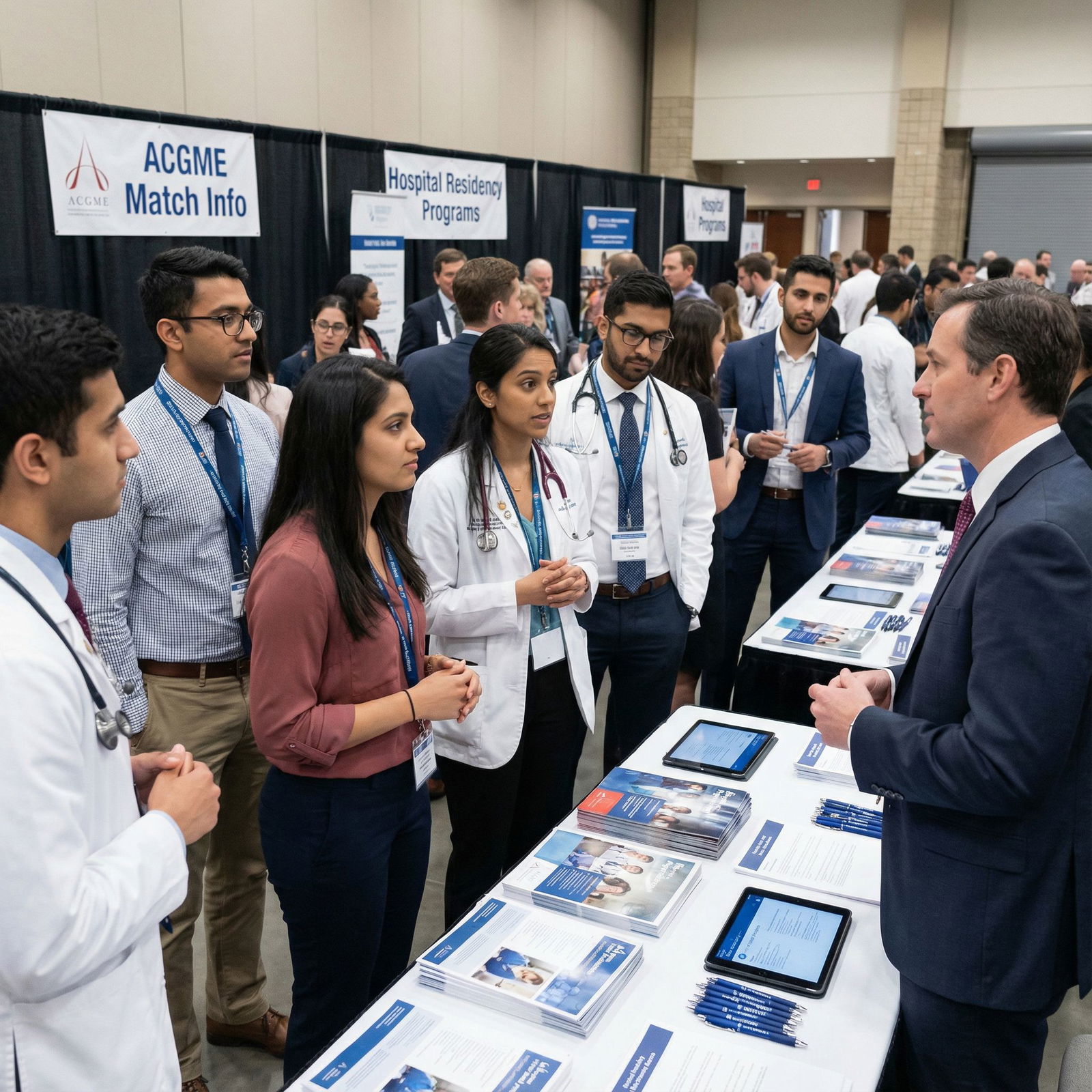
Strategic Networking and Relationship-Building for DO Applicants
Networking is not about superficial connections; it’s about being visible, memorable, and vouched for in professional spaces that matter.
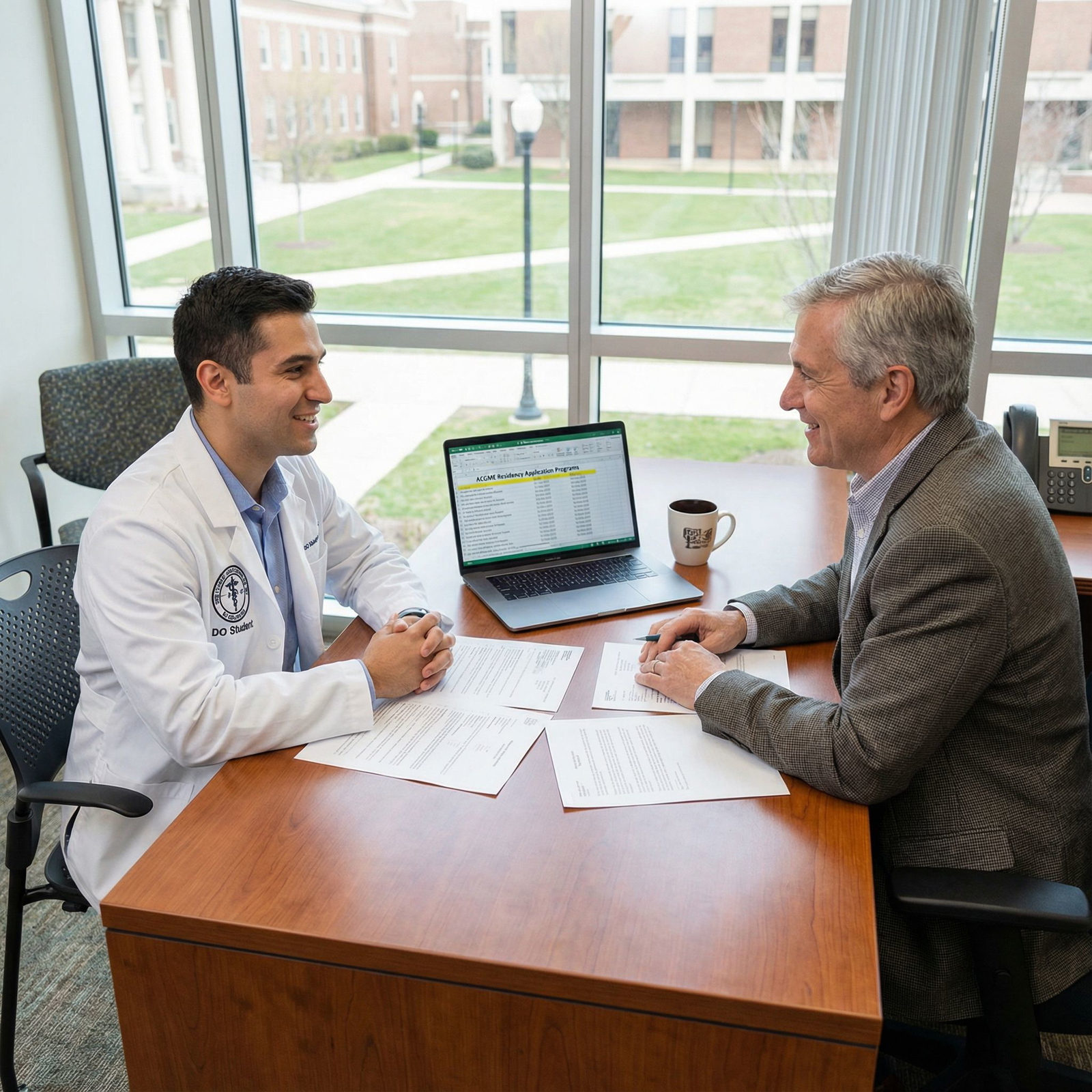
Building a Supportive Mentor Network
Mentors can help you:
- Clarify specialty choice.
- Review your CV and personal statements.
- Prepare for interviews.
- Strategize around potential weaknesses (low exam scores, late specialty switch, etc.).
Consider multiple types of mentors:
- Osteopathic mentors (DOs):
Can guide you through nuances of the ACGME Match as a DO and advise on DO-friendly programs. - Allopathic mentors (MDs):
May help you understand expectations at academic centers and increase your credibility across both communities. - Near-peer mentors:
Residents and recent graduates who matched in your desired specialty.
Practical steps:
- Ask attendings or preceptors you connect with if they’d be open to a mentorship relationship.
- Be prepared with specific questions and goals when you meet or email.
Conferences, Residency Fairs, and Specialty Organizations
Use professional events to create meaningful contacts:
- Attend:
- Specialty-specific national meetings (e.g., ACOFP, AAO, AOA specialty societies).
- Regional and local conferences.
- Residency fairs sponsored by medical schools or specialty organizations.
- Come prepared:
- Business-casual or professional attire.
- Updated CV.
- A concise introduction about who you are and your interests.
- After meeting someone:
- Send a brief follow-up email referencing your conversation.
- Connect on LinkedIn if appropriate.
These connections can later translate into:
- Advice on which programs to target.
- Introductions to faculty.
- Research or rotation opportunities.
Mastering the ERAS Application and Program Selection
Once your foundation is in place, it’s time to package it effectively for the ACGME Match.
Crafting a Strong, DO-Focused ERAS Application
Your ERAS application is often the only information a program has when deciding whether to offer you an interview.
Writing a Compelling Personal Statement
Your personal statement should be:
- Authentic and specific—avoid clichés and generic origin stories unless you bring a unique angle.
- Specialty-focused—clearly explain:
- Why this specialty fits your abilities, values, and personality.
- How specific experiences shaped your interest.
- Osteopathic-aware—for DOs, you might:
- Briefly reflect on how osteopathic principles inform your approach to patient care.
- Discuss how holistic care, prevention, and OMM have influenced your clinical thinking (especially if applying to primary care, sports med, PM&R, etc.).
Consider drafting separate statements for:
- Different specialties (if you are dual-applying).
- Osteopathic-focused vs. more academic/allopathic-focused programs (subtle shifts in emphasis, not entirely different stories).
Highlighting Experiences and Skills
Use the Experiences section strategically:
- Choose meaningful roles where you:
- Demonstrated leadership or initiative.
- Worked with diverse or underserved patients.
- Managed complex responsibilities.
- Use concise, impact-driven language:
- Instead of: “Volunteered in clinic.”
- Write: “Coordinated intake and education for 15–20 uninsured patients per shift, improving follow-up adherence through individualized counseling.”
Letters of Recommendation (LoRs)
Letters are especially important for DOs because they:
- Confirm your clinical abilities to unfamiliar programs.
- Reinforce your fit for a specialty and program culture.
Aim for:
- 3–4 strong letters, typically:
- 1–2 from the specialty you are applying to.
- 1 from a core rotation or a mentor who knows you well.
- For DOs: at least one letter from a DO in your specialty, if possible, and one from an MD (especially if targeting historically MD-dominant institutions).
Ask for letters early:
- Provide your CV, personal statement draft, and a bullet-point list of experiences or strengths you’d like them to highlight.
- Ask directly if they can write a strong, positive letter on your behalf.
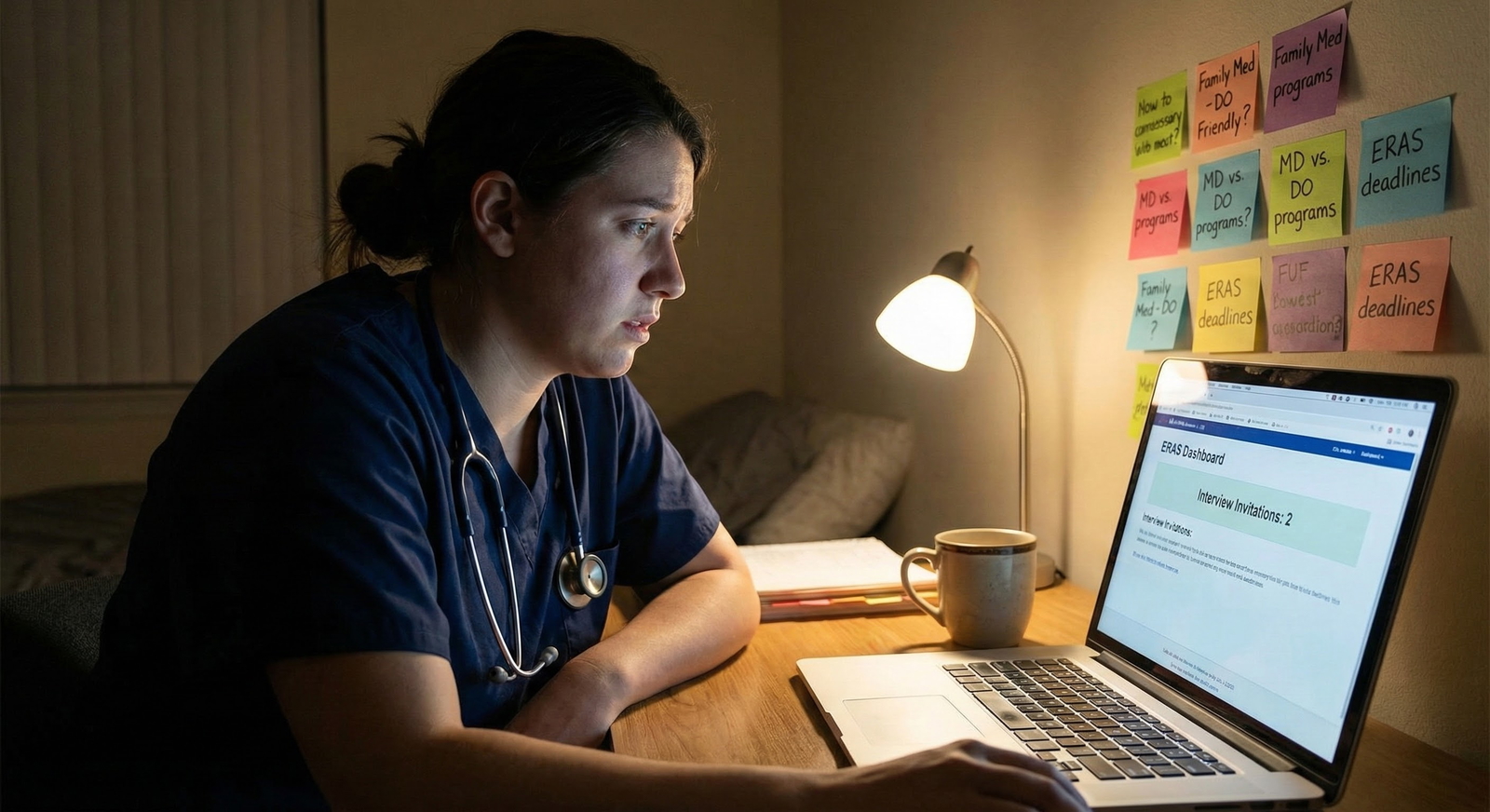
Choosing Programs: Creating a Smart, Diverse List
Residency strategies for program selection can make or break your ACGME Match chances.
How Many Programs Should You Apply To?
The number depends on:
- Specialty competitiveness.
- Your academic metrics (Step/COMLEX, grades, etc.).
- Geographic flexibility.
General guidance:
- Primary care (FM, IM, peds): 20–40+ programs, depending on competitiveness.
- Moderately competitive fields (EM, anesthesia, general surgery): 40–60+.
- Highly competitive specialties: Often 60–80+ or more, with careful tiering.
Work with advisors and mentors who know your specific profile.
Tiering Your Program List
Create a balanced list including:
- Reach programs: Highly competitive or academic centers where you meet minimums but are on the lower end.
- Target programs: You match or slightly exceed program averages.
- Safety programs: Strong DO-friendly community or regional programs where you are above average.
Actively seek:
- Historically DO-friendly programs:
Look for:- High percentage of DO residents.
- Explicit mention of accepting COMLEX.
- Alumni from your school.
Customizing Applications for Maximum Impact
Whenever possible:
- Tailor personal statements to mention:
- Regional connections (family, prior education, partner’s job).
- Alignment with program missions (rural health, underserved care, specific population focus).
- Mention any prior contact (rotation, conference meeting, research collaboration).
Interview Preparation and Leveraging Your DO Training
Interviews are your opportunity to move beyond numbers and show programs who you are as a person and physician.
Preparing for Behavioral and Traditional Questions
Residency interviews increasingly emphasize behavioral questions to predict performance.
Use the STAR method (Situation, Task, Action, Result) to structure answers for:
- Conflict with a team member.
- Handling a medical error or near-miss.
- Dealing with stress, burnout, or failure.
- Advocating for a patient.
Practical prep:
- Do multiple mock interviews:
- With your school’s career office or advising center.
- With mentors or residents.
- Record yourself answering common questions to assess:
- Clarity.
- Filler words.
- Body language.
Prepare for specialty-specific questions, such as:
- “Why this specialty?”
- “Tell me about a challenging patient encounter on [relevant rotation].”
- “How do you see yourself contributing to our program?”
Presenting Your Osteopathic Identity Effectively
Your Doctor of Osteopathy training is a strength—own it clearly and confidently.
Be ready to discuss:
- Osteopathic philosophy:
- Whole-person care.
- Structure-function relationships.
- Emphasis on prevention and lifestyle.
- How OMM/OPP shapes your practice:
- For primary care and musculoskeletal-heavy specialties:
- Share specific examples where OMM relieved pain, improved function, or reduced medication reliance.
- For other specialties:
- Emphasize how manual skills and palpation have sharpened your physical exam and diagnostic thinking.
- For primary care and musculoskeletal-heavy specialties:
- Integration with ACGME training:
- Reassure programs that you are eager to learn all evidence-based modalities and integrate osteopathic principles without being dogmatic.
If you’re applying to historically MD-dominant programs:
- Avoid defending DO vs MD as a debate.
- Instead, calmly highlight your training, capabilities, and the broad equivalence in clinical competencies.
Virtual Interview Best Practices
Virtual interviews remain common across many specialties.
- Prepare your environment:
- Neutral background with good lighting.
- Reliable internet and backup device if possible.
- Professional appearance:
- Dress as you would for an in-person interview.
- Practice:
- Looking at the camera, not the screen, when speaking.
- Limiting distractions (notifications off, quiet space).
Post-Interview Strategy, Communication, and Ranking Programs
Your work isn’t over once interviews end; thoughtful post-interview strategy matters.
Professional Follow-Up and Communication
Thoughtful communication can reinforce genuine interest:
- Thank-you emails:
- Send within 24–72 hours.
- Reference specific aspects of your conversation or the program.
- Keep it concise and sincere.
- Update letters (if appropriate):
- Briefly mention any significant new achievements (publication accepted, leadership role, improved scores).
- Reiterate your interest if the program is high on your list.
Always follow NRMP guidelines regarding post-interview communication; be truthful and avoid pressuring programs.
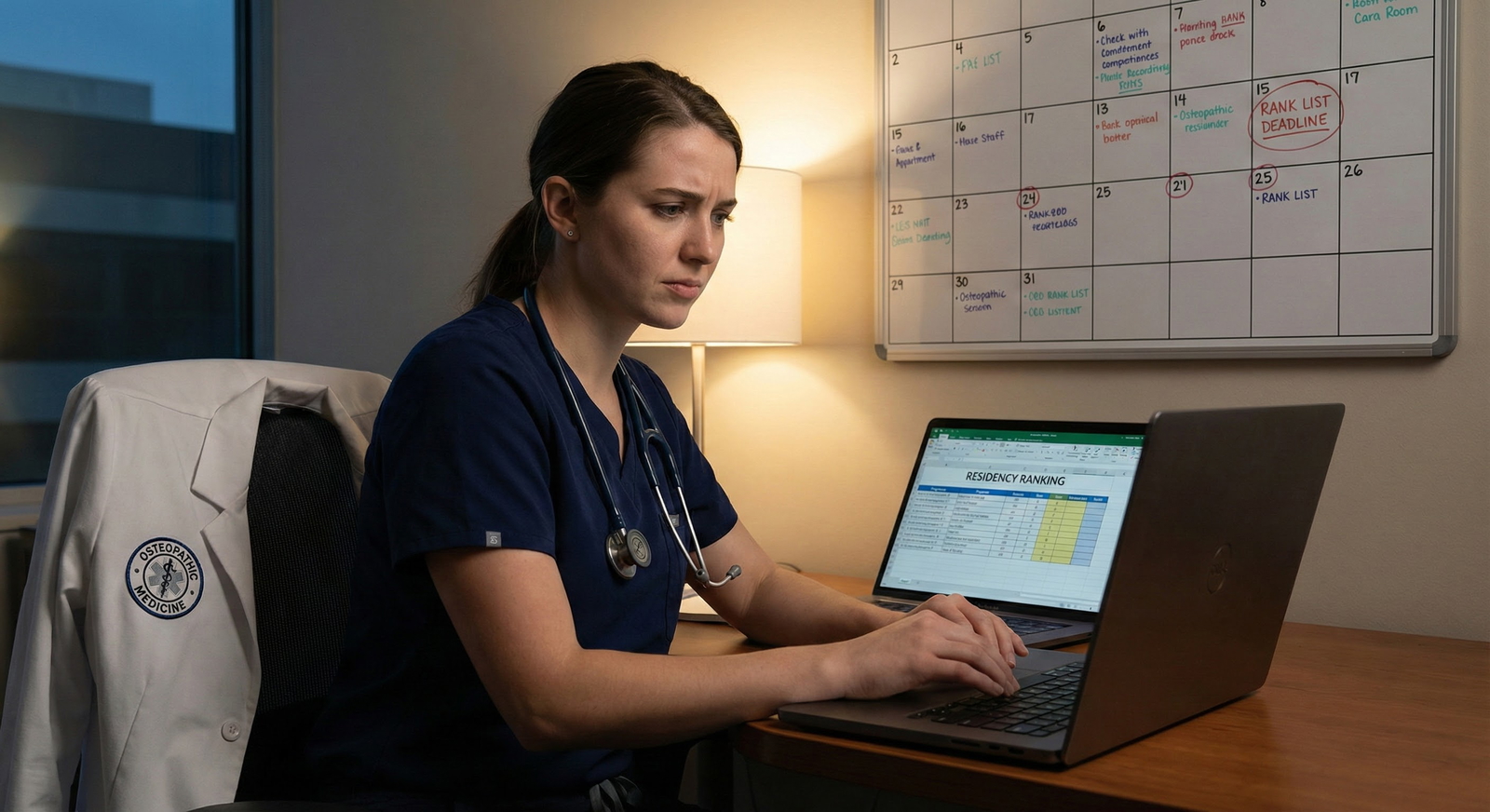
Ranking Programs Strategically—and Honestly
When building your NRMP rank order list:
- Rank programs in true order of preference, not where you think you are most likely to match. The algorithm favors applicants’ preferences.
- Weigh key factors:
- Training quality and case volume.
- Program culture and resident happiness.
- Geography, support system, cost of living.
- Fit with your long-term career goals (fellowship opportunities, academic vs community focus).
- Be realistic but optimistic:
- Don’t omit a “reach” program you loved simply because you think it’s unlikely.
- Include a sufficient number of “safety” programs you would still be content to attend.
If you do not match:
- Engage fully with SOAP:
- Prepare a SOAP-specific CV and brief personal statement.
- Work closely with your school’s advisors and mentors.
- Stay professional and flexible with specialty and location.
FAQs: ACGME Match Strategies for DO Students
Q1: As a DO, do I need to take USMLE in addition to COMLEX to be competitive in the ACGME Match?
Not always, but it can help in certain contexts. Many ACGME programs now accept COMLEX-only, especially in primary care and historically DO-friendly fields. However, for highly competitive specialties, academic medical centers, or programs that explicitly require or prefer USMLE, taking USMLE Step 1 and Step 2 CK can expand your options and make your application easier to interpret for PDs unfamiliar with COMLEX. The decision should be individualized based on your target specialties, career goals, and current performance. Discuss this early with advisors who understand both DO and ACGME Match dynamics.
Q2: How can I tell if a residency program is truly DO-friendly?
Look for multiple indicators:
- Check the current resident roster: Are there DOs in multiple PGY classes?
- Review program websites and FREIDA: Do they explicitly state they accept COMLEX and/or welcome DO applicants?
- Ask DO residents and alumni: Your school’s graduates and online DO communities often know which programs are supportive.
- Observe culture during interviews and rotations: Are attendings/residents familiar with osteopathic training? Do they ask genuine, curious questions rather than skeptical ones?
A single DO graduate does not automatically mean a program is DO-friendly, but a consistent pattern usually does.
Q3: What if my COMLEX or USMLE score is lower than I hoped? Can I still match?
Yes, many DOs with imperfect exam scores match successfully every year—particularly when they:
- Apply more broadly and strategically (including DO-friendly and community-based programs).
- Strengthen and highlight other aspects of the application:
- Strong clinical evaluations and sub-I performance.
- Excellent letters of recommendation.
- Outstanding interpersonal skills and professionalism.
- Work with mentors to discuss:
- Whether a score retake is appropriate.
- Specialty flexibility or considering adjacent specialties with more favorable odds.
- Craft a narrative in personal statements and interviews that:
- Owns the difficulty honestly.
- Demonstrates growth, adaptation, and improved performance over time.
Q4: How can I best showcase my osteopathic training during interviews without sounding repetitive or defensive?
Integrate your osteopathic identity naturally into your stories, rather than giving a rehearsed “DO speech.” For example:
- When asked about a memorable patient:
- Mention how your holistic approach led you to explore social determinants, psychosocial stressors, or lifestyle factors.
- When discussing your strengths:
- Highlight communication, whole-person care, and prevention as embedded in your DO curriculum.
- If OMM is directly relevant:
- Provide a brief, concrete example (e.g., helping a patient with acute back pain regain function with a combination of OMM and conventional medical management).
Keep the tone confident but not confrontational; your goal is to illustrate how your Doctor of Osteopathy background enriches your clinical toolkit within the ACGME framework.
- Provide a brief, concrete example (e.g., helping a patient with acute back pain regain function with a combination of OMM and conventional medical management).
Q5: I’m an older or nontraditional DO student. Does that hurt my chances in the ACGME Match?
Nontraditional applicants can be extremely attractive to programs when they present their background as an asset. Many program directors appreciate maturity, prior career experience, and resilience. To maximize your competitiveness:
- Frame previous careers (nursing, EMT, business, teaching, etc.) as sources of:
- Leadership.
- Communication skills.
- Systems thinking.
- Address any long gaps or career changes clearly and positively in your application.
- Demonstrate that you are fully committed to residency training workloads and demands.
As long as your academics and clinical performance meet program standards, your nontraditional path can be a powerful differentiator rather than a liability.
By combining deliberate Residency Preparation, strategic program selection, and confident presentation of your osteopathic identity, you can not only “survive” the ACGME Match but thrive in it. Your Doctor of Osteopathy training equips you with a distinctive, patient-centered lens—pair it with the right Residency Strategies, and you will be well-positioned to secure a residency that aligns with your goals, values, and vision for your medical career.