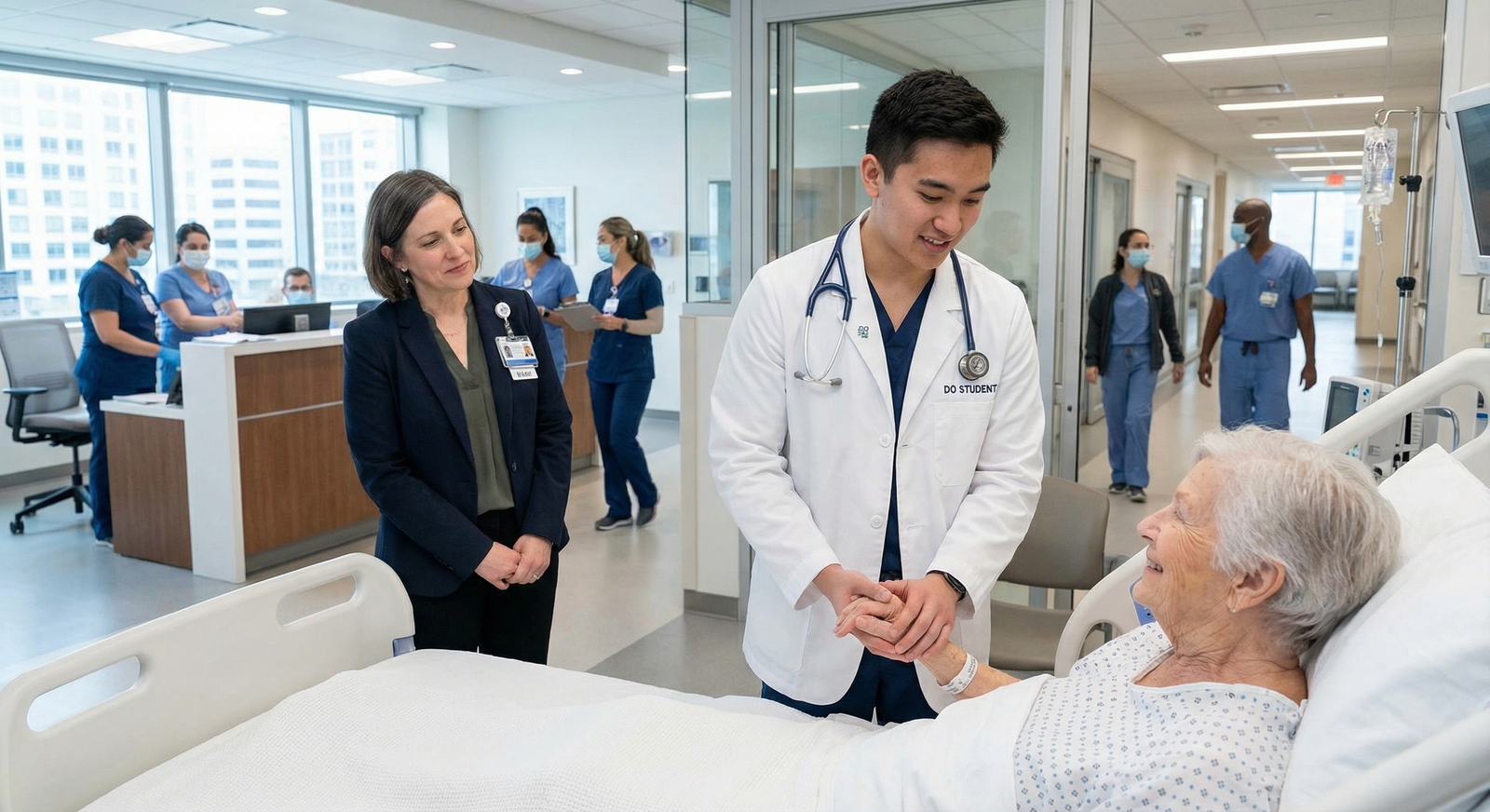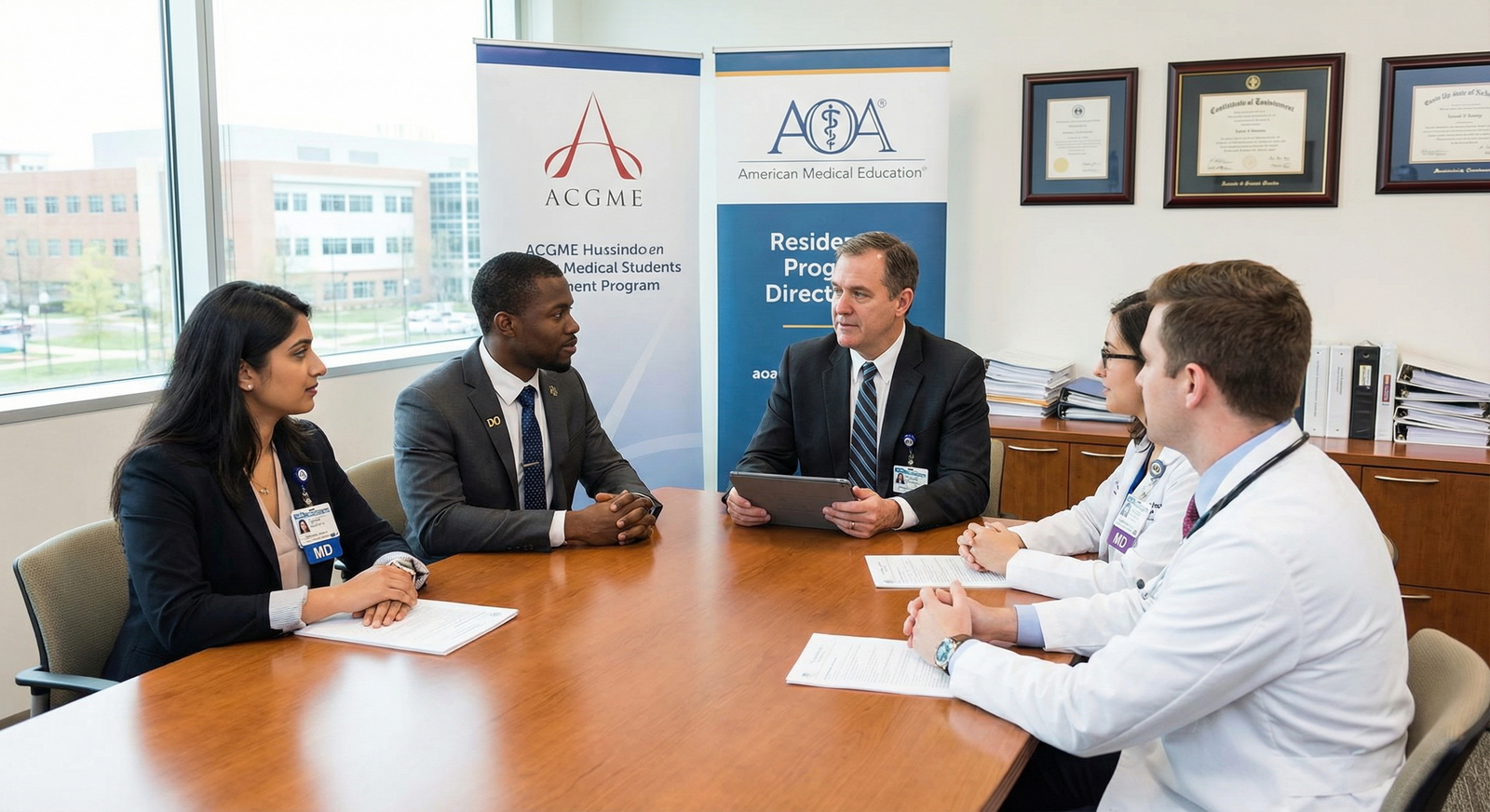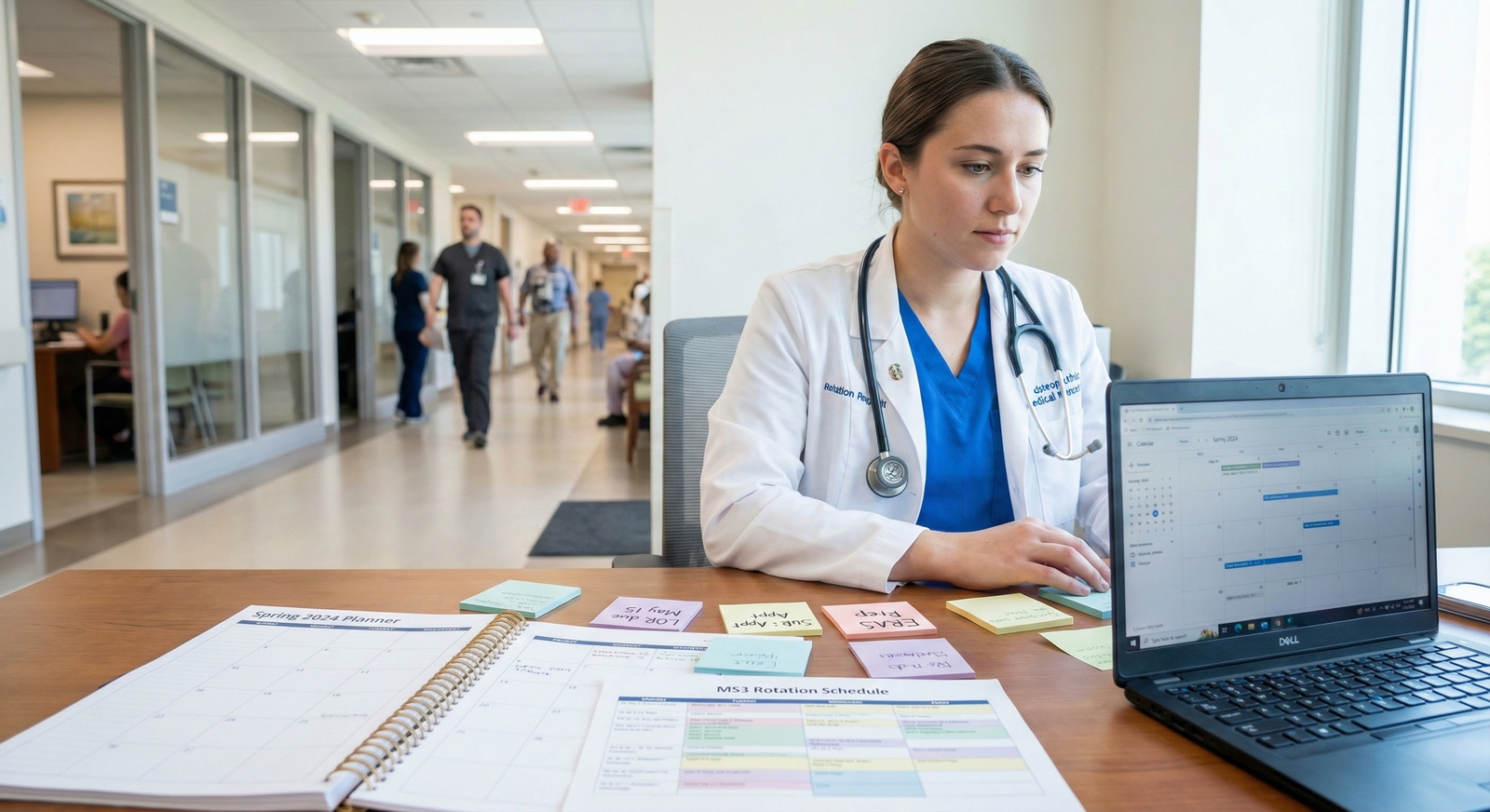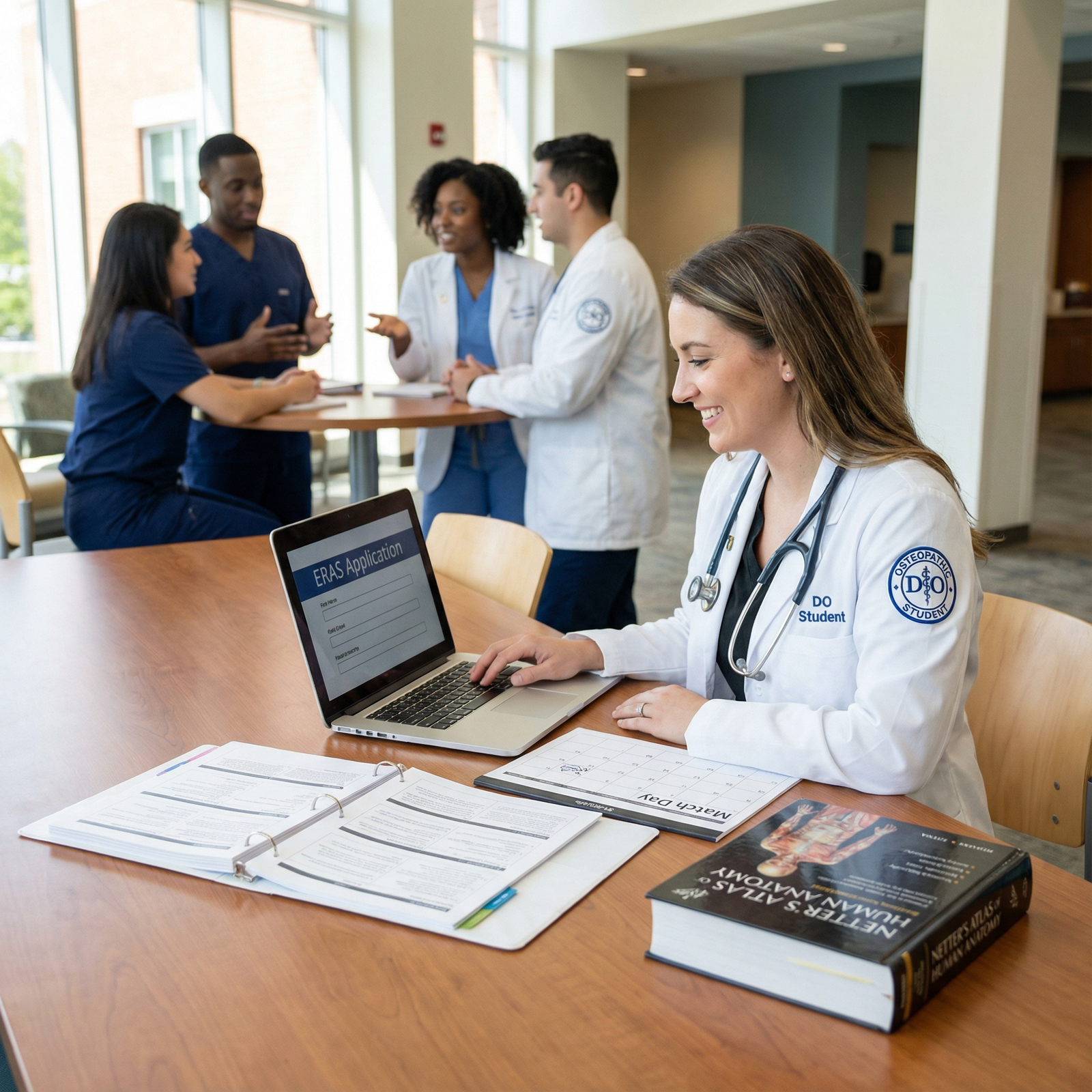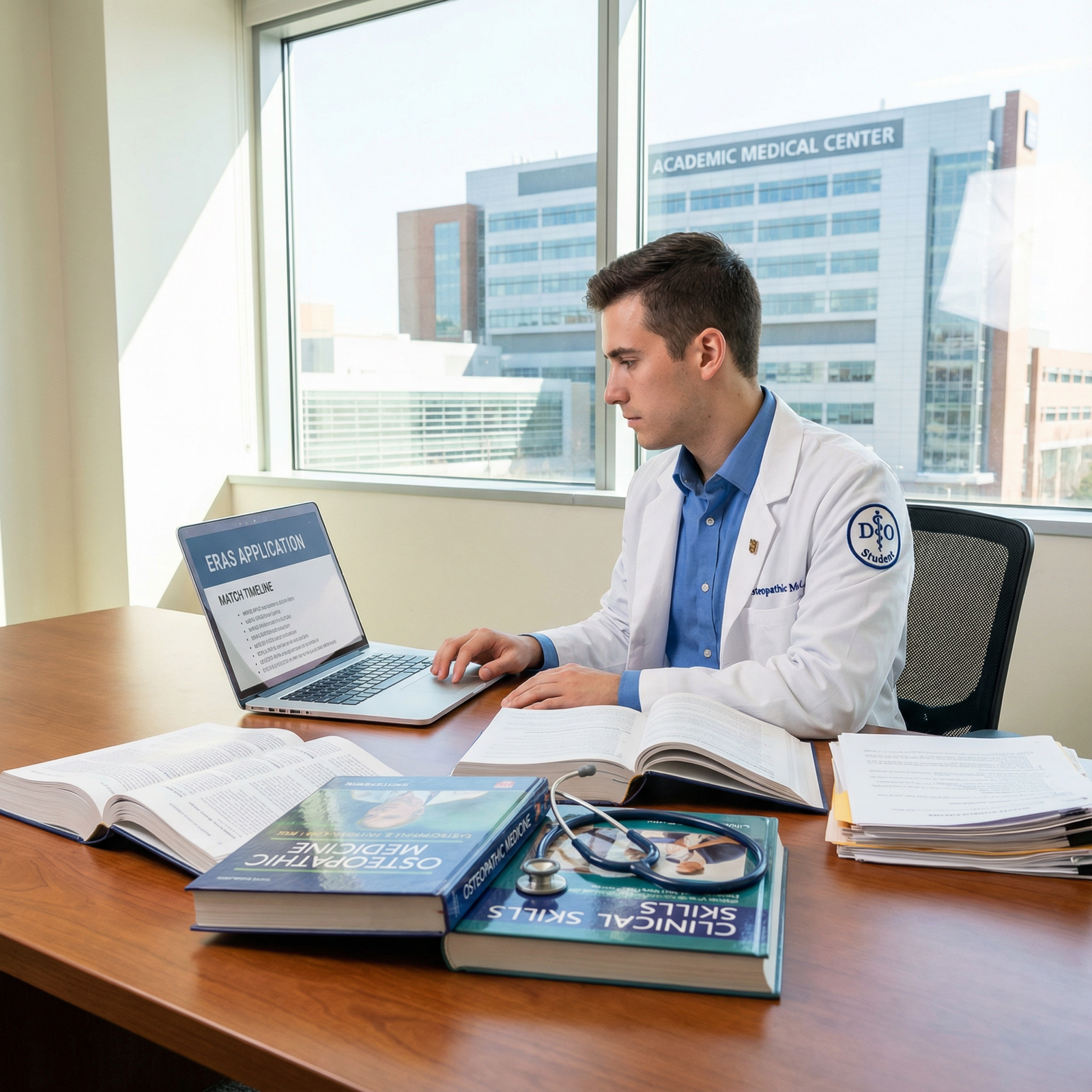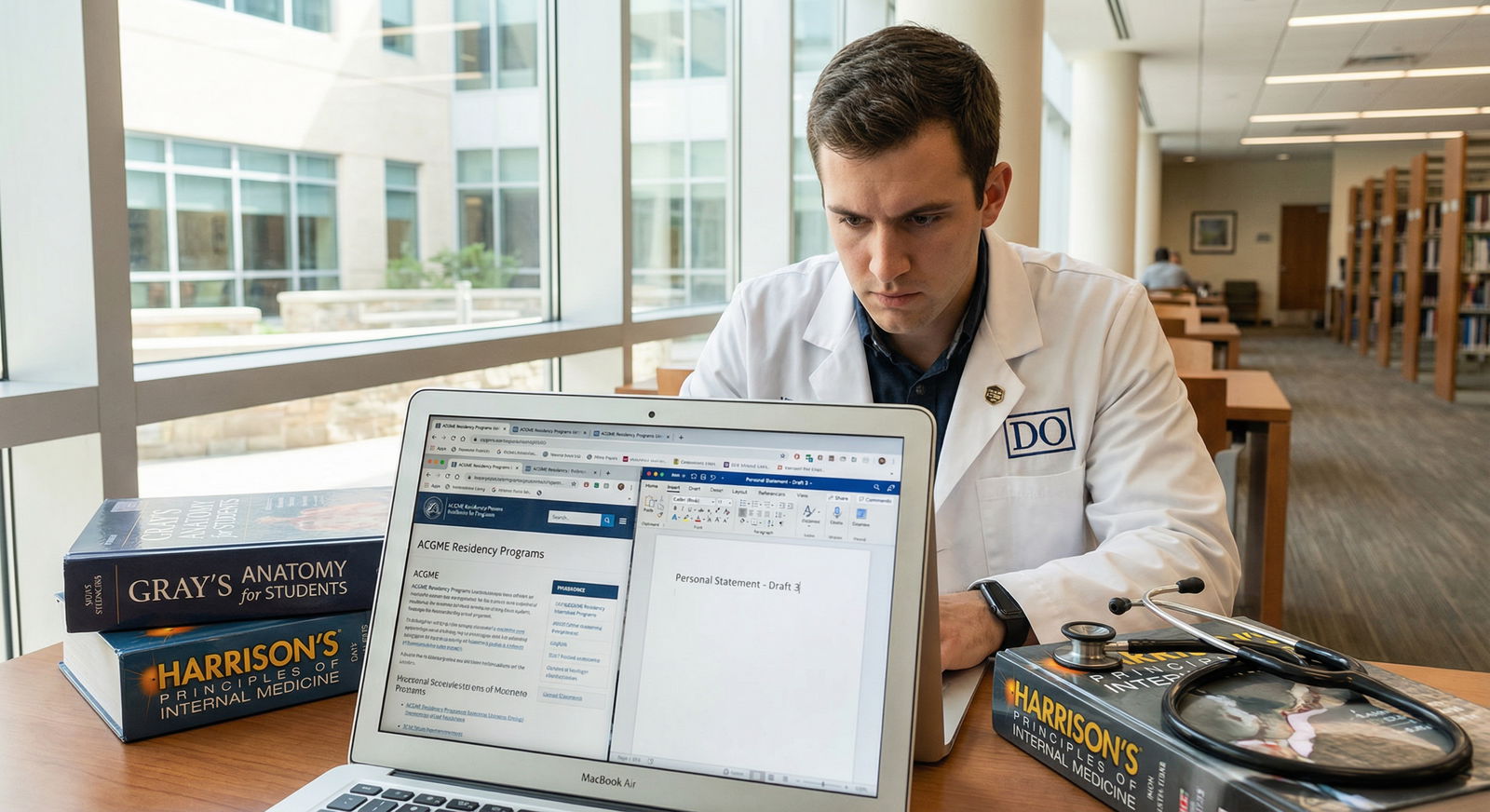
Introduction: DO Applicants in a Unified ACGME Era
For students and graduates of Osteopathic Medicine, the path to residency has changed dramatically in the last decade. With the transition to a single accreditation system, most programs that once held separate AOA and ACGME accreditation are now under one umbrella. This has opened doors—but it has also intensified competition and confusion for many DO applicants.
ACGME Residencies now routinely train both MD and DO residents across nearly all specialties. As a DO, you bring a distinct philosophy, skill set, and training background into that environment. The challenge is not only to be competitive, but to communicate what makes your osteopathic training an asset to any program.
This guide is designed specifically for DO applicants targeting ACGME residencies. It preserves the spirit of the original article while expanding with deeper, step‑by‑step Residency Application Strategies, practical Medical Career Tips, and concrete examples you can implement immediately. Whether you are a third‑year planning your first ERAS cycle or a graduate considering a reapplication strategy, you’ll find targeted advice to help you make your mark.
Understanding ACGME Residencies as a DO Applicant
What Are ACGME Residencies and Why Do They Matter?
The Accreditation Council for Graduate Medical Education (ACGME) oversees accredited residency and fellowship programs across the United States. Completion of an ACGME residency is the standard pathway to board certification and independent practice in most specialties.
For DO applicants, ACGME programs represent:
- Broader geographic and specialty options (including competitive fields like dermatology, radiology, and orthopedics)
- Access to larger academic centers and research infrastructure
- Standardized evaluation metrics used for both MD and DO residents
Osteopathic Medicine has gained increasing visibility within these programs. Many residencies now actively seek DO applicants for their holistic, patient-centered approach and strong primary care foundation.
The Post–Single Accreditation Landscape for DOs
In the past, DO and MD graduates pursued largely separate paths. Now:
- Most former AOA programs are ACGME-accredited, often with explicit osteopathic recognition or tracks.
- More program directors are familiar with DO curricula, COMLEX scoring, and Osteopathic Principles and Practice (OPP).
- Data from recent Match cycles show strong DO representation across multiple specialties, with DOs matching into categorical positions at high rates.
Still, DO applicants can encounter misconceptions or program-specific preferences. Understanding this landscape helps you target programs strategically and advocate for your training effectively.
Key Takeaways for DO Applicants
- ACGME acceptance of DOs continues to rise. Many programs report growing numbers of DO residents and faculty, particularly in primary care, EM, anesthesia, and several surgical specialties.
- Programs value diversity in training backgrounds. Osteopathic training is no longer seen as “alternative” but as a complementary path that enriches residency classes.
- Networking and visibility are critical. Because some program leaders trained before DOs were common in their field, developing personal connections and demonstrating excellence can override outdated assumptions.
Unique Strategies to Highlight Your Osteopathic Training
1. Identify and Emphasize Your Osteopathic Identity
Your training as a DO is more than a diploma—it’s a framework for how you think about patients, systems, and health.
Clarify What Your Osteopathic Training Really Means
Osteopathic Principles and Practices (OPP) emphasize:
- The body as a unit (mind, body, and spirit)
- The body’s inherent ability to heal itself
- Structure-function interrelationships
- Rational treatment based on these principles
In ACGME interviews and applications, you should be able to:
- Explain OPP in plain language that a non-DO faculty member understands.
- Give practical, clinical examples of how osteopathic thinking changed your patient care decisions (not just “I did OMT on a patient”).
Example to Use in a Personal Statement or Interview:
“During my internal medicine rotation, I cared for a patient with chronic low back pain and poorly controlled diabetes. Instead of focusing solely on analgesia, my osteopathic training pushed me to consider posture at work, mental stress, activity level, and sleep. After a focused structural exam and OMT for muscle tension, I partnered with our team to adjust his schedule, add physical therapy, and address his anxiety. Over several weeks, his pain, A1c, and adherence improved markedly. This experience reinforced my commitment to treating the whole patient, not just the chief complaint.”
This illustrates holistic care, interprofessional collaboration, and critical thinking—all highly valued in ACGME residencies.
Use OMT and OPP Strategically
If OMT/OPP is central to your professional identity:
- Document cases where OMT clearly improved outcomes (pain reduction, function, reduced medication use).
- Highlight teaching roles in OPP/OMM labs or tutoring.
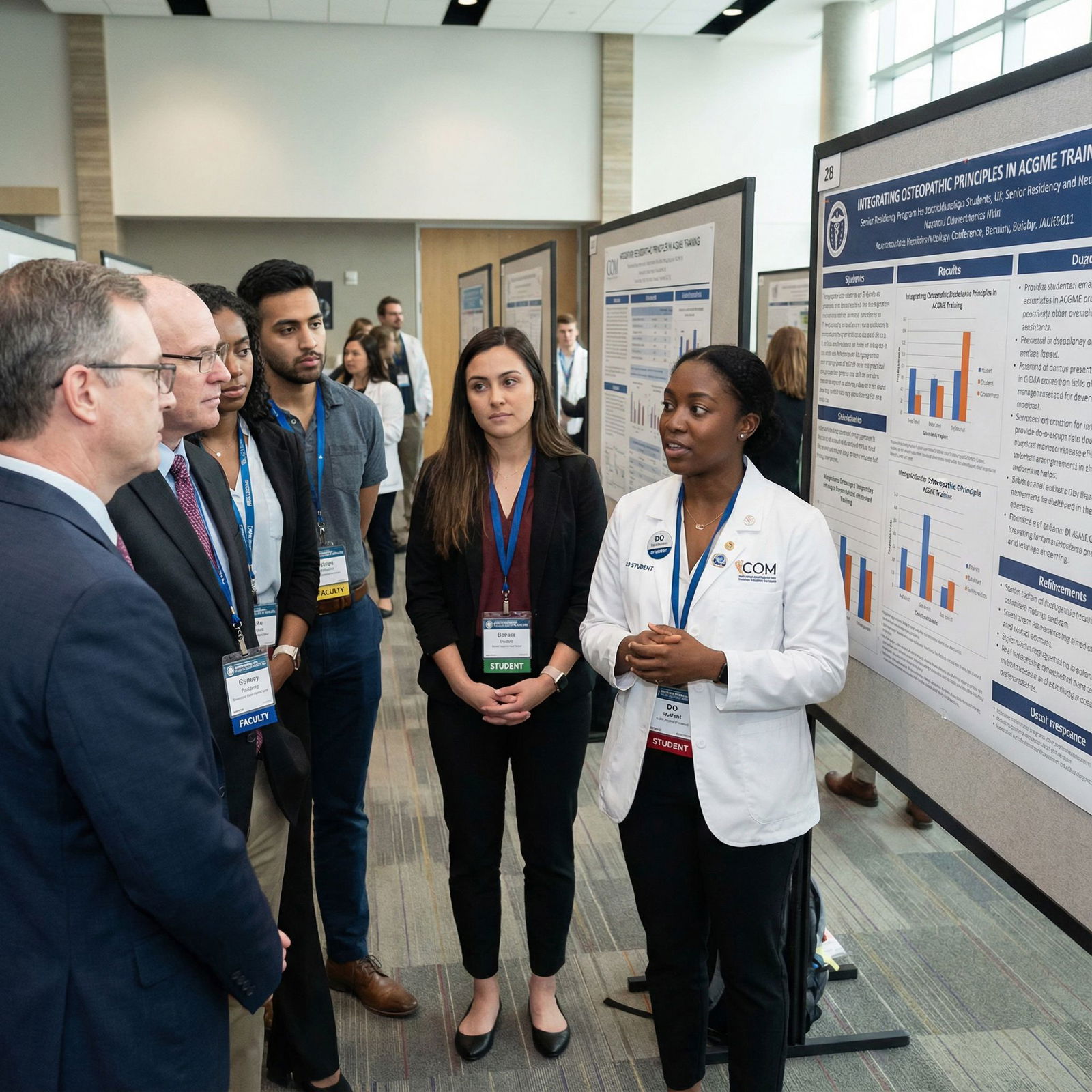
- Consider presentations or case reports on osteopathic approaches at local or national conferences.
If you are applying to a program with an osteopathic track or osteopathic recognition, explicitly mention how you plan to contribute to and grow that component of the residency.
2. Leverage Research, Scholarship, and Service as a DO
Research and service demonstrate depth, curiosity, and commitment—especially important for DO Applicants seeking competitive specialties or academic centers.
Optimize Research for Your Target Field
You do not need a PhD or dozens of publications, but you should show:
- Progression and ownership (moving from data collection to analysis or writing)
- Relevance to your chosen specialty when possible
- Ability to communicate your work clearly
Practical steps:
- Join a faculty member’s ongoing project early in third year (or earlier if possible).
- Seek concrete outputs: poster, oral presentation, or manuscript, even as a co-author.
- If your school has fewer research opportunities, consider:
- Virtual collaborations with other institutions
- Case reports and quality improvement projects at your clinical sites
- Participation in national specialty society research programs
How to Frame Research on ERAS and in Interviews:
Highlight what you learned about:
- Study design and critical appraisal
- Interpreting literature for patient care
- Working in a multidisciplinary team under deadlines
Make Volunteer and Community Work Count
Volunteer experiences should not be random checkboxes; they should illustrate:
- Longitudinal commitment (e.g., 2–3+ years with a clinic or organization)
- Alignment with your specialty or interests (e.g., free sports physicals if you’re interested in FM or PM&R)
- Leadership and initiative (e.g., starting a student-run clinic program; organizing health fairs)
Connect these experiences to Osteopathic Medicine by emphasizing:
- Holistic, community-centered care
- Prevention, health education, and social determinants of health
- Advocacy for underserved populations
Consider creating a portfolio (for your own preparation) with:
- A one-page summary of your major projects
- Key talking points and outcomes
- Photos or posters (for your memory, not for submission)
This will make you more fluent and confident in explaining your contributions during residency interviews.
Networking and Visibility: Building Relationships That Matter
3. Network Strategically in Your Chosen Specialty
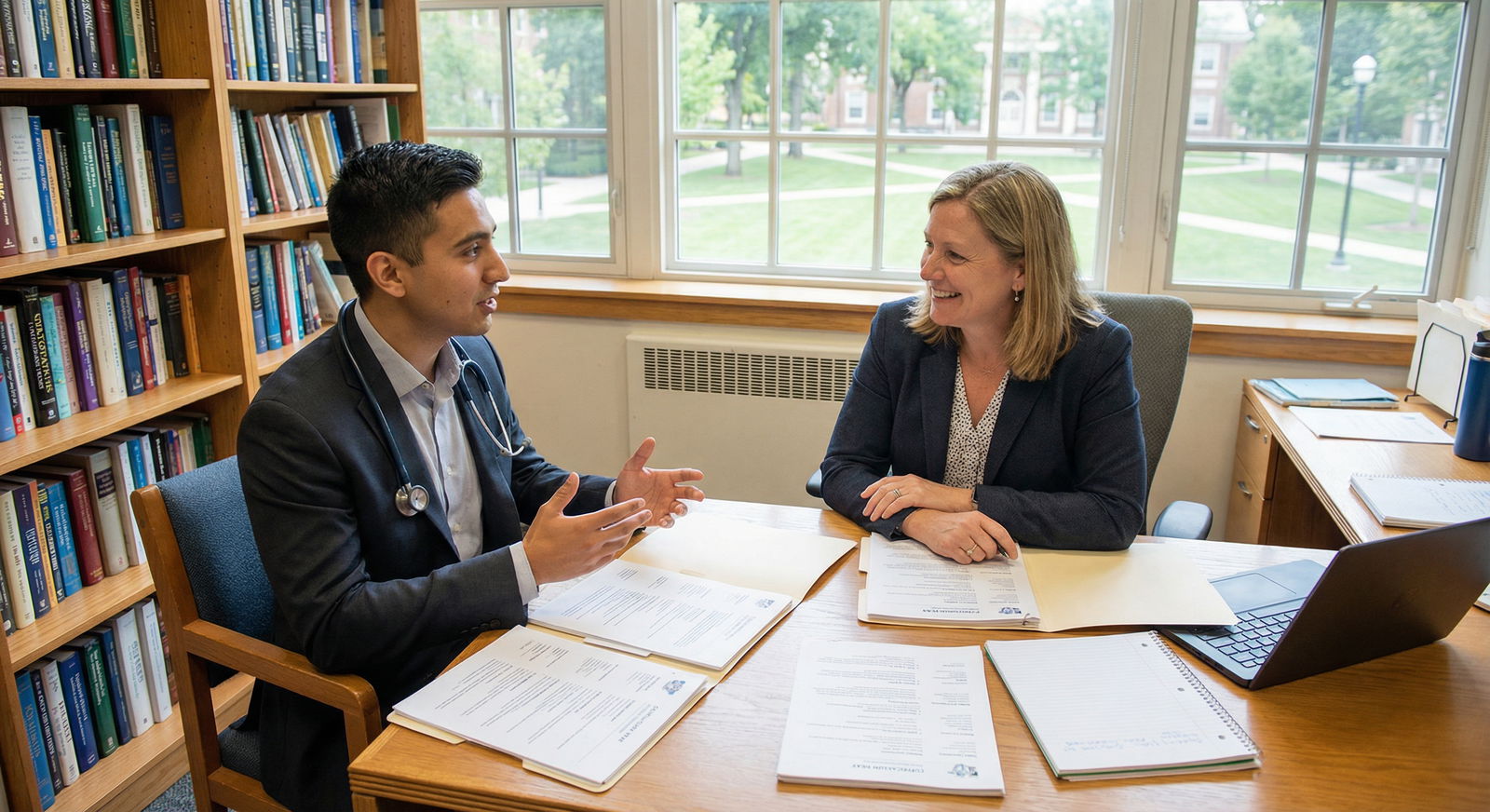
Networking is not superficial “schmoozing.” It’s intentional relationship-building that helps programs understand who you are beyond your metrics.
Find the Right Mentors
Your network should include:
- Osteopathic mentors who understand DO-specific strengths and challenges.
- Allopathic mentors in your target specialty who can speak to how you perform in ACGME environments.
- Near-peers (residents, recent graduates) who can share recent, practical Residency Application Strategies.
Ways to find them:
- Ask your OMM faculty for introductions to DO residents in your field.
- Attend specialty interest group meetings and stay after to talk with guest speakers.
- Use national organizations (e.g., ACOFP, ACOEP, ACOI, etc.) and their mentorship programs.
Be explicit when asking for help:
“Could I schedule a 20-minute Zoom meeting to ask your advice about applying as a DO to ACGME EM residencies?”
Use Conferences and Local Events Wisely
When you attend conferences, workshops, or grand rounds:
- Prepare a 1–2 sentence “elevator pitch”: who you are, what you’re interested in, and what you’re looking for.
- Ask thoughtful, content-based questions after talks.
- Follow up by email: reference a specific point they made, attach your CV if they offer to help, and thank them for their time.
Illustrative Example:
A DO interested in psychiatry meets a faculty member at a state psychiatric society meeting. After asking about integrated behavioral health models, she follows up with an email and later joins a collaborative QI project. That relationship leads to a strong letter of recommendation and an away rotation at the faculty’s institution—significantly boosting her visibility in that program.
4. Tailoring Your ERAS Application as a DO
Your ERAS application is your professional story in structured form. Thoughtful tailoring can differentiate you from hundreds of other applicants.
Personal Statement: More Than “Why I Like This Specialty”
Your personal statement should:
- Provide a cohesive narrative of your path to medicine and your chosen field.
- Integrate your osteopathic identity in a way that feels natural, not forced.
- Reference specific program values or strengths when possible (especially in supplemental or secondary essays).
Consider addressing:
- How OPP has shaped your approach to problem-solving or patient communication.
- What kind of resident, colleague, and physician you hope to be.
- A few select experiences that demonstrate resilience, adaptability, or leadership.
Avoid generic statements like “I love internal medicine because it is broad and allows continuity of care.” Instead, anchor your points in unique experiences.
Letters of Recommendation: Choosing the Right Voices
Aim for 3–4 strong letters:
- At least two from your target specialty.
- One from a core rotation (IM, surgery, peds, FM) where you performed exceptionally.
- If possible, one from a DO physician who knows you well, especially in osteopathic-friendly programs.
For each potential letter writer:
- Ask if they can write a “strong, supportive letter” (this wording matters).
- Provide your CV, personal statement draft, and a brief bullet list of cases or projects you worked on with them.
- Remind them of any specific achievements, teaching moments, or feedback they gave you that reflects your strengths.
Program Research and Customization
While you can’t fully rewrite your application for every single program, you can:
- Create a shortlist of top priority programs and customize:
- Specific mentions in your personal statement (when allowed).
- Supplemental essays that reference faculty research or program initiatives.
- Note:
- Whether the program has osteopathic recognition or tracks
- How many DOs are on current resident rosters
- Whether they accept COMLEX alone or prefer USMLE
Explicitly naming program features—such as a robust continuity clinic, strong procedural training, or a global health track—shows genuine interest and research.
Excelling in Interviews and Showcasing Professional Values
5. Mastering Residency Interviews as a DO Applicant
Residency interviews are your chance to embody your application and address any unspoken questions about osteopathic training.
Prepare for Common and DO-Specific Questions
Standard questions:
- “Tell me about yourself.”
- “Why this specialty?”
- “Describe a challenging clinical situation and how you handled it.”
- “Tell me about a time you made a mistake or received critical feedback.”
DO-specific or implicit questions:
- “Why did you choose Osteopathic Medicine?”
- “How do you see OMM fitting into your future practice?”
- If asked indirect questions implying unfamiliarity with DO training, be prepared to educate respectfully, not defensively.
Craft concise, structured answers (e.g., using the STAR method: Situation, Task, Action, Result) and always end by reflecting on what you learned.
Communicate the Value You Bring
Highlight attributes deeply aligned with osteopathic philosophy:
- Whole-person, patient-centered communication
- Comfort working with interprofessional teams
- Emphasis on prevention and lifestyle factors
- Adaptability and resilience (especially if you’ve navigated challenges or a non-traditional path)
Mock interviews with mentors, career advisors, or residents are invaluable. Ask specifically for feedback on:
- Clarity of your osteopathic explanation
- Professionalism and warmth
- Whether your answers sound genuine and specific rather than rehearsed
6. Demonstrating Commitment to Diversity, Inclusion, and Equity
ACGME programs prioritize diversity, equity, and inclusion—not just demographically, but in thought, background, and life experience.
Turn Experiences into Demonstrated Competence
Highlight:
- Work with underserved or marginalized communities (rural, urban, immigrant, LGBTQ+, etc.).
- Initiatives you started or joined that targeted health disparities or improved access.
- Cultural competence training, language skills, or global health experiences.
Frame these as:
- Specific skills you’ve built (e.g., using interpreters effectively, trauma-informed care).
- How they shape your approach to patient care and team dynamics.
- Your ongoing commitment to learning and humility in cross-cultural care.
Link DEI to Osteopathic Medicine
You can naturally connect DO philosophy to DEI:
- Emphasis on the person within their environment and community.
- Recognition of social determinants of health.
- Commitment to listening, partnership, and individualized care.
Use real stories (while protecting patient confidentiality) to illustrate these values in action.
7. Understanding Program-Specific Competencies and Culture
Every ACGME program has its own “personality,” priorities, and educational culture.
Study Program Competencies and Expectations
On program websites and in interviews, look for:
- Mission statements and core values
- Emphasis on:
- Research vs. clinical service
- Community health vs. tertiary/quaternary care
- Procedural volume vs. cognitive complexity
- ACGME competencies they highlight:
- Patient care
- Medical knowledge
- Practice-based learning and improvement
- Interpersonal and communication skills
- Professionalism
- Systems-based practice
Reflect these back by:
- Sharing examples that demonstrate each competency.
- Explaining how your osteopathic background prepares you for their environment.
- Asking informed questions that show you’ve done your homework.
Use Away Rotations and Sub-Internships Wisely
If possible, do an away rotation at programs you’re most interested in:
- Treat each day as a month-long interview: be on time, prepared, and proactive.
- Ask for feedback midway through the rotation and adjust accordingly.
- Identify potential letter writers who see you closely in the clinical environment.
For DO applicants, away rotations can be especially powerful at programs that:
- Have few current DO residents but are open-minded.
- Are in more competitive specialties where face-to-face performance matters greatly.
Frequently Asked Questions: DOs Applying to ACGME Residencies
1. Can DOs apply to all ACGME residencies, including competitive specialties?
Yes. DOs can apply to essentially all ACGME residencies, including competitive fields such as dermatology, radiology, anesthesia, and certain surgical subspecialties. Some programs are more DO-friendly than others, but many have successfully matched DO residents for years. When targeting more competitive specialties, strengthen your application by:
- Taking USMLE exams in addition to COMLEX if advised in your specialty.
- Building a strong research and scholarship portfolio.
- Pursuing away rotations at programs that regularly interview and match DO applicants.
2. Should I take USMLE in addition to COMLEX as a DO applicant?
It depends on your goals and specialties of interest:
- For many primary care–oriented specialties (FM, IM, peds, PM&R, psych), COMLEX alone is often acceptable at numerous ACGME programs.
- For more competitive or historically MD-dominated specialties, many advisors recommend taking USMLE Step 2 CK at minimum, as some programs prefer or require USMLE scores for comparison across applicants.
Check individual program websites and talk with mentors in your specialty to develop a tailored testing strategy.
3. How should I highlight my osteopathic training without sounding repetitive?
Integrate Osteopathic Medicine into your application in a layered way:
- Personal statement: One or two key experiences demonstrating osteopathic principles in action.
- Experiences section: Explicitly mention OPP/OMM, holistic care, preventive medicine, or osteopathic leadership where relevant.
- Interviews: Be prepared with 1–2 concise anecdotes that show how OPP shaped your clinical reasoning or patient relationships.
Avoid repeating the same story and focus instead on demonstrating osteopathic thinking in different contexts—clinical care, teaching, leadership, and service.
4. What if I don’t match—what are my next steps as a DO?
Not matching is difficult, but many applicants ultimately succeed on a second attempt. Constructive steps include:
- Participating in SOAP if eligible.
- Meeting with advisors to review your application honestly (academic metrics, red flags, letters, specialty choice).
- Considering:
- A transitional year or preliminary IM/surgery year to strengthen your clinical record.
- Additional research or a master’s program if academic metrics are a major barrier.
- Reassessing whether another specialty might better fit your profile and goals.
Use the time to address specific weaknesses and continue building your professional narrative.
5. How can I find DO-friendly ACGME programs?
Several strategies can help you identify programs receptive to DO Applicants:
- Look at current resident rosters on program websites—note how many DOs are present.
- Check whether the program has osteopathic recognition or an osteopathic track.
- Ask DO residents and recent graduates in your specialty which programs are supportive.
- Use online forums and match data cautiously—combine them with direct outreach and mentoring.
Ultimately, many programs will welcome a strong DO applicant who clearly demonstrates competence, professionalism, and alignment with their mission.
By understanding the unique strengths of your osteopathic training and strategically aligning them with ACGME residency expectations, you position yourself not just as an applicant who belongs, but as a future colleague who will elevate your program. Use these Residency Application Strategies and Medical Career Tips as a framework, adapt them to your specific goals, and continue to refine your story. As a DO, you offer a valuable, holistic perspective—make sure every part of your application reflects that.