
I keep refreshing the NRMP site at 2 a.m. like the match algorithm is going to spit out a verdict on my entire future right now. Founder resident or legacy resident. Brand-new program or the fifty-year-old machine that already has its board-pass graphs laminated in the hallway. My brain won't shut up about it. What if I pick wrong and wake up three years later realizing I torched my clinical confidence before it ever had a chance to form?
That's the dread talking. And it's loud.
The Existential Dread: Am I Choosing a Dead-End?
The terror of being first class is visceral. No seniors who already know which attending will destroy you for a late note. No dog-eared binder of "how we actually do things here." You're the pilot episode. Workflows get invented in real time while you're trying not to kill anyone. I've pictured it: me, PGY-1, standing in a half-empty workroom asking the only other intern where the crash cart lives because nobody wrote it down yet. That image keeps me up.
Legacy programs feel like a safety net someone else already stress-tested. Proven board pass rates. An institutional culture that has survived generations of burnt-out residents. Attendings who've seen every variation of the same disaster and can tell you exactly how it ends. My anxious brain loves that. It wants the guarantee that the path is paved, the guardrails are bolted down, and the people ahead of me didn't fall off a cliff.
But then the spiral starts. What if the new program is a dead-end dressed up in shiny recruitment slides? What if "founding resident" just means unpaid curriculum designer who still has to pass boards? What if fellowship directors see the start date on my diploma and quietly move my application to the maybe pile? I obsess over whether choosing new will destroy my career before it starts. The fear isn't abstract. It's the specific nightmare that I'll finish training less confident, less prepared, and somehow permanently marked as the person who took the risky path and lost.
I hate that my mind works like this. But it does. And if yours does too, you're not alone in the dark.
Clinical Confidence: Building vs. Inheriting
Here's the part that messes with me most. Clinical confidence doesn't arrive in a welcome packet. You either build it under fire or inherit a version of it that the program has been refining for decades.
Founder residency is trial-by-fire with extra gasoline. You might literally help write the curriculum while you're living it. Protocols get drafted at 11 p.m. after a bad night float. You learn to problem-solve because there is no laminated card for the weird edge case that just walked into the ED. That agility can make you dangerously good. Or it can just make you tired and second-guessing every order you write. I've talked to people who thrived in that chaos and came out feeling like they could handle anything. I've also watched people quietly break because the scaffolding never arrived.
Legacy residency is the comfort of a machine that has run for fifty years. Morning report has a format. The ICU has a checklist that actually works. Somebody already figured out the fastest way to get a bed upstairs. You absorb confidence incrementally, almost by osmosis. The danger? You can coast. You can become excellent at following the system without ever learning how to rebuild one when it fails. And systems do fail.
So does "building" actually make you a better doctor, or just a more stressed one? I think it can make you better, if you survive it. The founder path forces high-pressure adaptability that legacy residents sometimes never need. But the cost is real. You trade sleep and certainty for a kind of ownership that looks impressive on paper and feels terrifying in the moment.
Before finalizing your list, consider how much should founder resident status matter in my rank list to weigh these risks objectively.
When assessing clinical training, remember to compare a new academic program vs an older community one to align with your career goals.
I swing between envy and horror depending on the hour. Some nights I want the machine. Other nights I'm terrified the machine will make me soft.
Quantifying the Fear: Data and Outcomes
Let's talk numbers, because my anxiety demands data even when the data is incomplete.
New programs carry board passage risk. Not because the residents are worse, but because the infrastructure is still wet cement. First-time pass rates can wobble while faculty figure out how hard to push and how early to remediate. Legacy programs publish those shiny 95%+ numbers for a reason, they've already made the mistakes on someone else's class. I hate that this is true. I also can't ignore it.
Then there's accreditation probation. The nightmare scenario: I'm PGY-2, the ACGME drops a warning, and suddenly every fellowship application I send carries an asterisk. Will program directors understand? Some will. Some won't bother to ask. Prestige still matters in quiet ways. An established name opens doors that a brand-new program has to kick down. Innovation is sexy in interviews. "We built this together" sounds great until you're competing against someone whose program has produced three chiefs of medicine.
I've stared at enough program websites to know the pattern. Risk starts high and (usually) drops as the years stack up. Clinical autonomy often moves in the opposite direction, you get more rope once the scaffolding is solid. That trade-off is real.
The graph looks tidy. Living inside it does not. I keep asking myself whether the innovation premium is worth the prestige discount. Some days the answer is yes. Most days I'm not sure.
Mitigating the 'What-Ifs': A Survival Guide for Applicants
You can't eliminate the risk. You can interrogate it without sounding like a conspiracy theorist.
On interview day, ask about faculty retention like it's the most normal question in the world. "How many core faculty have been here since the application was submitted?" Watch their faces. Ask who owns the board prep curriculum and what happens if that person leaves. Ask whether the GME office has already written the teach-out plan (they should have). You're not being paranoid. You're doing due diligence the way any rational person would when the product hasn't shipped yet.
Red flags I've learned to trust: leadership that talks only about "vision" and never about concrete backup plans. A PD who can't name the three biggest operational problems they're currently solving. Residents (if any exist yet) who look exhausted in a specifically hopeless way rather than the normal residency way. Missing or vague answers about simulation resources, moonlighting policies, or how feedback actually changes anything.
Mentors still exist even when the program is new. You just have to hunt outside the walls. Find the faculty member at a nearby academic center who owes your advisor a favor. Join the specialty's resident Facebook group and DM people who matched at other new programs last year. Borrow confidence from people who already survived the experiment. The mentor's shadow can reach farther than you think.

Decision Fatigue: Finding Peace in Uncertainty
Both paths have risks I cannot control. Legacy programs can still implode from toxic culture or sudden leadership collapse. New programs can stabilize faster than anyone expects and produce absolute killers. I have to accept that.
The one thing I can control is my work ethic. Show up curious. Ask the dumb questions early. Document everything. Own my gaps before they own me. That part travels with me whether the program is fifty years old or fifty days old.
Will this decision define the rest of my life? Almost certainly not. Careers are long and weird and full of second chances. The resident who panics the hardest right now often becomes the attending who actually remembers what it felt like to be terrified. That counts for something.
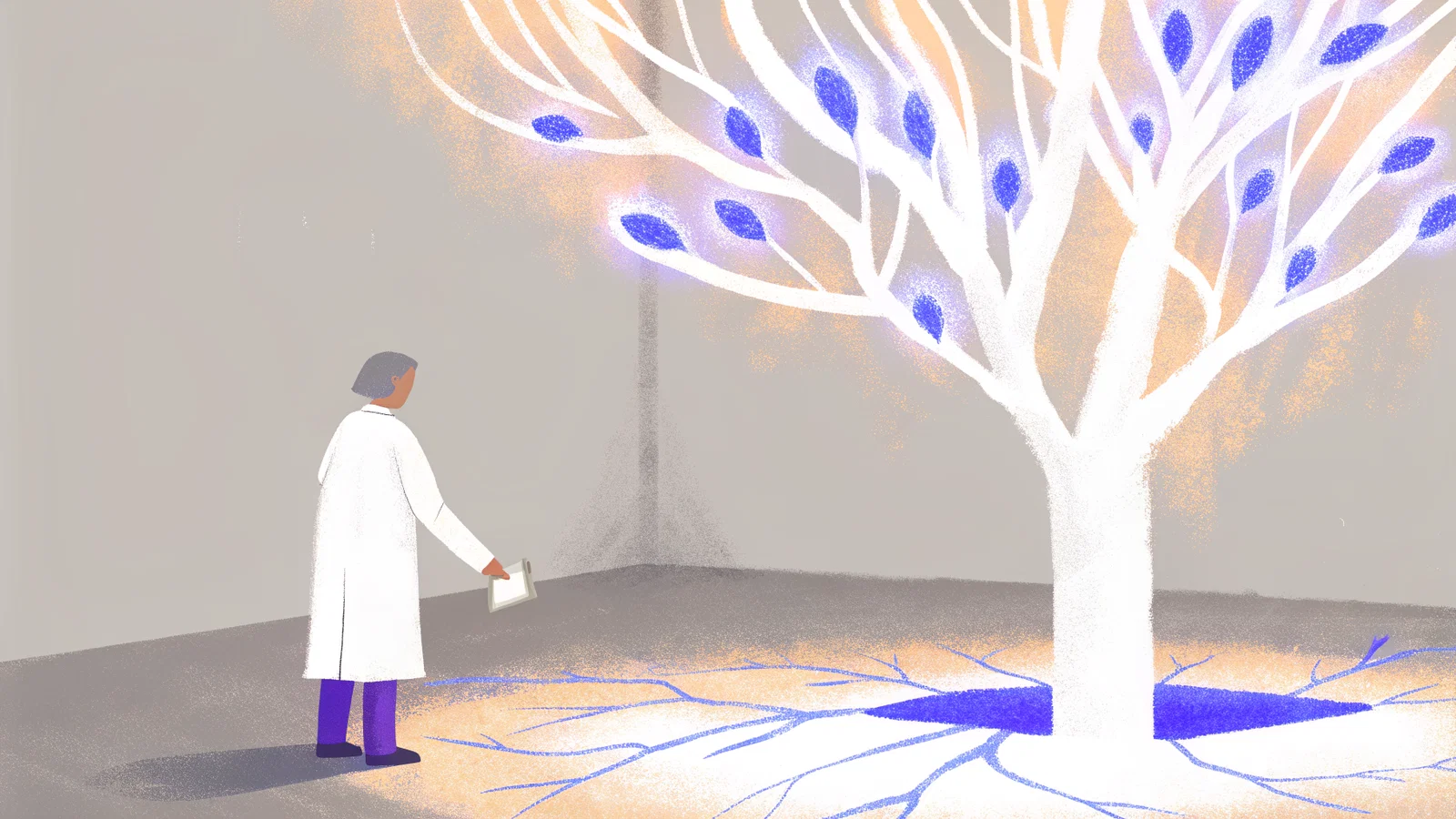
Stop refreshing the forums for five minutes. Make a list of the three things that would actually make you quit a program, location misery, zero mentorship, chaotic leadership, and rank every option against those. Then trust the ranking enough to sleep.
You're allowed to want both safety and growth. You're allowed to be scared. Just don't let the fear pick for you.
Go build the rank list that lets you breathe. Then go be the doctor who proves the path didn't matter as much as the person walking it.