
Meta description: Data suggests publications usually carry more weight than presentations in residency applications, but the best strategy is finishing what you can explain well.
Educational note: This article is for general educational purposes only. It discusses residency application strategy and career-related considerations, but it is not individualized academic, financial, legal, or professional advice. Applicants should verify ERAS policies and seek guidance from mentors, advisors, or qualified professionals for decisions specific to their situation.
If you're staring at your CV and wondering whether that poster, abstract, or manuscript is the thing that actually moves the needle for residency, here's the blunt answer: publications usually beat presentations. Not always. Not in every specialty. But most of the time, if you can only fully finish one thing before ERAS, a real publication is the stronger signal.
That said, applicants get themselves in trouble by chasing the "ideal" output instead of the finishable one. I've seen this over and over: someone spends six months talking about a manuscript that never gets submitted, while the person next to them locks in an accepted poster, gives an oral presentation, and has something concrete to list. Unfinished ambition is weaker than completed work. Every time.
So don't turn this into a fake purity test. The real question is not "Are publications better?" The real question is: what can you complete, document, and explain well before programs review your application?
Start Here: What Programs Usually Mean by "Publications" vs "Presentations"
Let's clean up the vocabulary first, because applicants regularly lump very different things together.
In residency-application language, publications usually means peer-reviewed scholarly work that's made it into a journal or is at least formally accepted. That includes original research papers, review articles, case reports, brief reports, and sometimes published abstracts in conference supplements. A manuscript "in progress" is not the same thing. A manuscript "submitted" is better than nothing, but it does not carry the same weight as accepted or published work.
Presentations covers a wider, messier category: abstract acceptances, poster presentations, oral podium talks, regional or national conference presentations, grand rounds-style scholarly talks, and specialty meeting presentations. These vary a lot in strength. An oral presentation at a respected national meeting is not the same as a local research day poster, and pretending otherwise is dumb.
Then there's the middle ground: non-peer-reviewed outputs. Think invited blog posts, newsletter pieces, educational infographics, white papers, institutional QI summaries, or conference handouts. These can still help tell a story, but they usually don't hit with the same force as peer-reviewed scholarship.
Why do programs tend to value publications more? Because a publication usually proves sustained effort. You had to do the work, write it up, survive revisions, and get it through some level of outside scrutiny. That process says something about follow-through. It's not just "I touched a project." It's "I helped get this across the finish line."
Presentations still matter. A lot, sometimes. They show initiative, productivity, engagement with a field, and the ability to communicate your work. They also give you something useful for interviews. But they're usually seen as an earlier milestone, not the final one.
So if you're asking which is "better," you're already asking the wrong version of the question. Better for whom? Better by when? Better for dermatology versus psychiatry? Better with three months left before ERAS or fourteen?
That's the real setup.
What the Data Generally Shows: Which One Carries More Weight?
Here's the broad pattern: publications carry more weight than presentations in residency selection. That's the common reality, and applicants shouldn't dance around it.
Why? Because publications suggest depth. They imply you were involved long enough to produce something durable. You likely dealt with analysis, writing, revision, authorship negotiations, formatting misery, and reviewer criticism. Glamorous? No. Valuable? Yes. Programs know that getting a paper over the line is harder than submitting a conference abstract.
Presentations still matter, especially if you're applying into a field with a real conference culture. Surgical subspecialties, academic-heavy specialties, and niche disciplines often pay close attention to whether you're showing up in that world. A strong poster at a national meeting or an oral presentation in your target specialty can absolutely help, particularly if the topic is relevant and your role was meaningful.
But quantity confuses people. Applicants love counting. Committees don't love counting as much as you think.
One solid paper in a respectable journal often beats a pile of thin abstracts. Not because committees are elitist monsters, but because they've read enough CVs to know that ten low-effort entries can hide very little actual work. Same goes the other direction: one excellent oral presentation where you clearly owned the project can carry more value than three barely remembered poster listings from institutional research days.
This is where weak strategy shows up. People shotgun themselves into multiple tiny projects, collect middle-author abstract lines, and then wonder why their application still feels flimsy. Because it is flimsy. A scattered list is not the same as a scholarly track record.
What committees often do with research output is use it as a screening signal and a pattern detector. They ask:
- Did this applicant finish anything?
- Is there consistency over time?
- Is the work relevant to the specialty?
- Was the applicant leading or just present?
- Does the output fit the story they're telling?
Trajectory matters. If you started with a local poster, then a regional talk, then a submitted manuscript, that looks like momentum. If you have one random case report from first year and nothing else, that's not momentum. That's a line item.
And relevance matters more than applicants like to admit. A first-author paper in a specialty-related topic can hit harder than a generic pile of unrelated projects. Not always, but often. Programs are trying to picture you in their field. Help them. Don't make them do interpretive dance with your CV.
How to Decide If You Should Chase a Paper, a Presentation, or Both
This decision is not philosophical. It's logistical.
If you already have a project that is close to manuscript submission, push hard for the paper. That's the best use of your time. Don't get distracted by starting three new side projects because someone told you "more lines on the CV" is the game. It isn't. A nearly finished manuscript is gold compared with a bunch of new ideas sitting in Google Docs.
If ERAS is close and publication is unrealistic, then stop fantasizing and go get the achievable win: submit the abstract, secure the poster, get the presentation accepted. That is real progress, and you can list it honestly.
A few practical rules:
- If the manuscript is 80% done, finish the manuscript.
- If the data exists but the writing is nowhere, a conference abstract may be the realistic move.
- If your mentor is unreliable, choose shorter projects with clearer deadlines.
- If your specialty is ultra-competitive, completed publications matter more.
- If your field values conference presence, presentations matter more than applicants sometimes realize.
I've seen applicants waste an entire spring waiting for a senior author to "review one more draft." Bad move. If the project keeps slipping and you have no control, pivot to something you can actually complete. Prestige is nice. Tangible output is better.
Best strategy? Build a portfolio. Get one thing completed now, then keep milking that same work forward. Poster becomes oral talk. Oral talk becomes manuscript. Manuscript becomes follow-up project. That's efficient. That's believable. That's how you stop looking like you only dabble.
How to Read Your Own Application and Fill the Gaps Strategically
Open your CV and audit it like a program director with limited patience.
Count these separately:
- Published peer-reviewed papers
- Accepted/in-press manuscripts
- Submitted manuscripts
- Accepted abstracts
- Poster presentations
- Oral presentations
- First-author items
- Specialty-specific research items
Now ask the ugly but useful questions.
Do you have a finishing problem? Do you have too many middle-author scraps? Do you have activity without depth? Do you have depth without recent productivity? Do you have research, but none of it points toward your chosen field?
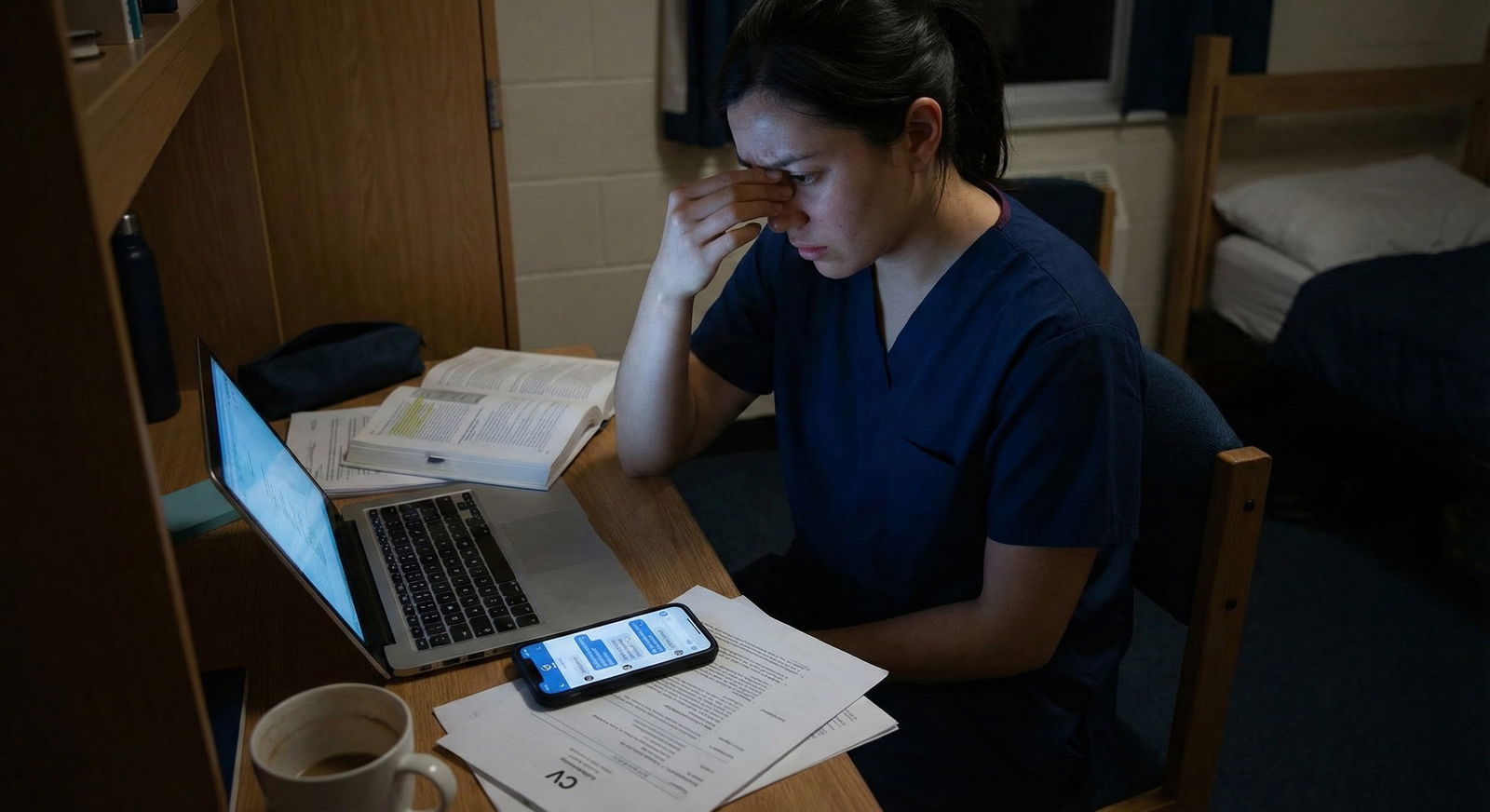
If your publication count is low, the answer is usually not "join more projects." That's how people end up overcommitted and underfinished. The better move is to finish existing work, choose high-yield collaborations, and stop saying yes to every half-baked chart review floating around your department.
If you have many presentations but few publications, don't apologize for it. Frame it correctly. Those presentations show momentum, collaboration, and topic commitment. Then make sure you can also say, "Two of these projects are being developed into manuscripts." That line matters because it turns conference activity into a believable pipeline rather than a dead end.
And when you describe research, focus on contribution. Not just title count.
Bad:
- "Worked on multiple projects in oncology."
Better:
- "Led chart abstraction for a retrospective oncology outcomes study, drafted the abstract, presented the poster at a regional meeting, and am now co-writing the manuscript."
That tells me what you actually did. It shows function, not decoration.
A research-heavy CV with no clear ownership reads weak. A shorter CV with obvious contribution reads stronger. I'd take the second one every time.
What to Say in Interviews and on ERAS When Your Research Mix Is Uneven
If your application leans heavily toward presentations, say so plainly and without defensiveness.
Try something like:
- "Most of my research output right now is in presentations because I focused on getting projects to a visible milestone before application season. Two of those are now being converted into manuscripts."
That works. It's honest. It sounds strategic, not flimsy.
If you have publications but fewer presentations:
- "I spent most of my time pushing a smaller number of projects all the way through to manuscript completion, so my portfolio is heavier on papers than conference activity."
Also good. Clean. Mature. No apology needed.
What programs want to hear is that you understand the process, learned from it, and know how to finish work. So build a forward-looking narrative:
- What question were you trying to answer?
- What was your role?
- What did the process teach you?
- What are you finishing next?
That last part matters a lot. People who sound active and organized tend to land better than people who sound vague and research-adjacent.
And don't get dragged into the fake debate of "publication vs presentation" like it's a cage match. Your goal is not to prove one category is morally superior. Your goal is to present a coherent scholarly story.
You were curious. You joined meaningful work. You contributed. You communicated results. You kept pushing the work forward. That's the story.
The bottom line
If you have to choose, choose the thing you can finish. Usually, that means a publication if it's truly within reach. If not, a solid presentation beats an elegant fantasy of a paper that never materializes.
Programs respect output. Real output. Not research cosplay.
So take inventory now. Push one project across the line. Turn scattered effort into a track record. Then keep building. The applicants who do this well aren't necessarily the smartest people in the room. They're the ones who stop romanticizing research and start finishing it.