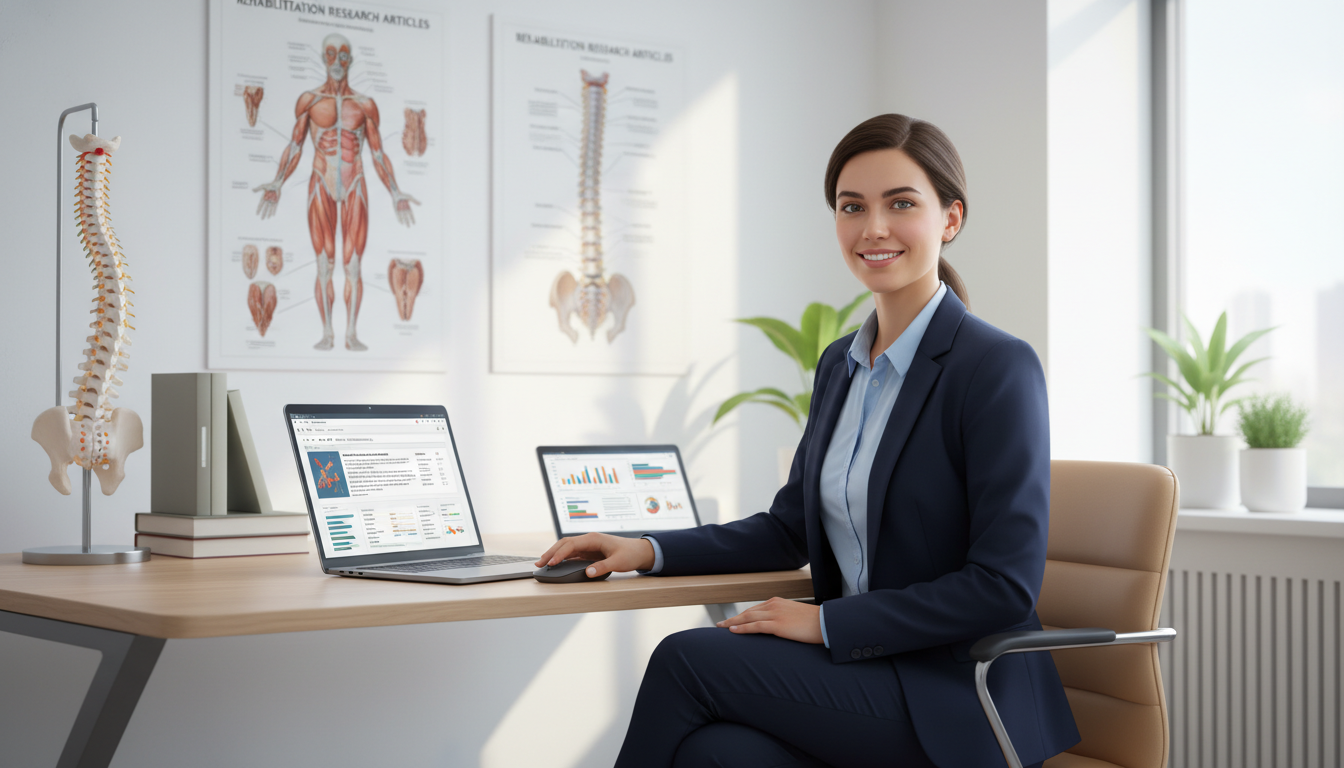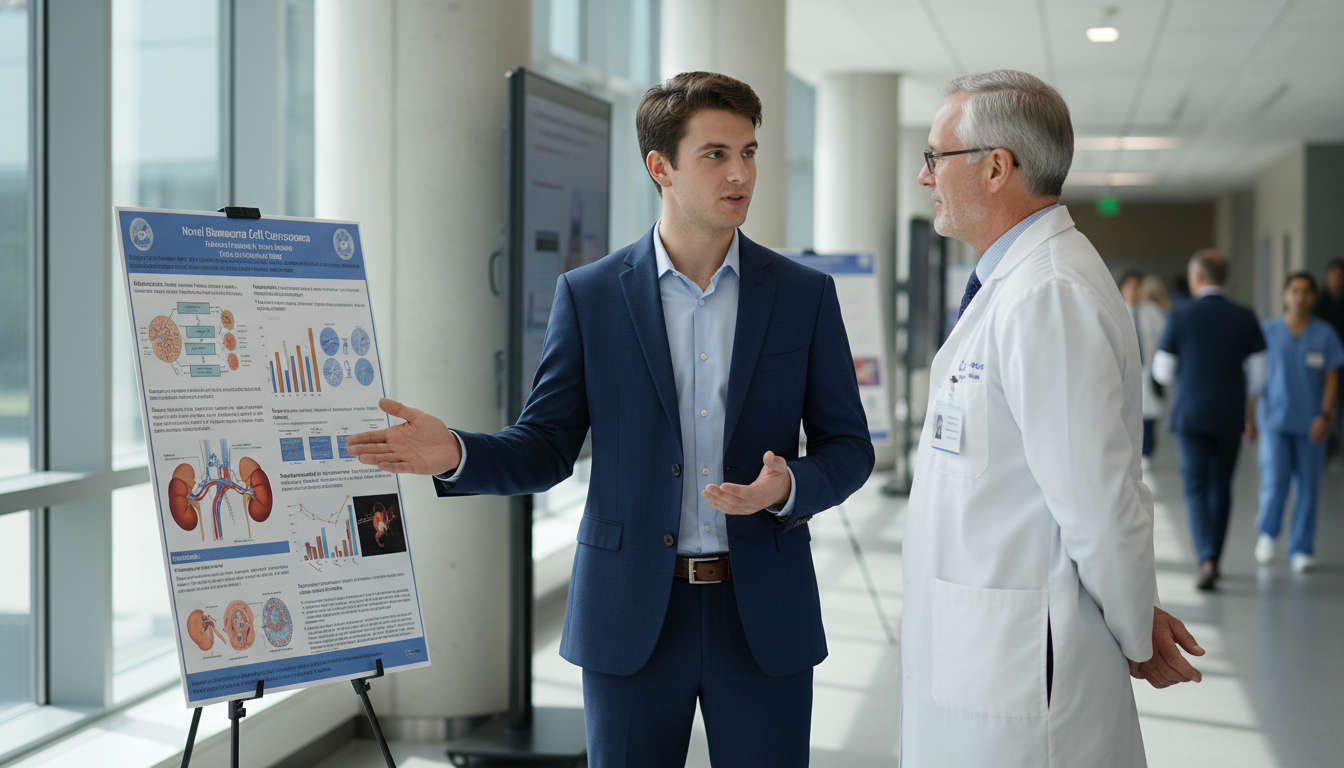
Why Research Matters So Much for Caribbean IMGs in Diagnostic Radiology
Diagnostic radiology has become one of the most competitive specialties in the Match. For a Caribbean IMG, a strong research profile is no longer optional—it is often the difference between “no interview” and “top of the rank list.”
Radiology program directors consistently rate research and scholarly activity as a key differentiator, especially when comparing Caribbean medical school residency applicants to U.S. MD and DO candidates. This is doubly true now that Step 1 is pass/fail; programs are leaning more heavily on Step 2 CK, research, letters, and clinical performance to stratify applicants.
For a Caribbean IMG targeting a diagnostic radiology match, research:
- Signals genuine interest in imaging and academic medicine
- Demonstrates discipline, curiosity, and follow-through
- Helps compensate for perceived disadvantages of being from a Caribbean medical school
- Provides substantive talking points for interviews and personal statements
- Connects you with potential letter writers and advocates in radiology
Many successful SGU residency match stories in radiology and other competitive fields share a common feature: the applicant built a serious, consistent record of research for residency and used it strategically in their application.
This article will walk you step-by-step through how to:
- Understand what “counts” as radiology research in the eyes of program directors
- Strategically choose and execute projects as a Caribbean IMG
- Turn research experiences into publications for match and conference presentations
- Build a coherent “research narrative” that strengthens your ERAS application and interviews
What Counts as a Strong Research Profile in Radiology?
Before you chase opportunities, you need a clear target. “Do research” is vague; build a research profile is specific and strategic.
Core Components of a Competitive Radiology Research Profile
Most successful diagnostic radiology applicants—especially those with nontraditional or Caribbean backgrounds—have combinations of the following:
Peer-reviewed publications
- Original research articles (clinical, outcomes, imaging-based)
- Case reports and case series (especially with imaging emphasis)
- Review articles and pictorial reviews in radiology topics
- Systematic reviews and meta-analyses
Conference presentations and posters
- RSNA, ARRS, ASNR, SNMMI, SIR, ASER, or major national meetings
- Regional/state radiology society meetings
- Institutional research days or student research symposia
Radiology-focused projects and scholarly activities
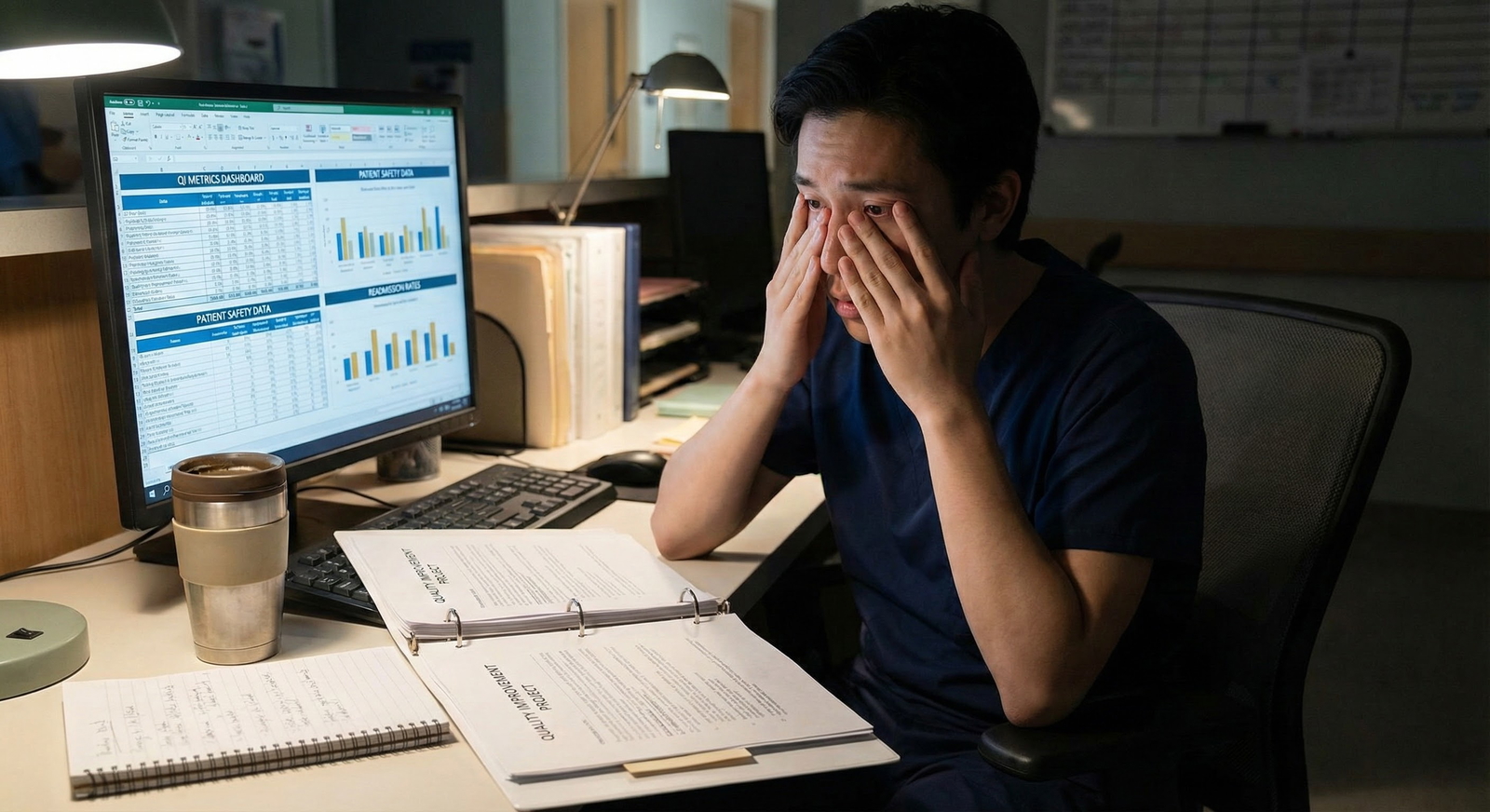
- Quality improvement (QI) projects involving imaging workflows
- Educational projects (e.g., image-based teaching modules)
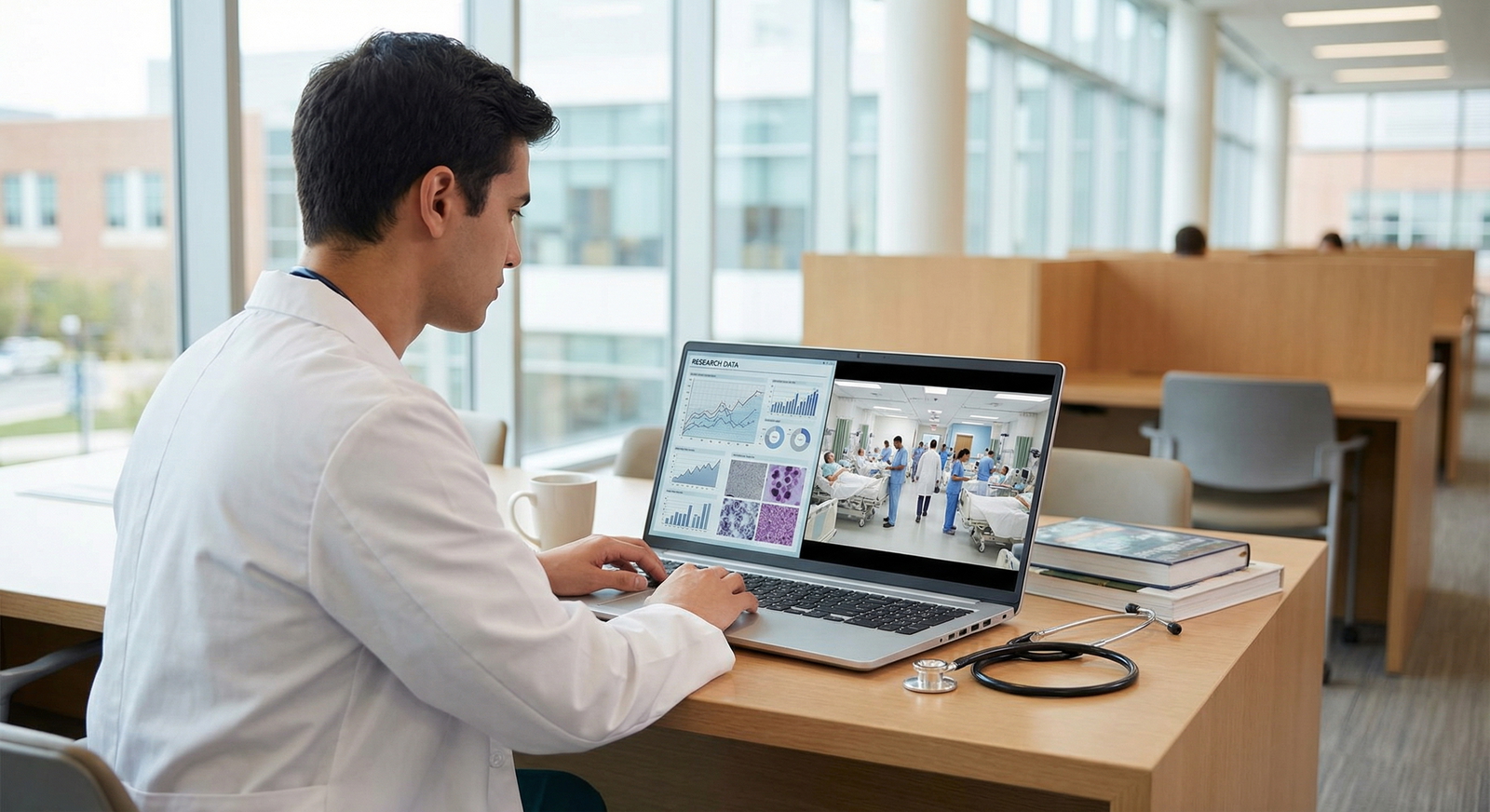
- Collaborations with radiologists on imaging databases or AI/ML projects
Sustained engagement, not just one-off work
- Evidence you’ve stayed engaged in radiology research over multiple years
- Increasing responsibility: from data collector → first author → project leader
How Many Publications Are “Enough”?
There is no magic number, but for a Caribbean IMG aiming for a diagnostic radiology match, a realistic and competitive goal might be:
- 1–3 first-author projects (case reports, case series, or smaller studies)
- 3–8 total publications (mix of first- and co-authored)
- Multiple posters or platform presentations at recognized venues
Programs rarely have a rigid threshold, but they do ask themselves:
- Is this research clinically relevant and at least partly radiology-related?
- Does this profile show clear effort over time or just last-minute padding?
- Did the applicant play a meaningful role (first or second author vs tenth)?
When people ask “how many publications needed?” it’s more useful to ask:
“Does my research portfolio tell a coherent story about my interest in diagnostic radiology and my ability to complete scholarly work?”
If the answer is yes—and you can speak about it fluently in interviews—you’re on the right track.
Finding and Securing Research Opportunities as a Caribbean IMG
The hardest step for many Caribbean IMGs is getting a foot in the door. You may not have the same built-in network or on-campus research infrastructure as a U.S. medical school. But you have more options than you think.

1. Start With Your Own Caribbean Medical School
Many Caribbean schools—especially larger ones like SGU, AUC, Ross, Saba—have research offices or faculty coordinators.
Action steps:
- Check the school’s website or student portal for “Research,” “Scholarly Activity,” or “Office of Research” pages.
- Identify faculty who have radiology, imaging, AI, or related clinical interests (oncology, neurology, emergency, orthopedics).
- Email a brief, targeted message:
- 3–4 sentences total
- Introduce yourself (year, school, interest in diagnostic radiology)
- Mention any skills (statistics, Excel, Python, prior publications)
- Express interest in contributing to ongoing or new research projects
Example email:
Dear Dr. [Name],
My name is [Name], a [M2/M3/M4] at [Caribbean school], with a strong interest in diagnostic radiology. I noted your work on [briefly mention topic or paper title]. I am eager to develop my research skills and would be grateful for the opportunity to assist with data collection, literature review, or analysis on any ongoing projects you may have.
I have experience with [list relevant skills or coursework], and I can commit [X hours/week]. I would greatly appreciate the chance to learn from you and contribute meaningfully to your team.
Sincerely,
[Name]
Send many of these (10–20 is not excessive), tailored to each faculty member.
2. Leverage U.S. Clinical Rotations for Radiology Exposure
During your core and elective rotations in the U.S., you are physically closer to:
- Academic radiology departments
- Community radiology groups engaged in research or QI
- Faculty who can become research mentors
Action steps during rotations:
- Introduce your interest early. Tell your attending, “I’m very interested in diagnostic radiology and would love to get involved in imaging or QI research if there are any opportunities.”
- Attend optional radiology lectures, tumor board, or case conferences and introduce yourself to radiologists.
- Ask radiology attendings:
- “Do you have any ongoing projects where a motivated student could help?”
- “Are there radiology residents or fellows doing research who might need assistance?”
Even non-radiology rotations (e.g., internal medicine, surgery) can yield imaging-heavy projects that are still highly relevant to a radiology residency application.
3. Remote and Multi-Institutional Radiology Projects
In the post-COVID era, many groups are comfortable working remotely. You don’t have to be physically at the institution to:
- Help with chart reviews and data abstraction
- Conduct literature reviews and manuscript drafting
- Assist with systematic reviews or meta-analyses
Look for:
- Radiology faculty who are active on Twitter/X, LinkedIn, or academic platforms and occasionally post about collaboration opportunities.
- Student-led research networks or radiology interest groups (e.g., national/international IMG-friendly groups).
Be clear about your availability, time zone, and skills. Reliability is your main currency.
4. Formal Research Years or Fellowships (Optional but Powerful)
Some Caribbean IMGs planning for highly competitive fields like radiology choose to take:
- A dedicated research year (often between basic sciences and clinical years, or after graduation).
- A postdoctoral or research fellowship in a U.S. radiology department.
Pros:
- Time to generate multiple publications and abstracts
- Stronger connections and letters from U.S. radiologists
- Increased visibility at national conferences
Cons:
- Financial cost (unpaid or modestly paid roles)
- Delayed graduation and specialty training
- Need for visa planning if non-U.S. citizen
For diagnostic radiology, a research year can significantly strengthen your application if:
- Your Step scores are average for the specialty
- You have limited radiology exposure
- You come from a less well-known Caribbean school and need added credibility
Types of Projects That Work Well for Caribbean IMGs in Radiology
You do not need access to fancy MRI scanners or large datasets to build a solid profile. Focus on feasible, high-yield projects.
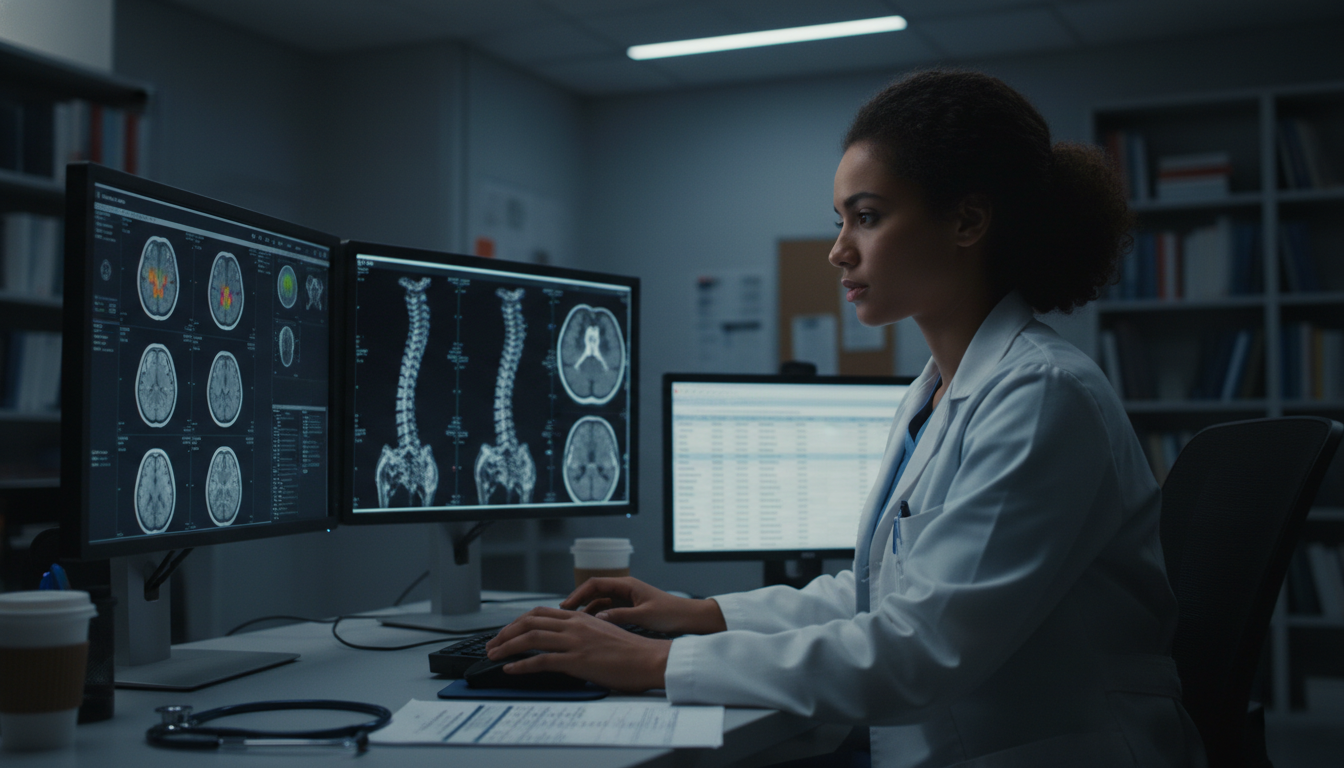
1. Case Reports and Case Series (High Feasibility, Good for Beginners)
These are ideal starter projects:
- Unique or rare cases with compelling imaging findings
- Unusual complications or presentations seen on imaging
- New uses of a modality (e.g., ultrasound, CT, MRI) in a specific context
Why they’re useful:
- Good way to learn format, referencing, and submission process
- Reasonable timeline (weeks to months rather than years)
- Often led by students/junior trainees as first authors
How to approach:
- While rotating, ask: “Are there any interesting imaging cases we could write up?”
- Work with a radiologist (and/or clinical team) to:
- Review images and create a figure panel
- Extract key clinical data from charts
- Draft introduction, case description, discussion, and conclusion
- Target imaging-focused or general medical journals that accept case reports.
2. Retrospective Chart Reviews with Imaging Outcomes
A classic model for IMG-friendly research:
- Identify a clinical question (e.g., “What CT features predict complicated appendicitis in adults?”).
- Define inclusion criteria and outcomes.
- Extract data from electronic health records.
- Analyze clinical variables + imaging findings.
Ideal because:
- Data often already exist; you’re not starting from zero.
- You gain experience with statistics and study design.
- Can lead to original research articles, which carry more weight than case reports.
As a Caribbean IMG, you may be assigned:
- Data collection and chart review
- Preliminary data cleaning and basic analysis
- Drafting methods and results
Be explicit about authorship expectations at project start to avoid misunderstandings.
3. Systematic Reviews and Meta-Analyses
These can be done remotely and are often accessible to students:
- Choose a focused radiology topic (e.g., “Diagnostic performance of MRI vs CT in small bowel Crohn’s disease”).
- Follow PRISMA guidelines, with mentor oversight.
- Search, screen, extract data, assess bias, and synthesize results.
Advantages:
- Clear, structured process
- Highly valued if well-executed
- Can be done without direct patient data access (helpful if you’re off-site)
Limitations:
- Labor-intensive; requires strong organizational skills
- Must be guided by someone with prior systematic review experience
4. Quality Improvement (QI) in Radiology Workflows
Radiology departments often welcome QI projects, such as:
- Reducing CT radiation dose in specific protocols
- Improving turnaround time for STAT imaging reports
- Increasing appropriateness of imaging orders via clinical decision support
- Reducing contrast extravasation or missed follow-up recommendations
QI projects:
- Translate well into abstracts, posters, and sometimes publications
- Are viewed positively by program directors as they show system-level thinking
- Can be led by students under faculty supervision
5. Educational and Teaching Projects
Educational radiology scholarship might include:
- Developing image-based teaching cases or online modules
- Creating structured curricula for medical students rotating through radiology
- Studying the impact of an educational intervention (pre/post tests)
These may be easier to start in an environment like a Caribbean medical school where student education is a priority and faculty are open to curricular innovation.
Turning Projects into Publications and a Strong ERAS Profile
Doing research is only half the battle; getting it recognized is the other half. A well-structured research portfolio will directly support your diagnostic radiology match prospects.
From Data to Abstracts to Papers
A practical pathway for most projects:
Start small with an abstract or poster
- Submit to institutional events, then to regional or national radiology or specialty meetings.
- For radiology, aim for RSNA, ARRS, ASER, ASNR, SIR, or subspecialty-focused sessions.
Refine your analysis and discussion based on feedback
- Incorporate comments from mentors and conference reviewers.
- Improve figures, tables, and clarity.
Convert to a full manuscript
- Follow the target journal’s instructions early.
- Divide writing tasks among co-authors but maintain momentum and deadlines.
- Expect at least one round of revision; persistence matters.
Publishing is often slower than expected; plan timelines so that at least some work is accepted or in-press by ERAS submission.
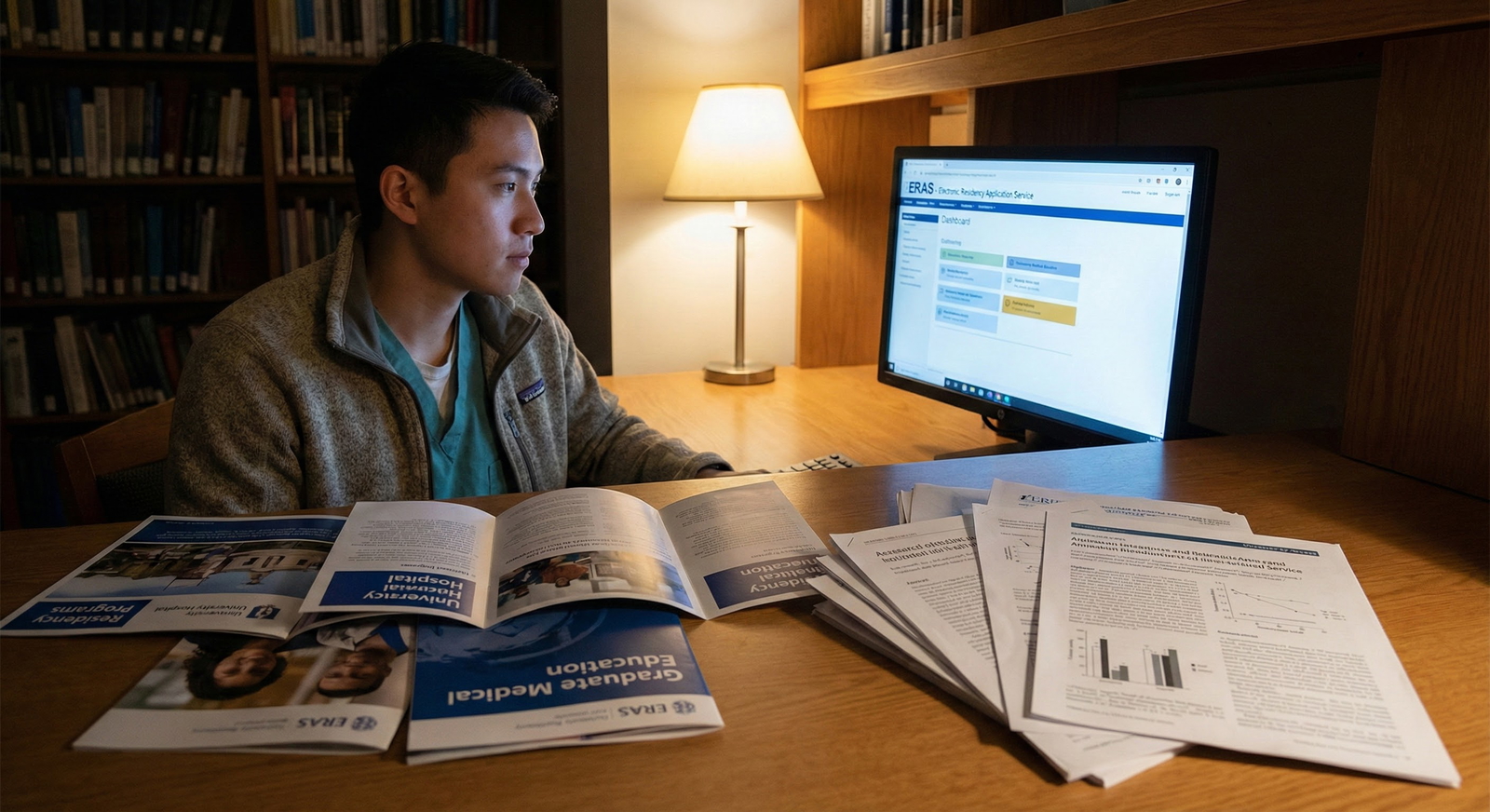
Strategic Use of Research in ERAS
When ERAS asks for research experiences and publications, think like a storyteller:
- Group related projects (e.g., imaging in oncology or emergency radiology) to show a theme.
- Clearly describe your roles: data collection, analysis, drafting sections, presenting at meetings.
- Use action verbs and quantifiable details:
- “Extracted and analyzed imaging and clinical data from 250 patients with suspected PE to evaluate CT findings associated with ICU admission.”
- “First author on 3 case reports and 1 retrospective study in emergency radiology topics.”
Avoid padding your CV with:
- Projects you barely contributed to
- Papers where you can’t explain the methods or results
- Overly vague or exaggerated descriptions
Program directors and interviewers quickly detect superficial involvement.
Explaining “How Many Publications Needed” in Context
For a Caribbean medical school residency applicant in diagnostic radiology:
- If you have 0–1 publications and minimal research, your application may struggle unless other aspects are exceptionally strong (near-perfect Step 2 CK, honors, strong U.S. radiology letters).
- With 2–4 radiology-relevant publications, several posters, and clear continuity, you become a viable candidate at many programs.
- 5–10+ publications (including first-author work) plus strong clinical performance significantly enhance your competitiveness, especially at academic radiology programs.
Quality and ownership matter more than raw count; one well-designed imaging study where you are first author can outweigh several peripheral co-authorships.
Using Research to Strengthen Your Narrative as a Caribbean IMG
In your personal statement and interviews, your research should:
- Support your story of growing fascination with imaging, pattern recognition, and problem-solving
- Demonstrate resilience and initiative in seeking research for residency despite being at a Caribbean institution
- Show you understand the academic side of radiology (journals, conferences, peer review)
Example narrative elements:
- “Working on a retrospective study of CT findings in blunt abdominal trauma showed me how imaging decisions directly affect patient outcomes, reinforcing my desire to be the radiologist who guides those decisions.”
- “As a Caribbean IMG, I sought out remote collaboration and spent evenings and weekends learning data analysis to complete our project, which resulted in a presentation at [conference]. This experience taught me discipline and resourcefulness.”
Practical Timeline: When to Start and How to Prioritize
Preclinical Years (Basic Sciences at Caribbean School)
- Learn research basics: study design, biostatistics, critical appraisal.
- Join or start a radiology interest group if available.
- Begin small projects: case reports, literature reviews, assisting ongoing studies.
- Aim to generate 1–2 posters or early manuscripts before clinicals.
Core Clinical Rotations
- Leverage every rotation (medicine, surgery, EM, OB/GYN) for imaging-related research ideas.
- Identify potential radiology mentors during inpatient consults and imaging reviews.
- Balance time with rotations, but keep at least one active project.
Electives and Sub-Internships (Including Radiology Electives)
- Front-load radiology electives where research opportunities exist.
- Intensify work on radiology-specific projects.
- Push to submit abstracts to major meetings that will occur before or during your application year.
Application Year (MS4 / Final Year)
By ERAS opening, aim to have:
- Several accepted or submitted manuscripts
- Multiple abstracts or posters presented or accepted
- A clearly focused radiology research theme
Use your research to:
- Strengthen personal statement
- Prepare for interview questions about your projects
- Demonstrate readiness for an academic or community radiology environment
FAQs: Research Profile Building for Caribbean IMGs in Diagnostic Radiology
1. I’m late to research and already close to applying. Is it still worth starting?
Yes—start now, but be realistic:
- Focus on shorter-term projects: case reports, case series, QI, or small retrospective reviews.
- Even a single well-executed project, if completed and presented, can improve your application and provide strong talking points.
- If you realize you need more time to build a competitive portfolio, consider a dedicated research year before applying for a diagnostic radiology residency.
2. Do all my projects need to be radiology-focused?
Not necessarily, but a substantial portion should highlight your interest in imaging if you’re targeting a diagnostic radiology match. Having:
- A mix of radiology and non-radiology projects is fine, especially if they’re high quality.
- Strong non-radiology research (e.g., oncology, neurology, cardiology) can still help, especially if imaging is part of the study.
Try to frame your non-radiology work through a radiology lens in your narrative (e.g., discussing imaging’s role in diagnosis or management in that field).
3. How do I answer questions about my research during interviews?
Be prepared to:
- Summarize each major project in 2–3 sentences: question, methods, key findings, and implications.
- Explain your exact role clearly—what you personally did.
- Reflect on what you learned: about radiology, research methodology, teamwork, or patient care.
Practice out loud. If you can’t clearly explain a project to a non-specialist in a minute, you may be perceived as having superficial involvement.
4. I’m worried my Caribbean background will be a disadvantage. Can research really offset that?
Yes, thoughtfully built research can substantially offset the typical disadvantages of being from a Caribbean medical school. Programs care about:
- Evidence that you can handle academic medicine
- Demonstrated initiative in seeking out publications for match
- Commitment to radiology as a long-term career
A strong research portfolio, especially with U.S.-based mentors and radiology-focused work, can transform your application from “risky” to “highly motivated and proven,” substantially improving your odds of a successful Caribbean medical school residency outcome in diagnostic radiology.
By systematically building a focused, credible research profile—even starting from a Caribbean school—you can position yourself competitively for a diagnostic radiology match. Treat research not as a checkbox, but as a core part of your preparation to become a thoughtful, evidence-driven radiologist.