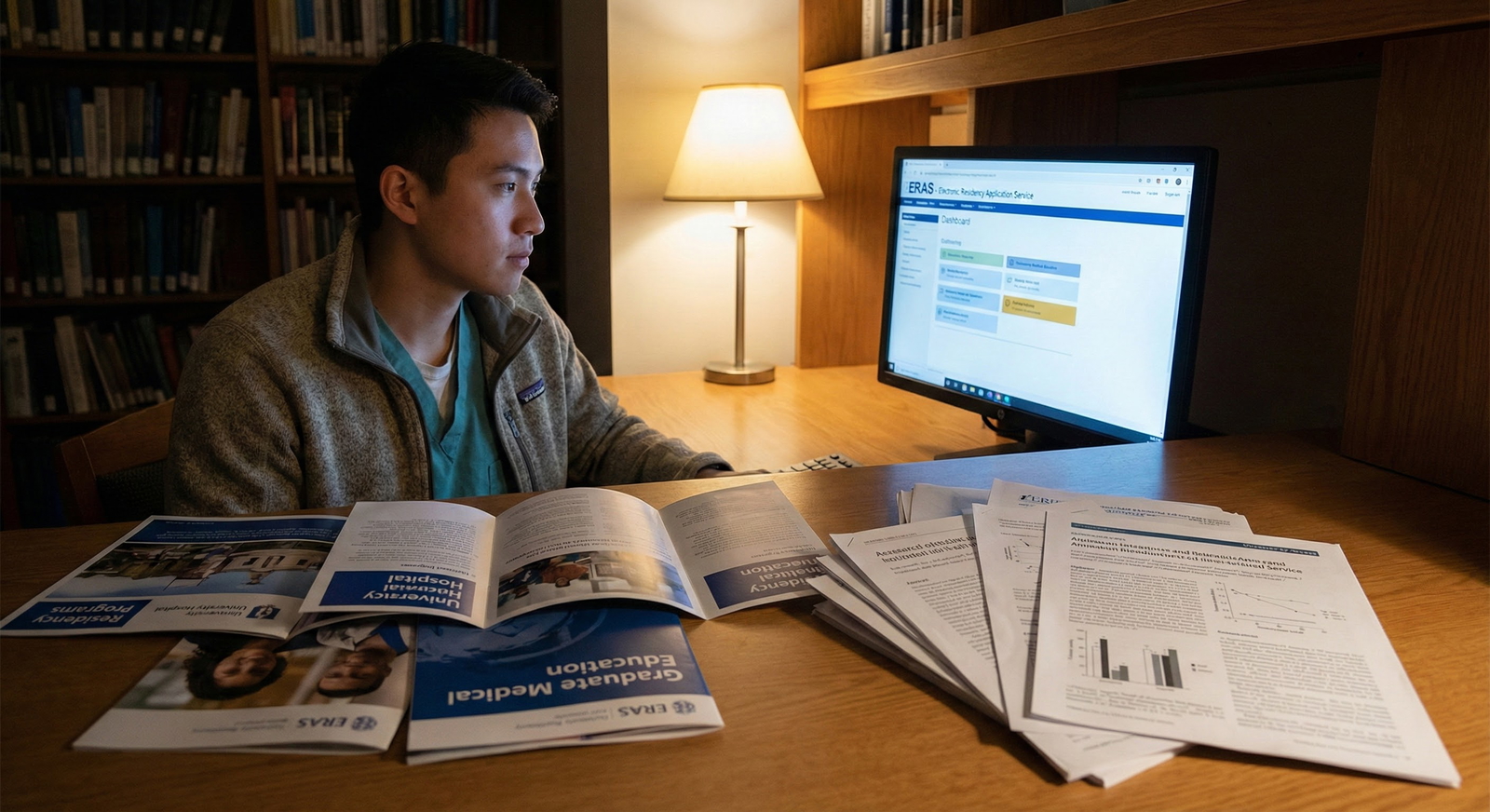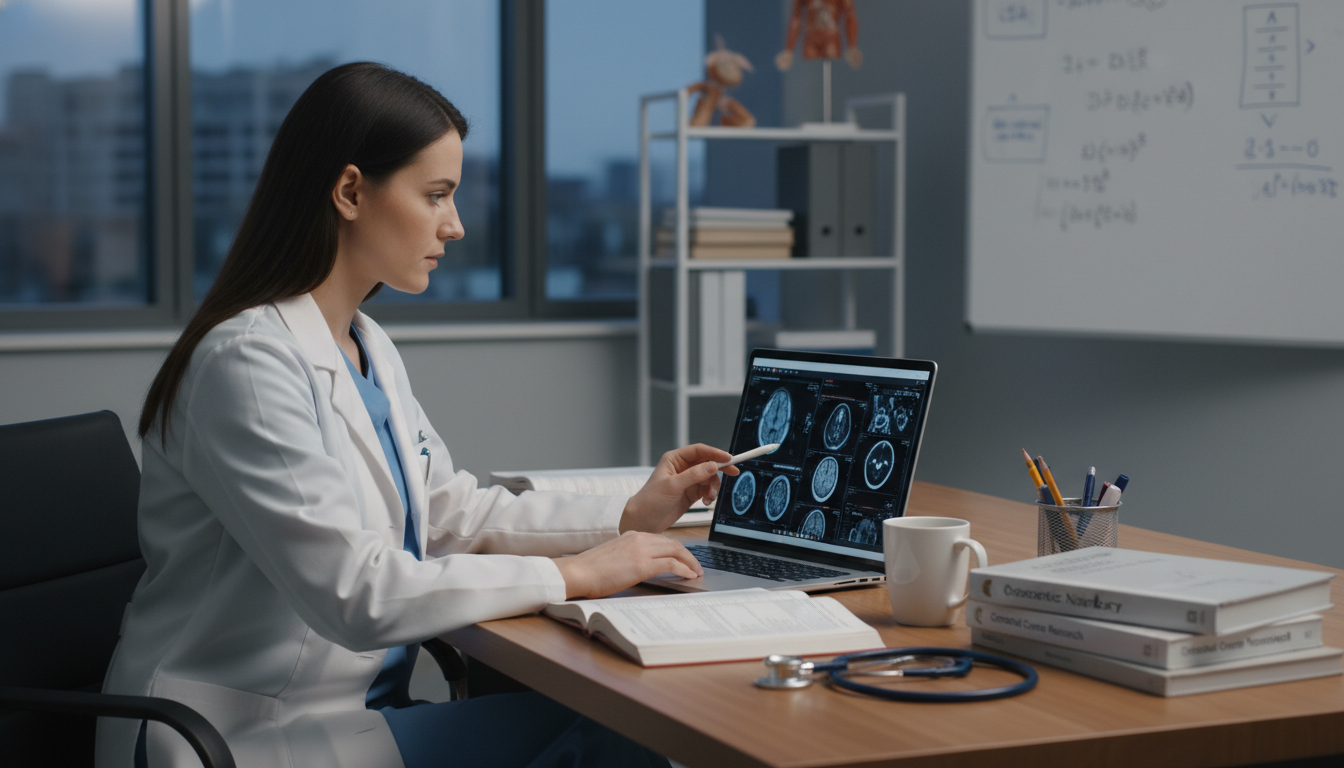
Understanding the Role of Research in Nuclear Medicine Residency
For a US citizen IMG (American studying abroad) targeting nuclear medicine residency, a strong research profile is one of the most powerful ways to compete with US MD seniors and other applicants. Nuclear medicine is a small, highly specialized field that values curiosity, quantitative thinking, and comfort with technology. Research is often the clearest evidence that you embody those traits.
Programs review research on several levels:
- Commitment to the field: Nuclear medicine is niche; demonstrating sustained research interest reassures programs that you understand and truly want the specialty.
- Academic potential: Research experience predicts your ability to read literature critically, design studies, and contribute to quality improvement or future trials.
- Productivity and follow-through: Posters, presentations, and publications show that you finish what you start.
- Fit with academic programs: University-based nuclear medicine and radiology departments rely heavily on research for grants, promotion, and reputation.
As a US citizen IMG in nuclear medicine, a thoughtful, strategic research plan can significantly offset disadvantages in school name recognition or limited US clinical exposure.
How Much Does Research Really Matter in Nuclear Medicine?
Compared with some other specialties (e.g., dermatology, plastic surgery), nuclear medicine is moderately research-oriented:
- Academic programs: Research is very important, especially in institutions with strong PET/CT, PET/MR, oncology, cardiology, or theranostics programs.
- Hybrid pathways: Many nuclear medicine positions are through radiology or combined diagnostic radiology–nuclear medicine tracks, where research is valued and often expected.
- Community programs: Less research-intensive, but a solid project or two still strengthens your application.
Given your status as a US citizen IMG, research is one of the few factors you can actively improve before the nuclear medicine match. Boards and grades are partly set; research is still very much in your control.
How Many Publications Do You Need as a US Citizen IMG?
The question “how many publications needed for a strong nuclear medicine match application?” has no absolute answer, but realistic benchmarks exist.
Benchmarks and Targets
For a competitive US citizen IMG in nuclear medicine:
Minimum helpful baseline:
- 1–2 completed research projects
- At least 1 meaningful abstract/poster presentation
- Evidence of sustained involvement over ≥6–12 months
Solid, competitive profile:
- 2–3+ peer-reviewed publications (any authorship order)
- 3–6 abstracts/posters/oral presentations at conferences
- Mix of nuclear medicine–relevant and general imaging/oncology/cardiology research
Highly academic or “research-heavy” profile:
- 4–8+ publications (including at least 1–2 first-author)
- Multiple local/regional/national presentations
- Possible involvement in multi-center or translational projects
- Maybe a research year or structured research fellowship
Remember:
- Quality > quantity. A well-designed, clinically relevant PET/CT outcomes study often impresses more than a long list of minor, unrelated case reports.
- Relevance matters. Nuclear imaging (PET/CT, SPECT, theranostics, dosimetry, image analysis) or oncology/cardiology/outcomes research aligns especially well with nuclear medicine residency.
What Counts as “Research” in Your Application?
ERAS and programs typically count:
- Peer-reviewed journal articles
- Review articles or invited pieces
- Case reports and case series
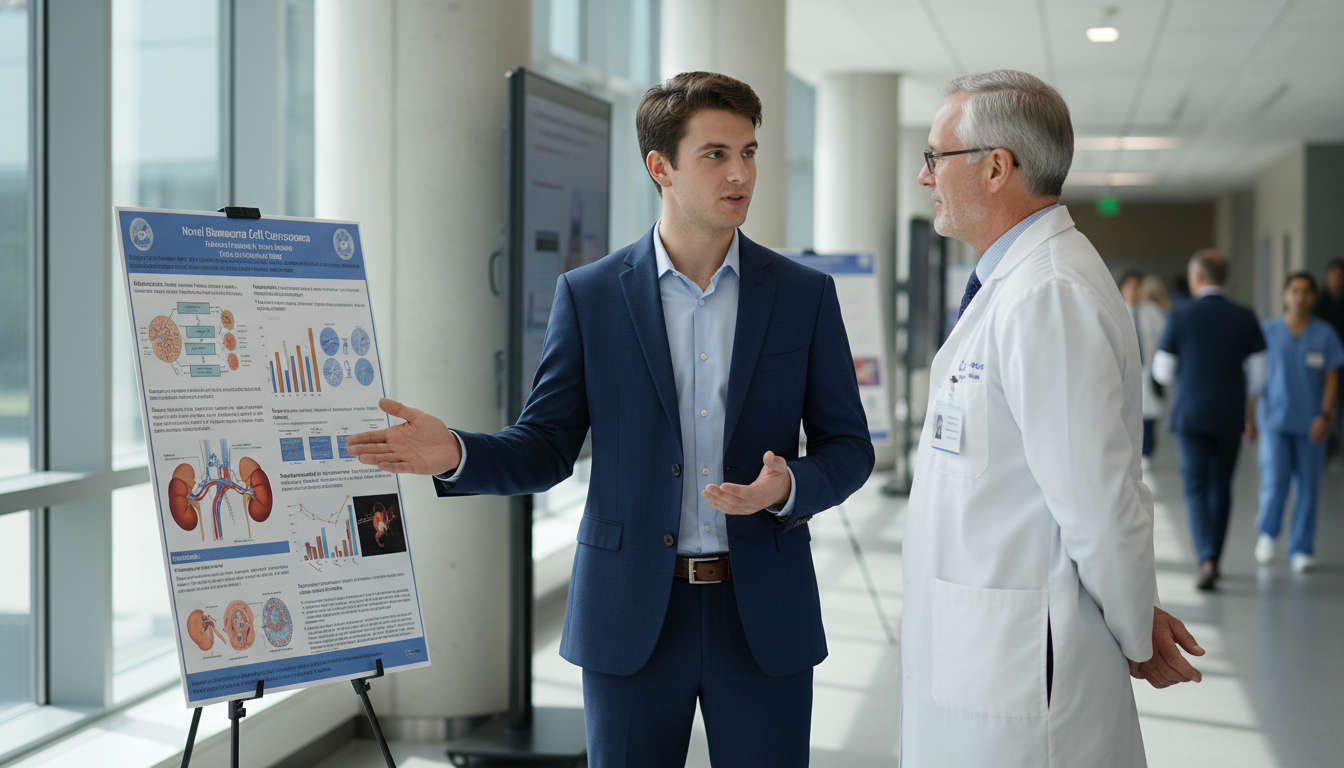
- Conference abstracts and poster/oral presentations
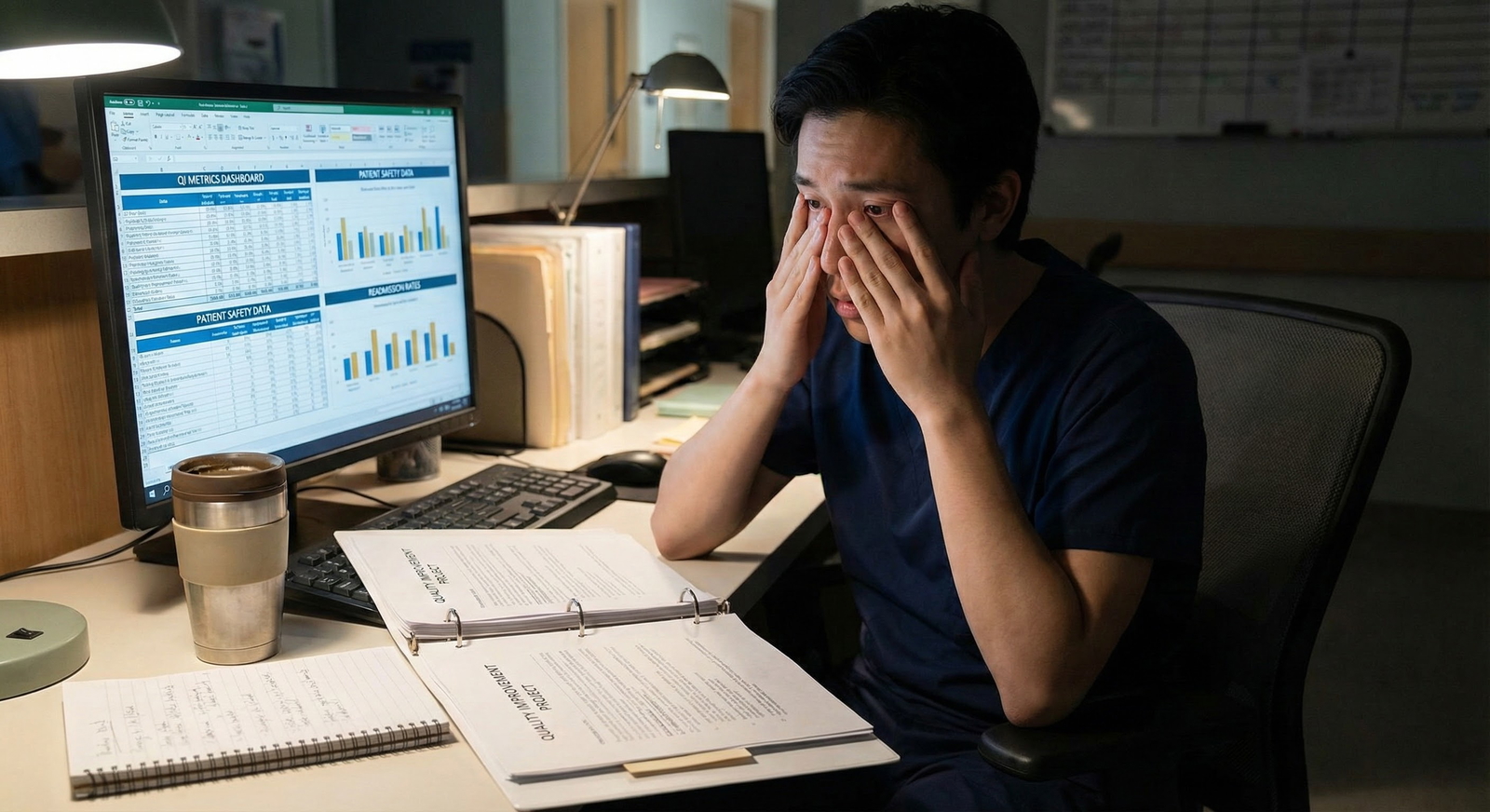
- Quality improvement (QI) or educational projects with measurable outcomes
- Book chapters or high-quality educational content (if citable)
If you are short on traditional publications, repeat presentations, local conferences, and strong QI projects can still build a convincing academic narrative.
Choosing the Right Research for Nuclear Medicine
Being an American studying abroad can make access to research more complicated, but also gives you flexibility to seek mentors in the US remotely. The key is to focus on strategic alignment with nuclear medicine.
Priority Research Areas for Nuclear Medicine Applicants
You don’t need to limit yourself only to PET/CT or radionuclide therapy, but aligning your work with these domains is ideal:
Oncologic Imaging
- PET/CT outcomes in lymphoma, lung cancer, breast cancer, etc.
- Comparing sensitivity/specificity of modalities (PET/CT vs CT vs MRI).
- Prognostic value of metabolic parameters (SUVmax, MTV, TLG).
Theranostics and Targeted Radionuclide Therapy
- PSMA or DOTATATE imaging and treatment outcomes.
- Dosimetry-focused projects.
- Toxicity and response patterns in radionuclide therapy (e.g., Lu-177 therapies).
Cardiac Nuclear Imaging
- SPECT or PET myocardial perfusion imaging.
- Prognostic indicators in CAD.
- Workflow improvement or radiation dose reduction projects.
Molecular Imaging and Novel Tracers
- Early-phase tracer evaluation, even in a data-analysis role.
- Retrospective chart reviews of specific radiopharmaceuticals.
Imaging Informatics and AI
- Radiomics, machine learning, automated segmentation on PET/CT.
- Decision-support tools for nuclear medicine workflows.
Radiation Safety, Dosimetry, and Workflow Optimization
- Studies that reduce radiation exposure or optimize time per study.
- QI projects to improve accuracy, reduce repeats, or improve throughput.
If you can’t access nuclear medicine–specific projects at your overseas school, look for close neighbors:
- General radiology research (CT, MRI, oncology imaging)
- Oncology outcomes studies with imaging endpoints
- Cardiology imaging research
- Internal medicine projects involving diagnostic testing, clinical prediction, or outcomes
You can connect these experiences to nuclear medicine in your personal statement and interviews.
Matching Projects to Your Timeline
Your research strategy should align with how far you are from applying:
2–3 years before match:
- Aim for larger, more complex projects (retrospective cohort studies, imaging analysis).
- Consider a research year or summer research in the US.
- Build long-term mentorship relationships.
1–2 years before match:
- Choose projects with a realistic chance of resulting in abstracts and manuscripts before ERAS.
- Mix high-yield case reports/series with at least one substantive retrospective study.
<12 months before match:
- Focus on projects with quick turnaround: case reports, small retrospective projects, QI, and review papers.
- Seek abstracts/posters at local or regional meetings that occur before application season.
Finding and Securing Research as a US Citizen IMG
As an American studying abroad, your main challenge is access to US-based mentors and data. The good news: nuclear medicine and radiology are relatively open to remote collaboration if you’re professional and persistent.

Step 1: Identify Potential Mentors
Look for mentors in:
Nuclear medicine divisions in US academic centers
- Search “nuclear medicine” or “molecular imaging” on major academic hospital websites.
- Identify faculty with interests that match yours (oncologic PET, theranostics, etc.).
Radiology departments with strong nuclear medicine sections
- Diagnostic radiologists with dual training in nuclear medicine are common.
- Many run PET/CT or theranostics programs and welcome data-driven help.
Professional Societies
- SNMMI (Society of Nuclear Medicine and Molecular Imaging): check membership directory, student sections, and interest groups.
- RSNA, AUR, ASNC: radiology and cardiology imaging societies often list research opportunities or mentorship programs.
Your existing network
- Alumni from your international school who matched into radiology/nuclear medicine.
- Former observership or elective supervisors.
- Residents in radiology or radiation oncology who work with nuclear medicine faculty.
Step 2: Craft a Strong Outreach Email
Your initial contact must be concise, respectful, and specific. Include:
- Who you are (US citizen IMG, year in school, where you study).
- Your interest in nuclear medicine and how you’ve shown it (electives, reading, prior projects).
- Available time commitment (e.g., 5–10 hours/week, long-term).
- Skills you can offer (statistics, Python/R, literature review, image analysis, writing).
- A short ask: “I’m wondering if you have any ongoing or upcoming projects in which a motivated student could assist remotely.”
Attach or link:
- Your CV with a dedicated research section.
- Any previous work (abstracts, posters, publications).
Follow up once after 7–10 days if there is no response, then move on.
Step 3: Leverage Remote-Friendly Research Tasks
Many aspects of nuclear medicine research can be done remotely:
- Literature reviews and systematic reviews
- Data abstraction from de-identified spreadsheets (if allowed under IRB)
- Statistical analysis with supervised guidance
- Radiomics and AI projects using shared, pre-processed datasets
- Manuscript writing/editing and reference management
- Building educational materials (figures, teaching cases, online modules)
Offer to start small (e.g., help complete an overdue manuscript or abstract) to prove reliability before asking for bigger roles.
Types of Research Projects that Work Well for Nuclear Medicine Applicants
You don’t need to reinvent the wheel; many high-yield project types are feasible for motivated students.
1. Retrospective Clinical Studies
Common and very suitable for nuclear medicine:
- Example: “Prognostic value of baseline SUVmax in FDG PET/CT for diffuse large B-cell lymphoma.”
- Steps:
- IRB protocol and dataset identification (your mentor leads).
- You help extract data variables from charts or reports.
- Basic statistical analysis (Kaplan–Meier, logistic regression, etc.).
- Abstract submitted to SNMMI or RSNA.
- Manuscript submitted to a nuclear medicine or radiology journal.
These projects have moderate effort but strong academic payoff.
2. Case Reports and Case Series
Fastest path to early publications:
- Ideal for rare tracer uptake patterns, uncommon tumors, or unusual therapy responses.
- Example: “Unexpected Ga-68 DOTATATE uptake in benign lesion mimicking metastasis.”
- You can:
- Draft introduction and discussion sections.
- Perform literature review.
- Prepare figures and legends.
Aim for journals that accept nuclear medicine case reports or radiology teaching cases.
3. Quality Improvement (QI) and Workflow Optimization
Particularly helpful if you have access to a nuclear medicine or imaging department clinically:
- Example: “Reducing radiotracer extravasation in PET/CT: a QI initiative.”
- Example: “Improving reporting turnaround time for oncologic PET/CT studies.”
QI projects can lead to:
- Posters at hospital-wide QI days.
- Abstracts for national meetings.
- Manuscripts in QI or imaging journals.
4. Educational and Review Articles
If original data are hard to access, well-done reviews still strengthen your nuclear medicine profile:
- Narrative or systematic reviews on:
- New tracers in prostate cancer imaging.
- Theranostics in neuroendocrine tumors.
- Emerging PET tracers for neurodegeneration.
Work with a mentor to ensure the topic is narrow, current, and likely to be accepted.
5. Radiomics, AI, and Image Analysis
Perfect if you enjoy coding or quantitative analysis:
- Use anonymized PET/CT datasets.
- Extract radiomic features to predict response or survival.
- Collaborate with medical physicists or imaging scientists.
These projects are technically demanding but can be extremely impressive on your CV.
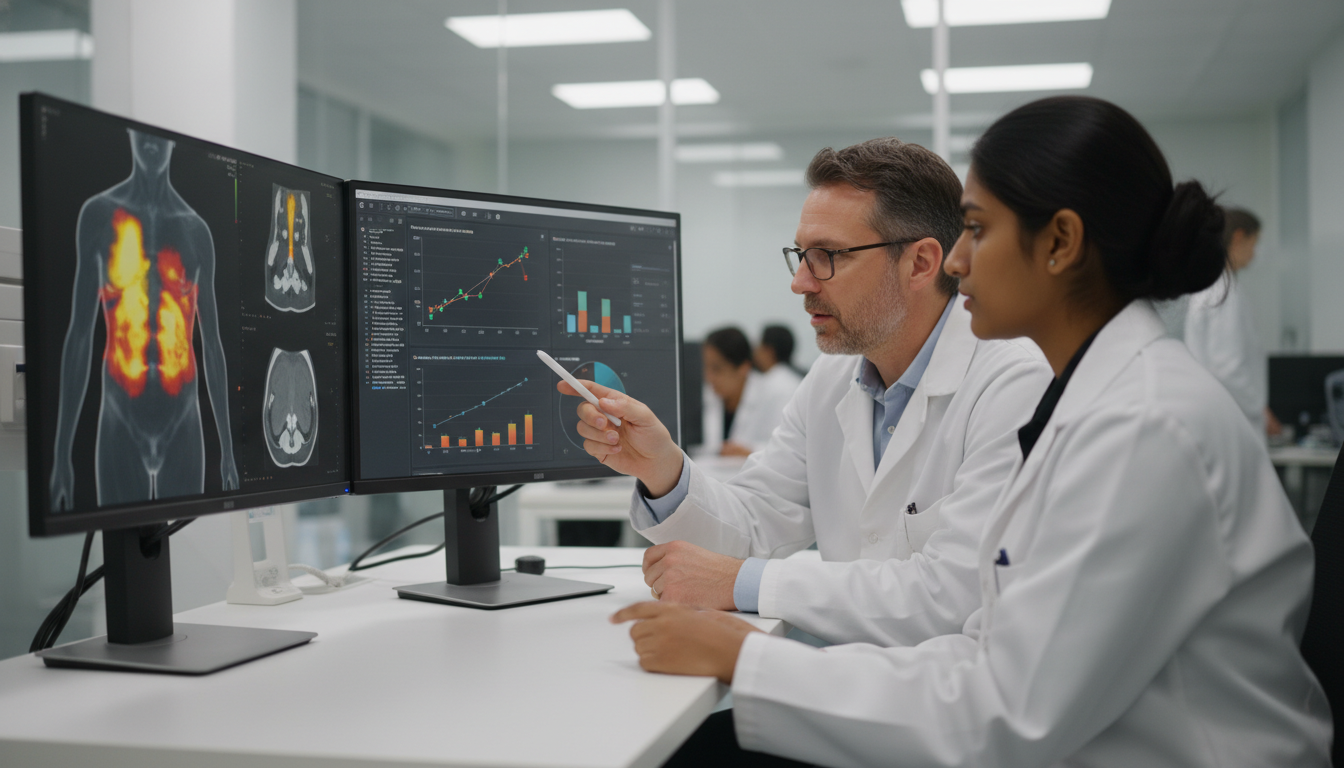
Turning Research into Match Power: Strategy and Presentation
Producing research is only half the battle; how you communicate it in your application and interviews is crucial.
Building a Coherent Research Narrative
Programs don’t just count your publications; they look for a theme:
- Are you consistently interested in imaging, nuclear medicine, or related areas?
- Can you explain why those projects mattered?
- Did your work evolve from simpler (case reports) to more complex (retrospective studies, AI projects)?
For a US citizen IMG in nuclear medicine, try to structure your story as:
- Initial Spark: How you became interested in imaging or nuclear medicine (e.g., oncology rotation, exposure to PET/CT).
- Early Projects: First related projects, even if outside nuclear medicine, showing curiosity and initiative.
- Focused Progression: Later projects clearly aligned with nuclear medicine (PET/CT, theranostics, outcomes).
- Future Vision: How you want to contribute to nuclear medicine research as a resident and beyond.
Show, Don’t Just Tell, in Interviews
Be ready to discuss at least 2–3 key projects in depth:
For each:
- Your role (design, data, statistics, writing).
- Main hypothesis or question.
- Key methods and basic stats (don’t overcomplicate, but know the basics).
- Main findings and clinical implications.
- What unexpectedly went wrong, and how you handled it.
Program directors can quickly see who truly understands their research vs. who simply listed it on a CV.
Maximizing Visibility with Conferences
Aim to present at least one imaging-related meeting before your application cycle:
- SNMMI Annual Meeting
- RSNA (Radiological Society of North America)
- ASNC (American Society of Nuclear Cardiology)
- Regional radiology or oncology meetings
Benefits:
- Adds credible lines to your CV.
- Provides networking with nuclear medicine faculty and potential letter writers.
- Shows commitment to the field beyond your home institution.
Even virtual or regional meetings are valuable, especially for a US citizen IMG who may face travel or visa complexities from abroad.
Using Letters of Recommendation Strategically
Research mentors can write some of your strongest letters if:
- They know you well (more than a few weeks).
- You’ve contributed meaningfully to one or more projects.
- They can comment on your reliability, intellect, and teamwork.
For nuclear medicine residency, it is ideal to have at least one letter from:
- A nuclear medicine physician or radiologist with nuclear medicine focus
- Or a closely related imaging mentor (radiology, radiation oncology, cardiology imaging)
Make it easy for them:
- Send your updated CV and personal statement draft.
- Remind them of your main contributions to their projects.
- Share a short bullet list of qualities you hope they can address (work ethic, curiosity, collaboration, technical skills).
Practical Timeline for US Citizen IMG Research Profile Building
A realistic plan depends on your current stage.
If You’re Early in Med School (M1–M3 Equivalent)
- Read a basic nuclear medicine textbook or major review (e.g., PET/CT in oncology).
- Join student/trainee sections of SNMMI or radiology societies.
- Seek remote summer research at US institutions.
- Start with:
- Case reports.
- Small retrospective studies.
- Literature or narrative reviews.
- Aim to have at least 1–2 projects completed by the end of this phase.
If You’re 1–2 Years from Application
- Prioritize nuclear medicine–relevant projects.
- Target:
- 1 medium-sized retrospective study.
- 1–2 shorter projects (case reports, QI).
- Submit abstracts to:
- SNMMI, RSNA, or a regional imaging meeting.
- Solidify at least one strong research mentor for a future letter.
If You’re Within 12 Months of Application
- Focus on projects with quick payoff:
- Case reports/series.
- Short retrospective studies with readily available data.
- Review papers with mentors.
- Ensure existing projects are moving toward submission:
- Abstracts to conferences.
- Manuscripts to journals.
- Prepare to clearly articulate your research story in:
- Personal statement (why nuclear medicine, how research shaped this).
- Interviews (key projects and your role).
Final Thoughts: Leveraging Research as a US Citizen IMG in Nuclear Medicine
Research is one of the strongest levers you have as a US citizen IMG to:
- Demonstrate authentic commitment to nuclear medicine.
- Compete effectively with US MD seniors.
- Build relationships with mentors who can support you through the nuclear medicine match.
- Show programs that you can think critically, handle data, and contribute to academic life.
You do not need dozens of high-impact publications. You need:
- A coherent, believable narrative of interest in imaging and nuclear medicine.
- A handful of well-executed projects with clear personal contributions.
- Visible outcomes: abstracts, posters, and some publications.
- The ability to explain your work clearly and connect it to your future as a nuclear medicine physician.
Start where you are, be strategic with your time, and remember that consistent, focused effort over 1–3 years can completely transform your research profile and your competitiveness in nuclear medicine residency.
FAQ: Research Profile Building for US Citizen IMG in Nuclear Medicine
1. As a US citizen IMG, is research mandatory to match nuclear medicine?
It’s not absolutely mandatory, but it is strongly recommended, especially if you are applying to academic programs or combined radiology–nuclear medicine pathways. For US citizen IMG applicants, a solid research record can partially offset disadvantages such as lesser-known schools or fewer home rotations. Even 1–2 meaningful projects can significantly improve your application.
2. How many publications do I realistically need for a strong nuclear medicine application?
There is no strict cutoff, but typical targets:
- Competitive baseline: 1–2 publications, a few abstracts/posters.
- Stronger profile: 2–3+ publications (ideally some in imaging or nuclear medicine), several presentations.
- Academic-focused profile: 4–8+ publications, clear nuclear medicine relevance, and multiple national conference presentations.
Quality, relevance, and your ability to discuss the work matter more than raw counts.
3. I don’t have access to nuclear medicine research at my overseas school. What should I do?
You can still build a strong profile by:
- Seeking remote research with US nuclear medicine or radiology mentors.
- Doing closely related imaging or oncology research (radiology, oncology, cardiology imaging).
- Completing case reports, reviews, or QI projects where you train.
- Attending imaging or nuclear medicine conferences and networking for future projects.
Frame your existing work so that it clearly connects to nuclear medicine themes (diagnostic imaging, outcomes, tracers, therapy response).
4. Does basic science research help, or should I focus only on clinical nuclear medicine?
Basic science (e.g., radiopharmaceutical development, molecular biology, physics) can be very valuable, especially at research-heavy programs, but it’s not required. If you already have basic science experience, highlight any links to imaging, oncology, or radionuclides. If starting fresh, clinical and imaging-focused research is usually more accessible and directly relevant for nuclear medicine residency.