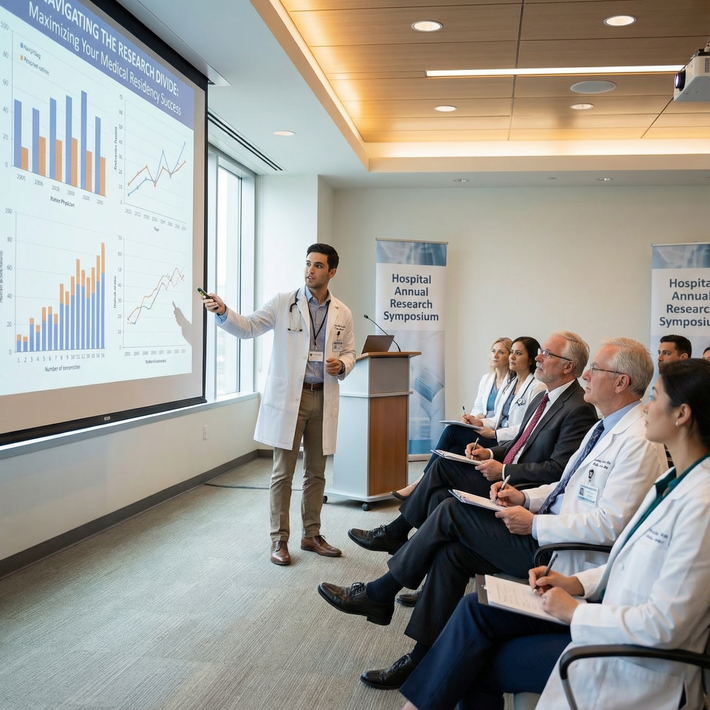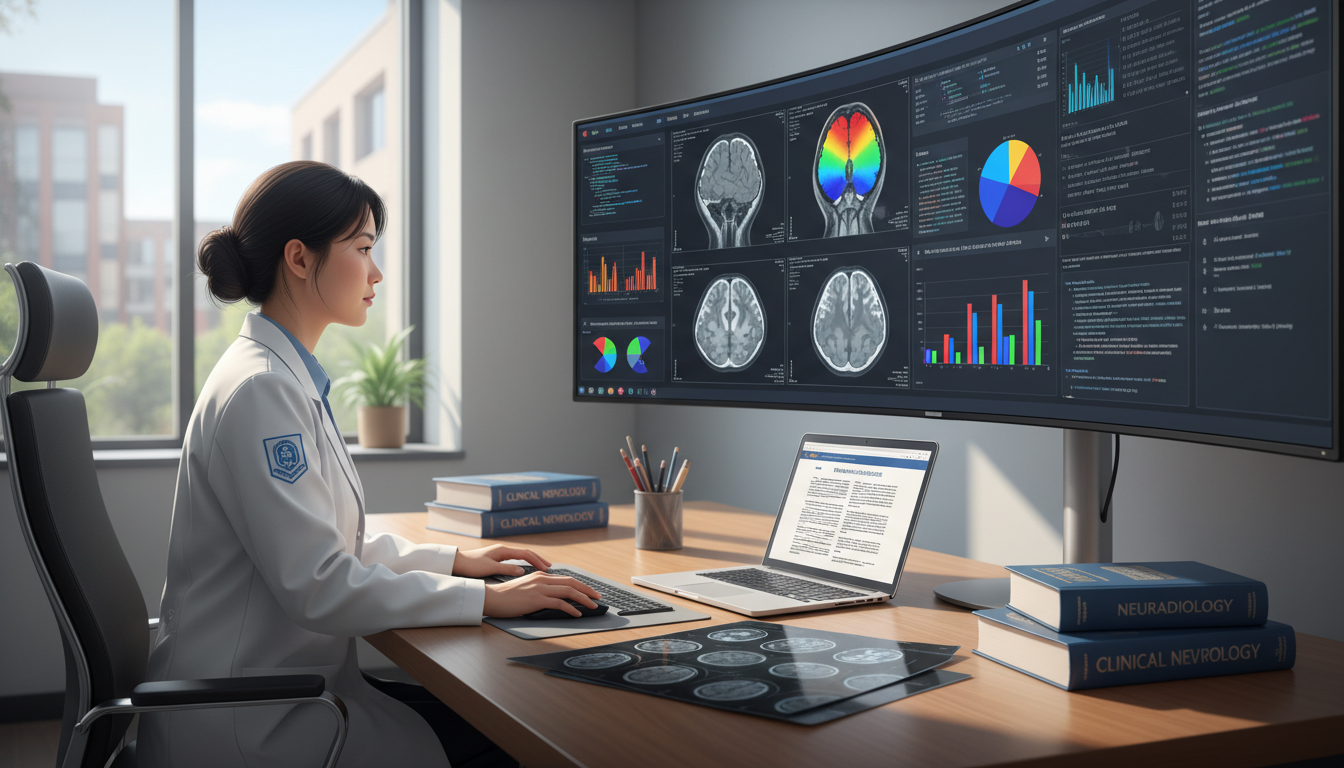
Understanding the Role of Research for a Non-US Citizen IMG in Neurology
For a non-US citizen IMG aiming for neurology residency in the United States, research is more than just a line on your CV—it is often a key differentiator. Neurology programs value applicants who can think critically, understand scientific literature, and contribute to academic work. For a foreign national medical graduate, a strong research profile can:
- Demonstrate familiarity with US-style academic medicine
- Compensate partially for disadvantages such as lack of US school name recognition
- Provide letters of recommendation from US-based researchers and neurologists
- Show sustained interest in neurology specifically, not just a generic research background
Many competitive neurology residency programs (especially university and academic centers) expect some evidence of scholarly activity. This does not mean you must have dozens of first-author PubMed papers. It does mean your research story should be coherent, progressive, and clearly connected to your interest in neurology.
Key mindset shifts for non-US citizen IMGs:
- Think in terms of trajectory, not just total numbers
- Prioritize neurology-relevant work whenever possible
- Focus on quality and ownership over superficial “CV-padding”
- Use research strategically to build mentorship, letters, and US connections
In this article, we will walk through a practical, step-by-step plan to build a strong neurology research profile as a non-US citizen IMG, even if you are starting with zero experience.
What “Counts” as a Strong Neurology Research Profile?
Neurology program directors look beyond a single metric. They consider a combination of:
Type of research involvement
- Clinical research (charts, databases, registries, clinical trials)
- Translational or basic neuroscience (lab-based, bench work)
- Epidemiology and population-based studies (stroke, dementia, epilepsy)
- Education or quality improvement (QI) projects in neurology
Level of contribution
- Did you only collect data, or did you help shape the project?
- Are you an author on abstracts or manuscripts?
- Were you involved in study design, analysis, or writing?
Evidence of productivity
- Peer-reviewed publications (PubMed-indexed if possible)
- Abstracts and posters at conferences (especially AAN, AES, stroke meetings)
- Oral presentations or invited talks
- Local institutional research days or symposia
Consistency and narrative
- A series of related projects in neurology or neuroscience
- A story that connects your clinical interests to your research
- A clear explanation of your role when you talk about your projects
Letters and mentorship
- Strong letters from neurologists or neuroscience faculty commenting on:
- Your research skills and work ethic
- Your curiosity and ability to learn quickly
- Your reliability and independence
- Strong letters from neurologists or neuroscience faculty commenting on:
How Many Publications Are “Enough” for the Neuro Match?
There is no universal answer to how many publications are needed for neurology residency. However, typical patterns for competitive neurology applicants:
Solid profile for a non-US citizen IMG
- 1–3 neurology-related publications (case reports, original research, or reviews)
- 2–5 abstracts or posters at regional or national conferences
- Additional non-neurology scholarly work is a plus but not mandatory
Very strong academic profile
- 3–6+ neurology or neuroscience publications, with at least one as first or second author
- Multiple conference presentations (especially at big neurology meetings)
- Evidence of long-term involvement with a lab or research group
Remember:
- A single high-quality neurology publication with clear involvement and a strong letter can be more powerful than several low-quality, barely-involved papers.
- For the neuro match, programs look at your overall academic story, not just counts.

Step 1: Assess Your Current Position and Build a Strategy
Before you dive into new projects, you need a clear map of where you stand.
A. Audit Your Existing Research and Academic Activities
List everything you already have:
- Published or in-progress:
- Case reports
- Original articles (clinical or basic science)
- Review articles or book chapters
- Presentations:
- Poster presentations (local or international)
- Oral presentations, grand rounds, journal clubs
- Non-published:
- Thesis or dissertation work
- QI projects, audits, or capstones from medical school
- Data collection you did for someone else’s project
Convert each into a concise summary:
- Study title and topic
- Your role (e.g., data collection, analysis, first author writing)
- Status (completed, submitted, in preparation)
- Neurology relevance (direct, indirect, or unrelated)
This inventory:
- Helps you see what can still be converted into a publication or presentation
- Clarifies your starting point for the neurology residency application
- Reveals gaps: no neurology focus, no US research, no publications, etc.
B. Define Your Neurology Focus Areas
Neurology is broad. Having some thematic focus can make your profile more coherent. Consider:
- Stroke and vascular neurology
- Epilepsy
- Movement disorders
- Neuroimmunology / MS
- Dementia & cognitive neurology
- Neuromuscular diseases
- Neurocritical care
You do not need to commit to only one, but being able to say:
“I gravitated towards stroke and epilepsy research because…”
is more effective than appearing random.
C. Align with Match Timeline
Working backwards from the application year:
- 18–24 months before ERAS submission
- Target: Join a stable neurology or neuroscience research group, start at least one project where you can realistically become an author.
- 12–18 months before ERAS
- Aim to have at least one abstract accepted for a conference.
- Start drafting manuscripts from completed data.
- 6–12 months before ERAS
- Push to submit manuscripts; even “submitted” or “accepted” status is valuable.
- Request letters based on your research involvement.
- 0–6 months before ERAS
- Focus on finalizing outputs, updating CV, and learning how to present your work during interviews.
Step 2: Finding Neurology Research Opportunities as a Non-US Citizen IMG
For a foreign national medical graduate, the biggest challenge is often access—how to get into a lab or clinical research group, especially in the US.
A. Pathways to US-Based Neurology Research
Research Assistant or Research Fellow Positions
- Paid or unpaid, typically 1–2 years
- Often in large academic centers with neurology departments
- Titles may include: “Research fellow,” “Postdoctoral research scholar,” “Clinical research assistant,” or “Visiting scholar”
How to find:
- Department of Neurology websites: look for “Research” or “Opportunities” pages
- Individual lab pages of stroke, epilepsy, dementia, or movement disorders faculty
- Email neurology faculty whose research matches your interests
- Ask current or former IMGs who are already in those labs to refer you
In your emails:
- Attach a 1–2 page focused CV emphasizing neurology, statistics, and prior research
- Add a brief paragraph about your neurology interests and long-term goal (neurology residency in the US)
- Mention concrete skills (Excel, SPSS/R, REDCap, EEG familiarity, imaging analysis, language fluency, etc.)
Visiting Research Scholar / Observership-Plus
- Some institutions allow IMGs to come as unpaid scholars for 6–12 months
- Combined with observerships in neurology clinics/wards
- Works well if you can self-fund living costs
Remote Collaboration
- Increasingly common, especially for data analysis, chart review, or systematic reviews.
- You might join a project remotely, especially if:
- The group needs assistance with data entry or literature review
- You can participate in virtual meetings, journal clubs, manuscript writing
Be transparent about time zones and reliability.
B. Maximizing Local or Home-Country Opportunities
If traveling to the US is not possible immediately, strengthen your home-institution neurology research profile:
Join neurology or internal medicine departments doing:
- Stroke, epilepsy, dementia, MS clinics
- Neuroimaging (MRI/CT) audit studies
- Local registries or case series
Convert clinical work into research:
- Case reports of interesting neurology patients
- Simple descriptive studies using hospital neurology data
- QI projects (e.g., door-to-needle time in stroke, seizure protocol adherence)
Even if your home institution is not heavily research-focused, you can still:
- Publish case reports in accessible journals
- Present at national neurology conferences in your country
- Build early authorship experience and confidence
These experiences make you more attractive when you later apply for US-based research roles.
C. Common Barriers and How to Overcome Them
Visa and funding issues
- Some roles require specific visas (J-1, H-1B) or only accept US citizens/GC holders
- Look for positions explicitly open to “international applicants” or “non-US MDs”
- Consider university-funded research fellowships that sponsor J-1 research visas
No response to cold emails
- Expect a low response rate (5–10%)
- Personalize every message with one or two sentences about their recent papers
- Follow up once after 1–2 weeks; be polite and concise
- Ask current residents or fellows from your country who matched in neurology to introduce you
Lack of prior research experience
- Take an online course in research methods or biostatistics (Coursera, edX, etc.)
- Offer to assist initially with simple tasks (data entry, literature searches) while you learn
- Show up consistently and over-deliver—this quickly builds trust

Step 3: Choosing Projects Strategically and Building Real Output
Not every project has the same impact. As a non-US citizen IMG, your time before the neuro match is limited. Prioritize research for residency that delivers both learning and tangible outcomes.
A. High-Yield Project Types for the Neurology Match
Case Reports and Case Series
- Fastest route to publications for match if done well
- Ideal early projects: interesting stroke, unusual seizure disorders, rare movement disorders, complex demyelinating diseases
- Steps:
- Identify unique cases with clear teaching points
- Review existing literature thoroughly
- Write concise, high-quality reports with strong discussion
- Target neurology or general medicine journals that accept case reports
Retrospective Chart Reviews
- Common in stroke, epilepsy, neurocritical care, dementia
- Moderate time, good chance of abstracts and papers
- Examples:
- Outcomes of patients with status epilepticus in your ICUs
- Predictors of poor outcome in ischemic stroke interventions
- Patterns of antiepileptic drug use in a specific population
Your role can include:
- Data collection from EMR
- Constructing databases
- Preliminary statistical analysis (with guidance)
- Drafting methods/results sections
Systematic Reviews or Meta-Analyses
- Strong academic signal if properly done
- Can often be done remotely and with flexible hours
- Neurology-relevant topics:
- Efficacy of new antiepileptic medications
- Biomarkers in neurodegenerative diseases
- Outcomes of thrombolysis in specific stroke subgroups
Ensure:
- You are clearly involved in protocol design, screening, and manuscript writing
- You follow PRISMA guidelines and work with an experienced mentor
Prospective Cohort or Clinical Trials Assistance
- Great exposure but sometimes slow for publications
- Good mainly for:
- Building strong long-term mentorship
- Getting detailed letters of recommendation
- Demonstrating understanding of research process
B. Balancing Quantity, Quality, and Authorship
Aim for a balanced portfolio:
Early phase (first 6–12 months):
- Join multiple smaller projects (case reports, small chart reviews)
- Secure at least 1–2 realistic first-author or co-first-author opportunities
Later phase (12–24 months before match):
- Commit deeply to 1–2 larger projects where you may be 2nd or 3rd author
- Continue smaller projects only if they do not compromise your main work
When listing your work on ERAS:
- Clearly indicate authorship position
- Mark status accurately: “published,” “accepted,” “in press,” “submitted,” or “in preparation”
- Overstating status or contribution can be easily exposed during interviews.
C. Converting Work Into Conferences and Publications
Each completed project should ideally produce at least one of the following:
- Abstract → poster or platform presentation
- Manuscript → journal submission
- Presentation → department or institutional research day
For neurology residency, visible engagement with the neurology community matters:
- Try to submit to:
- American Academy of Neurology (AAN) Annual Meeting
- Regional AAN meetings
- American Epilepsy Society (AES)
- International Stroke Conference
- If cost is an issue:
- Present at local or national neurology conferences in your country
- Attend virtually when possible
These activities show a pattern of academic curiosity and initiative in neurology, not just isolated efforts.
Step 4: Skills, Tools, and Presentation: Making Your Research Stand Out
A. Core Skills to Develop
Critical Appraisal of Literature
- Regularly participate in journal clubs
- Learn to read neurology papers analytically:
- Study design, bias, sample size
- Clinical relevance of findings
Basic Data and Statistical Literacy
- Know the difference between descriptive and inferential statistics
- Understand p-values, confidence intervals, and basic regression
- Get comfortable with:
- Excel or Google Sheets
- A statistical package (SPSS, R, Stata, or Python if possible)
Scientific Writing
- Practice writing:
- Abstracts (structured)
- Case reports
- Methods and discussion sections
- Read good neurology articles to model structure and tone
- Practice writing:
Collaboration and Professionalism
- Respond to emails promptly
- Keep your PI updated on progress
- Meet deadlines and communicate early if you are delayed
- Protect confidentiality and follow IRB/ethical standards
These “soft skills” are often what lead mentors to write strong letters that help you in the neuro match.
B. Presenting Your Research in Your Application
On ERAS, for each research activity:
- Use clear, specific descriptions:
- “Retrospective cohort study of 350 ischemic stroke patients evaluating predictors of hemorrhagic transformation; involved data extraction, database management, and drafting results section.”
- Avoid vague or inflated statements:
- “Worked on many research projects, helped with everything.”
In your personal statement as a non-US citizen IMG:
- Briefly highlight 1–2 key neurology projects that shaped your interest
- Focus on what you learned:
- “This stroke outcomes project taught me how to interpret risk in real patients and made me appreciate the complexity of bedside decisions.”
During interviews:
- Be prepared to discuss:
- Study design and main findings of your work
- Limitations and what you would do differently
- How this research influences your future in neurology
Program directors quickly notice applicants who superficially list publications for match but cannot explain them.
Step 5: Creating a Coherent Research Narrative for the Neuro Match
Your goal is to transform scattered activities into a persuasive story that supports your neurology residency application.
A. Build a Logical Narrative
Your narrative might look like:
Early curiosity
- Exposure to neurology cases in medical school → early fascination with stroke and seizures
- Small home-country projects or case reports that introduced you to research
Focused development
- Joining a neuroimaging or stroke outcomes group as a foreign national medical graduate
- Learning systematic data collection, analysis, and manuscript writing
- Contributing to 1–2 meaningful publications and several posters
Future direction
- Clear interest in continuing research during residency (e.g., vascular neurology, epilepsy fellowships)
- Desire to contribute to improving care for neurological conditions in both the US and your home region
B. Example: Strong Research Profile of a Non-US Citizen IMG
Profile example (hypothetical):
- Non-US citizen IMG from India
- 1 neurology case report published in a regional journal (home country)
- After graduation, completed a 1-year research fellowship in a US neurology department:
- 1 first-author case series on refractory status epilepticus (submitted)
- 1 second-author retrospective study of stroke outcomes (accepted for AAN poster)
- 1 co-author systematic review on antiepileptic drug side effects (in press)
- Active involvement in weekly neuro research meetings, presented twice at departmental research day
- Letter from US-based epilepsy neurologist describing:
- Excellent work ethic, independence, and writing skills
- Meaningful intellectual contribution to project design and manuscript revisions
This applicant may not have a huge number of publications for match, but the pattern is high-quality, focused, and well-supported by strong letters. Many academic neurology programs would view this very positively.
Frequently Asked Questions (FAQ)
1. As a non-US citizen IMG, do I absolutely need US-based research to match into neurology?
Not absolutely, but US-based research can significantly strengthen your application, especially if:
- You are aiming for academic or university-affiliated neurology programs
- Your USMLE scores are average or slightly below competitive ranges
- You lack other forms of US clinical experience
High-quality neurology research and strong letters from your home country can still get attention, particularly if you show sustained interest and solid outputs. However, one year of structured US neurology research with good mentorship and letters can meaningfully improve your chances.
2. How many publications are needed specifically for a neurology residency match?
There is no strict minimum, but realistic targets for a foreign national medical graduate could be:
Competitive for many programs:
- 1–3 neurology-related publications (case reports, original, or reviews)
- Additional abstracts/posters from neurology projects
Very strong academic profile:
- 3–6+ neurology/neuroscience publications, including at least one as first author
- Multiple conference presentations at recognized meetings
Programs care more about relevance to neurology, quality, and your ability to discuss the work than just total numbers.
3. I have research in a non-neurology field (e.g., cardiology, oncology). Will it still help?
Yes. Any rigorous research experience:
- Shows you understand study design, evidence, and scientific writing
- Demonstrates discipline and curiosity
On your CV and in interviews:
- Highlight transferable skills (statistics, critical thinking, teamwork)
- Then connect your existing experience to your current neurology focus:
Example:
“My cardiology outcomes research trained me to analyze risk factors and longitudinal outcomes, which I now apply to stroke and vascular neurology projects.”
Still, try to add at least some neurology-specific projects before the neuro match to show clear specialty commitment.
4. What if my projects are still “in progress” when I apply?
In-progress work is still valuable if:
- You can clearly explain your role and what stage the project is in
- You list it accurately as “ongoing project” or “manuscript in preparation/submitted”
- You avoid exaggerating completion or acceptance status
During interviews, focus on:
- Methods, rationale, and what has been done so far
- What you have learned from the process
- Any preliminary data or abstracts already presented
Programs understand that research timelines are long; honesty and clarity are more important than completeness.
By approaching research strategically—as a way to demonstrate your thinking, commitment, and ability to contribute to neurology—you can build a powerful research profile as a non-US citizen IMG. Focus on meaningful projects, strong mentorship, and clear communication of your work, and your research story will become a major asset in your neurology residency application.