Understanding the Research Landscape for Pediatrics-Psychiatry as a US Citizen IMG
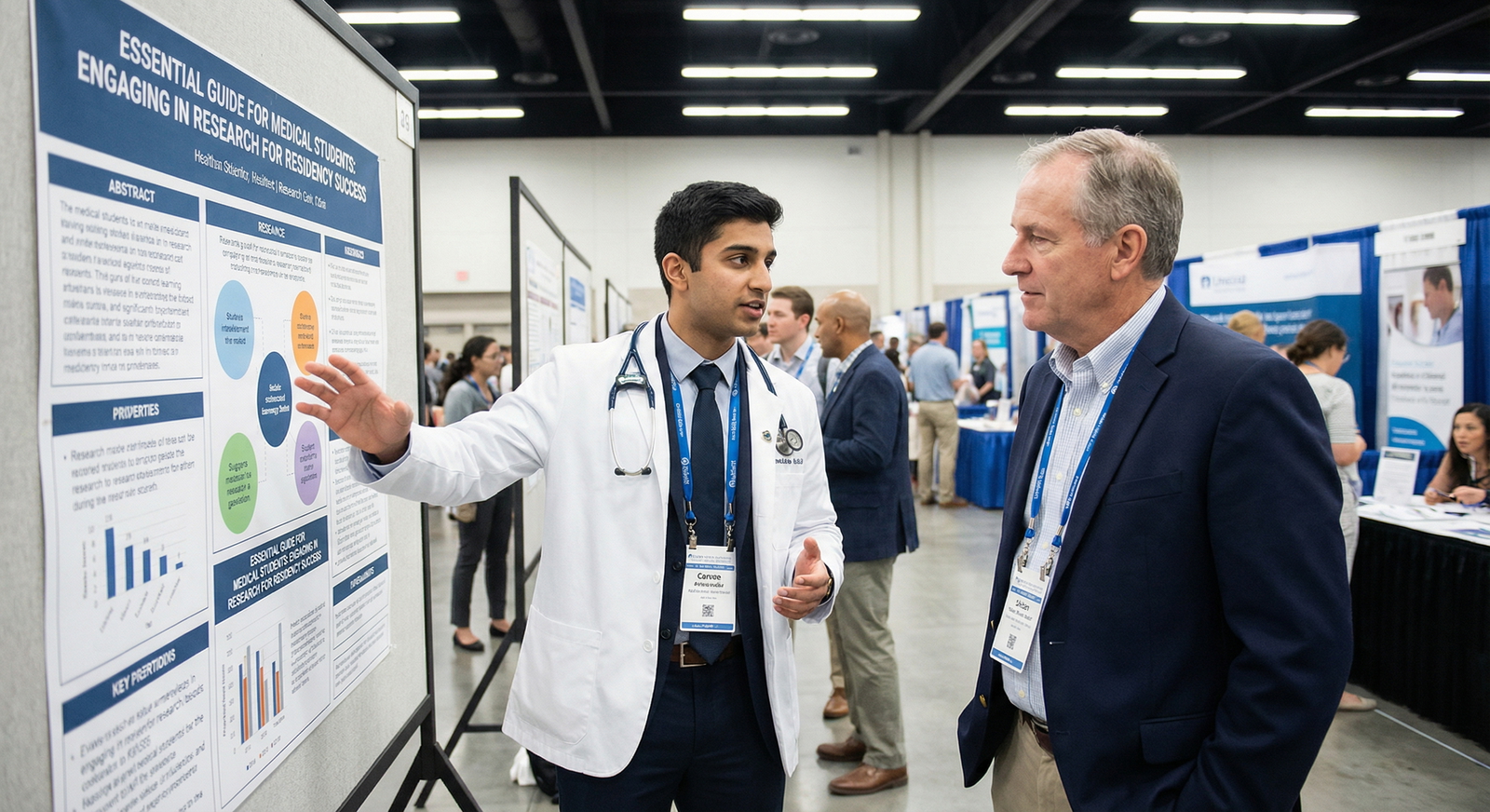
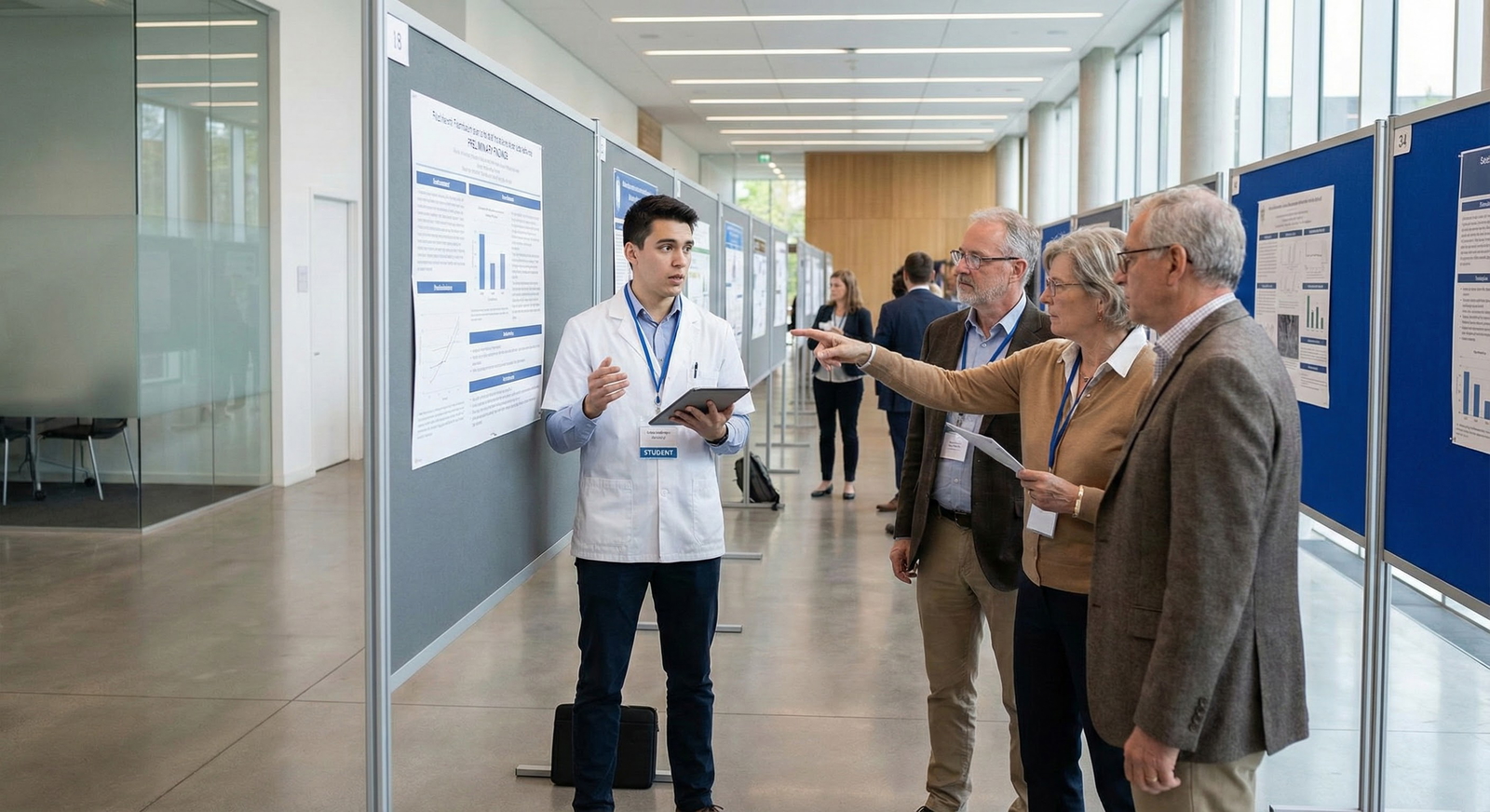
If you are a US citizen IMG or an American studying abroad and aiming for a combined Pediatrics-Psychiatry (Peds-Psych) or Triple Board residency, a strong research profile can be a powerful differentiator. Combined programs are small and competitive, and program directors often use research as a signal of your commitment to the intersection of child health and mental health.
As a US citizen IMG, you have some advantages (no visa issues, shared cultural context, often native English) but also real challenges (limited access to US-based research, fewer home-institution mentors connected to American residency programs). The purpose of this guide is to help you build a realistic, strategic research profile that strengthens your application to peds psych residency and related combined or Triple Board programs.
We will cover:
- What “counts” as research for residency and how programs evaluate it
- How many publications are typically expected and what type
- Practical pathways to get involved in research as an IMG abroad
- How to tailor your research involvement to pediatrics-psychiatry
- How to present and leverage your research in ERAS and interviews
What Program Directors Look for in a Research Profile
Residency programs are not looking only for “big-name” bench science papers. For combined pediatrics-psychiatry or Triple Board pathways, directors typically focus on three broad questions about your research:
- Have you shown sustained intellectual curiosity?
- Do you understand the basics of research design, methods, and critical appraisal?
- Does your work reflect or support your stated interest in children’s health and mental health?
Types of Research That Count
For residency applications, “research” is broader than many students realize. All of the following can strengthen your profile:
Clinical research
- Retrospective chart reviews (e.g., ADHD management patterns in a pediatric clinic)
- Prospective observational studies (e.g., screening for depression in adolescents with chronic illness)
- Quality improvement (QI) projects (e.g., increasing rates of suicide risk screening in pediatric primary care)
Translational or basic science
- Lab-based neuroscience related to child development, neurodevelopmental disorders, or psychopharmacology
- Genetics or developmental biology relevant to pediatric mental health conditions
Educational research
- Curriculum development and evaluation (e.g., teaching pediatric residents to screen for anxiety and depression)
- Simulation or OSCE studies about communication with children and families
Public health and epidemiology
- Community-based mental health interventions for youth
- Prevalence studies on child abuse, bullying, substance use, or school-based mental health
Health services and policy
- Access to child psychiatry services in underserved communities
- Integration of behavioral health into pediatric primary care
Case reports, book chapters, narrative reviews, and systematic reviews also “count,” especially for an American studying abroad who may not have easy access to large research infrastructures.
Depth vs. Volume: What Matters More?
Program directors care more about meaningful engagement than sheer quantity. For example:
- One multi-year project where you helped formulate a research question, collected and analyzed data, and presented at a conference can be more impressive than
- Ten superficial, one-week contributions where your name appears far down the author list without a clear role.
That said, multiple outputs from a single project (abstract, poster, manuscript, maybe a review article inspired by your findings) show productivity and follow-through.
How Many Publications Are Needed for Peds-Psych and Triple Board?
Many US citizen IMG applicants ask bluntly: “How many publications needed to be competitive?” There is no fixed number, but we can frame reasonable targets.
Typical Expectations for Combined Pediatrics-Psychiatry Programs
Because Peds-Psych and Triple Board programs are small and often academically oriented, research involvement is slightly more important than in many general pediatrics or psychiatry programs. However, they understand that applicants have varied opportunities.
As a broad guideline for a strong but realistic goal for a US citizen IMG:
- 1–2 first-author or co-first-author projects in a relevant area (pediatrics, psychiatry, child mental health, developmental disorders, adolescent medicine)
- 2–4 additional scholarly products, which may include:
- Poster presentations (local, regional, or international conferences)
- Oral presentations
- Case reports
- Review articles or book chapters
- Published QI project reports
- Co-authorship on larger multi-center studies
If you cannot reach that level, do not assume you are out of the running. Many successful American studying abroad candidates match with:
- No first-author publications but
- Multiple presentations, substantive involvement in a longitudinal project, and strong letters describing their role
The overall research narrative and strength of your clinical, academic, and personal profile matter more than a single number.
Benchmarks vs. Reality for US Citizen IMGs
Compared with US MD seniors, many US citizen IMG applicants may:
- Start research later
- Have fewer institutional resources
- Face logistical barriers (IRB processes, language, mentorship, or access to patient populations)
Program directors know this. They will not expect you to match the publication output of a student from a major US academic center, but they will expect that you:
- Made the most of the resources you had, and
- Took initiative to seek additional opportunities (especially US-based) when possible.
Finding and Creating Research Opportunities as a US Citizen IMG
Building a research profile as an IMG often requires intentional, proactive strategy. You won’t always have a structured “research track” handed to you.

Step 1: Map Your Current Environment
Start by listing what’s already available to you:
Faculty interests at your medical school
- Who works in pediatrics, psychiatry, child neurology, family medicine, public health, or psychology?
- Look at your school’s website, faculty CVs, recent publications.
Existing research infrastructure
- Is there a research office, ethics committee, or IRB?
- Are there regularly held research meetings or student research societies?
Clinical sites
- Teaching hospitals with pediatric or psychiatry services
- Community clinics serving children and adolescents
- Mental health NGOs or school-based programs
Even if no one has a formal “peds psych” title, there may be adjacent work (e.g., general pediatrics clinic where many patients have behavioral issues) that can form the basis of a good project.
Step 2: Approach Potential Mentors Strategically
When you contact potential research mentors—especially if you’re an American studying abroad—your request needs to be:
- Specific – Show you’ve read their work and have ideas where you could help.
- Professional – Include a CV and a concise, well-structured email.
- Realistic – Offer concrete ways you can contribute (chart review, data entry, literature searches).
Sample approach:
Dear Dr. Smith,
I’m a US citizen IMG in my [X] year at [School], interested in combined Pediatrics-Psychiatry residency, particularly the mental health of children with chronic medical conditions. I read your recent paper on depression screening among adolescents with diabetes and found your work both clinically relevant and methodologically rigorous.
I’m eager to gain experience in clinical research and would be grateful for any opportunity to contribute to your ongoing projects, especially tasks like literature review, data collection, or data management. I’ve attached my CV for your reference. If possible, I’d appreciate a brief meeting to discuss how I could be helpful to your team.
Sincerely,
[Name]
If you do not find many mentors at your own medical school, look beyond it.
Step 3: Seek Remote and US-Based Opportunities
As a US citizen IMG targeting peds psych residency, you should try to connect with US-based mentors when possible. This can:
- Demonstrate that you’ve interacted with US academic systems
- Generate letters of recommendation from faculty familiar with US residency standards
- Expose you to patient populations and systems more similar to where you’ll train
Potential pathways:
- Visiting student electives in the US with a research component
- Virtual research collaborations with US faculty (e.g., via email or Zoom)
- Short research internships during summer or between clerkships
- Online research training programs that connect trainees with mentors
Where to look:
- Institutional websites for large US children’s hospitals or academic psychiatry departments
- National pediatric or psychiatric societies’ trainee research programs
- Alumni from your medical school who matched in pediatrics, psychiatry, or Triple Board in the US and can introduce you to mentors
When reaching out cold to US faculty, emphasize:
- Your status as a US citizen IMG (no visa issues)
- Your clear interest in pediatrics-psychiatry or Triple Board
- Specific ways you’re able to help remotely (data analysis, systematic review, survey design, etc.)
Step 4: Start Small, Then Scale
If you’re early in medical school or have no prior experience, start with manageable projects:
- Case report or case series of a child with a complex comorbidity (e.g., epilepsy and depression, autism and obesity)
- Retrospective chart review on one focused question:
- Example: “What percentage of children hospitalized for asthma exacerbations receive documented anxiety or depression screening?”
- Quality improvement project in a pediatric clinic:
- Example: “Improving rates of PHQ-9 screening in adolescents during annual well visits.”
Small wins build skills and credibility, making it easier to join larger, more sophisticated projects later.
Aligning Your Research With a Pediatrics-Psychiatry Career
Combined pediatrics-psychiatry and Triple Board programs want to see that you understand their integrated mission. Your research choices are an excellent way to demonstrate that.

High-Yield Research Themes for Peds-Psych and Triple Board
You don’t need to limit yourself strictly to these topics, but they are especially on-message:
Integrated care
- Behavioral health screening in pediatric primary care
- Co-location of mental health services in pediatric clinics
- Collaborative care models for ADHD, depression, or anxiety in youth
Chronic medical illness and mental health
- Depression and anxiety in children with diabetes, asthma, epilepsy, or cancer
- Treatment adherence influenced by mental health conditions
Neurodevelopmental disorders
- Autism spectrum disorder, ADHD, intellectual disability
- Behavioral challenges in pediatric neurology populations
Early childhood and family factors
- Impact of parental mental health on child outcomes
- Attachment, trauma, and adverse childhood experiences
Public health and disparities
- Access to child psychiatric care in rural or underserved communities
- Cultural factors influencing child and adolescent mental health care
Suicide, self-harm, and risk behaviors
- Screening and management of suicidality in pediatric emergency departments
- Substance use in adolescents and co-occurring psychiatric disorders
Even if your setting abroad is different from US practice, these themes are global and translate well.
Examples of Project Ideas You Can Adapt
School-based mental health screening project
- Collaborate with local schools and pediatric clinicians.
- Implement a brief screening tool for depression or anxiety.
- Evaluate acceptability, feasibility, and preliminary prevalence data.
Impact of COVID-19 on pediatric mental health
- Retrospective chart review of emergency visits for psychiatric complaints pre- and post-pandemic onset.
- Survey-based study of adolescents’ self-reported anxiety and depression.
Co-morbidities in a pediatric diabetes clinic
- Assess rates of documented depression, anxiety, eating disorders, or behavioral concerns.
- Evaluate whether mental health referral is associated with improved glycemic control.
Child abuse and maltreatment awareness
- Educational intervention for pediatric residents or medical students on recognizing and responding to maltreatment.
- Pre- and post-test design to measure knowledge and confidence changes.
When describing these projects in your application, explicitly connect them to your goal of a career in integrated pediatrics-psychiatry: discuss how they taught you to think across physical and mental domains.
From Work to Output: Maximizing Publications and Presentations
Doing research is one thing; turning it into research for residency is another. You want tangible outputs you can list in ERAS: abstracts, posters, oral presentations, and peer-reviewed publications.
Convert Each Project Into Multiple Outputs
For any given project, think in terms of a pipeline:
Internal presentation
- Present preliminary findings at a departmental meeting or student research day.
- This helps sharpen your story and receive feedback.
Conference abstract and poster
- Submit to a pediatric, psychiatry, child psychiatry, or general medical conference.
- As a US citizen IMG, try to present at least one US-based or international meeting if possible, even virtually.
Manuscript
- Aim for submission to a peer-reviewed journal, even if it’s a smaller regional or specialty journal.
- Co-authorship is fine; first authorship is ideal where you’ve played a major role.
Secondary products
- A narrative review article inspired by your project’s topic
- A brief report or commentary on policy implications
This structure helps you address the common applicant worry about how many publications needed—you increase the number of outputs without needing entirely separate projects.
Authorship, Roles, and Honest Representation
In ERAS, you’ll describe your role in each project. For a strong application:
Aim to have at least one project for which you can honestly state:
- You helped generate the research question
- You were involved in data collection or analysis
- You contributed significantly to writing or revising the manuscript
It is acceptable to list “submitted” or “in preparation,” but be honest:
- “Submitted” – manuscript is completed and under review at a named journal.
- “In preparation” – should mean a draft exists, not just an idea you hope to write.
Program directors can and sometimes do ask about these details in interviews.
Building Skills That Make You More Valuable to Research Teams
To become someone faculty want on their projects:
- Learn basic statistics and software (e.g., Excel, SPSS, R, Stata).
- Practice systematic literature searching (PubMed, Embase, PsycINFO).
- Improve academic writing skills (clarity, structure, referencing).
- Take free or low-cost online courses on:
- Research methods
- Biostatistics
- Critical appraisal of clinical studies
These skills are especially important when collaborating remotely, as you may not be physically present but can still add real value.
Showcasing Your Research in ERAS and Interviews
Having research is only half the battle. You must clearly communicate it as evidence of your readiness for pediatrics-psychiatry training.
How to List Research in ERAS
In the ERAS “Experiences” section:
Use clear titles:
- “Research Assistant – Pediatric Depression Screening in Primary Care”
- “Primary Investigator – Quality Improvement Project on Adolescent Suicide Risk Screening”
Briefly state:
- Project goal
- Your specific responsibilities
- Key outcomes (poster, abstract, manuscript)
Example:
Led a QI project to improve PHQ-9 screening rates among adolescents in a pediatric clinic. Designed data collection tool, trained clinic staff on workflow, and performed pre/post analysis. Presented findings as a poster at [Conference]. Manuscript in preparation.
In the “Publications” section:
- List all peer-reviewed articles, abstracts, and book chapters using proper citation format.
- Be transparent about status (published, accepted, in press, submitted, in preparation).
Integrating Research Into Your Personal Statement
Your personal statement for a peds psych residency or Triple Board spot should:
- Connect your research experiences to your clinical interests
- Show how these experiences shaped your understanding of integrated care
For example:
- Describe how a project on depression in pediatric diabetes patients made you appreciate the interplay between chronic illness and mental health.
- Reflect briefly on what you learned about health systems, family dynamics, or health disparities.
Avoid turning the statement into a mini-thesis; keep the focus on you and your career trajectory.
Discussing Research During Interviews
Expect questions such as:
- “Tell me about your research.”
- “What did you learn from your most significant project?”
- “What were the limitations of your study?”
- “How do you see research fitting into your career as a pediatric-psychiatry physician?”
Prepare a 2–3 minute, conversational “story” for each major project:
- The question you were asking
- The methods used (in non-technical language)
- The main findings
- The impact and what you learned
- How it influenced your goal of a combined pediatrics-psychiatry career
Program directors are assessing not just the project, but your ability to think critically and communicate clearly.
Frequently Asked Questions (FAQ)
1. As a US citizen IMG, do I need research to match into Peds-Psych or Triple Board?
Research is not an absolute requirement, but for small, academically-oriented combined programs, some exposure is strongly preferred. If you cannot achieve formal publications, aim for at least:
- One or two well-described research or QI experiences
- Evidence of critical thinking about child mental health and systems of care
- Strong clinical performance and letters
Having research increases your options, especially at university-based programs.
2. Is it okay if my research is not strictly about pediatrics or psychiatry?
Yes, but try to keep it adjacent if possible. For example:
- Internal medicine projects focusing on depression screening in adults
- Public health projects about community mental health
- Neuroscience or genetics topics that relate to development or behavior
In your application and interviews, explicitly connect the skills and concepts you learned to your future work with children and adolescents.
3. How many publications are realistic for an American studying abroad without a strong research infrastructure?
For many US citizen IMGs in resource-limited environments, a very reasonable—and still competitive—goal is:
- 1–2 substantial projects with at least:
- One presentation (poster or oral)
- One manuscript submitted or in preparation
- Plus a few smaller contributions (case reports, book chapters, QI write-ups)
Quality and coherence with your peds psych residency goals matter more than sheer volume.
4. What if my school does not have an IRB or formal research office?
You still have options:
- Focus on literature-based projects (systematic or narrative reviews) that do not require IRB approval.
- Collaborate remotely with US-based or other international researchers who can handle the IRB at their institutions.
- Conduct educational or survey-based projects that may be exempt or minimally regulated in your setting (but always check local rules and ethical standards).
- Engage in data analysis of existing de-identified datasets provided by mentors at other institutions.
As a US citizen IMG, leveraging remote mentorship and online collaborations can partly compensate for limited local infrastructure.
By approaching research strategically—focusing on meaningful involvement, alignment with child mental health, and clear communication of your contributions—you can build a research profile that substantially strengthens your pediatrics-psychiatry or Triple Board residency application, even as an American studying abroad.