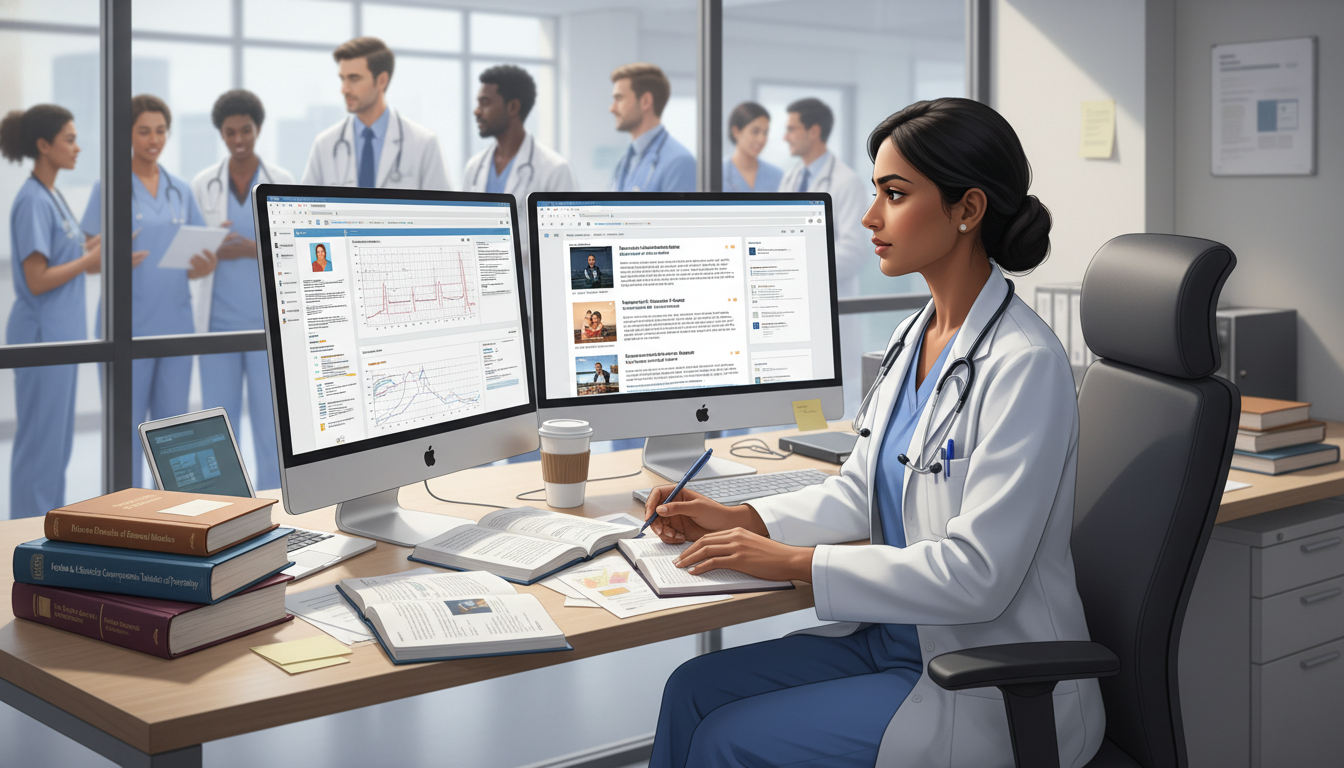
Why Research Matters So Much for IMGs in Neurology
Neurology is among the most research-driven fields in medicine. For an international medical graduate, a strong research profile is often the single most powerful way to:
- Demonstrate academic excellence in a U.S. environment
- Compensate for visa issues, older year of graduation, or modest USMLE scores
- Show genuine commitment to neurology as a career
- Stand out in a competitive neuro match
Many program directors openly state that, for IMGs, research productivity and U.S. academic exposure are major differentiators. Unlike some other specialties, neurology values both clinical and basic science work: stroke trials, epilepsy outcomes research, neuroimaging, neuroimmunology, movement disorders, neurocritical care, and cognitive neurology are just a few areas where IMGs can contribute.
This IMG residency guide focuses specifically on research profile building—not generic application advice—so you can strategically plan your efforts rather than chase random short-term projects.
Understanding What “Counts” as Research for Neurology Residency
Before planning your path, you need clarity on what types of research experiences and outputs residency programs actually value.
1. Formal Research Experience
These are structured roles where you are clearly part of a research team.
Common formats:
- Research fellow / research scholar (6–24 months)
- Research assistant / coordinator in a clinical trial unit
- Postdoctoral research fellow (for PhDs or MDs with strong prior research)
- Visiting scholar positions (often unpaid, but high-yield if productive)
Programs like to see:
- Continuity (not just a 2-week shadowing of a lab)
- Increasing responsibility over time
- Clear role in ongoing projects
- U.S. or Canadian institution experience (especially for IMGs targeting U.S. neurology residency)
2. Types of Research Output
Program directors don’t just look at whether you “did research”; they look at what you produced.
Key categories:
- Peer-reviewed publications
- Original research articles (clinical or basic science)
- Systematic reviews or meta-analyses
- Case series
- Case reports (valuable, though lower impact than original research)
- Abstracts and conference presentations
- Poster presentations at AAN, ANA, ISC, AES, AHS, etc.
- Oral presentations or platform talks
- Regional, institutional, or national neurology meetings
- Book chapters and invited reviews
- Typically with a mentor; still count as scholarly work
- Quality improvement (QI) projects
- Especially those that improve stroke care, epilepsy monitoring, neuro ICU processes, etc.
These all fall under “research for residency” and help shape your academic narrative.
3. How Many Publications Are “Enough”?
The question “how many publications needed” is common among IMGs, but there is no magic number. Instead, think in ranges and quality:
- Competitive U.S. neurology programs commonly see:
- 3–10+ total PubMed-indexed items (mix of case reports, reviews, original studies)
- Multiple neurology-focused abstracts/posters
- Less research-heavy or community programs may be satisfied with:
- 1–3 meaningful research products, especially if neurology-related and recent
More important than volume:
- Relevance to neurology
- Recency (last 2–3 years > older work)
- Your actual contribution (not just your name on a 50-author paper you didn’t touch)
- Coherent story (a focused interest area reads better than 10 random unrelated topics)
As an international medical graduate, aim for at least:
- 1–2 solid neurology-focused publications (case reports, reviews, or original research)
- 2–4 neurology-related abstracts/posters
- Ongoing or in-progress projects you can discuss confidently at interviews
Strategic Planning: Building a Neurology-Focused Research Path
1. Define Your Research Persona
You don’t need a lifetime subspecialty choice right now, but having a consistent theme strengthens your profile.
Potential neurology niches for IMGs:
- Stroke / Vascular neurology
- Epilepsy & EEG
- Neurocritical care
- Movement disorders
- Neuroimmunology / MS
- Headache / Pain neurology
- Cognitive neurology / Dementia
- Neuroimaging
- Neuromuscular disorders
Pick 1–2 areas where:
- You are genuinely interested
- There is active research at your target institutions
- Common pathways exist for IMGs (stroke, epilepsy, neurocritical care are especially common)
Then, build your CV and projects to reflect increasing focus in these domains.
2. Timeline: When to Start and How to Sequence
Your ideal plan depends on where you are in your journey.
If you are still in medical school (home country)
Start with:
- Case reports from interesting neurology patients
- Retrospective chart reviews with a neurology faculty mentor
- Clinical audits / QI projects in stroke, epilepsy, etc.
- Small cross-sectional studies (e.g., headache characteristics in clinic patients)
Aim to have at least 1–2 publications and several conference presentations before graduation.
If you are a fresh graduate (0–2 years out)
- Consider a dedicated neurology research year in a U.S. or Canadian institution:
- Contact neurology departments for volunteer or funded research positions
- Combine this with observerships/externships when possible
- Focus aggressively on productivity: case reports, abstracts, and at least 1 original project
If you are an older graduate (>3–4 years out)
- Research becomes even more critical to offset “time since graduation.”
- Consider 12–24 months of continuous neurology research, with a clear plan for high-yield outputs.
- Prioritize projects with a shorter time to publication (case reports, reviews, secondary analyses) while working on a longer-term original study.
3. Choosing the Right Institution and Mentor
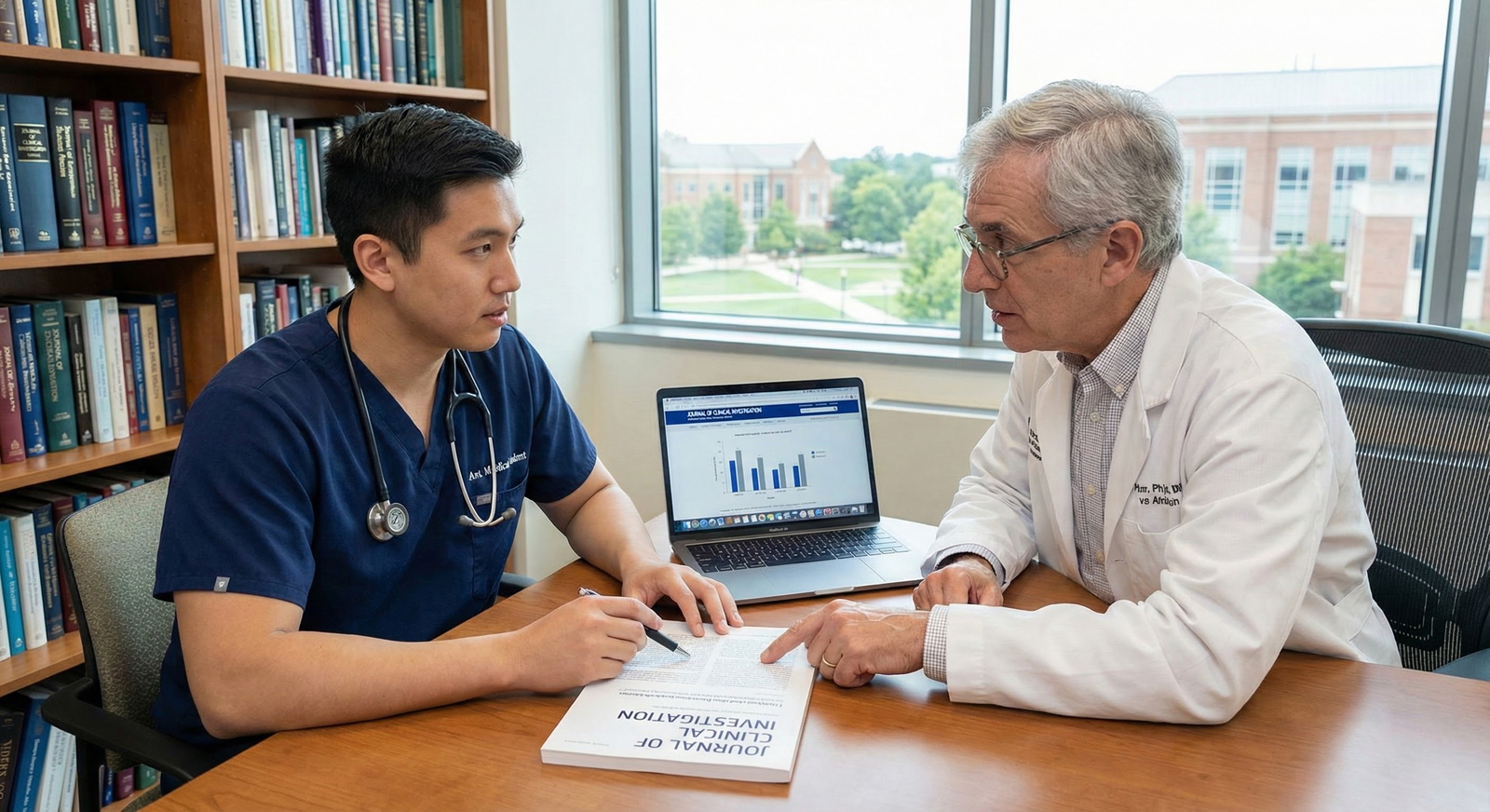
Your mentor will shape not only your research but also your letters of recommendation.
Look for:
- Academic neurology departments with active research in your interest area
- Faculty who:
- Publish regularly
- Are known for mentoring IMGs
- Are approachable and responsive
- Have ongoing projects where you can plug in quickly
How to identify such mentors:
- Search PubMed for “neurology” + city/region + your topic (e.g., “stroke Houston neurology”).
- Check faculty pages of major academic hospitals.
- Look at AAN conference programs to see who is actively presenting.
Then send a targeted email:
- Brief intro: name, IMG status, degree, interests
- Short CV attached
- Clear ask: “I am seeking a research position (volunteer or funded) focusing on X, with the goal of applying for neurology residency in the next 1–2 cycles.”

Types of Neurology Research Projects IMGs Can Realistically Do
Many IMGs assume they must join high-end randomized controlled trials or molecular neuroscience labs. In reality, practical, clinically grounded projects are often more feasible and directly relevant to residency programs.
1. Case Reports and Case Series
Why they’re valuable:
- Fast to complete
- Neurology is full of rare and interesting cases (e.g., unusual seizure etiologies, rare demyelinating syndromes, atypical strokes)
- Great entry point for a new research fellow
How to execute:
- Spend time in neurology clinics, stroke services, or epilepsy monitoring units.
- When you see a unique case, ask your attending:
- “Is this case reportable?”
- “Has something similar been published recently?”
- Collect details: clinical features, imaging, labs, management, and outcomes.
- Write with a structured format (introduction, case description, discussion, references).
- Target neurology or general medicine journals that accept case reports.
Aim for:
- 2–4 case reports or small case series within a year of active neurology exposure.
2. Retrospective Chart Reviews
These are very accessible for IMGs and can lead to original research papers.
Examples in neurology:
- Factors associated with delayed tPA administration in acute stroke patients
- Outcomes of status epilepticus based on etiology
- Admission patterns and outcomes in neurocritical care patients
- Clinical predictors of functional outcome after Guillain–Barré syndrome
Steps:
- Identify a focused, answerable question with your mentor.
- Get IRB approval (your mentor usually leads this; you assist with protocol).
- Learn to use the electronic health record (EHR) to extract data.
- Create a data collection sheet (Excel, REDCap).
- Perform basic statistics or collaborate with a biostatistician.
- Write the manuscript with your mentor’s guidance.
This type of work is highly valued because it demonstrates:
- Understanding of epidemiology and clinical outcomes
- Experience with IRB and data management
- Ability to follow through on a long project
3. Prospective Clinical Studies and Clinical Trials
These are more complex but highly impactful.
Your role as an IMG research fellow may include:
- Screening and recruiting eligible patients (e.g., for stroke or MS trials)
- Consenting participants
- Collecting and entering data
- Following patient visits
- Helping analyze results and prepare manuscripts
Even if you’re not the principal investigator, you can:
- Become middle author on several clinical trial papers
- Take the lead on secondary analyses (e.g., subgroup outcomes, side-effect profiles)
For the neuro match, being genuinely involved in a major study—even without first authorship—carries significant weight if you can speak about it intelligently.
4. Systematic Reviews and Meta-Analyses
These are powerful tools to generate publications even without direct patient access.
Neurology topics ideal for IMGs:
- Outcomes after mechanical thrombectomy in specific populations
- New therapies in multiple sclerosis
- Comparative outcomes of different antiepileptic regimens
- Prognostic factors in intracerebral hemorrhage
Requirements:
- Good grasp of literature search methods (PubMed, Embase, etc.)
- Some understanding of evidence grading
- Statistical collaboration for meta-analysis
If you are in a resource-limited setting without active clinical research, systematic reviews can be your path to publications for match from abroad.
5. Quality Improvement (QI) Projects
Residency programs like applicants who understand systems-based practice and patient safety.
Examples in neurology:
- Reducing door-to-needle times for tPA in stroke
- Improving EEG reporting turnaround time
- Standardizing handoff communication in neuro ICU
- Enhancing screening for cognitive impairment in outpatient clinics
These projects often lead to:
- Departmental presentations
- Posters at regional/national meetings
- Sometimes peer-reviewed publications
Turning Research Work into a Strong Application Story
Having research on your CV is one thing; using it to strengthen your narrative as an international medical graduate is another.
1. Choosing a Coherent Research Theme
Even if your projects are diverse, your personal statement and interviews should connect them with a clear storyline.
Example:
- You worked on stroke outcomes, tPA delays, and a systematic review on thrombectomy.
- Your narrative: “I am deeply interested in improving acute stroke care systems and outcomes, especially in resource-limited settings.”
Another example:
- You have epilepsy case reports and an EEG-related review.
- Your narrative: “I am drawn to epilepsy because of its complex diagnostic challenges and the potential to dramatically improve quality of life with proper treatment.”
This coherence helps programs see you as a future academic neurologist rather than a candidate who collected random lines on a CV.
2. Authorship and Contribution: Quality Over Quantity
Programs are increasingly savvy. They may ask:
- “Tell me about your role in this paper.”
- “How did you contribute to this project?”
- “What were the main limitations of your study?”
Be sure:
- You can honestly describe your specific tasks (data collection, analysis, writing).
- You understand the study design, main outcomes, and limitations.
- You read the full paper again before interviews (especially anything listed as first-authored).
Red flags for program directors:
- Many papers you cannot explain
- Vague responses like “I helped write it” without details
- Obvious lack of understanding of statistics or methodology in your own projects
3. Presentations and Networking at Conferences
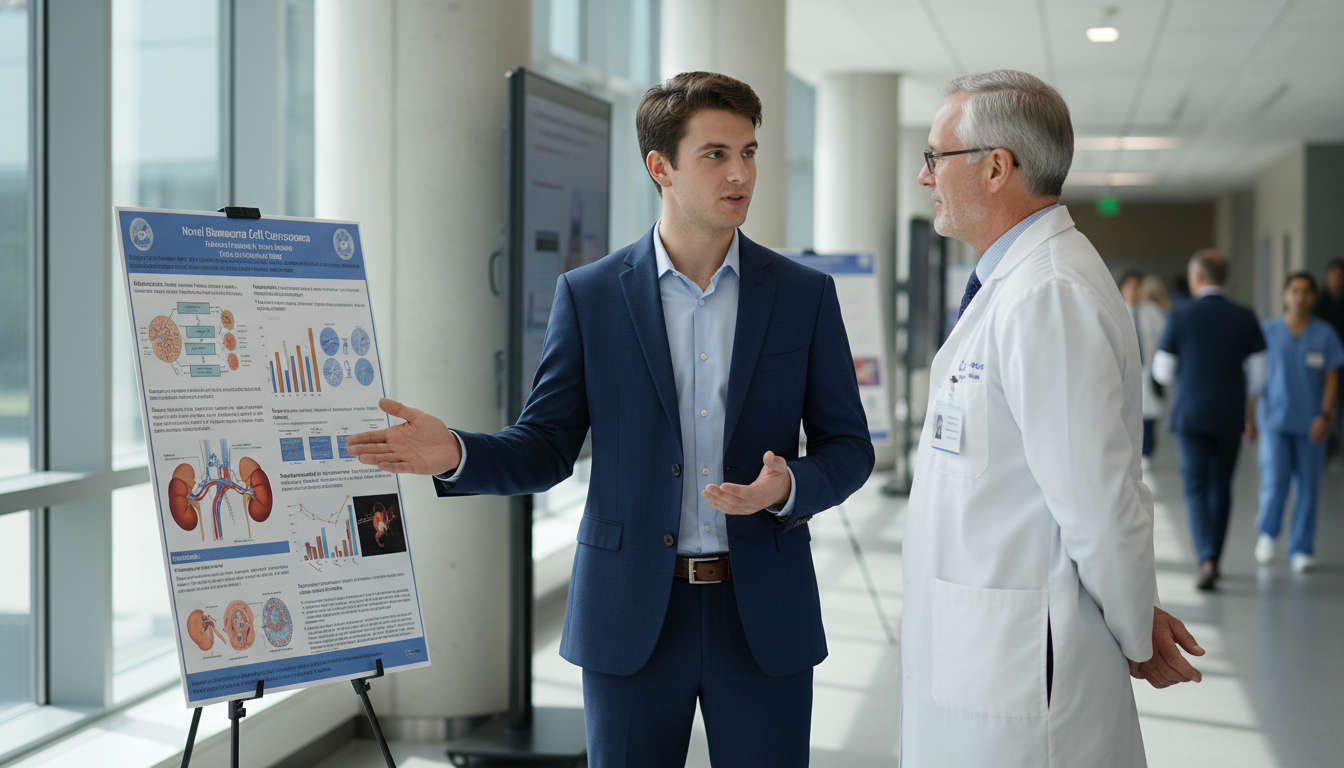
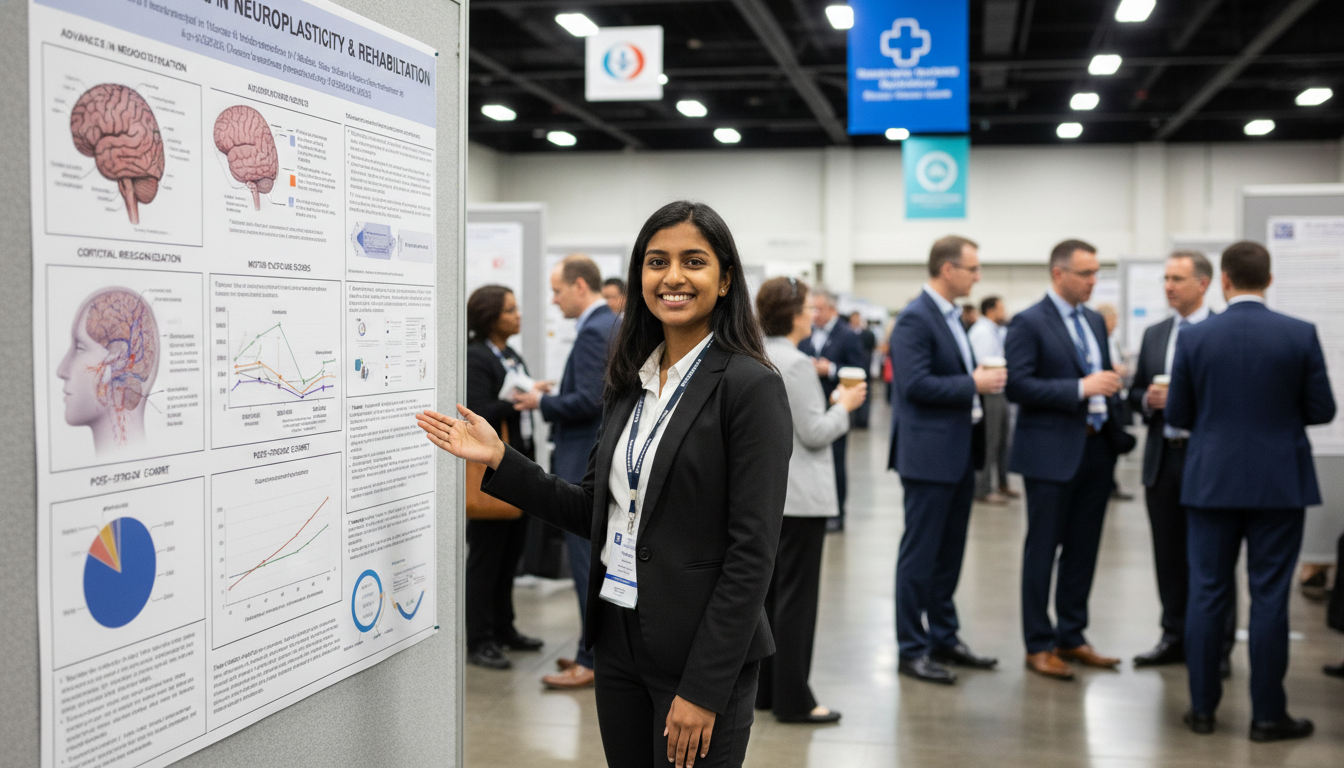
Attending conferences (e.g., AAN Annual Meeting) as an IMG is high-yield if done strategically:
- Present posters:
- Adds to your CV
- Shows initiative
- Network with:
- Neurology residents and fellows
- Program directors and faculty
- Potential future mentors
Practical networking tips:
- Prepare a 30-second introduction: who you are, where you’re from, your research area, and your goal (neurology residency).
- Ask people about their research; show genuine interest.
- Follow up via email after the conference with a short note and your CV if appropriate.
4. Leveraging Research for Strong Letters of Recommendation
One of the biggest advantages of a solid research experience is the potential to earn powerful U.S. letters.
How to position yourself for strong letters:
- Be reliable, punctual, and responsive.
- Take ownership of tasks and follow through.
- Ask for feedback and act on it.
- Aim to work closely with at least one faculty member who can comment on your work ethic, critical thinking, and communication.
When requesting a letter:
- Ask if they can write a “strong and supportive letter” (don’t push if they hesitate).
- Provide:
- Your CV
- Personal statement draft
- List of key projects and your roles
- Your target programs (if known)
Practical Steps: How to Start from Where You Are
Scenario 1: IMG Abroad with Limited Access to Research
- Step 1: Identify neurology faculty in your home institution who publish.
- Step 2: Offer to help with:
- Literature searches
- Data collection for ongoing projects
- Drafting case reports or reviews
- Step 3: Start a small neurology project that is feasible:
- Case series from your hospital
- Retrospective review if records allow
- Systematic review on a neurology topic of local relevance
- Step 4: Simultaneously email U.S. neurology departments for research volunteer positions (attach CV, explain your goals).
Scenario 2: IMG in the U.S. on a Visitor or Research Visa
- Step 1: Secure an unpaid or paid research position in a neurology department.
- Step 2: Clarify expectations with your mentor:
- Minimum period (often 6–12 months)
- Types of projects available
- Opportunities for first-author work
- Step 3: Prioritize:
- 1–2 case reports early (quick wins)
- At least one retrospective or prospective project
- Conference submissions (AAN, regional meetings)
- Step 4: Use your time in the department to:
- Meet residents and fellows
- Attend grand rounds and journal clubs
- Understand the culture and get realistic about your competitiveness
Scenario 3: IMG with Strong Non-Neurology Research Background
If you already have numerous publications in another field (e.g., cardiology, oncology):
- Do not hide this; it still shows academic ability.
- But you must also:
- Add neurology-focused projects before applying
- Clarify in your personal statement why you are transitioning to neurology
- Show that your research skills are transferable (statistics, study design, writing)
Programs understand transitions, but they want to see that your commitment to neurology is recent, real, and substantial.
Frequently Asked Questions (FAQ)
1. As an IMG, how many publications do I need for a competitive neurology residency?
There is no fixed number, but for a competitive neuro match, IMGs often have:
- 3–10+ total scholarly items (publications, abstracts, posters)
- At least 1–2 neurology-related peer-reviewed publications
- Several neurology or neuroscience conference presentations
For less research-heavy programs, 1–3 strong neurology publications plus active projects can still make you a strong candidate, especially with good scores and clinical experience. Focus on quality, relevance, and depth of understanding, not just raw numbers.
2. Do all my research projects have to be in neurology?
No, but neurology-focused work is more valuable. Non-neurology research (e.g., internal medicine, ICU, psychiatry) still:
- Demonstrates research skills
- Shows you can work in academic environments
- Helps you understand methodology and critical appraisal
However, you should aim to have at least a few projects clearly tied to neurology before the application cycle, and frame your narrative to show a genuine evolution toward neurology.
3. Is basic science or bench research useful for neurology residency applications?
Yes—especially in fields like neuroimmunology, neurodegeneration, or neuro-oncology—but it has pros and cons:
Pros:
- Shows intellectual rigor
- Can lead to high-impact publications
- Valuable for academic neurology careers
Cons:
- Often slower to produce publishable results
- May be harder to explain clinically during interviews
- Some community programs may value clinical research more
If you choose lab-based research, try to connect it to clinical neurology in your application (e.g., “understanding molecular mechanisms of MS informs future therapies”).
4. I have ongoing projects but no accepted publications yet. Will that hurt my application?
Not necessarily. Ongoing projects still matter if:
- They are clearly described on your ERAS application as “in preparation,” “submitted,” or “under review.”
- You can discuss them confidently during interviews: your role, aims, methods, and expected impact.
- You have at least some completed outputs (abstracts, posters, case reports).
However, if you are still early in your journey and far from the application cycle, aim to finish and submit as much as possible before applications open. Completed work is always more convincing than promises.
By approaching research as a strategic, multi-year process rather than a box to check, you can transform your profile as an international medical graduate. For neurology in particular, a thoughtful, well-constructed research portfolio—built around clear themes, real contributions, and strong mentorship—can significantly improve your chances in the neuro match and set the foundation for a fulfilling academic or clinician–researcher career.