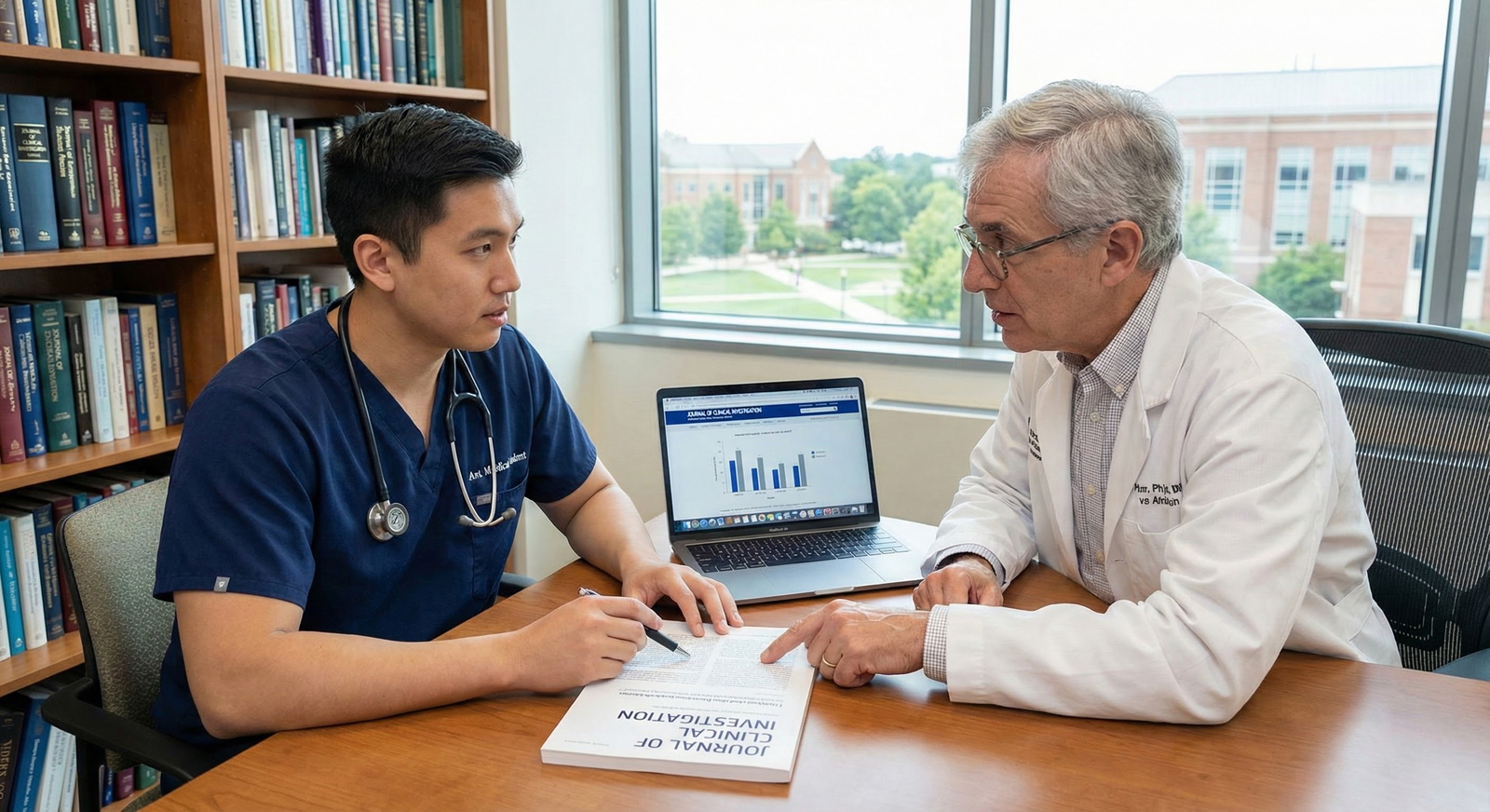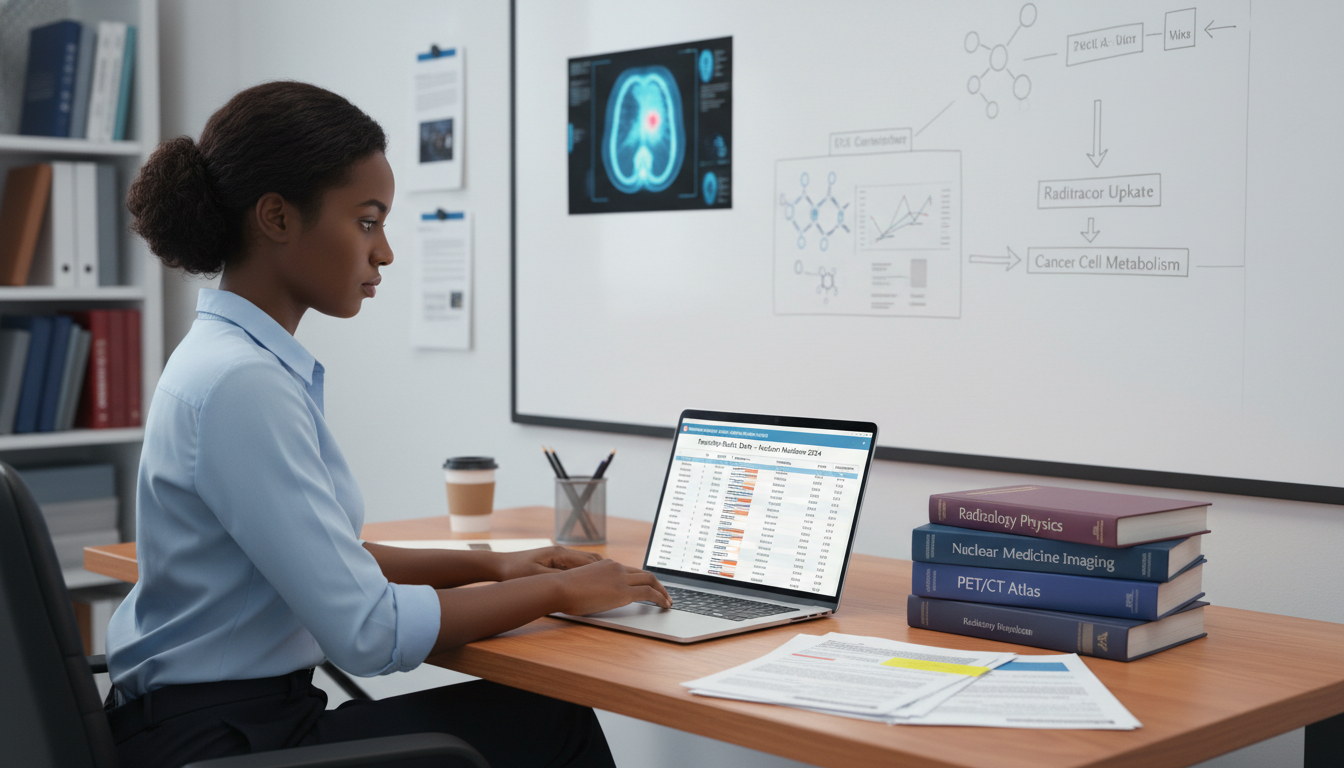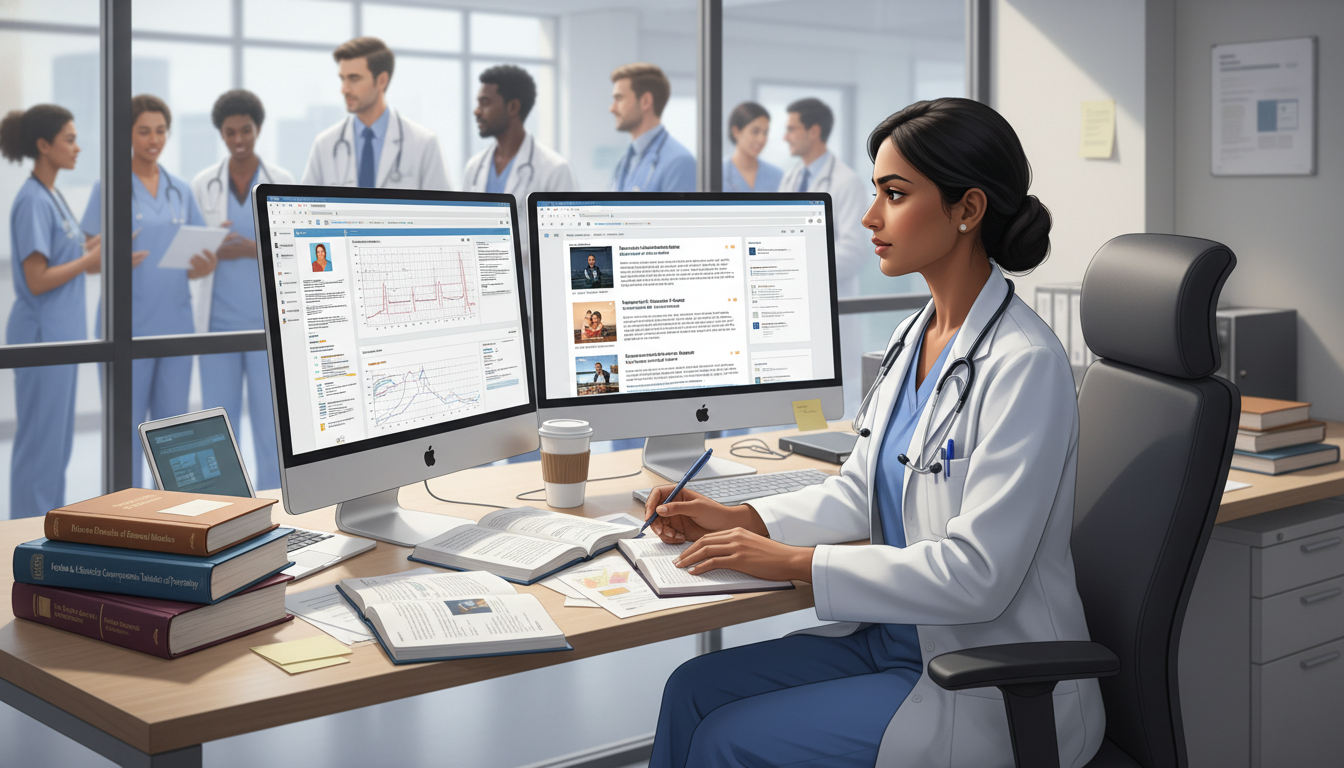
For a US citizen IMG interested in Clinical Informatics, a strong research profile can turn an unconventional path into a compelling story. You are competing not only with U.S. grads but also with experienced clinicians and informaticians transitioning from other specialties. A clear, strategic approach to research for residency and fellowship will help you stand out early and pave the way toward a future clinical informatics fellowship and health IT training opportunities.
Below is a comprehensive guide focused on research profile building—designed specifically for an American studying abroad (or a US citizen IMG from any pathway) who wants to break into Clinical Informatics.
Understanding Clinical Informatics as an IMG
Clinical Informatics is a relatively young discipline that sits at the intersection of:
- Patient care
- Data science and analytics
- Information systems and health IT
- Quality improvement and patient safety
- Implementation science and workflow design
As of now in the U.S., Clinical Informatics is a subspecialty rather than an entry-level residency. To get there, most candidates:
- Complete a primary residency (often in Internal Medicine, Pediatrics, EM, Pathology, etc.)
- Then pursue a Clinical Informatics fellowship or health IT–focused role.
For a US citizen IMG, this means:
- Your residency application is still your first major hurdle.
- But your informatics-focused research profile can strongly influence which programs take you seriously—especially programs with established informatics divisions, EHR innovation teams, or affiliated CI fellowships.
In other words, research is not just about getting into any residency; it’s about:
- Signaling commitment and familiarity with informatics.
- Developing skills in data, workflow, and technology that will be valuable during residency and beyond.
- Building relationships with mentors and departments already active in informatics and health IT.
What “Counts” as Research in Clinical Informatics?
You do not need to be a data scientist or PhD statistician to build a powerful research profile in this space. Clinical Informatics is very broad. Useful research and scholarly work can include:
1. Data-Driven Clinical Studies
Examples:
- Retrospective analysis of how a new EHR alert affected prescribing patterns.
- Outcomes before vs. after implementing telehealth for a specific condition.
- Predictors of missed lab follow-up in an outpatient EHR system.
These might require:
- Access to EHR data
- Collaboration with an informatics or biostatistics team
- IRB approval
2. Quality Improvement (QI) with Informatics Components
QI projects are often more accessible for an American studying abroad than large database studies, and they are highly relevant:
Examples:
- Reducing duplicate lab testing via order set optimization.
- Improving discharge summary completeness using templates.
- Implementing clinical decision support (CDS) to improve guideline adherence.
If structured well (with standard QI methodology and measurable outcomes), QI can be written up and published—turning practical work into publications for match.
3. Health IT Usability and Workflow Studies
Projects focusing on:
- User satisfaction with a new EHR interface.
- Time-motion analyses of documentation burden.
- Barriers and facilitators to EHR adoption among clinicians.
These often use:
- Surveys
- Interviews
- Mixed-methods approaches
4. Educational and Implementation Research
Examples:
- Evaluating an EHR training curriculum for residents.
- Studying the impact of informatics boot camps on medical student confidence.
- Adoption of clinical decision support tools by different specialties.
5. Technical / Data Science Projects
For those with some technical skills:
- Simple machine learning models predicting readmissions or no-shows.
- NLP (natural language processing) to identify patients from free-text notes.
- Dashboards or decision-support tools designed for clinicians.
These projects are especially valuable if:
- They’re clinically grounded.
- You can show evaluation, usability testing, or impact.
6. Scholarly Work Beyond Classic Research
Even if your setting has limited traditional research infrastructure, you can develop scholarship through:
- Case reports that highlight unusual uses of technology in care.
- Narrative reviews on topics like “AI in sepsis prediction” or “EHR integration in low-resource settings.”
- Commentaries or perspective pieces on digital health and care delivery.
All these can contribute to your profile if they are:
- Well written
- Peer-reviewed or at least publicly visible and citable
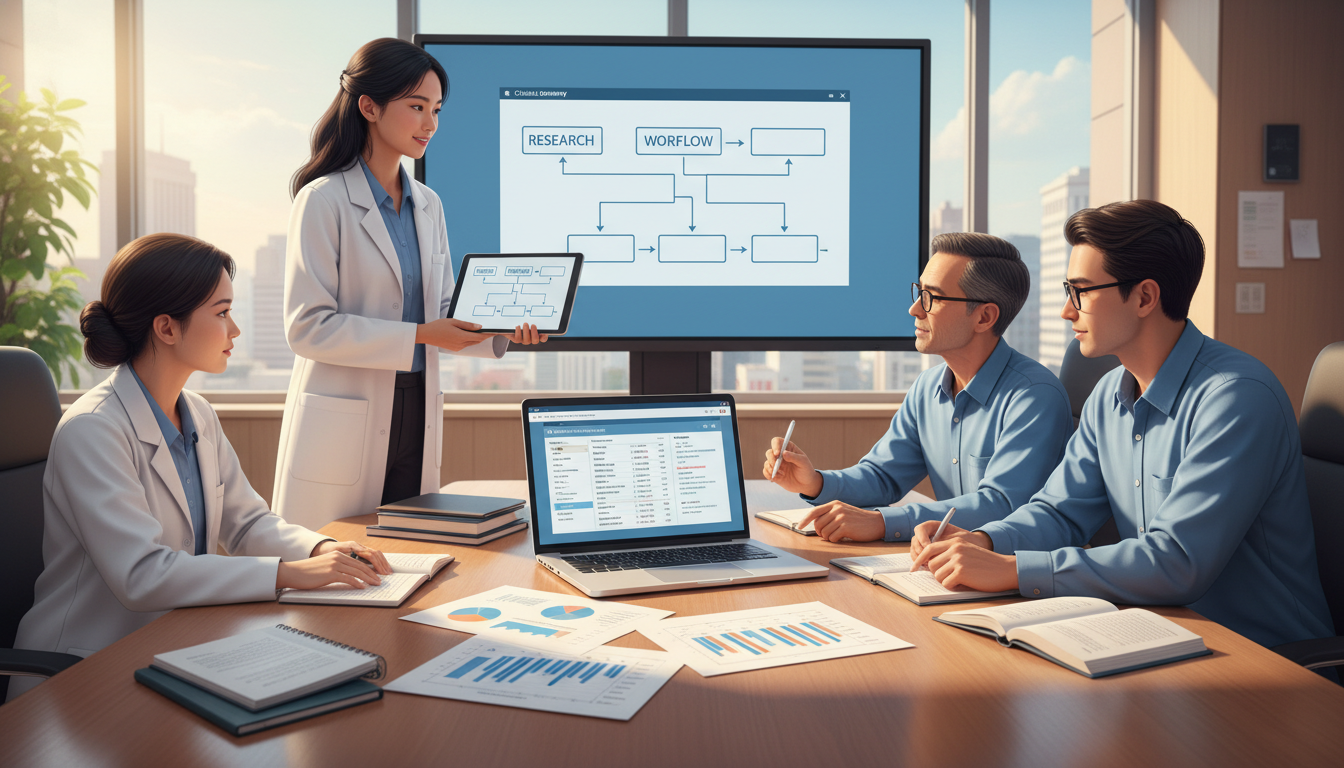
How Many Publications Do You Need for Clinical Informatics Pathways?
Program directors do not agree on a single magic number, and informatics is less rigid than some lab-heavy specialties. However, there are practical benchmarks.
Baseline Expectations for a US Citizen IMG
Because IMGs often face additional scrutiny, your goal should be to remove doubt about your academic potential.
A realistic and competitive target (not a requirement, but a strong guideline):
- 1–3 first-author works (research article, QI project, review, or high-quality case report) clearly related to informatics, digital health, or data-driven QI.
- 3–8 total scholarly items:
- Original articles
- Reviews
- Case reports
- QI projects
- Conference abstracts/posters
- Book chapters or invited pieces
For residency-level competitiveness:
- In core non-research-heavy specialties (IM, FM, Peds), this is generally sufficient, especially when the work is coherent and aligned with Clinical Informatics.
For future Clinical Informatics fellowship:
- Programs will be more interested in your:
- Clear trajectory in informatics
- Depth of involvement
- Ongoing productivity
- Having at least 2–4 solid informatics-related publications or major projects by fellowship application time is very helpful.
Quality > Quantity
Programs are aware that people can accumulate superficial authorships. They look for:
- Do your projects tell a clear story about who you are academically?
- Did you actually participate in design, analysis, or writing?
- Can you talk intelligently and enthusiastically about them in interviews?
If you must choose between:
- Being the 9th author on a paper you barely touched, or
- Being first or second author on a modest but well-executed QI/informatics project,
the latter is almost always more valuable.
Step-by-Step Plan to Build a Strong Informatics-Focused Research Profile
Step 1: Define an Informatics Niche That Fits Your Context
As a US citizen IMG, your medical school environment may or may not be research-rich. Start with what’s accessible and relevant.
Common and feasible niches include:
- EHR optimization & user experience
- Think: documentation burden, order sets, alerts
- Telemedicine and digital health
- Particularly post-COVID: virtual care, remote monitoring
- Data-driven quality improvement
- Reducing adverse events via better information flow
- Clinical decision support (CDS) & guidelines
- Alerts, reminders, risk calculators
- Education & informatics
- Training clinicians in EHR use, digital tools, informatics literacy
Pick one or two areas to focus on; this makes your profile coherent.
Step 2: Find Mentors and Collaborators
For an American studying abroad, finding the right mentors can be the hardest step, but it’s also the most transformative.
Local Mentors (at Your Medical School or Hospital)
Look for faculty actively involved in:
- EHR or hospital IT committees
- QI or patient safety offices
- Telemedicine programs
- Data science/biostatistics or public health units
- Any faculty with “informatics,” “quality,” “outcomes,” or “digital health” in their profile
Strategies:
- Check your school’s website and hospital staff listing.
- Attend grand rounds or QI meetings and introduce yourself after.
- Send concise, respectful emails offering to help on current projects.
Example email template:
I’m a US citizen IMG at [School], with a strong interest in Clinical Informatics and health IT. I read about your work on [project/topic] and would like to contribute to ongoing or upcoming projects, particularly those related to EHR optimization, digital health, or data-driven quality improvement. I’m happy to assist with data collection, literature review, analysis, or manuscript preparation.
Remote Mentors (U.S.-based or International)
If local resources are limited:
- Look for US academic centers with:
- Clinical Informatics divisions
- Health systems innovation labs
- EHR optimization teams
- Reach out to faculty whose work resonates with your interests.
- Offer to support:
- Literature reviews
- Secondary analyses
- Survey design
- Manuscript drafting
Networking routes:
- AMIA (American Medical Informatics Association) student memberships and SIGs.
- Virtual conferences, webinars, and informatics meetups.
- Alumni from your school currently in U.S. residency or CI roles.
Step 3: Start With Manageable, High-Yield Projects
A practical progression for a US citizen IMG:
Literature Review or Narrative Review (1–3 months)
- Topic: “Clinical decision support tools in sepsis management,” “EHR-based interventions to reduce medication errors,” etc.
- Outcome: first- or second-author review article; strong talking point on applications.
Small QI or Workflow Project (3–6 months)
- Example: Improve documentation of problem lists using EMR prompts.
- Track pre/post metrics.
- Present locally; later, write as a short report.
Original Data Project (6–12+ months)
- Collaborate with someone with data access.
- Example: “Impact of implementing a best practice alert on opioid prescribing in the ED.”
- Even if it only becomes an abstract or poster, it shows depth.
Educational or Implementation Project (Variable)
- Implement an informatics teaching session, app, or tool, and evaluate its effects.
The key is stacking efforts so each step can become concrete output:
- Posters
- Abstracts
- Full manuscripts
- Online resources
Step 4: Turn Every Project Into Multiple Outputs
Whenever you invest time, maximize your return:
From a single project, you might create:
- Local QI presentation for your department.
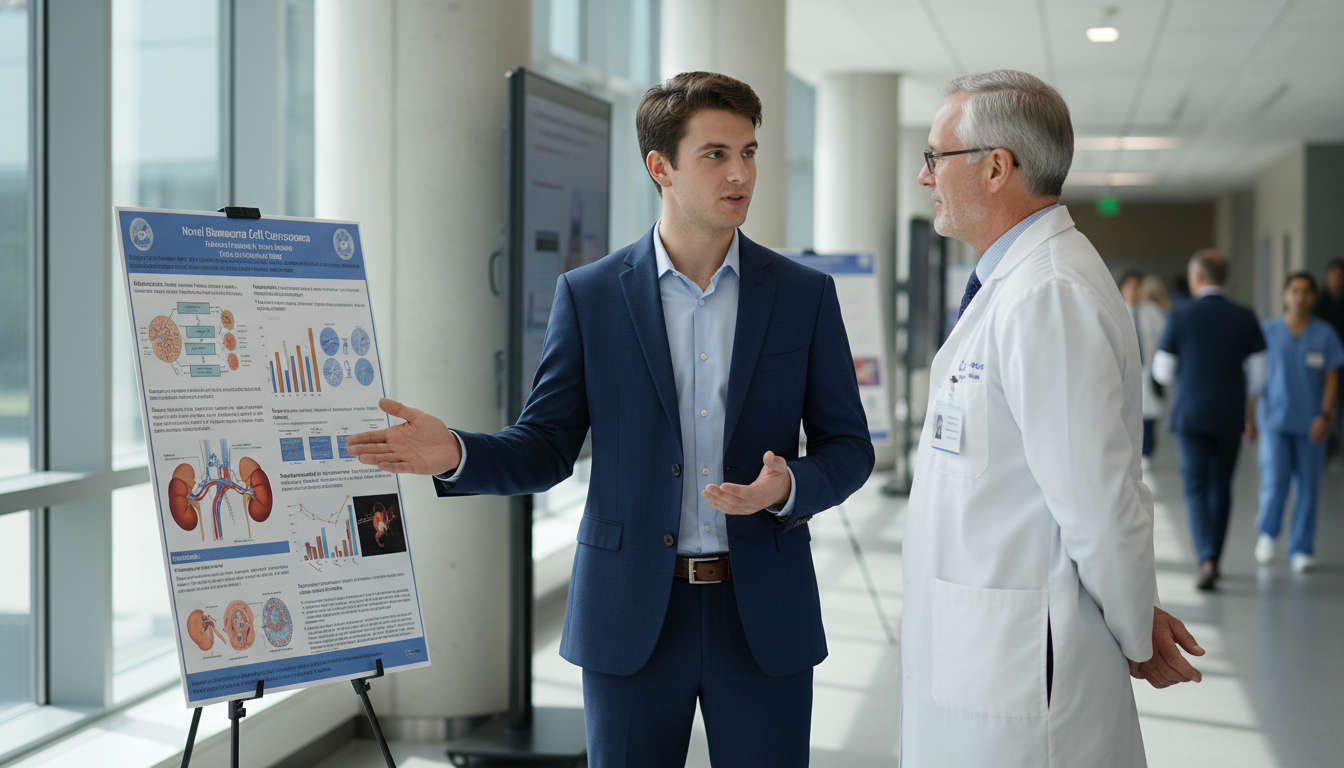
- Poster at your school or national meeting (e.g., AMIA).
- Short communication or full manuscript.
- A follow-up project (e.g., version 2.0 with improved implementation).
For a US citizen IMG, this is crucial because:
- Your time in medical school and gap years is precious.
- Multiple outputs from one core theme reinforce your trajectory and expertise.
Step 5: Strengthen Your Technical & Methodologic Skills
You do not need to be a full programmer, but familiarity with tools and methods is a plus.
Consider:
- Online courses (Coursera, edX, etc.) in:
- Basic statistics for medical research
- R or Python for data analysis
- Health informatics / digital health
- Free resources on:
- Study design
- Survey design and validation
- Implementation science basics
- Hands-on practice:
- Analyze a small dataset under a mentor’s supervision.
- Build a simple dashboard using Excel, R Shiny, or another tool.
Mentioning concrete skills on your CV and in your personal statement—e.g., “basic proficiency in R for clinical data analysis” or “experience designing REDCap surveys”—makes you stand out for both residency and future clinical informatics fellowship programs.
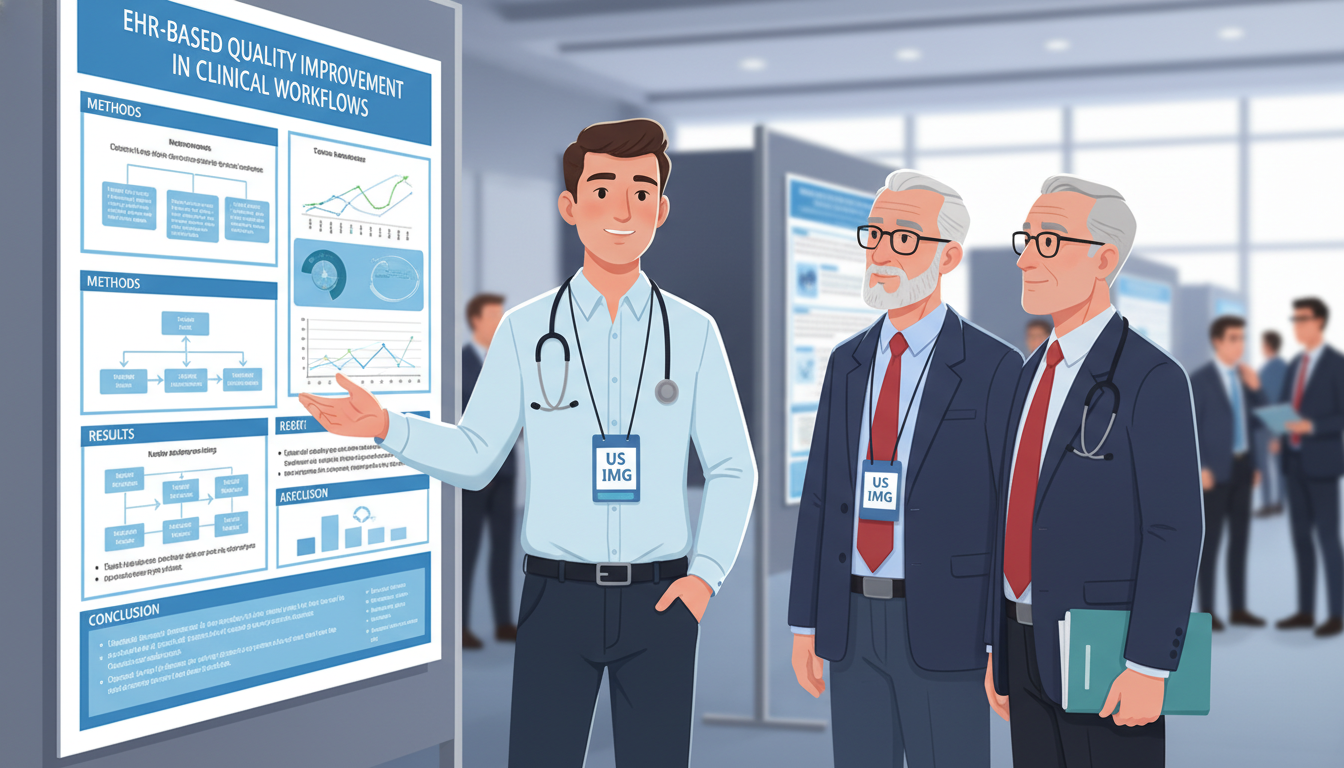
Showcasing Your Research for Residency and Future Informatics Fellowship
Your research only helps if programs can quickly see and understand it.
1. Structuring Your CV
For a Clinical Informatics–oriented application, organize your CV to highlight:
- Research & Publications
- Separate sections for:
- Peer-reviewed articles
- Abstracts/posters
- QI projects
- Book chapters or invited pieces
- Separate sections for:
- Informatics & Health IT Projects
- Dedicated heading like “Clinical Informatics & Health IT Experience.”
- Technical Skills
- Statistical software, basic coding, EHR configuration experience, etc.
Use consistent citation formatting and bold your name in all publications.
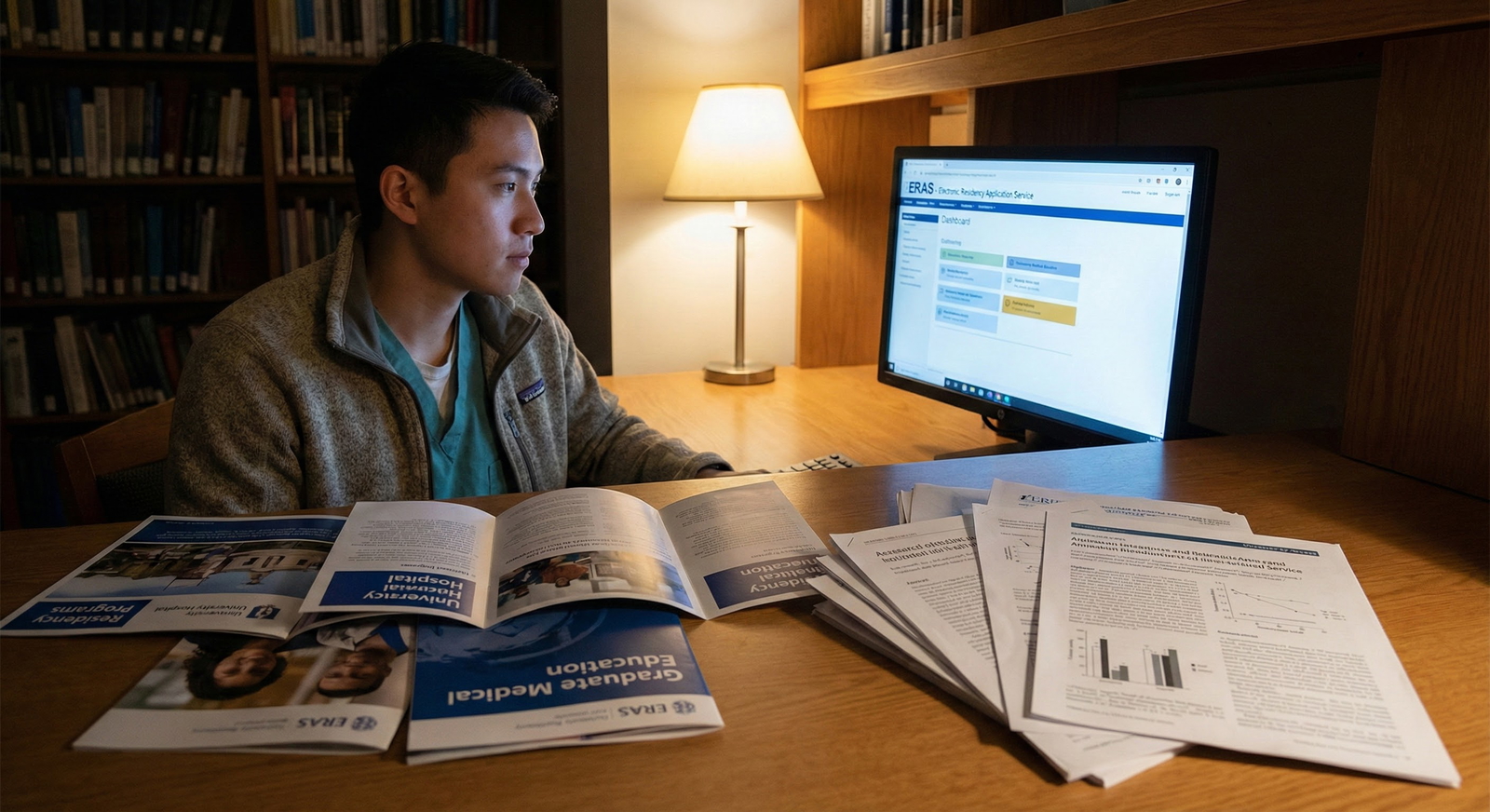
2. ERAS Application: Strategic Entries
When listing experiences in ERAS:
Clearly label informatics-related roles:
“Research assistant – Clinical Informatics / EHR Optimization”
“Project lead – Telemedicine QI project”In your descriptions, emphasize:
- Your specific role
- Methods used
- Concrete outcomes (e.g., 15% reduction in duplicate orders, accepted poster at [Conference]).
This presentation helps PDs quickly understand your impact and trajectory.
3. Personal Statement: Tell a Coherent Story
Your personal statement should not be a list of projects. Instead:
- Explain why Clinical Informatics appeals to you:
- Perhaps you noticed documentation inefficiencies abroad.
- You were interested in how systems help or harm patient safety.
- Show how your research path reflects that interest:
- “To better understand how technology can improve care, I worked on a QI project optimizing EHR order sets…”
- Link your experiences to your future goals:
- “I hope to train in Internal Medicine at a program with strong informatics and QI infrastructure, then pursue a Clinical Informatics fellowship…”
Programs should walk away thinking:
This applicant has a clear informatics trajectory, understands health IT, and has already demonstrated initiative and productivity.
4. Interview Preparation
Be ready to discuss:
- Your favorite project in depth:
- The question, methods, limitations, and what you learned.
- Challenges you encountered:
- IRB delays, data quality issues, stakeholder resistance.
- How your experience will make you a better resident:
- Better at using EHRs efficiently, contributing to QI committees, collaborating with IT.
Showing reflection and maturity is more important than perfect results.
Special Considerations for US Citizen IMGs
Being a US citizen IMG comes with distinct advantages and challenges:
Advantages
- No visa barriers, which many programs consider a major plus.
- Flexibility to do research years in the U.S. without immigration constraints.
- Potential to build early connections with U.S. institutions focusing on informatics and health IT.
Challenges
- You may have less built-in research infrastructure at your foreign school.
- You must actively create your own path to research for residency.
- You might have to overcome assumptions about the rigor of your training.
To offset these:
Demonstrate Stability and Commitment
- Longitudinal involvement in one or two informatics themes over time.
- Ongoing participation in a lab or group, even if remote.
Seek U.S.-Based Experience if Possible
- U.S. externships or electives that include exposure to:
- EHR systems
- QI teams
- Clinical informatics services
- Short-term research internships during breaks.
- U.S. externships or electives that include exposure to:
Align with Programs That Value Informatics
- Target residencies with:
- EHR innovation projects
- A Clinical Informatics fellowship or division
- Strong QI and patient safety infrastructure
- In your communication, show you’ve researched their specific initiatives (e.g., Epic optimization committees, telemedicine programs).
- Target residencies with:
Use Conferences and Societies Strategically
- Join AMIA as a student, attend at least one major conference if finances permit.
- Present a poster—even a small one—at a recognizable meeting.
- Network intentionally: brief introductions, follow-up emails, ask about future opportunities.
These moves help transform the label “US citizen IMG” from a potential concern into part of a powerful narrative: someone who has navigated multiple systems and chosen to specialize in how those systems and technologies deliver care.
FAQs: Research Profile Building for US Citizen IMG in Clinical Informatics
1. How many publications are realistically needed to be competitive for residency if I want to go into Clinical Informatics?
There is no fixed number, but for a US citizen IMG, a strong target is:
- 1–3 first-author scholarly pieces (could be QI, review, or original research) related to informatics, digital health, or data-driven care.
- 3–8 total scholarly items (including posters and abstracts).
More important than the count is:
- Relevance to informatics and health IT.
- Coherent narrative.
- Your real involvement and ability to discuss the work.
2. I don’t have access to big EHR databases at my school. Can I still build an informatics research profile?
Yes. Options include:
- QI projects that involve small-scale EMR or workflow changes and measure outcomes.
- Surveys of clinicians about EHR usability, telemedicine, or decision support.
- Narrative or systematic reviews on specific informatics topics.
- Remote collaborations with U.S. mentors who do have data access.
- Educational interventions (e.g., introducing an EHR teaching module) with pre/post evaluation.
These can produce legitimate papers, posters, and publications for match.
3. Do I need formal programming skills to be taken seriously in Clinical Informatics?
No, but some technical literacy is very helpful. Basic skills in:
- Reading and interpreting data output and simple statistics.
- Using tools like Excel, R, or Python for simple analyses (even at a beginner level).
- Understanding basic concepts of databases, EHR architecture, and clinical decision support.
You can acquire these through short online courses and structured practice rather than a full degree in computer science.
4. How can I use my gap year or research year most effectively as an American studying abroad?
Focus your research year on:
- Joining a U.S.-based team working on informatics/health IT projects.
- Producing tangible outputs—papers, posters, QI reports.
- Building technical and methodological skills.
- Deepening your mentor relationships and your informatics niche.
- Targeting projects and institutions that align with programs you might later apply to for residency or clinical informatics fellowship.
If you emerge from that year with a clear theme, some strong projects, and confident interview talking points, you will have maximized its value for your application and long-term career.
Building a strong research profile in Clinical Informatics as a US citizen IMG is entirely achievable with a strategic, focused approach. By selecting an informatics niche, finding supportive mentors, stacking projects into multiple outputs, and clearly communicating your trajectory, you can transform your research into a powerful asset for residency and eventual Clinical Informatics fellowship training.