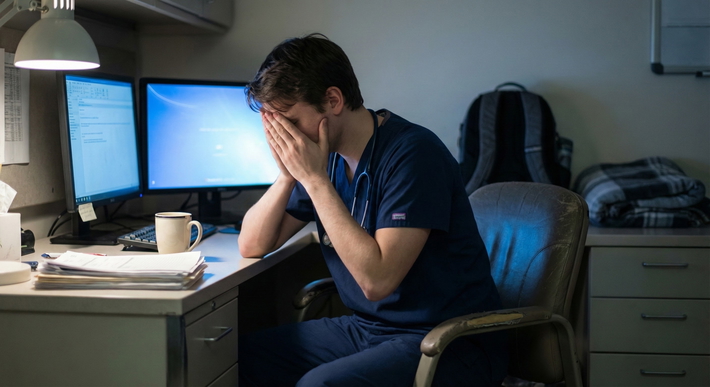
I've heard this line in call rooms, on night float, whispered during 28-hour shifts. A weary intern reaches for another energy drink, maybe something stronger, convinced that if they can just force their eyes open, they're winning. The data says otherwise. Short-term alertness from stimulants isn't improved performance, and it's certainly not burnout prevention. It's symptom-masking, dangerously seductive because it feels like control.
This article isn't about "wellness" platitudes. It's about what the research actually warns us: chasing wakefulness with pills and forcing sleep with sedatives both backfire when you're trying to stop the slow drain of residency burnout. The problem isn't just fatigue. Burnout, as measured by the Maslach Burnout Inventory (emotional exhaustion, depersonalization, reduced personal accomplishment), is a distinct beast from sleepiness, from depression, from anxiety. Confuse them, and you'll treat the wrong thing, often with medication that worsens the real drivers.
Here's the ugly truth: stimulant and sedative strategies can amplify burnout indirectly through wrecked sleep architecture, dependence-withdrawal cycles, and the dangerous illusion that you've solved a system problem with a pill.
Part I, What Burnout Data Actually Tracks (and why medication myths thrive)
If you've filled out a wellness survey, you've seen it: "I feel emotionally drained," "I've become more callous toward people." That's the MBI, and it's measuring burnout, not sleep pressure. Meanwhile, the Epworth Sleepiness Scale asks if you doze off during meetings or while driving. These constructs overlap, a burned-out resident is often tired; a sleep-deprived resident can seem burned out, but they're not the same beast.
That sloppy overlap is where the medication myths breed. You feel exhausted, so you assume the fix is pharmacological: pop a stimulant to conquer the day, swallow a sedative to crash at night. But exhaustion in burnout isn't just adenosine buildup; it's the cumulative weight of moral injury, administrative overload, circadian chaos, and a training system that treats sleep as optional. Data shows that psychosocial and scheduling interventions often outperform symptom-chasing. For example, protected sleep periods and nap policies have larger effect sizes on resident well-being than any off-label stimulant pilot.
Residency-specific risk modifiers make this worse: chronic sleep restriction, rotating shifts, irregular meal times, and a culture that rewards presenteeism. Stimulants can't fix circadian misalignment; they just slap a neurochemical band-aid on it. Sedatives can't undo the stress of a malignant attending or the dread of another 80-hour week. And when we use them as a substitute for diagnosis, we miss the real pathology, insomnia disorder, narcolepsy, ADHD, depression, that needs proper, target-directed treatment.
Part II, Stimulants: where the myth breaks (alertness ≠ resilience)
I've watched a surgical resident down a double espresso and 10 mg of immediate-release methylphenidate at 2 a.m., convinced it would make them sharper for the rest of the shift. What followed? A jittery, irritable three hours of charting riddled with minor errors, then a brutal crash that left them feeling hollow and detached, textbook depersonalization. The myth that stimulants improve burnout outcomes dies when you look at real performance and recovery metrics.
Sure, stimulants can temporarily boost vigilance. That's why they're FDA-approved for ADHD and narcolepsy. But using them to outrun emotional exhaustion or the systemic overload of residency is an evidence-free gamble. What actually happens: delayed sleep onset after the shift (thanks to that lingering sympathetic activation), rebound fatigue the next day, appetite suppression that screws up already-erratic eating schedules, and increased autonomic arousal that keeps heart rate up even when you're lying in bed. The net effect? Worse sleep quality and a deeper sleep-debt hole, both core drivers of burnout.
Then there's the dependence creep. I've seen it with caffeine, modafinil, and prescription stimulants borrowed from a roommate's ADHD stash. You start with a small dose to get through a tough week, then you need it just to feel baseline. Tolerance builds; dose escalates. Now you're not treating any diagnosed condition, you're self-medicating a broken system, and the withdrawal symptoms (fog, anhedonia, lethargy) look exactly like worsening burnout. It's a cycle that amplifies the very thing you're trying to escape.
A clinical reality check: stimulants are not a performance-enhancement tool for the sleep-deprived masses. Before you reach for that pill, ask whether you've actually screened for a circadian rhythm disorder, obstructive sleep apnea, or major depression. Without a target diagnosis, you're just borrowing alertness at a high interest rate.

Part III, Sedatives: the hidden cost of "knocking yourself out"
The flipside myth is just as sticky: "I can't sleep, so I'll take something to guarantee I'm out." Zolpidem, benzos, trazodone, even over-the-counter antihistamines get used as shutdown switches. Data warns us that this approach often trades a prolonged sleep latency for a fragmented, shallow sleep that leaves you cognitively worse off the next morning.
Most sedatives improve sleep onset, that's true. But they can devastate sleep architecture, suppressing slow-wave sleep, fragmenting REM, leaving you with a night of unconsciousness that doesn't deliver restoration. I've had residents tell me they slept eight hours on a benzo and still woke up feeling like they'd been run over. That next-day sedation, brain fog, and blunted attention are disastrous in high-stakes environments like the ICU or during a code. The very skills you need, rapid pattern recognition, emotional regulation, fine motor control, get dulled.
Then comes the ugly triplet: tolerance, dependence, and rebound insomnia. Your sleep crumbles without the pill. You need higher doses. Missing a dose triggers withdrawal that mimics severe anxiety or panic. And all the while, the root cause of the insomnia (circadian disruption, anxiety, poor sleep hygiene) goes untouched. Sedative-induced sleep isn't healing; it's a blackout.
There's a better way, and the evidence has been clear for years: CBT-I (cognitive behavioral therapy for insomnia) plus strategic sleep scheduling outperforms long-term sedatives in durability and safety. It's not the easy pill, but it actually fixes the broken sleep system instead of putting it on life support.
Note: Positive values indicate improvement/reduction of symptoms, negative values indicate worsening or increased risk. The magnitudes are conceptual and vary by specific agent; CBT-I shows consistent beneficial effects across domains except onset latency (where it may initially worsen as sleep restriction takes hold).
Part IV, What to do instead: a practical, evidence-aligned "anti-burnout" plan
Let's be blunt: no pill will fix a malignant schedule or a culture that treats you like a machine. The first move is system-level, protected rest breaks, realistic handoff expectations, predictable scheduling. These aren't feel-good wellness initiatives; they're safety interventions that data links to lower burnout and fewer medical errors. If your program isn't protecting your sleep, that's the problem, not your "resilience."
On a personal level, build a stack that actually supports sleep-wake physiology: consistent sleep timing (even on days off), light exposure management (bright light during night shifts, blue-light restriction before day sleep), caffeine only in the first half of your wake period, and regular meals and hydration. Boring? Yes. Effective? Also yes. I've seen a resident transform their mood by simply blocking 7 a.m.-3 p.m. as their protected sleep window after night float and sticking to it like a prescription.
Psychological tools like brief CBT-I, stress inoculation training, and structured mindfulness (not the apps that just tell you to breathe) can rewire the hyperarousal that keeps you awake. Peer support, real talk with a co-resident who gets it, often does more than any wellness module. If you're drowning in emotional exhaustion, get screened for depression or anxiety. If you can't stay awake during lectures or while driving, rule out narcolepsy or OSA. If your mind races all night, that's insomnia disorder, treat it with CBT-I first, not a nightly z-drug.
When medications are appropriate, like in ADHD, narcolepsy, major depression, or a confirmed circadian rhythm disorder, use them as targeted treatment under supervision, not as a performance hack. Monitor sleep, track functional outcomes, and never borrow a friend's script.
Myth Buster Closing: What data warns residents to avoid
Stimulants and sedatives can tweak how you feel moment-to-moment, but the data is clear: they often worsen the sleep-circadian-recovery problems that fuel burnout. The illusion of control they offer is just that, an illusion. What actually works is diagnostic precision, sleep-first behavior change, and the courage to demand a system that doesn't force you to choose between alertness and recovery.
If you think you need medication, don't guess. Get a real evaluation. Then treat the driver, not the symptom. Because the worst thing you can do for your career, and your patients, is confuse a pill with a solution.