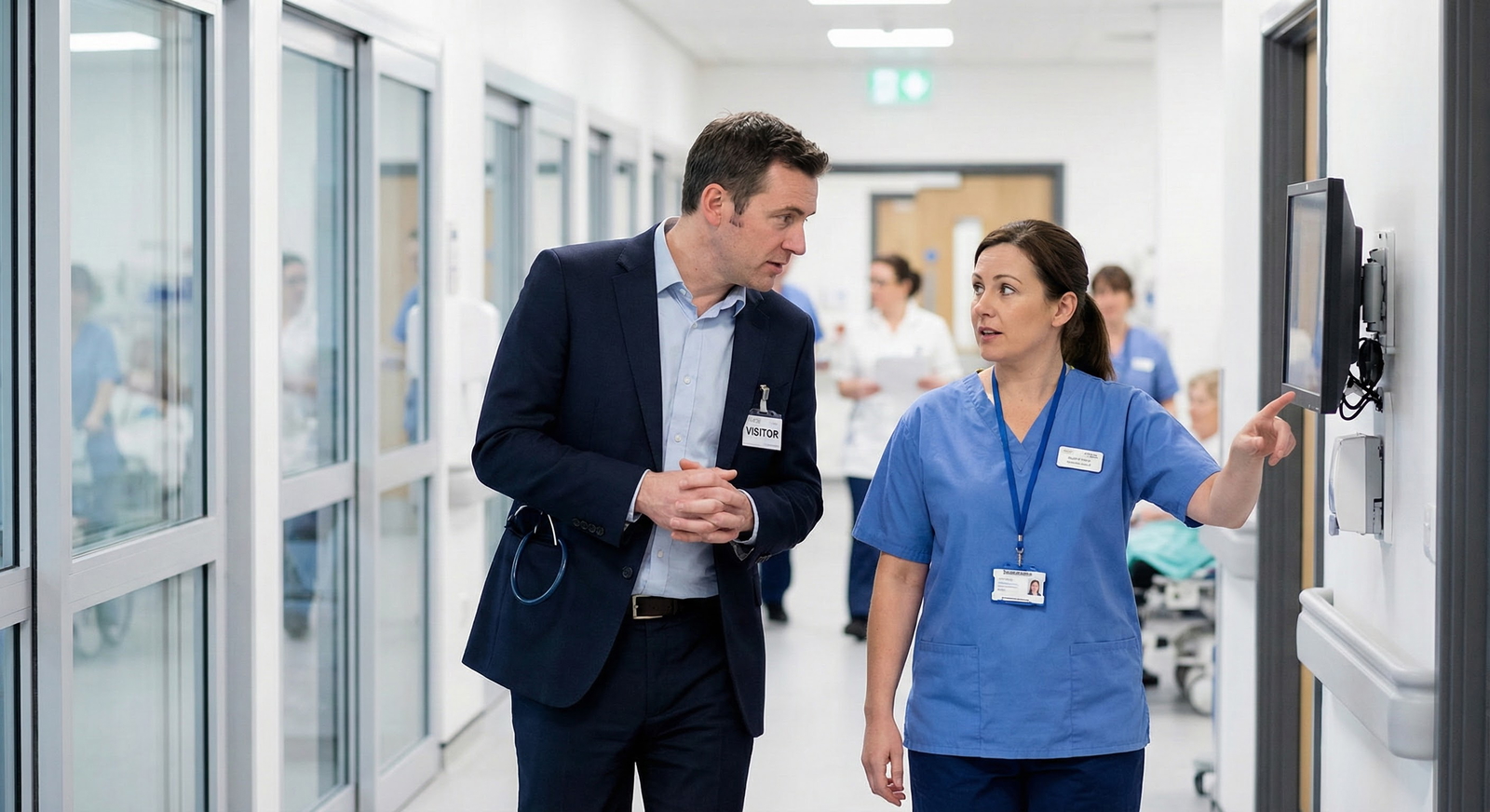
Radiation oncology is a small, close‑knit specialty with excellent career prospects, but the quality of training environments varies widely. For a DO graduate who may already be navigating bias and fewer interview offers, avoiding a malignant residency program is just as important as matching at all. A “malignant” or toxic program can derail your development, limit your opportunities, and make four (or more) critical years of training miserable.
This article focuses on how a DO graduate in radiation oncology can recognize residency red flags, interpret subtle warning signs on the trail, and protect themselves from toxic program environments—while still staying competitive in the osteopathic residency match for rad onc.
Understanding “Malignant” in Radiation Oncology Training
A “malignant residency program” is more than just “busy” or “demanding.” Malignancy describes a pattern of behavior and culture that is harmful to residents’ education and well‑being.
Common features of malignant programs in radiation oncology include:
- Abusive or demeaning behavior from faculty or leadership
- Chronic disregard for work‑hour limits or resident well‑being
- Retaliation against residents who raise concerns or report issues
- Systematic under‑training, with residents used as cheap labor rather than learners
- High, unexplained attrition or residents who “quietly disappear”
- Poor case mix or lack of autonomy, limiting career readiness
In a small specialty like radiation oncology, reputations travel quickly but not always publicly. Many DO graduates also carry additional vulnerabilities:
- Fewer home programs or mentors within rad onc
- Greater need to interpret limited feedback (fewer interviews, limited away rotations)
- Potential for subtle or explicit bias regarding osteopathic training
Understanding how to identify a malignant program is therefore both a quality‑of‑life and career‑preservation skill.
Core Residency Red Flags for DO Applicants in Rad Onc
Below are key toxic program signs that should immediately raise your level of scrutiny. One or two mild issues may not make a program malignant, but patterns across these domains should not be ignored.
1. Culture of Disrespect, Bullying, or Fear
Radiation oncology should be a collaborative, thoughtful, patient‑centered specialty. Any program where the baseline tone is hostile is a serious concern.
Warning signs:
- Residents or faculty joke about “breaking” interns or juniors
- You hear phrases like “we eat our young,” “this is a sink‑or‑swim program”
- Residents look visibly anxious or guarded when attendings are nearby
- Public humiliation (calling out residents in conferences with ridicule, not teaching)
- Residents give defensive or “canned” answers when you ask about culture
How a DO graduate might experience this:
- Being introduced as “our DO” in a way that feels minimizing or othering
- Frequent comments about your degree or school (“Did you learn this in DO school?”)
- A clear hierarchy where DO doctors or IMGs are treated as second‑class residents
If residents are afraid to speak up in front of leadership or only relax when leadership leaves the room, that is a major red flag.
2. Poor Educational Priorities and Weak Mentorship
In rad onc, your long‑term success depends on robust clinical training, contouring experience, physics/radiobiology knowledge, and research exposure. Malignant or toxic programs often neglect these areas.
Red flags:
- Didactics routinely canceled or frequently cut short for service demands
- No protected time for physics/radiobiology; ABR board prep is ad hoc or self‑directed only
- Residents frequently say things like “you just learn on your own here”
- Minimal or no faculty mentorship around research, fellowships, or career planning
- Few publications or presentations from residents despite a reasonable case volume
For DO graduates, mentorship is particularly important to:
- Navigate any residual bias around osteopathic training
- Build competitive research portfolios
- Secure strong letters for academic or competitive job placements
If you can’t identify at least 1–2 attendings who clearly enjoy teaching and have a track record of supporting residents (especially DO or non‑traditional residents), that is concerning.
3. Workload, Exploitation, and Duty Hour Abuse
Radiation oncology is not typically as intense in raw hours as some surgical specialties, but malignant programs can still be abusive via:
- Chronic overwork without educational value
- Expectation to come early, stay late, and work from home constantly
- Hidden work: contouring, plan checks, notes, and prior auths done off the clock
Toxic program signs related to workload:
- Residents laugh off duty hours: “Of course we’re 80+; we just don’t log it”
- Faculty comment that “residents these days are soft” when duty hours mentioned
- Residents whisper that you should not report hours honestly
- Multiple residents clearly burned out or openly discussing leaving medicine
- Large amount of non‑educational scut: chasing paperwork, acting as de facto nurse or social worker without learning goals
For DO graduates, this can be compounded if you are:
- Given the heaviest or least desirable rotations compared to MD co‑residents
- Expected to “prove yourself” through overwork because of your degree
- Passed over for elective time or off‑service experiences (like brachy/physics rotations) that would enhance your career
An intense program is not automatically malignant, but work should be proportionate to education and supervision, not extraction.
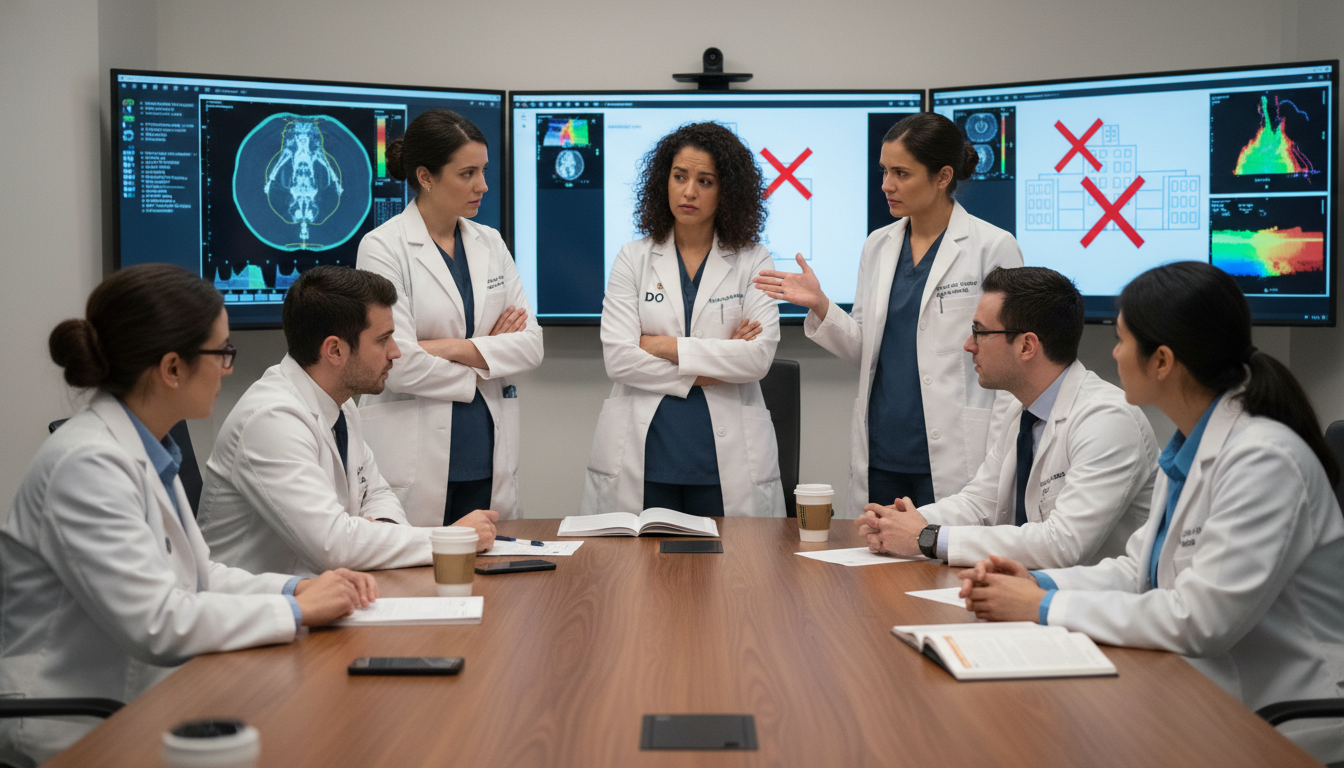
4. Lack of Transparency: Attrition, Outcomes, and Case Mix
Malignant residency programs often hide core data, evade questions, or provide vague answers.
Key areas where transparency matters:
- Attrition:
- Have residents left or transferred in the last 5–10 years? Why?
- Do you get clear, specific answers or suspiciously vague responses (“It just wasn’t a fit”)?
- Board pass rates:
- Are there multiple ABR failures in recent years, especially if pattern is ongoing?
- Is there a structured remediation plan or just blame on residents?
- Fellowship and job placement:
- Where do graduates go? Academic? Community? Prestigious fellowships?
- Can they provide a list of recent graduates’ destinations?
- Case variety and technology:
- Do residents get hands‑on experience with IMRT, VMAT, SRS/SBRT, brachytherapy?
- Is there sufficient pediatric, CNS, GI/GU, head & neck, and breast cancer exposure?
Radiation oncology–specific red flags:
- Residents say they rarely contour independently or only act as scribes
- Limited or no brachytherapy exposure at a time when it’s key to the field
- Residents do minimal plan evaluation or don’t understand dosimetry basics
- Technology is outdated and there is no plan to upgrade soon
If the program cannot or will not show clear board pass rates, graduate placement, and meaningful case volumes, it may be using residents as workforce rather than investing in training.
5. Leadership Instability and Dysfunction
Leadership sets the tone. A program can have strong residents who compensate, but chronic leadership chaos is a classic malignant marker.
Concerning patterns:
- Program director (PD) or chair frequently changing (every 1–3 years)
- Residents tell you that “things are in flux” with little certainty about the future
- PD or chair with a reputation (even whispered) for anger, favoritism, or retaliation
- Residents feel unsafe providing anonymous feedback or participating in surveys
In a small field like rad onc, a PD with a national reputation for being punitive or unethical is a major red flag—especially if residents seem reluctant to comment on leadership or their body language changes when you ask.
6. Discrimination and Unequal Treatment—Especially for DOs
For DO graduates, this is a critical area. While many programs are genuinely supportive of osteopathic physicians, some harbor subtle or overt bias.
Specific DO‑relevant red flags:
- You are the only DO in the program’s history and there is no clear support plan
- Past DO residents did not finish, and reasons are unclear or vaguely negative
- Faculty openly question osteopathic training quality
- Residents remark that DOs or IMGs “have to work harder” or “prove themselves”
- DO residents seem consistently given less desirable rotations, fewer research projects, or less face time with influential faculty
Toxic program signs in this area also include:
- Dismissive attitude toward diversity, equity, and inclusion
- Jokes or “banter” that rely on stereotypes or belittle certain groups
- Residents from URiM backgrounds (or DO/IMG) appearing isolated or unsupported
You deserve a program that recognizes your osteopathic training as legitimate and valuable, and that offers appropriate support rather than additional barriers.
How to Detect Malignant Programs Before Rank Lists Are Due
Spotting malignancy is often more art than science. Here’s how to systematically gather and interpret data through the application, interview, and ranking phases.
1. Pre‑Interview Recon: Data, Reputation, and Alumni Intel
Before you submit your ERAS or VSLO applications:
- Search for program reputations in:
- Specialty‑specific forums (student doctor network, Reddit, specialty Slack groups)
- Social media (X/Twitter, LinkedIn) where rad onc residents sometimes discuss culture
- Speak with DO alumni from your school who went into rad onc:
- Ask them directly: “Are there any programs you would strongly avoid?”
- Ask who is known for being supportive vs malignant
- Review public data:
- Program size and stability across years
- Faculty lists and turnover (frequent loss of key faculty is concerning)
- Hospital system reputation for GME in general
Pay attention to consistent patterns: if multiple independent sources raise concerns about the same program, take it seriously.
2. During Interviews: Read Between the Lines
Interviews are carefully staged, but a malignant residency program often shows cracks under mild pressure.
Ask direct, neutral, but revealing questions such as:
- “How does the program support residents who are struggling academically or personally?”
- “Have any residents left the program in the last several years? What did the program learn from those experiences?”
- “Can you walk me through your board pass rates over the last 5–10 years?”
- “How often are didactics canceled for clinical demands?”
- “How do DO graduates or non‑traditional residents tend to fare here?”
What to listen for:
- Defensive, vague, or dismissive answers from PD or faculty
- Minimizing serious issues (“We used to have some problems, but it’s all fine now”) without specifics about change
- Residents providing different answers than faculty about key issues (culture, workload, outcomes)
Observe non‑verbal cues:
- Residents glancing at each other nervously before answering
- Sudden change in energy when you ask about attrition or leadership
- A resident telling you “call me later or email me privately” for the real story
Those cues often indicate topics where the on‑record narrative differs from the lived experience.

3. Resident‑Only Time: Your Best Window Into Reality
Most interviews include a resident‑only session or social. For rad onc, this might be a virtual happy hour, a small‑group chat, or in‑person dinner.
How to use it effectively:
- Ask each resident: “What’s one thing you would change about the program?”
- Ask directly: “Have there been any residents who left? Why?”
- Ask: “How comfortable do you feel raising concerns without retaliation?”
- Ask: “What is it really like as a DO or IMG here, if you’ve had any?”
- Ask: “Can you describe a time the program supported a resident going through something difficult?”
Take notes on consistency. If junior and senior residents describe:
- Very different cultures (e.g., “It used to be malignant, but now it’s great”):
- Drill down on what actually changed and who made the change.
- A culture where “you just keep your head down”:
- That usually means fears of retaliation still exist.
If residents ask you to contact them after interviews for an unrecorded conversation, that itself suggests that what they want to say is not safe to say in front of leadership.
4. Leveraging Away Rotations as a DO Graduate
For DO students, an away rotation in radiation oncology is often crucial both to get letters and to assess culture firsthand.
During your rotation, observe:
- How residents talk about leadership when no attendings are around
- Whether minor mistakes are treated as learning opportunities or moral failings
- How often residents stay late to finish hidden work and how they regard it
- How DO or IMG residents, if present, are spoken about and treated
Ask yourself:
- Do I feel safe asking questions?
- Do I get direct feedback without feeling belittled?
- Would I trust this program with my mental health and career if things got hard?
Your gut impression after 4 weeks in a program is often more accurate than a polished interview day.
Balancing Risk: When to Avoid, When to Be Cautious
In a competitive field like radiation oncology, DO graduates sometimes feel pressure to rank every program that interviews them, especially in a tight rad onc match. But ranking a clearly malignant program above safer options—or above a well‑planned backup specialty—can have lifelong consequences.
Situations Where You Should Strongly Consider Not Ranking a Program
It is reasonable to exclude a program from your rank list when:
- Multiple independent sources label it malignant or abusive
- You see clear evidence of:
- Retaliation against residents
- Systematic discrimination (including anti‑DO bias)
- Repeated serious violations of duty hours or professionalism
- Board pass rates are poor and there is no structured remediation
- Multiple residents have left in recent years with unclear or troubling stories
If a program triggers several of these residency red flags, it may be safer to:
- Rank them low or not at all
- Increase applications to prelim/transitional programs and/or backup specialties
- Consider reapplying in a future cycle with a stronger application rather than accepting a toxic environment
When a “Hard” Program Isn’t Necessarily Malignant
Some rad onc programs have:
- High expectations
- Heavy research commitments
- Busy clinical services with long hours
These are not automatically malignant if:
- Residents feel supported and respected
- Leadership responds constructively to feedback
- Board pass rates and placement outcomes are strong
- DO/IMG residents, if present, describe the environment as demanding but fair
You can think of programs on a spectrum:
- Challenging but supportive
- Neutral / mixed
- Dysfunctional but survivable
- Truly malignant / unsafe
Aim to avoid the last category entirely, and be cautious about entering the “dysfunctional but survivable” category unless you have no other options and are prepared for the trade‑offs.
Considering Backup Plans as a DO Graduate
Because the osteopathic residency match in radiation oncology is small, it is wise to:
- Identify a realistic backup specialty early (e.g., IM, FM with strong oncology ties, transitional year with a plan to reapply)
- Maintain strong core rotations, Step 2/Level 2 scores, and letters that would apply to other specialties
- Consider research years or additional scholarly work if you do not match into a program that meets your safety criteria
A good, non‑rad‑onc program that respects you and builds your skills is better than a malignant rad onc program that jeopardizes your mental health, career prospects, or board eligibility.
Practical Strategies and Examples for DO Applicants
Example 1: Differing Stories About Attrition
You ask the PD:
“Have any residents left in the last 5–10 years?”
They respond vaguely:
“We had one who left for personal reasons, nothing to do with the program.”
Later, a senior resident quietly tells you:
“We’ve had three leave in the last few years; one was pushed out after a conflict with leadership. Most of us don’t feel comfortable giving negative feedback.”
Interpretation: Clear discrepancy and fear of retaliation—major red flag.
Example 2: Subtle DO Bias
On interview day, you hear:
- “We haven’t really had DOs here; we’ll see how it goes.”
- A faculty member jokes about “osteopathic manipulation in the linac” and residents laugh awkwardly.
- There are no DO residents and no evidence of DO‑specific support.
Interpretation: Not necessarily malignant, but suggests potential for unconscious or conscious bias. Combine with other signals—if workloads are high and support is thin, you may be at elevated risk for unfair treatment.
Example 3: Intense but Well‑Run Program
Residents say:
- “We work hard; there are long days. But faculty know our names, check in on us, and help with research.”
- PD openly discusses a past attrition case with concrete steps taken based on exit feedback.
- DO and IMG residents are present, professionally thriving, and speak positively about support.
Interpretation: Challenging but not malignant. This kind of program may actually benefit you if you want strong clinical and academic preparation.
FAQs: Identifying Malignant Programs for DO Graduate in Radiation Oncology
1. As a DO graduate, should I avoid programs that have never had DO residents?
Not automatically. Lack of prior DO residents can reflect small program size or local applicant pool, not bias. However:
- Ask explicitly how they view DO training and how they would support you.
- Look for objective signals of inclusivity: IMGs, URiM residents, non‑traditional backgrounds.
- Pay extra attention to tone and language around DOs and other non‑MD paths.
If their answers feel dismissive or you sense you’d be an experiment rather than a valued trainee, proceed cautiously.
2. How much weight should I give to online gossip about a malignant residency program?
Use online comments as smoke, not definitive fire:
- If one anonymous comment is negative, be cautious but verify through residents, faculty, and mentors.
- If multiple independent sources (forums, alumni, away rotators) point to the same issues—especially retaliation, chronic bullying, or unsafe workloads—take it seriously.
- Always cross‑check on interview day and resident‑only sessions.
Patterns matter more than isolated anecdotes.
3. What if my only rad onc offer is from a program with some red flags?
This is where individualized mentorship is crucial:
- Discuss specifics with trusted advisors (home rad onc faculty, DO alumni, fellowship directors you’ve met).
- Assess whether the issues are:
- Mild/moderate and improving, with leadership sincerely engaged in change, or
- Severe, systemic, and unlikely to improve during your training years.
- Compare this against realistic backup options: another specialty, a research year, or reapplying.
If the program seems truly malignant—with retaliation, discrimination, or deeply unsafe culture—it may be better not to rank it and pursue a safer long‑term strategy.
4. Can a previously malignant program improve enough that it’s now safe?
Yes, but improvement must be specific, structural, and demonstrated, not just verbal:
- New PD/chair with a track record of resident advocacy
- Documented improvements in duty hours, didactics, and board pass rates
- Residents across PGY levels consistently reporting better culture and support
Ask current residents to compare “then vs now” with concrete examples. If change is real, you should hear aligned, specific stories—not vague optimism.
A thoughtful, informed approach to the osteopathic residency match in radiation oncology means not only maximizing your chances of matching, but also protecting yourself from malignant programs that can compromise both well‑being and career trajectory. As a DO graduate, you bring valuable skills and perspective to rad onc; you also deserve a training environment that recognizes that value, supports your growth, and treats you with respect.
Use the signs and strategies above to evaluate each program honestly, ask direct questions, and trust your observations. Matching into the right program—not just any program—is one of the most important decisions you will make in your professional life.