Why Malignant Programs Matter Even More for US Citizen IMGs in Preliminary Surgery
As a US citizen IMG and an American studying abroad, choosing a preliminary surgery year can make or break your career trajectory. Unlike categorical positions, a prelim surgery residency offers only a one-year contract, often with limited institutional investment in your long-term success. That reality alone can create power imbalances—and when the culture is unhealthy, this can tip into a malignant residency program.
For US citizen IMGs, who are often more vulnerable because of fewer connections, less home-institution support, and a perceived “lower bargaining position,” recognizing toxic program signs early is critical. You’re not just choosing a difficult year—you’re choosing whether you’ll be in an environment that is merely demanding, or one that is psychologically, professionally, and sometimes even physically unsafe.
This article will walk you through:
- How malignant programs typically treat preliminary surgery residents
- Objective and subjective residency red flags to look for
- What to ask on interview day and how to interpret responses
- How to investigate programs before ranking them
- What to do if you realize you’re in a toxic program
Throughout, the focus is on US citizen IMGs and American students studying abroad—the unique pressures you face, and how to protect yourself.
Understanding “Malignant” in the Context of a Preliminary Surgery Year
“Malignant” gets used casually, but in residency it has a fairly specific meaning: a culture that is consistently abusive, exploitative, or unsafe, rather than simply demanding or high-volume.
What Malignant Programs Look Like for Prelim Surgery Residents
In a prelim surgery residency, malignant programs often share several traits:
Disposable view of prelims:
- Prelims are treated strictly as service providers, not trainees.
- Limited or no investment in your education, letters, or advancement.
- Prelims consistently get the worst schedules and few operative opportunities.
Systemic disrespect and bullying:
- Regular public humiliation (“pimping” that crosses into mockery).
- Blaming prelims for system problems (bed shortages, consult delays).
- Hostile responses to questions or clarification of orders.
Chronic violation of duty hour rules:
- Frequent unreported 100+ hour weeks.
- Pressure not to log hours accurately.
- Post-call policies ignored or manipulated (“stay till noon” becomes “stay till sign-out at 6 pm”).
No realistic pathway to advancement:
- No history of prelims converting to categorical spots or matching into good programs afterward.
- Weak or generic letters of recommendation.
- Little to no help with applications for your next step.
For a US citizen IMG hoping that a preliminary surgery year might open doors, this can be devastating. A malignant environment can leave you burned out, under-mentored, and with weak letters—making it even harder to transition into a categorical position.
Malignant vs. Tough but Healthy Programs
Some high-volume academic centers or busy community hospitals can feel brutal, but are not malignant. They may still be worthwhile. Healthy-but-tough programs generally have:
- True commitment to education (teaching in the OR, structured didactics, feedback).
- Leadership that listens and responds when residents raise concerns.
- Reasonable enforcement of duty hour compliance.
- Evidence that previous prelims—including US citizen IMGs—have matched well or converted to categorical.
Your task is not to avoid all hardship; it’s to avoid structural toxicity.
Core Residency Red Flags for US Citizen IMG Prelim Applicants
There are common toxic program signs across specialties, but some are especially important if you’re an American studying abroad seeking a prelim surgery residency.
1. No Track Record of Supporting Prelims
For a preliminary surgery year, the single most important question is:
What happens to their prelims?
Red flags:
- Program can’t (or won’t) give you a clear, recent data-based answer about:
- How many prelims in the last 3–5 years matched categorical surgery.
- What specialties they matched into (GS, anesthesia, radiology, etc.).
- Whether any prelims converted to categorical spots in-house.
- Residents hedge or say things like:
- “Prelims usually just figure it out on their own.”
- “We don’t track that formally.”
- “You’ll work hard; what you do with that is up to you.”
What you want to hear instead:
- “In the last three years, X/Y of our prelims matched categorical surgery, and others went into anesthesia, radiology, etc.”
- “We have a track record of helping US citizen IMGs in particular; here’s where they are now.”
If they can’t produce names, destinations, and numbers, proceed with caution.
2. Heavy Service, Light Education
Prelim surgery residents will always do a lot of scut and floor work. The issue is degree and structure.
Red flags:
- Prelims never or rarely get operative time, even on rotations where that’s feasible.
- Clinic, conferences, and didactics are “optional” but in practice impossible to attend.
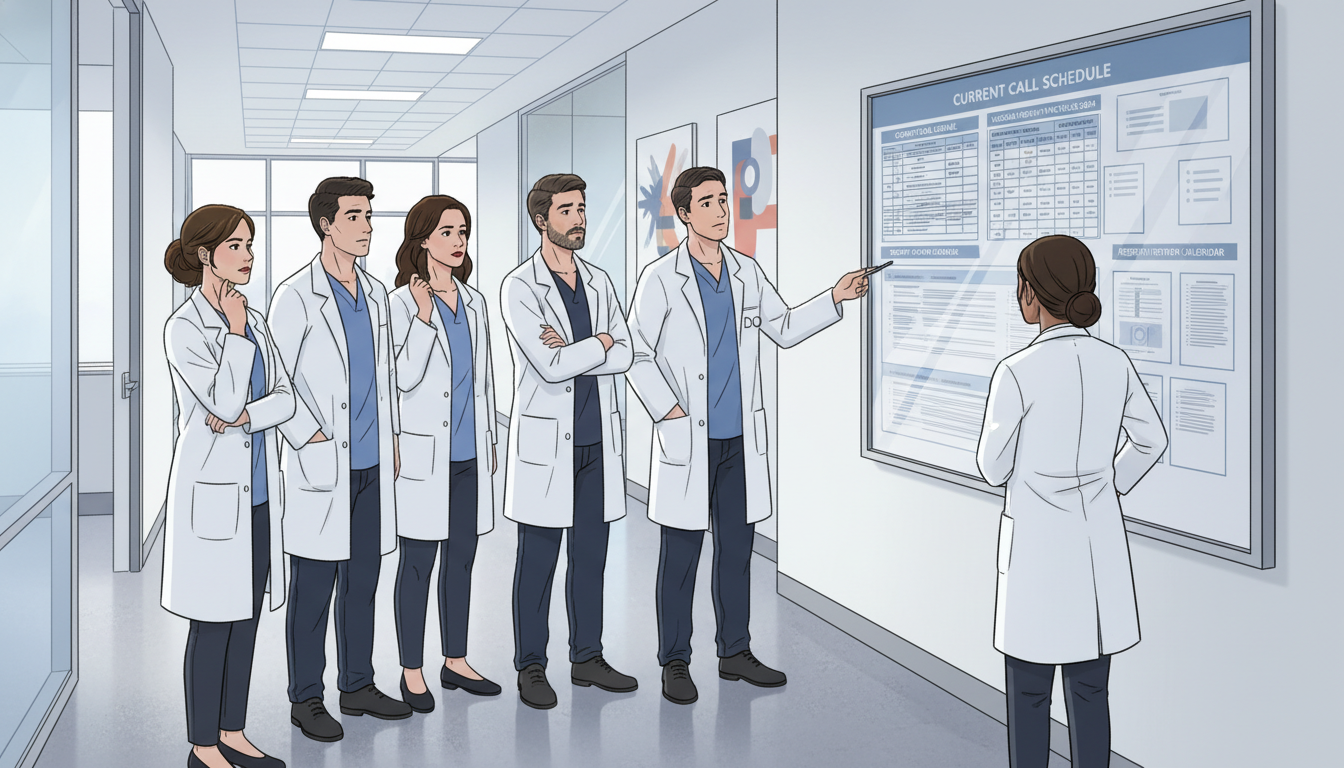
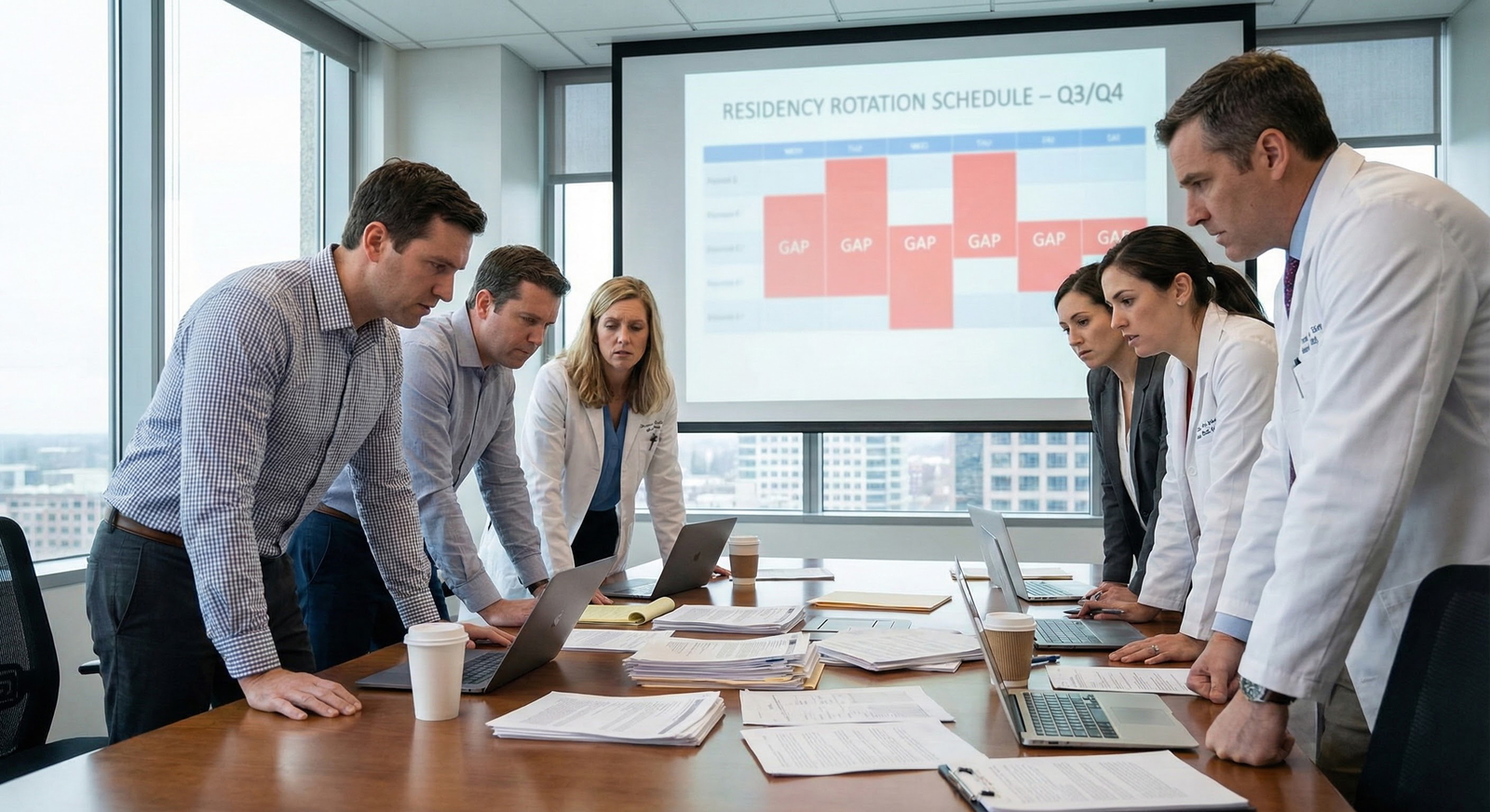
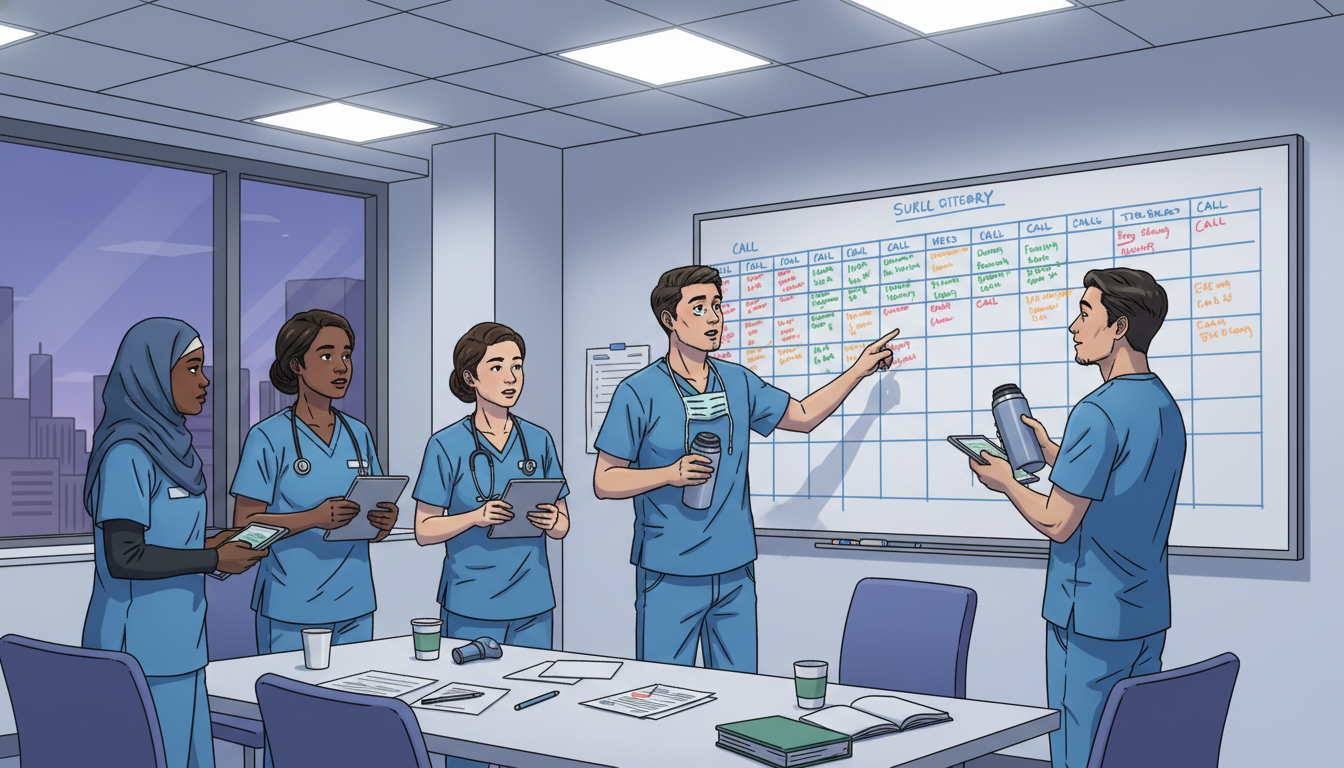
- Call schedules are stacked such that prelims are always covering the least educational, most painful roles (e.g., permanent “night float” with no rotation out).
Healthy program example:
- “Prelims are on the same call schedule as categoricals on comparable PGY level.”
- “We make sure prelims get OR days each week on certain services.”
- “Attending and senior residents are expected to teach during cases and rounds.”
Malignant program example:
- “Prelims are mainly here to help keep the service running.”
- “You’ll get cases when you can, but we can’t promise anything.”
- Prelims describe a schedule where they “live” in the ED doing consults while categorical residents are in the OR.
3. Culture of Fear, Blame, and Public Humiliation
Surgery is hierarchical and direct—but it doesn’t have to be degrading.
Red flags:
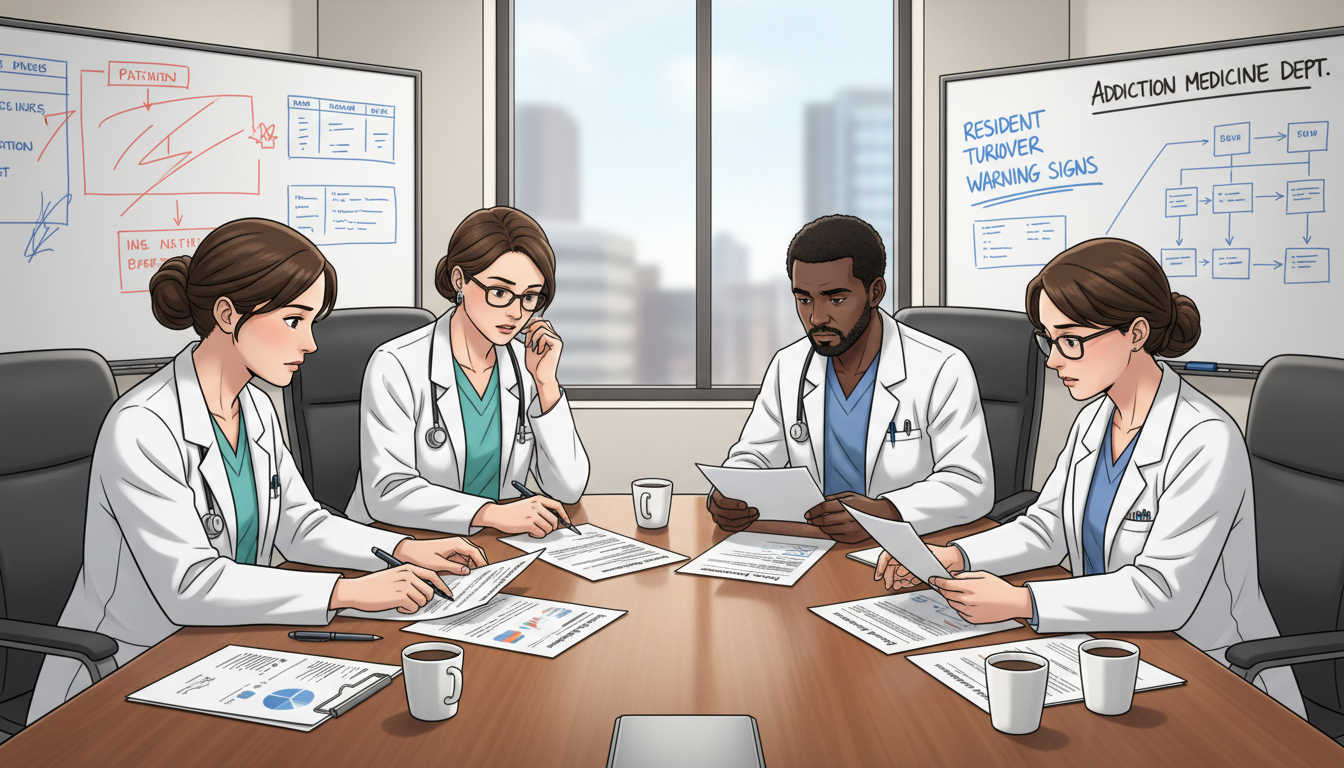
- Residents talk about particular attendings or chiefs as “unsafe,” “rage monsters,” or “career-threatening,” and leadership tolerates it.
- Prelims describe being yelled at or cursed at in the OR or in front of patients.
- There’s a clear “scapegoat” dynamic—when something goes wrong, the prelim is presumed guilty.
Particularly concerning statements from residents:
- “Just don’t ever make a mistake on X’s service.”
- “You have to fly under the radar here; that’s how you survive.”
- “We don’t really file formal complaints—it doesn’t go anywhere and just makes you a target.”
You’re looking for more than a single difficult personality; you’re looking for systemic acceptance of abusive behavior.
4. Chronic Duty Hour Violations and Pressure to Lie
In malignant programs, resident well-being is sacrificed to service, and honesty is discouraged.
Red flags:
- Residents say “We always log 80, but we are definitely here more than that.”
- Phrases like “We just put 79.9 and move on.”
- “If you log too many hours, the program gets mad, so we don’t.”
For a prelim who already has fewer protections and less leverage, this is dangerous. You risk burnout, medical errors, and serious health consequences.
Better signs:
- Residents acknowledge they are busy but can cite specific instances where:
- They logged real duty hour violations.
- The program responded with schedule changes, added support, or staffing.
If no one can recall any instance of a logged violation or responsive action, that’s concerning in itself.
How Malignancy Specifically Affects US Citizen IMG Prelims
As a US citizen IMG or American studying abroad, you may enter an application cycle already feeling like you’re “on the back foot.” Malignant programs can—and often do—exploit this.
1. Exploitation of “Desperation”
Programs know that some US citizen IMGs:
- Have fewer interviews.
- Fear going unmatched.
- May be willing to tolerate more in exchange for “any US surgical experience.”
Malignant programs sometimes:
- Market themselves heavily to IMGs and prelims as “second chances,” but offer no real mentorship.
- Use language that subtly shames or pressures (“We’re giving you an opportunity—it’s up to you not to waste it.”).
- Expect you to accept abusive behavior as part of “paying your dues.”
Your goal is to recognize when “second chance” rhetoric masks a service-heavy, education-light environment that will not improve your trajectory.
2. Poor Mentorship and Weak Letters
You will need powerful, specific letters to move from a preliminary surgery year to a categorical spot—or to another specialty (e.g., anesthesia, radiology, EM).
In malignant programs, prelims often report:
- No designated faculty mentors.
- Faculty who don’t know them well enough to write strong letters.
- Categorical residents getting priority for research projects, leadership roles, and electives.
Ask directly:
- “How are mentors assigned for prelims?”
- “Who usually writes letters for prelims trying to go into categorical surgery or other specialties?”
- “Is there a track record of US citizen IMG prelims getting strong letters from core faculty?”
Evasive answers here are a serious warning sign.
3. No Realistic Path to Staying in Surgery
As a US citizen IMG, you may hope that a stellar prelim year will allow you to:
- Convert to an in-house categorical spot.
- Match into categorical positions elsewhere using your new US experience and letters.
Malignant programs may dangle vague possibilities without data. Healthy programs will:
- Be honest if conversion is rare or impossible.
- Still provide strong support to help prelims match elsewhere.
- Share explicit examples—“Our last two US citizen IMG prelims matched categorical GS at X and anesthesia at Y.”
If all their stories are vague (“people do fine afterward”) with no specifics, assume there is no real system in place.
Investigating Programs: Before, During, and After Interviews
You can’t always tell if a program is malignant from a glossy website or 30-minute Zoom session. You need a deliberate strategy to detect residency red flags.
Before Interviews: Pre-Screening for Red Flags
Read between the lines on program websites
- Look for separate descriptions of prelim vs categorical tracks.
- Are prelims even mentioned in educational goals, or only in the context of service coverage?
- Is there any public data about where previous prelims went?
Check board pass rates and accreditation history
- Chronic ACGME citations or probation can signal a distressed culture.
- Board pass issues reflect training quality and support.
Use anonymized reputation sources with caution
- Sites like Reddit, SDN, or specialty-specific forums can reveal patterns but may be biased.
- Pay special attention to repeated comments about:
- “Prelims being crushed”
- “IMG-heavy and unsupported”
- “Prelims never go to the OR”
Ask your network
- Talk to recent grads from your medical school who did prelim years.
- Ask: “If you had to do it again, would you choose the same program?”
- Seek out US citizen IMG perspectives specifically.
During Interviews: Questions That Reveal Toxic Program Signs
Don’t waste your limited interview time on superficial questions. Focus on those that reveal culture and treatment of prelims.
Key Questions for Faculty
- “How do prelims fit into your educational mission?”
- “Can you tell me about where last year’s prelims matched or what they went on to do?”
- “What proportion of OR cases are done by prelims vs categoricals at the PGY-1 level?”
- “How are duty hour violations handled? Can you share a recent example?”
Poor answers:
- Vague “We value prelims—they help a lot with service.”
- Inability to name a single recent successful prelim outcome.
- Statements that subtly blame residents for violations (“Well, some residents aren’t efficient, so they stay late.”).
Key Questions for Residents (Especially Prelims)
If possible, request one-on-one time with a current prelim. Ask:
- “How many hours do you actually work in a typical week?”
- “Do you feel safe asking questions or admitting when you don’t know something?”
- “How often do you feel humiliated or yelled at compared to being constructively corrected?”
- “Have prelims here successfully moved into categorical surgery or other specialties? What support did they get?”
Red flag responses:
- Nervous laughter, glances before answering, or “off the record…” followed by horror stories.
- “You learn to keep your head down and not draw attention.”
- “I’m mainly here to survive the year and apply out; it’s pretty rough.”
Pay attention to nonverbal cues on virtual or in-person interviews: strained smiles, visible fatigue, flat affect when talking about support vs enthusiasm when talking about co-residents only (but not leadership).

Interpreting Offers and Ranking: Balancing Risk and Necessity
As a US citizen IMG, you may worry: “If I avoid all programs with red flags, I might not match at all.” The goal is to stratify programs, not demand perfection.
Weighing Red Flags: Which Are Deal-Breakers?
For a preliminary surgery year, the following are usually deal-breakers:
- Documented culture of abuse that leadership dismisses or minimizes.
- Prelims never or almost never get OR experience on core services.
- No track record of prelims matching into categorical surgery or other strong specialties, especially for IMGs.
- Residents are clearly afraid to speak candidly, and multiple sources describe fear-based culture.
Serious but potentially tolerable, depending on your situation:
- Heavy workload and high acuity with long (but honest) hours where prelims still get letters and OR cases.
- Limited in-house pathway to categorical surgery, but clearly supportive letters and external match help.
- Some difficult personalities, but institutional mechanisms (PD, GME) that respond when issues arise.
If you must choose between two imperfect options, prioritize:
- Programs where residents—especially prelims—still recommend the program overall, despite being honest about its flaws.
- Programs with demonstrated history of launching US citizen IMGs into better positions afterward.
Don’t Be Seduced by Branding Alone
Academic name recognition does not guarantee a healthy culture. Some highly ranked places are demanding but fair; others are quietly malignant, especially to those on the margins like prelims and IMGs.
Conversely, lesser-known community programs may:
- Offer more OR time early.
- Provide closer mentorship and stronger letters.
- Actively advocate for prelims in future match cycles.
Focus on what you will actually get in that year: operative skill, letters, mentorship, and survivable work conditions.
If You Land in a Malignant Program: Protecting Yourself
Even with thorough research, you might discover too late that your prelim surgery residency is more toxic than expected. You still have options to protect your career and health.
1. Identify Allies Early
- Find at least one relatively safe senior resident or faculty member who seems reasonable and approachable.
- Explain your goals clearly: “I’m a US citizen IMG; I’m hoping to use this year to position myself for categorical surgery (or another specialty). I’d really value your guidance.”
Even in malignant programs, there are often pockets of decency.
2. Be Strategically Excellent Where It Matters
- Prioritize rotations and attendings known for writing strong letters.
- Prepare thoroughly for OR cases with those attendings so your performance stands out.
- Document positive feedback and accomplishments (case logs, mini-CEX, emails of praise).
You don’t have to “win” every interaction in a toxic culture; you need a small number of strong advocates and tangible evidence of competence.
3. Protect Your Health and Safety
- Know your GME office, institutional ombudsperson, or wellness office; they exist for a reason.
- If you are being routinely abused, document incidents factually and contemporaneously.
- Don’t ignore signs of serious burnout, depression, or suicidal thoughts—seek care immediately.
No residency year is worth your life or long-term health.
4. Plan Your Exit Strategy Early
By late summer/early fall of your prelim year:
- Know which programs you’ll apply to (categorical GS, alternative specialties, or second prelim if truly necessary).
- Ask for letters early from the best rotations.
- Use any faculty allies to help network or make calls on your behalf.
If your current program is malignant, part of your work is to avoid repeating the same mistake next cycle—apply lessons learned when evaluating your next step.
FAQs: Malignant Programs and Preliminary Surgery for US Citizen IMGs
1. As a US citizen IMG, is a malignant prelim year better than no match at all?
Not necessarily. While any US clinical experience can help, an extremely toxic year can:
- Damage your mental health and confidence.
- Lead to mediocre or even negative evaluations and letters.
- Consume time and energy you could have used strengthening your application in other ways (research, observerships, Step 3, etc.).
A tough-but-supportive prelim year can be a powerful stepping-stone. A truly malignant one can set you back. Carefully assess how extreme the red flags are before deciding.
2. How can I tell if a program is malignant if I only have a virtual interview?
Focus intensively on resident interactions:
- Ask for time with a current prelim or junior resident without faculty present.
- Listen for how they talk about leadership response to problems, not just the problems themselves.
- Ask specific, concrete questions (duty hours last month, actual OR experience, examples of support).
Also, reach out to residents via email afterward. Some will be more candid one-on-one. Combine this with online reputation searches and any back-channel information from your school.
3. Are community prelim surgery programs safer or less malignant than academic ones for US citizen IMGs?
Neither setting is inherently safer. However:
- Community programs may sometimes offer more hands-on operative experience and individualized mentorship.
- Academic programs may have more layers of oversight (GME, university leadership) but can also be more impersonal and service-heavy.
For US citizen IMGs, the key is not academic vs community but how the program treats prelims: track record, OR exposure, and real support.
4. What are realistic signs that a prelim surgery residency will help me advance as a US citizen IMG?
Positive indicators include:
- Clear data about previous prelim outcomes, including US citizen IMGs moving into categorical surgery or strong alternative specialties.
- Prelims describing at least some meaningful OR time and ownership of patient care.
- Faculty who can name specific prelims they’ve mentored and where those residents went.
- Residents who are honest about workload but still say, “I’d recommend this program if you’re willing to work hard.”
If you see these signs and few major red flags, the program is likely demanding but not malignant—and may be a valuable step forward in your surgical career.
Choosing a preliminary surgery year as a US citizen IMG or American studying abroad is a high-stakes decision. By understanding the difference between tough-but-fair and truly malignant programs, and by learning how to identify residency red flags early, you give yourself the best chance to not only survive, but to launch the next phase of your career from a position of strength.