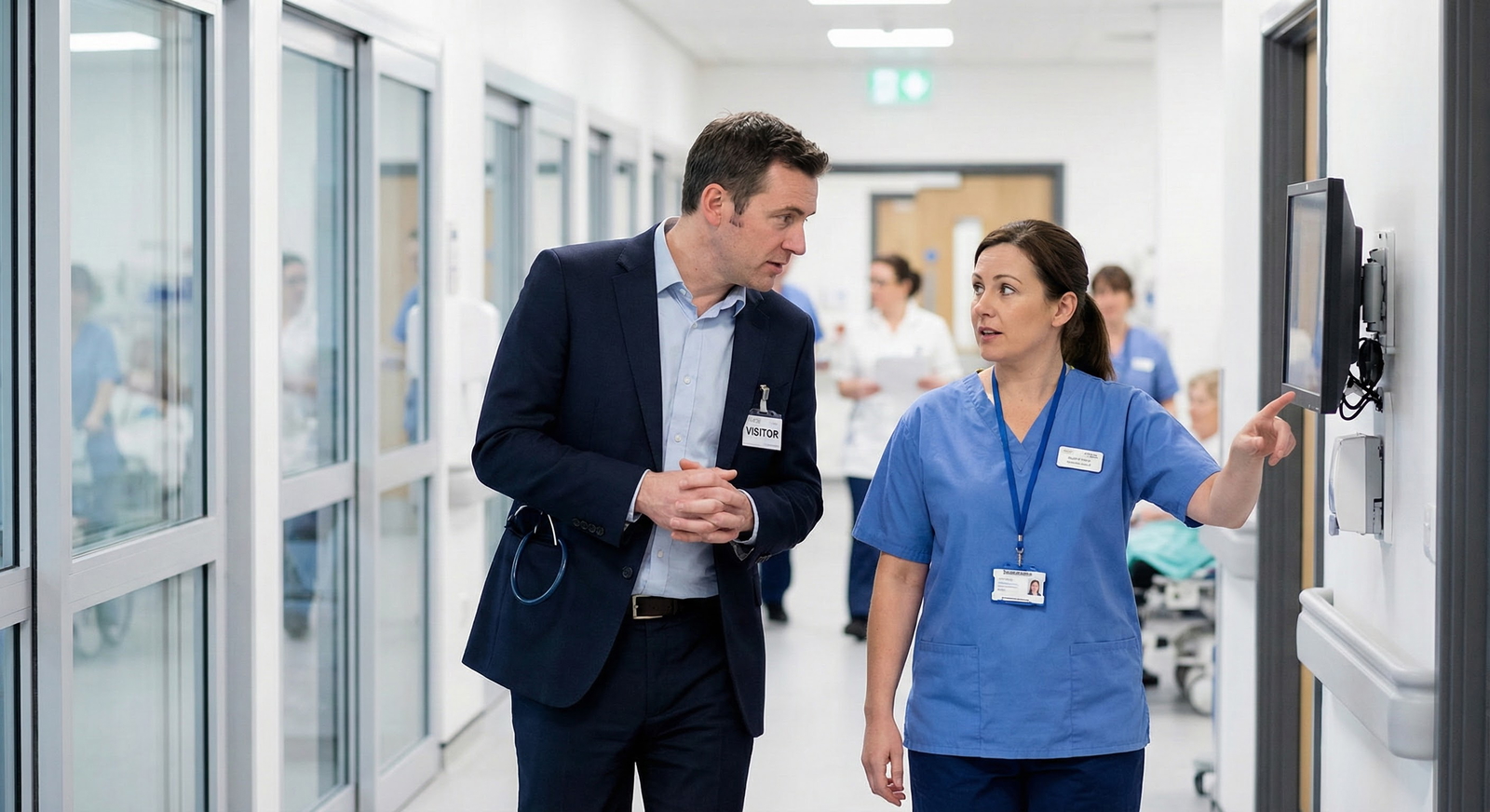
Why Malignant Programs Matter So Much for US Citizen IMGs in Preliminary Medicine
For a US citizen IMG or American studying abroad, the preliminary medicine year is often a critical stepping stone—whether your goal is neurology, anesthesiology, radiology, PM&R, or another advanced specialty. Because prelim IM spots are often seen as “just one year,” applicants sometimes underestimate how damaging a malignant residency program can be.
A toxic prelim year can:
- Sabotage your chances of matching into your advanced specialty
- Lead to burnout, depression, or even leaving medicine
- Make it harder to get strong letters of recommendation
- Create gaps or complications in your training record
On the other hand, a supportive, well-structured prelim medicine year can:
- Provide a strong clinical foundation
- Help you shine during your advanced specialty interviews
- Strengthen your CV and networking opportunities
- Make a stressful transition (IMG + new system + intern year) survivable and even rewarding
This article focuses specifically on helping a US citizen IMG identify malignant residency programs in preliminary medicine and avoid common residency red flags during the application, interview, and ranking process.
Understanding “Malignant” vs. “Tough but Fair” Programs
“Malignant” has become shorthand among residents for programs that are not just demanding, but fundamentally unhealthy, exploitative, or unsafe. It’s important to distinguish this from a “rigorous” or “high-volume” environment that still treats residents fairly.
Key Features of a Malignant Residency Program
A malignant residency program typically has several of these characteristics:
- Chronic violation of duty hours (without systems to fix it)
- Retaliation or punishment for speaking up about problems
- Bullying, shaming, or humiliation by faculty or senior residents
- Lack of supervision, especially overnight or in high-acuity settings
- Dishonesty in recruitment—what they claim vs. what actually happens
- No interest in resident well-being or mental health
- High rates of residents leaving the program or switching out
- Pressure to under-report work hours or safety events
As a US citizen IMG, you may feel less empowered to complain or push back, particularly if you’re unfamiliar with the US training culture or worried about visa-like vulnerabilities (even if you’re a citizen, PDs may perceive you as “less connected” to the system). That makes avoiding malignant environments even more crucial.
“Tough but Fair” vs. Truly Toxic
A demanding prelim IM program might:
- Have long hours, but respect 80-hour work-week rules
- Expect strong clinical performance, but provide feedback and support
- Push you to manage complex patients, but ensure you’re supervised
- Be honest about workload and not sugarcoat reality
This is “tough but fair,” and can still be an excellent training environment.
By contrast, a malignant prelim program might:
- Expect you to work 90–100 hours but report 70 on paper
- Shame you for asking questions or needing help
- Ignore your educational needs because “you’re only a prelim”
- Deny or discourage time off for Step 3, interviews, or illness
- Undermine your plans for your advanced specialty
Your goal is not to find an “easy” year—it’s to avoid programs where the culture and structure are dangerous to your well-being and long-term career.
Pre-Interview Screening: Detecting Red Flags Before You Apply or Accept
Before you even submit applications or interview, you can often detect early signs of a malignant residency program. This step matters greatly for US citizen IMGs and Americans studying abroad, who may receive a wide range of offers with varying quality.
1. Check ACGME and Program History Carefully
Look up the program on:
- ACGME public site
- FREIDA (AMA residency database)
- The program’s own webpage and PDFs
Watch for:
- Recent ACGME citations related to:
- Duty hour violations
- Inadequate supervision
- Poor educational structure
- Probation or “warning” status in recent years
- Sudden changes in program structure or leadership
Some citations are minor and get fixed quickly; others hint at deeper cultural issues. If citations relate to core safety issues (work hours, supervision, resident mistreatment), be cautious.
2. Analyze Board Pass Rates and Resident Outcomes
For a prelim IM program, look at:
- Internal medicine board pass rates for categorical residents
- Where their prelims go after the year:
- Do they match into good advanced programs (anesthesia, neuro, rads, etc.)?
- Does the website list this data clearly and proudly?
Red flags:
- No data on board pass rates or outcomes
- Prelim residents rarely match into their preferred advanced specialties
- Alumni lists that stop being updated several years ago
For a US citizen IMG especially, a prelim year that fails to support you into your advanced specialty is a serious opportunity cost.
3. Investigate Turnover, Cancellations, and Reputation
Use:
- Reddit (r/medicalschool, r/residency)
- Student Doctor Network (SDN)
- Word of mouth from recent grads or current residents
Residency red flags at this stage:
- Multiple posts describing it as a malignant residency program
- Reports of residents quitting or transferring out
- Last-minute interview cancellations with vague reasons
- Scrambling to fill positions frequently
Not all negative posts mean the program is toxic; sometimes personalities clash. But if you see a pattern across platforms, take it seriously.
4. Examine How the Program Describes Prelims
Programs that value prelims will:
- Mention preliminary medicine year or prelim IM explicitly on the website
- Share curriculum details specifically for prelims
- Highlight prelim residents in photos, profiles, and success stories
Toxic program signs:
- Website focuses almost entirely on categoricals
- Prelims are barely mentioned or not listed by name
- Language like “we also have a few prelims” as an afterthought
- No indication of how prelims are integrated into teaching, continuity clinics, or conferences
You’re not “just passing through” for a year—you’re doing real work and deserve genuine education and support.

Interview Day: Questions to Ask and Behaviors to Watch
Interviews are your best chance to identify a toxic or malignant residency program in real time. As a US citizen IMG, you might feel pressure to “just be grateful for the invite,” but you must also evaluate them.
1. Direct Questions to Detect Toxic Program Signs
Ask residents and faculty:
About workload and hours
- “How closely are duty hours monitored, and what happens if they’re violated?”
- “In a typical month on wards, how many hours are you here per week?”
- “Do you ever feel pressured to under-report your hours?”
Toxic responses:
- Laughing it off: “We don’t really track that here.”
- “We just do what it takes to get the job done; we don’t complain.”
- “If you’re complaining about hours, this place isn’t for you.”
About culture and mistreatment
- “How does the program handle concerns about bullying or unprofessional behavior?”
- “Have any residents left the program in the last few years? Why?”
Red flags:
- “We’ve had some who weren’t a good fit” with no explanation.
- Residents looking uncomfortable or evasive when discussing culture.
- PD or chief minimizing serious concerns: “Some people are just too sensitive.”
About prelim-specific issues
- “How are prelims supported in preparing for their advanced specialty?”
- “Do prelims get protected time for interviews for their advanced programs?”
- “Do prelims attend the same didactics and teaching sessions as categoricals?”
If you hear:
- “Prelims are here mainly to help with service needs.”
- “We try to accommodate interviews, but it’s tough; the service always comes first.”
- “Prelims don’t really need didactics since they’re leaving after a year.”
…this suggests you’ll be treated as disposable labor.
2. Reading Between the Lines: Resident Body Language
When talking with residents (especially without faculty around), pay attention to:
- Consistency of answers: Do different residents say the same thing?
- Facial expressions when you ask about:
- Work hours
- PD support
- Mistreatment
- Prelim roles
Warning signs:
- Long pauses, awkward glances, or nervous laughter
- “Off the record…” comments where they warn you privately
- Residents telling you, “We’re not supposed to say this, but…”
If one person complains while others strongly disagree, it may be personality-based. If multiple people independently hint at problems, believe them.
3. Signs of a Malignant Culture During the Day
Throughout your interview or virtual interview day, observe:
- How faculty speak about residents
- Do they show respect or mock residents’ mistakes?
- How staff interact with residents
- Are residents spoken to harshly at the nurses’ station?
- Tone of morning report or noon conference (if you see it)
- Is it a shame-based or blame-based teaching environment?
Toxic moments to notice:
- A faculty member publicly humiliates a resident about not knowing an obscure fact.
- Residents appear exhausted, disengaged, or fearful when faculty enter the room.
- PD brags about how “old school” and “brutal” the program is.
4. Questions Specific to US Citizen IMGs and Americans Studying Abroad
As a US citizen IMG, clarify:
- “How often do you match US citizen IMG prelims into strong advanced programs?”
- “Are there any differences in how IMGs or Americans studying abroad are treated here?”
- “How does the program support those who are adapting to the US healthcare system?”
Red flags:
- PD emphasizing “We really prefer US grads, but take a few IMGs.”
- Residents mentioning that IMGs “have to prove themselves more.”
- No examples of successful US citizen IMG alumni.
You want a place that sees your IMG background as neutral or even positive, not a liability.
Deep Program Red Flags: Systemic Issues, Not Just Annoyances
Some inconveniences are universal in residency: late discharges, occasional schedule mix-ups, or tough attendings. Real malignant residency program traits, however, are systemic and persistent.
1. Chronic Duty Hour Violations and Service Overload
ACGME rules cap resident hours at 80 per week averaged over four weeks. A prelim IM year is intense, but it must still comply.
Red flags:
- Inpatient rotations consistently 90+ hours
- Program discourages recording actual hours
- “Prelims get the worst calls because they’re only here a year”
- Residents describe chronic short-staffing with no plan to improve
This is not just uncomfortable; it’s unsafe for you and your patients.
2. Inadequate Supervision and Unsafe Clinical Expectations
Ask specifically:
- “Who is physically in-house overnight—senior residents? Attendings?”
- “Are prelims ever left alone in the ICU or stepdown units?”
Malignant environments:
- Prelims covering large numbers of high-acuity patients without real backup
- Senior residents or attendings unresponsive, unreachable, or indifferent
- Culture of “figure it out yourself or don’t bother us”
As an IMG—especially early in the transition to the US system—lack of supervision can be both terrifying and career-threatening.
3. Lack of Educational Structure for Prelims
For your preliminary medicine year, you should receive:
- Access to core IM didactics
- Inclusion in morning reports and conferences
- Opportunities for teaching, presentations, or QIs
Major residency red flags:
- Prelims frequently pulled from conference for floor tasks
- No dedicated mechanism for feedback or mentorship
- PD or chief saying things like “Education is mostly self-directed here; we’re very busy.”
4. Bullying, Retaliation, and Fear of Speaking Up
Ask residents:
- “Have you ever felt comfortable going to the PD with concerns?”
- “What happens when someone pushes back against something unsafe?”
Toxic signs:
- Stories of residents being punished for complaining:
- Worse rotations assigned
- Lower evaluations
- Letters of recommendation withheld
- Residents visibly afraid to talk openly about problems
A healthy program may have problems—but residents can talk about them, and leadership works to fix them.
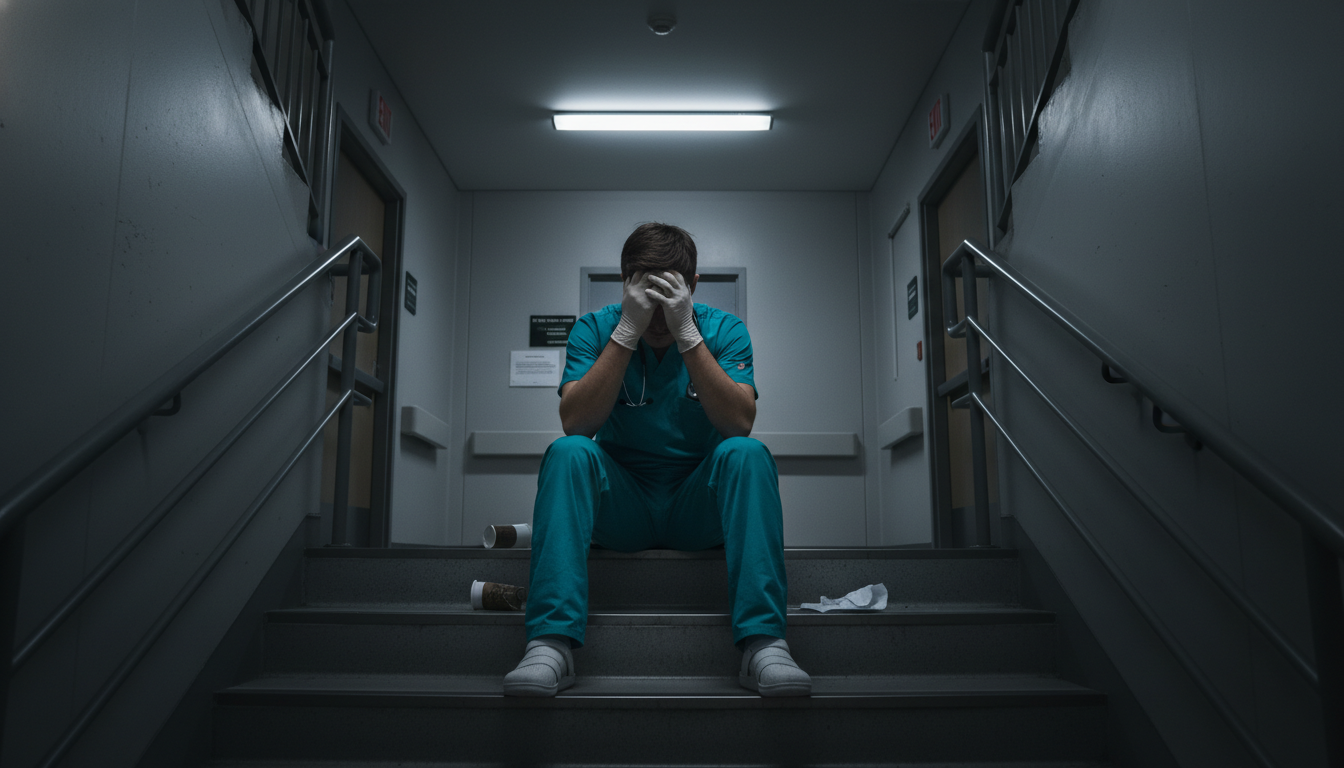
How to Weigh and Act on These Red Flags as a US Citizen IMG
Once you’ve gathered information, you must decide how to apply it to your rank list and career plans.
1. Prioritizing Safety and Support Over Prestige
For a one-year preliminary medicine year, the culture of the program often matters more than its name recognition. A less famous but supportive prelim IM program is usually better than a big-name hospital known to be malignant, especially if:
- You need strong letters for a competitive advanced specialty
- You’re adapting to a new healthcare system
- You value mental health and long-term career durability
2. Differentiating “Dealbreakers” vs. “Manageable Flaws”
Dealbreaking residency red flags:
- Systemic duty hour violations with no plan to fix them
- Unsafe supervision or expectations, especially overnight
- Culture of bullying or retaliation
- Prelims consistently treated as expendable labor
- Pattern of residents transferring out or failing to complete the year
Manageable issues (if other aspects are strong):
- Some demanding rotations balanced by lighter ones
- Older EMR systems that are clunky but functional
- A few difficult attendings within an otherwise supportive culture
- Less-than-ideal housing or location if education is solid
3. Don’t Ignore Your Gut
Your instincts during interviews often pick up subtle cues:
- Did you leave the day feeling anxious or relieved?
- Did you connect with any residents who seemed genuinely happy?
- Did your questions feel welcomed—or brushed aside?
As a US citizen IMG, you already navigated a non-traditional path. You know how to read situations where you are or are not truly welcome. Trust that skill.
4. Practical Strategies for Ranking and Backups
To balance risk and opportunity:
- Create tiers of programs:
- Green: No major red flags, culture seems supportive
- Yellow: Some concerns, but might be acceptable
- Red: Clear toxicity or risk—avoid if possible
- Rank all green programs above yellow, and only include red if you truly have no other options.
- Discuss your list with:
- Mentors in your intended advanced specialty
- Alumni from your med school who matched prelim IM
- Trusted residents in your network
Even if you feel pressure to fill your rank list as a US citizen IMG, it is sometimes better to re-strategize and reapply than to commit to a program known to be malignant.
Final Thoughts: Protect Your One-Year Bridge
Your preliminary medicine year should be a bridge, not a barrier, to your dream specialty. While no program is perfect, a malignant residency program can derail your career and your health. Paying close attention to toxic program signs, especially in how they treat prelims and IMGs, is essential.
As you evaluate prelim IM options:
- Research deeply before interviews
- Ask direct, specific questions
- Listen carefully to what residents say—and what they don’t
- Prioritize safety, supervision, and culture over prestige
For US citizen IMGs and Americans studying abroad, your path is already more complex than average. Choosing a healthy prelim environment is one of the most powerful ways to set yourself up for long-term success in the US training system.
FAQ: Malignant Programs and Preliminary Medicine for US Citizen IMGs
1. Are preliminary medicine programs more likely to be malignant than categorical programs?
Not inherently, but prelim IM residents are sometimes seen as “stopgaps” to cover service needs. This can make some programs more likely to neglect prelim education or overload them with calls. Always ask how prelims are integrated into teaching, how their schedules compare to categoricals, and how the program supports them in securing advanced positions.
2. As a US citizen IMG, should I avoid all community hospital prelim programs?
No. Many community hospital prelim IM programs are excellent—supportive, hands-on, and highly invested in their residents. Malignancy is about culture and structure, not whether a program is academic or community. Evaluate each program individually using the residency red flags discussed: duty hours, supervision, bullying, honesty, and prelim outcomes.
3. How can I verify if online complaints about a program are accurate?
Use multiple data points:
- Check ACGME and FREIDA for objective data (citations, size, structure)
- Ask targeted questions on interview day
- Talk privately with current residents or recent alumni if possible
If online criticism matches what you see and hear from multiple independent sources, treat it as credible. One angry post alone is not enough, but consistent patterns are worrisome.
4. What if my only interview offers are from programs with some red flags?
You may still decide to rank them, but:
- Rank the “least problematic” program highest
- Prioritize safety—avoid places with clearly unsafe supervision or deeply toxic cultures
- Plan extra supports (mentors, mental health care, family/friend check-ins) if you match there
- Consider reapplying in the future if the program turns out to be unmanageable
Even in a tough match environment, your physical and psychological safety are not negotiable.