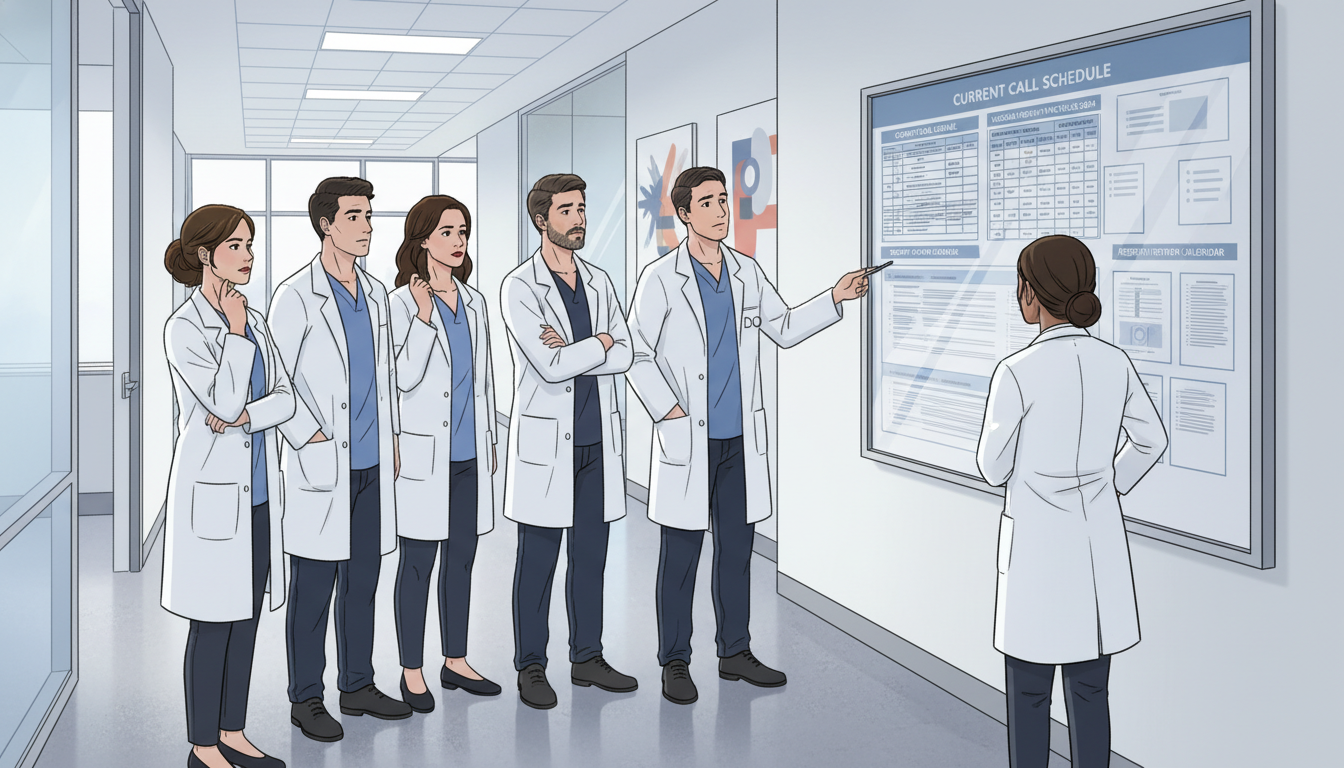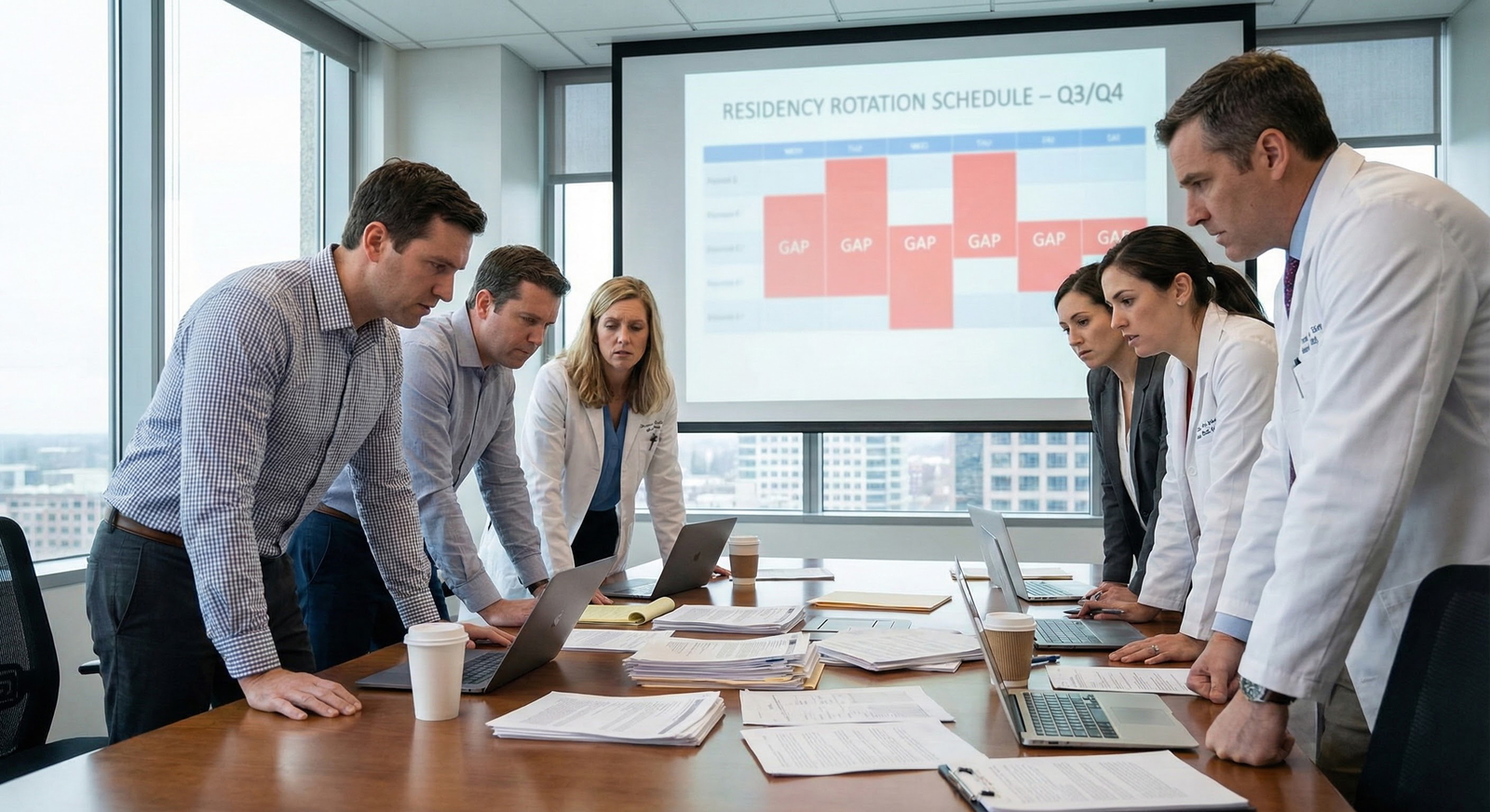
Selecting an addiction medicine fellowship is one of the most consequential decisions you will make in your early career. The right program will launch you into a sustainable, meaningful practice. The wrong one—particularly a malignant residency program or toxic fellowship—can erode your confidence, compromise your education, and even put patient safety at risk.
This guide walks you through how to identify malignant programs in addiction medicine, recognize residency red flags, and evaluate substance abuse training environments with a clear, structured approach.
Understanding “Malignant” in Addiction Medicine Training
The term “malignant residency program” is colloquial but widely understood among trainees. It does not mean the program is “bad” in every respect or that the faculty are uncaring. Instead, “malignant” commonly refers to a pattern of systemic problems that harm learners, staff, and sometimes patients.
In addiction medicine, malignancy can be more insidious because the specialty is:
- Newer and still evolving
- Often built on top of other primary specialties (e.g., internal medicine, psychiatry, family medicine)
- Heavily dependent on community partners, rehab facilities, and interdisciplinary teams
- Embedded in a field where stigma, burnout, and high emotional load are already common
Core Features of Malignant Training Programs
Across specialties, malignant programs share some recurrent traits:
Chronic disregard for trainee well-being
Examples: Routine violation of duty hours, no backup when the service is unsafe, retaliatory responses to sick days or mental health needs.Educational mission sacrificed to service
Fellows function almost exclusively as workhorses, with little protected learning time, minimal supervision, or thoughtful curriculum.Culture of fear, shame, or harassment
You see bullying, humiliation on rounds, racist or stigmatizing comments, or a pattern of retaliation when concerns are raised.Lack of transparency and accountability
Program leadership hides data, avoids questions about outcomes or attrition, or dismisses concerns as “a bad cohort” rather than addressing system issues.
In addiction medicine specifically, malignancy often intersects with how vulnerable patients are treated and how stigma is handled—both toward patients and toward trainees.
Unique Risk Factors in Addiction Medicine Fellowships
While many toxic program signs are shared with other specialties, addiction medicine fellowship training carries unique vulnerabilities that can either be handled well or become clear residency red flags.
1. Stigma Toward Patients with Substance Use Disorders
Addiction medicine exists to counter stigma, yet some programs still harbor problematic attitudes.
Warning signs:
- Faculty or residents in other departments use stigmatizing language (“addicts,” “drug seekers,” “frequent flyers”) without correction.
- Overemphasis on “compliance” and “bad behavior” rather than chronic disease management.
- Limited use of evidence-based treatments (e.g., buprenorphine, methadone, extended-release naltrexone) due to “philosophical objections” rather than evidence.
A healthy program will:
- Model person-first language consistently.
- Teach trauma-informed, harm-reduction–oriented care.
- Normalize addiction as a chronic medical condition.
2. Exploitative Use of Fellows in High-Risk Settings
Addiction medicine fellows often rotate through:
- Inpatient consult services
- Detox units
- Residential rehab facilities
- Community treatment centers and methadone clinics
- Emergency departments and liaison services
Red flags:
- Fellows are expected to cover multiple high-acuity sites without sufficient supervision.
- You are the default prescriber of controlled substances (e.g., benzodiazepines, high-dose opioids) without attending oversight.
- On-call expectations are unclear, and fellows are informally pressured into “off-the-books” coverage.
This is particularly dangerous when fellows are asked to function beyond their level of training or outside their primary specialty scope (e.g., an internal medicine-trained addiction fellow forced to manage complex psychiatric crises without psychiatric backup).
3. Unclear Role Boundaries with Other Trainees
Because addiction medicine is a subspecialty often attached to psychiatry, internal medicine, or family medicine, role confusion is common.
Toxic program signs:
- Fellows serve primarily as extra coverage for psychiatry or medicine services, with little distinct addiction medicine curriculum.
- Fellows routinely do tasks that could be done by more junior trainees (e.g., cross-covering general medicine patients overnight) just to fill staffing gaps.
- There is tension with other departments, and fellows regularly get “dumped on” with difficult patients no one wants to manage.
A well-run program clearly defines:
- The fellow’s scope and responsibilities
- How the addiction consult service interfaces with other teams
- Which tasks are primarily educational versus service-driven

Concrete Red Flags When Evaluating an Addiction Medicine Fellowship
When you talk to current fellows, review websites, and attend interviews, pay attention to these residency red flags. Individually, they may be minor. In combination, they can point clearly toward a malignant program.
1. Fellow Burnout, Turnover, and Attrition
Questions to ask:
- “How many fellows have left the program early in the past 5 years?”
- “Has any fellow taken a leave of absence? How was that handled?”
- “What is your recent board pass rate for addiction medicine?”
Red flags:
- Multiple fellows have left early, and explanations are vague (“not a good fit”) or inconsistent.
- Current fellows warn you “off the record” about overwork, hostility, or lack of support.
- The program dodges questions about board pass rates or alumni career outcomes.
Look carefully at nonverbal cues: hesitation, shared looks, or joking comments about “surviving” the year can signal deeper issues even if they’re not explicitly stated.
2. Disregard for Duty Hours and Workload
Even though addiction medicine fellowships may not fall under classic ACGME duty hour rules if they are non-ACGME, ethical training programs still follow safe workload practices.
Ask:
- “How many hours per week do fellows typically work on service and on call?”
- “What is a typical day like on the consult service? In the community clinic?”
- “How is coverage handled when someone is sick or on vacation?”
Red flags:
- Fellows consistently work >80 hours/week, or there is an unspoken expectation to stay late daily.
- No formal backup system exists; when someone is out, others are simply expected to absorb the work.
- Nights and weekends are frequent and poorly defined (“We just figure it out.”).
In addiction medicine, emotional load can be high—even if hour counts are “reasonable.” If the program ignores this reality and frames any struggle as personal weakness, be cautious.
3. Poor Supervision and Unsafe Clinical Expectations
Adequate supervision is critical when dealing with withdrawal management, overdose risk, and complex psych comorbidities.
Ask:
- “Are attendings onsite when you’re at external sites (detox centers, rehab facilities)?”
- “How quickly can you reach an attending overnight or on weekends?”
- “Who is legally responsible for methadone, buprenorphine, or benzodiazepine prescriptions?”
Red flags:
- Fellows are the de facto attending at certain sites.
- Prescriptions are regularly written under a fellow’s DEA number without meaningful oversight.
- Fellows report feeling uncomfortable or unsafe with clinical expectations, particularly in crisis situations (e.g., violent patients, active withdrawal, suicidal ideation) without adequate backup.
Unsafe supervision in addiction medicine can directly endanger both patients and trainees.
4. Unstructured or Minimal Substance Abuse Training
You are applying for an addiction medicine fellowship, not a generic “extra year” doing what you already do.
Look for:
- A clear curriculum in addiction pharmacotherapy (MOUD, AUD pharmacology, off-label treatments)
- Exposure to diverse treatment settings (hospital, community, residential, telehealth)
- Formal teaching on motivational interviewing, CBT-based approaches, and integrated care models
Red flags:
- Program cannot provide a detailed schedule or curriculum.
- Teaching is “ad hoc” and attendance at didactics is undermined by constant service needs.
- No standardized training in core areas like methadone clinic operations, harm reduction, or pain–addiction interface.
If the program leans heavily on you “learning by doing” without structured teaching, it may be prioritizing service over education.
5. Culture of Blame, Shaming, or Harassment
Pay attention to how people talk about:
- “Difficult” patients
- Fellows who struggled
- Prior conflicts or grievances
Red flags:
- Stories about public humiliation on rounds or in conferences.
- Dismissive attitudes toward mental health (“Burnout isn’t real,” “We all survived it.”).
- Racist, sexist, homophobic, or stigmatizing comments that go unchallenged.
This is especially concerning in addiction medicine, where empathy, nonjudgment, and cultural humility are core competencies. A program that uses shame with its own trainees is more likely to replicate those dynamics with patients.
6. Lack of Transparency and Defensive Leadership
Program leadership’s response to difficult questions often reveals more than the content of their answers.
Ask about:
- Past citations from the ACGME or accrediting bodies
- Responses to trainee feedback
- Any recent major changes in the program
Red flags:
- Leadership becomes defensive, changes the subject, or blames “disgruntled former fellows.”
- There is no formal process for anonymous feedback or program evaluation.
- Fellows say, “We’ve tried to bring this up, but nothing changes.”
A high-quality program may have had problems in the past—but they will own them and show you how they improved.

How to Systematically Evaluate Programs During Interview Season
To identify malignant programs in addiction medicine, you need a deliberate strategy—not just a “gut feeling.”
Step 1: Pre-interview Research
Before interviews, gather data:
Program website and curriculum
Look for structured didactics, rotation outlines, and clear goals around substance abuse training.Fellowship reviews and word of mouth
Talk to:- Alumni from your home institution who matched there
- Residents in psychiatry, internal medicine, or family medicine who rotated with their addiction service
- Attendings who know the program’s reputation
Conference presence and scholarship
Does the program present at addiction-focused meetings (ASAM, AAAP, etc.)?
While not mandatory, academic engagement often correlates with educational culture and mentorship.
Make a short list of concerns or questions to address during the interview.
Step 2: Targeted Questions for Current Fellows
When you meet current fellows (especially without faculty present), focus on specifics. Some high-yield questions:
Workload and Support
- “What are your busiest rotations, and what makes them hard?”
- “When you’re overwhelmed, who actually steps in to help?”
- “Have you ever felt unsafe—clinically, physically, or emotionally—here?”
Educational Quality
- “Can you walk me through your weekly didactic schedule?”
- “How often does service pull you out of teaching?”
- “Do you feel more like a learner or primarily as workforce?”
Program Culture
- “If you had to rank supportiveness from attendings on a 1–10 scale, where would you put it and why?”
- “What surprised you most after starting here—good or bad?”
- “Would you choose this program again?”
Listen for patterns: a single complaint might be personality-based; consistent themes across multiple fellows are more meaningful.
Step 3: Probing Program Leadership (Tactfully)
Program directors and faculty will present the best version of their fellowship, but you can still ask questions that uncover depth.
Consider:
- “What changes have you made in the last 3 years based on fellow feedback?”
- “How do you monitor workload and burnout, and what changes have you made as a result?”
- “Can you describe how you handle a fellow who is struggling clinically or personally?”
Strong programs will:
- Give specific examples (e.g., “We reduced weekend call from Q3 to Q6 after fellows raised concerns.”).
- Show a nonpunitive, supportive approach to remediation.
- Acknowledge complexity and ongoing work to improve.
Step 4: Observing the Environment on Interview Day
Even in virtual formats, you can watch for subtle signals:
- Are attendings respectful to staff in front of you?
- Do fellows and faculty seem comfortable speaking around each other, or tense and guarded?
- Are patients discussed using respectful, non-stigmatizing language?
- Does the program try too hard to minimize any concern you raise (“No program is perfect, but we’re basically flawless.”)?
Take notes immediately after each interview; impressions blur quickly, and malignant patterns may only emerge when you compare programs side by side.
Balancing Red Flags with Your Own Priorities
No addiction medicine fellowship is perfect. You will encounter some residency red flags nearly everywhere. The goal is to determine whether issues are:
- Isolated vs. pervasive
- Recognized vs. denied
- Improving vs. entrenched
Distinguish “Hard” from “Toxic”
Addiction medicine is emotionally demanding. You will:
- Sit with relapse and overdose grief.
- Navigate systems that underserve your patients.
- Face your own biases, frustration, or fatigue.
Those experiences are hard but not inherently malignant.
Examples of “hard but healthy”:
- A busy consult service with strong supervision and debriefing.
- High expectations for professionalism paired with consistent mentorship.
- Honest feedback framed constructively, with actionable growth plans.
Examples of “toxic”:
- Chronic understaffing with no effort to fix it.
- Shame-based teaching; being told you’re “too sensitive” when you raise valid concerns.
- Normalizing burnout as a badge of honor.
Weighing Trade-offs
You may be deciding between:
- A prestigious but intense academic program with moderate red flags.
- A smaller community-based program with fewer resources but a healthier culture.
In addiction medicine, culture often matters more than prestige for long-term career satisfaction. A supportive environment can:
- Protect against secondary trauma and burnout.
- Encourage you to pursue the aspects of addiction medicine you love (research, public health, clinical care, policy).
- Give you mentors who remain allies throughout your career.
Always ask:
“Will this program grow my skills and humanity, or grind them down?”
Action Plan if You Suspect a Program Is Malignant
If, during application or after matching, you suspect you’re dealing with a malignant residency program or a toxic fellowship, there are concrete steps you can take.
Before You Rank
Talk to trusted mentors
Share your observations and ask for candid opinions. They may know backstory you don’t.Reach out to former fellows (if possible)
Ask what prompted them to leave (if they did) and whether they would recommend the program.Consider “deal-breaker” vs. “manageable” issues
Ask yourself:- Can I learn what I need to learn here?
- Can I stay safe—emotionally and physically?
- Is there meaningful support if things go wrong?
If core answers are “no,” consider ranking the program low or not at all, even if it seems prestigious.
If You Match into a Program with Problems
Sometimes you only see the full reality after you start. If you realize your addiction medicine fellowship has malignant qualities:
Document concerns
Keep a contemporaneous record of:- Excessive hours
- Unsafe supervision
- Harassment or discrimination
- Retaliation or threats
Use institutional support structures
- GME office or equivalent
- Ombudsperson
- Office of diversity, equity, and inclusion
- Employee assistance or mental health services
Seek external mentorship
Professional organizations like ASAM, AAAP, or your primary specialty society may help connect you to mentors who can:- Advocate for you
- Help you navigate remediation or transfer
- Support you if you consider reporting to accrediting bodies
Know that leaving is sometimes the healthiest choice
Exiting a malignant program is not a personal failure. Many physicians have successfully switched programs or re-applied, and their careers recovered and flourished.
Frequently Asked Questions
1. Are malignant addiction medicine programs common?
Overtly malignant programs are less common than moderately dysfunctional ones, but they do exist. Because addiction medicine is a smaller and relatively newer field, problematic dynamics may be less visible publicly, especially in non-ACGME fellowships. Use your interviews and networking to uncover the true culture.
2. How much weight should I give to one negative comment from a current fellow?
A single negative comment should prompt curiosity, not panic. Look for patterns:
- Do multiple fellows echo similar concerns?
- Does the program acknowledge and address the issue?
- Is the criticism about something that matters deeply to you (e.g., supervision, safety, culture)?
Consider the context and your own priorities; one person’s deal-breaker might be manageable for you—or vice versa.
3. Can a program that used to be malignant improve?
Yes. Programs can and do change, especially after:
- Leadership transitions
- ACGME citations or institutional reviews
- Strong advocacy from fellows and supportive faculty
When a program openly discusses past problems and shows clear, concrete changes (restructured rotations, added support, better supervision), that transparency is a good sign. Stay alert, but don’t automatically dismiss a program with an imperfect history.
4. What if my home institution has a malignant culture—should I still rank its fellowship?
Staying at a malignant environment often amplifies existing stress and burnout. Ask:
- Is the fellowship leadership meaningfully different from your residency leadership?
- Do fellows describe a different culture from the residency program?
- Are there other reasonable options where you’d be better supported?
If your home addiction medicine fellowship is clearly a toxic program and alternatives exist, it’s usually healthier to train elsewhere and gain a fresh start.
Identifying malignant programs in addiction medicine requires a blend of data gathering, careful listening, and honest self-assessment. By recognizing residency red flags, understanding the unique vulnerabilities of substance abuse training, and prioritizing supportive culture over prestige, you can choose a fellowship that strengthens your skills and preserves your well-being—so you can do the same for your patients.