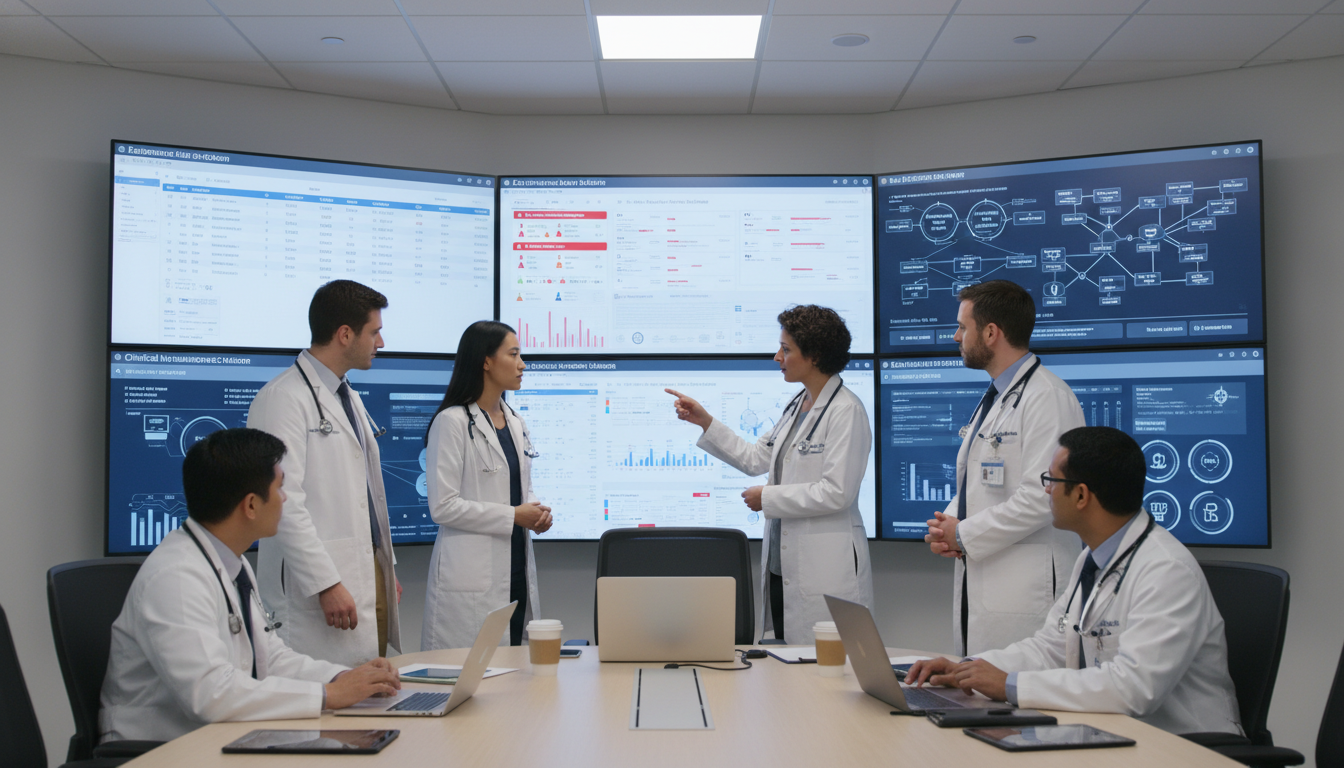
Clinical informatics is a relatively new subspecialty, and its training pathways are still maturing. That makes it both exciting and risky for applicants: programs can range from visionary and well-structured to disorganized, exploitative, or outright malignant. For residents and physicians seeking a clinical informatics fellowship, recognizing residency red flags and toxic program signs is critical before you commit two years of your career.
This guide focuses on how to identify a malignant residency program–style environment within clinical informatics fellowships specifically. It blends classic residency red flags with issues unique to health IT training, EHR work, and hospital IT culture.
Understanding “Malignant” in the Context of Clinical Informatics
“Malignant residency program” is a term many trainees know: a program that is systematically harmful to residents’ well-being, professional growth, or future careers. While clinical informatics is a fellowship rather than core residency, the same concept applies.
In clinical informatics, a malignant program typically has:
- Chronic disregard for fellow well-being
- Unrealistic work expectations (especially service vs. education imbalance)
- Lack of structure in health IT training
- Poor transparency about roles, expectations, and outcomes
- A pattern of mistreatment, bullying, or retaliation
- Severe mismatch between what is advertised and what is delivered
Because clinical informatics sits at the intersection of clinical care, IT, and administration, malignant behavior can emerge from any of these cultures—or from the friction between them. You might encounter:
- A “shadow IT workforce” model, where fellows are cheap labor for EHR builds and tickets
- A political minefield, where informatics is used as a tool in turf wars between departments
- An “innovation theater” program, heavy on buzzwords and slides, light on real training
- A toxic work-life expectation, where 24/7 availability for go-lives and downtime events is normalized without regard for fellow wellness or education
Understanding these patterns makes it easier to interpret toxic program signs you see during interviews, site visits, and informal conversations.
Core Red Flags: Universal Signs of a Toxic Program
Many residency red flags apply equally to any clinical informatics fellowship. When you evaluate programs, look systematically at the following domains.
1. Culture Around Respect, Safety, and Communication
The most important differentiator between a solid vs. malignant program is culture.
Red flags to watch for:
Dismissive attitude toward prior trainees
- Faculty or leadership mock former fellows (“Some people just couldn’t hack it,” “We weed out the weak”).
- High turnover in fellows or coordinators is brushed off as “normal.”
Hostility or bullying normalized
- You hear about public shaming in meetings or emails.
- Jokes about “thick skin” or “this is just how informatics is.”
Defensiveness when you ask critical questions
- Reasonable questions about workload, call, or conflicts with IT are met with irritation.
- Leadership blames “a few difficult fellows” rather than addressing systemic issues.
Lack of psychological safety
- Current fellows seem afraid to speak freely.
- Conversations feel carefully scripted; they won’t comment on challenges without faculty present.
If a program cannot discuss its problems and how it’s working to improve, you should assume those problems are worse than they admit.
2. Transparency About Workload, Call, and Expectations
In any training program, opacity is a major hazard.
Toxic signs:
Vague or evasive answers about weekly hours or after-hours expectations
- “It varies” is the only answer, with no range, averages, or examples.
- You get different answers from different people.
No defined cap on work hours or responsibilities
- “You stay until the work is done” is the default.
- No acknowledgment of ACGME duty-hour principles, even if not enforced in the same way as residency.
Unclear delineation between fellow vs. staff duties
- You can’t tell what a fellow does that’s educational vs. what full-time analysts or physicians do.
- Fellows talk about doing “whatever they ask” without clear learning objectives.
Retaliation or subtle punishment for raising workload issues
- Stories or hints that previous fellows who complained were “not a good fit” or “too negative.”
You don’t need perfect predictability—informatics can be project-based and cyclical—but you do need honest baselines and boundaries.
3. Educational Structure vs. Pure Service
A fundamental red flag in any malignant residency program is excessive service with inadequate education.
For a clinical informatics fellowship, ask:
- Is there a formal curriculum (seminars, didactics, journal clubs, case-based discussions)?
- Is there a documented set of competencies aligned with ACGME and board expectations?
- Is there protected time for:
- Coursework (especially if there’s an associated master’s degree)
- Research or quality improvement projects
- Certification/studying for the board exam
Warning signs:
- Didactics exist “on paper” but are frequently canceled for operational demands.
- Fellows are routinely pulled from educational activities to:
- Cover go-lives
- Test builds
- “Just help with production issues today”
- No one can clearly describe how progression from novice → independent informatician is assessed.
A good clinical informatics fellowship is not just a job in health IT; it is health IT training with structured mentorship and graduated responsibility.
4. Outcomes and Alumni Trajectories
Where graduates go tells you whether a program delivers on its promises.
Healthy indicators:
- Alumni in diverse roles: CMIO, CNIO, CDIO, data science leadership, vendor roles, or academic positions
- Alumni who stay engaged: guest lectures, mentorship, ongoing collaboration
Red flags:
- Leadership dodges questions about alumni job placement (“People just find their way”).
- Alumni overwhelmingly leave informatics altogether.
- No alumni willing to talk to you privately.
- Alumni feedback (if you track them down yourself) mentions:
- Misalignment between advertised vs. actual training
- Lack of marketable skills at graduation
- Hostile or non-supportive letters of recommendation
In a young specialty like clinical informatics, not every alumni path will be smooth—but if multiple alumni independently warn you off, listen.
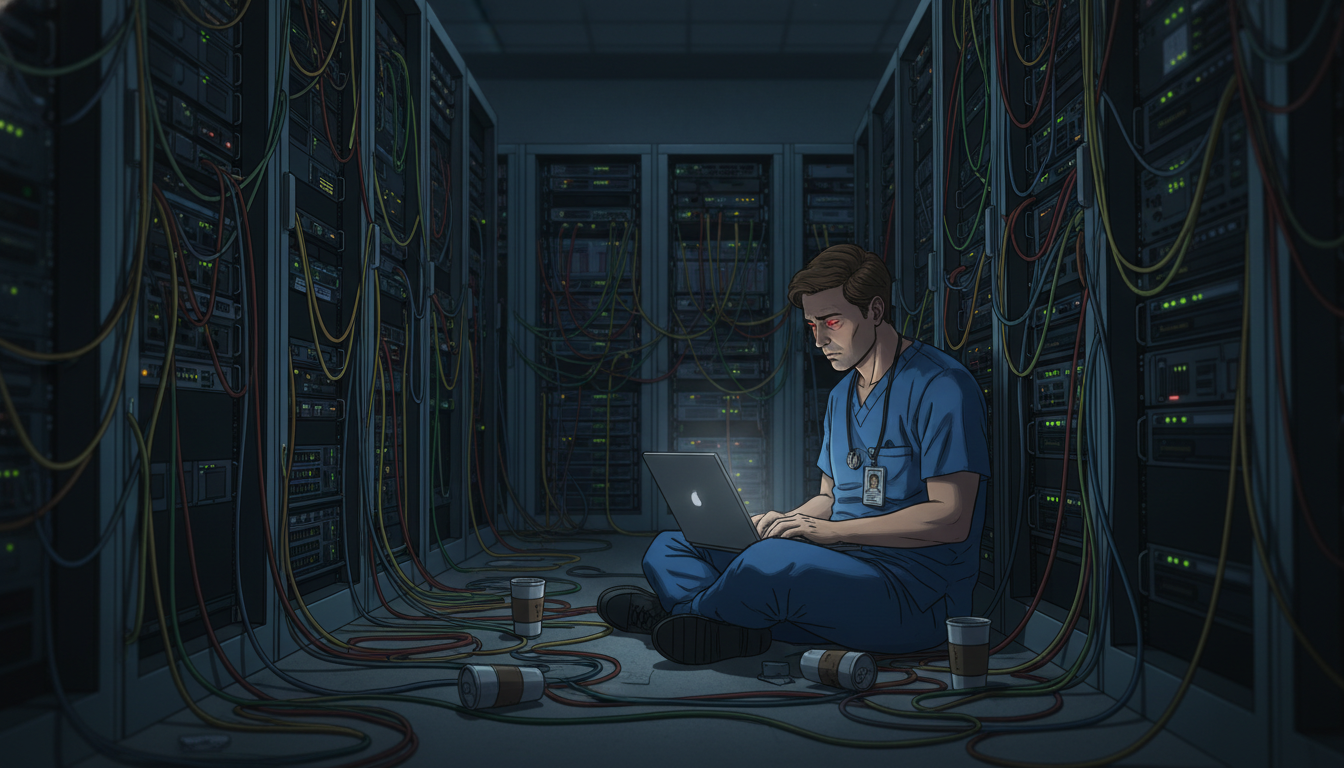
Informatics-Specific Red Flags: When Health IT Training Becomes Exploitation
Beyond the universal toxic program signs, clinical informatics has unique pressure points. You’re operating at the interface of clinicians, IT, vendors, and administration—each with different incentives. Malignant programs often exploit fellows in ways that look “normal” to outsiders.
1. Fellows as Cheap IT Labor
Some institutions see a clinical informatics fellowship as a way to get clinically savvy workers at resident-level salaries to do tasks a full-time analyst or physician informaticist would otherwise handle.
Concrete signs:
Your primary responsibilities are:
- Entering tickets in the IT system
- Doing routine build work (order sets, preference lists, templates) with little oversight or context
- Acting as first-line support for clinicians’ EHR complaints
Faculty emphasize “getting things done for IT” far more than:
- Understanding informatics theory
- Learning project management, governance, or evaluation methods
- Developing and evaluating decision support
You rarely attend:
- Strategic meetings (e.g., EHR governance, enterprise analytics steering groups)
- Quality or patient safety committees
- Vendor roadmap or contract discussions
Doing some operational work is valuable; it teaches realities of implementation and change management. The red flag is when that’s all you do, with no intentional educational scaffolding.
Ask during interviews:
- “What percentage of a typical week is direct ‘ticket’ or build work vs. project work, vs. coursework and didactics?”
- “Can you walk me through a specific project a current fellow is leading from start to finish?”
If they can’t answer with details, be cautious.
2. No Real Role in Governance and Decision-Making
Clinical informatics is fundamentally about socio-technical systems and governance. If you’re never in the room where decisions are made, your training is stunted.
Red flags:
Fellows are never invited to:
- EHR steering meetings
- Change control boards
- Prioritization committees
- Safety or quality review meetings related to the EHR
Fellows “receive orders” about build priorities but don’t see:
- How requests are vetted
- How trade-offs are negotiated
- How decisions are justified to stakeholders
Faculty say: “Those meetings are too political; we don’t involve fellows.”
You don’t need to lead those meetings as a first-year fellow, but you should be observing, contributing, and gradually taking on more responsibility.
3. Overpromising Innovation, Under-delivering Fundamentals
Some programs advertise themselves as AI/ML powerhouses or “digital transformation hubs,” but day-to-day fellow work is mundane and poorly structured.
Indicators of “innovation theater”:
- Heavy marketing about:
- Cutting-edge AI
- Predictive analytics
- Telehealth revolution
- Start-up incubator feel
…but when you ask:
- “What AI/ML projects have fellows actually led? What were the outcomes?”
- “How do fellows gain competency in model validation, bias assessment, and implementation?”
You get vague or aspirational answers rather than concrete examples.
Meanwhile:
- No real training in core domains:
- Clinical decision support design & evaluation
- Workflow analysis & redesign
- Interoperability standards (HL7, FHIR)
- Data governance and ethics
A strong clinical informatics fellowship may have limited resources for bleeding-edge AI research, and that’s fine; what matters is honest alignment between what they promise and what they can actually train you to do.
4. Toxic Relationships with Enterprise IT or Clinical Leadership
Because clinical informatics spans multiple domains, the program’s political positioning matters.
Red flags:
- Persistent antagonism between clinical and IT leadership (“We can’t get IT to listen; we just do our own thing”).
- Fellows used as “buffers” to absorb frustration from frontline clinicians or IT analysts.
- You hear:
- “Don’t say that in front of IT, they’ll shut it down.”
- “Our role is to make the clinicians stop complaining.”
- Faculty warn you to “stay out of” certain projects or teams for non-educational, political reasons.
This environment can:
- Limit your exposure to key experiences
- Force you into unsafe political situations without support
- Teach you poor conflict-resolution behaviors
Ask directly:
- “How is the fellowship positioned within the organization (reporting lines, authority, relationship to IT and clinical leadership)?”
- “Can you give examples of how fellows have successfully navigated conflicts between IT and clinical teams—with faculty support?”
Practical Tactics: How to Detect Red Flags During Your Application Process
Malignant programs rarely introduce themselves as such. You need a deliberate strategy to identify residency red flags and toxic program signs before you rank them.
1. Do Pre-Interview Reconnaissance
Before interview season:
Search broadly:
- Program’s website and faculty bios
- Alumni LinkedIn profiles
- Publications and conference presentations (AMIA, HIMSS, etc.)
Look for alignment:
- Do their outputs (publications, projects) match their stated strengths?
- Are current fellows visible in presentations or just faculty?
Check institutional culture:
- News about layoffs, IT overhauls, or EHR lawsuits
- Recent major EHR transitions (which can dominate fellow life)
If an institution is in constant crisis mode around health IT, the fellowship may be pulled into damage control rather than training.
2. Use the Interview Day Strategically
On interview day, you’re not only being evaluated—you’re also evaluating them. Prepare targeted questions to uncover toxic program signs.
For Program Leadership:
- “How do you balance operational service with education in fellows’ schedules?”
- “Describe a recent problem or conflict the program encountered and how you handled it.”
- “When a fellow is struggling (personally or professionally), what support systems do you have?”
Pay attention to whether answers are:
- Specific vs. generic platitudes
- Honest about imperfection vs. pretending everything is flawless
For Core Faculty:
- “What do you see as the program’s biggest area for improvement?”
- “How do you ensure fellows gain hands-on leadership experience rather than just shadowing?”
Healthy programs have thought about these issues and can articulate them.
3. Talk to Fellows Without Faculty Present
This is critical. Request 1:1 or small-group time with current fellows.
Questions to ask:
- “What surprised you most after starting?”
- “How often are didactics canceled for operational reasons?”
- “Is there anything you wish you’d known before you matched here?”
- “Have you seen anyone speak up about workload or mistreatment? What happened?”
- “If you had to decide again today, would you still choose this program?”
Watch for:
- Hesitation, long pauses, or glances to others before answering
- Non-verbal cues—fatigue, tension, or cynicism
- “Code words” like “resilient culture,” “strong personalities,” or “high expectations” without concrete positives
If you sense they’re holding back, there may be more severe underlying issues.
4. Follow Up After the Interview
You can continue assessing programs after the interview day:
- Email fellows with follow-up questions (they may be more candid outside the official schedule).
- Ask to be connected to recent graduates, especially if none were available during the interview.
- Clarify any discrepancies you noticed (e.g., different accounts of call structure or project work).
Remember: programs that become defensive or irritated when you ask for more information are broadcasting a powerful red flag.

Balancing Caution and Opportunity: When Red Flags Are Deal-Breakers
No program is perfect. Even strong clinical informatics fellowships may have:
- Limited AI/ML resources
- Modest research output
- Growing pains as they refine their curriculum
The question is not “Is this program perfect?” but “Is this a safe, growth-promoting environment for me?”
1. Distinguish Flaws from Malignancy
Flaws or limitations (often acceptable):
New program still formalizing rotations, but:
- Leadership is transparent
- Fellows are well-supported
- They actively solicit feedback and iterate
Lower research intensity, but:
- Rich project-based experience
- Strong mentorship for operational or leadership careers
Heavy operational involvement, but:
- Clear educational goals
- Protected time honored consistently
- Graduated responsibility and real leadership opportunities
Malignancy (usually not acceptable):
- Systematic disregard for fellow well-being
- Chronic dishonesty or evasiveness about roles and outcomes
- Pattern of alumni warning you privately
- Culture of fear, bullying, or retaliation
- Exploitation as cheap IT labor without meaningful training
If you identify multiple malignant indicators, do not assume you’ll be “the one to fix it.” As a fellow, your leverage is limited; your primary responsibility is to your own training and well-being.
2. Use a Personal “Red Flag Threshold”
Before interview season, define for yourself:
- Which red flags are absolute deal-breakers (e.g., a history of retaliation, blatant mistreatment, or complete lack of structure).
- Which are relative concerns you’d tolerate only if other aspects are exceptional (e.g., weaker research exposure, or intense but well-supported workload).
Having pre-set criteria helps counter the emotional pull of prestige, geography, or charismatic faculty.
3. Protect Your Future Self
Remember what’s at stake:
- Your professional identity as an informatician
- Your confidence and mental health
- Your network and reputation in a small, interconnected specialty
It is better to:
- Rank fewer programs
- Or even reapply later if needed
…than to commit to a clearly malignant program that could derail your trajectory in clinical informatics.
FAQs: Malignant Clinical Informatics Programs and Red Flags
1. Are malignant programs common in clinical informatics fellowships?
Malignant programs are not the norm, but they do exist—especially where institutions view fellows primarily as low-cost IT labor or prestige markers rather than trainees. Because the field is still maturing, variability is high, and clear standards are still spreading. This makes careful evaluation essential. Many programs are excellent; the challenge is to distinguish growing-but-supportive from truly toxic environments.
2. Is it worth ranking a program with some red flags if it’s in my ideal location?
Location matters, but should rarely outweigh serious red flags like mistreatment, chronic dishonesty, or severe service-over-education imbalance. Mild issues (e.g., limited research) might be acceptable if aligned with your goals, but malignant features (bullying, exploitation, retaliation) can damage your career and health. If multiple fellows or alumni quietly warn you off, give that more weight than geography.
3. How can I ask about toxic program signs without sounding confrontational?
Frame your questions around learning and support rather than accusations. For example:
- “How does the program support fellows experiencing burnout or significant stress?”
- “Can you share an example of a time a fellow raised a concern and how it was addressed?”
- “What changes have you made based on fellow feedback in the last few years?” These invite honest discussion while signaling that you’re thoughtful and serious about your training environment.
4. What should I do if I realize my program is malignant after I’ve already started?
First, document specific experiences (dates, events, communications). Seek confidential guidance from:
- A trusted mentor outside the program
- GME leadership or ombudsperson
- Your institution’s wellness or physician support services
Options may include: - Internal remediation if leadership is willing to change
- Transfer to another program (more feasible earlier in training)
- Early exit and reorientation of your career trajectory
Your health and safety take priority; do not stay in a persistently toxic situation out of fear that leaving will “ruin” your career. Many physicians successfully recover from bad environments with the right support and honest framing of their experience.
By approaching clinical informatics fellowship applications with a structured lens—attuned to residency red flags, toxic program signs, and specialty-specific pitfalls—you put yourself in position to choose a program that will truly prepare you for a meaningful, sustainable career at the intersection of medicine and technology.