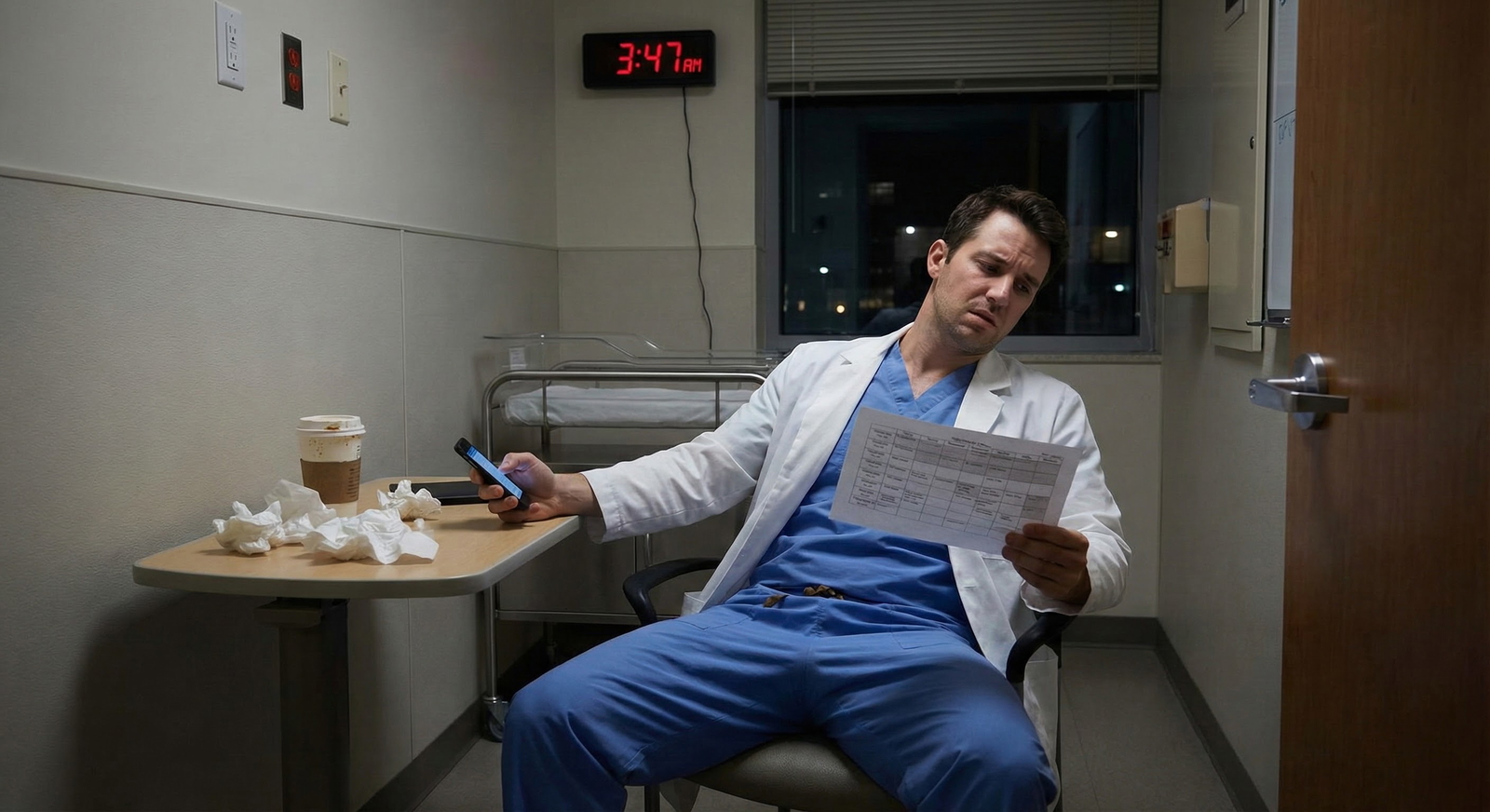
Residency applications are stressful for every applicant, but for a US citizen IMG or American studying abroad, the stakes often feel even higher. With fewer interview invitations and more uncertainty about the IM match, you may feel pressure to rank every program that shows interest. That pressure can make it harder to walk away from a malignant residency program—but recognizing toxic program signs early can protect your training, health, and long‑term career.
This guide focuses specifically on identifying malignant programs in Internal Medicine residency as a US citizen IMG. You’ll learn what true malignancy looks like (beyond simple “tough” training), what residency red flags to watch for, what questions to ask, and how to research programs strategically before you rank them.
Understanding “Malignant” vs. “Just Demanding”
Before you label a program as malignant, it’s important to distinguish between:
- Challenging but supportive training – High expectations, busy services, rigorous academic standards, but with fair treatment and mentorship.
- Truly malignant culture – Systemic disrespect, unsafe workloads, retaliation, and disregard for resident wellbeing or education.
What Is a “Malignant Residency Program”?
Though not an official ACGME term, residents commonly use “malignant” to describe a program where:
- The priority is service over education—you are cheap labor first, a trainee second.
- There is a culture of fear, intimidation, or humiliation.
- Work-hour violations and unsafe patient care are normalized and often hidden.
- Reporting concerns leads to retaliation rather than solutions.
- Residents regularly leave, transfer, or fail to complete the program.
For a US citizen IMG, malignancy can be especially harmful:
- You may already feel vulnerable as a non‑US grad.
- You might be more likely to tolerate mistreatment to “prove yourself.”
- You may worry that complaining or leaving could end your IM match prospects.
Knowing what’s normal versus toxic can help you protect yourself while still pursuing a strong internal medicine residency.
What Is Not Automatically Malignant?
Demanding, high-volume programs can still be healthy environments. These do not automatically mean malignancy:
- Busy workload with high admissions but protected days off.
- High expectations for reading, scholarship, or board pass rates.
- Direct feedback that is honest but respectful.
- Limited perks (no free food, older call rooms, tight parking).
- Less glamorous location or fewer famous faculty.
The key distinction: Do you feel respected, safe, teachable, and supported? Or exploited, blamed, and silenced?
Core Signs of a Malignant Internal Medicine Residency
Internal Medicine is generally considered a “friendly” specialty, but malignant programs absolutely exist. Below are the most important residency red flags and how they tend to show up specifically in IM.
1. Systemic Disregard for Duty Hours and Fatigue
ACGME duty hour regulations exist to protect both patients and trainees. Chronic violation is a major toxic program sign.
Warning signs:
- Residents casually mention:
- “We’re capped at 80 hours on paper.”
- “No one records actual hours.”
- “You’ll learn to sign out but stay until the work is done.”
- Interns consistently:
- Pre-round before the official workday (e.g., 3–4 a.m. daily).
- Stay 2–3 hours past their supposed sign-out time.
- Pre-interview communications emphasize:
- “We work harder than anyone, that’s why we match GI and cards every year.”
- Rotation descriptions that ignore:
- Days off
- Time for clinic
- Handoffs
As a US citizen IMG, you might be tempted to disregard this and think, “I’ll just work hard and handle it.” But chronic exhaustion is a leading cause of burnout, depression, and medical error. A program that encourages or hides violations is prioritizing hospital revenue, not your training.
2. Culture of Fear, Blame, and Humiliation
Internal medicine requires constant learning and error analysis. A malignant culture weaponizes those errors instead of constructively addressing them.
Signs of a fear-based environment:
- Residents hesitate or look nervous when you ask:
- “How does feedback work?”
- “What happens when a mistake is made?”
- You hear phrases like:
- “If you mess up, everyone will know.”
- “Attendings love to pimp until you break.”
- Morbidity and Mortality (M&M) is described as:
- “Brutal,” “shaming,” or “career-ending.”
- Faculty publicly humiliate residents:
- Yelling in front of patients or nurses.
- Calling residents “stupid” or “useless.”
- Mocking accents, training background (e.g., “foreign grads”), or personal characteristics.
For a US citizen IMG or American studying abroad, pay special attention to microaggressions or overt bias toward IMGs. Malignant programs may:
- Assign IMGs to heavier or worse rotations.
- Assume IMGs are less capable and treat them as such.
- Use IMG status as a threat: “You’re lucky we took you at all.”
3. Program Leadership That Is Absent, Defensive, or Punitive
Leadership culture often predicts resident experience more than any single rotation.
Leadership red flags:
- Program Director (PD) and chiefs appear:
- Disinterested, rushed, or annoyed on interview day.
- Unable to explain how feedback leads to change.
- Residents say:
- “We don’t see the PD much.”
- “If you complain, you’ll get labeled difficult.”
- You hear about:
- Residents placed on remediation with little explanation.
- Residents “counseled out” suddenly.
- Graduates who aren’t allowed to sit for boards due to “performance issues” but no clear remediation plan.
Healthy programs respond to problems with support and structure. Malignant ones respond with silencing, blame, or punishment.
4. High Attrition, Transfers, or Non-Board-Eligible Graduates
This is one of the clearest objective residency red flags—and one that many US citizen IMGs overlook because they’re focused on simply matching.
Numbers to pay attention to:
- Programs that:
- Consistently lose 1–2 residents per class each year.
- Have PGY-2 or PGY-3 classes noticeably smaller than PGY-1.
- Frequent “anonymous” stories online about:
- People transferring out mid-year.
- Several residents not completing training.
Ask directly:
- “How many residents have left or transferred in the last three years?”
- “How many graduates in the last five years have been ineligible to sit for boards?”
Vague, evasive, or defensive answers should raise concern.

5. Poor Educational Structure and Minimal Supervision
A malignant internal medicine residency often has residents functioning as unsupervised workhorses without adequate teaching.
Red flags in educational design:
- Attendings frequently unavailable:
- “We basically manage everything; attendings just co-sign.”
- No clear curriculum:
- Morning report is sporadic or consistently canceled.
- Didactics scheduled but often replaced with “cover the floor.”
- Procedural training (for IM) is opportunistic only:
- No structured ultrasound, paracentesis, central line, or code leadership training.
- Clinic is chaotic:
- Overbooked panels with no time for teaching.
- No protected time for note completion.
For a US citizen IMG who may already feel less confident about US-style clinical training, lack of supervision and curriculum can significantly compromise your growth and confidence.
6. Systemic Hostility Toward Resident Wellbeing
Residency is stressful, but malignant programs actively undermine resident wellbeing.
Examples include:
- Schedule practices:
- Last-minute changes with no discussion.
- Denied vacation without reasons.
- “Float” or “jeopardy” used every off day.
- Responses to illness or pregnancy:
- Residents discouraged from calling in sick.
- Pregnant residents shamed or forced into very heavy rotations.
- Mental health:
- No confidential mental health support.
- Residents discouraged from seeking therapy: “It might affect your career.”
Healthy programs won’t be perfect—but they will at least acknowledge wellbeing and try to protect it. Complete disregard is a key malignant sign.
7. Financial and Administrative Exploitation
Sometimes malignancy is less emotional and more operational.
Watch for programs where:
- Residents routinely:
- Cover extra shifts with limited or no compensation.
- Are pressured to moonlight informally without appropriate supervision or credentials.
- Administrative chaos:
- Delays in licensure, credentialing, or pay.
- Payroll issues routinely “fixed next month.”
- Housing or commuting:
- Unreasonable expectations with no support (e.g., mandatory far-away clinic with no mileage reimbursement or parking in an unsafe area late at night).
These may sound “logistical,” but over time they create an exploitative environment that undermines your mental health and financial stability.
Specific Risks and Considerations for US Citizen IMGs
As a US citizen IMG in the internal medicine residency match, you face unique pressures that may increase your vulnerability to malignant programs.
1. Limited IM Match Options Create Pressure to “Just Take Anything”
Many Americans studying abroad receive fewer interviews and may worry that not ranking enough programs will lead to not matching.
This can lead to dangerous thinking:
- “I’ll deal with any program; I just need to get in.”
- “If it’s bad, I’ll transfer out later.”
Reality check:
- Transfers are rare and stressful. Most residents in malignant programs feel stuck.
- Leaving a program can complicate future applications and licensing.
- Surviving three years in a toxic environment can permanently affect your mental health and career confidence.
It is better to rank fewer, safer programs than to match into a place that could damage your future.
2. Potential Bias Against IMGs
Even within Internal Medicine, some malignant programs:
- Publicly say they “support diversity” but privately:
- Give IMGs less desirable schedules or rotations.
- Assume IMGs are weaker clinically or academically.
- Use IMG status as leverage:
- “There are many IMG applicants who would be grateful to have your spot.”
- Don’t invest in IMG onboarding:
- Little help understanding US documentation, billing, or EHR systems.
- Minimal guidance for Step 3 or ABIM prep.
When talking to current residents, try to connect specifically with US citizen IMGs or other IMGs and ask:
- “Do you feel your training background is respected here?”
- “Are expectations or treatment different for IMGs vs US grads?”
- “Has anyone ever made you feel ‘less than’ because of your school?”
3. Exploitation of Visa-Dependent Residents Can Spill Over
Even if you don’t need a visa, you may share a program with many visa-dependent residents. Malignant programs may exploit them (e.g., threatening visa issues if they complain), creating an overall culture of silence and fear. That environment affects everyone—even US citizen IMGs.
How to Detect Malignancy Before You Rank
You can’t rely solely on word of mouth or gut feelings. Here is a structured strategy to identify toxic program signs during your research, interviews, and post-interview reflection.
1. Pre-Interview Research: Use Public Data and Online Sources
What to check:
- ACGME and program websites:
- Current and past resident lists: Do classes shrink over time?
- Board pass rates: Are they consistently low or missing?
- FREIDA and program sites:
- Number of residents per class and continuity over years.
- Any mention of wellness, mentorship, or scholarly support.
- Online forums and reviews:
- Reddit, SDN, specialty-specific forums, and IMG communities.
- Look for consistency—one angry review is not enough, but repeated themes (e.g., “toxic,” “abusive,” “hostile to IMGs”) matter.
Be cautious with anonymous opinions but treat repeated patterns as a signal worth verifying.
2. On Interview Day: Ask Targeted, Specific Questions
Many programs will sound similar in their polished presentations. Your job is to ask concrete questions that are hard to “spin.”
Ask residents:
- “How many hours do you typically work on wards? What time do you usually leave?”
- “How easy is it to call in sick? How is it handled?”
- “Have people transferred out or left in recent years? For what reasons?”
- “Have there been any significant changes in leadership or structure in the last few years?”
- “Can you describe a time a resident made a serious mistake? How was it handled?”
Ask leadership:
- “How do you respond when residents raise concerns about a rotation or attending?”
- “How often do residents fail a rotation or enter remediation? What support is provided?”
- “What specific changes have you made in the last 2–3 years based on resident feedback?”
Red flag responses include:
- Vague answers: “We’re always improving,” without examples.
- Defensive tone: “We don’t have those problems here.”
- Dismissive comments about prior residents: “They just couldn’t handle the work.”

3. Pay Close Attention to Resident Behavior and Nonverbal Cues
During pre-interview socials and breakout rooms:
- Do residents seem:
- Guarded, rehearsed, and careful?
- Or relaxed, honest, and willing to share nuance?
- When asked hard questions:
- Do they look at each other or to leadership before answering?
- Do they suddenly “lose connection” or change the subject?
- Are there any:
- Residents who subtly warn you (“it’s a great program if you like to work” said with a strained smile)?
- Comments that suggest turnover or burnout (“we’re surviving,” “it’s not for everyone”)?
One especially telling sign: Do residents joke about survival rather than learning? Self-deprecating humor is normal; repeated “we just survive” talk is a concern.
4. Use Post-Interview Reflection to Rank Safely
After each interview, write down:
- What residents said when leadership wasn’t present.
- Concrete pros/cons for:
- Workload
- Culture
- Education
- Support for IMGs
- Any unsettled feelings—especially:
- “Something felt off but I can’t explain it.”
- “They avoided several of my questions.”
When rank list time comes, remember:
- You do not have to rank every program.
- A “safety” program that is malignant is not safe for your career or mental health.
- It is acceptable—and often wise—to rank fewer programs if that means avoiding serious residency red flags.
Practical Scenarios: What Should a US Citizen IMG Do?
Scenario 1: Great Fellowship Outcomes, Questionable Culture
You interview at an internal medicine residency with:
- Outstanding fellowship match (cardiology, GI, heme/onc).
- Strong research track record.
But residents quietly tell you:
- “We work 90–100 hours some weeks.”
- “You rarely see the PD unless something is wrong.”
- “Half our interns cry weekly; it gets better… kind of.”
What to consider:
- High fellowship rates can coexist with malignancy; success may come at significant personal cost.
- Ask yourself: Can I realistically sustain this for three years without burning out or compromising my health?
For many US citizen IMGs, the dream of a strong fellowship can overshadow these red flags. Be brutally honest about your limits.
Scenario 2: Mixed Online Reviews, Positive Interview Day
Online forums call a program “toxic” and “malignant,” but on interview day:
- Residents seem generally happy.
- Leadership answers questions transparently.
- You hear clear examples of recent improvements.
What to do:
- Ask directly (via thank-you email or second look, if available):
- “I’ve read there were concerns in the past about X. Can you share what’s changed in the last few years?”
- Look for:
- Consistent, specific stories of change.
- Recent ACGME citations resolved.
- It’s possible the program was malignant and is now improving. In that case, place it appropriately on your list—but still below clearly healthy programs.
Scenario 3: You Only Have a Few Interviews, One Seems Clearly Malignant
You’re a US citizen IMG with:
- Three internal medicine residency interviews.
- One program shows multiple malignant traits:
- High attrition.
- Residents look exhausted.
- PD dismissive of wellbeing concerns.
You’re scared not to rank them, but scared to match there.
Actionable advice:
- Rank the other two in your true order.
- Think carefully about whether to rank the malignant program at all.
- Consider parallel planning:
- Research SOAP strategies.
- Keep options open for prelim/TY or reapplying from a stronger footing.
Not matching is painful but reversible. Completing three years in a toxic residency can have more lasting consequences.
FAQ: Malignant Internal Medicine Programs for US Citizen IMGs
1. As a US citizen IMG, should I ever rank a program I suspect is malignant?
You should be extremely cautious. If multiple strong red flags are present—chronic duty hour violations, high attrition, fear-based culture, leadership retaliation—it is often safer not to rank that program. Matching into a malignant internal medicine residency can jeopardize your long-term health and career more than taking a year to strengthen your application or going through SOAP.
2. How can I tell if negative online reviews are still relevant?
Look at timing and patterns:
- Are most complaints older than 4–5 years and centered around a previous PD or chair?
- Do more recent reviews or resident conversations describe meaningful improvements?
- On interview day, can leadership and residents clearly articulate:
- “We used to struggle with X. Here’s exactly what we changed and how things are now.”
If problems are recent, repeated, and leadership seems defensive or vague, treat them as ongoing issues.
3. Is a “malignant” program ever worth it for a competitive fellowship?
Usually no. Even in Internal Medicine, where fellowship aspirations matter, fellowship directors care about letters, reputation, research, and your performance, not how miserable you were. Being burned out or demoralized will harm your fellowship application more than training at a slightly less “prestigious” but healthier program.
4. What if I only realize my program is malignant after I start?
If you discover you’re in a truly toxic environment:
- Document everything: schedules, emails, duty hours, specific incidents.
- Seek support:
- Trusted attendings.
- GME office.
- Institutional ombudsperson or well-being office.
- Protect your health: seek mental health care early if needed.
- Explore transfer options:
- Quietly reach out to PDs at other programs if safe.
- Be factual and professional; focus on “program-resident fit” and training needs.
While transferring is difficult, it is sometimes possible—especially when programs recognize you’re leaving for legitimate safety or educational reasons.
Identifying malignant programs as a US citizen IMG in Internal Medicine requires deliberate research, honest conversations, and a willingness to walk away from unsafe options. You deserve not just a match, but a residency where you can grow into a confident, capable internist without sacrificing your dignity or health. Use these warning signs and strategies to guide your choices, and prioritize programs that treat you as a learner and colleague—not just labor.