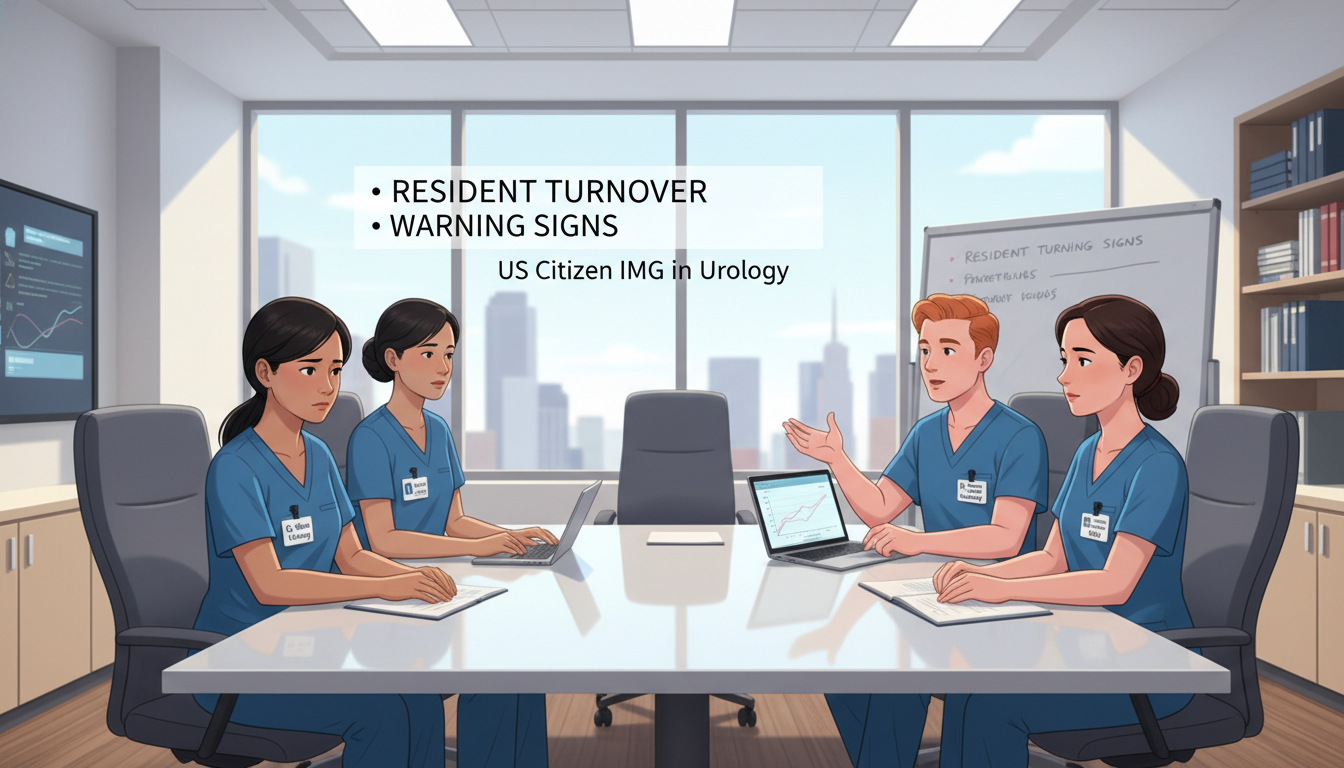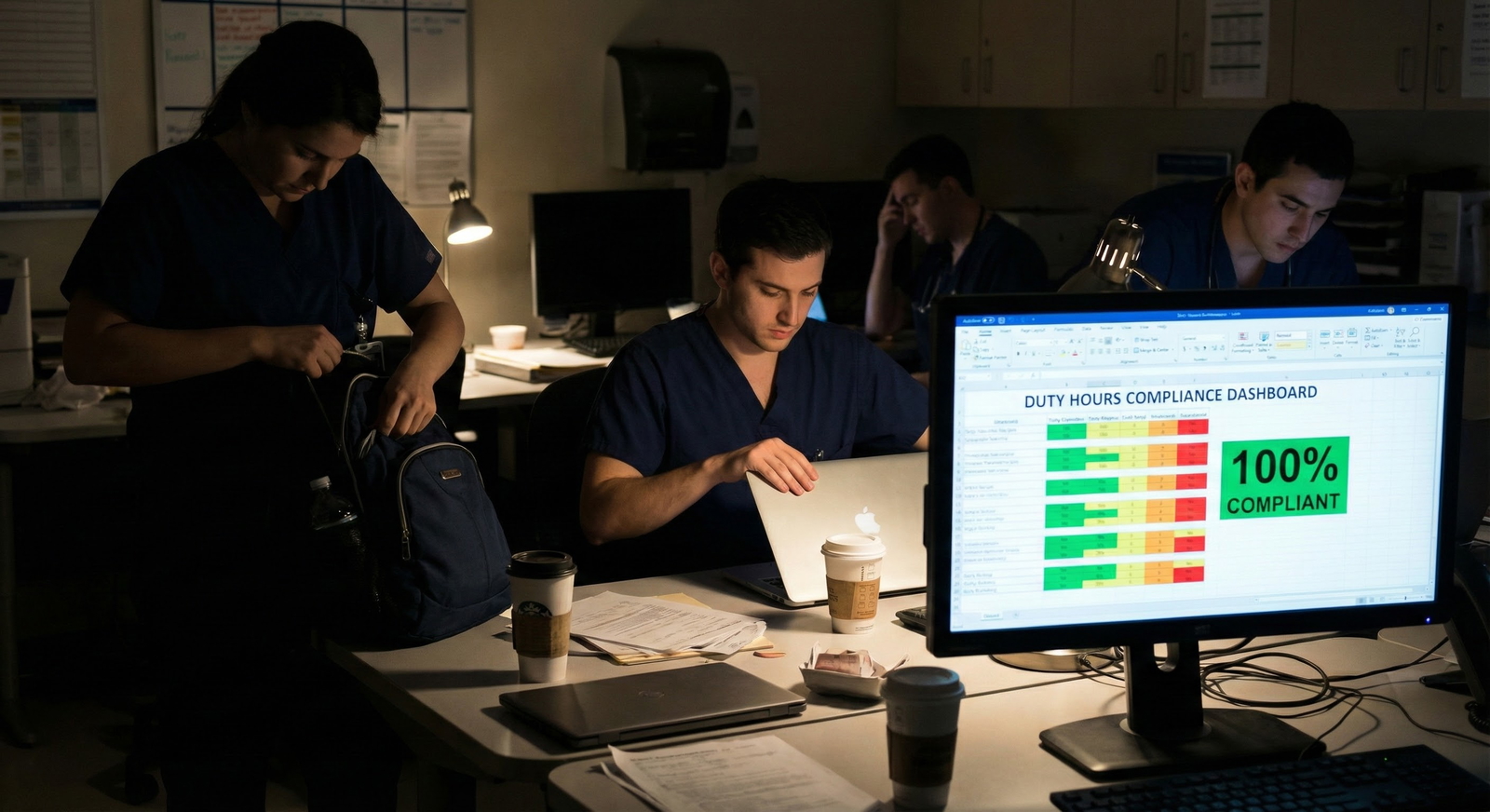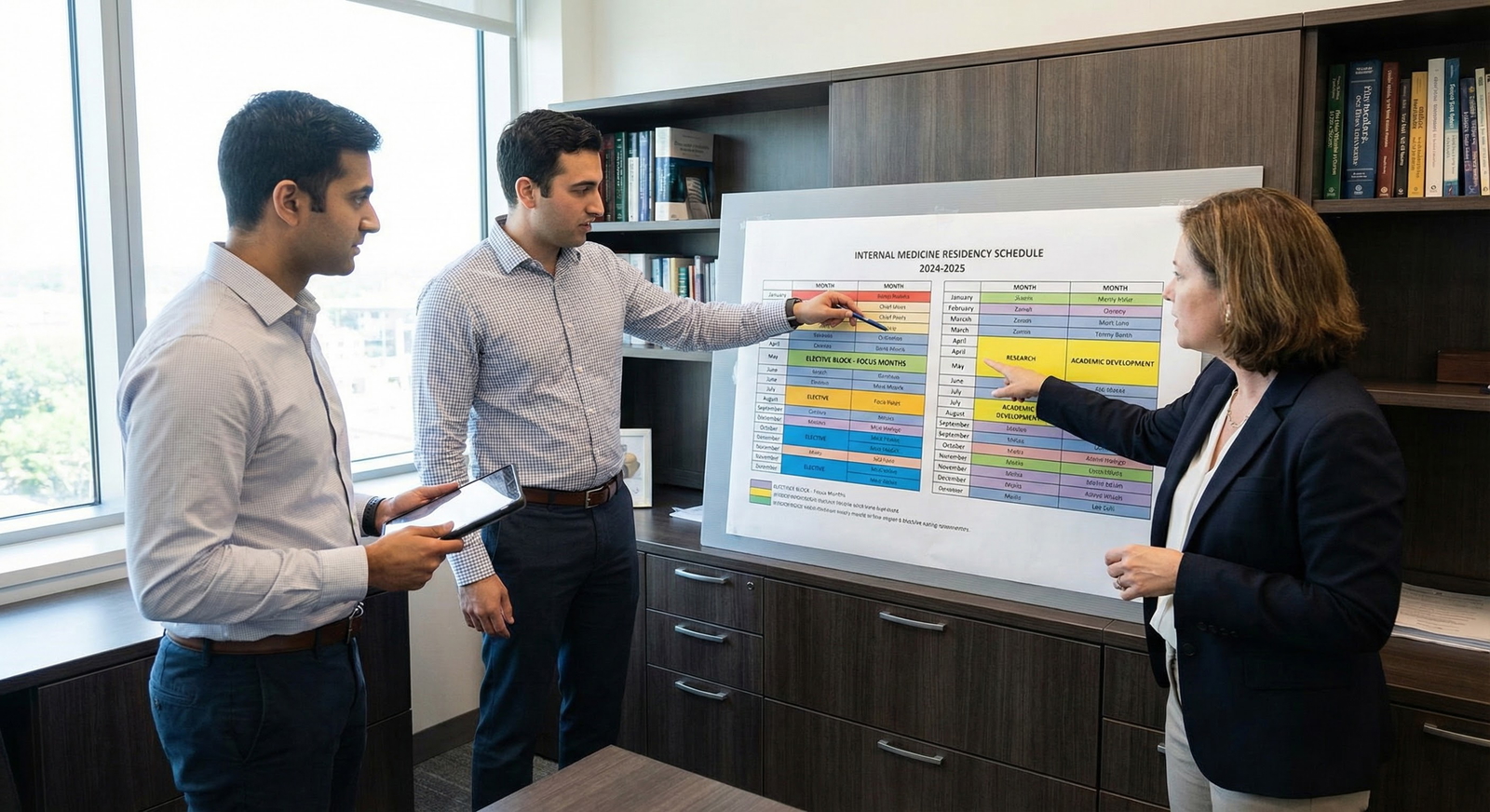
Identifying malignant residency programs is challenging in any specialty—but in interventional radiology (IR), the stakes are especially high. The demands of IR training, the small size of many programs, and the close day‑to‑day interaction with faculty make program culture critically important. A “toxic” or malignant residency program can damage your education, mental health, and future career opportunities.
This guide focuses on how to identify malignant programs in interventional radiology specifically, with practical, step‑by‑step strategies for evaluating programs during the IR match process. We will cover subtle and obvious residency red flags, how to interpret what you hear from residents and faculty, and how to protect yourself before ranking programs.
Understanding “Malignant” in the Context of Interventional Radiology
“Malignant residency program” is an informal term, but applicants and residents consistently use it to describe environments that are:
- Chronically unsafe (physically or psychologically)
- Exploitative, with little regard for residents’ well‑being
- Educationally weak, where service needs eclipse learning
- Retaliatory, punishing residents for speaking up
- Non-transparent about outcomes, schedules, and expectations
In interventional radiology residency, malignant programs often share additional characteristics:
- Heavy case volume without structured teaching
- Overreliance on residents as “workhorses” rather than learners
- Poor supervision in high‑risk procedures, creating potential patient safety issues
- Minimal attention to radiation safety and ergonomics
- A culture that normalizes burnout, sleep deprivation, and chronic stress
By contrast, a strong IR residency program—even a “tough” one with demanding hours—will:
- Balance service with deliberate teaching and graded responsibility
- Maintain transparent communication about expectations and schedules
- Support wellness, remediation, and feedback in a humane way
- Prioritize safety in procedures, radiation use, and call structure
- Treat residents as future colleagues, not disposable labor
The challenge in the IR match process is distinguishing between a rigorous, high‑volume program and a truly toxic environment. The rest of this guide is structured to help you do exactly that.
Core Toxic Program Signs in Interventional Radiology
There are several broad categories of residency red flags you should evaluate closely for any interventional radiology residency. Taken in isolation, a single issue might not mean the program is malignant—but patterns matter. When you see multiple concerns across multiple domains, proceed with extreme caution.
1. Culture: How People Treat Each Other
Program culture is the most important—and also the hardest to measure. Malignant programs often share certain cultural features:
a. Disrespectful or humiliating interactions
- Attendings who yell, belittle, or mock residents in front of staff or patients
- Frequent “pimping” that crosses into public shaming
- Residents who describe “survival mode” or “walking on eggshells” around certain faculty
- Nurses or technologists who freely blame residents for systemic problems (e.g., scheduling, throughput) without leadership intervening
b. Hierarchy over collaboration
- A rigid, fear‑based hierarchy: “You do not question attendings here”
- Senior residents who reproduce abusive behaviors they experienced as interns
- No culture of teaching or mentorship—residents mostly self‑teach
c. Lack of psychological safety
- Residents are afraid to admit when they don’t know something
- Near‑misses or complications are hidden, not discussed openly in M&M
- Objective feedback is rare; instead, there are vague comments like “people know if you don’t fit here”
In IR specifically, this kind of culture can be especially dangerous. If residents are scared to speak up during procedures—about incorrect patient, side, or device; contrast allergy; or concern about radiation dose—it becomes a direct patient safety risk.
2. Workload, Hours, and Coverage
Every IR residency has intense rotations, but malignant programs have:
a. Chronic violation of work‑hour rules
- Residents consistently working well beyond 80 hours/week
- Frequent post‑call workdays where residents still perform procedures
- Call schedules that violate ACGME rest requirements, with no mechanism to report or correct it
b. Unsafe call structures
- Single resident covering multiple hospitals overnight with high procedural volume
- No in‑house attending or fellow for emergencies; residents feel unsupported performing complex procedures at night
- IR residents routinely covering non-IR services (e.g., GM wards, ICU) in a way that is disproportionate and not educational
c. Service > education
- Residents spend most of their day:
- Booking cases
- Handling transport issues
- Doing clerical work and chasing consents
Rather than learning procedural skills or clinical decision-making
d. No flexibility for life events
- Difficulty or hostility about arranging doctor’s appointments, family emergencies, or mental health care
- Residents discouraged from taking sick days—or shamed when they do
Tough is not the same as malignant. A high‑volume IR program may be demanding but still protective if it has:
- Reasonable call scheduling
- Backup systems for high volume nights
- Clear norms for post‑call relief
- Leadership that responds to volume spikes by adjusting schedules or staffing
When you ask about schedules and you hear vague responses or obvious minimization—this is a serious red flag.
3. Education and Case Mix in IR: When Training Suffers
A malignant interventional radiology residency often hides behind “we are super busy—you’ll learn a ton.” In reality, residents may be getting high volume but poor quality education:
a. Minimal real teaching during cases
- Attendings scrub in late, leave early, or spend most of the time on the phone
- “Just watch; we’re in a rush” is the norm for complex cases
- Residents do mostly access and basic steps, but rarely get to:
- Drive the wire
- Make major procedural decisions
- Lead entire cases from start to finish by senior year
b. Unbalanced or narrow case mix
- Mostly low‑complexity lines, paracenteses, and drains with minimal:
- Oncology interventions
- Peripheral arterial disease work
- Advanced venous, hepatobiliary, or portal interventions
- Little to no longitudinal clinic exposure, so residents graduate with weak outpatient and consult skills
c. Lack of structured curriculum
- No regular, protected didactics; conferences consistently canceled “because we’re too busy”
- No system for:
- Journal clubs
- Simulation training
- Image‑guided skills labs
- No transparent goals for each PGY level (e.g., what a PGY-4 vs. PGY-6 should be able to do independently)
d. Poor board preparation and outcomes
- Low or variable ABR/IR/DR board pass rates
- Program leadership is defensive or evasive when asked about board performance
- Few graduates achieving fellowships or jobs in desired practice settings (particularly hybrid IR/DR or academic positions if that’s advertised as a strength)
A demanding IR program that truly values education will:
- Protect didactic time
- Provide progressive autonomy
- Ensure exposure to a broad spectrum of IR procedures and clinic
- Track and share case logs and outcomes openly with residents
Hidden Residency Red Flags Specific to Interventional Radiology
Some toxic program signs are more unique or amplified in IR due to the procedural nature of the specialty and its evolving training pathways (integrated IR/DR vs. independent IR).
1. Unsafe Procedural Practices
Pay close attention to how programs talk about safety:
- Residents pressured to take unnecessary radiation exposure “to get the case done faster”
- No culture of:
- Wearing badges
- Shielding
- Checking cumulative dose
- Residents performing high-risk procedures with minimal supervision, especially at night (e.g., emergent embolizations, complex arterial cases)
Ask specifically:
- “How often do residents perform emergent procedures without attendings physically present?”
- “How is radiation safety monitored and taught?”
- “What changes have you made following a major complication?”
Programs that cannot answer clearly, or seem annoyed by the question, should concern you.
2. Poor Integration With Diagnostic Radiology
In integrated IR/DR residencies, the health of the DR program strongly influences IR culture and training:
Warning signs:
- IR residents and DR residents are openly hostile toward each other
- DR leadership appears indifferent or resentful about the IR track
- IR residents routinely pulled from diagnostic rotations for service coverage in IR, undermining board prep
- IR residents treated as “utility players” filling gaps wherever needed, rather than following a coherent curriculum
A strong IR residency will have:
- Respectful collaboration between IR and DR faculty
- Clear, protected IR and DR rotations
- Shared conferences and case discussions that build both skillsets
3. Exploitative Use of Residents
Because IR can bring in substantial revenue, malignant programs may see residents as cheap labor:
- Residents heavily utilized to expand call coverage that previously belonged to attendings or fellows
- Constant push to add cases late in the day, with residents expected to stay regardless of duty hours
- Residents strongly discouraged from logging hours accurately or subtly pressured to under‑report
Questions to ask:
- “What happens if the board is still running late in the evening?”
- “Who makes the final call to add or delay cases?”
- “How are work hours monitored and enforced in the IR suite?”
Vague answers like “We’re all a team here; we just do what needs to be done” can be a euphemism for abusive expectations.
How to Spot Toxic Program Signs During the IR Match Process
You only see a program for a day or two during interviews, but you can structure that time strategically. Below is a framework for detecting malignant residency characteristics in interventional radiology.
1. Pre‑Interview Research: What the Paper Trail Tells You
Before you even interview:
- Check program stability
- Frequent changes in program director or chair
- Rapid expansion in resident complement without clear educational investments
- Review websites critically
- Are resident names/photos up-to-date?
- Is there transparent information about:
- Case numbers
- Graduates’ jobs/fellowships
- Board pass rates (IR/DR and certifying exams)?
- Look up program news
- Any recent mergers, hospital financial distress, or loss of key faculty?
For interventional radiology residency, specifically:
- Look for IR faculty bios and subspecialty interests—does the case mix seem broad or very narrow?
- Check whether IR has:
- Dedicated clinic time
- Longitudinal patient care responsibilities
- Research or QI projects involving residents
Multiple missing elements don’t prove malignancy but should heighten your vigilance.
2. Interview Day: Reading Between the Lines
During interviews, you are interviewing them as much as they are interviewing you. Focus on:
a. Signals from residents
Ask specific, behavior-based questions rather than generic ones. For example:
- “Can you describe a time when a resident struggled academically or clinically? How was that handled?”
- “What happens if you’re post‑call and an IR case is added late in the day?”
- “How often do you come in on weekends when you’re not on call?”
- “In the last year, how many residents have left the program or switched specialties?”
Watch for:
- Long pauses or sideways glances between residents
- Jokes that hint at problems: “You need thick skin here” or “You’ll get whipped into shape”
- Residents who answer only with generic positives and avoid concrete details
b. Signals from faculty and leadership
Ask directly:
- “What changes have residents asked for in the past couple of years, and how have you responded?”
- “How do you see this IR program evolving over the next 5 years?”
- “What would you say are the biggest challenges of this program?”
Red flags:
- Blaming residents for past issues (“Some people just couldn’t hack it here”)
- Dismissing wellness, diversity, or mentorship questions as “generational issues”
- Overemphasis on “We’re like a family” without concrete examples of support systems
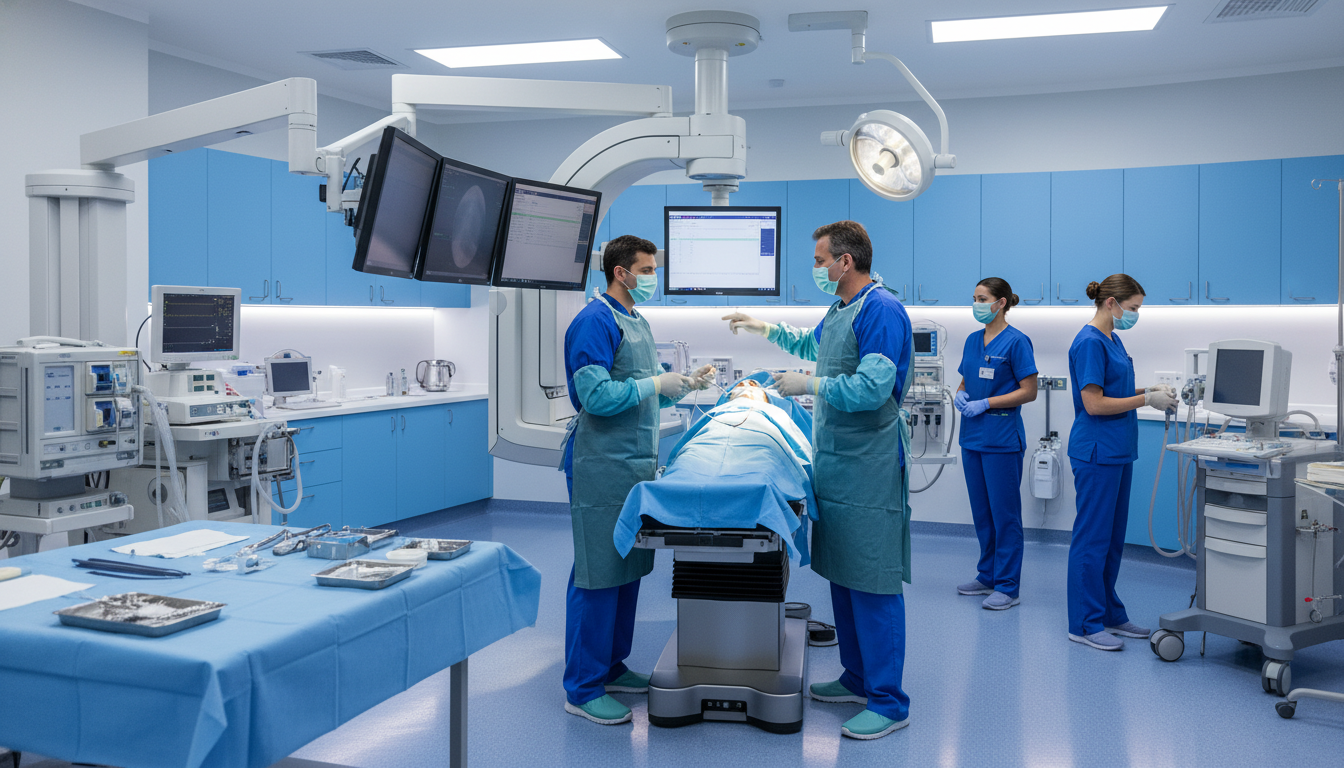
c. IR suite tour and workflow
If you get to see the IR suite:
- Observe how staff interact:
- Are there visible tensions between nurses, techs, residents, and attendings?
- Are residents openly criticized in front of the team?
- Note the physical environment:
- Are there clear radiation safety measures?
- Is there space for residents to review images, dictate notes, study?

Interpreting Resident Feedback and Online Reviews
Resident perspectives are invaluable—but they’re not always easy to interpret. Residents may be worried about retaliation, or may normalize dysfunction they’ve adapted to.
1. How to Talk to Residents Candidly
During pre‑interview dinners or informal Zoom sessions:
- Ask open-ended prompts:
- “What keeps you here?”
- “If you could change one thing about the program, what would it be?”
- Ask about graduated autonomy:
- “How do cases change from PGY-4 to PGY-6?”
- “What were your first unsupervised call nights like?”
If residents hesitate, you can normalize the question:
“I know every program has issues—what are the ones you all are working on here?”
This often elicits more honest, nuanced answers.
2. Reading Online Platforms (With Caution)
Sources like Reddit, Student Doctor Network, or specialty‑specific forums often discuss residency red flags and IR match experiences. Approach them with a critical mindset:
- Look for patterns over time, not isolated horror stories
- Pay attention when:
- Multiple posters over multiple years describe similar issues (“constant yelling,” “no autonomy,” “unsafe call”)
- Comments mention recent mass resignations or many residents going on leave
At the same time:
- Understand that one “bad fit” resident may leave a loud negative review
- Programs with high standards may attract some criticism just for being demanding
If online chatter raises concerns, use your interview to clarify them:
“I’ve heard that historically residents here had heavy cross‑coverage and long call nights. How has that changed recently?”
The tone and content of the response will tell you a lot.
Protecting Yourself: Ranking Strategy and When to Walk Away
After gathering data, you’ll need to rank programs—and sometimes you’ll need to decide not to rank a program at all.
1. Weighing Risk vs. Benefit in IR
For interventional radiology residency, a high‑volume, well‑run program can absolutely launch your career. But high volume cannot compensate for:
- Chronic psychological or physical safety risks
- Systemic lack of educational support
- Active retaliation against residents who speak up
When deciding where to rank a program, consider:
- Career outcomes: Do graduates get the jobs or fellowships you want?
- Culture and safety: Do you feel you could safely ask for help, or speak up in a case?
- Personal sustainability: Could you realistically function for 5–6 years in this environment?
If a program has serious red flags, you are not obligated to rank it. Matching slightly “lower” on your list at a healthier program is almost always better than landing in a malignant residency that undermines your long‑term career and well‑being.
2. When It’s Reasonable Not to Rank a Program
Consider leaving a program off your IR match list if you see multiple of the following:
- Residents explicitly tell you not to come, even in coded language
- Multiple residents have left or taken leave in a short period, and leadership is vague or defensive about why
- Clear patterns of work‑hour violations and service overload without corrective efforts
- Documented or widely discussed issues with abuse, harassment, or major patient safety events that leadership minimizes
- You leave the interview day feeling uneasy, dismissed, or disrespected
Remember: not ranking a malignant residency program is a form of self‑protection, not failure.
3. If You End Up in a Malignant Program
Despite careful screening, some applicants match into programs that turn out to be toxic. If that happens:
- Document problematic incidents objectively (dates, times, witnesses)
- Use institutional resources:
- GME office
- Ombudsperson
- Confidential counseling services
- Reach out to trusted mentors outside your program for advice
- Explore formal mechanisms:
- Schedule changes or remediation
- Transfers, if necessary and feasible
Your safety and long‑term health matter more than staying silent in a harmful environment.
FAQs: Interventional Radiology Residency Red Flags and Malignant Programs
1. Is a high-volume IR program always a red flag?
No. High volume is not inherently bad; in fact, it’s crucial for procedural skill development. The key question is how that volume is managed. A healthy interventional radiology residency will pair high case numbers with:
- Adequate attending support and supervision
- Progressive resident autonomy
- Protected didactics and feedback
- Realistic call schedules and duty-hour enforcement
Red flags arise when volume becomes an excuse for poor teaching, chronic overwork, or unsafe practices.
2. How many toxic program signs should I see before I worry?
Any single concern deserves attention, but patterns matter more than isolated issues. Be particularly cautious when you observe at least three of the following:
- Residents appear exhausted, demoralized, or guarded when speaking
- Leadership is evasive about work hours, board pass rates, or attrition
- The IR suite feels chaotic, unsafe, or hostile during your visit
- Online reports echo similar problems over multiple years
- Residents or fellows hint you need “thick skin” or “to not take things personally”
If multiple issues line up across different information sources (residents, faculty, online, your own impressions), treat the program as high risk.
3. How can I ask about malignant residency program concerns without sounding confrontational?
Frame your questions around learning, safety, and growth rather than accusations. For example:
- “How does the program handle situations when residents feel overwhelmed or unsafe during call?”
- “Can you share an example of feedback from residents that led to a change in the IR suite or call structure?”
- “What systems are in place to make sure duty hours and radiation exposure are monitored?”
The way people respond—open, specific, and transparent vs. defensive or dismissive—often tells you more than the words themselves.
4. Are smaller or newer IR programs more likely to be malignant?
Not necessarily. Smaller or newer interventional radiology residencies can be excellent, especially if they have:
- Committed, engaged faculty
- Clear curricula and realistic case expectations
- Attention to resident feedback and program evolution
However, new programs may be less stable or still working out call structures and educational logistics. This makes leadership transparency and responsiveness even more critical. Ask detailed questions about how they’re building the program, how they monitor workload, and how they’ll ensure broad case exposure.
Identifying malignant programs in interventional radiology requires a combination of research, careful listening, and trusting your instincts. Use the IR match season not just to “sell yourself,” but to critically evaluate whether each program can train you safely, effectively, and humanely. Your future as an interventional radiologist—and your well‑being during the years of training it demands—are worth that diligence.