Understanding “Malignant” Nuclear Medicine Programs as a Caribbean IMG
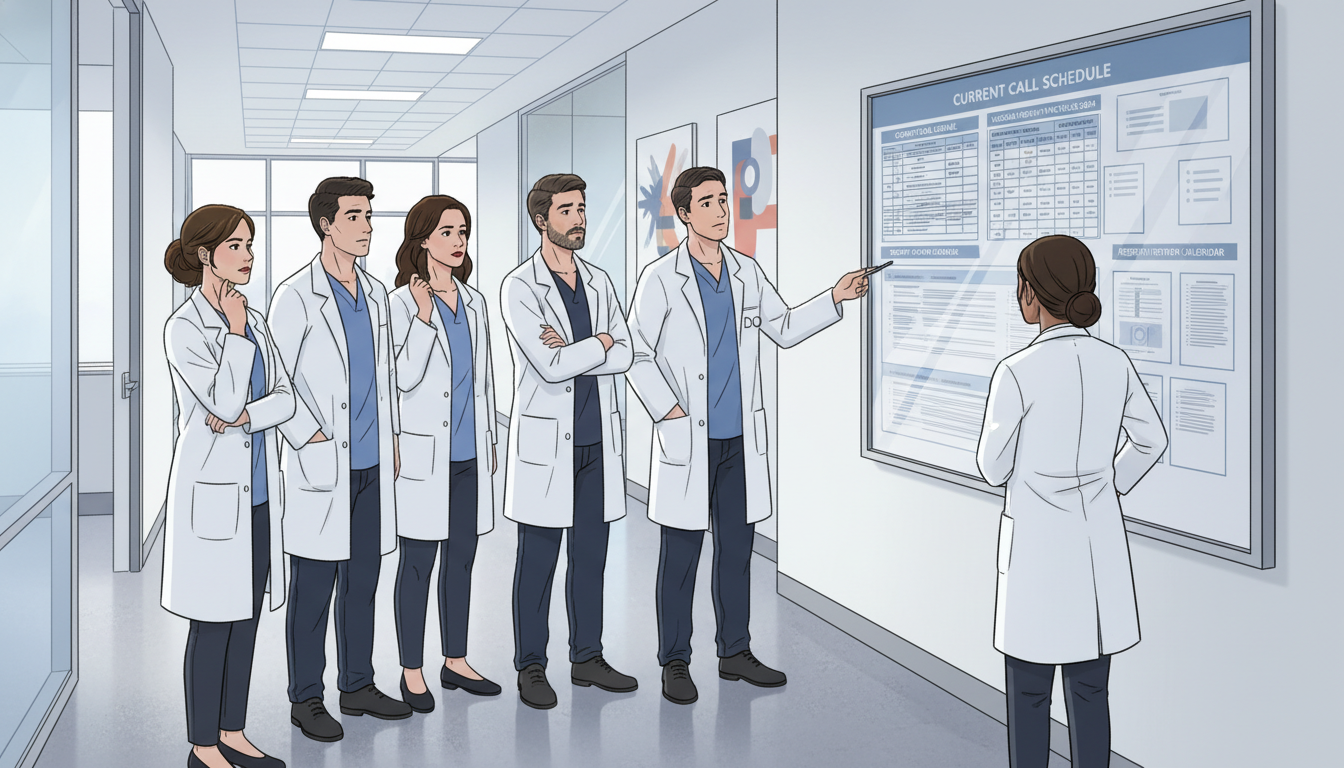
“Malignant residency program” is informal slang trainees use to describe programs with persistently abusive, exploitative, or chronically dysfunctional cultures. For Caribbean IMGs aiming for nuclear medicine residency in the U.S., learning to recognize residency red flags is almost as important as building your CV. You may have fewer interview offers and feel pressure to rank every place that shows interest—but some programs can damage your career, mental health, and chances at a successful nuclear medicine match.
This article focuses on how Caribbean IMGs—especially those from schools like SGU, AUC, Ross, etc.—can evaluate programs, interpret warning signs, and protect themselves during the Caribbean medical school residency journey into nuclear medicine.
We’ll cover:
- What “malignant” really means in the context of nuclear medicine
- Objective and subtle warning signs (before and during interviews)
- Questions to ask residents and attendings
- How Caribbean IMGs can balance opportunity vs. risk
- How to research, document, and act on concerns
1. What Makes a Nuclear Medicine Program “Malignant”?
Not every busy or demanding program is malignant. Nuclear medicine residency varies widely: some are stand‑alone 2‑ or 3‑year programs after internship, others are combined (e.g., Diagnostic Radiology/Nuclear Medicine) or integrated with radiology or internal medicine. High expectations and long hours do not automatically equal abuse.
A malignant residency program has persistent, systemic problems that harm trainees and compromise education:
Core Features of a Malignant Program
Chronic abuse or intimidation
- Regular public humiliation, yelling, or personal insults
- Threats about careers or visas used for coercion (especially with IMGs)
- Retaliation for speaking up about safety or workload
Exploitation rather than education
- Residents functioning as unsupervised attendings, especially in nuclear cardiology or PET
- Pressure to sign reports independently without proper oversight
- Education consistently sacrificed to service needs (e.g., no time for board review, lectures always canceled)
Unsafe or unethical clinical practices
- Pushing inappropriate studies to increase volume or billing
- Ignoring radiation safety standards
- Falsifying duty hours, case logs, or documentation
Systemic dishonesty
- Mismatched expectations from recruitment vs reality (“We are very resident-friendly” vs 80+ hour weeks and no support)
- Hiding major program changes (loss of accreditation, loss of hospital sites, mass faculty departure)
- Misrepresenting board pass rates or match outcomes
Culture of fear and burnout
- Everybody seems exhausted or fearful
- Residents openly discourage you from coming
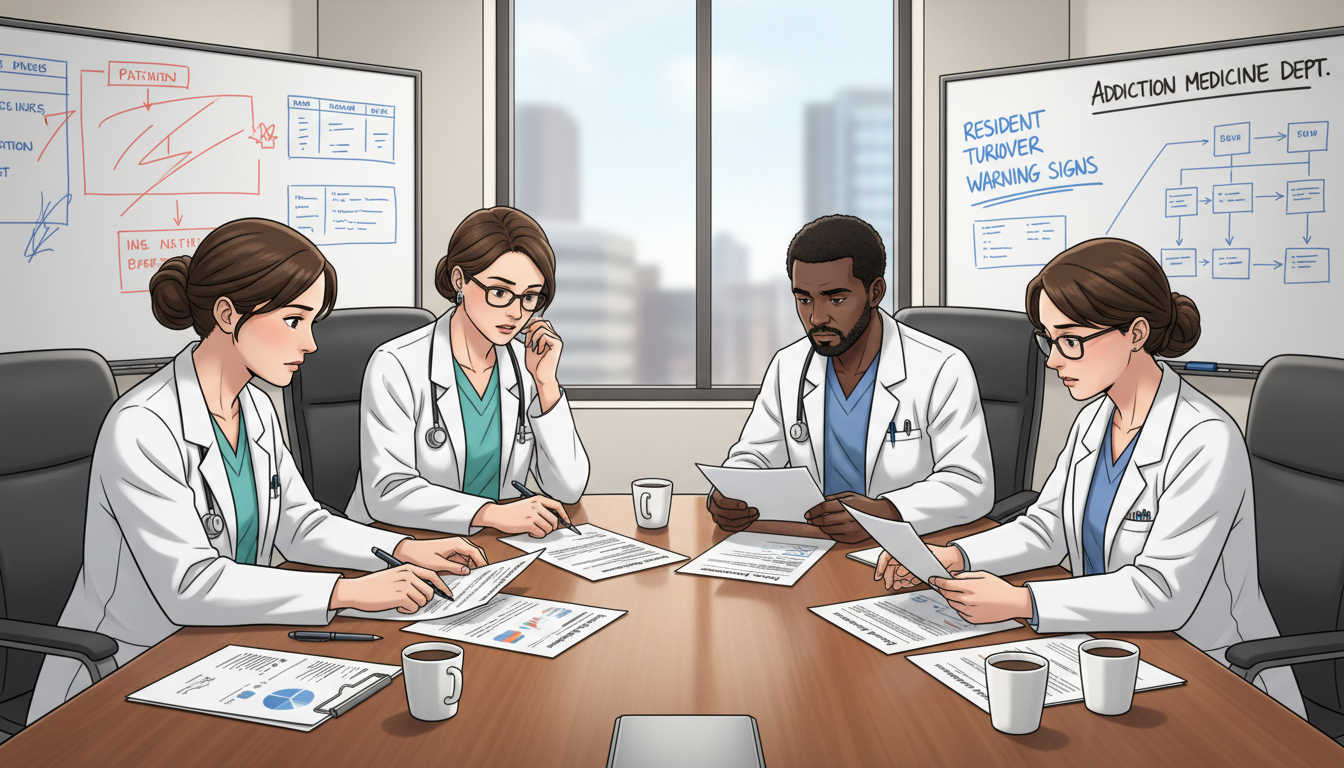
- High rates of burnout, leaves of absence, transfers, or non-renewal of contracts
In nuclear medicine, malignancy can be more subtle because call schedules are often lighter than in surgery or internal medicine. That makes it easier for programs to look benign on paper while still being toxic educationally, psychologically, or ethically.
2. Unique Vulnerabilities of Caribbean IMGs in Nuclear Medicine
As a Caribbean IMG targeting nuclear medicine residency, you may face distinct issues that make malignant programs more dangerous:
Fewer Positions, More Pressure
- Nuclear medicine is a small specialty with limited spots nationwide.
- Many U.S. grads go directly into diagnostic radiology, which can make dedicated nuclear medicine positions more IMGs-heavy.
- Caribbean IMGs may feel pressure to accept “any” offer that leads to a U.S. position, including potentially problematic programs.
Visa and Job Dependence
- If you require a J‑1 or H‑1B visa, program leadership has enormous leverage:
- A malignant program may exploit this by threatening non-renewal or non-sponsorship.
- You may tolerate abuse out of fear of losing status.
- Programs with a history of problems may specifically recruit IMGs who feel they have fewer options.
Caribbean School Bias and Vulnerability
- Some programs carry explicit or hidden bias against Caribbean medical school residency graduates:
- You may be treated as “less capable” regardless of performance.
- You might be assigned disproportionate scut work or call compared with U.S. grads.
- Relying heavily on a SGU residency match or similar path can lead to:
- Overvaluing a program simply because it accepted previous Caribbean IMGs.
- Under-examining cultural or ethical problems because “they take us.”
Your goal is to find supportive, high‑quality nuclear medicine training that values you as a trainee, not simply as low‑cost labor.
3. Pre‑Interview Research: Detecting Red Flags Early
You can begin screening out toxic program signs well before interviews. This is especially important when you have fewer interview invitations as an IMG; you must invest more effort into due diligence.
3.1 Check Accreditation and Program Stability
ACGME accreditation status
- Visit the ACGME public program search.
- Red flags:
- “Probationary” status
- Recent site visit reports noting major concerns
- Frequent leadership changes (e.g., new program director every 1–2 years)
Program age and continuity
- Newly accredited (<3 years) programs are not automatically malignant, but:
- Unclear structure, lack of mentors, and unstable rotations are risks.
- Programs that lost accreditation in the past and re-opened may have unresolved culture issues.
- Newly accredited (<3 years) programs are not automatically malignant, but:
Hospital and departmental stability
- Check whether nuclear medicine services have been:
- Outsourced to teleradiology
- Merged into radiology with unclear impact on residents
- Rapid turnover of nuclear medicine faculty is a concern.
- Check whether nuclear medicine services have been:
3.2 Analyze Case Volume and Educational Breadth
A good nuclear medicine residency should provide balanced exposure:
- PET/CT for oncology
- Nuclear cardiology
- Theranostics (I‑131, Lu‑177, Y‑90, etc.)
- General nuclear medicine (thyroid, bone scans, hepatobiliary, renal, GI bleeding, etc.)
Red flags:
- Very low case volume but full complement of residents
- No exposure to newer therapies (e.g., Lu‑177 PSMA, DOTATATE) despite being advertised
- Residents mostly doing cardiology stress testing or only chemotherapy clearance, with little interpretive work
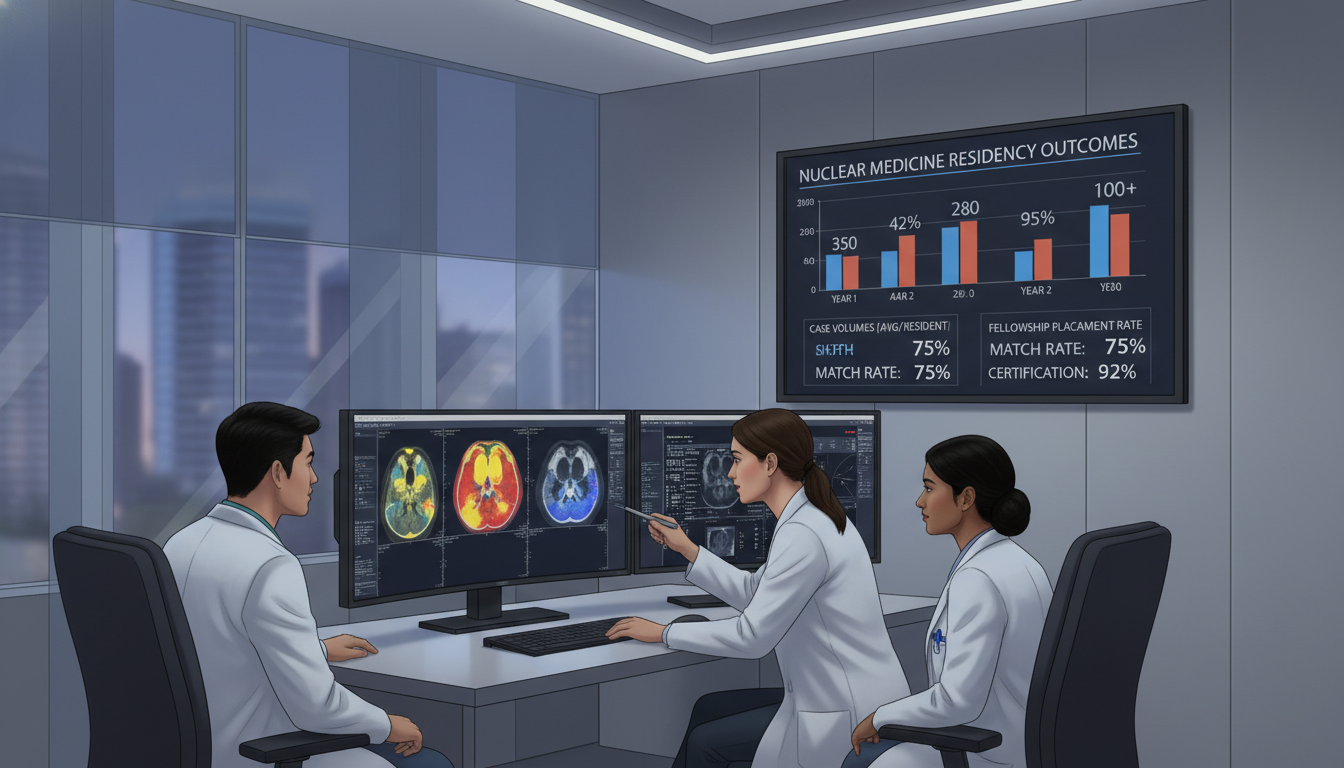
3.3 Objective Data: Board Pass Rates and Graduate Outcomes
Look for:
- ABNM board pass rates (if not public, ask on interview)
- Where graduates go:
- Do they match fellowships (e.g., theranostics, radiology, body imaging)?
- Are they getting jobs?
- Or are many leaving medicine, doing nonclinical jobs, or repeating exams?
Patterns to worry about:
- Multiple graduates failing boards repeatedly
- Residents not completing training (transfers, dismissals, unspoken “personal reasons”)
- No clear documentation of graduates’ positions
4. Interview Day Warning Signs: What Caribbean IMGs Should Look For
The interview day is when subtle residency red flags often reveal themselves. As a Caribbean IMG, pay particular attention to how you are treated, how IMGs are portrayed, and whether you sense a culture of fear or respect.
4.1 Resident Behavior and Body Language
Ask yourself:
- Do residents seem approachable, relaxed, and candid?
- Or are they guarded, looking at each other before answering?
Warning signs:
- Residents hesitate before answering simple questions about work hours, call, or attendings.
- Someone repeatedly says, “We can talk more later” without giving any clear answers.
- A resident pulls you aside (even briefly) to tell you:
- “Things are different from what they’re saying.”
- “Be careful if you choose this program.”
If residents actively discourage you from ranking the program highly, take that seriously.
4.2 Attending and Program Leadership Attitudes
Pay close attention to:
How they talk about residents
- Are residents described respectfully as trainees and future colleagues?
- Or as “workers” who “keep the ship running,” with jokes about exploitation?
Attitudes toward IMGs
- Subtle red flags:
- Comments such as “We take a lot of IMGs because they work harder.”
- Jokes about language, accent, or Caribbean schools.
- Explicit red flags:
- “We prefer U.S. grads, but sometimes we have to take others.”
- Subtle red flags:
Responsiveness to difficult questions
- If you ask about previous residents leaving, board pass rates, or duty hours:
- A healthy program will answer directly, even if it’s not flattering.
- Malignant leadership may:
- Become defensive or dismissive
- Blame residents (“They just weren’t strong enough”)
- Change the subject without addressing the concern
- If you ask about previous residents leaving, board pass rates, or duty hours:
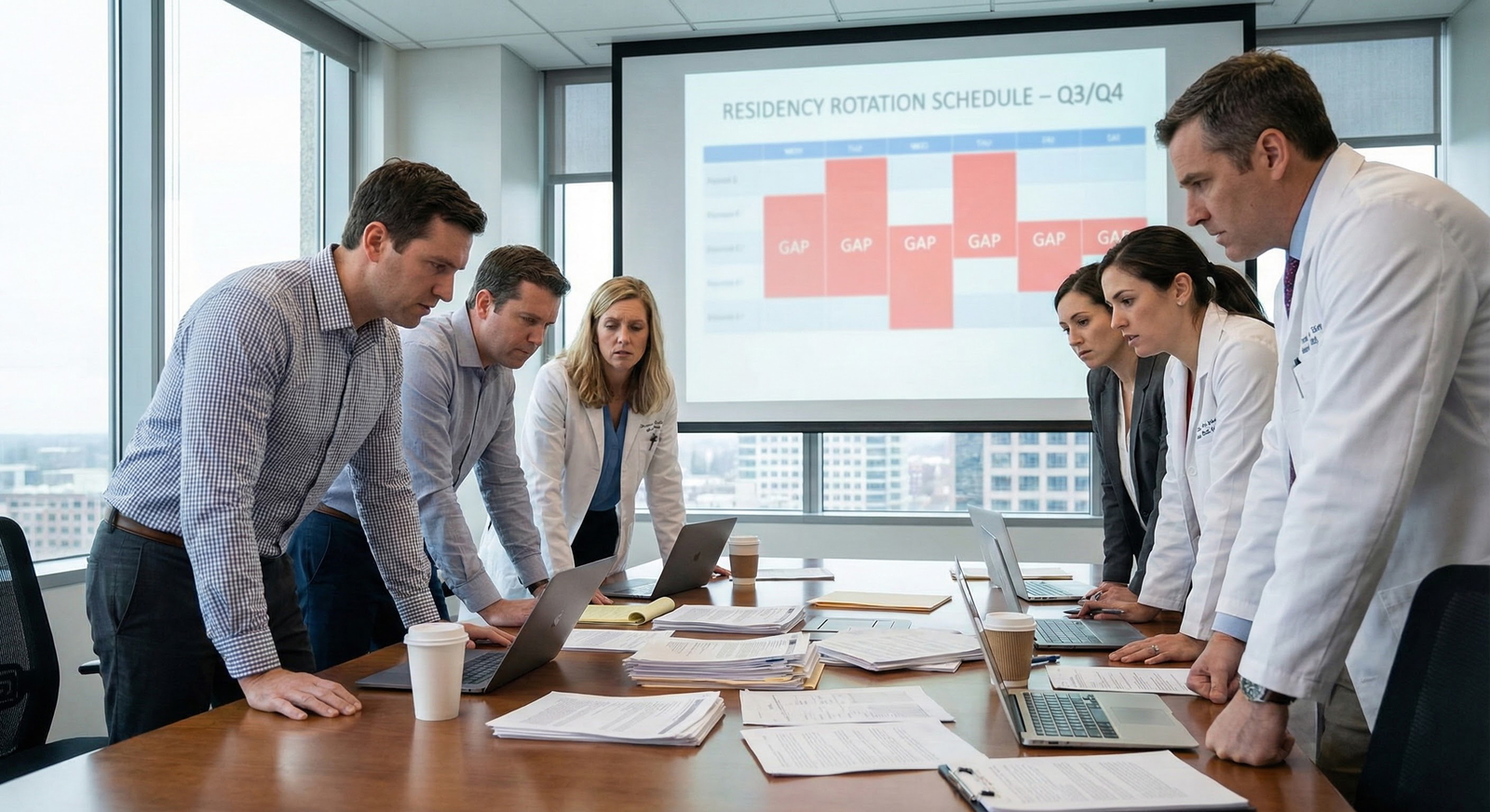
4.3 Schedule, Call, and Workload Clarity
In nuclear medicine, call is usually lighter than in other specialties, but malignant programs may:
- Underreport actual call:
- “Home call” that behaves like in-house call
- “Informal” expectations to answer calls on days off
- Have residents covering:
- Nuclear medicine, radiology, and perhaps general medicine duties at night
- Stress tests and nuclear cardiology late into the evening
Ask specifically:
- “On a typical week, what time do you leave on clinic days? On PET days? On therapy days?”
- “How often are you called after hours for consults?”
- “What happens when someone is out sick?”
If every answer is unusually vague, that’s a warning.
4.4 Education vs. Service
Ask residents:
- “Do you get protected time for didactics?”
- “Do lectures actually happen, or are they frequently canceled?”
- “Is there any structured board review for ABNM?”
Red flags:
- Residents consistently miss lectures due to service.
- No organized board prep; residents study entirely on their own.
- No quality improvement (QI) projects, research mentoring, or case conferences.
5. Deep-Dive Red Flags Specific to Nuclear Medicine Programs
Because nuclear medicine deals with radiation, radiopharmaceuticals, and complex imaging, malignant behaviors can directly compromise patient safety and your professional integrity.
5.1 Radiation Safety and Ethical Practices
Serious red flags:
- Skipping required time–distance–shielding precautions to “go faster”
- Cutting corners on patient pregnancy checks or consent for therapies
- Pressuring residents to:
- Overlook contamination events
- Underreport dose extravasation
- Approve scans that violate safety policies
As a resident, you are learning not just how to read scans, but how to practice safely. Malignant programs may normalize unethical shortcuts.
5.2 Unsupervised Interpretation and Billing Risks
Some nuclear medicine programs or hybrid radiology practices may:
- Expect residents to interpret and sign off studies independently to keep volumes flowing.
- Use residents to staff remote sites without direct attending supervision.
- Engage in billing practices that could implicate you if questioned later.
Ask clearly:
- “Do residents ever sign reports independently?”
- “Are attendings always available and reviewing cases with you?”
- “Is there any pressure to rush through reads to meet volume targets?”
If the answers are evasive, reconsider.
5.3 Educational Isolation
Because nuclear medicine is small, some programs are located in:
- Smaller community hospitals
- Systems with limited academic infrastructure
Red flags:
- You are the only nuclear medicine resident with no peer group.
- No exposure to multidisciplinary tumor boards, endocrine clinics, or cardiology.
- No interdisciplinary training with radiology residents, physicists, or radiation oncologists.
This may not be malignant by itself, but it can lead to poor training and difficulty with the nuclear medicine match for subsequent fellowships or jobs.
6. Practical Strategies for Caribbean IMGs to Protect Themselves
You can’t control which programs offer you interviews, but you can control how you evaluate and rank them. As a Caribbean IMG, you must balance risk and opportunity carefully.
6.1 Ask Targeted Questions to Residents
When speaking with residents (ideally without faculty present), consider these questions:
Workload and culture
- “What are the most challenging aspects of this program?”
- “What would you change if you could?”
- “How does the program respond when residents are struggling?”
Supervision and training quality
- “Are attendings approachable and available?”
- “Do you feel supported when you don’t know an answer?”
- “How often do you get direct feedback on your reports?”
Red flags and turnover
- “Have any residents left the program in the last few years?”
- “Has anyone failed boards? What support was provided?”
- “What happens if you disagree with an attending about patient safety?”
Pay more attention to tone and hesitation than to rehearsed responses.
6.2 Ask Program Leadership Directly (Politely but Firmly)
You can phrase tough questions professionally:
- “I’ve heard of some programs where residents feel overburdened with service. How do you protect educational time here?”
- “Can you share your ABNM board pass rates for the last five years?”
- “What support do you offer if a resident is struggling academically or personally?”
- “Have there been any recent changes to your ACGME accreditation status?”
An honest, transparent answer—even if imperfect—is a good sign.
6.3 Use External Information Sources
Current and former residents:
- LinkedIn, Doximity, alumni groups from your Caribbean school (e.g., SGU, Ross, AUC)
- Send short, respectful messages:
- “I’m considering ranking your former program. Any advice or concerns you’d share privately?”
Online forums:
- Reddit (r/medicalschool, r/residency) and Student Doctor Network may mention:
- “toxic program signs” or specific issues in nuclear medicine departments
- Take anonymous comments with caution, but repeat themes across multiple sources deserve weight.
- Reddit (r/medicalschool, r/residency) and Student Doctor Network may mention:
Caribbean school advising network:
- Ask your school’s graduate affairs or match office:
- “Do we have alumni at this program?”
- “Have there been issues or complaints from previous graduates?”
- Ask your school’s graduate affairs or match office:
6.4 Ranking Strategy: Balancing Malignancy vs. Match Probability
As a Caribbean IMG, your instinct may be to rank every program that interviews you. However:
- A truly malignant program can:
- Harm your mental health
- Sabotage your ABNM board performance
- Damage your career reputation
- Consider not ranking programs where:
- Residents or alumni strongly warn you away.
- You observe multiple severe red flags (e.g., intimidation, ethical concerns, unsafe radiology practices).
A realistic approach:
Categorize programs
- Green: Supportive culture, solid training, transparent leadership.
- Yellow: Minor concerns but likely manageable; weigh them against your need to match.
- Red: Clear evidence of abuse, dishonesty, or unsafe practice.
Rank all Green programs first, then Yellow.
Strongly consider excluding Red programs, even if it means a risk of not matching this cycle.
For some Caribbean IMGs, it may be safer to:
- Improve your application for one more cycle (research, observerships, exam scores, U.S. letters)
- Or consider a more IMG‑friendly preliminary year in IM or transitional year first, before applying to nuclear medicine.
7. If You End Up in a Malignant Program: Steps and Safeguards
Despite your best research, it’s possible to land in a problematic environment. As an IMG, you may feel trapped, but there are still strategies:
7.1 Document and Protect Yourself
- Keep a private, secure log (not on work devices) of:
- Dates, times, and descriptions of abusive incidents
- Emails or texts that show unreasonable expectations or retaliation
- Save copies (if allowed) of:
- Schedules, call rosters, workloads
- Feedback or evaluation forms that seem retaliatory or inconsistent
7.2 Use Institutional Resources
- Program Director and Associate PD (if safe)
- GME office and Designated Institutional Official (DIO)
- Employee assistance programs / counseling
- Ombudsperson, if available
If the program is truly malignant, others may already be aware; your report may add crucial evidence.
7.3 Seek External Support and Exit Options
- Contact your Caribbean medical school’s graduate support office:
- They may know of transfer options or have relationships with other programs.
- Consider discussing confidentially with:
- ABNM or your specialty society’s trainee section
- Trusted faculty from electives or observerships
In extreme cases (harassment, safety violations, fraud):
- You may need legal advice or to contact external bodies (state medical boards, accrediting organizations).
Your license, integrity, and health are more important than staying in a malignant environment at any cost.
FAQs: Caribbean IMG Concerns About Malignant Nuclear Medicine Programs
1. As a Caribbean IMG with limited interviews, can I really afford to be picky about toxic programs?
You do have to be strategic, but not blindly desperate. Differentiate between high‑demand but fair programs and truly malignant residency programs. A demanding program with honest leadership and supportive culture can still be an excellent choice. However, if multiple residents warn you away, or if you see serious ethical or safety issues, it may be better not to rank that program and instead strengthen your profile for a future cycle or consider alternative pathways.
2. Are small or community‑based nuclear medicine programs automatically risky for Caribbean IMGs?
No. Many smaller programs are excellent and may be more IMG‑friendly. What matters is culture, transparency, and case mix, not size. Look at:
- Faculty stability and mentorship
- Board pass rates and graduate outcomes
- Exposure to a full range of nuclear medicine, including PET and theranostics
Small size becomes a concern only when combined with lack of supervision, poor safety practices, or residents feeling isolated and unsupported.
3. How much weight should I give to online reports calling a program “malignant” or “toxic”?
Treat them as data points, not verdicts. Online comments are subjective, but if you see consistent concerns across different years and sources—especially about abuse, unsafe practices, or repeated resident departures—that’s meaningful. Use those reports to guide:
- Deeper questions on interview day
- Reaching out to alumni privately
- How you categorize the program (Green/Yellow/Red) on your rank list
4. Are programs that take many Caribbean IMGs more likely to be malignant?
Not necessarily. Many programs that welcome Caribbean IMGs are supportive and value diversity. However, a small subset of programs over‑rely on vulnerable IMGs to tolerate poor conditions. Distinguish between:
- Programs proud of their IMG alumni, with strong mentorship and outcomes
- Programs where IMGs are clustered in the hardest rotations, have higher non-renewal rates, or receive little institutional support
Look for how IMGs are doing there now: Are they passing boards, matching fellowships, and speaking positively, or quietly warning you away?
By learning to recognize toxic program signs and evaluating each nuclear medicine residency objectively, you can protect yourself from malignant environments and build a sustainable, rewarding career—whether you come from SGU or any other Caribbean medical school. Your status as a Caribbean IMG should never be a reason to accept mistreatment; it should be a motivation to choose programs that value your resilience, talent, and potential.