Understanding “Malignant” Programs in PM&R
For a US citizen IMG, the path to a PM&R residency (physiatry) can feel fragile enough without worrying about landing in a malignant residency program. Yet identifying malignant programs and recognizing early toxic program signs is critical to protecting your training, well‑being, and long‑term career.
In Physical Medicine & Rehabilitation, most programs are collegial and mission‑driven, but malignant environments do exist. These can be especially damaging if you’re an American studying abroad and already navigating visa questions, implicit bias, and the challenges of being an IMG.
This article focuses on:
- How “malignancy” looks specifically in PM&R
- Key residency red flags before you rank programs
- How toxicity might uniquely impact US citizen IMG applicants
- Concrete strategies to investigate, question, and protect yourself
Throughout, the examples assume you are a US citizen IMG applying in PM&R, but most principles apply to other applicants too.
What Does a “Malignant” PM&R Program Look Like?
“Malignant” is an informal term used by residents to describe programs that are consistently harmful to trainees. It’s not about being “tough” or “high‑volume”; it’s about chronic, systemic disrespect and dysfunction.
Core Features of Malignant Programs
Across specialties, malignant programs usually share these traits:
Persistent abuse or humiliation
- Attendings frequently belittle, yell at, or mock residents.
- Residents fear asking questions or admitting they don’t know something.
- Public shaming becomes a “teaching tool.”
Blatant disregard for duty hours and well‑being
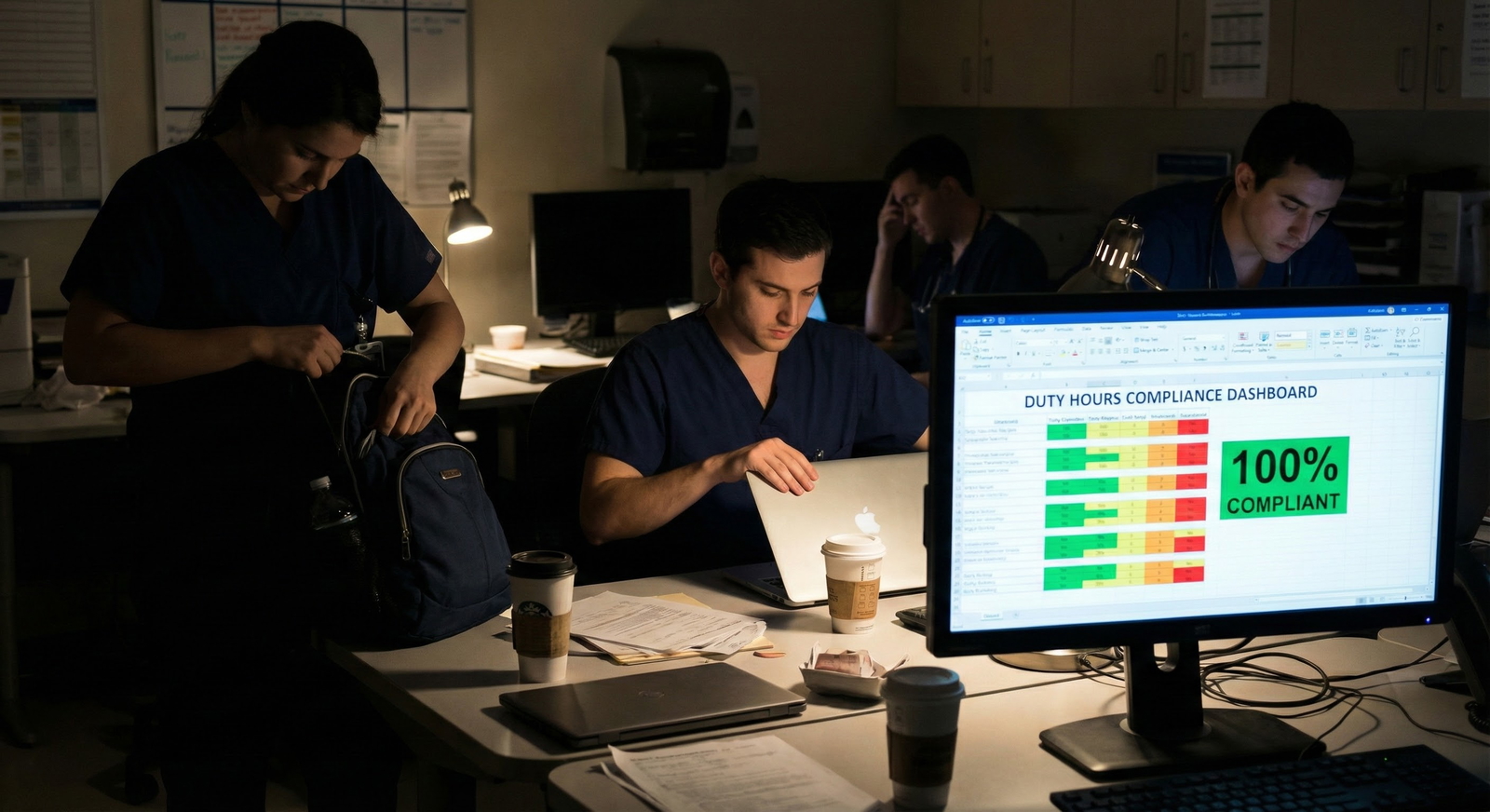
- Chronic 80+ hour weeks or frequent violations that are normalized.
- Pressure to falsify duty hours.
- Little to no genuine support for mental health or time off.
Retaliatory, punitive culture
- Reporting issues leads to punishment (bad evaluations, schedule changes, being “frozen out”).
- Residents are afraid to use grievance processes or union support (where applicable).
Unfair evaluation and promotion practices
- Evaluations are opaque, inconsistent, or obviously biased.
- Residents feel they can be “failed” or put on remediation with little explanation.
- Promotion to the next PGY level feels arbitrary, not competency‑based.
High attrition or frequent transfers
- Multiple residents leave or are “let go” over a few years.
- Many PGY‑2 or PGY‑3 spots are being backfilled last minute.
In PM&R specifically, malignancy can be harder to spot because:
- The specialty has a culture of “nice people,” so abuse may be more subtle, passive‑aggressive, or hidden behind “professionalism” rhetoric.
- The work is often team‑based (therapy, nursing, case management), so residents may feel blame for system‑level failures in rehab units or consult services.
- Schedules may appear lighter than some other specialties, masking emotional or psychological toxicity.
Unique Vulnerabilities for US Citizen IMG Applicants
As a US citizen IMG or American studying abroad, you don’t need visa sponsorship, but you are still an IMG in the eyes of residency programs. That status can shape your experience in ways that intersect with malignancy.
How Toxic Programs Can Hit US Citizen IMGs Harder
Less institutional power and network support
- You may not have strong home‑institution advocates at big US academic centers.
- Toxic programs sometimes see IMGs as “easier to exploit” because they’re perceived as having fewer options.
Higher perceived replaceability
- Malignant programs sometimes over‑recruit IMGs (including US citizen IMG applicants) because they think they can rotate through them if people leave.
- You might see patterns like multiple IMGs on probation or “counseled out.”
Bias masked as “professionalism” or “communication concerns”
- Microaggressions or bias toward IMGs may be framed as “fit with the program culture.”
- Feedback can focus on vague issues like “communication style” or “team integration” inconsistently applied to IMG vs AMG residents.
Less confidence asking about red flags
- You may feel you should “just be grateful” for any PM&R residency interview or match.
- This can make it harder to ask tough questions about malignant residency programs or walk away from a problematic rank choice.
Limited access to informal warning systems
- US MD/DO students often hear about toxic programs via word of mouth, alumni chats, or specialty interest groups.
- As an American studying abroad, you might be less plugged into those whisper networks.
Understanding these vulnerabilities is not about scaring you, but about preparing you to be more deliberate and skeptical when necessary.
Concrete Residency Red Flags for PM&R Applicants
Here are specific toxic program signs to look for at every stage—online research, interview season, and post‑interview communication.
1. Online and Background Research Red Flags
Before interviews, analyze each PM&R residency program carefully:
A. ACGME and NRMP signals
- ACGME citations or warnings
- Look up the program on the ACGME public site. Recurrent citations for duty‑hour violations, resident supervision, or learning environment issues are notable residency red flags.
- Unstable accreditation status
- “Initial accreditation” for a new program isn’t inherently bad. But frequent name or sponsorship changes, or loss and re‑gain of accreditation, should prompt deeper questions.
B. Unusual class sizes or frequent mid‑year openings
- Repeated PGY‑2 or PGY‑3 openings posted on FREIDA, program websites, or specialty forums suggest residents are leaving.
- Programs “expanding” resident numbers but not adding faculty or clinical training sites may be stretching resources too thin.
C. Online reviews and message boards
- Read but don’t over‑trust anonymous reviews. Instead, look for patterns:
- Multiple mentions of bullying from specific attendings.
- Several posts over years describing the same malignant behaviors.
- Recurring notes about residents transferring out.
2. Interview Day Warning Signs
The interview day is your best chance to verify if a PM&R program is healthy or malignant. Pay attention to what’s said—and what’s not.
A. Resident behavior and body language
Warning signs include:
- Residents look guarded, anxious, or overly cautious when faculty are present.
- In private Q&A sessions, residents give very vague, rehearsed answers and avoid specifics about schedule, call, or conflict resolution.
- A resident suddenly changes the subject when others bring up wellness or workload.
Healthy programs typically have residents who:
- Speak openly about both strengths and areas for improvement.
- Joke and speak naturally around faculty.
- Acknowledge challenges but also explain how the program responds.
B. Inconsistent answers about schedule and workload
Examples of toxic program signs:
- Faculty describe typical hours as “45–50 a week,” but residents quietly admit to 65–70 hours “depending on the month.”
- Duty hours questions are answered defensively:
- “We’re busy, but that’s residency.”
- “If you can’t handle it, this may not be the place for you.”
In PM&R, excessive hours are less common than in surgical fields, so chronic duty‑hour violations are a particularly strong red flag.
C. Evasive responses about resident departures or attrition
Ask directly:
- “Have any residents left the program or transferred in the last 5 years?”
- “What were the circumstances, if you’re able to share generally?”
Red flags:
- Vague answers like “It wasn’t a good fit” with no details at all.
- Blaming departing residents as “unmotivated,” “unprofessional,” or “too sensitive,” especially if this has happened more than once.
D. Hostility or dismissiveness toward feedback
Ask:
- “Can you describe a recent change made based on resident feedback?”
Warning signs:
- Faculty struggle to answer or mention only trivial changes.
- They frame resident feedback as “complaining” or “entitlement.”
- They imply residents need to “toughen up” instead of addressing systemic problems.
3. Culture and Education Red Flags Specific to PM&R
Because PM&R is a rehabilitation and quality‑of‑life specialty, you should expect strong attention to teaching, interprofessional communication, and documentation. Malignant PM&R programs often show weaknesses here.
A. Poor didactic structure
- No protected time for didactics or frequent interruptions for clinical demands.
- Residents say they regularly miss lectures to “keep the service running.”
- Limited exposure to core physiatry topics (SCI, TBI, EMG, sports, pain, MSK ultrasound).
B. Exploitation on off‑service rotations
You will typically do off‑service rotations (medicine, neurology, orthopedics, etc.) as a PM&R resident. Red flags:
- PM&R residents treated as free labor on off‑services, doing scut work with minimal teaching.
- Off‑service evaluations consistently critical or hostile toward PM&R residents.
- Little advocacy from PM&R leadership to protect you when issues arise on outside rotations.
C. Toxic interprofessional dynamics
PM&R is inherently team‑based. Warning signs:
- Nurses or therapists are described as “difficult” or “obstructive” by multiple residents.
- Residents feel caught between attendings and therapy teams, often blamed for system problems.
- No mechanisms to address conflicts with other disciplines.
4. Specific Red Flags for US Citizen IMG Applicants
Because you are a US citizen IMG, pay careful attention to:
A. How they talk about IMGs
Listen for subtle cues during interview day and resident conversations:
- Programs brag about “taking a chance” on IMGs or talk as if IMGs are inherently riskier.
- IMGs (especially US citizen IMGs) are clustered in certain classes or tracks and seem underrepresented in leadership positions (chief resident, committees, etc.).
- Residents mention that IMGs are more frequently put on remediation or “struggle” without clear academic reasons.
B. Unequal opportunities
Ask about:
- Who gets research, national conference presentations, or prime electives.
- Who is chosen as chief.
Red flags include patterns where AMGs are consistently favored for leadership and academic opportunities, while IMGs fill the service needs.
C. Microaggressions or biased language
Subtle toxic program signs:
- Questions about your medical school that feel dismissive (e.g., “Do they even have standardized patients there?”).
- Emphasis on needing to “monitor” IMG performance more closely.
- Comments that lump all IMGs together, ignoring that you’re a US citizen IMG with cultural familiarity and no visa issues.
How to Investigate Programs Effectively as a US Citizen IMG
You can’t control everything about the match, but you can vastly improve your odds of avoiding a malignant residency program by being intentional and systematic.
Step 1: Pre‑Interview Research Checklist
For each PM&R residency on your list:
Review ACGME and FREIDA data
- Accreditation status, program size, and history of citations.
- Changes in class size over a few years.
Analyze publicly shared call schedules
- If call expectations are vague or absent, note it as a question to ask.
- Compare inpatient rehab, consult, and night coverage to other programs.
Search for alumni and current residents
- Look on LinkedIn, Doximity, and program websites.
- Note where recent graduates are now: fellowships, practice type. Unexpected gaps may warrant questions.
Talk to PM&R mentors or advisors
- Faculty in rehabilitation medicine at US institutions may know reputations even if you trained abroad.
- Ask: “Are there any PM&R programs you would recommend I avoid due to culture or learning environment?”
Step 2: Strategic Questions to Ask on Interview Day
Use your IMG status to your advantage: frame questions as wanting to understand support and structure.
Consider asking:
- “How does the program support residents coming from diverse educational backgrounds, including IMGs or American studying abroad pathways?”
- “Can you share an example of a time a resident struggled academically or personally and how the program handled it?”
- “What mechanisms exist for anonymous feedback, and can you give an example of a change that resulted?”
- “How often are duty‑hour violations reported, and how does the program respond?”
- “Have any residents left or transferred recently, and what changes were made in response?”
Observe not only what they answer, but how:
- Are they defensive or open?
- Do they blame individuals or acknowledge systems?
- Do residents corroborate or quietly contradict attending statements?
Step 3: Private Conversations with Residents
If possible, get residents alone (even virtually):
- Use pre‑ or post‑interview “socials” strategically.
- Ask direct but respectful questions:
- “Is there anyone you would absolutely not want to anger here?”
- “If you had to repeat the match, would you choose this program again?”
- “Have there been any situations where residents felt unsafe or unsupported?”
Pay attention to hesitation, facial expressions, and what goes unsaid. Silence or strained smiles can be as revealing as words.
Step 4: Post‑Interview Reflection
Immediately after each interview, write down:
- Examples of transparency vs. evasiveness.
- How residents seemed emotionally (relaxed vs. tense; candid vs. guarded).
- Any mismatch between faculty and resident narratives.
Use these notes when building your rank list. Even if a malignant program was your only “top‑tier name,” it may not be worth ranking highly if the environment is toxic.
When You Suspect a Program Is Malignant: Practical Decisions
Sometimes, despite red flags, a program might remain on your list because of geography, perceived prestige, or lack of interviews. As a US citizen IMG, you may worry about not matching if you are too selective.
Here are realistic approaches:
1. Weighing Risk vs. Opportunity
Ask yourself:
- “Would I rather risk not matching this year, or spend 3–4 years in a harmful training environment?”
- “Could I potentially reapply or improve my application if I don’t match?”
- “Is there another specialty, prelim year, or transitional year path I would consider before committing to a toxic PM&R program?”
For some applicants, a less prestigious but supportive community PM&R residency may be far better than a malignant residency program at a big‑name institution.
2. Considering Rank List Strategy
You can rank a program lower or not at all if the residency red flags feel serious:
- If multiple signs of malignancy are present (attrition, blatant disrespect, evasiveness, poor support), consider leaving it off your rank list.
- If the signs are milder or ambiguous, rank it low and prioritize safer programs higher—even if they feel “less competitive” on paper.
Remember: your day‑to‑day quality of life and ability to grow as a physiatrist matter more than the program’s logo.
3. If You Match into a Program That Turns Out to Be Malignant
Sometimes malignancy becomes clear only after you start residency. If that happens:
- Document everything: dates, incidents, conversations, emails.
- Identify allies: faculty you trust, program coordinators, GME office, ombuds services.
- Know your rights: review ACGME Common Program Requirements, duty‑hour standards, and your institution’s grievance policies.
- Consider quietly seeking transfer options if the environment is truly unsafe or abusive.
As a US citizen IMG, you may also:
- Lean on mentors from your medical school or US clinical experiences.
- Use professional organizations like the AAPM&R for networking and support.
FAQs: Identifying Malignant PM&R Programs as a US Citizen IMG
1. Are PM&R residencies generally less malignant than surgical or internal medicine programs?
PM&R tends to attract collaborative personalities and is often perceived as more “resident friendly” than many surgical or high‑intensity medicine specialties. However, malignant residency programs exist in physiatry too. They may not show up as screaming attendings or 100‑hour weeks; instead, toxicity may appear as chronic disrespect, poor mentorship, scapegoating, or lack of educational structure. Don’t assume a program is safe just because it’s in PM&R—evaluate each one critically.
2. As a US citizen IMG, should I ever rank a program with clear red flags?
If a program shows multiple strong toxic program signs—high attrition, consistent resident fear, overt bullying, or clear disdain for IMGs—it’s generally safer not to rank it at all, even if you worry about matching. If the red flags are milder or uncertain, you might rank it low as a “last resort,” but reflect seriously on whether you’d prefer going unmatched and reapplying over training in that environment. Your physical and mental health, and your future as a physiatrist, are more valuable than any single match cycle.
3. How can I discreetly find out if a program has a bad reputation?
Strategies include:
- Asking trusted PM&R attendings or mentors in the US: “Are there any rehab programs you’d recommend I be cautious about?”
- Reaching out to alumni from your school who matched into PM&R and asking about programs they heard concerns about.
- Contacting current or recent residents (via LinkedIn or email) for brief, private conversations. Frame it as wanting to understand “culture and resident support.” Most people will not directly slander their employer, but tone, hesitations, and emphasis can guide you.
4. Is it risky to ask about malignant behaviors directly during interviews (e.g., bullying, duty‑hour violations)?
You don’t need to use the word “malignant,” but it’s appropriate to ask about duty hours, wellness, conflict resolution, and resident advocacy. Phrase your questions professionally, such as:
- “How does the program respond when residents report feeling overwhelmed or burned out?”
- “Can you share how duty‑hour concerns are handled?”
Programs that react defensively or minimize these questions often reveal more about themselves than they intend. Healthy programs welcome these conversations and respond with concrete examples of support.
By treating yourself as a valued future physiatrist rather than a desperate applicant, you’ll be better positioned to detect malignant residency programs and protect your training. As a US citizen IMG, your path may be different, but you deserve a PM&R residency that develops your skills, respects your dignity, and supports your long‑term success in physiatry.