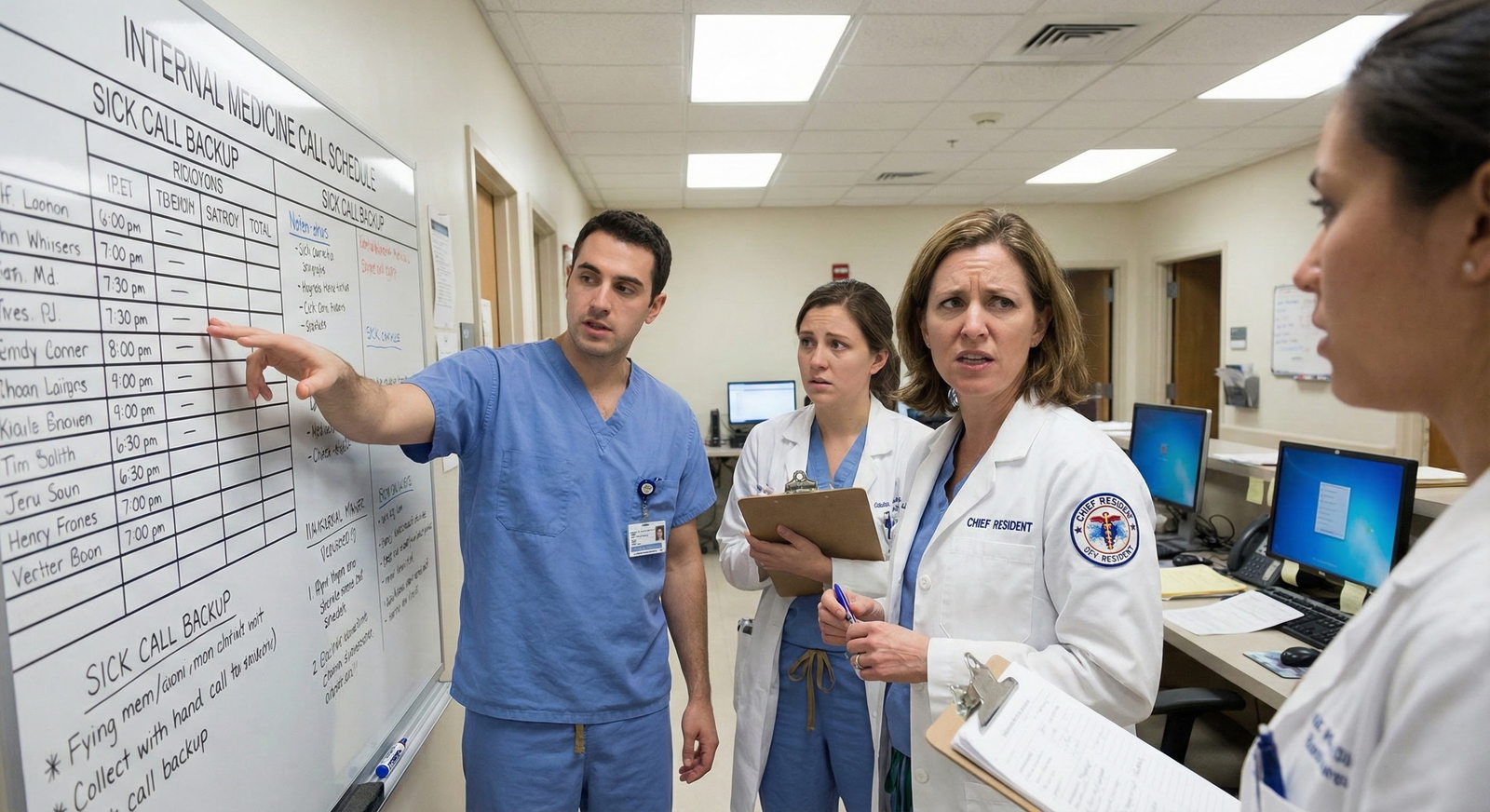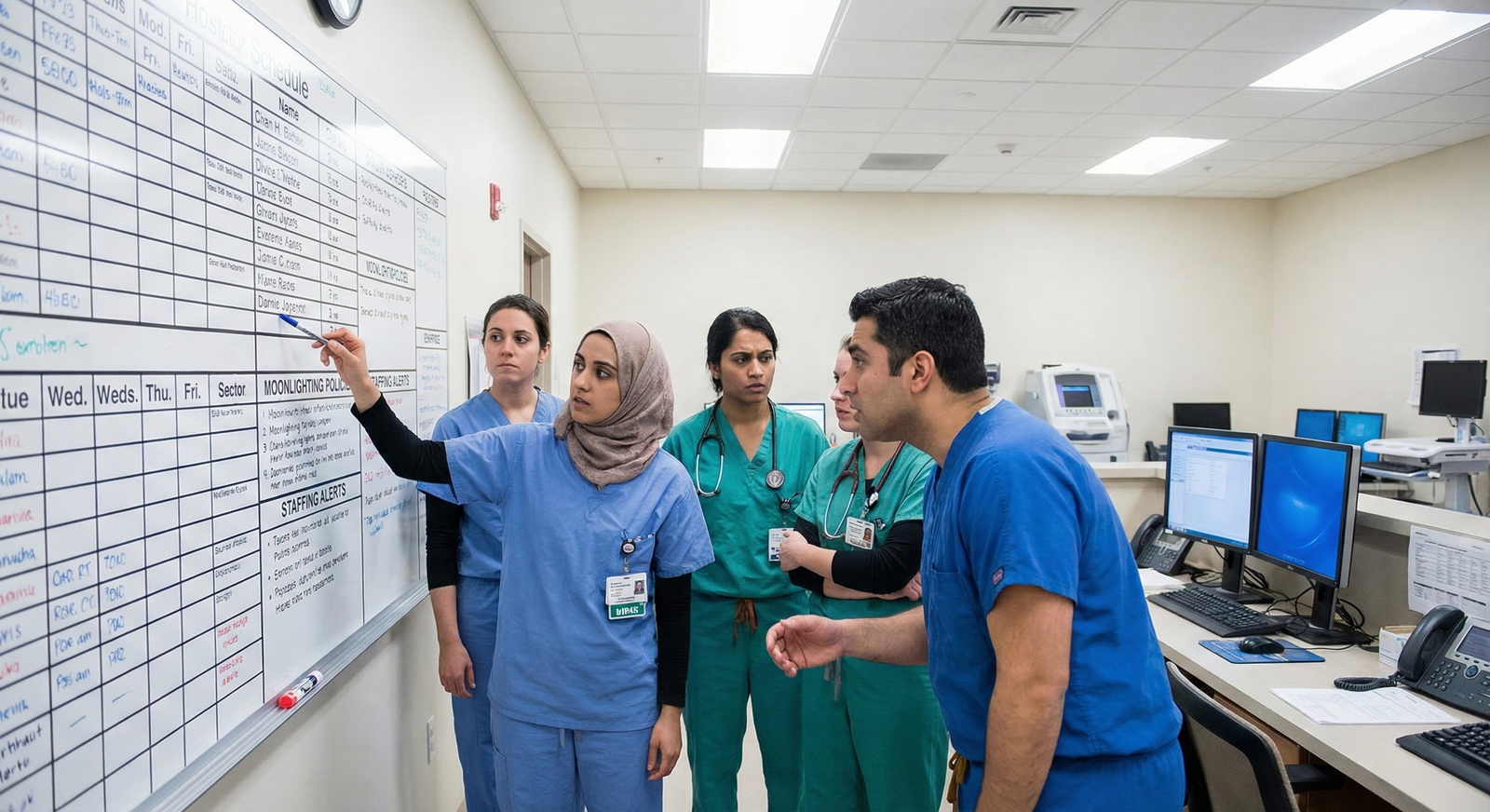
Identifying malignant residency programs is one of the most important—and most overlooked—steps in your diagnostic radiology journey as a Caribbean IMG. As someone navigating visas, the Caribbean medical school residency stigma, and the intense competition of the diagnostic radiology match, the last thing you need is to land in a toxic program that derails your training, your mental health, or your board eligibility.
This guide is written specifically for Caribbean IMGs aiming for Diagnostic Radiology, with particular relevance if you’re at SGU, AUC, Ross, or similar schools and are thinking carefully about your SGU residency match or broader match strategy.
Understanding “Malignant” vs. “Challenging but Supportive” Programs
Before you can recognize residency red flags, you need a clear definition of what “malignant” actually means.
What is a “malignant” residency program?
A malignant residency program is one where the environment is consistently:
- Psychologically unsafe – fear, humiliation, and intimidation are normalized
- Exploitative – residents are used as cheap labor with little concern for education or wellness
- Retaliatory – residents who raise concerns are punished or gaslit
- Educationally negligent – little supervision, minimal teaching, no protection of learning time
- Dishonest or opaque – frequent surprises about schedules, expectations, or evaluations
This is different from a simply busy or high-expectation program. Many top-tier diagnostic radiology residencies are demanding, but they are also:
- Transparent about expectations
- Supportive of residents’ learning and board prep
- Responsive to feedback
- Genuinely invested in your success
Why Caribbean IMGs are especially vulnerable
As a Caribbean IMG, several dynamics put you at higher risk of ending up in a malignant residency program:
- Limited interview invites → pressure to rank every place that interviews you
- Visa dependence (J-1 or H-1B) → fear of rocking the boat or switching programs
- Caribbean medical school residency bias → some malignant programs intentionally fish for vulnerable applicants who will “tolerate anything”
- Less reliable student grapevine → compared to US MDs, it can be harder to get honest insider information
Malignant PDs and faculty sometimes consciously exploit this imbalance of power. Recognizing and avoiding such programs can protect your career trajectory, mental health, and ability to complete training on time.
Core Toxic Program Signs in Diagnostic Radiology
While every specialty has issues, malignant behavior in radiology residency has some specialty-specific features. Knowing what to look for allows you to evaluate each program more realistically than just relying on website polish or match list bragging.
1. Culture of fear and humiliation
Radiology is heavily cognitive. Mistakes are part of learning. But in malignant programs:
- Residents are publicly shamed for misses during case conference or readout
- Attendings weaponize hindsight: “How could you miss that? My 5-year-old could see it.”
- Feedback is personal and attacking, not focused on learning: “You’re lazy,” “You’re not cut out for radiology.”
- Residents talk about dreading specific attendings or rotations, not because they’re demanding, but because they’re demeaning
What this looks like on interview day
- Residents joking (but not really joking) about “getting destroyed” at conference
- Interviewers bragging about “weeding out the weak”
- Program director describing themselves as “old school” and “not into this wellness stuff,” framed as a point of pride
Healthy programs still push you hard on case conferences and pimping, but the tone is:
- “Let’s understand how we could have caught this earlier.”
- “Walk me through your thought process so we can refine it together.”
2. Exploitation of residents as service workhorses
In malignant diagnostic radiology programs, service trumps education:
- You’re constantly covering multiple modalities alone (e.g., CT + MR + plain films) far beyond your level
- You routinely stay 1–3 hours past sign-out with no acknowledgment, compensation, or discussion
- Home call turns into unofficial home work, with huge overnight read volumes and little attending backup
- Residents are repeatedly assigned non-educational scut: transporting patients, handling unrelated admin, tech-level work that could be delegated
Concrete red flags:
- Residents say: “You’ll learn a lot because we’re so understaffed.”
- Heavy reliance on residents to keep the private practice paid work flowing
- Faculty are physically present but chronically too busy with their own RVUs to teach or review in real time
3. Poor supervision and unsafe autonomy
Autonomy is important in radiology, especially senior-level overnight calls. But malignant programs:
- Put juniors on call with minimal or delayed attending backup
- Leave residents to prelim high-risk findings (e.g., acute stroke, trauma CT) while attendings are off-site or slow to respond
- Create an environment of blame but not support when adverse outcomes occur
Ask specifically:
- When do residents start independent call?
- Is call in-house or from home?
- Are all resident reads over-read within a set time window by an attending?
- Have there been reported or whispered adverse events tied to unsafe autonomy?
Unclear or defensive answers are major residency red flags.
4. Structural instability and chronic understaffing
Radiology is sensitive to staffing changes. Malignant or collapsing programs often show the same pattern:
- Multiple faculty departures in the last 2–3 years
- Frequent PD or chair turnover
- Ongoing unfilled resident positions, even after SOAP
- Heavy reliance on locums attendings or teleradiology for core services
For Caribbean IMGs, this is especially dangerous: if the program or department loses accreditation or collapses, transferring as a visa-dependent IMG can be very difficult.
Look for signs like:
- Residents hinting at “a lot of changes recently” but seeming anxious about details
- PD glossing over concrete questions about why several attendings left
- Website faculty list not matching who residents say is actually present
5. Unrealistic call, workload, and expectations
Diagnostic radiology can be intense, especially in trauma centers. That alone doesn’t mean the program is malignant. The key question: Is the workload aligned with training level and educational goals?
Red flags:
- PGY-2s doing heavy independent call with minimal backup
- Overnight or evening shifts with unmanageable volumes: one resident handling emergencies from multiple hospitals or modalities
- Little to no adjustment for new residents learning systems—you’re thrown in to sink or swim
- Residents describing chronic “survival mode” rather than growth
You want challenging programs—but not ones that burn people out, fail ABR boards, or drive residents to leave.
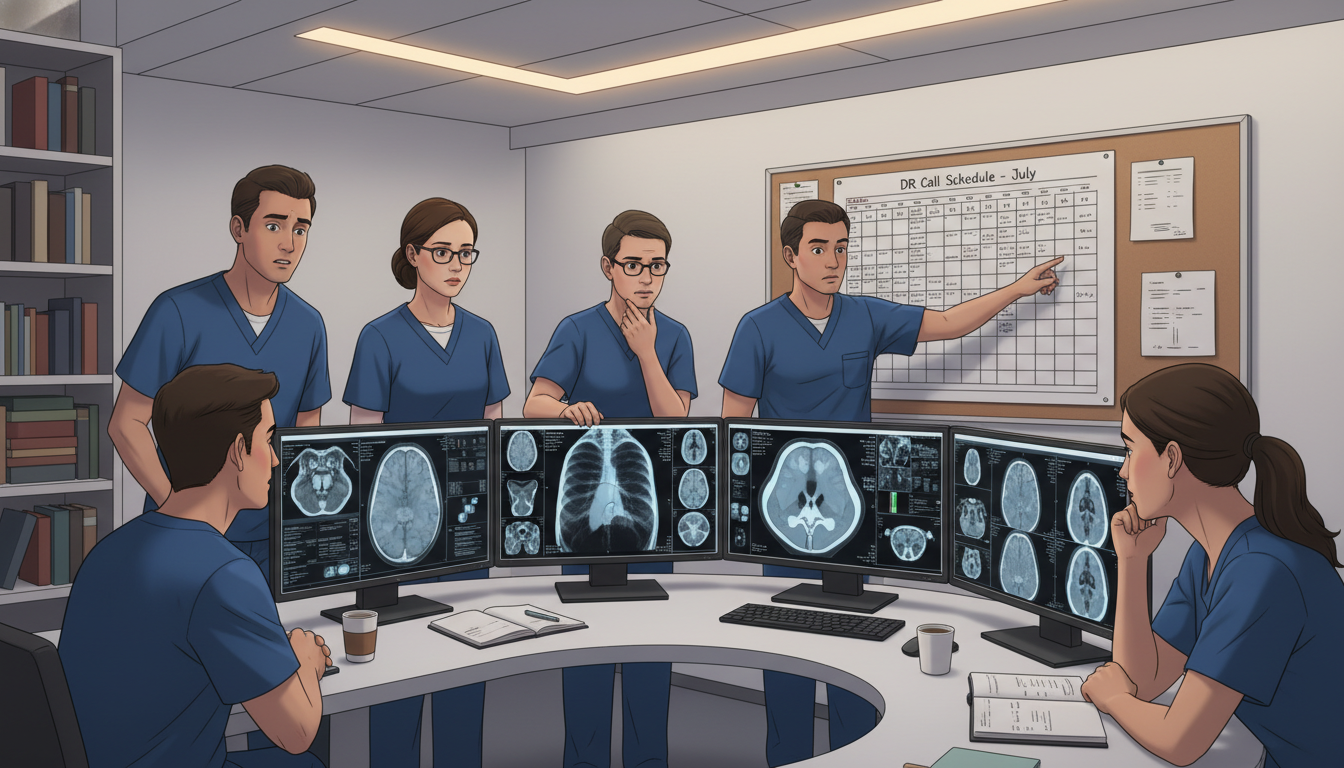
Residency Red Flags Specific to Caribbean IMGs
Beyond generic toxicity, there are certain patterns that disproportionately affect Caribbean IMGs and other international graduates.
1. Programs that “collect” IMGs without supporting them
Some malignant programs aggressively recruit IMGs—especially Caribbean grads—because they believe:
- You have fewer options
- You’re less likely to complain
- You may accept worse treatment just to have a spot
How this shows up:
- A large percentage of residents are IMGs, but many don’t complete the program
- No structured support for visa issues, board exams, or cultural integration
- PD or faculty make subtle derogatory comments about Caribbean medical school residency backgrounds
- Residents from Caribbean schools rarely go on to competitive fellowships or strong jobs, even when they’re clearly capable
Ask residents directly:
“How supported do you feel as an IMG here, especially around visas, exams, and career planning?”
If they pause, hedge, or give obviously rehearsed answers, that’s telling.
2. Weak ABR board prep and high failure rates
For any radiology resident—especially a Caribbean IMG—the ABR Core Exam is a major career milestone. Malignant programs may:
- Have no structured didactic curriculum or protected board review time
- Expect you to self-study entirely outside of work, despite high service demands
- Minimize or shame those who ask for more teaching: “We all figured it out on our own.”
Ask:
- What is the 5-year pass rate for the ABR Core Exam?
- Is there dedicated prep time (e.g., light rotations, protected lecture blocks) before the exam?
- Are there funds or time off for board review courses?
If they evade or “don’t track that,” it’s a major residency red flag. Programs proud of their outcomes are transparent about them.
3. Visa confusion, delays, or last-minute surprises
For Caribbean IMGs, visa reliability is non-negotiable.
Toxic program signs include:
- Program coordinator seems uncertain about J-1 or H-1B process
- Residents tell stories of last-minute panic about visa paperwork each year
- No clear policy on which visas are supported
- History of an incoming IMG losing their position due to delayed or mishandled visa issues
You want programs that can say, calmly and specifically:
- “We sponsor J-1 for all IMGs and H-1B on a case-by-case basis.”
- “We’ve successfully sponsored X IMGs in the last 5 years without gaps.”
4. Caribbean IMGs excluded from top opportunities
Even non-malignant programs can be subtly biased. But in malignant ones, Caribbean IMGs may:
- Be passed over for chief resident roles despite strong performance
- Be discouraged from competitive fellowships (“maybe aim lower”)
- Rarely match into desirable fellowships (MSK, IR, neuro, etc.) without clear explanation
- Get less mentorship than US MDs
Look at graduate outcomes:
- Are Caribbean IMGs matching into solid fellowships?
- Do alumni attendings include former Caribbean graduates from that program?
- Or are the best fellowships and jobs going almost exclusively to US MDs?
Patterns matter more than any single anecdote.
How to Detect Malignant Programs Before You Rank
You rarely get an honest email saying, “We are a malignant residency.” You need to piece together signals from multiple sources: data, conversations, and your gut.
1. Use objective data and public information
Start with what you can see before interviews:
- ACGME and program website
- Look for recent changes in accreditation status
- Check if there have been major leadership changes
- Resident roster
- Are there missing PGY classes or multiple years with fewer residents than expected?
- High dropout or transfer rates are powerful residency red flags.
- Case volume and subspecialty coverage
- Are there full-featured services (MSK, neuro, IR, breast, pediatrics)?
- Are there fellowship-trained faculty in each area? Chronic gaps can signal instability.
2. Ask targeted questions on interview day
Instead of generic “What’s your call like?” questions, ask things that reveal toxicity indirectly.
To residents:
- “How comfortable do you feel asking for help on a tough case?”
- “What happens when someone is struggling academically or personally?”
- “Have any residents left the program in the last few years? If so, why?”
- “How is feedback given? Publicly? Privately? Supportively?”
- “Do you feel there are differences in how Caribbean IMGs and US grads are treated here?”
To PD or faculty:
- “What changes have you made in response to resident feedback in the last 2–3 years?”
- “What are you most proud of in the way you support residents?”
- “How would you describe your wellness and burnout prevention efforts?”
- “Do you see any challenges in your program culture you’re currently working on?”
You’re not just listening to the content of answers but the tone:
- Are they defensive? Dismissive? Or transparent and reflective?
- Do residents visibly relax when talking about leadership—or visibly tense?
3. Watch resident behavior more than their words
Residents know they’re “on stage” during interview day. Pay attention to non-verbal clues:
- Do junior residents look anxious when seniors or PD walk by?
- Are there jokes about being “whipped” or “destroyed,” followed by nervous laughter?
- When you ask about workload, do they look at each other first?
Join any resident-only social event if offered. That’s often where more honest comments slip through.
4. Use anonymous and unofficial channels wisely
Combine formal impressions with:
- Student Doctor Network (SDN) and Reddit r/medicalschool / r/residency threads
- Caribbean school-specific match groups (e.g., SGU Facebook groups, WhatsApp groups)
- Alumni contacts who trained at those programs
Caution: online reviews can be biased or outdated, but consistent negative patterns across multiple sources should carry weight.

Balancing Risk and Opportunity as a Caribbean IMG in DR
As a Caribbean IMG pursuing the diagnostic radiology match, you may not have the luxury of ranking only top-tier programs. The key is strategic risk management, not perfection.
1. Categorize programs: Green, Yellow, and Red
After each interview, sort your programs:
Green (Safe/Supportive)
- Residents seem genuinely happy; leadership is transparent
- Clear board prep structure, decent fellowship outcomes
- Reasonable call schedule, strong supervision
Yellow (Watch closely/Trade-offs)
- High workload but not clearly malignant
- Some instability, but responsive leadership
- Maybe less prestigious, but supportive toward IMGs
Red (Malignant or high risk)
- Multiple strong residency red flags: fear culture, high attrition, failed boards, hostile leadership
- Caribbean IMGs repeatedly struggling or leaving
- You feel a sense of dread imagining yourself there
As a Caribbean IMG, you might still rank a yellow program above being unmatched—but it’s important to avoid truly red programs whenever possible, even if they’re your only radiology interviews.
2. Consider your alternatives realistically
Ask yourself:
- Would I prefer a preliminary year plus reapplying, over committing to a clearly malignant DR program?
- If I match into a malignant program, how realistically could I transfer later as an IMG on a visa? (Often difficult.)
- Are there non-malignant categorical programs in a different specialty (e.g., IM, transitional year) that may be safer career-wise than a toxic DR spot?
This is deeply personal, but don’t underestimate how damaging a malignant program can be. Finishing residency burned out, unsupported, or undertrained can limit your fellowship options and long-term job prospects.
3. Leverage supportive programs even if they’re “mid-tier”
For Caribbean IMGs, a supportive mid-tier diagnostic radiology program often beats:
- A malignant “name-brand” program that leaves you undertrained or broken
- A toxic environment that makes ABR success uncertain
Strong, non-malignant programs will:
- Help you build a solid case log and subspecialty exposure
- Support your board preparation
- Write genuine letters for fellowships
- Help you navigate visa and job search issues
In the long run, your skills, reputation, and mental health matter more than your program’s US News ranking.
Practical Action Plan for Caribbean IMGs Targeting DR
To make this concrete, here’s a step-by-step approach:
Before interview season
- List target programs and flag those historically open to Caribbean medical school residency applicants.
- Research online for any early signs of residency red flags (attrition, board failures, toxic reputation).
During interview invitations
- Accept broadly but prioritize programs with stable leadership and good IMG history.
- If a program is known to be malignant on multiple forums, consider decline unless you have very limited interviews.
On interview day
- Ask specific, behavior-focused questions (see earlier sections).
- Observe resident-faculty dynamics closely.
After each interview
- Immediately jot down:
- How did residents look and sound?
- Did anyone subtly warn you off?
- What bothered you the most?
- Categorize the program as Green/Yellow/Red.
- Immediately jot down:
Before submitting your rank list
- Discuss concerns with trusted mentors—especially Caribbean IMG alumni in radiology.
- Weigh the benefit of any radiology spot against the damage a malignant environment can cause.
- Avoid ranking clearly malignant programs above genuinely safer alternatives, even in other specialties, without deep reflection.
FAQs: Malignant Programs and Caribbean IMGs in Diagnostic Radiology
1. I only have a few radiology interviews and at least one seems malignant. Should I still rank it?
This depends on:
- How severe the red flags are (board failures, attrition, open hostility, visa issues)
- Your tolerance for risk and mental health vulnerability
- Whether you have decent backup options (e.g., prelim year, another specialty)
If a program is clearly malignant, with repeated stories of residents leaving or failing boards, many advisors would recommend ranking it low or not at all, especially if you are willing to reapply. A toxic program can damage your long-term career more than a one-year delay.
2. As a Caribbean IMG, am I more likely to end up in a malignant program?
You’re not destined for one—but you are more vulnerable:
- Some malignant programs preferentially recruit IMGs who have fewer choices
- Caribbean grads may feel pressure to accept any offer, including from toxic environments
The solution is informed selectivity: recognize the toxic program signs early, ask hard questions, and lean on alumni from your school who can share real experiences in specific programs.
3. How much should I worry about program reputation vs. toxicity?
Between a prestigious but clearly malignant program and a less famous but supportive program, most seasoned radiologists would choose the latter—especially for Caribbean IMGs, who may already face subtle bias. A healthy environment where you can learn well, pass boards, and get strong letters will carry you farther into competitive fellowships than the name alone.
4. What can I do if I match into a malignant diagnostic radiology program?
If you find yourself in a toxic environment:
- Document issues (emails, schedules, mistreatment incidents) in a secure place
- Seek support from:
- GME office or ombudsman
- Your home Caribbean school’s graduate affairs office
- Confidential mental health services
- If the situation is severe, talk discreetly with trusted mentors about transfer options. For IMGs on visas, this is hard but sometimes possible.
- Protect your well-being first. No residency is worth long-term psychological harm.
Navigating the Caribbean medical school residency pathway to a diagnostic radiology match is already complex. By learning to recognize malignant residency program patterns—especially those that disproportionately affect Caribbean IMGs—you put yourself in a stronger position to secure not just any training spot, but one that protects your future skills, career, and health.