Understanding “Malignant” Programs in Medical Genetics
For a DO graduate pursuing a career in medical genetics, the residency match process can feel opaque. Beyond board scores and interview performance, you face a more subtle but critical question: How do you avoid a malignant residency program?
In this context, “malignant” does not mean merely “difficult” or “high expectations.” A malignant residency program is one where:
- The culture is chronically toxic
- Residents are mistreated or unsupported
- Education is secondary to service
- Leadership is punitive, retaliatory, or dishonest
- Concerns about wellness, safety, or ethics are ignored or punished
Identifying toxic program signs early can protect you from years of unnecessary stress, burnout, and career derailment. This is especially important for a DO graduate residency applicant in a niche field like medical genetics residency, where the programs are few, the community is small, and word travels fast—but not always to applicants.
This article will walk through:
- How malignant programs show up specifically in medical genetics
- Objective and subjective residency red flags to look for
- Key issues for DO graduates in an MD-dominated space
- How to investigate programs and interpret the genetics match landscape
- What to do if you suspect a program is toxic—or if you land in one
How Malignancy Manifests in Medical Genetics Training
Medical genetics residencies differ from large categorical specialties: they tend to be small, highly specialized, and housed at academic centers. That changes how malignancy appears, even if the underlying dynamics are similar to other fields.
Unique Features of Medical Genetics Programs
Medical genetics residencies often share these structural features:
- Small program size (1–3 residents per year, sometimes fewer)
- Heavy reliance on faculty subspecialists (dysmorphology, biochemical genetics, cancer genetics, prenatal, etc.)
- Close integration with:
- Pediatric and internal medicine departments
- NICU and PICU teams
- Adult oncology and maternal–fetal medicine
- Genetic counseling services
- Strong dependence on institutional support for:
- Genetic testing infrastructure (molecular, cytogenetic, biochemical labs)
- Multidisciplinary clinics
- Research and genomics initiatives
Because of these factors, a malignant residency program in medical genetics may look different from, say, a malignant internal medicine program.
Patterns of Malignancy in Medical Genetics
Common ways toxicity shows up in this specialty:
Abusive Supervisory Relationships in a Small Team
When there are only a handful of faculty and residents, one toxic attending or PD can dominate the culture:
- Publicly humiliates residents over rare or esoteric topics
- Punishes honest “I don’t know” with sarcastic or belittling comments
- Withholds letters of recommendation or advancement sign-off as leverage
- Uses “professionalism concerns” vaguely to threaten residents
In a small program, there may be no safe alternative mentor, and conflicts are highly visible.
Education Sacrificed to Service for Other Departments
Malignant programs often use genetics residents as:
- Uncompensated cross-cover for pediatrics or medicine
- “Consult mules” for high-volume inpatient teams with little teaching
- Default coordinators for paperwork and prior authorizations
If you hear that residents spend most of their time doing:
- Discharge summaries for non-genetics services
- Routine tasks that could be handled by coordinators or NPs
with little teaching, that’s a major red flag.
Tokenistic Use of DO Graduates
As a DO graduate, you may face:
- Being “allowed in” during the osteopathic residency match cycle, but treated as less capable
- Subtle or overt comments questioning your training (“Did you even do Step?”)
- Fewer research opportunities or worse rotations “because you’re behind”
Malignant programs may match DO applicants without truly valuing them, using them to fill spots and then marginalizing them.
Ethical Corners Cut in Genomic Practice
In a field grounded in ethically complex decisions, malignant programs might:
- Push testing without proper informed consent
- Discourage residents from raising concerns about privacy or discrimination risks
- Normalize “signing off” on results without adequate review
- Discourage reporting lab or safety concerns
When ethics are compromised and residents feel unable to speak up, the learning environment itself is unsafe.
Chronic Understaffing and Unsupported Growth
Some institutions aggressively market genomics but fail to support it:
- Too few genetic counselors, so residents do most counseling with inadequate supervision
- Overloaded outpatient clinics with double- or triple-booked patients
- Insufficient lab or administrative staff, pushing admin burdens to residents
Not all intense programs are malignant; however, when overwork is paired with dismissiveness toward resident concerns, that crosses into toxicity.

Core Residency Red Flags: General and Genetics-Specific
Certain toxic program signs are consistent across all specialties, while others are specific to medical genetics and the experiences of DO graduates.
Universal Residency Red Flags
When evaluating any program, be alert to these:
High Resident Turnover or Transfers
- Multiple residents have left mid-training within the last few years
- Graduating classes are smaller than match lists suggest
- Residents vaguely reference “personal reasons” for colleagues leaving, and will not elaborate
Residents Express Fear or Hesitation in Speaking Honestly
- They only criticize in private, away from faculty or coordinators
- Comments like “we’ll tell you more after you match” or “email me from a personal account”
- Nervous laughter when toxic practices are mentioned
Defensive or Evasive Leadership
- PD or chair becomes visibly uncomfortable when asked about attrition or grievances
- Vague, non-committal answers: “That’s not really an issue anymore” without concrete changes described
- No clear, accessible grievance process described
Lack of Transparency About Schedules and Expectations
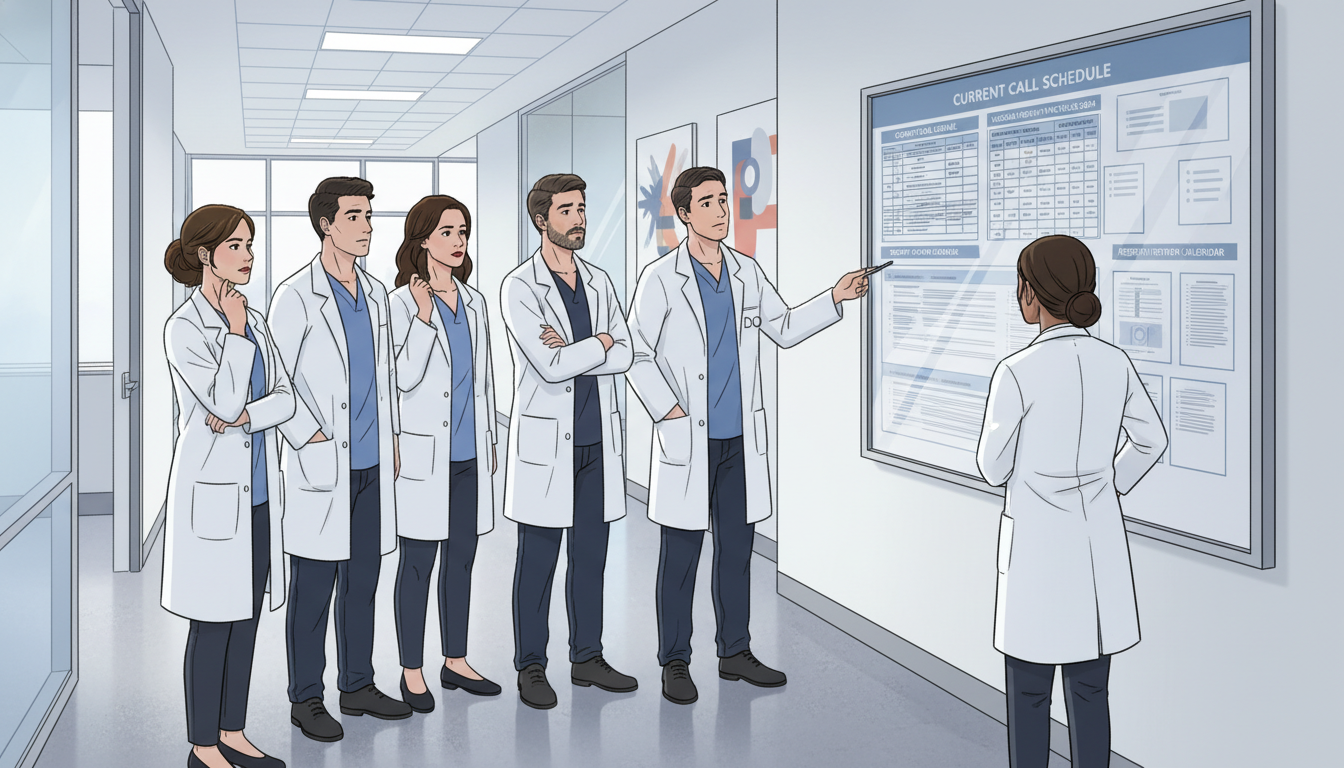
- Call schedules not provided or heavily minimized in discussion
- No clear explanation of rotation structure, metrics for advancement, or evaluation process
- Residents contradict leadership about duty hours or workload
Pattern of Retaliation Stories
- Whispers about residents who “disappeared” after raising concerns
- Faculty hint that “complainers don’t do well here”
- Residents say they “just try to keep their head down and get through”
Medical Genetics–Specific Red Flags
Because of the specialty’s structure, you should pay special attention to:
Sparse or Inconsistent Clinic Exposure
A healthy medical genetics residency should include:
- Dysmorphology/general genetics clinic
- Metabolic/biochemical genetics
- Cancer genetics
- Prenatal or reproductive genetics
- Adult-onset/genomic medicine
Red flags:
- Most clinics canceled or frequently precepted remotely with minimal interaction
- Residents mainly doing notes and orders, with little case discussion
- Limited exposure to key domains (e.g., no real metabolic or cancer genetics experience)
Weak Integration With Other Services
Malignant environments may isolate genetics:
- Poor relationships with pediatrics, NICU, oncology, or MFM
- Genetics consults disregarded or routinely overruled without discussion
- Residents used as messengers rather than valued consultants
Minimal Access to Genetic Counselors
In a balanced program:
- Residents and genetic counselors function as a team
In a problematic one: - Counselors are absent, turn over rapidly, or are clearly burned out
- Residents are expected to replace GC roles without training or supervision
- Little mentorship on complex counseling situations
- Residents and genetic counselors function as a team
No Real Exposure to Labs or Variant Interpretation
If the program:
- Has limited access to in-house or partner labs
- Provides only superficial exposure to variant interpretation
- Leaves residents “copy-pasting” vendor interpretations without critical review
then you may graduate underprepared for independent practice.
Absence of Protected Didactics in a Small Program
You should see regular:
- Case conferences
- Journal clubs
- Variant review sessions
- Tumor boards or interdisciplinary conferences
Red flags:
- Conferences frequently canceled or poorly attended
- Residents consistently pulled from didactics for service needs
- No formal curriculum or schedule of core genetics topics
Red Flags Specific to DO Graduates
For a DO graduate residency applicant, certain issues are particularly telling:
Disparaging Comments About Osteopathic Training
- Faculty or residents casually joke about DO schools
- “We typically prefer MDs but we’re open-minded” is said in a patronizing tone
- Assumptions that your baseline competence is lower
Unequal Expectations or Opportunities
- DO residents systematically held to different standards for the same milestones
- Only MD residents pushed toward research, fellowships, or leadership roles
- DO residents steered toward “easier” clinics or non-competitive career tracks
Board Exam and Licensing Support Not DO-Inclusive
- No familiarity or support for COMLEX
- Dismissive attitudes if you took COMLEX rather than USMLE
- Advising that subtly pushes you to “prove yourself more” than MD peers
Token DO Representation Without Real Inclusion
- One DO in the last several years, or the DOs you meet seem isolated
- DOs consistently speak more guardedly than MD residents during your visit
- “We’ve never had a DO in medical genetics before” with no concrete plan for support

How to Research and Screen Programs Before You Apply
You can detect many malignant residency program risks before you submit an ERAS application or enter the genetics match.
1. Read Between the Lines of Program Websites
Don’t just skim; look analytically:
- Curriculum Specificity
- Are rotations clearly described, or is it generic copy-paste text?
- Is there a structured progression (e.g., PGY1–2 focus vs PGY3–4 focus)?
- Faculty Stability
- Are many faculty “new” or “interim”? High turnover may indicate internal issues.
- Are there established, recognizable names in medical genetics?
- Resident List
- Number of residents vs number of years
- Background diversity (MD vs DO, international, various schools)
- Missing resident profiles may suggest retention problems or lack of investment
If the website is outdated or sparse, that alone isn’t proof of malignancy, but it suggests a lower priority for resident-facing communication.
2. Use Public Data: GME Reports and Match Outcomes
Look for:
- ABMGG Board Pass Rates
- Programs often state pass rates on their site. Chronic underperformance is concerning.
- Graduation and Career Outcomes
- Do graduates go into:
- Academic genetics positions?
- Industry roles?
- Undesired, nonspecialty jobs because of poor training or reputation?
- Do graduates go into:
- Genetics Match Patterns
- Sudden large drop in match fill rate may signal internal trouble.
- Programs that constantly go unfilled could reflect location, compensation, or deeper issues.
3. Talk to People in the Community
Medical genetics is a small world. Use that to your advantage:
- Ask faculty at your home institution (pediatrics, internal medicine, genetics, oncology) what they’ve heard.
- Approach genetic counselors you work with; they often know program reputations from collaborations.
- Connect with:
- Residents or fellows via LinkedIn or alumni networks
- DO-friendly mentors who know which institutions have historically supported osteopathic residents
When you ask, use open questions:
- “What have you heard about their training environment?”
- “Would you send your own trainee there?”
Consistent hesitation across multiple sources is a warning.
4. Watch for Malignant Behavior in Virtual Interactions
Many osteopathic residency match applicants lean heavily on virtual interviews. Red flags can appear even on screen:
- Program leadership arrives late, distracted, or unprepared
- Questions you ask about supervision, wellness, or grievances are brushed aside
- Residents seem scripted, all repeating the same talking points with no specificity
- When DO status comes up, the tone shifts or becomes awkward
Interview Day: Questions and Strategies to Expose Toxic Program Signs
Interview day is your best opportunity to probe beneath the marketing. Prepare questions that specifically test for malignant vs healthy culture.
Key Questions for Program Leadership
Ask in a neutral tone, then listen closely not just to what they say, but how they say it.
Resident Attrition and Transitions
- “In the last 5–7 years, have any residents left the program early or transferred? What were the circumstances and how did the program respond?”
- Look for: Concrete answers vs vague generalities. Denial of any attrition ever may be unrealistic.
Response to a Struggling Resident
- “Can you describe a time when a resident was struggling academically or personally? What support did the program provide?”
- Healthy response: specific coaching, mentorship, structured remediation, mental health access.
- Malignant response: emphasis on “we don’t tolerate weakness” or “we just expect people to keep up.”
Protections Against Retaliation
- “How do residents safely raise concerns about the program or faculty without fear of retaliation?”
- Look for: mention of ombudsperson, GME office, anonymous reporting, examples of issues addressed constructively.
Role and Support for DO Graduates
- “What experience does your program have training DO residents in medical genetics?”
- “How do you support residents from varying training backgrounds (MD, DO, IMGs) in making the transition?”
- Healthy programs: speak positively and specifically about DO alumni or support structures.
Questions for Current Residents (Ask Without Faculty Present)
Residents are your best data source. Prioritize time with them.
Typical Week and Workload
- “Walk me through a typical week on your busiest rotation.”
- Notice if the description sounds sustainable and educational, or chaotic and punitive.
Wellness and Support Culture
- “If you had a personal crisis or needed time off, how would the program respond?”
- “Have you ever seen a resident punished or shamed for asking for help?”
Educational Quality vs Service Load
- “Do you feel your time is mostly educational or mostly service?”
- “How often do you miss conferences or didactics because of service needs?”
DO-Specific Experiences
- “Have there been DO residents here? How were they treated?”
- “Do you feel all residents, regardless of degree, get similar opportunities and respect?”
The ‘Would You Choose It Again?’ Question
- “Knowing everything you know now, would you choose this program again?”
- Hesitation, long pauses, or qualified answers are telling.
Nonverbal and Environmental Cues
On in-person visits:
Residents’ Body Language
- Do they look exhausted, anxious, or guarded?
- Do they joke freely with each other and faculty?
Interaction Dynamics
- Are attendings respectful when residents speak up?
- Do staff (nurses, counselors) seem to respect residents?
Facility State
- Genetics clinic and workspaces reasonably organized?
- Desks and resident workrooms set up to support learning?
What to Do If You Suspect or Find Yourself in a Malignant Program
Despite your best efforts, you might still match into a program that reveals serious residency red flags after you arrive. You have more options than you might think.
Before Rank Lists: Weighing Red Flags vs Opportunities
If you identify concerning signs but the program offers strong clinical exposure or research:
- Discuss with trusted mentors who know your goals and risk tolerance.
- Ask directly for contact with recent graduates; they may be more candid.
- Consider:
- Could you realistically transfer if needed?
- Is the program’s name or training strong enough to justify some cultural downsides?
- As a DO graduate, would this program’s reputation help or limit your future choices?
If a program appears truly malignant—chronic abuse, fear, systemic dishonesty—strongly consider ranking it low or not at all, even if it is prestigious.
After Matching: Assessing and Protecting Yourself
If early experiences suggest the program is worse than expected:
Document Objectively
- Keep a private record (off hospital systems) of:
- Dates
- Specific incidents
- Witnesses
- Emails or communications
- Separate feelings from facts; documentation is crucial if things escalate.
- Keep a private record (off hospital systems) of:
Seek Allies and Mentors
- Identify at least one trusted faculty member separate from direct leadership.
- Connect with:
- GME office staff
- Institutional ombudsperson
- Resident union (if present)
Use Formal Channels Early for Safety/Ethics Issues
- Patient safety lapses, harassment, discrimination, or retaliation should be reported through:
- GME
- Compliance/ethics office
- Title IX (for harassment or discrimination)
- Patient safety lapses, harassment, discrimination, or retaliation should be reported through:
Explore Transfer Options If Necessary
- Speak discreetly with:
- Your PD (carefully, if safe)
- GME office
- External mentors
- Other programs sometimes accept transfers, especially in small fields like medical genetics.
- Speak discreetly with:
Protect Your Long-Term Career
- Maintain professionalism despite toxicity; document your work and achievements.
- Preserve relationships with non-toxic faculty who can provide fair letters.
- For DO graduates, reputation and references can be especially important in postgraduate fellowships or jobs.
FAQs: Malignant Programs and the Genetics Match for DO Graduates
1. Are malignant programs more common in smaller specialties like medical genetics?
Not necessarily more common, but more impactful when they occur. In small programs, a single toxic leader can shape the entire culture, and you can’t simply “avoid” certain rotations or attendings. That makes thorough research—talking to residents, recent grads, and faculty in the field—especially critical before entering the genetics match.
2. As a DO graduate, will I be at a disadvantage in the medical genetics residency match?
Many medical genetics programs are open and enthusiastic about DO applicants, particularly as osteopathic training has become more integrated into the single accreditation system. However, bias still exists at some institutions. Pay close attention to:
- Whether the program has trained DOs before—and how they speak about them
- Whether leadership can articulate a plan to support trainees with diverse backgrounds
If you sense persistent bias, consider it a significant residency red flag.
3. How can I distinguish between a high-expectation program and a truly malignant residency program?
High-expectation, non-toxic programs:
- Offer intensive clinical exposure with strong teaching and mentoring
- Provide support for struggling residents
- Are transparent about schedules, expectations, and evaluations
Malignant programs: - Couple high demands with shame, punishment, or fear
- Dismiss wellness or safety concerns
- Show patterns of attrition, secrecy, or retaliation
The difference is not workload alone; it is workload plus the culture and response to problems.
4. What should I do if residents give me mixed signals about program culture?
Mixed signals are common because residents may differ in coping styles, experiences, or level of dependence on the program (e.g., visa status, family ties). When this happens:
- Pay more attention to specific examples than vague impressions
- Prioritize input from recent graduates and mid-level residents
- Cross-check with external sources: your mentors, genetic counselors, or faculty at other institutions
If doubts remain, factor in your personal resilience, support systems, and whether you’re willing to accept some risk for potential upside.
Identifying malignant residency programs as a DO graduate applying in medical genetics requires deliberate, strategic investigation. By learning to recognize both universal and specialty-specific toxic program signs—and by asking targeted questions during the application and interview process—you significantly increase your chances of training in a supportive, educationally rich environment that will launch a strong and sustainable career in medical genetics.