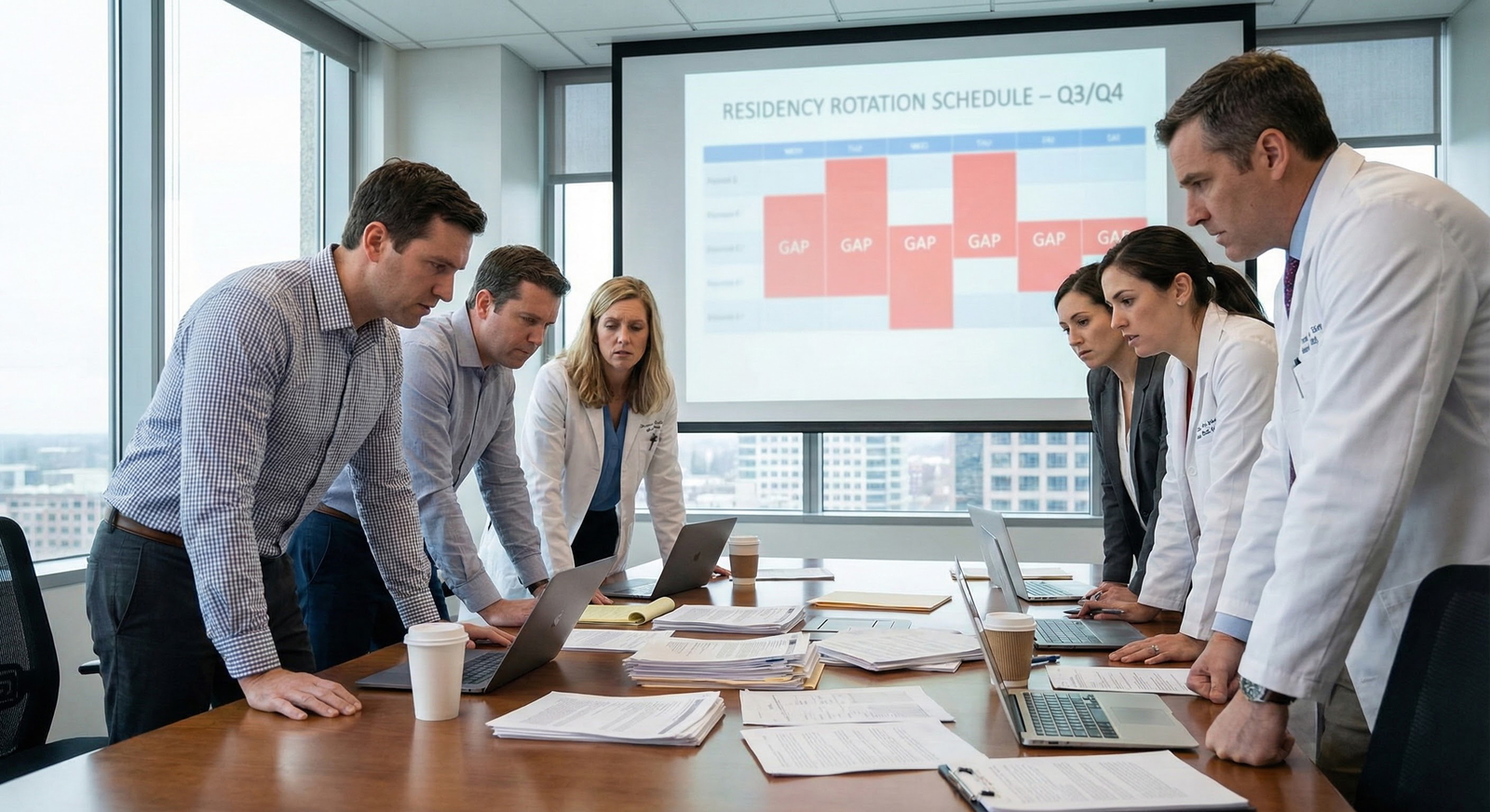
Why “Malignant” and “Toxic” Matter in Medical Genetics
“Malignant” or “toxic” are unofficial terms residents use to describe residency programs with chronically unhealthy cultures—where psychological safety, fairness, and education are sacrificed for service, control, or image. In medical genetics, where programs are small and faculty-resident dynamics are highly personal, malignant culture can be especially damaging.
A malignant residency program typically shows patterns of:
- Disrespect, intimidation, or humiliation
- Poor supervision and unsafe clinical expectations
- Lack of psychological safety or retaliation against feedback
- Exploitative work demands and chronic burnout
- Dishonesty about schedule, support, or outcomes
For a medical genetics residency, this can be magnified by:
- Small program size (few residents = limited peer support)
- Heavy reliance on a handful of attendings
- Unique, complex patient population often requiring intense coordination (NICU consults, adult genetics, cancer genetics, metabolic disease)
- Rapidly evolving science that requires strong mentoring and protected learning time
Because of the smaller scale of many medical genetics residency programs, one malignant attending or a dysfunctional PD can shape the entire environment. Identifying risk early—before the genetics match—is crucial.
Core Toxic Program Signs in Medical Genetics
Below are the most significant residency red flags to watch for as you research, interview, and rank programs in medical genetics.
1. Culture of Fear, Intimidation, or Disrespect
Programs sometimes try to hide this on interview day, but you can often detect it through subtle cues.
Common manifestations:
- Attendings who openly belittle residents, fellows, or staff
- Jokes about residents being “soft,” “weak,” or “not cut out for this”
- Residents appearing anxious when attendings enter the room
- Residents whispering, checking over their shoulder, or avoiding direct comments about specific faculty
- Rigid hierarchy where residents are expected to “just take it” and not question decisions
Medical genetics–specific examples:
- A resident presents a complicated metabolic case and is told in front of the team, “How do you not know this? You’re a genetics resident—this is basic.”
- Fellows or residents are publicly criticized for misunderstanding a variant classification rather than being coached or given resources.
- Residents are punished for bringing up patient safety concerns related to genetic testing errors.
Questions to ask (and what to listen for):
- “How does the program handle disagreements between residents and attendings?”
- “Can you share an example of a resident making a mistake and how it was addressed?”
- “What happens if a resident raises concerns about supervision or workload?”
If residents answer vaguely (“We don’t really have conflicts”) or look anxious, avoid details, or say, “You can’t put that in writing”, that’s a meaningful warning.
2. Lack of Transparency and Dishonesty
A hallmark of malignant programs is the gap between what they say and what actually happens.
Key indicators:
- Inconsistent answers about call schedules or clinic responsibilities
- Evasive responses when you ask about resident attrition, leaves of absence, or board pass rates
- No clear explanation of how genetics training is divided (peds vs adult, inpatient vs outpatient, lab rotations, cancer genetics)
- Glossing over serious problems with vague language like, “We’re going through a transition,” with no specifics
Medical genetics–specific red flags:
- Program cannot clearly articulate:
- The mix of pediatric vs adult genetics
- Time spent in metabolic vs non-metabolic genetics
- Access to cancer genetics, prenatal genetics, or biochemical genetics
- When asked about laboratory exposure (cytogenetics, molecular, biochemical), they respond with, “You’ll see it all,” but cannot describe structured rotations.
- No clear plan for how they handle rapid advances (e.g., exome/genome sequencing, somatic testing, gene therapies) in the curriculum.
Actionable tip: After the interview, compare information:
- Check the ACGME or program website against what you were told.
- Ask multiple residents independently about call, weekend coverage, and genetics lab exposure.
- Major discrepancies suggest a culture where image matters more than honesty.

3. Exploitative Workload and Poor Support
Every residency is demanding, but toxic program signs include chronic, unnecessary overload, and little concern for resident wellbeing.
Red flags in workload:
- Residents frequently working well beyond duty hour limits (and told not to log them)
- Being “voluntold” to stay late for tasks that could be managed by staff or faculty
- Use of fear or guilt: “If you go home, you’re abandoning your patients/team”
- Pressure not to take vacations, parental leave, or mental health days
In medical genetics specifically:
- Genetics residents covering large inpatient consult services alone overnight or on weekends, including NICU, adult, and peds consults, with slow attending response times.
- Responsibilities that go far beyond training value, such as:
- Repeatedly handling insurance prior authorizations with little educational input
- Doing extensive tracking or scheduling work that should be done by coordinators
- Being expected to manage complex variant interpretation without sufficient laboratory support or supervision
- Frequent “emergency” add-on clinics that prevent residents from leaving on time.
What healthy programs do instead:
- Clear policies and realistic patient caps for consult and clinic volumes
- Shared responsibility with genetics counselors and APPs
- Approachable attendings who actually help with workload during heavy weeks
- Transparent accommodation for illness, board prep, and individual needs
Questions to ask:
- “How often do you feel your workload is unmanageable?”
- “What happens when the consult volume spikes or multiple rapid exomes are pending?”
- “When was the last time residents raised concerns about workload, and what changed?”
If the answer is, “That’s just residency,” or residents look resigned and exhausted, be cautious.
4. Poor Supervision and Unsafe Expectations
As a genetics resident, you’ll deal with complex, high-stakes decisions: whole-exome interpretations, cancer predisposition, prenatal counseling, and metabolic emergencies. Inadequate supervision can be both malignant and dangerous.
Warning signs:
- Residents frequently “holding the bag” on complex decisions without attending backup
- Slow or absent attending response to urgent issues
- Pressure to sign out results or make recommendations before you’re comfortable
- Unclear escalation pathways for difficult cases
Genetics-focused scenarios that should raise concern:
- On-call genetics resident being asked to:
- Approve or interpret exome findings overnight without access to genetics lab staff.
- Make independent recommendations about prenatal diagnostic options or pregnancy termination without attending involvement.
- Manage acute metabolic decompensation in NICU patients with minimal backup.
- Attendings who say things like:
- “You should know this by now, just make the decision.”
- “Don’t wake me up unless the patient is coding.”
- “You’re board-eligible; act like an attending.”
How to probe this on interview day:
- “When you’re on call, how quickly do attendings respond when you page?”
- “Can you walk me through a recent challenging consult and how your attending supported you?”
- “Is there a clear policy on when to involve faculty in high-stakes decisions?”
If residents hesitate or imply that attendings are “hands-off” in critical situations, that’s a serious red flag.
Medical Genetics–Specific Red Flags You Might Miss
Some toxicity in medical genetics residency programs is more subtle and specialty-specific. Here are patterns to watch for that are particularly relevant.
1. Overly Narrow or Unbalanced Clinical Exposure
You want a broad foundation: pediatric and adult genetics, metabolic, dysmorphology, cancer genetics, prenatal, and enough lab exposure to understand test design and interpretation.
Concerning patterns:
- Program is essentially only:
- Pediatric metabolic disease, with minimal adult or non-metabolic exposure, or
- Cancer genetics, with almost no experience in congenital anomalies, neurogenetics, or inborn errors.
- Strong emphasis on one niche faculty member’s interest (e.g., mitochondrial disease, skeletal dysplasias) while other core areas are neglected.
- No formal or structured rotations in:
- Cancer genetics
- Prenatal genetics
- Biochemical genetics labs
- Molecular cytogenetics
Why this can be malignant:
- The program meets minimal requirements on paper but doesn’t prepare you for independent, broad practice.
- Residents may feel pressured to adopt the program’s narrow niche to “fit,” even if their career goals differ.
- Faculty may dismiss or devalue interests outside that niche.
Questions to clarify scope:
- “Approximately what percentage of your patient exposure is pediatric vs adult?”
- “How much time do you spend in cancer genetics and prenatal clinics?”
- “Do you have formal rotations in molecular, cytogenetic, and biochemical labs? How much hands-on interpretation do residents get?”
If residents say, “We mostly see X and don’t really do Y,” and there’s no path to supplement gaps, that’s a structural red flag.

2. Weak or Nonexistent Integration with Genetic Counselors and Labs
Modern genetics care is inherently team-based. A toxic program may minimize or disrespect this, which affects both patient care and resident learning.
Signs of trouble:
- Genetics counselors are described dismissively (“they just do paperwork”).
- No regular multidisciplinary case conferences including lab directors, pathologists, and counselors.
- Residents rarely interact directly with lab personnel.
- Little emphasis on variant curation, ACMG guidelines, or interpretation frameworks.
In malignantly structured programs, residents can be:
- Used primarily for throughput—seeing patients faster, filling in for missing counselors—without real education.
- Denied opportunities to attend tumor boards, multidisciplinary fetal boards, or variant review meetings because of “service needs.”
Ask:
- “How do residents work with genetic counselors on a day-to-day basis?”
- “Do you attend regular variant review or multidisciplinary case conferences?”
- “How much direct time do you spend with lab directors or variant scientists?”
Healthy programs will enthusiastically describe these collaborations. Weak or hostile answers suggest deeper cultural problems.
3. Hostility Toward Feedback and No Real Resident Voice
In a small field like medical genetics, you need mentors who value your perspective and growth. Malignant programs often pay lip service to feedback but retaliate when residents actually use their voice.
Telltale signs:
- Residents say feedback is “anonymous,” but faculty regularly guess and confront people afterward.
- Past attempts to suggest schedule changes or more teaching time were met with, “This is how we’ve always done it.”
- PD or core faculty describe prior residents who raised concerns as “problematic,” “not resilient,” or “poor fit.”
This can show up as:
- Shaming residents for asking for learning time to review exome results or variants.
- Ignoring requests for structured didactics in key areas (e.g., cancer predisposition panels, prenatal screening nuances, gene therapy).
- Disabling real avenues for advocacy (no resident presence at program evaluation committees, QI meetings in genetics, or curriculum planning).
Questions to ask:
- “How do residents participate in program improvement?”
- “Can you share an example where resident feedback led to real change?”
- “Has any resident left the program early in the past 5 years? Why, and what did you learn from it?”
Vague or defensive answers suggest a culture where residents are expected to be passive and grateful, not partners in improvement.
Practical Strategies to Spot Malignant Programs Before the Genetics Match
Even with limited time during interview season, you can systematically assess programs for residency red flags. Think of this as building your own “toxicity screen.”
1. Prepare Targeted Questions Before Interviews
Build a list that hits four domains: culture, supervision, workload, and education. For medical genetics, sample questions include:
Culture and safety:
- “Have residents ever felt uncomfortable raising concerns about faculty behavior or patient safety? How was that handled?”
- “How would you describe the program’s approach to wellness beyond generic statements?”
Supervision and expectations:
- “During call, what are you expected to manage independently, and what triggers mandatory attending involvement?”
- “How often do attendings review and co-sign your genetics reports or complex recommendations?”
Workload and schedule:
- “What’s a typical week like in terms of clinics, consults, call, and academic time?”
- “Do you feel you have enough time to read about your patients’ conditions and tests?”
Education and growth:
- “How many structured didactic sessions per week are protected from clinical interruptions?”
- “What formal preparation is provided for the clinical genetics boards?”
Write down answers and compare across programs. Patterns will emerge.
2. Read Between the Lines During Resident Interactions
Your best information often comes from casual conversations, pre-interview dinners, and time without faculty present.
What to observe:
- Body language: Do residents seem at ease, or tense and guarded?
- Consistency: Do different residents tell the same story about call, support, and culture?
- Energy: Are they engaged when talking about teaching, or mostly focused on “survival”?
Ask open-ended prompts:
- “If you could change one thing about the program, what would it be?”
- “What has surprised you most since starting your medical genetics residency?”
- “How did the program support you during your most stressful period here?”
Pay attention if:
- Residents avoid answering with specifics.
- They say things like, “We’re like family… we don’t really need wellness resources,” which can sometimes mask a culture of overidentification with work or lack of boundaries.
- Multiple residents independently warn you “off the record” about particular faculty or situations.
3. Research Signals Outside of Interview Day
Supplement what you’re told with what you can find.
Sources:
- Program website and social media:
- Is resident information up to date?
- Are there missing faces in class photos?
- Does the site mention resident scholarly work and graduations, or only faculty achievements?
- Public data:
- Board pass rates (if available).
- Any public ACGME citations or probation history (rare but important).
- Word of mouth:
- Ask trusted mentors or recent graduates in genetics if they’ve heard patterns about specific programs.
- Use caution with anonymous online forums (e.g., Reddit, Scutwork): look for consistent multi-year narratives, not isolated rants.
Important nuance: A single negative comment doesn’t automatically mean a program is malignant. Look for patterns across multiple sources.
4. Interpreting Conflicting Signals
You may find that a program looks excellent on paper but gives you a bad gut feeling—or vice versa. Here’s how to approach that:
- If everything looks good, but multiple independent residents express serious concerns, prioritize their lived experience.
- If one resident seems extremely negative but others are positive and specific, consider:
- Were they affected by a specific conflict or unique situation?
- Are they describing a problem that has since been addressed?
- If leadership is charming but residents are vague, anxious, or highly guarded, that’s a classic malignant pattern: top-down image management with suppressed resident voice.
When in doubt, ask yourself:
“If I had a terrible week—emotionally, physically, and clinically—would I feel safe asking for help here?”
If the honest answer is “no,” you likely shouldn’t rank the program highly, regardless of prestige.
Balancing Red Flags with Reality: No Program Is Perfect
Every residency, including the best medical genetics training sites, will have:
- Rotations that are more service-heavy than educational
- Challenging personalities
- Occasional schedule chaos
The goal is not to find a perfect program—it’s to avoid malignant ones where dysfunction is chronic, normalized, and harmful.
Green flags that can offset minor issues:
- Leadership that acknowledges shortcomings openly and describes concrete improvement steps
- Residents who feel safe giving specific feedback and examples (positive and negative)
- Strong mentorship culture, including formal and informal mentors
- Demonstrated support for residents taking parental leave, dealing with illness, or pursuing individualized tracks (e.g., lab genetics, physician-scientist focus)
For your genetics match list, prioritize:
- Psychological safety
- Breadth and quality of genetics training
- Honest, consistent communication
- Sustainable expectations
A slightly less “famous” program with a healthy culture will serve you far better than a prestigious yet malignant residency program.
FAQs: Identifying Malignant Programs in Medical Genetics
1. Are small medical genetics programs more likely to be malignant?
Not necessarily. Small programs can be excellent—offering close mentorship, flexible experiences, and strong support. However, in small programs, a single toxic leader or core faculty member can have outsized impact. This makes it even more important to:
- Talk to multiple residents across PGY levels
- Ask about how conflicts have been handled
- Understand what happens if a resident has a serious issue with one attending
If residents describe “workarounds” to avoid certain faculty, or if one person appears to control all key evaluations, be cautious.
2. How should I weigh a program’s research prestige against toxicity concerns?
Prestige, NIH funding, and famous faculty can be attractive, especially in a data-driven field like genetics. But:
- Toxic culture can erode your confidence, health, and long-term career satisfaction.
- A supportive mid-tier program often produces more productive, confident, and collaborative physician-geneticists than a malignant top-tier program.
If you’re truly torn:
- Consider which environment will allow you to ask questions, explore interests, and recover from mistakes.
- Remember that in medical genetics, your reputation as a thoughtful, ethical, collegial clinician matters more than the name on your badge.
3. What if a program shows some red flags but I don’t have many interview offers?
This is a real dilemma. Practical steps:
- Distinguish between annoying but manageable issues (e.g., clunky EMR, long commute) and core malignant traits (e.g., retaliation, chronic disrespect, unsafe supervision).
- Reach out to:
- Current residents (privately, after interviews)
- Recent graduates (via LinkedIn or faculty mentors)
- Your home institution’s genetics faculty for perspective
- If a program appears clearly malignant—especially unsafe supervision or retaliation against residents—it is often safer not to rank it highly and to consider reapplying rather than committing to a harmful environment.
Your safety, mental health, and professional identity are more important than matching at any cost.
4. Can a previously malignant program improve, and how would I know?
Yes, some programs do change—after leadership turnover, ACGME citations, or honest internal reflection. Signs of genuine improvement:
- New PD or chair who openly acknowledges past issues and describes specific changes (e.g., revamped evaluation processes, new wellness structures, independent ombudsperson).
- Residents who can point to concrete improvements over the last 1–2 years:
- “We used to have X problem; now we do Y and it’s much better.”
- Documented changes in schedules, call systems, or faculty evaluations.
If leadership insists, “We’ve never had problems,” while circulating rumors suggest otherwise, be skeptical. Real improvement stories rarely start with denial.
By approaching the genetics match with a structured lens for toxic program signs and residency red flags, you give yourself the best chance to train in a medical genetics residency where you can thrive, not just survive. Your choice of environment will shape not only your knowledge of genes and variants, but also the kind of physician, colleague, and advocate you become. Choose carefully—and trust both the data and your instincts.