Understanding “Malignant” Transitional Year Programs
For an MD graduate planning a transitional year residency (TY program), identifying a malignant residency program is critical. A malignant or toxic program can damage your wellbeing, limit your learning, and complicate your path into advanced specialties (anesthesiology, radiology, PM&R, ophthalmology, dermatology, etc.).
Transitional year programs vary widely. Some are supportive “cush” years with strong teaching and reasonable hours. Others quietly depend on TY residents as low-cost labor, offer minimal education, and tolerate disrespect or bullying. As an allopathic medical school match candidate, you often have more interview opportunities—but also more options to misjudge.
This article will help you:
- Understand what “malignant” and “toxic” actually mean in residency
- Recognize specific residency red flags for transitional year programs
- Use questions, data, and backchannel information to assess programs
- Protect yourself during the MD graduate residency application and match process
- Make a deliberate rank list that maximizes safety, learning, and wellbeing
What Does “Malignant” Really Mean in Residency?
“Malignant” is informal terminology, but residents across specialties use it consistently to describe programs with one or more of the following features:
- Systemic disrespect or abuse
- Chronic overwork with disregard for ACGME rules
- Culture of fear, retaliation, or shaming
- Minimal or fake commitment to education
- Lack of support for struggling or vulnerable residents
For a transitional year residency, malignancy often looks slightly different than it does in categorical programs:
- TY residents may be treated as outsiders or expendable because they’re there for only one year.
- Educational priorities may focus heavily on categorical interns, leaving TYs with scut work or poor teaching.
- Rotations may be used to plug schedule gaps elsewhere—leading to inconsistent schedules and broken promises.
Not every intense or busy program is malignant. Some high-volume programs are tough but fair, with strong teaching and a culture that supports you. The key is to distinguish:
- Challenging but healthy: Busy rotations, high expectations, but approachable leadership, real teaching, and honest feedback.
- Malignant: Busy plus disrespect, disregard for rules, no voice, no remediation, and a “you’re lucky to be here” mentality.
Core Toxic Program Signs in Transitional Year Residencies
This section breaks down concrete toxic program signs and residency red flags you can look for—especially relevant to TY programs.
1. Culture of Disrespect, Shaming, or Fear
A malignant program often reveals itself in how people talk about each other and to each other.
Red flags to watch for:
- Faculty casually humiliating residents in front of the team or patients.
- Residents describe being yelled at, cursed at, or belittled as “part of the culture.”
- You hear phrases like:
- “We all went through it, you’ll be fine.”
- “If you can’t handle it, you don’t belong in medicine.”
- Residents never openly disagree or appear nervous talking around attendings or leadership.
- Chief residents seem more like enforcers than advocates.
Why this matters for TYs:
As a one-year MD graduate, you may get less invested support from faculty. If the baseline culture is disrespectful, TY residents are often the first to be scapegoated or ignored.
What to ask on interview day:
- “How does this program handle unprofessional behavior from faculty or residents?”
- “Can you give an example where a resident raised a concern and it led to change?”
- “What happens if a resident is not performing well? How is that addressed?”
If you get vague answers or jokes deflecting the question (“We just don’t have any weak residents here”), consider it a major warning.
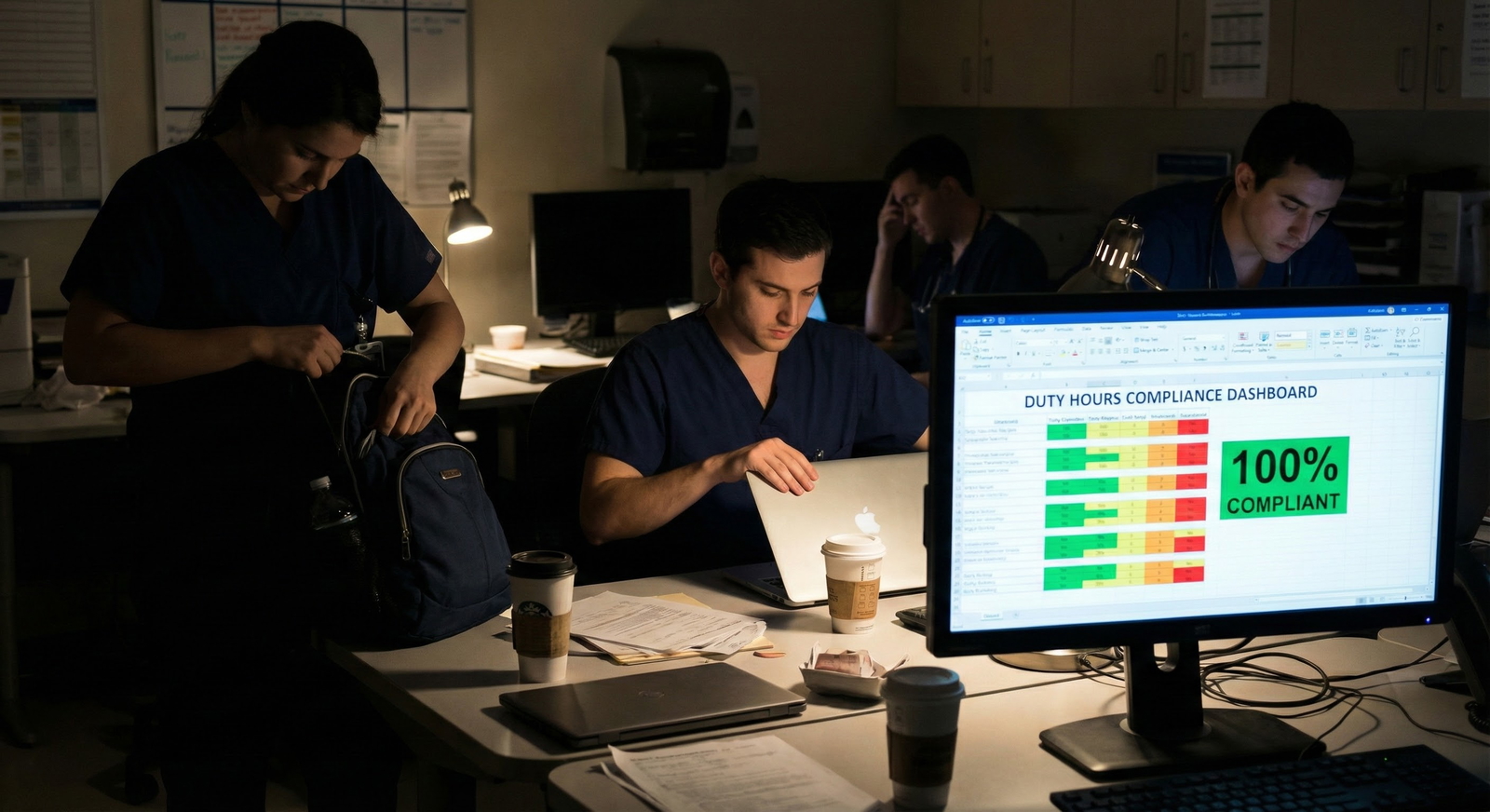
2. Overwork and Duty Hour Violations Hidden as “Professionalism”
For TY programs, service demands can be intense, especially at community hospitals that rely heavily on interns to staff wards and night float.
Common overwork red flags:
- Residents quietly mention “we always leave late” or “you’ll learn to fudge your duty hours.”
- ACGME duty hours (80 hrs/week averaged over 4 weeks, one day off in seven, 10 hours between shifts) are treated as optional suggestions.
- Duty hour reporting is done in a way that encourages under-reporting:
- “If you log that you stayed late, it’ll cause problems for everyone.”
- “Be a team player and don’t put duty hour violations in the system.”
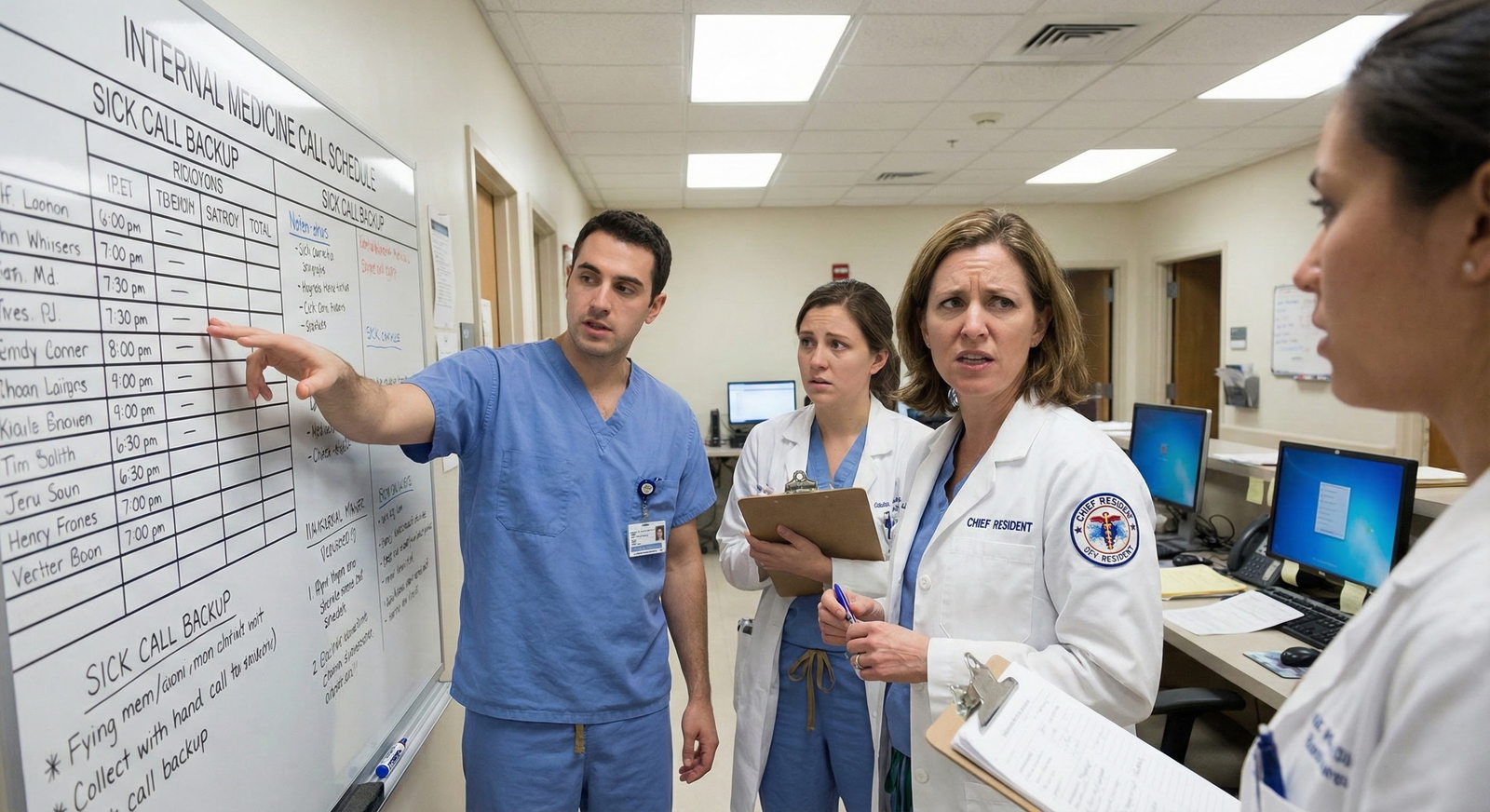
- Chronic “short-staffed” excuses with no sign of realistic fixes (new hires, locums, PAs/NPs).
Transitional year–specific concerns:
- TY residents may carry disproportionately heavy ward or night coverage to free up categorical residents for electives or clinics.
- Programs may advertise “great elective time,” but most of the year is actually ward-heavy or nights due to hidden coverage expectations.
What to ask:
- “How often do residents log duty hour violations, and how does the program respond?”
- “Can you walk me through a typical admitting day? When do you usually leave?”
- “Has your schedule changed in the last year due to ACGME feedback?”
If residents hesitate, look at each other, or give clearly rehearsed answers, that’s concerning.
3. Poor Transparency and Broken Promises
One hallmark of a malignant residency program is the difference between what’s advertised to applicants and what’s actually experienced by residents.
Red flags:
- The website or interview day emphasizes wellness, electives, and balance, but residents say:
- “We don’t really get those electives.”
- “The wellness days almost never happen because of staffing.”
- Major schedule changes or curriculum shifts occurred mid-year with:
- No input from residents
- Little warning
- No compensation or adjustment (e.g., suddenly converting elective blocks into inpatient rotations)
- You hear that TY residents were promised certain rotations (ICU, subspecialties, research) but those rarely materialize.
Importance for MD graduates doing a TY:
You’re often choosing this year to strengthen your application, explore fields, or prepare for a rigorous advanced specialty. If elective time, ICU experience, or structured education is quietly downgraded, you may lose the career advantages you aimed for.
Questions to ask:
- “How closely does the current schedule match what is listed on the website?”
- “Have there been any major changes to the TY curriculum in the past 2 years, and how were those communicated?”
- “Can you show me a sample TY resident schedule, including electives and call?”
If they cannot show you a sample schedule or they make excuses, it’s a red flag.
4. Lack of Educational Structure and Support
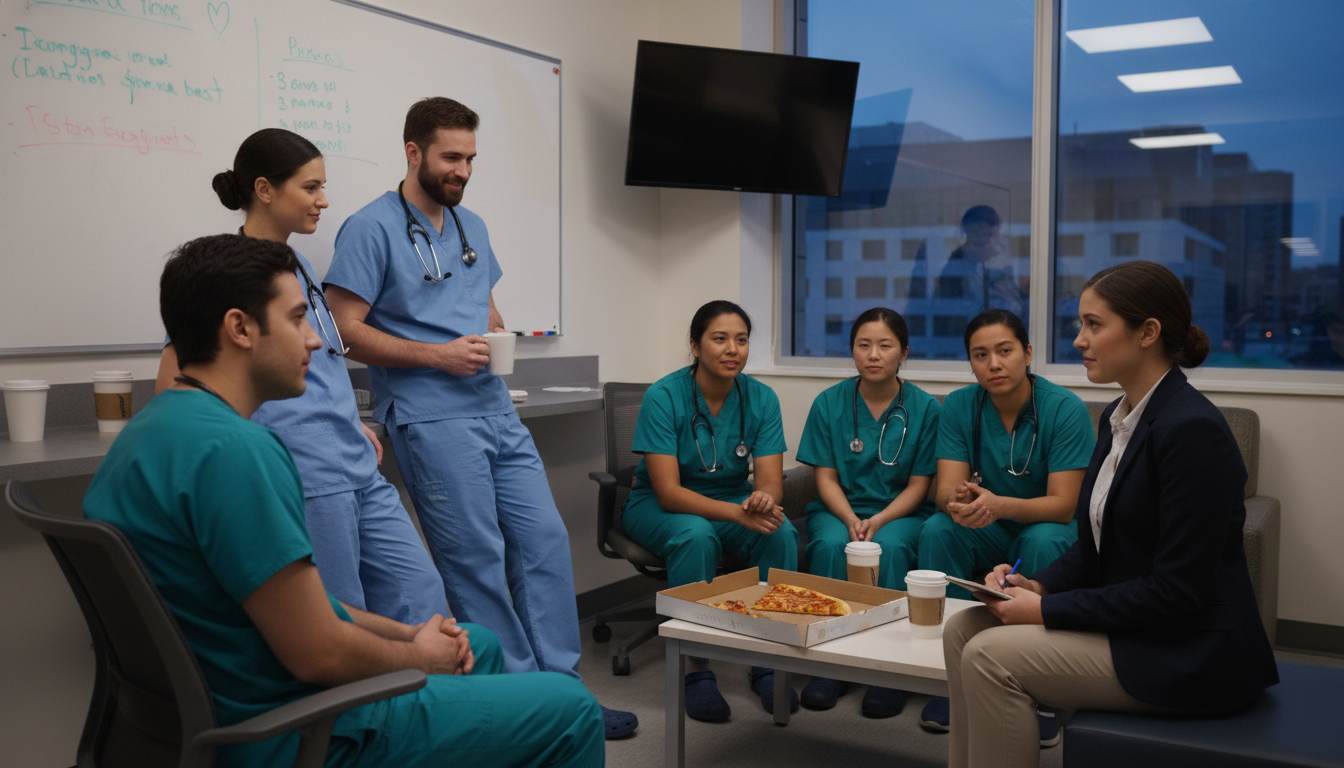
TY programs can lean either educational (strong didactics, simulation, feedback) or heavily service-oriented. Malignant programs often hide the latter under vague claims of “learning by doing.”
Signs of weak or fake education:
- Didactic sessions are regularly canceled for clinical demands with no makeup.
- Mandatory conferences (M&M, grand rounds, morning report) are advertised, but residents rarely attend because of workload.
- No clear system for feedback or evaluation beyond “you’re doing fine” until suddenly a problem is cited late in the year.
- No regular, structured time for:
- Board review
- Skills training / simulation
- Procedural teaching (if relevant for TY rotations)
For an MD graduate with an advanced specialty spot:
You want a year that keeps your clinical skills sharp and maintains your test-taking or reasoning abilities. A program where education is an afterthought may leave you underprepared for your advanced PGY-2 year.
What to ask:
- “What percentage of didactic sessions actually take place as scheduled?”
- “How is attendance at educational sessions protected from clinical demands?”
- “How often do you receive formal feedback, and is there mid-year evaluation?”
Pay attention to specifics. Answers like “We do tons of teaching” without details or structure are concerning.
5. High Turnover, Attrition, and Resident Disengagement
A classic set of residency red flags involves instability among residents and faculty.
Look for:
- Multiple residents have left the program, transferred, or not renewed contracts in the last 2–3 years.
- Residents speak about each other in cynical or defeated tones, e.g., “We’re just trying to survive the year.”
- Program directors or core faculty changed repeatedly within a short period, especially if:
- Reasons are unclear or dismissed
- Residents seem uncomfortable discussing it
- Residents do not attend interviews or resident lunches—suggesting low engagement or a culture where interacting with applicants isn’t valued.
Remember, transitional year programs naturally have 100% resident turnover every year, but:
- High faculty turnover, numerous unfilled TY spots, or frequent transfers out are major red flags.
Questions to ask:
- “Have any residents left or transferred in the last few years? What was the program’s response?”
- “How long has the program director been in place, and what changes have they made?”
- “Do residents feel they can safely voice concerns without retaliation?”
If residents look uncomfortable or clearly avoid eye contact, pay attention.
6. Retaliation, Punitive Culture, and Lack of Due Process
Perhaps the most dangerous marker of a malignant residency program is retaliation when residents speak up.
Warning signs:
- Residents hint that some residents were blacklisted or “destroyed” for complaining.
- Disciplinary processes are described vaguely, with heavy emphasis on:
- “We have high standards.”
- “We have no tolerance for bad attitudes.”
- Residents feel they have no confidential channel to raise serious concerns.
- The program discourages contact with GME, the DIO (Designated Institutional Official), or HR.
For a one-year TY resident, this can be especially problematic. You may be less protected by long-term relationships within the institution and more vulnerable to unfair evaluations that could follow you into your advanced training.
What to ask (carefully):
- “If a resident feels unsafe or unfairly evaluated, who can they talk to outside the program leadership?”
- “Are there resident representatives on committees or councils, and do they feel listened to?”
- “Has the program ever been on ACGME warning or probation? If so, how was that addressed?”
Programs that get defensive, angry, or evasive about ACGME oversight should raise suspicion.
How to Research and Detect Malignant Transitional Year Programs
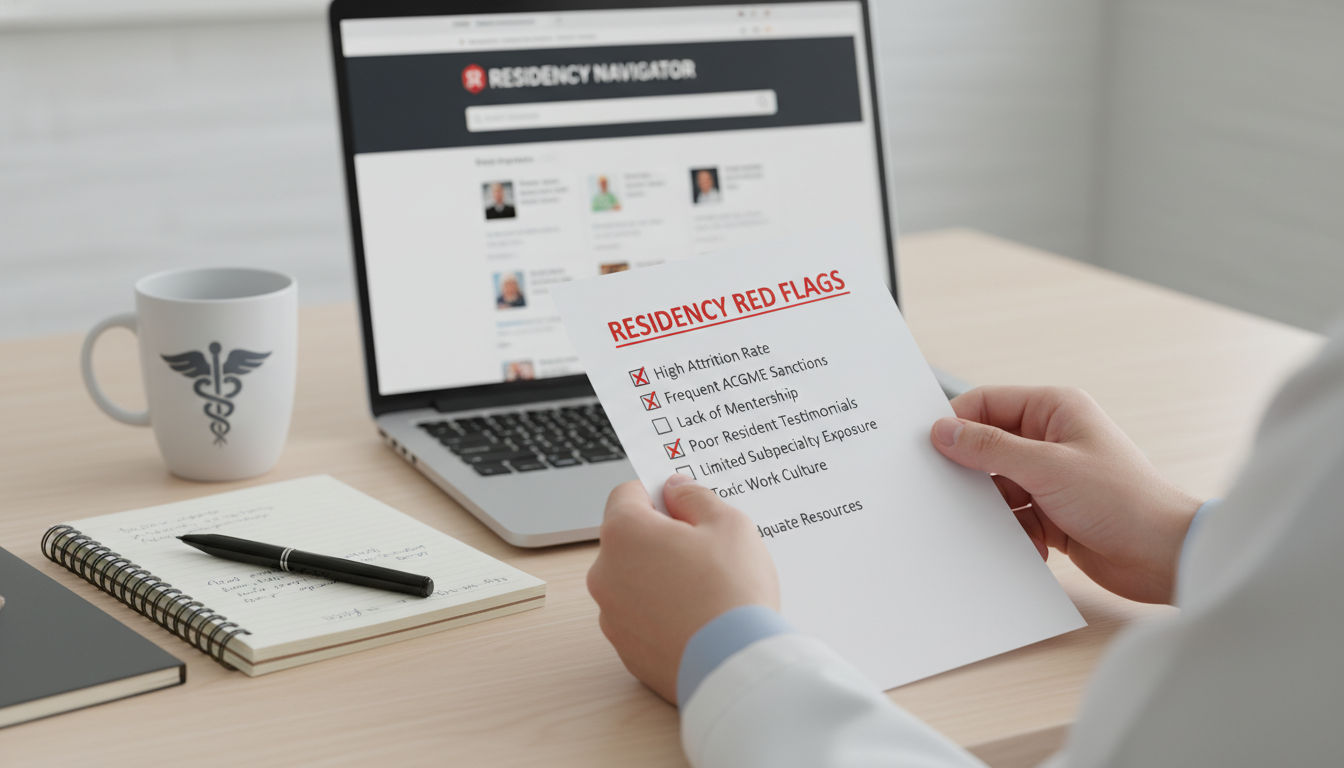
Identifying toxic program signs takes more than just reading websites and glossy brochures. Use a layered strategy.
1. Pre‑Interview Background Check
Online sources to review:
- ACGME public information:
- Check if the program exists under its specialty (Transitional Year).
- Look for accreditation status; while details of citations are not always public, changes in accreditation can hint at issues.
- Program website vs. reality:
- Compare rotation schedules, electives, and duty hours statements across multiple years (via the Internet Archive/Wayback Machine, if motivated).
- Unfiltered forums (use cautiously):
- Student Doctor Network (SDN), Reddit (r/medicalschool, r/Residency), specialty-specific forums.
- Look for consistent patterns rather than one-off rants.
Red flag patterns online:
- Multiple posts over years describing:
- Chronic overwork
- Abusive leadership
- “Do not rank” warnings for that specific TY program
While anonymous posts can be exaggerated, repeated similar complaints should not be ignored.
2. Maximizing Interview Day Insight
Interview day is your best live look at the program.
Things to observe:
- Resident body language:
- Do they look generally tired but collegial and relaxed—or anxious, guarded, and careful?
- How faculty talk to residents in front of you:
- Respectful collaboration vs. public shaming.
- Who is allowed to speak freely:
- Are residents ever alone with you for Q&A without leadership present?
- Operative/inpatient workload visible during tours:
- Overcrowded wards, residents working through lunch, no seat in the workroom.
Targeted questions for TY programs:
- “How are TY residents integrated with categorical residents on rotations?”
- “Do TY residents get the same conference and educational protections as categorical interns?”
- “What would you change about the TY program if you could?”
The last question often yields the most honest feedback; look for hesitation or nervous laughter.
3. Off‑Record Backchannel Information
If possible, use discreet, professional channels:
- Ask recent graduates from your medical school who matched into the same institution (even in other specialties) about the hospital culture.
- Reach out to current or former TY residents through alumni networks or mentors.
- Talk with faculty at your home institution who may know the program’s reputation.
Questions to ask privately:
- “Would you be comfortable sending your own trainee or family member to this TY program?”
- “Are there any serious reasons you’d advise caution or a lower rank for this specific site?”
If you repeatedly hear, “I’d be careful with that one,” probe further.
Weighing Malignancy Risk When Building Your Rank List
Once you’ve identified potential residency red flags, you still have to decide how to rank programs in the allopathic medical school match process. Some MD graduates, especially with competitive advanced positions already secured, may feel pressured to “just get a TY year anywhere.” That mindset can backfire.
1. When to Rank a Program Low vs. Not at All
You might consider ranking a program low but still on your list if:
- There are some red flags (e.g., high workload) but:
- Residents seem genuinely supportive of each other.
- Education exists and leadership is at least somewhat responsive.
- You have no safer geographic alternatives and need to secure a position.
You should consider not ranking a program at all if:
- Multiple strong red flags converge:
- Clear culture of disrespect or bullying
- Known duty hour violations with pressure to lie
- Retaliation for speaking up
- Major dishonesty between what’s advertised and what residents report
- You leave the interview feeling uneasy or unsafe, and independent backchannel opinions confirm that concern.
Remember: Going unmatched in TY is serious, but so is spending a year in a truly malignant environment that can harm your mental health, reputation, and performance going into your advanced specialty.
2. Balancing Geography, Prestige, and Safety
As an MD graduate, you may get interviews at both prestigious academic programs and smaller community TY programs.
Key considerations:
- Prestige is less important for TY than for your advanced specialty. A safe, moderately busy community TY may be far better than a prestigious but malignant academic program.
- Geography matters for support systems, especially if the program appears stressful. Being closer to family or friends can buffer a tough year.
- Educational value vs. harm:
- A program that is slightly lighter clinically but supportive and well-structured can be ideal before a demanding PGY-2 in anesthesia, radiology, or surgery.
- A heavily malignant year can drain morale and energy right before starting your main specialty.
3. Document and Trust Patterns, Not One-Off Impressions
Create a simple chart for each program you interview at:
- Culture: supportive / neutral / concerning
- Duty hours: respected / occasionally stretched / routinely violated
- Education: strong / moderate / weak or fake
- Resident voice: present / limited / suppressed
- Stability: stable / some turnover / high turnover
Then, review your notes after interview season. Patterns will often clarify which programs truly carry malignant characteristics.
Protecting Yourself if You Land in a Questionable Program
Despite best efforts, some residents still end up in a more toxic environment than expected. If that happens:
- Identify allies early.
- Look for at least one trusted faculty member, chief resident, or GME office contact.
- Document serious issues.
- Keep contemporaneous notes (dates, times, witnesses) for significant events (abuse, threats, discrimination, duty hour coercion).
- Use institutional resources.
- GME office, resident wellness programs, ombudsperson, or HR.
- Many hospitals now have confidential reporting mechanisms.
- Protect your long-term path.
- Keep relationships strong with your advanced residency program (if already matched) or mentors at your medical school.
- Maintain professionalism even in difficult environments to avoid giving ammunition to malignant leadership.
- Know that transfer is possible (though not simple).
- In severe cases, discuss transfer options with GME, mentors, or national specialty organizations.
The goal is to survive the year with your integrity, health, and reputation intact, then move into a more stable and supportive PGY-2 environment.
FAQs: Malignant Transitional Year Programs for MD Graduates
1. Are all busy or high‑volume transitional year programs malignant?
No. High volume alone doesn’t equal malignancy. A healthy but busy program has:
- Reasonable adherence to duty hours
- Supportive attendings
- Genuine teaching
- Willingness to adjust when residents are overwhelmed
A malignant program adds disrespect, fear, and dishonesty to the workload. The culture and leadership response to stress are what matter most.
2. Do MD graduates from allopathic schools face fewer malignant programs?
Not necessarily. Being an MD graduate residency applicant may open doors at more programs, but both MD and DO applicants encounter the same institutional cultures. Malignancy is about program structure and leadership, not candidate background. Your MD status may protect you slightly from some biases, but it does not protect you from toxic systems.
3. How can I differentiate between “tough but fair” and truly malignant during interviews?
Look for:
- Consistency between what leadership says and what residents quietly confirm.
- Specific examples of resident input shaping change (tough but fair) vs. residents expressing fear or helplessness (malignant).
- Whether complaints are framed as:
- “It’s busy, but we take care of each other and leadership listens,” vs.
- “It’s busy and there’s nothing we can do; if you complain, it gets worse.”
Pay more attention to resident-only conversations and your own intuitive reactions.
4. Is it ever worth ranking a clearly malignant program if I don’t have many TY interviews?
This is a personal and high-stakes decision. Factors to weigh:
- Severity of malignancy: systemic abuse and retaliation vs. just high workload.
- Your financial and personal ability to tolerate a potential year in a toxic place.
- Availability of prelim medicine or surgery positions that might be safer alternatives, depending on your advanced specialty.
If serious red flags are present (abuse, retaliation, gross duty hour violations, dishonesty), many advisors would counsel not ranking that program, even with limited options. Discuss your situation with trusted mentors who know your goals and risk tolerance.
By approaching the transitional year residency search with a clear framework for identifying malignant residency programs, you greatly increase your odds of securing a year that is challenging, educational, and humane. For MD graduates headed into advanced specialties, this year should be a strong launchpad—not a trauma you must recover from. Use the signs, strategies, and questions outlined here to protect yourself and make a deliberate, informed rank list.