
Identifying malignant programs in vascular surgery residency—especially the integrated vascular program pathway—is critical for your long‑term wellbeing, training quality, and career trajectory. While no program is perfect and every residency is demanding, some environments cross the line from “tough but fair” to chronically unsafe, exploitative, or toxic. Learning how to recognize residency red flags early can help you avoid a malignant residency program and choose a place where you can actually grow.
Below is a comprehensive guide tailored to vascular surgery applicants—both integrated (0+5) and fellowship-bound (5+2)—on how to identify malignant programs and differentiate them from simply high‑volume or high‑expectation training environments.
Understanding “Malignant” in the Context of Vascular Surgery
The term “malignant residency program” is informal but widely used. In practical terms, it refers to a program where the culture, leadership, workload, or systemic issues consistently harm trainees’ education, physical health, or mental wellbeing.
Why vascular surgery is uniquely vulnerable
Vascular surgery has several features that can blur the line between rigorous and toxic:
- High-acuity patients (ruptured AAAs, acute limb ischemia, complex endovascular cases)
- Frequent emergencies and call (night and weekend coverage for limb- and life‑threatening issues)
- Technically demanding operations with long case times
- Small program sizes (often 1–2 residents per year), which magnify any culture or leadership issues
- Blend of open and endovascular work with complex learning curves
These characteristics make stress, long hours, and high expectations almost universal. That means you must distinguish expected hardship from unacceptable toxicity.
Normal demands vs. malignant characteristics
Some aspects of vascular training that are challenging but not inherently malignant:
- 24‑hour calls with frequent emergencies
- Long operative days, occasionally beyond 12 hours
- High responsibility in patient management
- Direct, sometimes blunt feedback in the OR
- Intense pressure around technical performance and decision‑making
These cross into “malignant” when:
- The environment is consistently demeaning, punitive, or unsafe
- System failures are routinely pushed onto residents instead of being addressed
- Leadership ignores or retaliates against concerns
- Trainees show patterns of burnout, depression, attrition, or career derailment
Think of it this way: A malignant program is not just hard; it is chronically harmful.
Core Toxic Program Signs: What Malignancy Actually Looks Like
When evaluating a vascular surgery residency, look for patterns rather than isolated stories. Repeated themes across different residents and time points are the strongest warning signs.
1. Culture of fear, humiliation, and blame
A vascular surgery program is often malignant when residents describe:
- Frequent public humiliation in the OR, ICU, or conferences
- Attending yelling, cursing, or belittling residents in front of staff or patients
- Morbidity & mortality (M&M) used as a “gotcha” session rather than structured learning
- Retaliation for speaking up
- Residents who report safety issues, duty hour violations, or mistreatment being punished with worse rotations, poor evaluations, or diminished operative opportunities
- Blame rather than systems thinking
- Every complication framed as a resident “failure” rather than a complex, systems-based event
Red flag phrases from residents:
- “We just keep our heads down and try not to get noticed.”
- “Everyone is scared of making the attendings angry.”
- “You don’t ever say ‘no’—there are consequences.”
2. Persistent duty hour violations and unsafe workloads
All surgical residencies are busy, but a malignant vascular program often has:
- Chronic duty hour violations that are normalized
- Routine 100+ hour weeks
- Post‑call residents regularly working full days without rest
- No meaningful monitoring or enforcement
- Residents pressured to “fix” their hours in the system
- Explicit or implicit threats if ACGME violations are reported
- Dangerously thin coverage
- One resident covering multiple hospitals overnight
- No backup when service volumes spike or someone is ill
In vascular surgery, a malignant pattern might look like:
The integrated vascular resident is simultaneously:
- Covering floor patients and consults
- Scrubbing emergent cases all night
- Rounding, writing notes, and prepping cases the next morning
with no realistic chance for rest or cross‑coverage.
This isn’t about a bad week; it’s about chronic, structural overwork.
3. Poor operative autonomy and lopsided case distribution
Not all malignant programs are openly abusive. Some are quietly harmful by failing to train you properly.
Watch for:
- Unequal case distribution
- One or two “favorite” residents getting most high‑value cases
- Integrated vascular surgery residents repeatedly bumped by fellows or visiting attendings
- Residents primarily acting as retractors or scribes
- Minimal hands‑on experience in bread‑and‑butter vascular procedures (carotids, AV access, infrainguinal bypass, aneurysm repair, endovascular interventions)
- No graduated autonomy
- Chiefs not leading cases they should reasonably own (e.g., straightforward EVAR, fem-pop bypass)
- Little exposure to independent intraoperative decision‑making
If graduating residents rarely feel comfortable managing standard vascular pathology independently, that’s a major residency red flag.
4. High attrition and resident turnover
Vascular surgery programs are small, so every departure is a big deal. A single transfer isn’t definitive. A pattern is:
- More than one resident leaving or transferring in recent years
- Residents “disappearing” without clear explanation
- A history of residents switching specialties or leaving medicine
Ask directly (and privately):
- “Have any residents left in the last 5–7 years?”
- “Do you feel everyone who started here has been supported to graduate?”
If people hesitate, change the subject, or seem nervous, that’s highly informative.
5. Systemic disregard for wellness and safety
Even in a demanding field, a supportive vascular program will still try to respect residents as humans. A malignant one will not.
Patterns to look for:
- Punitive responses to illness or pregnancy
- Residents discouraged or subtly punished for prenatal care, maternity/paternity leave, or medical leave
- No meaningful support for mental health
- No clear way to access counseling or therapy
- Culture that labels struggling residents as “weak” or “not cut out for surgery”
- Normalization of unsafe sleep and fatigue
- Driving home after 30+ hours awake expected and unremarked
- “You can sleep when you’re an attending” used seriously, not jokingly

Vascular-Specific Red Flags in Integrated and Fellowship Programs
The structure and expectations of a vascular surgery program can introduce specialty-specific toxic program signs beyond general surgical training issues.
1. “Black hole” rotations and service exploitation
Because vascular services can be lean, some programs treat residents as inexhaustible workhorses:
- Chronic “scut-heavy” rotations
- Endless floor work, transport, and paperwork with no OR or clinic exposure
- Non-educational clinical demands
- Residents used to cover other services or hospitals unrelated to vascular training
- No protection for educational time
- Conferences frequently canceled or overshadowed by service needs
- Clinic time routinely sacrificed to cover consults or the OR
Vascular surgery is inherently service-heavy, but educational intent should be visible: are you being trained, or just used?
2. Lopsided open vs. endovascular exposure
A high-quality vascular training environment balances open operations and endovascular interventions. Problems arise when:
- Endovascular-heavy at the expense of open skills
- Residents rarely perform open aneurysm repairs, aorto-bifemoral bypass, or complex limb salvage procedures
- Open-heavy without endovascular competence
- Limited exposure to diagnostic angiography, complex endovascular techniques, or device deployment
- Case logs artificially inflated
- Residents pushed to log cases they barely participated in to meet minimums
Ask:
- “How many open AAA repairs did your last graduating resident perform?”
- “How comfortable do graduating residents feel with independent endovascular interventions?”
A malignant vascular program may hide inadequate training behind big numbers and buzzwords like “complex endovascular volume” without actual resident participation.
3. Toxic attending dynamics and small-team politics
Small integrated vascular programs magnify interpersonal dynamics. Tension among a handful of faculty can be felt intensely by residents.
Watch for:
- Faculty openly disparaging one another in front of residents
- “Silos” of faculty that don’t speak or coordinate, leaving residents caught in the middle
- Inconsistent expectations—one attending demands aggressive independence while another punishes any deviation from their preferred style
- Obvious favorites and scapegoats
- Specific residents who are “golden children”
- Others who are persistently criticized regardless of performance
Ask residents:
- “How do faculty work together as a team?”
- “Do you feel you get consistent feedback and expectations across attendings?”
If they respond with long sighs, glances at each other, or coded language (“It’s… complicated”), listen carefully.
4. Research and academic expectations as weapons
Many vascular surgery programs value research, QI, and academic productivity. In a supportive environment, this looks like:
- Protected time
- Mentorship
- Access to data and support staff
In a malignant program, research can become a tool of exploitation:
- Residents expected to produce multiple publications without any protected time
- Data access or authorship used as rewards or punishments
- Residents regularly staying excessively late to work on attending-driven projects after 12+ hour clinical days
Ask:
- “How is research time structured?”
- “Do residents feel their academic output is achievable and supported?”
If most recent papers are authored by only one or two residents and everyone else seems “too busy,” that can be a warning sign.
How to Spot Residency Red Flags Before You Rank: A Stepwise Approach
You rarely get a full, transparent view during interviews alone. Use multiple sources and time points to build an accurate picture.
Step 1: Pre‑interview research
Before you interview at any vascular surgery residency:
Review ACGME and program data
- Check for recent citations or probationary status (often mentioned in program letters or public reports).
- Look at case logs or program outcomes if available.
Search widely online
- Residency forums, Reddit, and specialty-specific threads can offer anecdotal reports.
- Be cautious of bias, but pay attention to consistent patterns across multiple posts and years.
Check for stability
- Have there been multiple recent leadership changes (PD, chair, division chief) in vascular?
- Are there frequent new faculty hires plus others “no longer listed” in a short time frame?
Instability doesn’t guarantee malignancy, but multiple structural changes in a short time frame should prompt deeper questions.
Step 2: What to look for on interview day
The interview day is curated, but certain things are hard to hide.
Residents’ body language and tone
- Do residents appear genuinely comfortable around each other?
- Do they speak freely, even in the presence of leadership?
- Are there awkward silences when you ask about hours, support, or culture?
Residents at malignant programs may seem guarded, vague, or over‑scripted.
How they answer “tough” questions
Ask residents privately (away from faculty):
- “What’s the hardest thing about this program?”
- “If you could change one thing, what would it be?”
- “Have you ever felt unsafe or unsupported clinically?”
If every answer is unrealistically glowing—or if residents dodge the question—that’s a sign they may not feel safe being honest.
Transparency from leadership
Program leadership should be able to concretely discuss:
- Duty hour tracking
- Resident wellness initiatives
- Mechanisms for feedback and change
- Any past issues and how they were addressed
A director who says, “We don’t really have problems here; everyone is happy,” without examples or data may be overlooking or minimizing concerns.
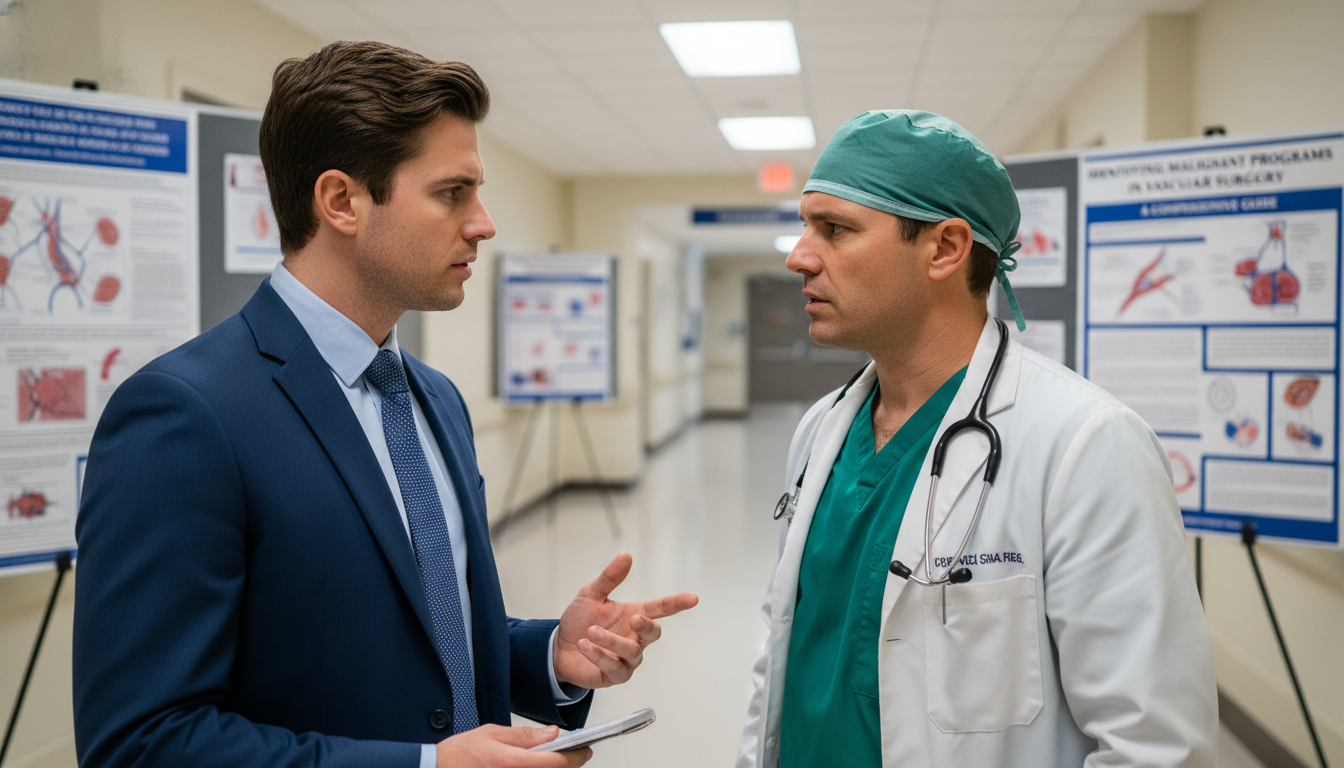
Practical Strategies to Protect Yourself: Questions and Scenarios
You can’t change a malignant program from the outside, but you can avoid ranking it highly. Use targeted questions and scenario-based inquiries to get better information.
High-yield questions for current residents
Ask these one-on-one, ideally without faculty present:
Workload and support
- “On your hardest weeks, what does your schedule actually look like?”
- “How often do you feel you can’t safely leave post-call?”
- “When you’re overwhelmed, who steps in to help?”
Culture and behavior
- “Have you ever felt humiliated or unfairly blamed in public?”
- “Do you feel comfortable admitting errors or asking for help?”
- “Is there any attending you’d tell a junior to avoid?”
Outcomes and attrition
- “Have residents ever transferred or left the program?”
- “Do you feel that everyone who starts here is supported to finish?”
- “How is a struggling resident handled—remediation vs. punishment?”
Development and autonomy
- “What types of cases do chiefs do independently?”
- “When did you first feel like the primary surgeon on a case?”
- “Do fellows (if present) complement or compete with resident experience?”
Pay close attention not just to the answers, but to the emotions behind them—tone, hesitation, and what they don’t say.
Smart questions for faculty and leadership
You can also probe politely with program leadership:
- “How do you respond when residents raise concerns about workload or mistreatment?”
- “Can you describe a time you changed something based on resident feedback?”
- “What wellness initiatives have you implemented specifically for vascular trainees?”
- “How do you ensure integrated vascular residents get adequate, progressive autonomy?”
A thoughtful, concrete answer suggests a more reflective, less malignant environment.
Red flags in how people respond
Be wary when you hear:
- “We’re a tough program; not everyone is cut out for this” used to explain multiple departures or burnout.
- “We don’t have time for that wellness stuff; we’re here to train surgeons.”
- “Our residents are expected to be like attendings from day one” without clear guardrails or support.
These often signal a glorification of suffering rather than genuine commitment to high-quality training.
If You’re Already in a Malignant Vascular Surgery Program
Some readers will already be in a program that feels toxic. While every situation is unique, a few general principles apply.
1. Prioritize personal safety and mental health
- Seek confidential support:
- Institution’s employee assistance program (EAP)
- Counseling/therapy services
- Trusted mentors outside your department
- If you feel you or patients are in immediate jeopardy due to fatigue or abuse:
- Document specific episodes confidentially
- Consider talking to your GME office, ombudsperson, or trusted faculty outside vascular
Burnout, anxiety, depression, and suicidal ideation are real risks in malignant environments. Getting help is a sign of professionalism, not weakness.
2. Explore internal and external support systems
- Within your institution:
- GME office or designated resident advocate
- Hospital wellness committee
- Diversity, equity, and inclusion (DEI) representatives if relevant
- Outside your program:
- National professional societies (SVS, APDVS)
- Former faculty mentors from medical school or prior institutions
These people can help you clarify options, from local remediation to formal complaints or transfer attempts.
3. Consider formal steps when necessary
If the situation involves serious ethical, safety, or harassment concerns:
- Review institutional policies on:
- Workplace harassment
- Duty hour compliance
- Reporting unsafe practices
- Consider anonymous or protected reporting mechanisms if available
- In extreme cases, consult legal counsel or your specialty society’s guidance on reporting
Transferring from a malignant residency program is complex but sometimes necessary. Documentation and outside advocacy can be critical.
Putting It All Together: Balancing Rigor and Respect
Every vascular surgery residency will challenge you. You will be tired, pushed, and occasionally uncomfortable. That’s inherent to becoming a surgeon in a high‑stakes, high‑acuity field.
The difference between a rigorous and a malignant vascular program lies in:
- Intent: Are expectations driven by education and patient care, or ego and control?
- Support: Are you given tools, feedback, and backup—or simply blamed?
- Growth: Do you see residents evolving into confident, capable vascular surgeons—or burning out, leaving, or barely scraping by?
When ranking programs, use a holistic but cautious lens. If you see multiple residency red flags—fear, attrition, unsafe hours, poor autonomy, retaliatory culture—it’s safer to rank that program lower or not at all, even if its name or case volume is impressive.
Your early career, mental health, and ultimate competence as a vascular surgeon depend heavily on the environment in which you train. Choosing a program that is intense but humane, demanding but supportive, is not a luxury—it’s foundational to your long‑term success.
Frequently Asked Questions (FAQ)
1. Is any very busy vascular surgery residency automatically malignant?
No. High volume and long hours are expected in vascular surgery and do not automatically make a program malignant. The key questions are:
- Are duty hours chronically violated and normalized?
- Is there support when residents are overwhelmed?
- Do trainees still get education, feedback, and autonomy, or are they just functioning as overworked service coverage?
Busy but well‑run programs often have tired but proud, engaged residents who still endorse their training.
2. How many residents leaving a program should concern me?
In a small integrated vascular surgery program, even one departure should prompt questions, but not immediate judgment. Look for:
- Patterns over 5–7 years, not a single isolated case
- How transparently the program discusses the context
- Whether residents seem comfortable talking about it
Multiple departures, vague explanations, or resident discomfort in addressing the issue are stronger signs of a malignant residency program.
3. Can I still rank a program if I see some red flags?
Almost every program has some weaknesses. The key is distinguishing:
- Yellow flags: manageable issues (e.g., limited research, tough but supportive culture)
- Red flags: patterns of abuse, unsafe hours, ignored concerns, or poor operative training
If you see several major red flags, especially around safety, culture of fear, or chronic overwork, it’s usually safer to rank that program lower, even if there are appealing features.
4. What should I do if I realize my current vascular program is malignant but I’m already deep into training?
Options depend on your year and circumstances:
- Early in training (PGY‑1–2 / junior integrated years):
- Explore transfer possibilities with trusted mentors
- Document experiences and consult GME or external mentors
- Later in training (senior/chief years):
- Focus on protecting your wellbeing, maximizing your operative experience, and building external networks
- Seek mental health support and consider formal reporting if there are serious safety or ethical violations
In every case, prioritize your safety, mental health, and long‑term career. You are not obligated to silently endure a truly malignant environment.
By learning to recognize toxic program signs and asking the right questions, you can navigate the vascular surgery match more safely and intentionally—and position yourself to become the kind of vascular surgeon you set out to be, trained in an environment that challenges you without destroying you.