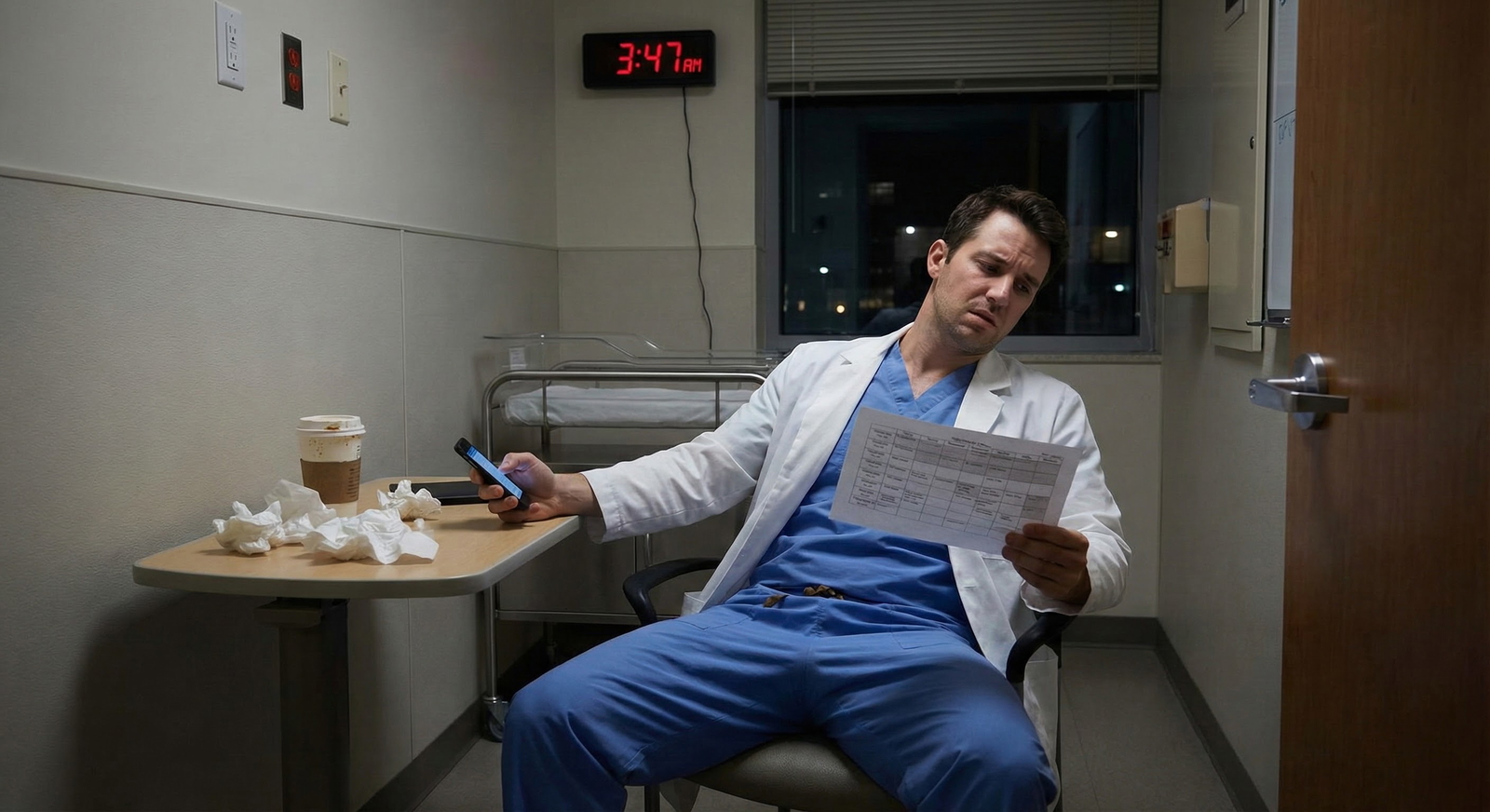
Why Resident Turnover Matters So Much for IMGs
Choosing the right internal medicine residency is one of the most consequential decisions of your career—especially as an international medical graduate (IMG). Among all the residency program red flags you might encounter, resident turnover is one of the most important yet often underestimated.
High turnover is not just a statistic; it often reflects deeper program problems: poor leadership, chronic overwork, lack of support, or a toxic culture. For an IMG, whose visa status, career trajectory, and chances at fellowship may depend heavily on one program, these issues can be catastrophic.
This IMG residency guide focuses on helping you:
- Understand what “resident turnover” really means in internal medicine
- Recognize resident turnover red flag patterns before ranking a program
- Ask smart, tactful questions on interview day
- Interpret what you see and hear from current residents
- Decide when “residents leaving program” is understandable—and when it’s a warning siren
By the end, you should be able to spot the early warning signs of instability and protect yourself from stepping into a problematic environment.
Understanding Resident Turnover in Internal Medicine Programs
Before you can interpret turnover, you need a clear idea of what it is—and what it isn’t.
What Is Resident Turnover?
In the context of an internal medicine residency, “resident turnover” usually refers to:
- Residents who leave the program before completion (transfer out, resign, non-renewal, dismissal)
- Residents who switch specialties or move to a different institution
- More subtle forms of turnover:
- Multiple residents going on extended leaves not related to health/family
- Several residents not advancing to the next PGY level at expected times
- A pattern of residents leaving after PGY-1 or PGY-2
Some turnover is normal: people realize they chose the wrong specialty, need to move for family reasons, or get an unexpected opportunity. The problem arises when the rate and pattern of turnover suggest a systemic issue.
Why Turnover Hits IMGs Harder
For an international medical graduate in internal medicine:
- Visa dependency: If you’re on a J-1 or H-1B, leaving a program can jeopardize your immigration status.
- Limited re-match options: Securing another IM position as an IMG after leaving a program is significantly harder.
- Financial and family strain: Moving cities/states, losing income, or dealing with visa transitions can be overwhelming.
- Reputation concerns: Program directors may view leaving a program as a red flag unless it’s very well-explained.
Because of this, IMGs must be especially cautious about program stability. An American graduate might be able to recover more easily from a bad program situation; for you, the margin for error is much smaller.
Healthy vs. Concerning Turnover
Not all turnover equals “program problems.” You need to distinguish normal from pathological.
Potentially normal situations:
- 1 resident in a large program (e.g., 60+ residents) leaves every few years
- A resident leaves due to clear family relocation or documented personal reasons
- A single PGY-1 decides on another specialty (e.g., radiology or neurology) and switches early
Concerning patterns (especially for IMGs):
- Multiple residents leave within 1–2 consecutive years
- More than one resident per class leaves or fails to advance
- Residents “disappear” from the roster without clear explanation
- Rumors of dismissals, “mutual separations,” or frequent non-renewal contracts
- A long history of residents leaving program early, discussed vaguely or defensively
When these patterns exist, you must investigate deeper.
Visible Red Flags: What You Can See Before and During Interviews
Several warning signs can be spotted through program websites, interview day logistics, and how information is (or isn’t) shared.

1. Inconsistent or Outdated Resident Rosters
What to look for online:
- Program website lists each PGY class and residents’ names.
- Cross-check the rosters across:
- Current year
- Last year (use “Wayback Machine” or cached pages if possible)
- Any “alumni” or “recent graduates” sections
Turnover warning signs:
- Names missing from one year to the next with no explanation (e.g., “transferred” or “left”).
- Multiple “Preliminary” IM residents who never appear in advanced programs.
- PGY-2 or PGY-3 classes with unexpectedly small numbers compared to PGY-1.
- Alumni lists that simply stop after a certain year, or show erratic numbers.
This doesn’t prove a problem, but it’s a clue that deserves follow-up questions.
2. A Story That Changes Depending on Who You Ask
On interview day, pay attention to consistency.
Red flags:
- The program director says, “We’ve never had anyone leave,” but a chief resident privately mentions recent departures.
- Faculty describe the program as “like a family,” but residents mention “some recent issues” or “we’re working on several changes” with tense body language.
- Different residents give conflicting numbers when you ask how many have left in the last few years.
Programs with nothing to hide are usually open and consistent: “Yes, we had X resident leave for family reasons two years ago, and Y transfer to another specialty; we learned from that and here’s what we changed.”
3. Defensive or Vague Answers About Resident Departures
How people answer your questions matters as much as the content.
Concerning responses:
- “People leave all the time, that’s just residency.”
- “Well, they weren’t really a good fit…” with no concrete explanation.
- “We prefer not to talk about that,” or visible discomfort when you ask.
- Blaming the resident entirely, especially using phrases like:
- “They just couldn’t handle the work.”
- “They weren’t committed.”
- “They had professionalism issues,” with no context.
A healthy program acknowledges its own role in resident well-being and development. Pure blame-shifting is a sign of poor leadership or a punitive culture.
4. Minimal Resident Exposure on Interview Day
Interview days where you rarely see or meaningfully interact with current residents should raise your suspicion.
Watch for:
- Very short resident Q&A sessions, heavily attended by faculty.
- Only chief residents allowed to speak, while others are “too busy.”
- No opportunity for unobserved conversation (e.g., virtual breakout rooms, resident-only lunch, or social events).
- Residents clearly uncomfortable answering certain questions, looking at each other or faculty before responding.
Programs that restrict resident interaction often fear what residents might say about program problems—including high resident turnover.
5. Abrupt Schedule Changes or Disorganization
While every program has busy days, repeated chaos can indicate deeper issues:
- Last-minute cancellation of resident meet-and-greets “because everyone is on call.”
- Multiple faculty no-shows, replaced by last-minute stand-ins who don’t know the schedule.
- Program coordinator appears overwhelmed, confused about interview timing, or unresponsive to emails.
Chronic disorganization may correlate with poor planning, understaffing, and high resident burden—factors that contribute to residents leaving program prematurely.
Hidden Warning Signs in Resident Culture and Workload
Some of the most important IMG residency guide insights are not obvious on paper. You need to read between the lines of residents’ behavior, tone, and comments.

1. Exhaustion That Seems Beyond Normal IM Fatigue
Internal medicine is demanding, and residents will be tired. But there’s a difference between normal post-call fatigue and a program that is systematically burning people out.
Warning signs:
- Almost all residents you meet look exhausted, irritable, or disengaged.
- Jokes about “living in the hospital” that don’t sound like jokes.
- Phrases like:
- “You just survive three years.”
- “Don’t plan on having a life.”
- “We lose people by PGY-2 if they can’t keep up.”
If multiple residents independently describe their experience as purely survival, not learning and growth, that’s a strong resident turnover red flag.
2. Excessive Workload Without Support
Ask about:
- Average number of patients per intern and senior
- How often they cross-cover very large numbers at night
- Time regularly available for:
- Studying
- Clinics
- Board preparation
- Personal needs (meals, restroom, sleep on call)
Concerning patterns:
- Interns regularly carrying 14–18+ patients with complex social needs and minimal ancillary support.
- Residents routinely staying hours past sign-out to complete notes.
- No real “caps” on admissions, or caps that are constantly exceeded.
- Residents saying, “We meet duty hours on paper,” with a knowing smile.
Programs where residents are pushed to the limit are more likely to see burnout, depression, and eventually residents leaving program—especially those who don’t have strong local support networks (like many IMGs).
3. Culture of Fear, Blame, or Public Shaming
Listen carefully for signs of psychological safety:
- Do residents say they feel comfortable:
- Asking questions?
- Admitting knowledge gaps?
- Reporting near-misses or errors?
Red flags include:
- Frequent references to “getting yelled at” during rounds.
- Stories of residents being publicly humiliated by attendings or program leadership.
- Residents who are fearful when describing leadership, quickly changing subject.
- A sense that making a mistake leads to punishment rather than learning.
Such cultures often lead to anxiety, burnout, and eventually attrition—and they are particularly dangerous for IMGs, who may already feel vulnerable about language, cultural differences, or visa status.
4. Lack of Support for Struggling Residents
No matter how strong a resident’s background, most people will struggle at some point—clinically, emotionally, or personally. The critical question is how the program responds.
Ask:
- “If a resident is having difficulty clinically, what support systems are in place?”
- “How are remediation and feedback handled?”
- “Are there wellness resources and mental health services that residents actually use?”
Concerning answers:
- Vague responses: “We expect everyone to just step up.”
- Overemphasis on punitive measures (probation, non-renewal) rather than coaching.
- Residents quietly telling you “people who struggle usually end up leaving” instead of being helped.
A program with healthy systems will talk concretely about mentorship, structured remediation, and early support.
Specific Red Flags IMGs Should Watch for
As an international medical graduate, you face additional layers of complexity in the IM match. You must consider not only resident turnover but how it intersects with visa, culture, and long-term career goals.
1. High Turnover Among IMGs Specifically
Pay attention to who is leaving:
- Have multiple IMGs left or been dismissed in recent years?
- Do the current residents include IMGs, or is the program almost entirely US grads despite claiming to be “IMG-friendly”?
- Do IMGs who match there successfully get fellowships, or do they disappear from alumni lists?
If you see a pattern where IMGs frequently leave program or are underrepresented in senior classes despite being present in junior years, this is a major red flag.
2. Weak or Confusing Visa Support
For IMGs, visa handling is not negotiable. Ask:
- “Do you sponsor J-1? H-1B?”
- “How many current residents are on visas?”
- “Who helps with visa paperwork and timelines?”
Concerning patterns:
- Program leadership seems uncertain about visa types or rules.
- No clear administrative support for visa processes.
- Stories of residents having last-minute visa crises, delays, or gaps in pay/benefits due to paperwork issues.
- Past residents leaving program due to unresolved visa complications.
Poor visa support can directly trigger turnover or force you into desperate decisions.
3. No Clear Pathway to Fellowship or Career Advancement
Turnover is sometimes related to residents feeling “stuck” or unsupported in their goals.
For IMGs interested in fellowship:
- Check how many graduates (especially IMGs) have recently matched into:
- Cardiology
- GI
- Pulm/CC
- Nephrology
- Other subspecialties
- Ask directly:
- “How does the program support fellowship applications for IMGs?”
- “Do IMGs here get research opportunities and strong letters?”
Warning signs:
- Vague answers like “People do fine” without specifics.
- Alumni lists that show few or no fellowship matches for IMGs.
- Comments from residents suggesting that only a select few get meaningful support.
A program that does not invest in your long-term success may see more residents leaving for perceived better opportunities.
4. Poor Communication and Ineffective Leadership
Leadership issues often sit at the root of program problems that drive turnover.
Ask about:
- Frequency and quality of town halls, resident forums, or meetings with leadership.
- Specific examples of changes made in response to resident feedback.
Red flags:
- Residents say, “We complain but nothing changes.”
- Leadership meetings occur rarely or only when there’s a crisis.
- Residents feel decisions are imposed from above with no transparency.
For IMGs, unclear or unresponsive leadership magnifies every other challenge you face.
How to Ask Smart Questions About Turnover (Without Burning Bridges)
You must balance honesty and tact. Your goal is to collect reliable information about resident turnover red flag patterns while still presenting yourself as a professional, thoughtful applicant.
Questions to Ask the Program Director or Leadership
Phrase your questions neutrally:
- “How many residents have left the program in the past five years, and what were the common reasons?”
- “When residents struggle—clinically or personally—how does the program typically respond?”
- “Can you describe any major changes the program has made recently in response to resident feedback?”
Look for:
- Specific numbers or ranges.
- Clear, non-defensive explanations.
- Acknowledgment of shared responsibility and concrete improvements.
Questions to Ask Current Residents
You will often get more honest, nuanced answers from residents, especially in resident-only settings.
Consider asking:
- “Have any residents left the program early in recent years? If so, what were the main reasons?”
- “Do you feel the program listens and responds when residents raise concerns?”
- “If you could change one big thing about this program, what would it be?”
- “Would you choose this program again if you had to reapply?”
Pay attention to tone and hesitation, not just words. Sometimes residents will communicate more with what they don’t say.
Using Pre- and Post-Interview Research
You can supplement your impressions with additional data:
- Check online forums and reviews cautiously (Reddit, SDN) for patterns, not isolated complaints.
- Look at ABIM board pass rates. Repeated low or declining pass rates may correlate with overwork and instability.
- Ask your mentors if they’ve heard whispers about a program having many residents leaving program.
No single source is definitive, but congruent signals from multiple places strengthen your conclusion.
Making a Final Decision: When Turnover Is Acceptable vs. Unacceptable
At the end of your IM match season, you’ll need to rank programs, sometimes choosing between imperfect options. Use these practical guidelines.
When Turnover Might Be Acceptable
You might still rank a program relatively high if:
- There were one or two departures over several years, with clear, understandable explanations (family move, change in specialty).
- Leadership openly acknowledges what happened and what they learned.
- Current residents, including IMGs, genuinely seem supported and mostly satisfied.
- The program demonstrates strong teaching, good fellowship outcomes, and solid visa support.
In such cases, turnover may simply reflect normal human variability, not program dysfunction.
When You Should Strongly Reconsider Ranking a Program
Be very cautious—or consider removing a program from your list—if:
- Multiple residents have left or been dismissed in recent years, especially IMGs, and explanations are vague or conflicting.
- Residents appear chronically exhausted, demoralized, or fearful of leadership.
- There is clear evidence of a toxic culture: public humiliation, blame, lack of psychological safety.
- Visa support is weak or unreliable.
- You repeatedly hear, “I wouldn’t choose this place again if I had other options.”
For an international medical graduate, entering such an environment can put your career, visa, health, and well-being at serious risk.
Balancing Risk, Geography, and Competitiveness
Many IMGs apply broadly and may feel pressure to “accept anything that offers a spot.” But it’s crucial to weigh:
- Risk of not matching this cycle vs.
- Risk of matching into a harmful program that jeopardizes everything
If you are a moderately competitive IMG (good scores, US clinical experience, solid letters), you can be more selective. If you are less competitive, you may decide to keep a marginal program on your list—but with full awareness of the risks, and a plan (mentors, coping strategies, early communication) in case problems arise.
FAQ: Resident Turnover and Red Flags for IMGs in Internal Medicine
1. What level of resident turnover is “normal” for an internal medicine residency program?
Most stable IM programs will occasionally have a resident leave over several years, usually for family or specialty change reasons. For a medium-to-large program, 0–1 departures every few years is generally not alarming. Repeated patterns—such as multiple residents leaving in consecutive years, especially from the same class—are more concerning and deserve closer examination.
2. How can I, as an IMG, verify if a program has had residents leave or be dismissed?
Use a combination of approaches:
- Compare resident rosters across years on the program website (and via archived versions).
- Ask current residents directly during interviews: “Have any residents left early recently?”
- Look for hints in online forums, but confirm them by asking neutral, professional questions on interview day.
- Ask faculty mentors in the US if they’ve heard of issues with residents leaving program at that institution.
No single source is perfect; you are looking for consistent patterns across multiple sources.
3. Should I automatically avoid any program where a resident has ever left early?
Not necessarily. A single, well-explained case (e.g., spouse relocation, serious family illness, or a thoughtful change in specialty) is not a major red flag by itself. What matters is:
- Frequency and pattern of departures
- Transparency and tone when the program discusses them
- Overall resident well-being and culture you observe
Use turnover as one piece of a larger puzzle, not an absolute rule.
4. As an IMG, if I match into a program that turns out to be problematic, can I transfer out?
Transfers are possible but difficult, especially for IMGs on visas. You would need:
- A valid reason (documented mistreatment, major misrepresentation, serious health/family issues)
- Strong support from faculty mentors and maybe your current program (which can be politically complex)
- An available open PGY position at another program that accepts IMGs and can handle your visa
Because the process is uncertain and stressful, it is far safer to identify resident turnover red flag patterns before you rank programs, rather than relying on transfer as a backup plan.
By carefully observing resident morale, asking thoughtful questions, and paying special attention to turnover patterns—especially among IMGs—you dramatically improve your chances of choosing an internal medicine residency that supports your growth rather than undermining it.